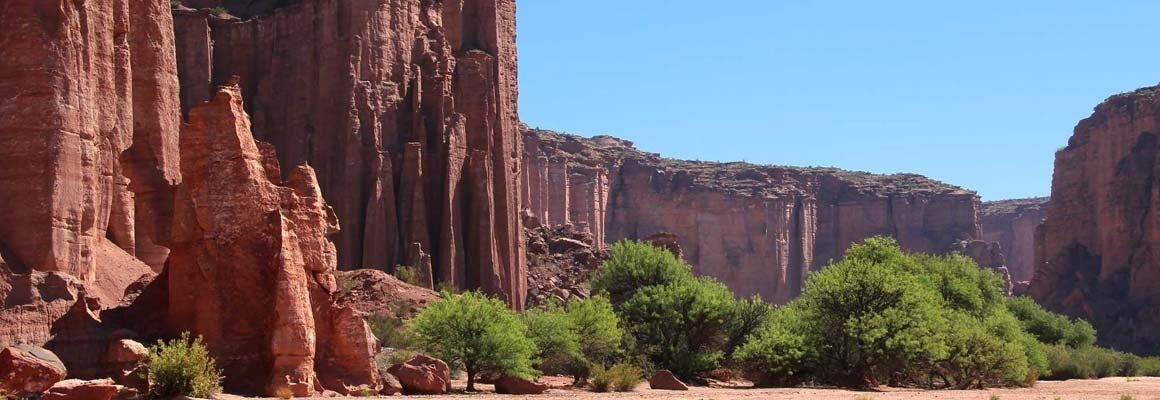
Ischigualasto Provincial Park is a unique natural area in northwestern Argentina, in San Juan Province. It is known for unusual rock formations, broad desert plains and a rich record of ancient fossils. Its landscapes resemble the surface of the Moon, which is why the park is often called Valle de la Luna, or the Valley of the Moon. It is one of the country’s most extraordinary destinations, where geological forms and Earth’s history become part of an unforgettable journey.
The park lies in an arid region near the eastern slopes of the Andes and covers about 600 square kilometres. Its geological layers preserve evidence of ancient ecosystems that existed more than 200 million years ago. Together with neighbouring Talampaya National Park, Ischigualasto forms the UNESCO World Heritage property known as Ischigualasto and Talampaya Natural Parks, recognised for its exceptional geological value and importance to the study of early vertebrate evolution.
Landscapes that resemble the Moon
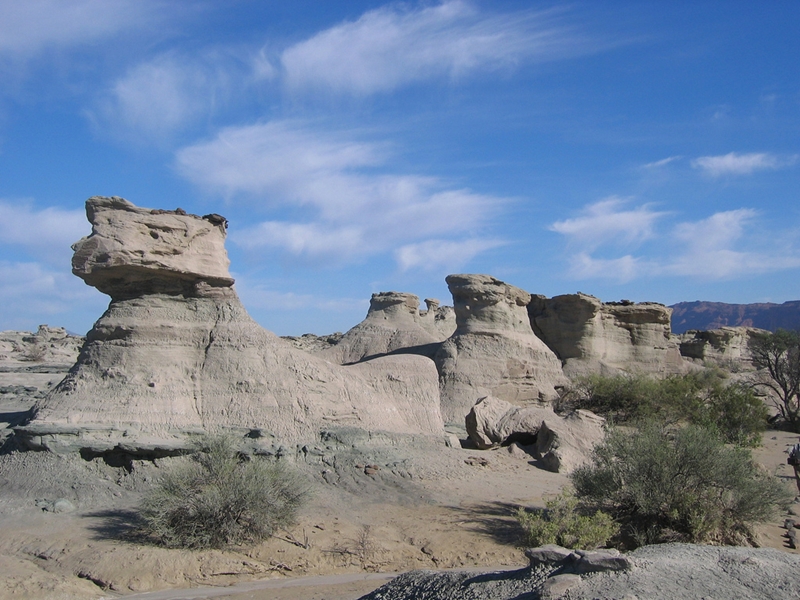
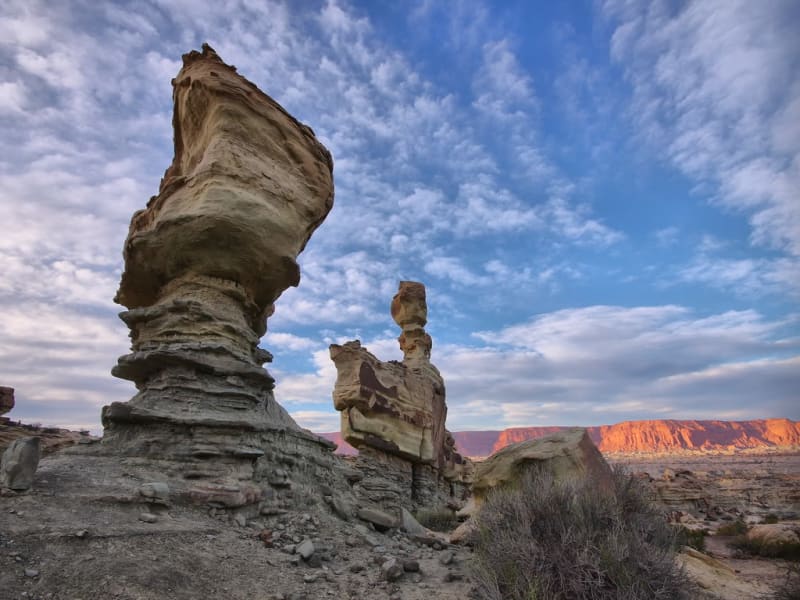
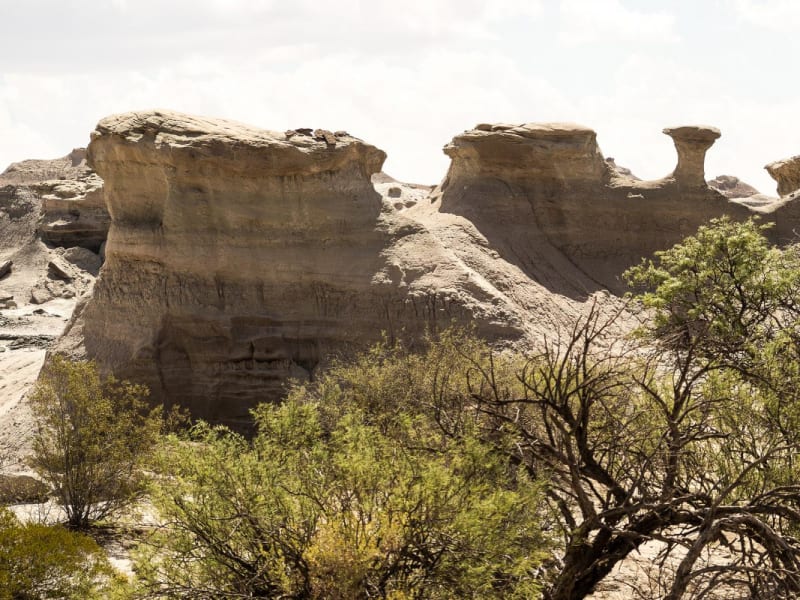
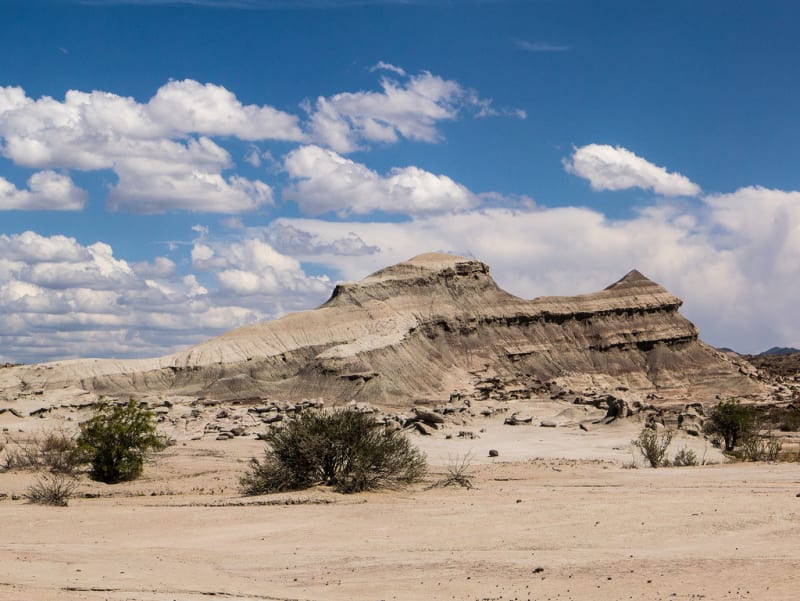
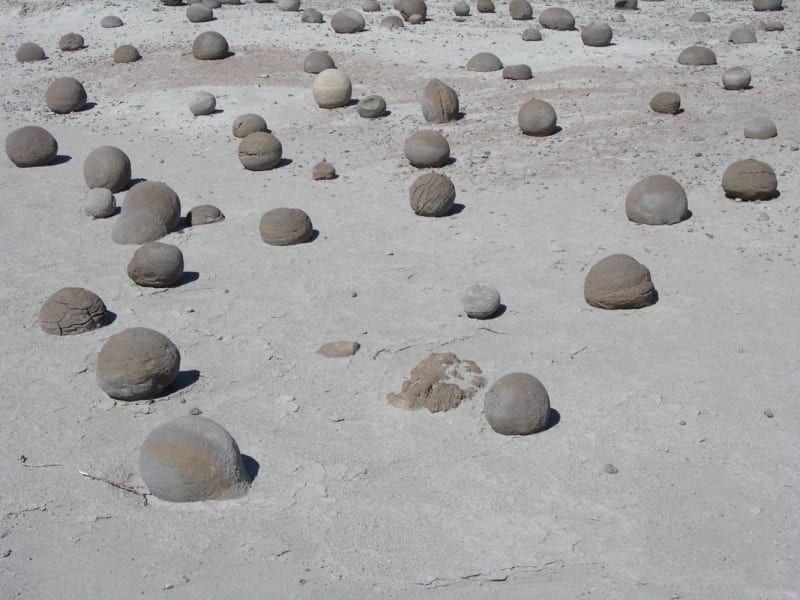
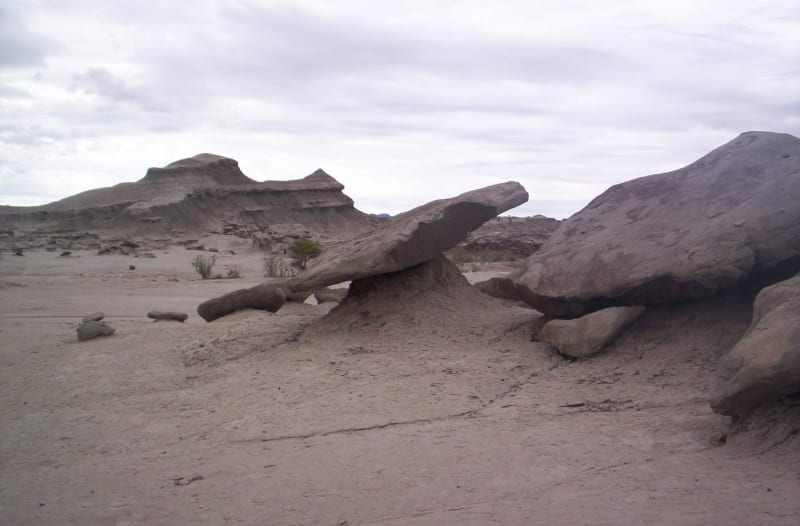
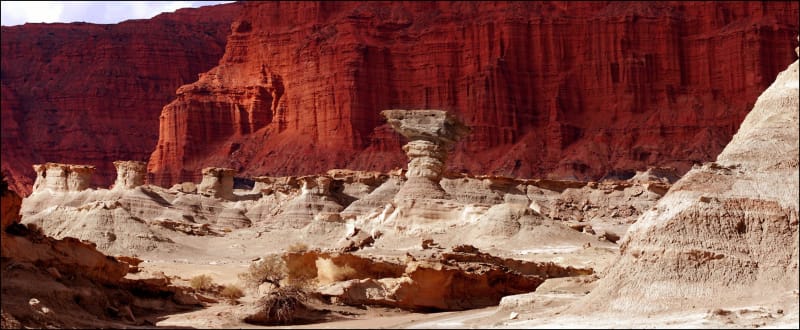
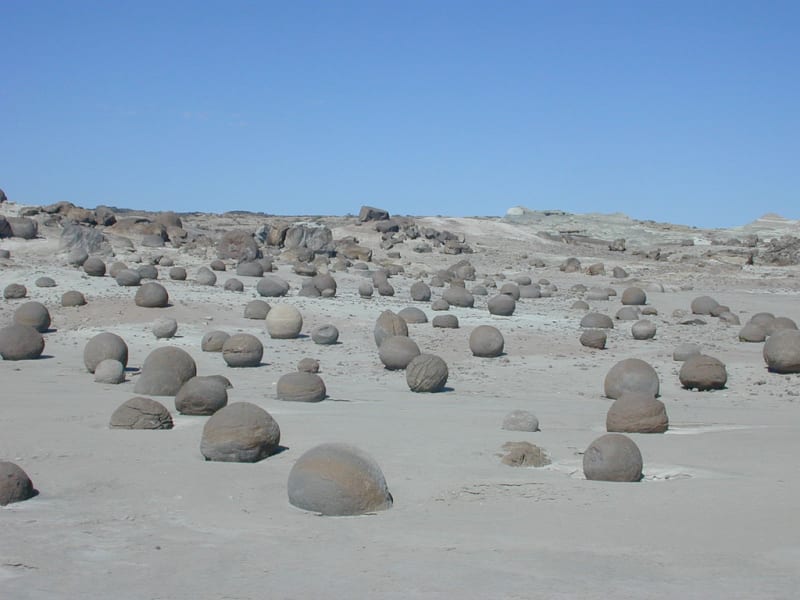
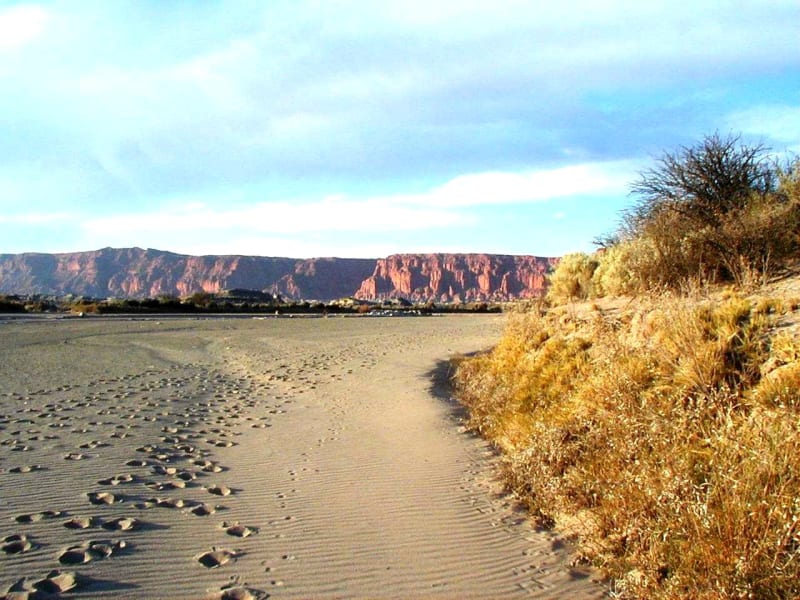
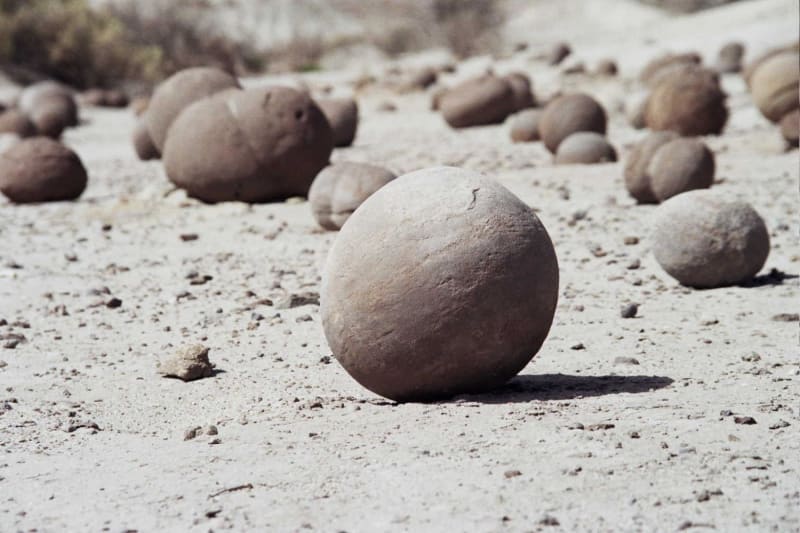
Ischigualasto’s defining feature is its unusual rock and stone formations, shaped by erosion. Over millions of years, wind, water and temperature changes have altered sedimentary rocks, creating gullies, rounded hills, rocky outcrops and wide open areas. The almost vegetation-free landscape can feel like another planet.
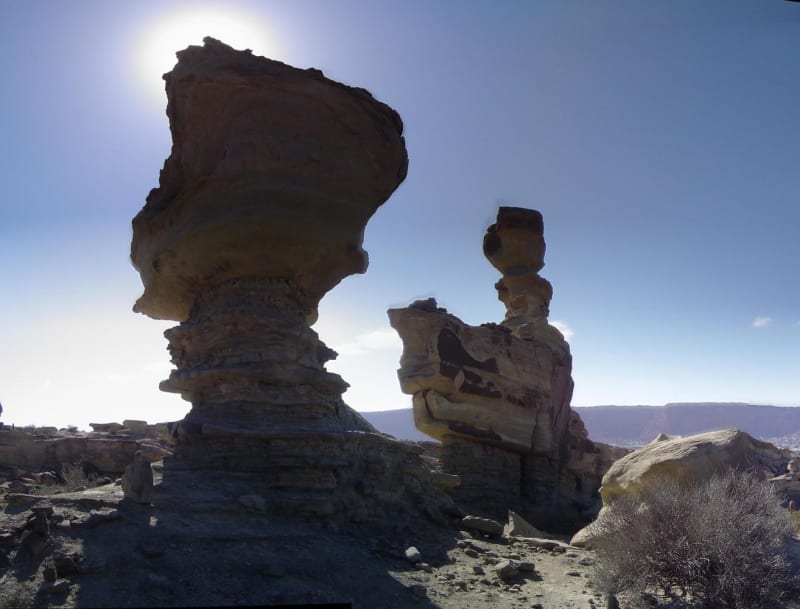
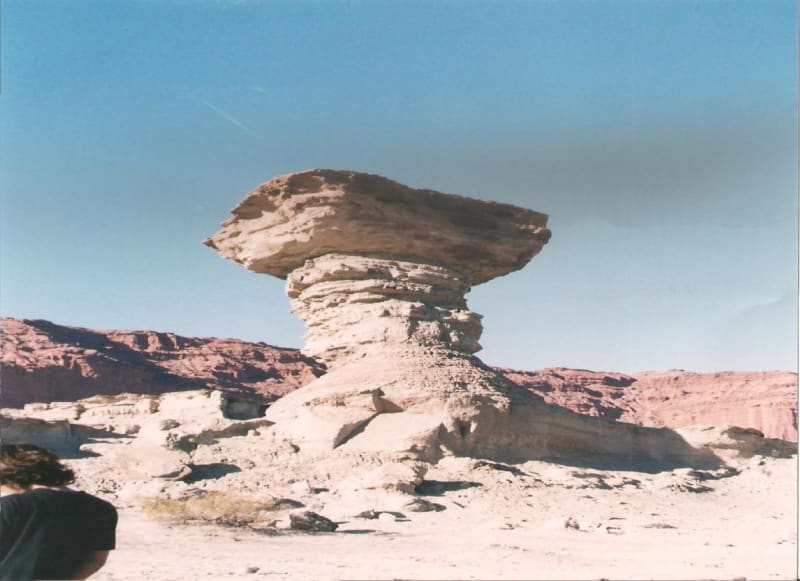
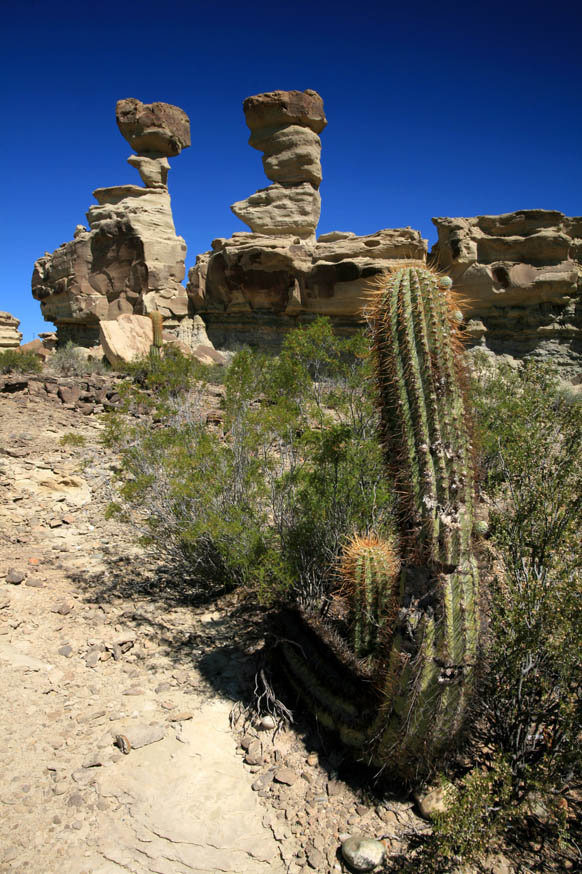
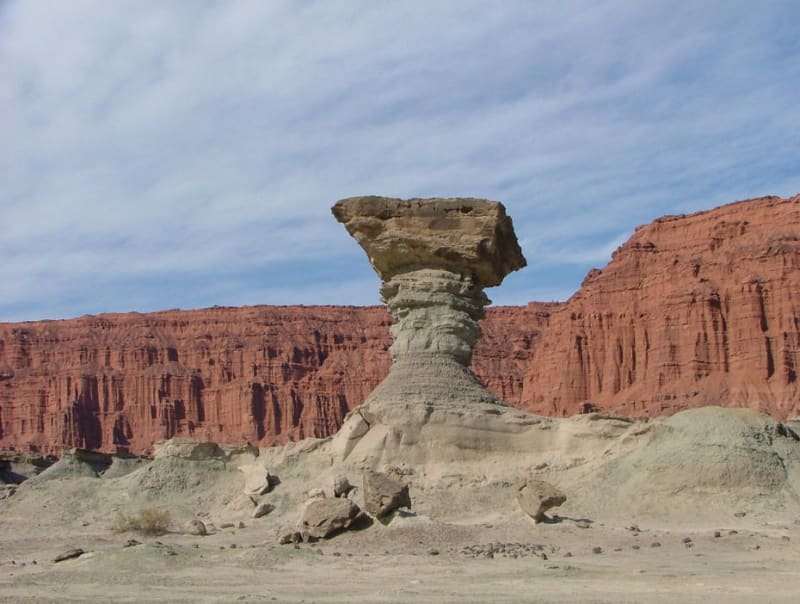
One of the park’s best-known natural sculptures is El Submarino, or “The Submarine”. This elongated rock formation resembles the body of a vessel. Another familiar landmark is El Hongo, meaning “The Mushroom”: a rock balanced on a narrow base that looks like a giant mushroom. These formations have become symbols of the park and stand out against the pale desert plain.
The Valley of the Moon
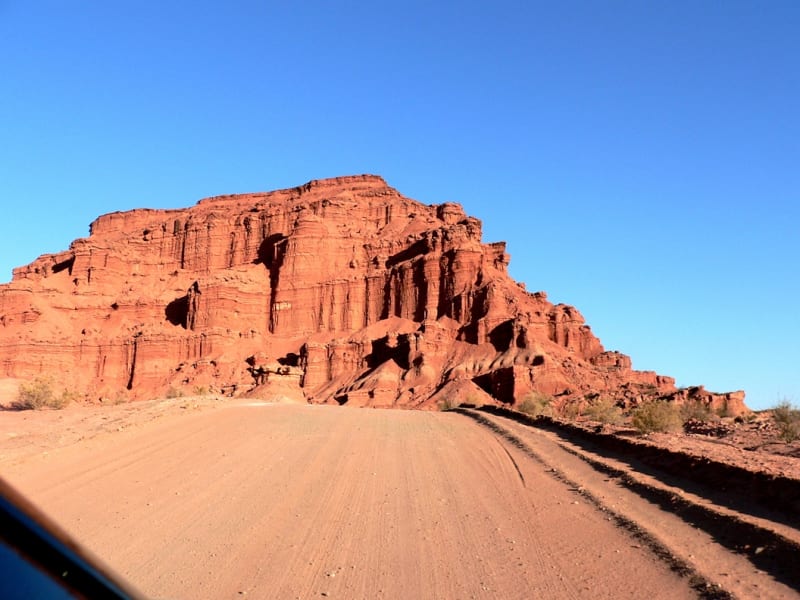
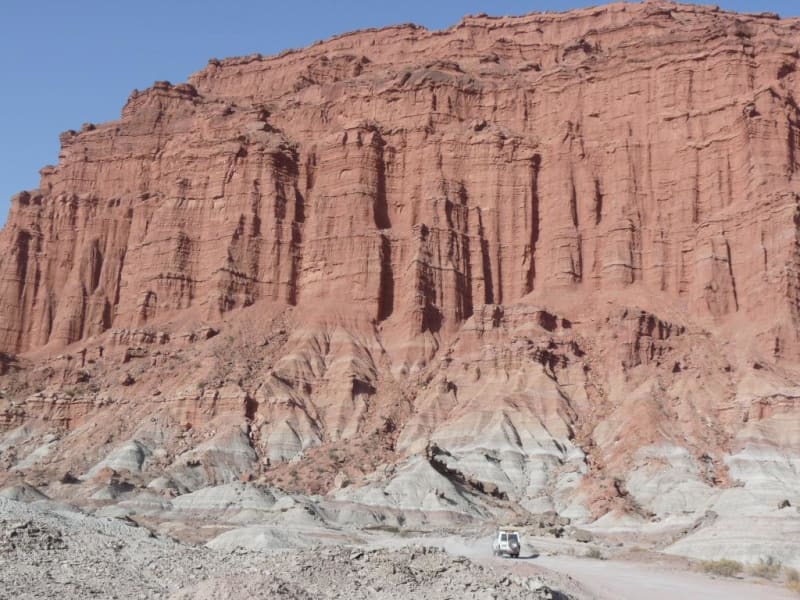
The name Valle de la Luna reflects the stark and unusual appearance of the landscape. Grey, reddish and ochre tones shift with the light, while the near absence of tall vegetation emphasises the terrain. The scenery is especially striking in the early morning and late afternoon, when sunlight creates long shadows and highlights the details of the rock formations.
A route through the Valley of the Moon reveals different geological features and explains how natural processes shaped the present landscape. Visitors generally follow a designated tourist circuit with stops at major viewpoints. Leaving authorised areas without permission is not recommended: the fragile rocks and fossils must be treated with care.
Ancient fossils and Earth’s history
Ischigualasto is of great importance to palaeontology. Its geological layers contain fossils of plants and animals from the Triassic Period, approximately 252 to 201 million years ago. This period is important for understanding how ecosystems recovered after the largest mass extinction in Earth’s history and how early dinosaurs and other vertebrates gradually developed.
Fossils discovered in the region include remains of ancient reptiles, early dinosaurs and other Triassic animals. These finds help scientists reconstruct ancient landscapes and study the evolution of life. The combination of well-preserved geological layers and important fossil discoveries was a major reason for the inclusion of Ischigualasto and Talampaya on the UNESCO World Heritage List.
Plant and animal life
Despite the arid climate, the park supports plants and animals adapted to extreme conditions. Low shrubs, grasses and other drought-resistant species dominate the vegetation. Plants take advantage of short periods when moisture is available, while many animals avoid the daytime heat and become more active in the morning or evening.
Guanacos, foxes, armadillos and several kinds of rodents can be found in the park’s surroundings. Birds include birds of prey and species adapted to open, dry habitats. Wildlife watching requires patience, as the colouring of many species helps them blend into the sandy and rocky background.
What to expect during a visit
The main way to explore Ischigualasto is on an organised vehicle tour with stops at its best-known geological features. Visitors leave the vehicle at viewpoints to examine unusual rocks and photograph the scenery. Visiting arrangements, available excursions and guide requirements may change, so it is advisable to check with the park administration before travelling.
Visitors exploring open terrain should prepare for strong sun and dry air. Bring drinking water, a hat, sunscreen and comfortable closed-toe shoes. Shade is scarce, and daytime temperatures can be high. Stay on designated routes and do not remove rocks or fossils from the park.
When to visit
Ischigualasto can be visited in different seasons, but conditions depend on temperature and rainfall. Daytime heat can be particularly intense in warmer months, while rain may temporarily make some parts of the routes inaccessible. Before travelling, check the weather forecast, opening arrangements and availability of guided tours.
For a more comfortable visit, choose a time when the sun is not directly overhead. Morning and evening light emphasise the rock formations and create dramatic shadows. As the park lies in a remote part of Argentina, it is best to plan the journey in advance and combine it with other natural attractions in the region.
How to get to Ischigualasto
The nearby town of San Agustín del Valle Fértil in San Juan Province is a common starting point for visits. The park can also be reached from other regional towns by car or as part of an organised excursion. Public transport is limited in this sparsely populated area, so arranging a transfer in advance is particularly important.
Ischigualasto is often visited together with Talampaya National Park in the neighbouring province of La Rioja. Both parks feature remarkable rock landscapes and are scientifically important, but they offer different routes and natural sights. When planning a trip, allow for the distance between them and the time needed for tours.
Why visit Ischigualasto Provincial Park?
Ischigualasto combines unusual desert scenery, striking rock formations and one of South America’s most important palaeontological records. Visitors can see how wind and water shaped extraordinary natural sculptures and learn about life on Earth long before modern ecosystems appeared. The park appeals to geology enthusiasts, nature lovers, photographers and travellers seeking unusual destinations. It offers a chance to discover one of Argentina’s most distinctive landscapes.
Gallery