Iguazú National Park lies in northeastern Argentina, in Misiones Province near the border with Brazil. It is one of South America's best-known natural destinations, where powerful waterfalls are surrounded by dense subtropical forest. The park's main attraction is Iguazú Falls, listed as a UNESCO World Heritage Site in 1984.
Iguazú Falls
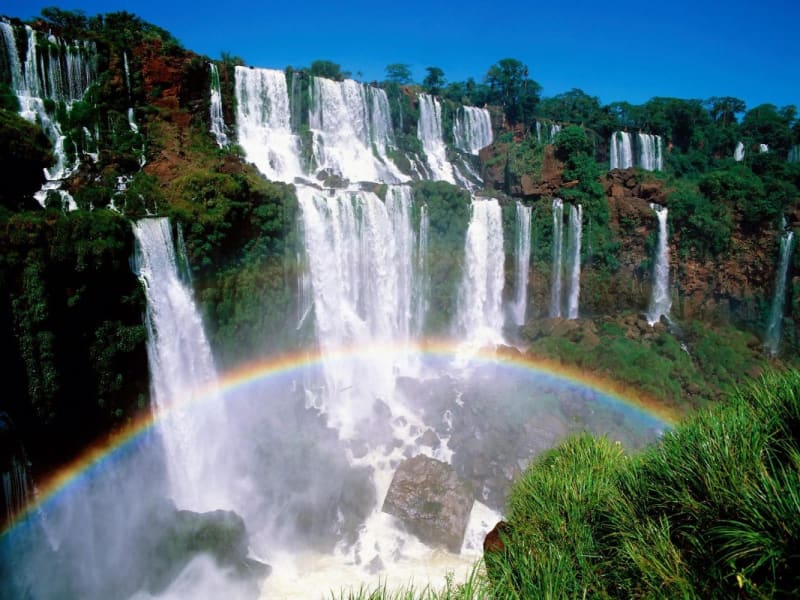
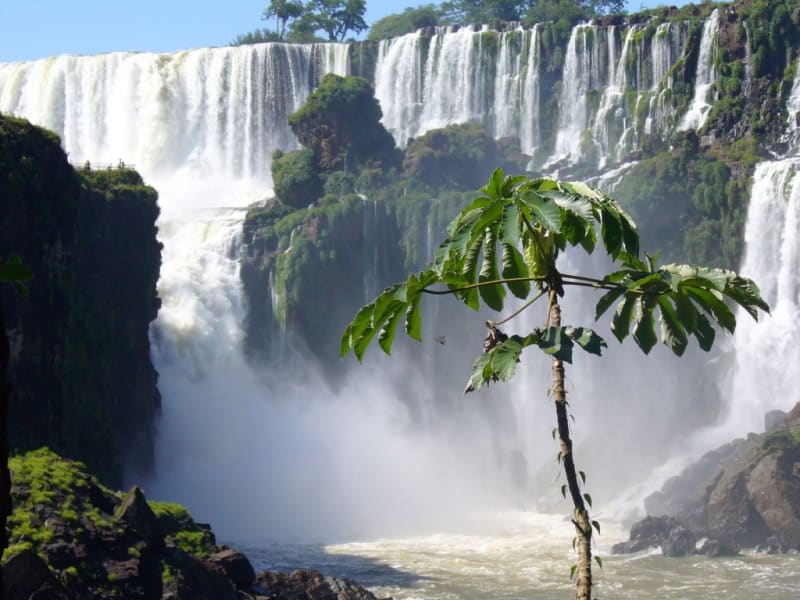
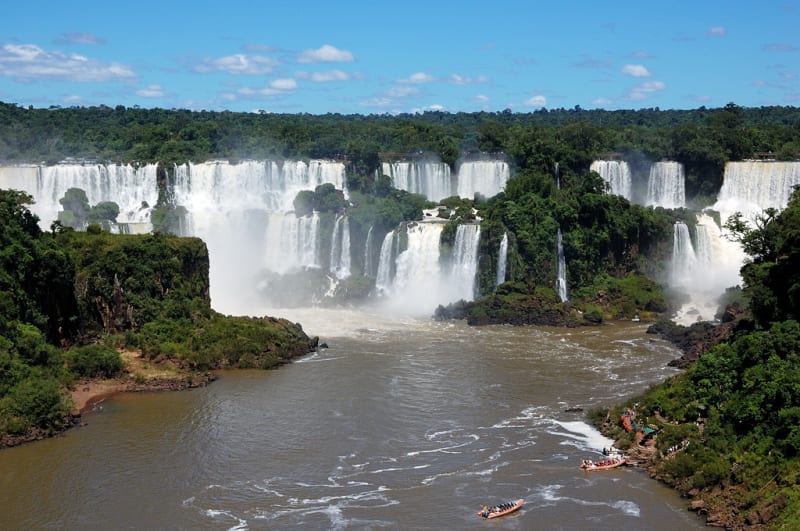
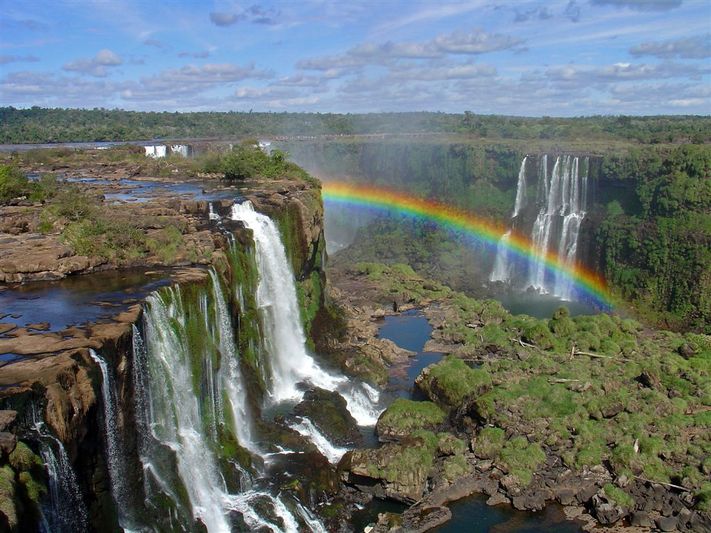
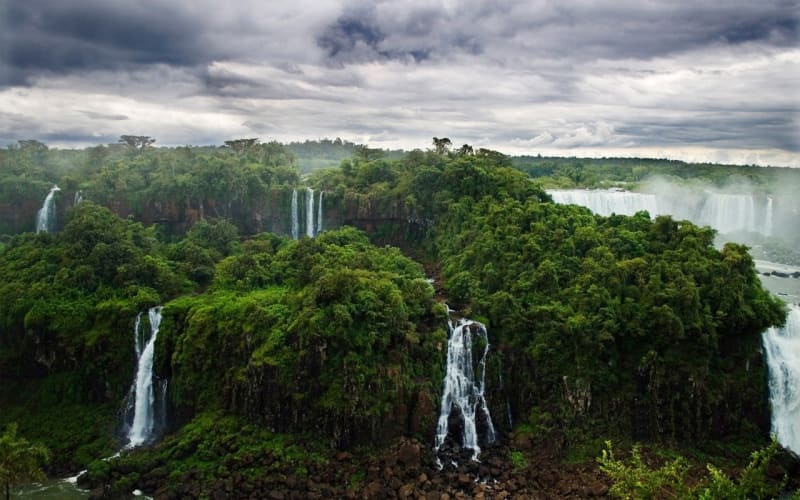
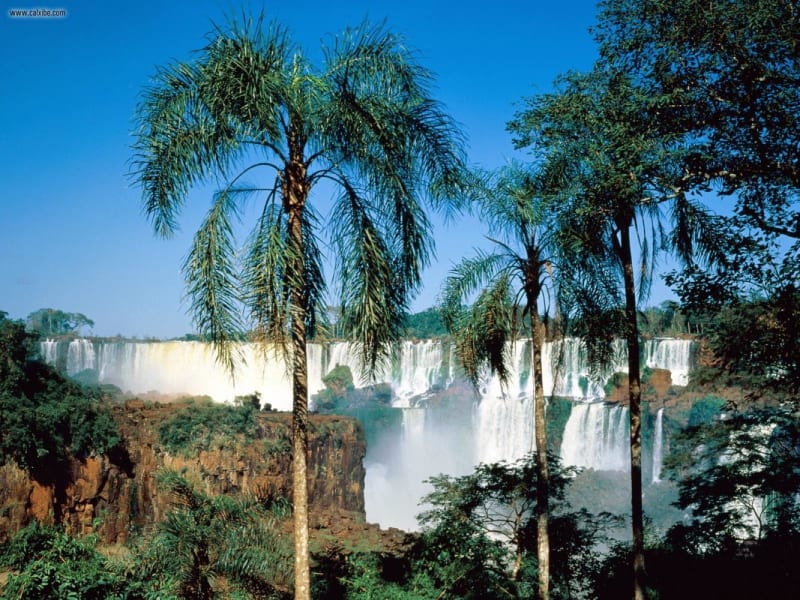
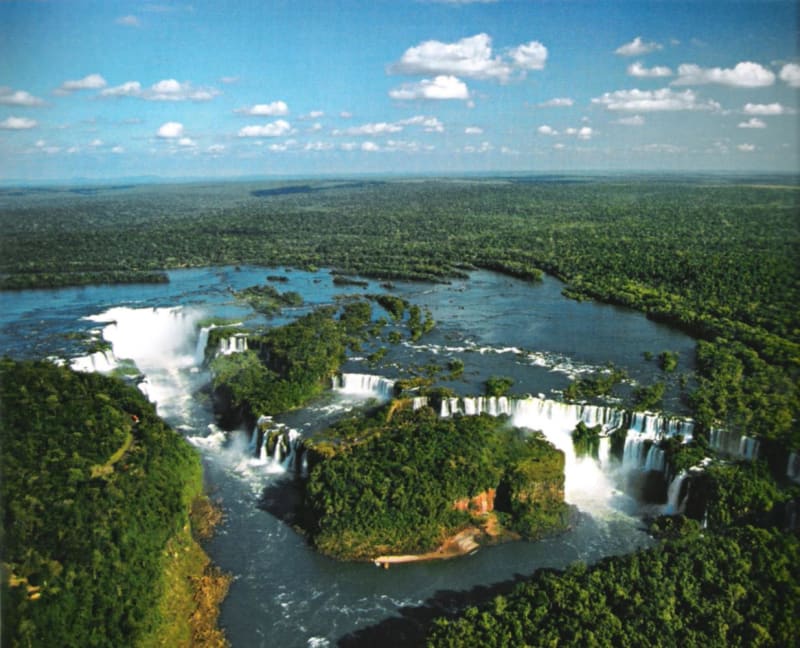
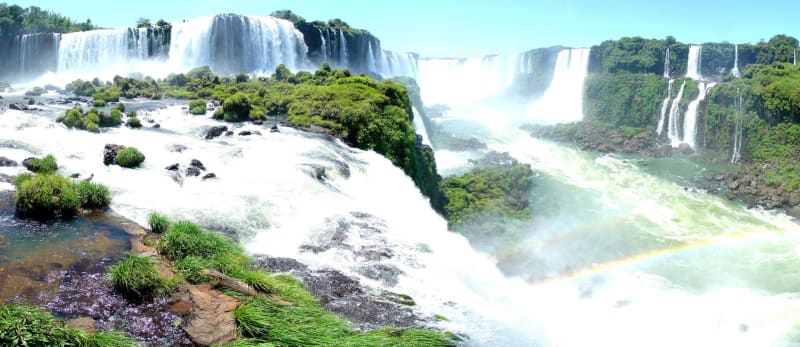
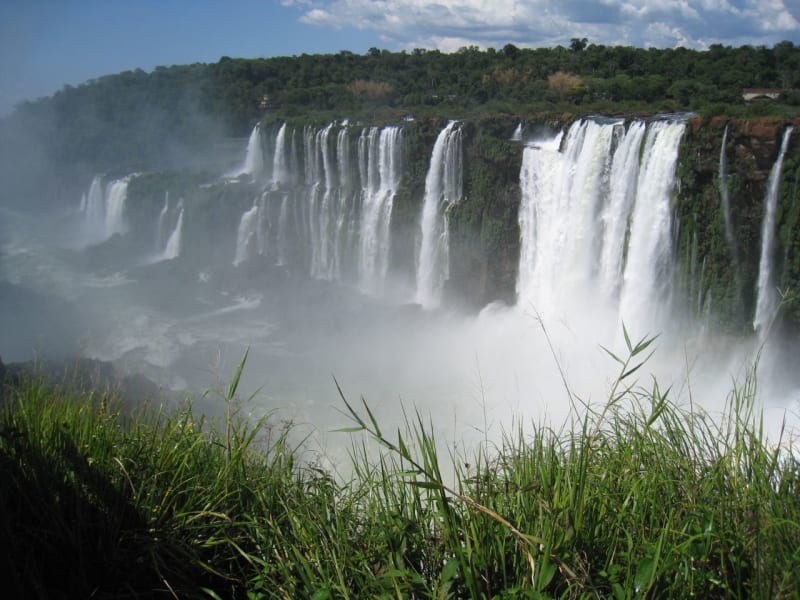
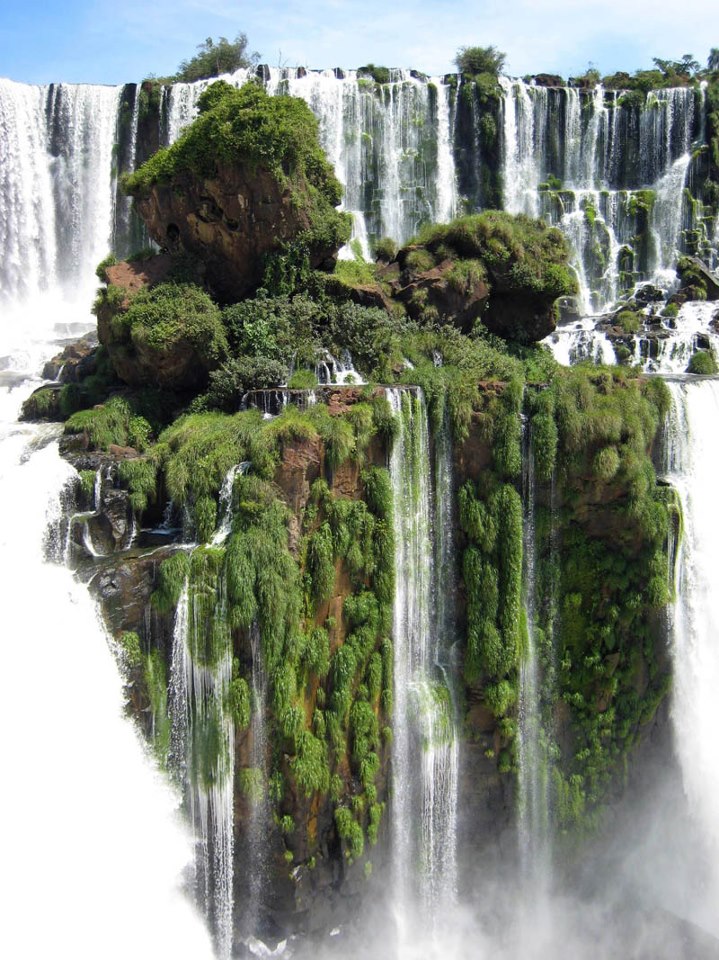
The falls are formed by the Iguazú River, which plunges over a basalt ledge in numerous cascades across a front almost three kilometres wide. Individual drops reach about 80 metres. The water thunders into a deep gorge, while clouds of spray rise above the river and can create rainbows in the sunlight.
The most famous section is the Devil's Throat, a vast horseshoe-shaped cascade on the border between Argentina and Brazil. Viewing platforms reveal the falls from different perspectives, from broad panoramas to viewpoints close enough to be covered by mist. The Argentine side has an extensive network of walking trails and elevated walkways above the river and among its wooded islands.
Subtropical rainforest
The park covers approximately 67,700 hectares and protects part of the Paraná Forest, one of the richest natural regions of the Atlantic Forest biome. Tall trees, palms, ferns, lianas and epiphytes thrive here. The humid climate and constant spray support lush vegetation, especially around the cascades and along the riverbanks.
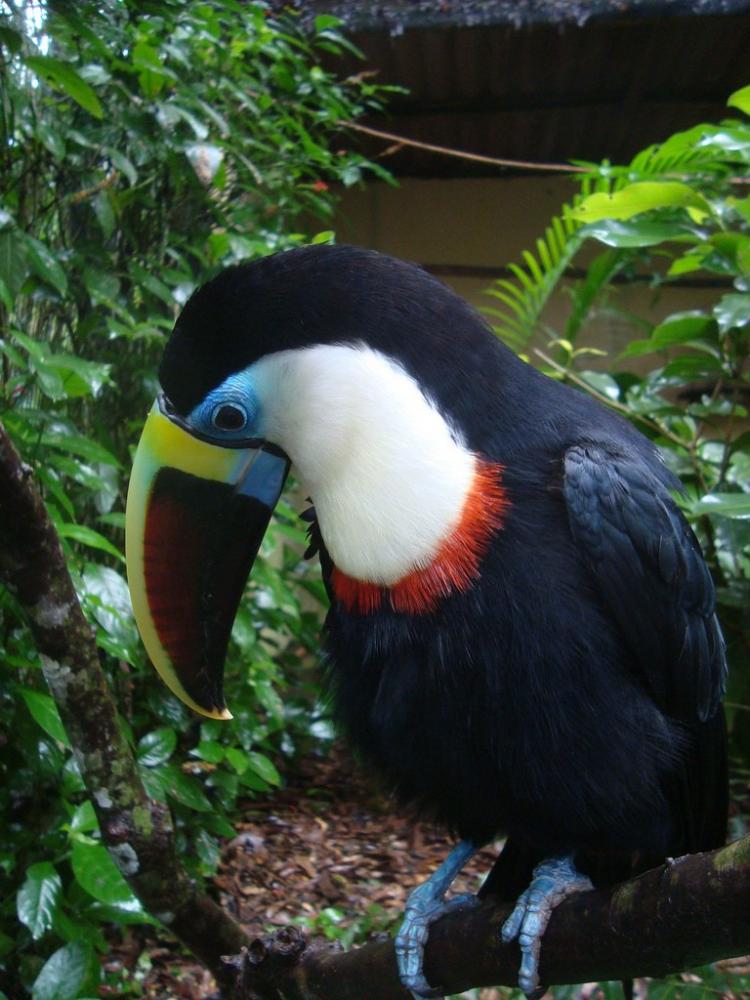
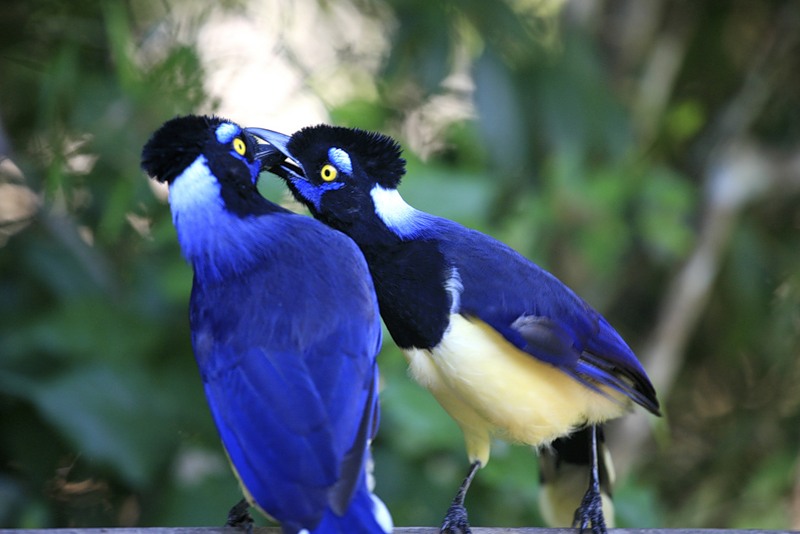
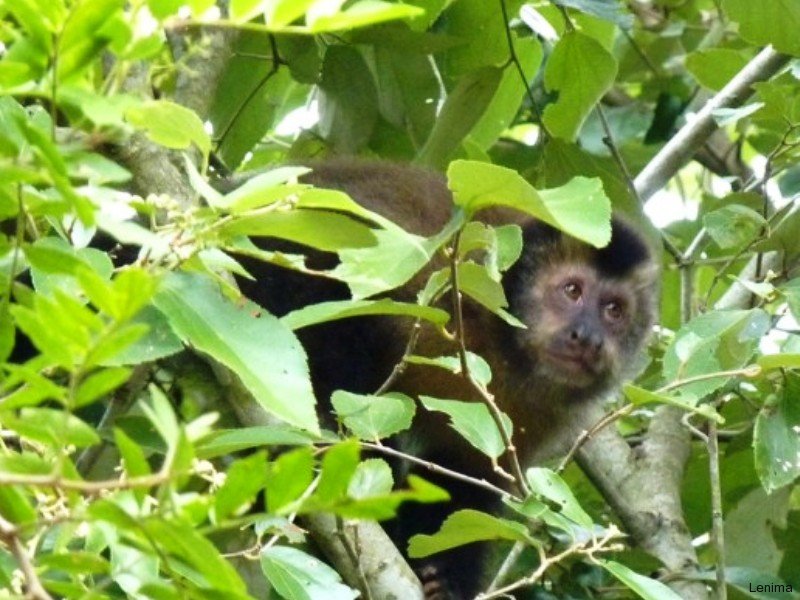
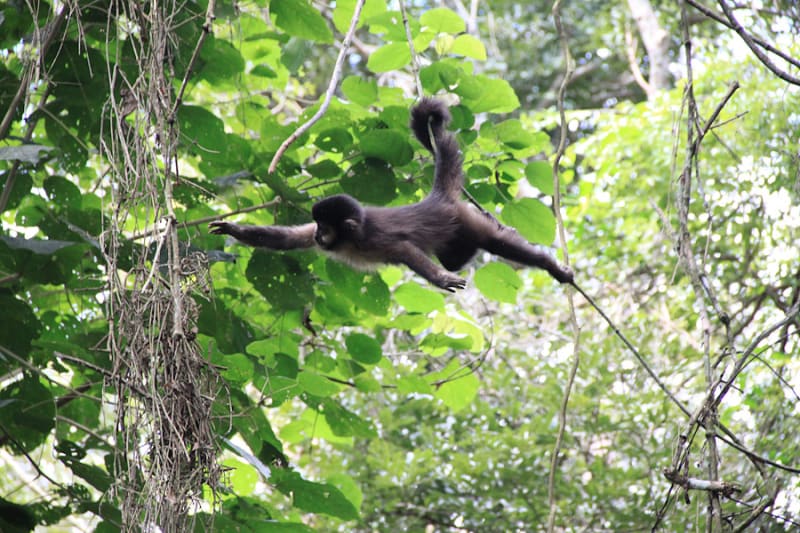
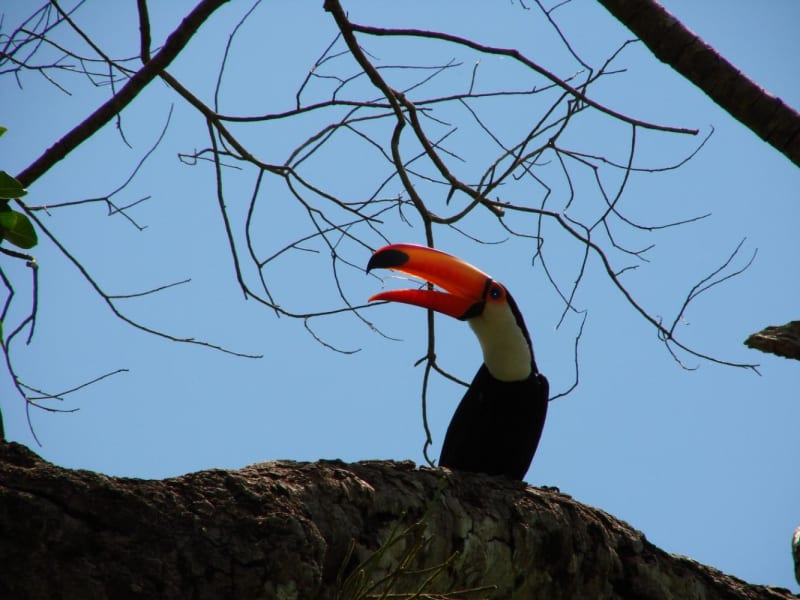
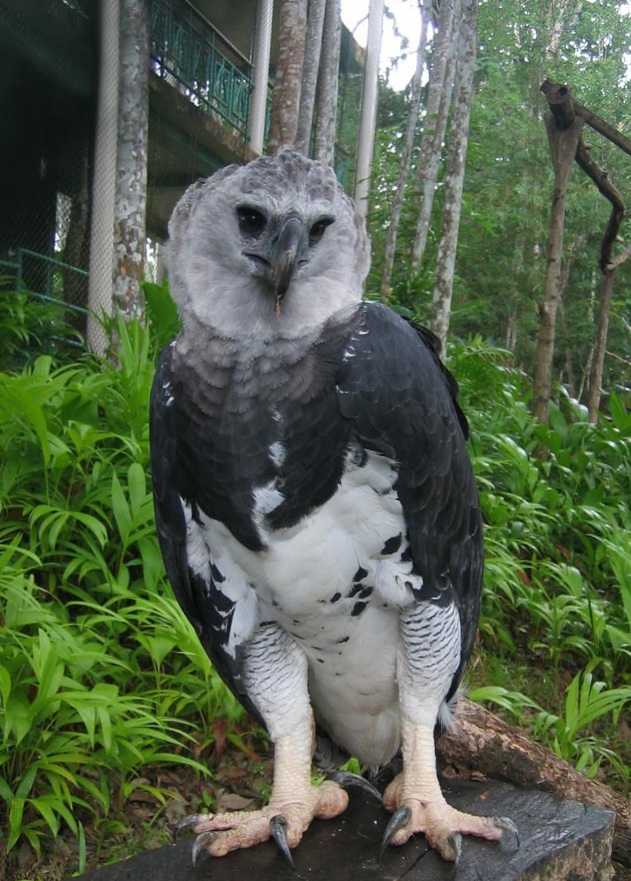
The forest shelters a wide variety of wildlife, including coatis, monkeys, toucans, colourful forest birds, caimans and several wild cat species. Jaguars live in the deeper forest, although visitors rarely see them. A central purpose of the park is to protect natural habitats and preserve biodiversity.
Walking trails and viewpoints
The main visitor trails allow travellers to explore the waterfalls from several angles. Upper paths cross above the cascades and offer views of the river and surrounding forest. Lower trails lead closer to the base of the falls, where their power and the humid tropical air are especially noticeable.
One of the most memorable routes leads to Devil's Throat. Walkways cross the river to a viewing platform beside the enormous torrent. Along the way, visitors may spot birds, butterflies and other rainforest wildlife. Some routes may close temporarily when water levels rise, so it is worth checking current notices from park authorities before visiting.
Wildlife
Iguazú is renowned for its wildlife as well as its waterfalls. Coatis often appear near visitor paths, and monkeys, agoutis and numerous bird species live in the forest. Toucans stand out for their large bills and vivid colours, while waterfall swifts are adapted to flying close to the cascades and sheltering behind curtains of water.
Visitors should keep a respectful distance from animals, avoid feeding them and never leave food unattended. This is particularly important for coatis: although they may approach people, they remain wild animals. Responsible behaviour helps protect the park's fragile ecosystem.
History and conservation
Iguazú National Park was established in 1934. Its inscription on the UNESCO World Heritage List in 1984 recognised the international importance of the waterfalls and surrounding forest. Together with Iguaçu National Park on the Brazilian side, it protects one of the region's largest remaining areas of subtropical forest.
The protected area is important for conserving rare species and maintaining natural processes. Threats include forest loss beyond park boundaries, poaching and the effects of human development. Responsible tourism and compliance with park regulations help reduce pressure on the environment.
How to reach the park
The nearest tourist town is Puerto Iguazú, about 17 kilometres from the park. It can be reached by air, bus or car from other Argentine cities. Transport runs from Puerto Iguazú to the national park entrance, and taxis and organised tours are also available.
The park welcomes visitors throughout the year, although the climate is generally warm and humid, with rain possible in every season. Comfortable walking shoes, protection from sun and rain, and drinking water are useful for a visit. Allow most of a day to explore the main trails. Iguazú National Park combines immense waterfalls and a rich tropical forest in one of South America's most remarkable natural landscapes.
Gallery