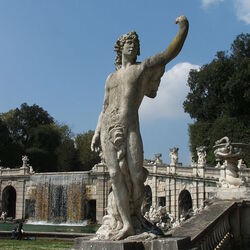
Appian Way
Via Appia is the Latin name of the Appian Way, which is considered the ancestor of all Roman roads. It is named after Appius Claudia Caecus. As Caesar, consul and military commander, he began construction back in 312 BC and the work lasted in stages, for about two centuries. The aim of the project was to connect Rome with remote areas.
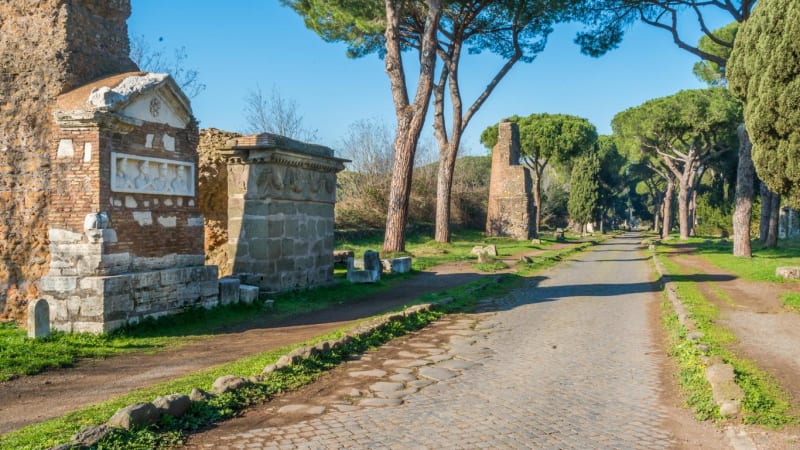
Construction history
According to historical documents, Apiy himself spent almost the entire state budget on the implementation of this plan, for which he was subjected to general criticism for a long time. He was reproached for the fact that the reason for this grandiose construction was for personal gain. And although Apius made a great contribution to the literature and jurisprudence of Rome, he is known precisely from the Via Appia.
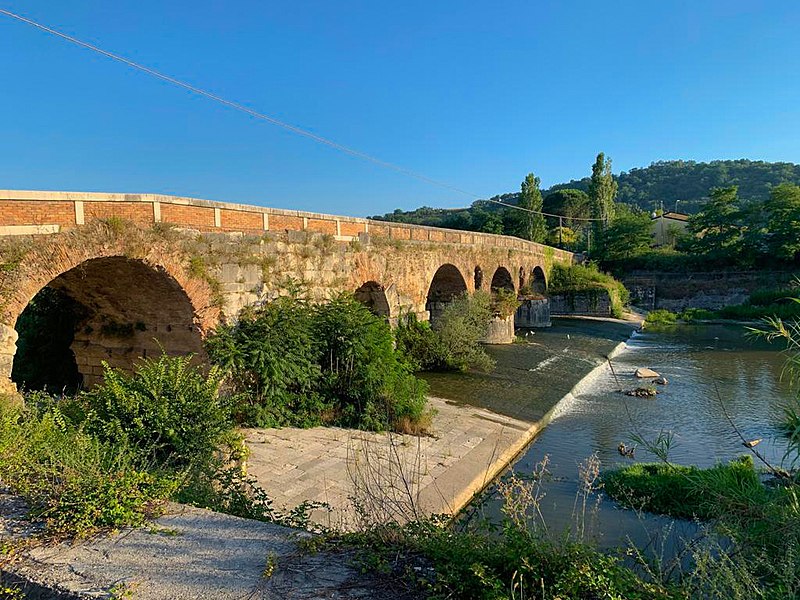
The ancient Romans are credited with incredible perseverance and talent in building such roads. They were engaged in laying highways more than 2000 years ago. The very first section of the road stretched for almost 200 km. and it connected Rome with the eastern city of Capua. The second segment of the construction was a 40-kilometer road to the city of Benevento. And the last part was the construction of a 300 km road in a southeasterly direction to the port of Brundisi, located on the Adriatic coast. It was the only connection to the Balkan Peninsula. Subsequently, it was along the Appian Way that communication was carried out between Rome, Greece, Asia Minor and Egypt. In those areas where the Appian Way adjoined the river, the Romans built bridges, sometimes with aqueducts above them. Some of these structures have survived to the present day.
Uniqueness and features
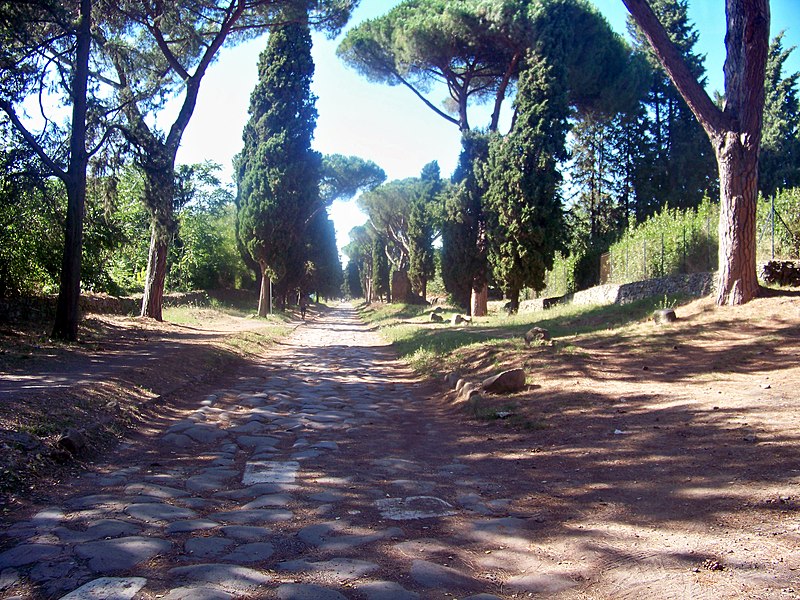
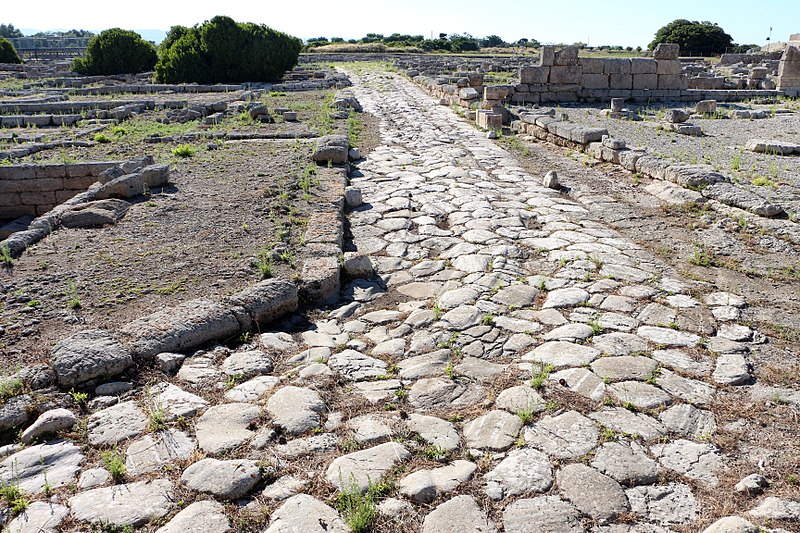
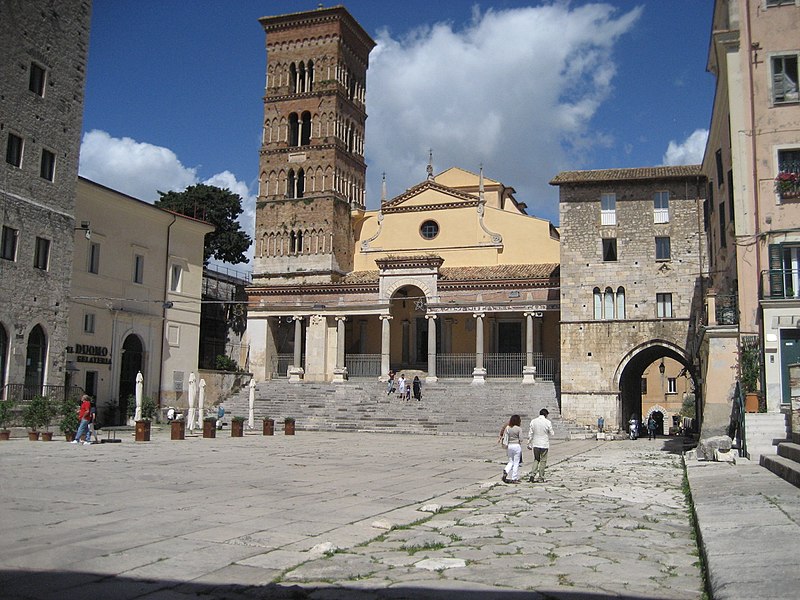
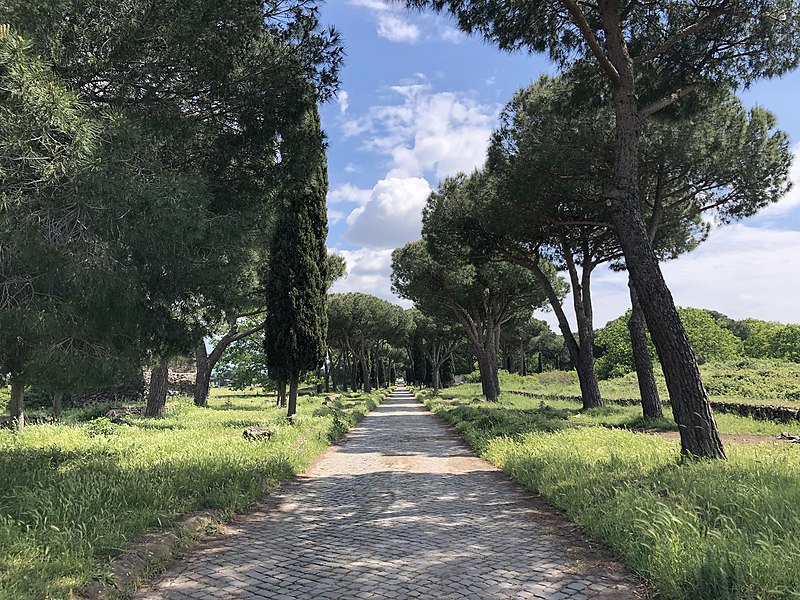
The Appian Way is unique not only in its length, but also in the durability of its use. Despite the fact that the road has been active for movement for more than 1,500 years, several of its segments are still in use today. Even the destroyed areas of the canvas were not erased by time, but disappeared from the face of the earth due to medieval landowners who used stones for personal buildings.
Durability and originality
Why is the Appian Way so durable? The secret is kept in the technology of those times. The engineering idea was to pre-level the hills and lowlands, after which they made a multi-layered sand flooring alternating with pebbles. Of particular interest are the bends on the roadbed, thanks to which rainwater did not linger on the surface, but flowed down the side ditches dug along the entire road. The width was sufficient for the chariots going towards each other to separate.
Role and significance
During the years of prosperity of the Roman Empire, this highway had great military and economic importance, which lost its power in the Middle Ages. The Via Appia eventually became a walking pilgrimage route.
The importance of the Via Appia is undoubtedly great not only for Rome, but for the entire empire. Thanks to it, cities far from the capital are interconnected: it allowed the rapid movement of Roman troops in the right directions, trade and political ties were carried out. Many modern highways are laid out according to plans invented by the ancient Romans.