The Royal Palace of Caserta is a monumental 18th-century royal residence in the city of Caserta, southern Italy, not far from Naples. Its vast building, ceremonial halls, grand staircase, extensive park and series of fountains make it one of Europe's most impressive palace and garden complexes. It was conceived as a symbol of the power of the Bourbon dynasty and as a rival to Versailles and the royal residences of Spain.
Known in Italian as Reggia di Caserta, the palace was commissioned in the mid-18th century by Charles III of Bourbon, king of Naples and Sicily. The architectural design was created by Luigi Vanvitelli, one of the leading Italian architects of his era. Today, the palace, park, English Garden, Carolino Aqueduct and San Leucio complex form part of a UNESCO World Heritage Site.
History of the palace
In the 18th century, Charles III of Bourbon sought to strengthen the prestige of his kingdom by creating a residence worthy of one of Europe's major monarchies. Caserta, north of Naples, offered space for an ambitious architectural complex with a large park and a carefully planned water supply system.
Luigi Vanvitelli was commissioned to design the project. He envisioned not merely a luxurious palace but an integrated complex combining royal apartments, administrative spaces, gardens and engineering works. Construction began in 1752. After Charles III left for Spain, work continued under his successors, especially Ferdinand IV. The original plan was never fully completed, but the ensemble retained its extraordinary scale.
The architecture combines elements of late Baroque and Classicism. Symmetry, monumental dimensions and ceremonial staircases emphasised royal authority. At the same time, the palace included spaces for everyday court life and government administration as well as grand ceremonial rooms.
Architecture and royal apartments
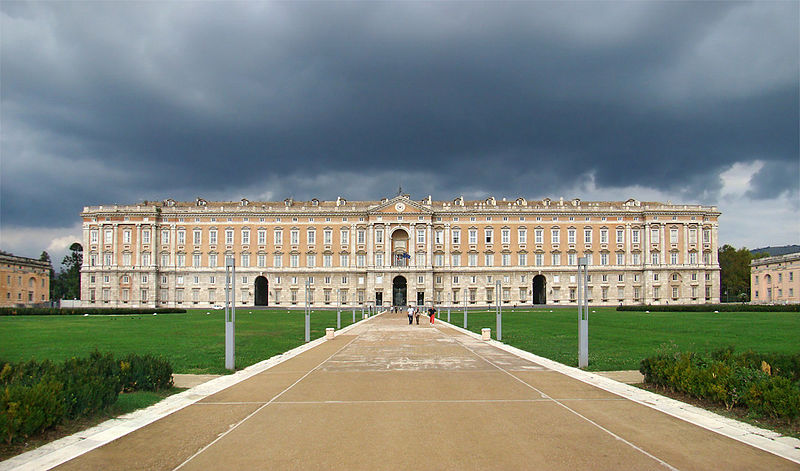
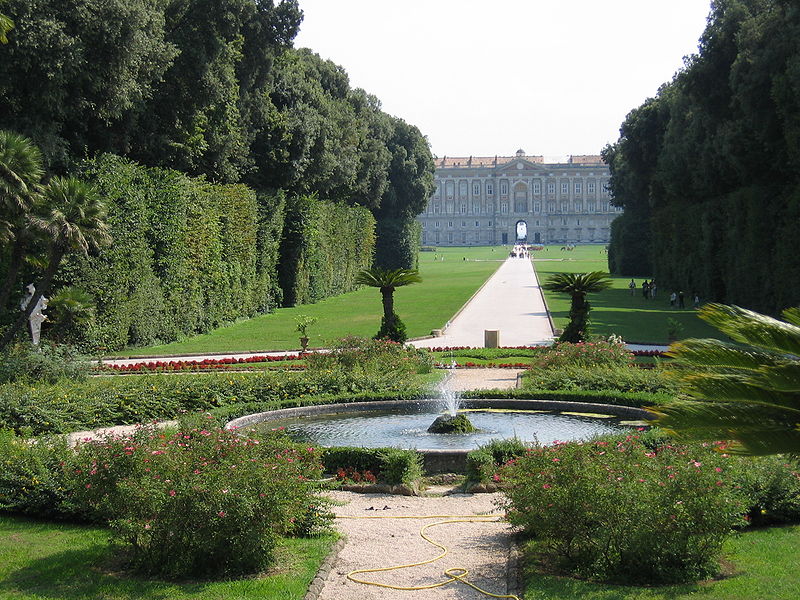
The palace has a rectangular plan with four internal courtyards. Its layout follows central axes connecting the main rooms and directing the view towards the park. The exterior is defined by a regular rhythm of windows and restrained decoration, while the interiors display the richness of court art.
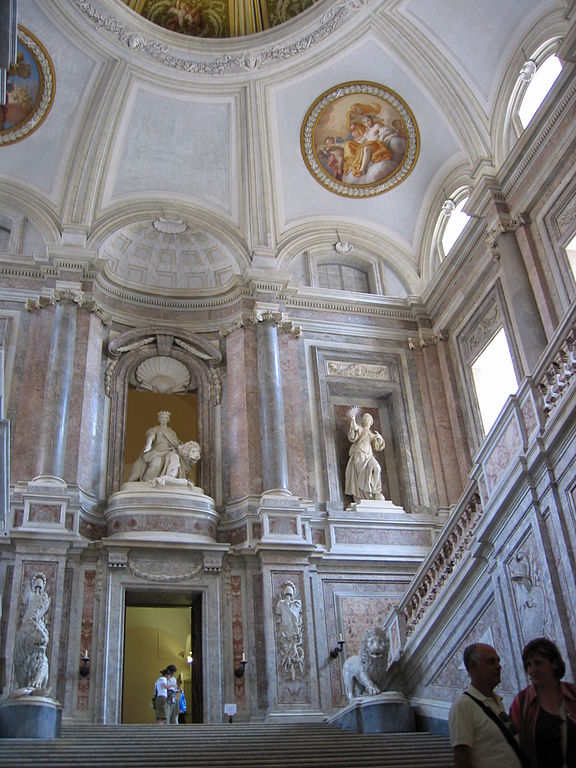
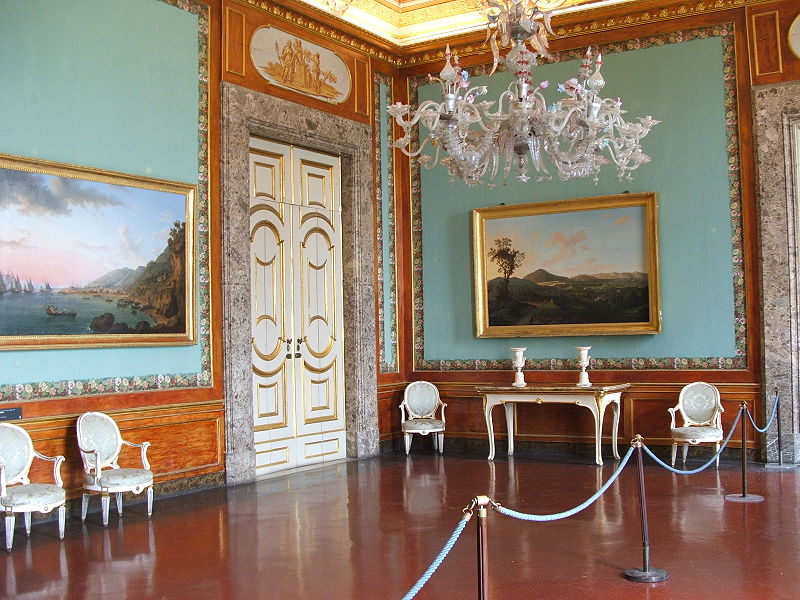
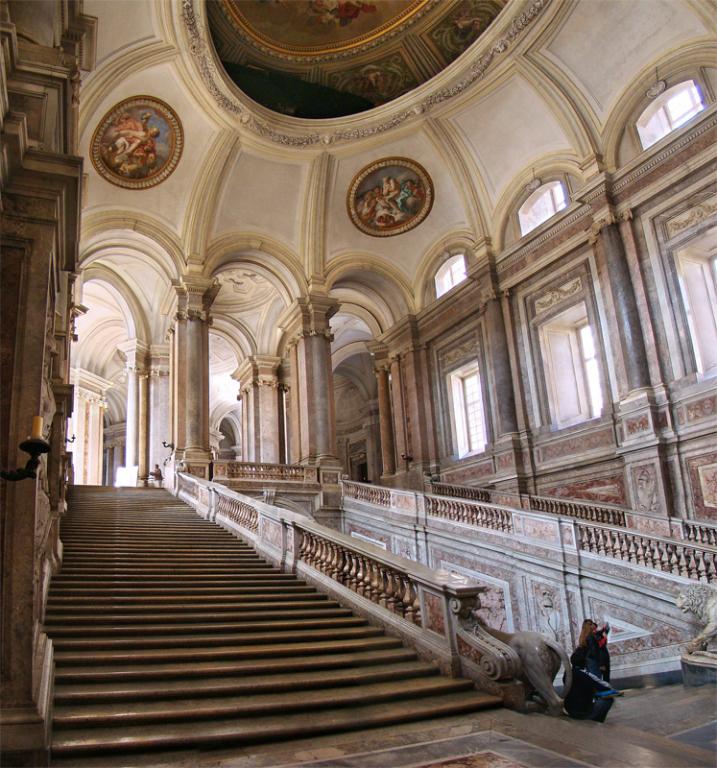
The monumental staircase is one of the most memorable spaces, with stone balustrades, sculptures and carefully arranged light. The Royal Apartments feature frescoes, paintings, stucco decoration and historic furnishings. They include ceremonial halls, reception rooms and private rooms for members of the royal family. The Throne Room highlights the palace's role as a setting for official occasions.
The Palatine Chapel was designed for religious ceremonies, while the Court Theatre hosted musical and theatrical performances. These spaces show that the palace was not only a royal residence but also a centre of cultural life.
The Royal Park and fountains
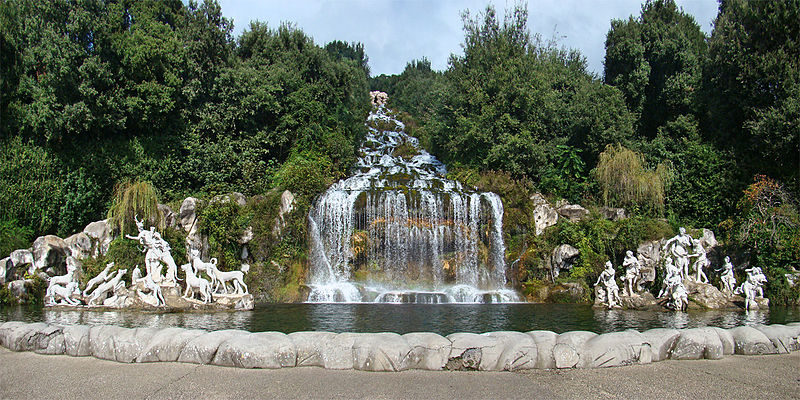
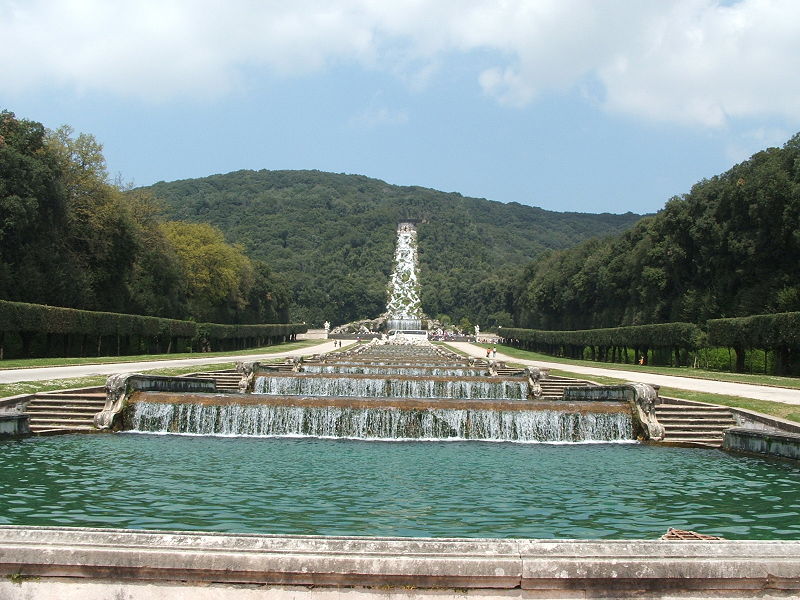
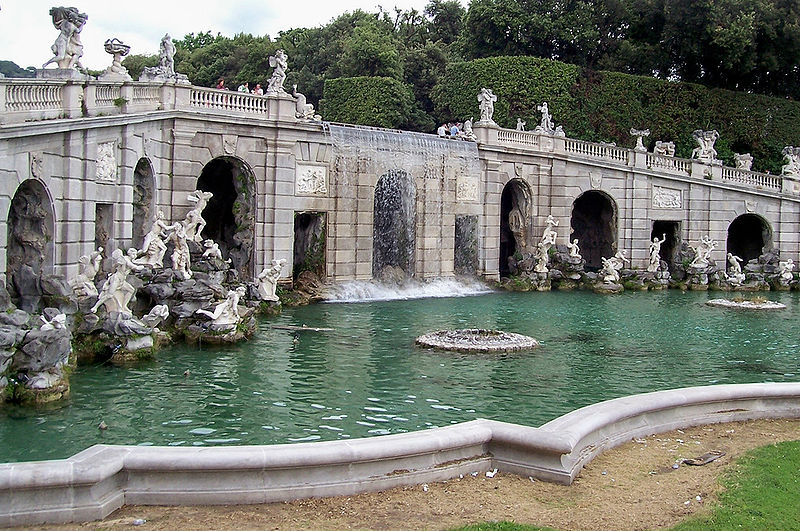
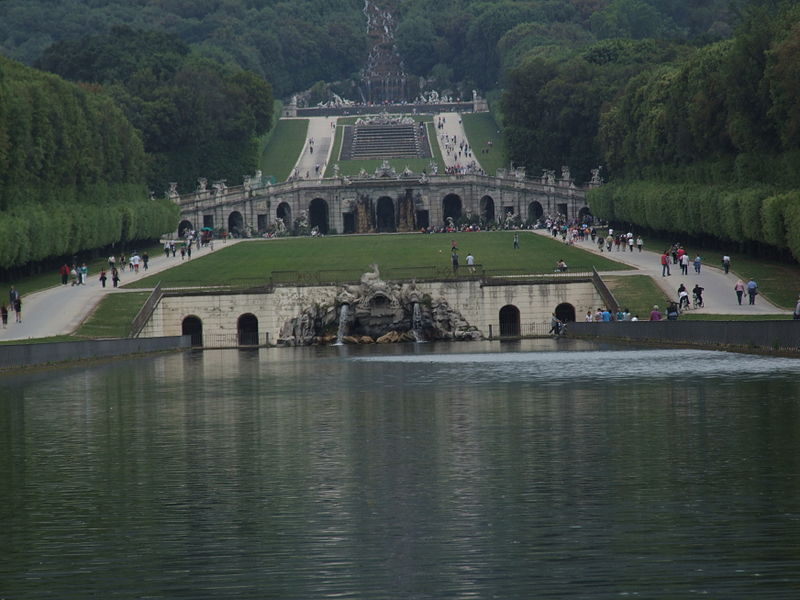
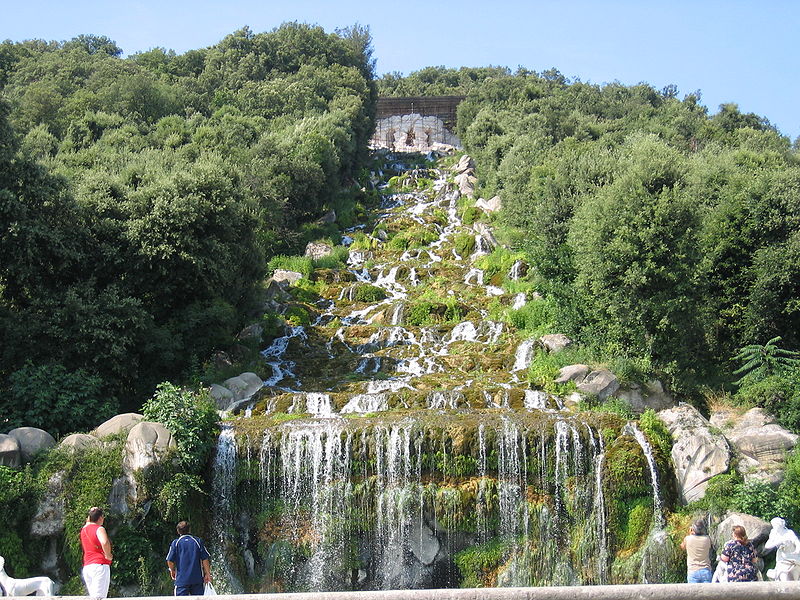
The Royal Park is one of the most important parts of the complex. According to the palace's official information, it covers about 123 hectares. A long central vista runs from the building towards the hills and the Great Waterfall. The main water axis, lined with fountains, extends for more than three kilometres.
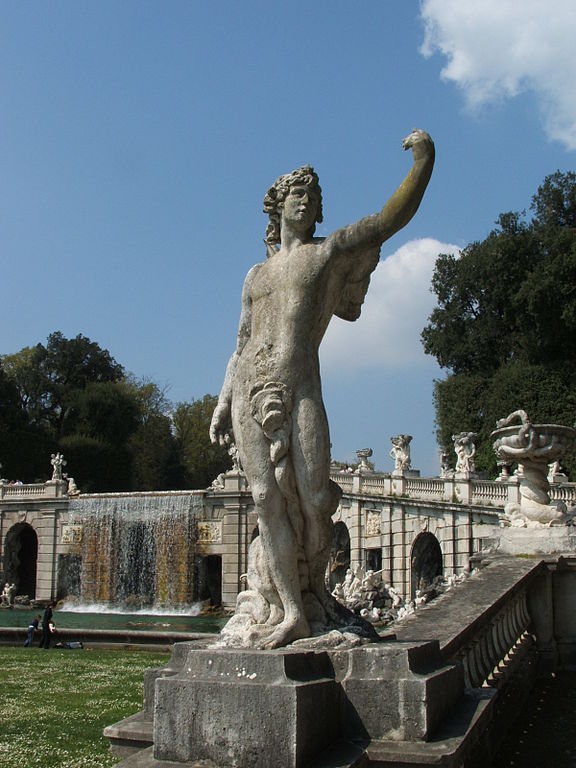
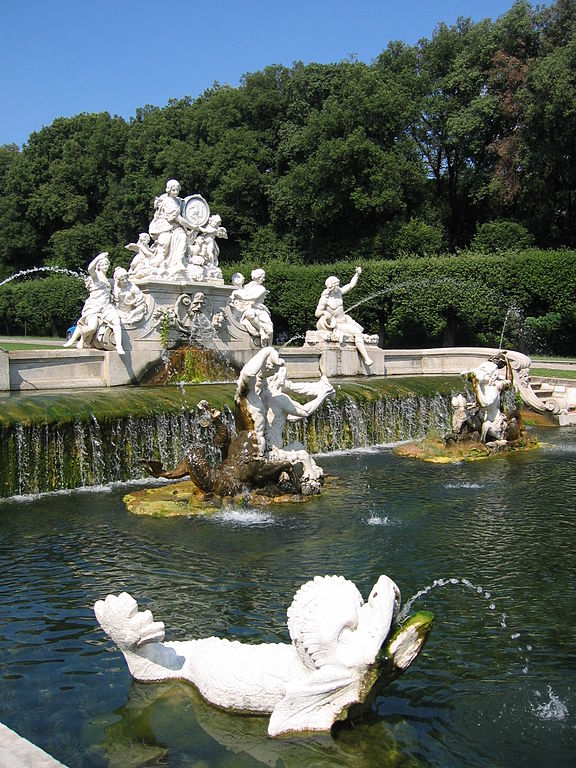
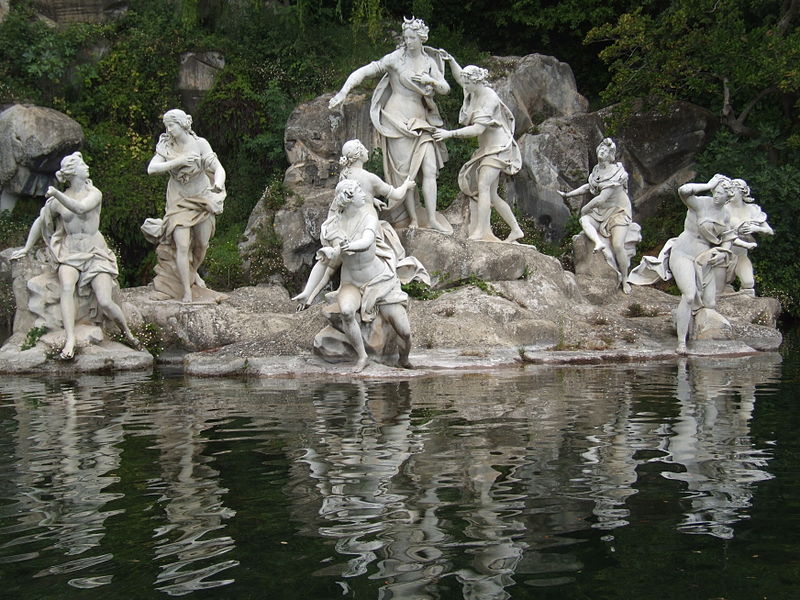
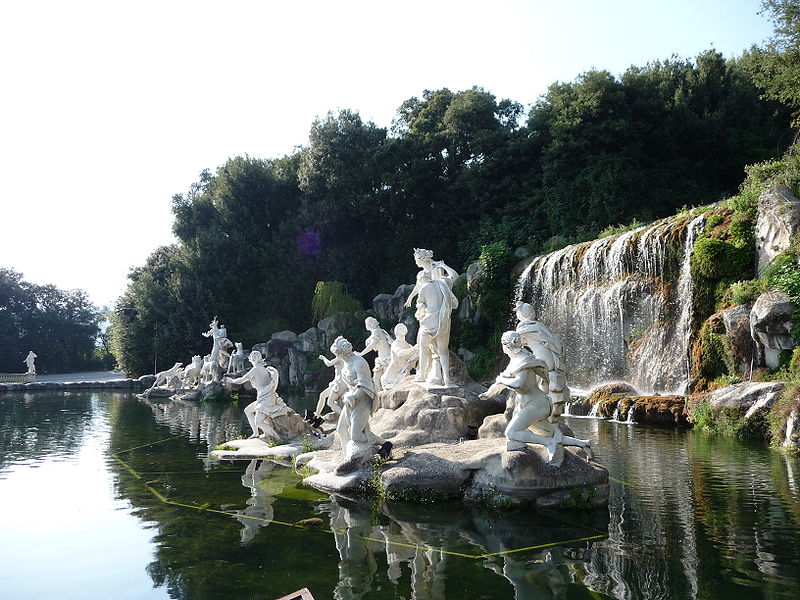
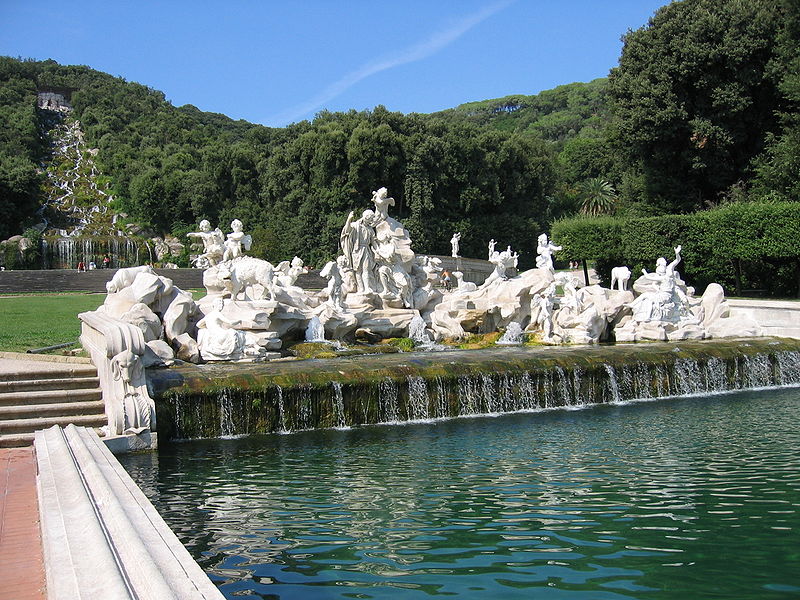
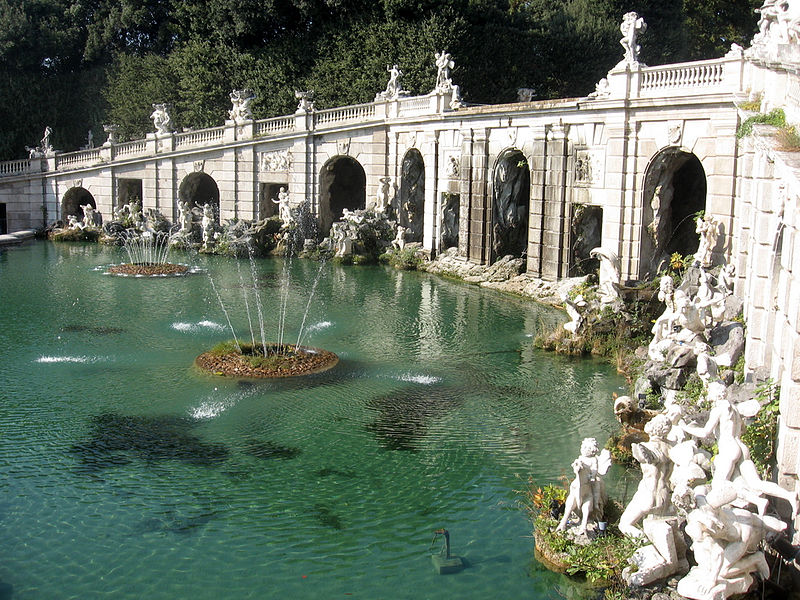
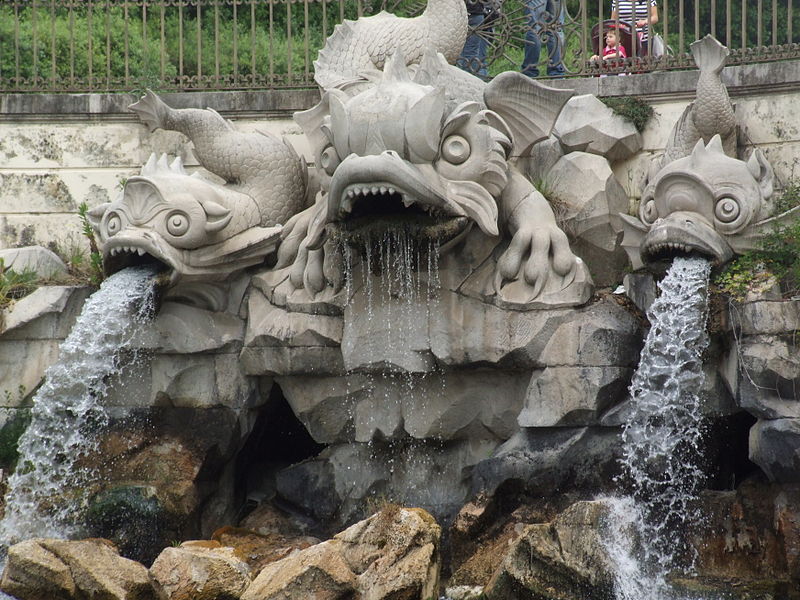
The park was inspired by major European royal gardens, especially Versailles, while adapting to the local landscape. Paths, pools, fountains and sculptural groups create a sequence of spaces designed for walking and viewing. One of its best-known features is the Fountain of Diana and Actaeon, a sculptural composition based on classical mythology.
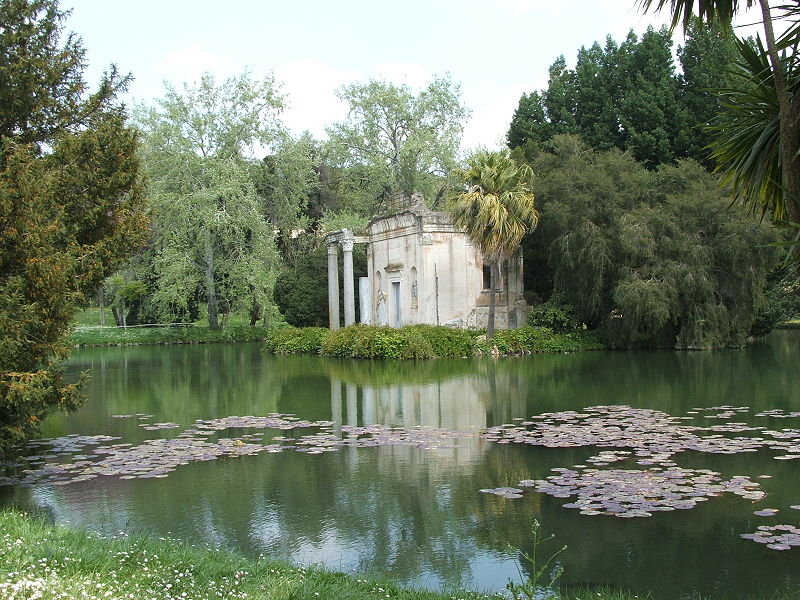
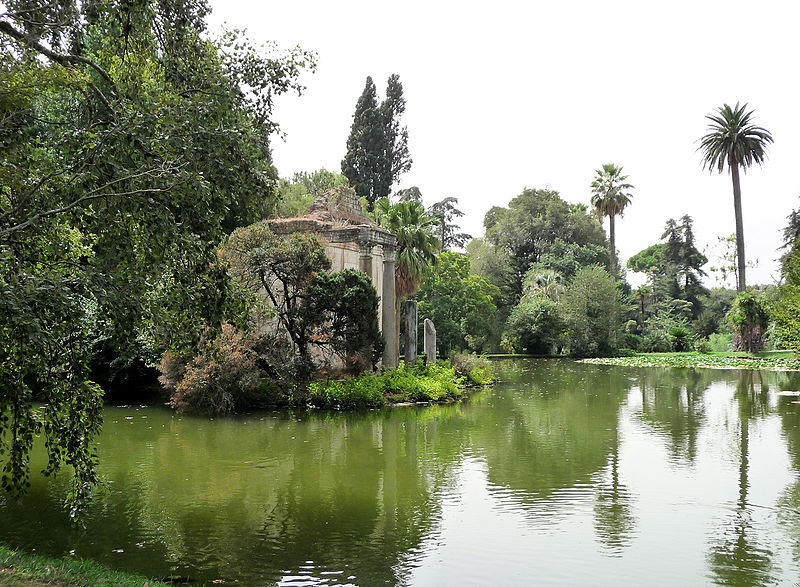
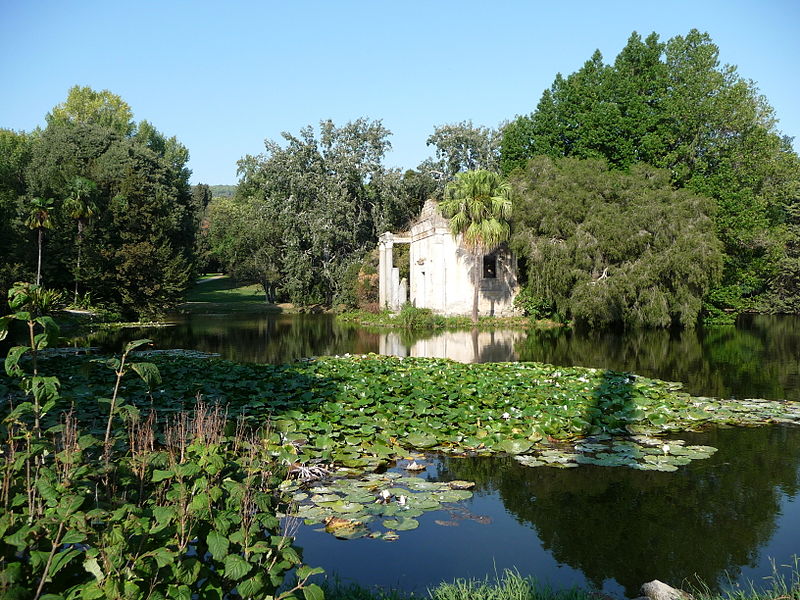
The English Garden differs from the formal park. It is a landscaped garden with winding paths, ponds and varied plant collections. The Bath of Venus is one of its most celebrated settings, combining vegetation, water and classical imagery. Visitors should allow several hours to explore the palace and gardens properly.
The Carolino Aqueduct and San Leucio
The palace fountains required a dependable water supply, so Vanvitelli designed the Carolino Aqueduct. One of its most impressive sections is the Ponti della Valle viaduct, with its monumental tiers of arches. The structure served an essential practical purpose while also demonstrating the engineering ambition of the 18th century.
The UNESCO property also includes the San Leucio complex, associated with silk production. The former Belvedere hunting lodge was converted into a silk manufacturing centre under Ferdinand IV. San Leucio became known for a social model that placed emphasis on work, education and the living conditions of its workers.
UNESCO and visiting the palace
The Royal Palace, park, Carolino Aqueduct and San Leucio complex were added to the UNESCO World Heritage List in 1997. Together they represent an important expression of the Enlightenment, bringing architecture, landscape design, engineering and natural surroundings into a single ambitious project.
Caserta lies north of Naples and can be reached by train from Naples and other Italian cities. The palace is close to the railway station. Before travelling, check the official website for opening hours and access to individual rooms, as arrangements can change. The palace is normally closed on Tuesdays except for special openings. Booking ahead is advisable during busy periods.
If time is limited, start with the grand staircase, Royal Apartments and Palatine Chapel, then walk along the park's water axis towards the fountains and Great Waterfall. Visit the English Garden if you have more time. The Royal Palace of Caserta is more than a luxurious residence: it is a large-scale historical project that brings together architecture, art, engineering and garden design.
Gallery