Abruzzo, Lazio and Molise National Park is one of Italy's best-known protected natural areas, located in the central Apennines. Its landscapes include mountain ranges, deep valleys, beech forests, alpine meadows, rivers, and lakes. The park is especially known for the Marsican brown bear, the Apennine wolf, and the Abruzzo chamois.
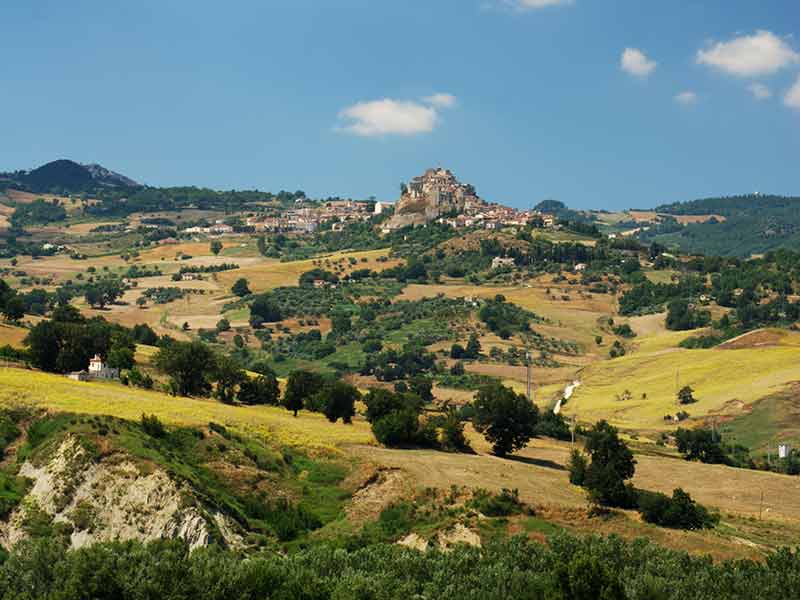
The park is also home to historic mountain villages with stone houses, narrow streets, churches, and traditional ways of life. Visitors can combine hiking, wildlife watching, and cultural discoveries with time spent among the landscapes of central Italy.
History of the park
The idea of creating a protected area emerged in the early 20th century, when hunting and deforestation threatened large Apennine mammals. In 1921, a protected area of about 500 hectares was established around Costa Camosciara near Opi. It became the foundation of the future park.
The area received national park status in 1922, and its establishment was officially recognised by a state decree on 11 January 1923. Protecting the Marsican brown bear, wolf, and Abruzzo chamois was among its principal aims. In 2001, the park adopted its present name, reflecting its location across three Italian regions.
Mountains and landscapes
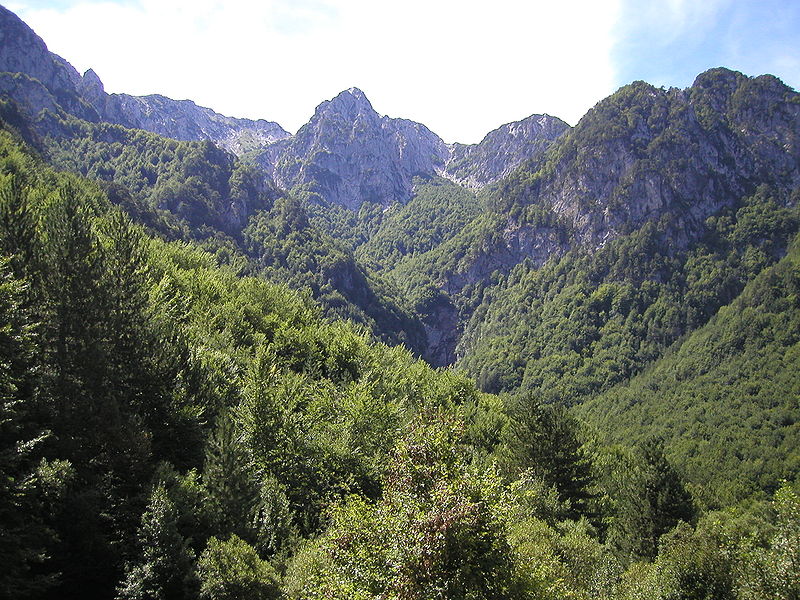
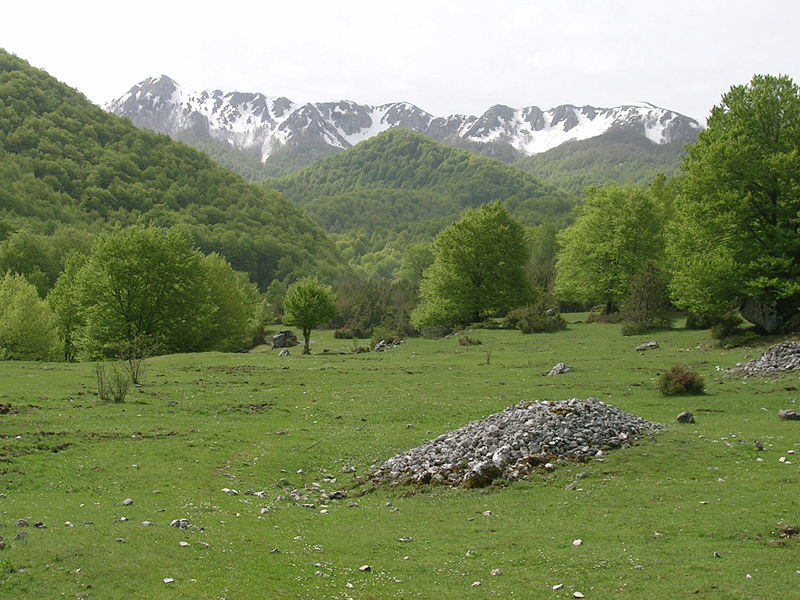
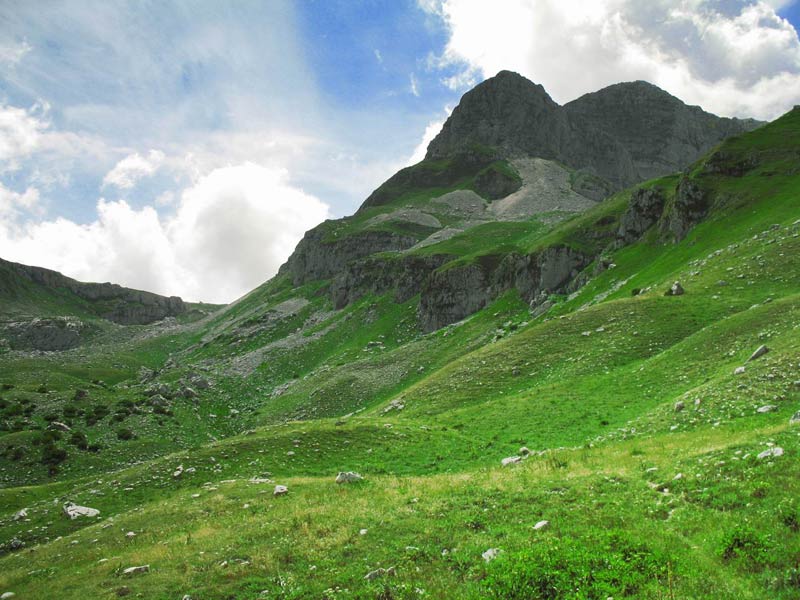
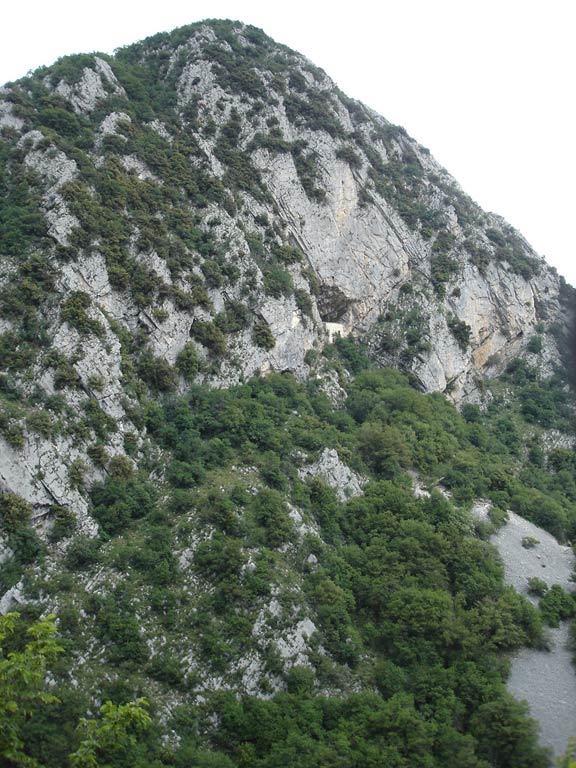
The park lies in the central Apennines and includes wooded slopes, rocky peaks, karst formations, river valleys, and high-altitude pastures. Notable summits include Monte Petroso, Monte Marsicano, and Monte Meta. The varied terrain and climate support a rich range of habitats.
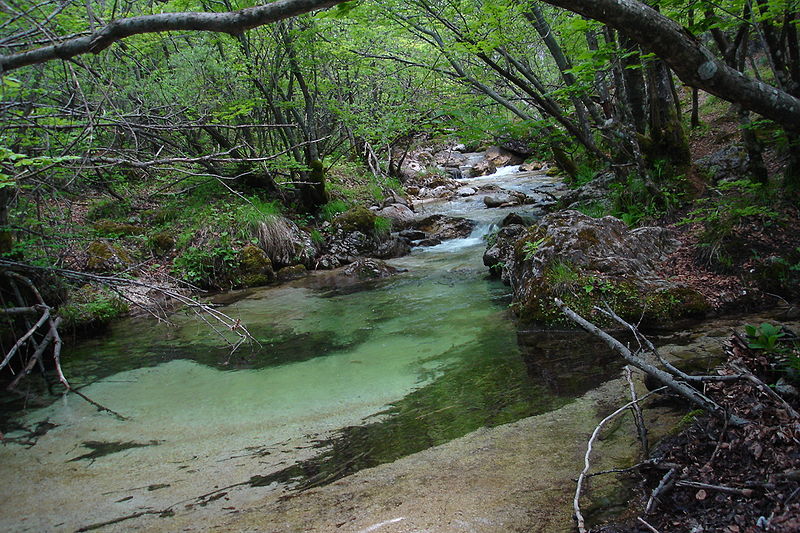
Water features include rivers, streams, and Lake Barrea, which is important for wetland habitats. Forests, water, and mountain slopes form a complex ecosystem.
Beech forests and plant life
Extensive beech forests are among the park's greatest natural assets. They provide cool, shaded paths in summer and turn golden, copper, and red in autumn. Some ancient beech forests in and around the park form part of the UNESCO World Heritage property known as the Ancient and Primeval Beech Forests of the Carpathians and Other Regions of Europe.
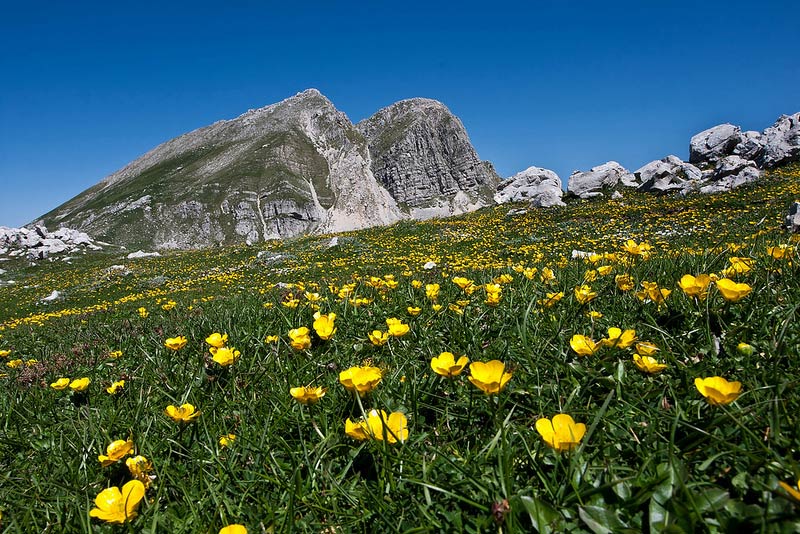
The park's flora includes more than 2,000 plant species. Beech, maple, pine, oak, mountain grasses, and rare flowers grow here. Some species, including the lady's-slipper orchid, require special protection. Visitors should never pick flowers or damage vegetation.
The Marsican brown bear
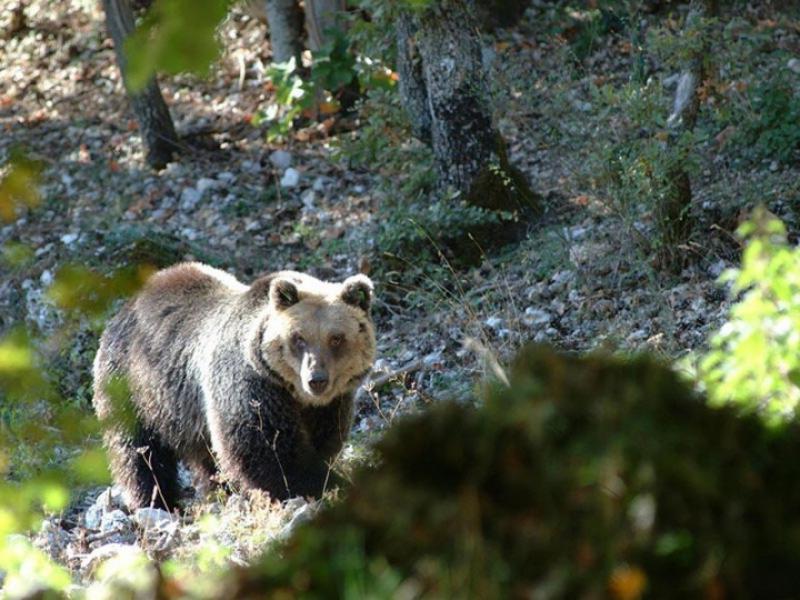
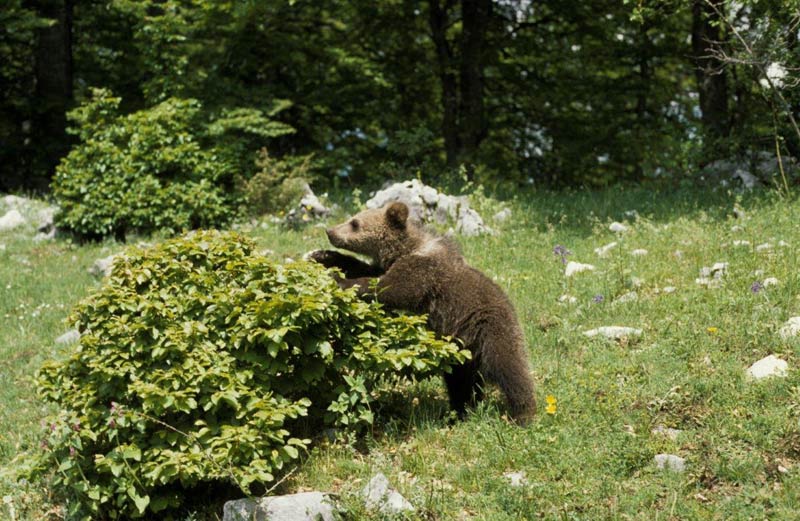
The Marsican brown bear is the park's emblem and one of Europe's rarest brown bear populations. It is genetically distinct from Alpine bears and endemic to central Italy. The animals depend on extensive forest habitats, quiet valleys, and natural food sources.
Their diet includes fruit, berries, nuts, plants, insects, and other available food. Seeing a bear in the wild is never guaranteed, and visitors should not attempt to seek one out. If a bear appears on a trail, keep your distance, do not feed it, and leave it a clear escape route.
Wolves, chamois, and other wildlife
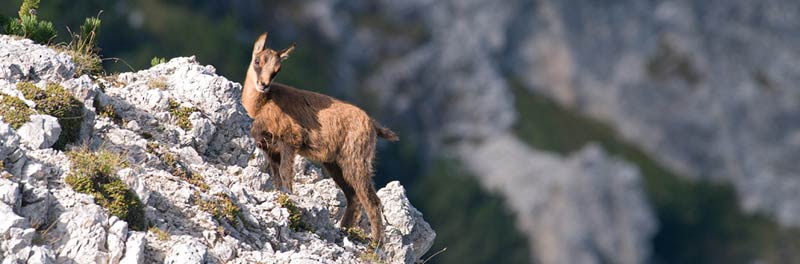
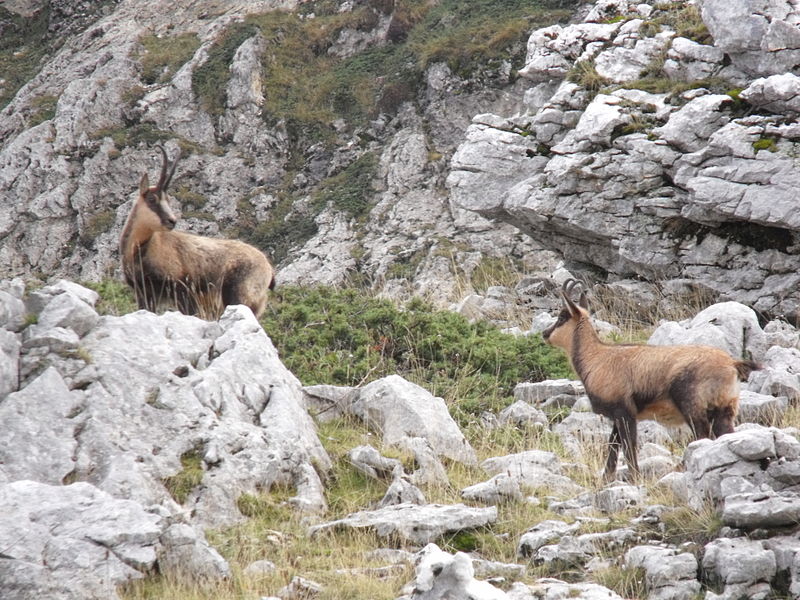
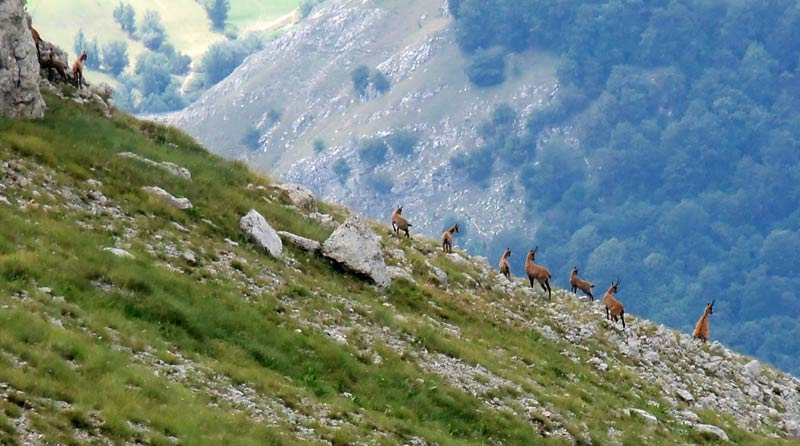
The Apennine wolf plays an important role in the mountain ecosystem. Wolves generally avoid people, so sightings in the wild are difficult. The Abruzzo chamois is adapted to steep, rocky slopes. Conservation measures helped this mountain subspecies recover after it came close to extinction.
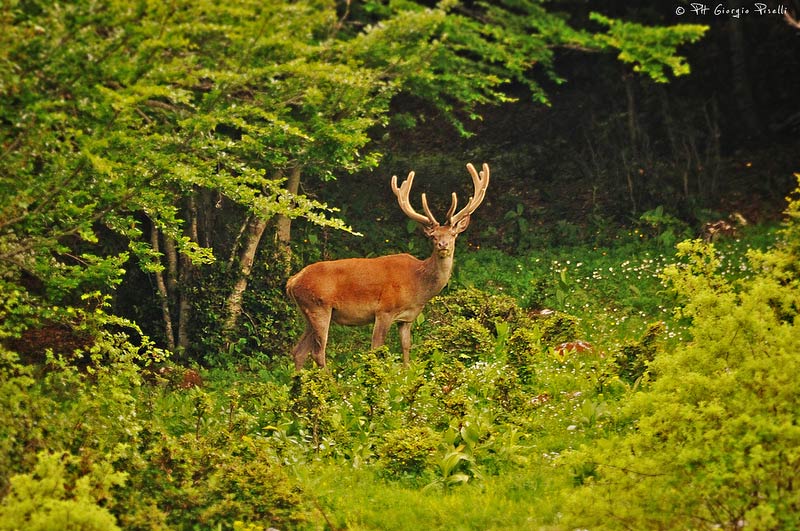
The park also supports red deer, roe deer, foxes, otters, and many smaller mammals. Birds include golden eagles, peregrine falcons, and other birds of prey. The variety of habitats, from forests and wetlands to scrub and high meadows, supports this biodiversity.
Hiking trails
The park has an extensive network of walking routes of different lengths and difficulty levels. Short nature trails suit relaxed walks, while longer mountain hikes require better preparation. Val Fondillo is known for its forests and streams, while the Camosciara area features rocky formations and scenic watercourses.
The route to Lago Vivo attracts hikers who enjoy mountain scenery. In early autumn, the valleys may echo with the calls of red deer during the rut. Before setting out, check the weather, trail difficulty, and any temporary restrictions. Bring suitable footwear, water, extra clothing, and a charged phone.
Lake Barrea and mountain villages
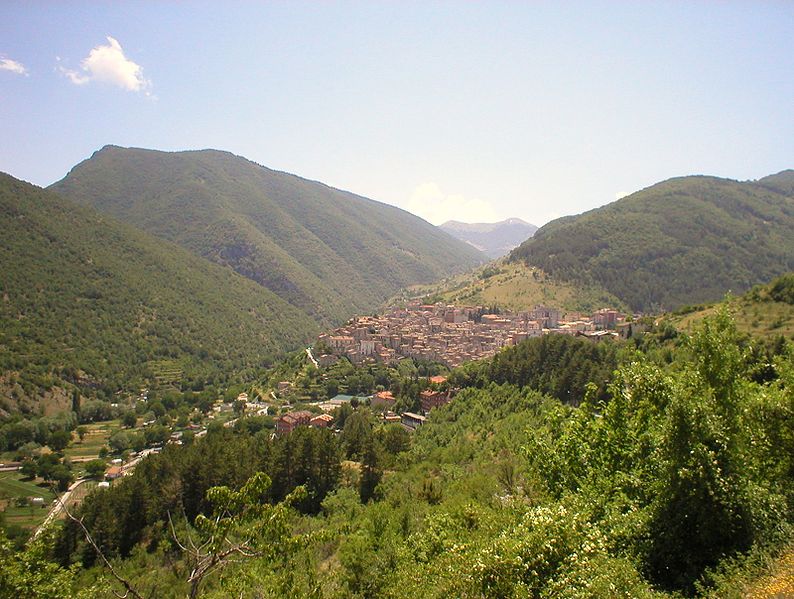
Lake Barrea is surrounded by mountains and woodland. Nearby villages include Barrea, Villetta Barrea, and Civitella Alfedena. Visitors can walk by the water, explore historic centres, and sample local food. Stone houses and narrow streets preserve the character of Abruzzo's mountain settlements.
Pescasseroli is one of the park's main centres and a useful place to obtain information about trails and conservation rules. The town has historic sights, including the Abbey of Saints Peter and Paul. Visitor centres help travellers learn about local wildlife and the surrounding ecosystems.
Visiting in different seasons
Spring brings renewed vegetation and wildflowers. Summer is suitable for many hikes and visits to mountain villages. In autumn, the beech forests turn golden and copper-coloured, while winter snow can make some trails difficult to access.
Visitors should stay on permitted paths, take their rubbish away, avoid picking rare plants, and never approach wild animals for photographs.
How to get there
The park has no single entrance: its territory includes villages, valleys, and trails across three Italian regions. Pescasseroli is a convenient starting point and can be reached by car from Rome, Naples, and other cities in central Italy. Public transport connects some villages with larger towns, but services may be limited.
There is generally no single admission ticket for the entire natural area, although some visitor centres, exhibitions, and special facilities may charge fees. Check the official park website for current transport information, trail conditions, and access restrictions.
Tips for visitors
Allow two or three days for a first visit. This gives you time to explore forest valleys, visit several villages, and learn about conservation at visitor centres. Even in summer, mountain weather can change quickly, so bring warm layers and rain protection.
Abruzzo, Lazio and Molise National Park is valuable for its combination of wildlife, ancient forests, mountain scenery, and traditional settlements. It offers a quieter, more mountainous view of Italy and shows why protecting natural habitats is so important.
Gallery