Olympic National Park is one of the most remarkable protected natural areas in the United States. It lies on the Olympic Peninsula in Washington State, in the country's Pacific Northwest. The park is famous for its extraordinary variety of landscapes: glacier-covered mountain peaks, lush temperate rain forests, clear lakes, rushing rivers, and wild Pacific beaches all exist within one protected area.
The park covers approximately 3,730 square kilometres. It was established as a national park in 1938 and later became a UNESCO World Heritage Site. Olympic is also recognized as an International Biosphere Reserve. Its ecosystems are important for protecting rare wildlife, ancient forests, and distinctive habitats of the Pacific Northwest.
The Olympic Mountains
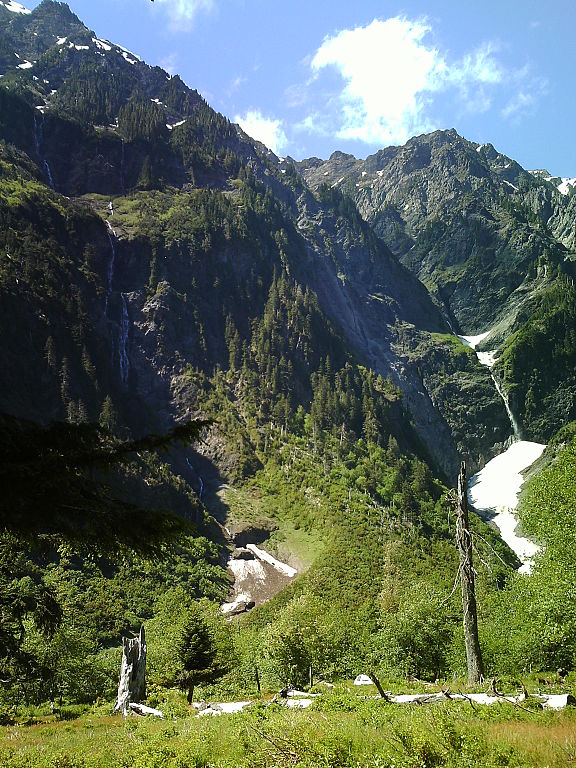
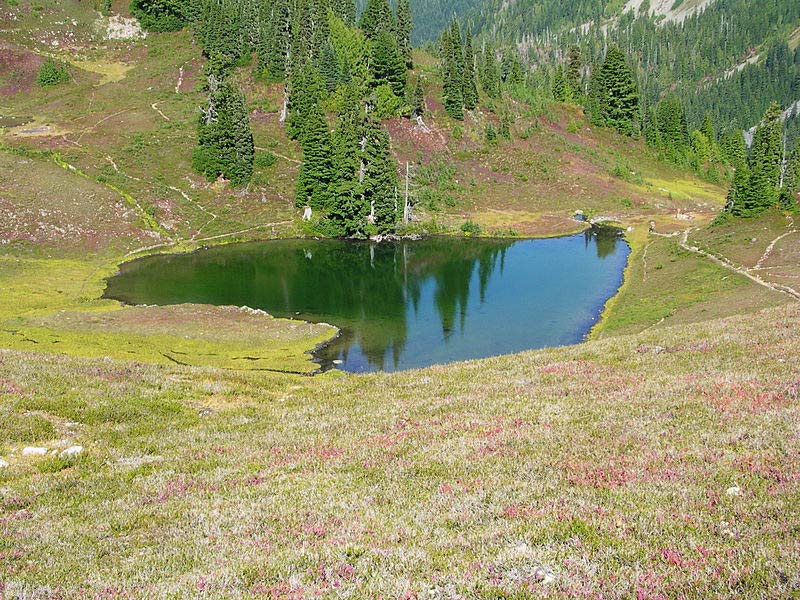
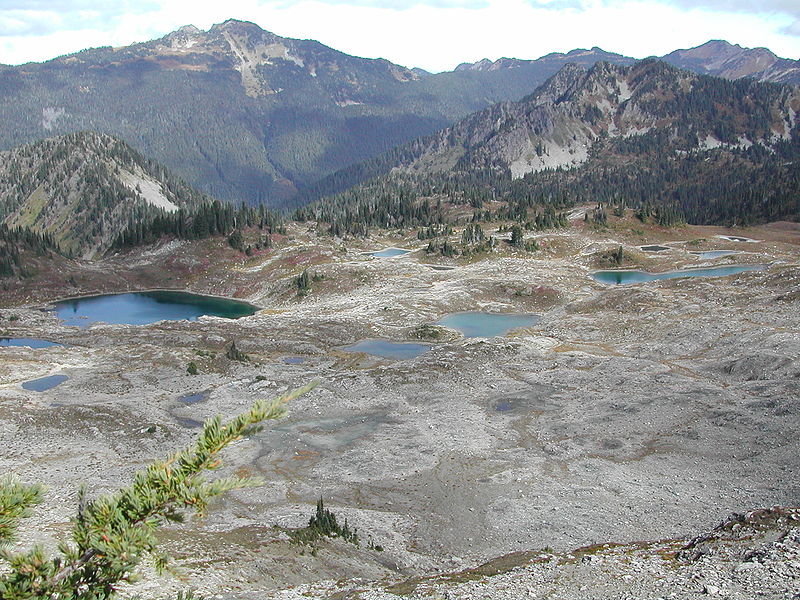
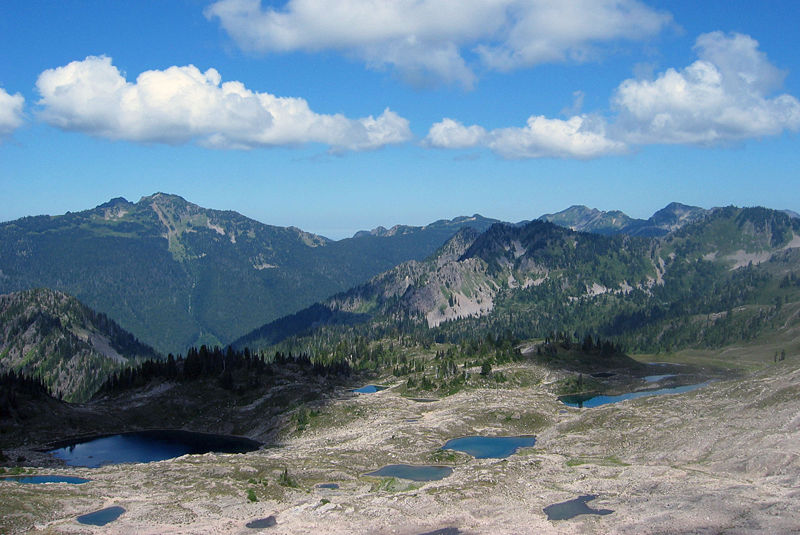
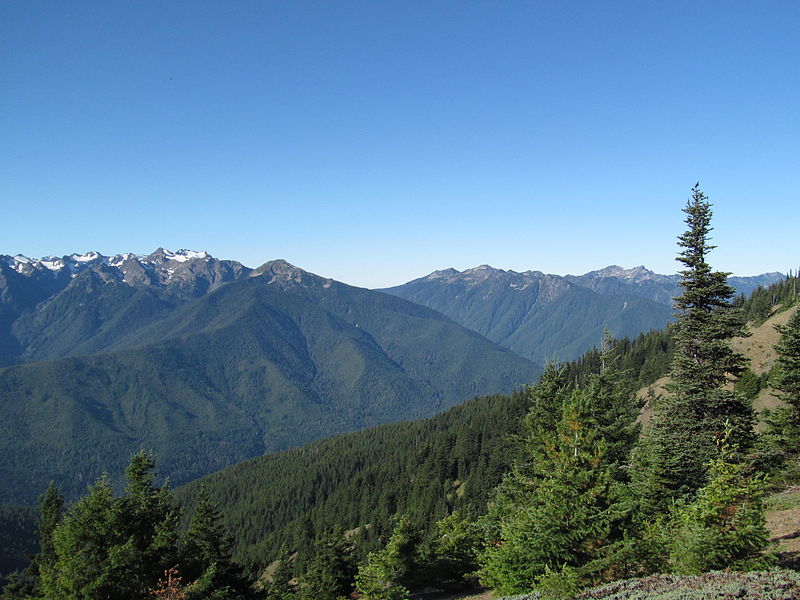
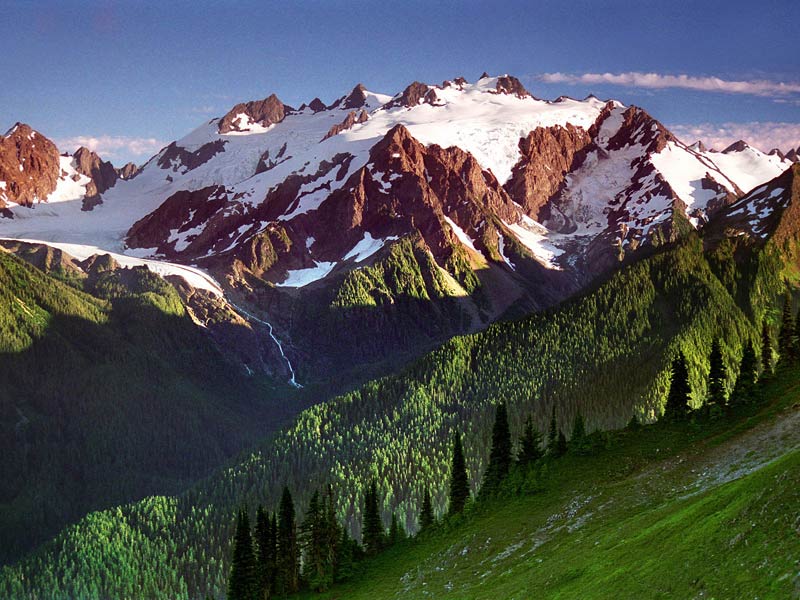
The centre of the park is dominated by the Olympic Mountains, shaped by complex geological processes and ancient glaciers. The highest summit is Mount Olympus, rising to approximately 2,432 metres above sea level. Snowfields and glaciers cover its upper slopes, while valleys, mountain rivers, and alpine meadows spread below.
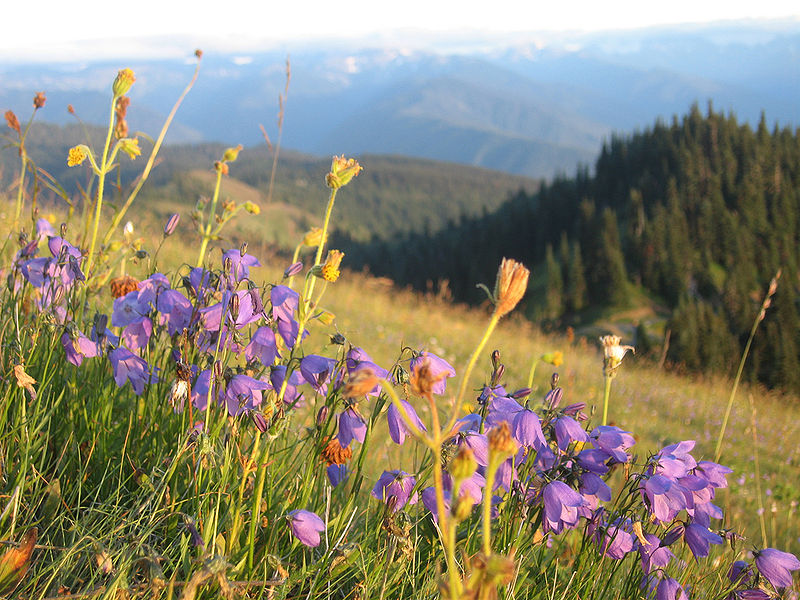
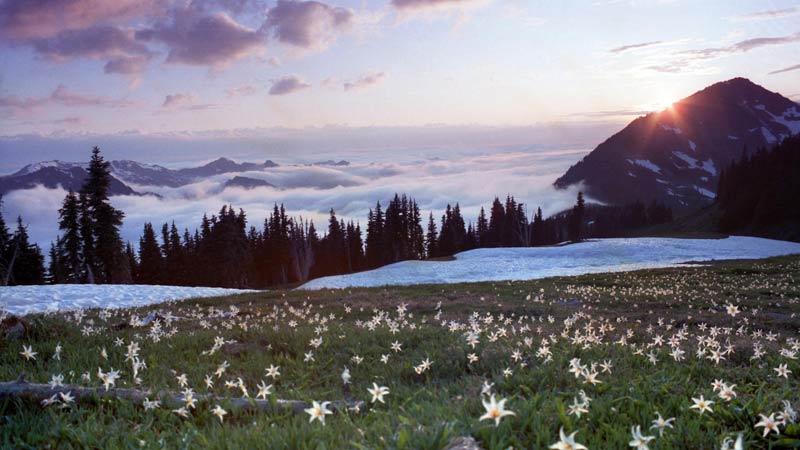
The mountain region is especially appealing to hikers and visitors seeking panoramic views. Hurricane Ridge is one of the most accessible places to experience the high country. On clear days, visitors can see dramatic peaks, forested valleys, and surrounding ranges. Alpine wildflowers brighten the slopes in summer, while winter brings snow and opportunities for seasonal outdoor activities when weather and road conditions allow.
Ancient temperate rain forests
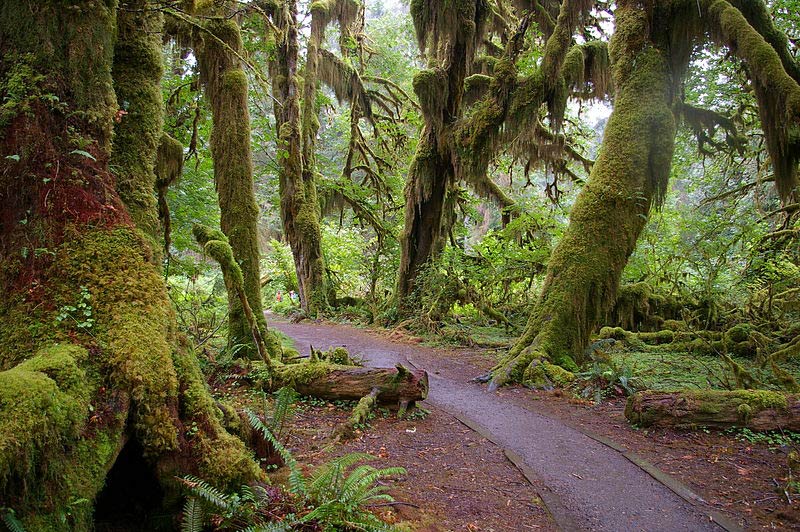
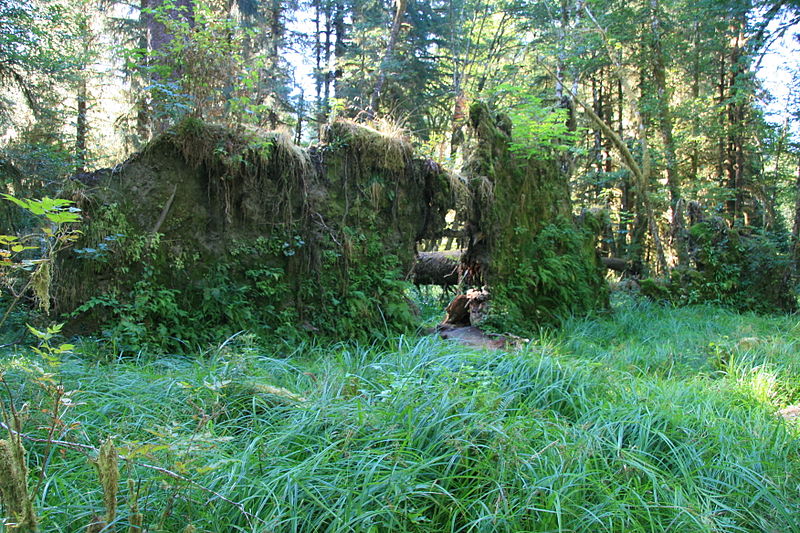
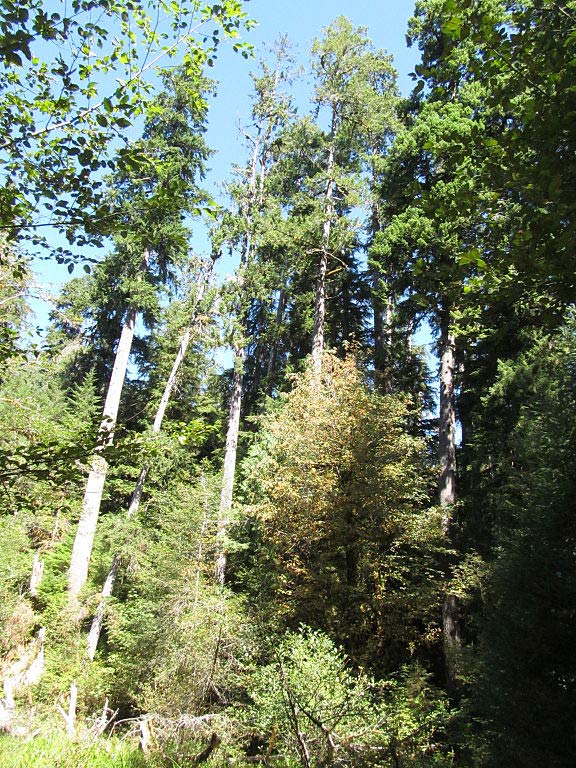
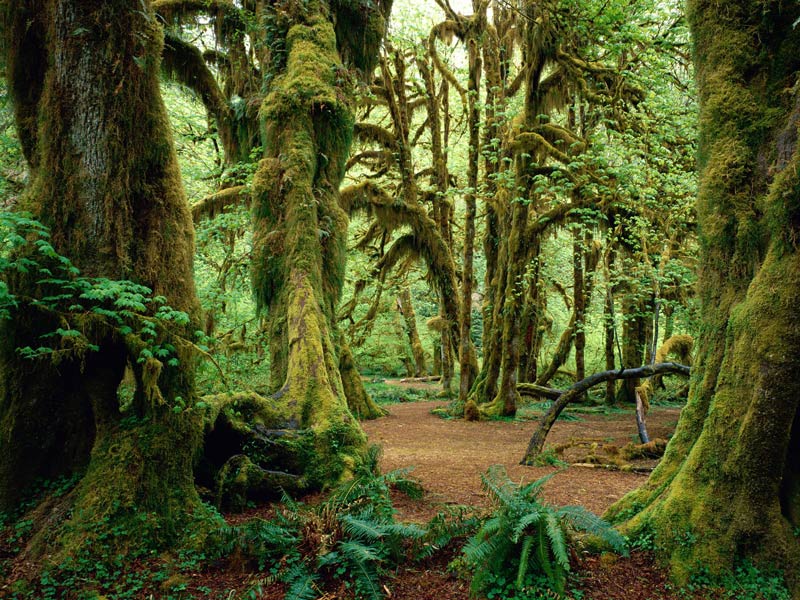
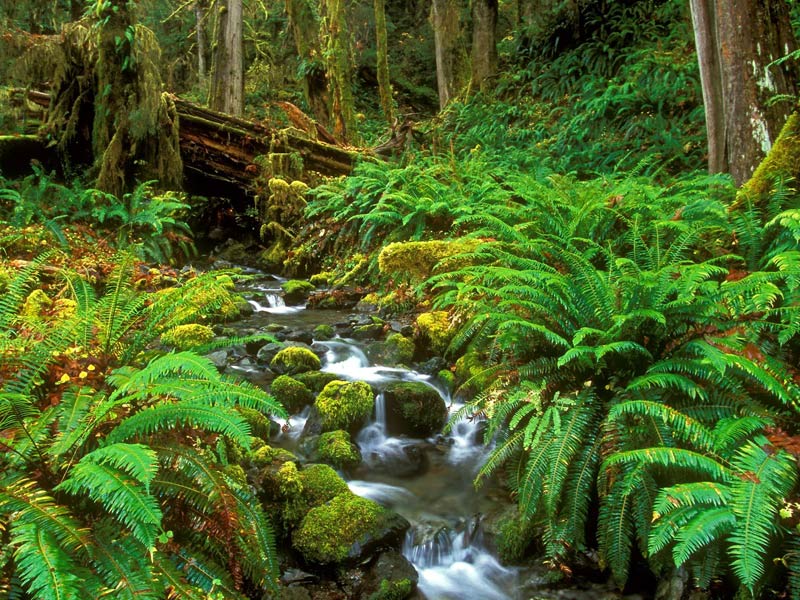
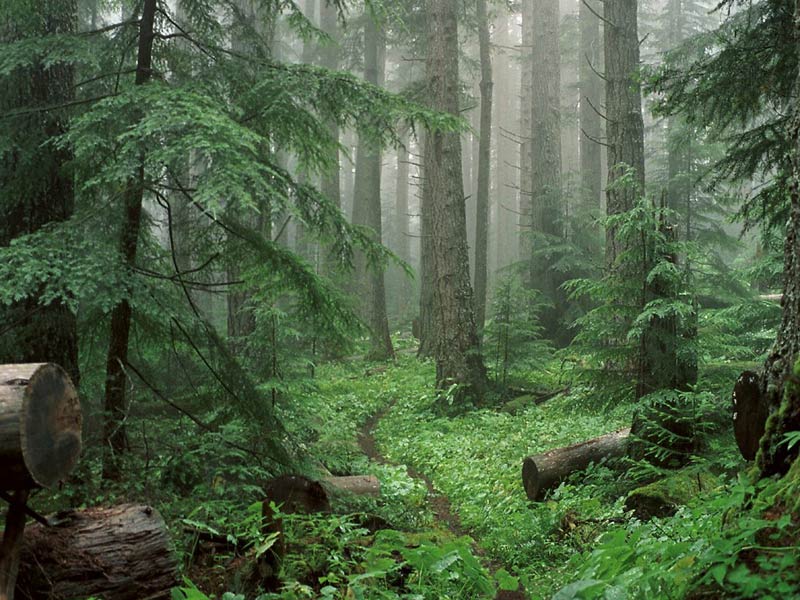
Olympic is renowned for its temperate rain forests. The western side of the peninsula receives abundant precipitation, creating exceptionally lush vegetation. Towering conifers, ferns, mosses, and lichens give the forest an almost magical atmosphere. Moss covers trunks, branches, and fallen trees, while soft light filters through the dense green canopy.
One of the park's best-known destinations is the Hoh Rain Forest. Walking trails lead visitors among old-growth trees, dense vegetation, and moss-covered woodland. Popular short routes include the Hall of Mosses and Spruce Nature Trail. These paths offer an introduction to the forest without requiring a long expedition into remote wilderness.
Another fascinating area is the Quinault Rain Forest, located in the Quinault River valley. It features dense woodland, winding streams, and the scenic surroundings of Lake Quinault. These forests demonstrate how abundant rainfall shapes the vegetation and landscapes of the Pacific Northwest.
The Pacific coast
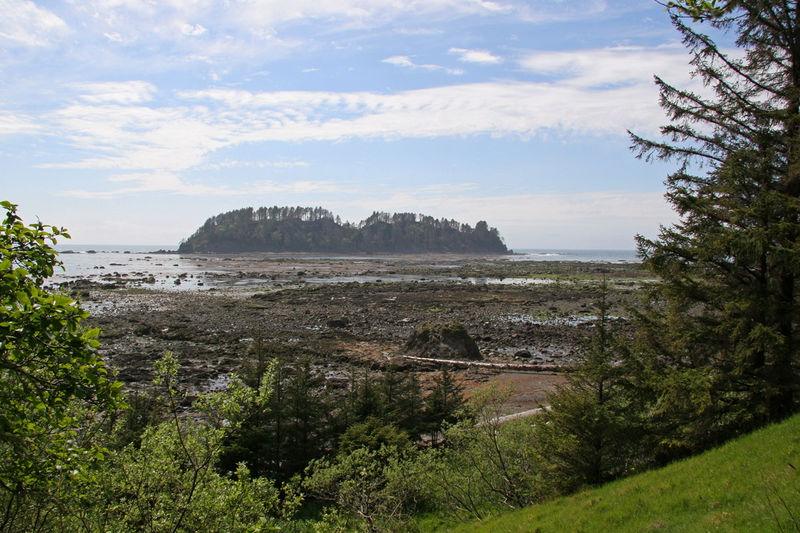
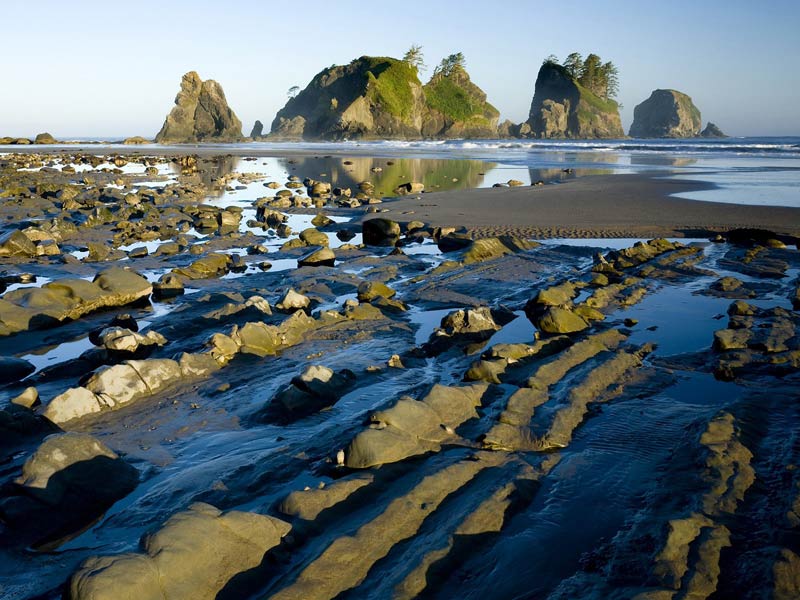
The park's western boundary meets the Pacific Ocean. Its coastline features long beaches, rocky shores, sea cliffs, and small offshore islands. Much of the shoreline remains wild, and its appearance changes constantly with the tides, wind, and waves.
Ruby Beach is one of the best-known coastal destinations. It is famous for dark stones, driftwood logs, and offshore sea stacks rising above the water. Sunset can be particularly beautiful, as the sun sinks over the Pacific and casts warm colours across the clouds and rocks.
Rialto Beach is equally impressive, with rocky sea stacks and natural arches. Visitors can watch seabirds, listen to the surf, and admire unusual rock formations. Coastal hiking requires caution, however, because high tides can block sections of shoreline. Check tide tables and National Park Service safety guidance before setting out.
Lakes, rivers, and waterfalls
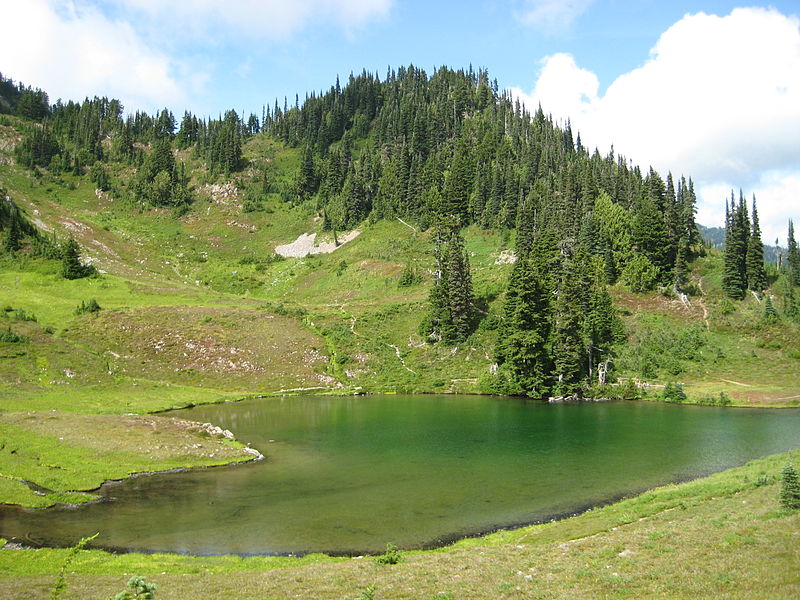
The park contains numerous rivers, streams, and glacially carved lakes. One of the best known is Lake Crescent, surrounded by forested slopes and mountains. Its deep, clear water often appears vivid blue-green. Visitors can relax along the shore, photograph the scenery, follow forest trails, and enjoy permitted water activities.
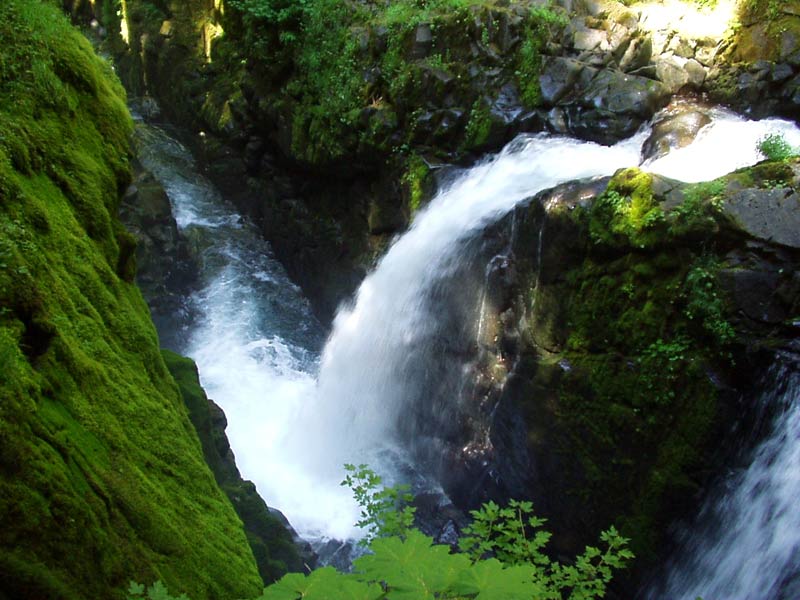
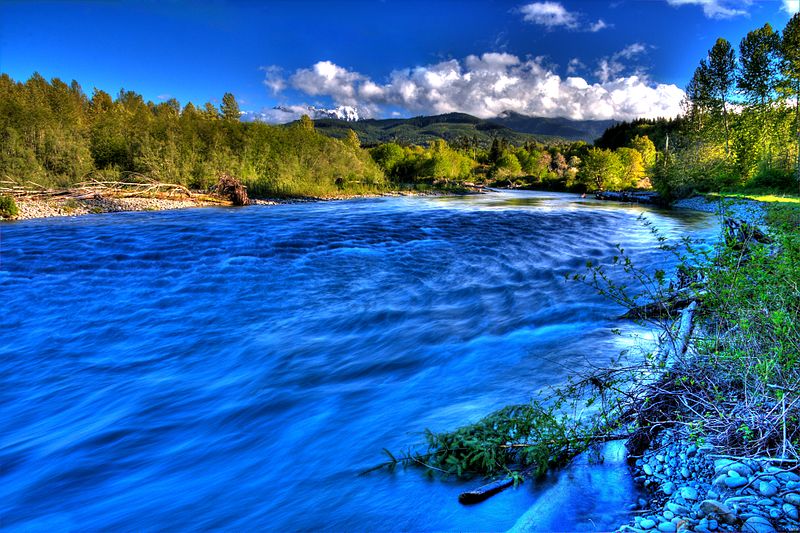
Olympic's rivers are essential to local ecosystems. Many provide spawning habitat for salmon, which play an important role in the food web. Dense forests line the river valleys, where birds and mammals can be observed. Waterfalls and fast-flowing mountain streams are especially impressive after rain and during periods of snowmelt.
Wildlife
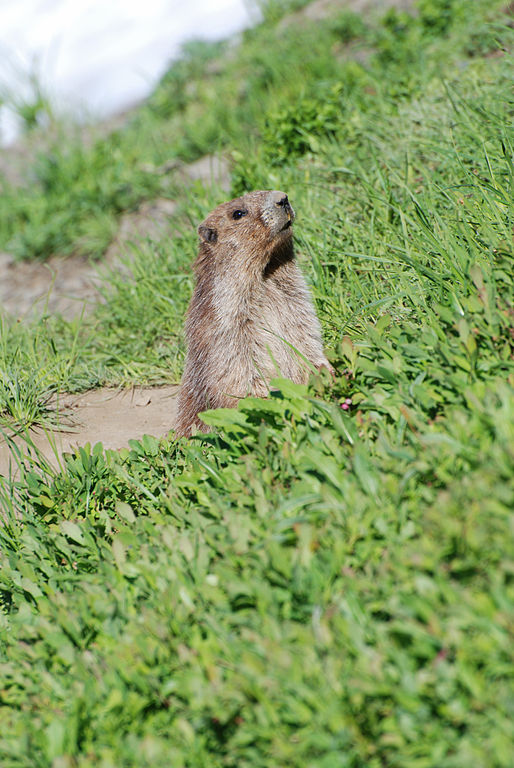
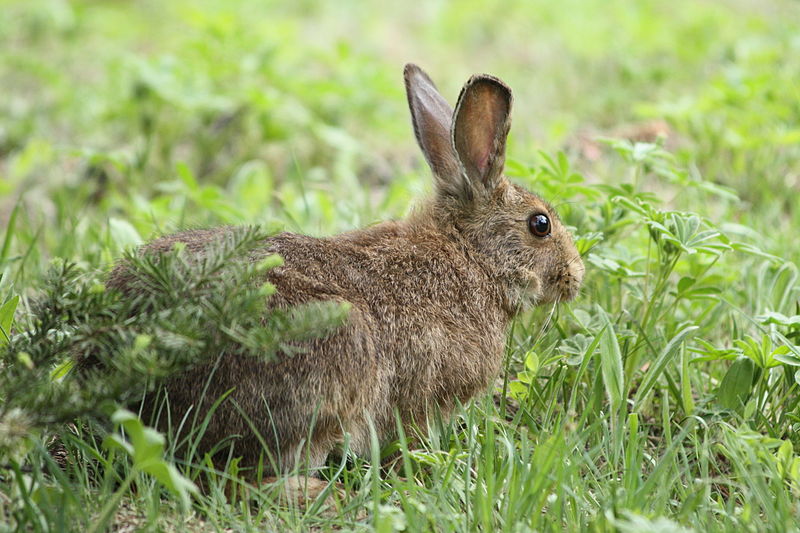
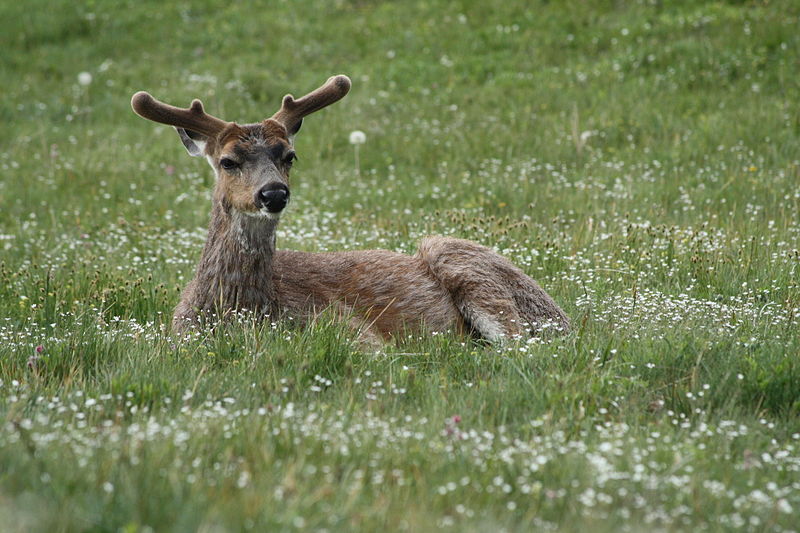
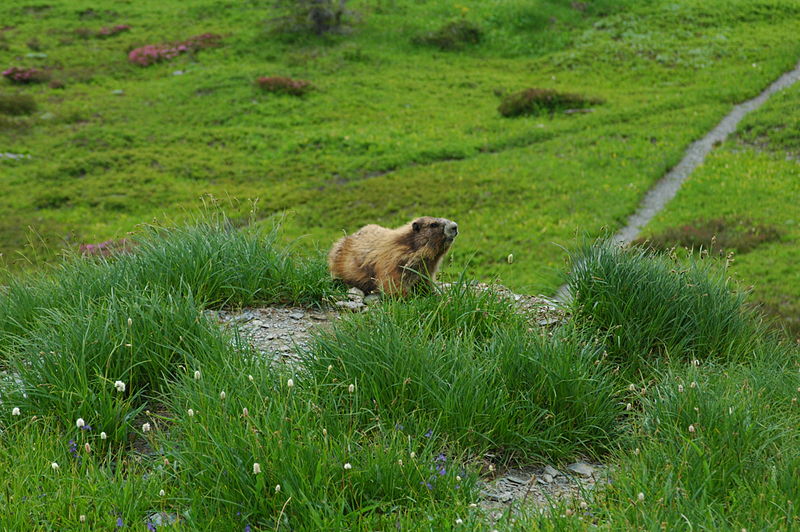
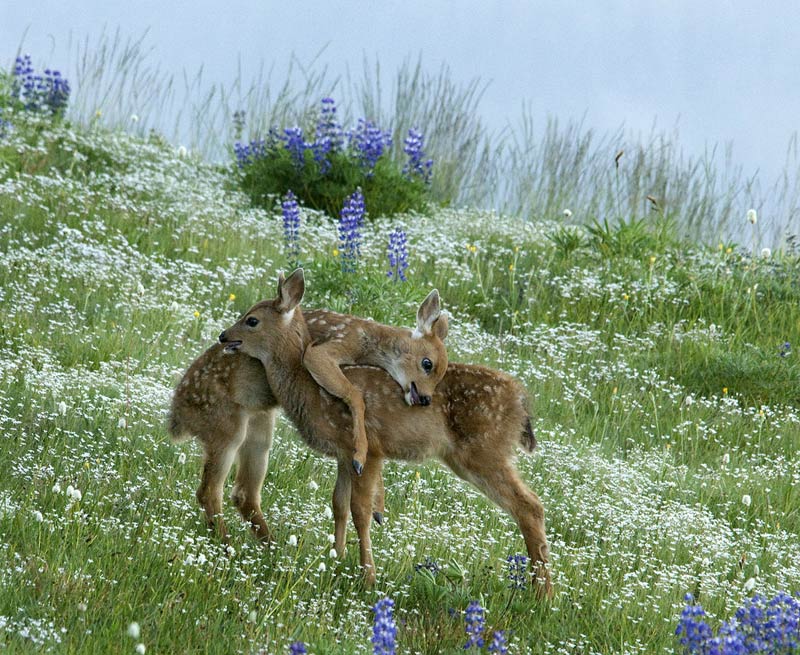
The park's varied habitats support many animal species. Deer, American black bears, and cougars live in its forests and valleys. One notable animal is the Roosevelt elk, a large North American elk known for the impressive antlers of adult males.
The mountains and forests support many birds, including species associated with old-growth woodland. Along the coast, visitors may spot seabirds, seals, and other marine wildlife. At low tide, tide pools reveal sea stars, anemones, crabs, and other invertebrates. Wildlife should always be observed from a safe distance and never fed.
History and cultural heritage
The region's history extends far beyond the establishment of the national park. Indigenous peoples have lived on the Olympic Peninsula for thousands of years, maintaining cultural traditions closely connected to the forests, rivers, and ocean. Fishing, especially salmon fishing, marine resources, and knowledge of natural cycles remain important to many local communities.
The park's establishment in 1938 was a major step toward protecting mountain landscapes and ancient forests. Later conservation efforts also focused on restoring river ecosystems. A notable example is the Elwha River restoration project, which involved removing dams and restoring more natural conditions for migrating fish.
Things to do in the park
Olympic offers many activities for visitors. You can take a short forest walk, embark on a multi-day mountain trek, watch wildlife, photograph waterfalls and lakes, explore the Pacific shoreline, or camp in designated areas. Some trails are suitable for beginners, while remote mountain and coastal routes require experience, preparation, and appropriate equipment.
Because the park is so large and no road crosses the entire area, planning ahead is essential. Driving between different regions can take considerable time. Many visitors choose several base locations and explore nearby attractions on separate day trips.
Climate and the best time to visit
The climate varies considerably with elevation and location. Coastal areas and western forests receive frequent rainfall, and conditions can change quickly. Mountain weather is more severe: snow can persist for long periods, and high-elevation trails may remain difficult to reach even in spring.
Summer, especially June through September, is generally the busiest period. Many roads, visitor facilities, and mountain routes are accessible when conditions are favourable. Spring brings vibrant green forests, autumn offers a quieter coastal atmosphere, and some areas remain attractive in winter for walks and snowy scenery. Before travelling, check current road conditions, weather, closures, and trail access.
Why visit Olympic
Olympic National Park is unusual because it protects glacier-covered mountains, ancient rain forests, lakes, and a wild ocean coastline within one area. In a relatively short time, visitors can move from lush woodland to open seascapes or snowy mountain panoramas. The park is ideal for nature lovers, hikers, photographers, and anyone seeking peaceful surroundings far from large cities.
Olympic reveals the extraordinary diversity of the natural world in the northwestern United States. Its ancient forests, mountain peaks, and Pacific coastline form an interconnected ecosystem whose protection is important for future generations.
Gallery