Carpathian National Nature Park lies in Ivano-Frankivsk Oblast in western Ukraine, on the northeastern slopes of the Ukrainian Carpathians. Established on 3 June 1980, it was the country's first national nature park. Its main purpose is to protect mountain forests, high-altitude meadows, rivers, lakes, and rare plant and animal species.
The park covers approximately 505–516 km², or about 50,500–51,600 hectares. Published figures differ because of variations in how the territory is measured and described. Elevations range from roughly 500 to 2,061 metres above sea level. The park extends along mountain ridges and the Prut River valley, with Yaremche serving as one of the main gateways for visitors.
Hoverla and mountain trails
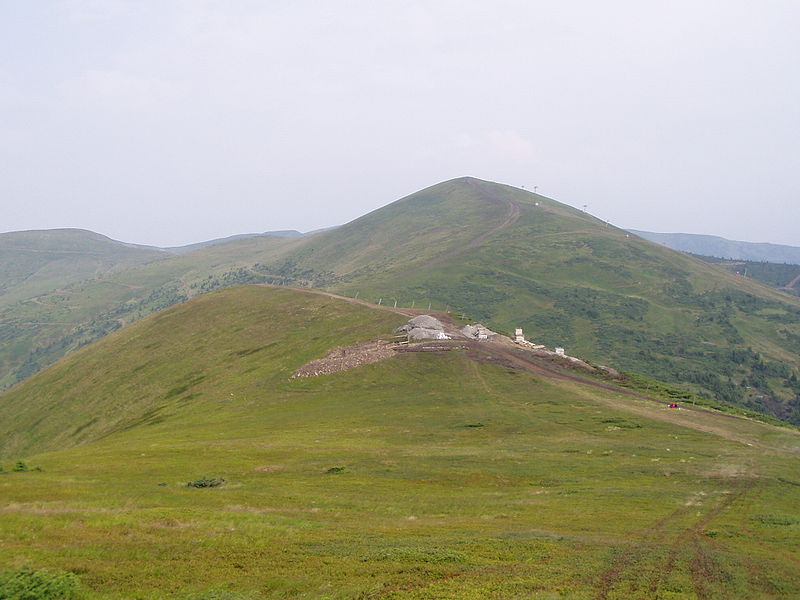
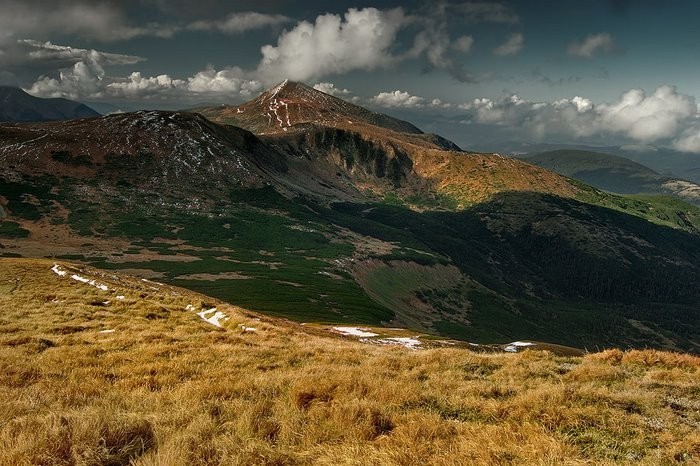
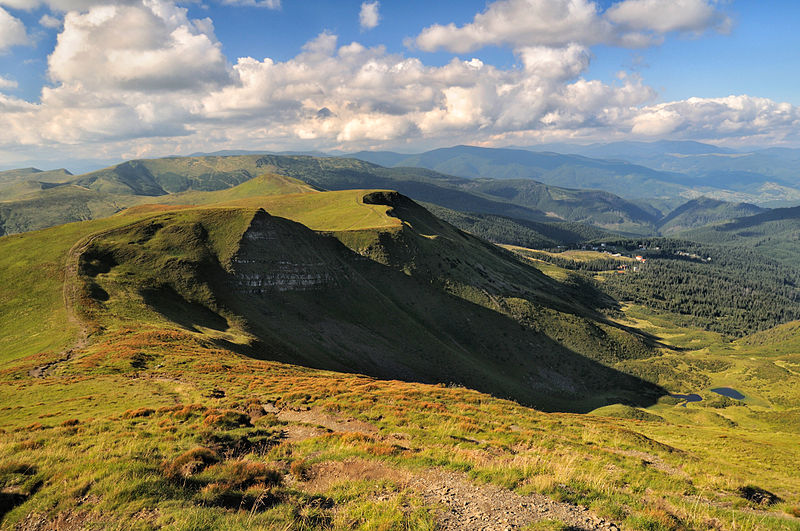
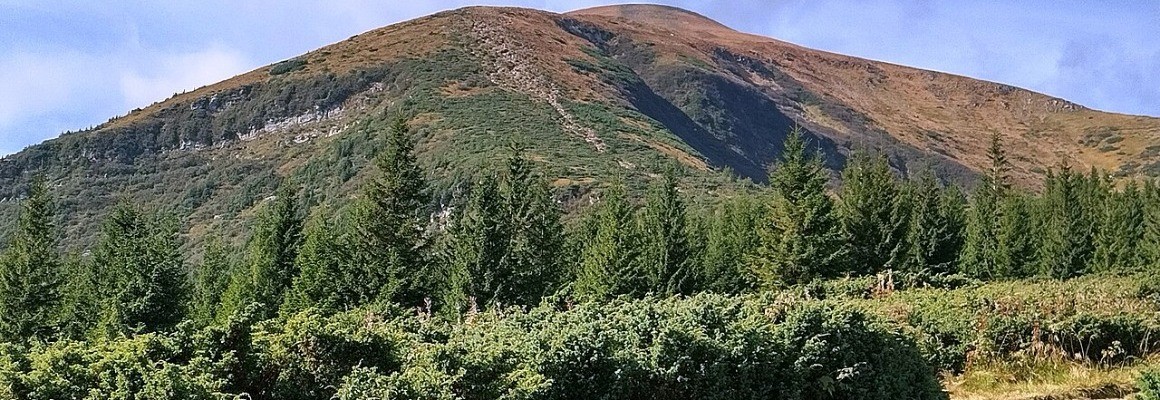
One of the park's most famous natural landmarks is Hoverla, at 2,061 metres the highest mountain in Ukraine. Other peaks of the Chornohora range, rocky slopes, and mountain valleys lie nearby. Hiking routes offer views across the Carpathians, subalpine meadows, and plants adapted to the demanding high-altitude environment. Some paths are suitable for casual walks, while others require good fitness and hiking experience.
Lakes, rivers, and waterfalls
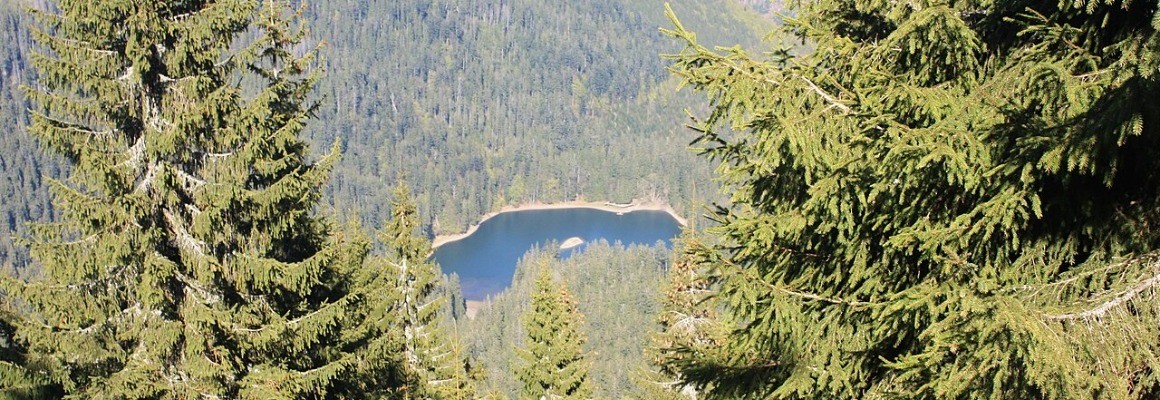
The park and its surroundings contain high-mountain lakes, fast-flowing rivers, and waterfalls. Well-known natural attractions include Lake Maricheika and Huk Waterfall near Yaremche. Mountain streams cut through forested slopes and create picturesque ravines. Water, rock formations, coniferous forests, and grassy hillsides form the characteristic scenery of the Ukrainian Carpathians.
Forests and wildlife
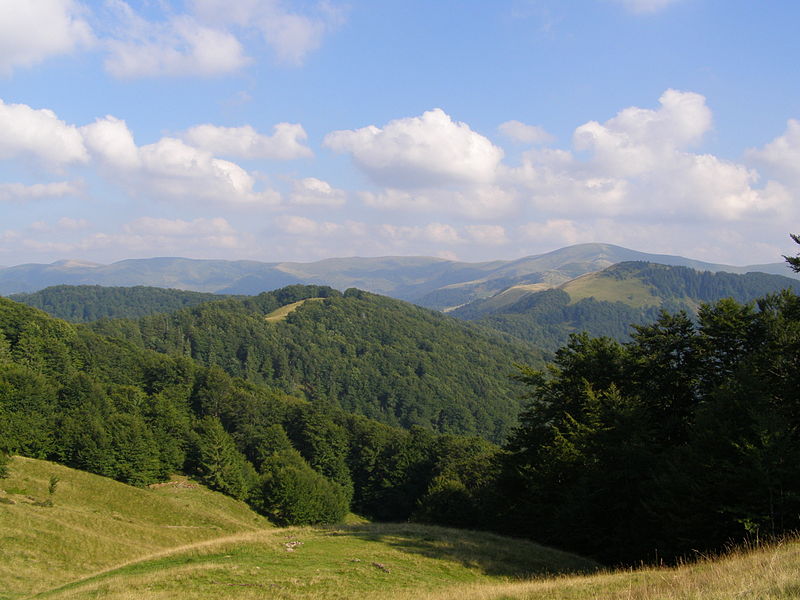
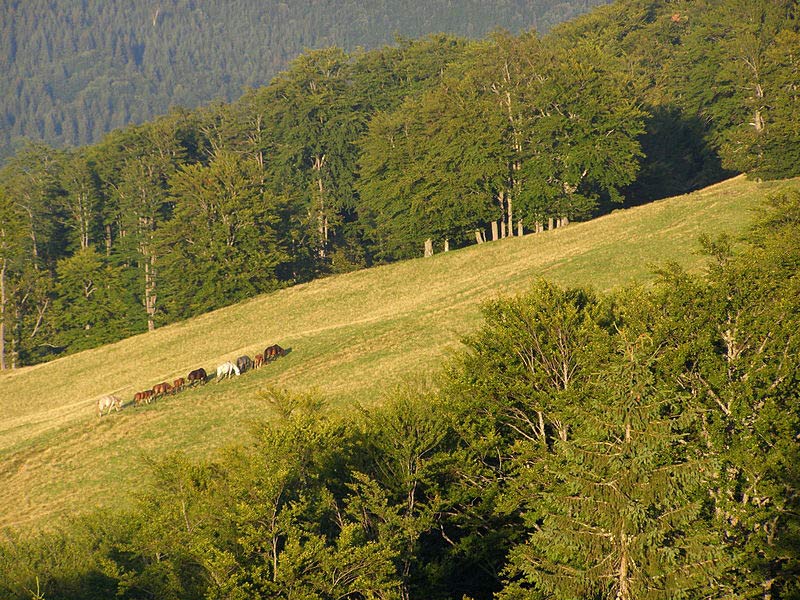
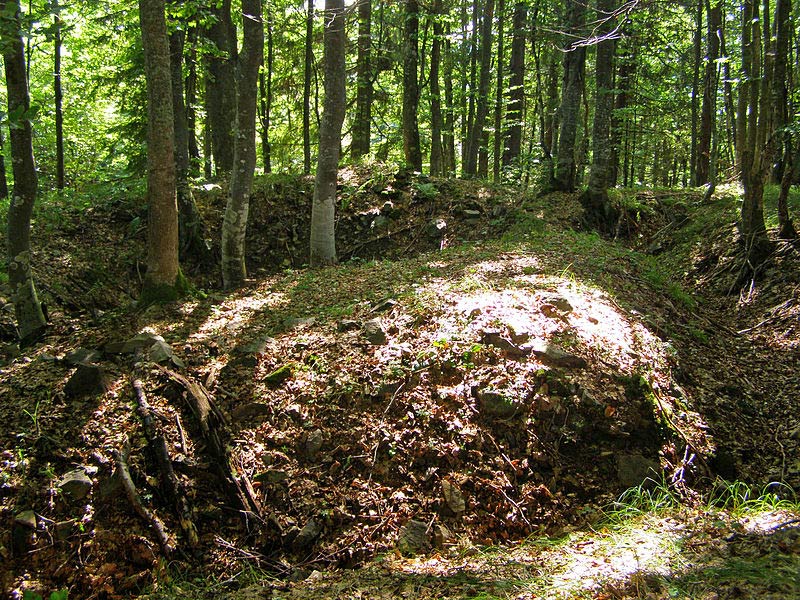
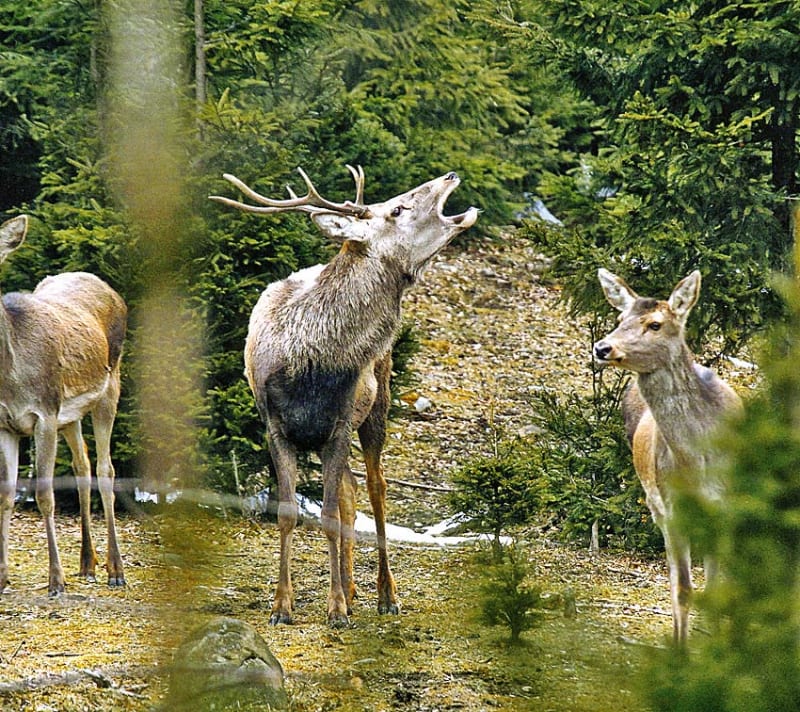
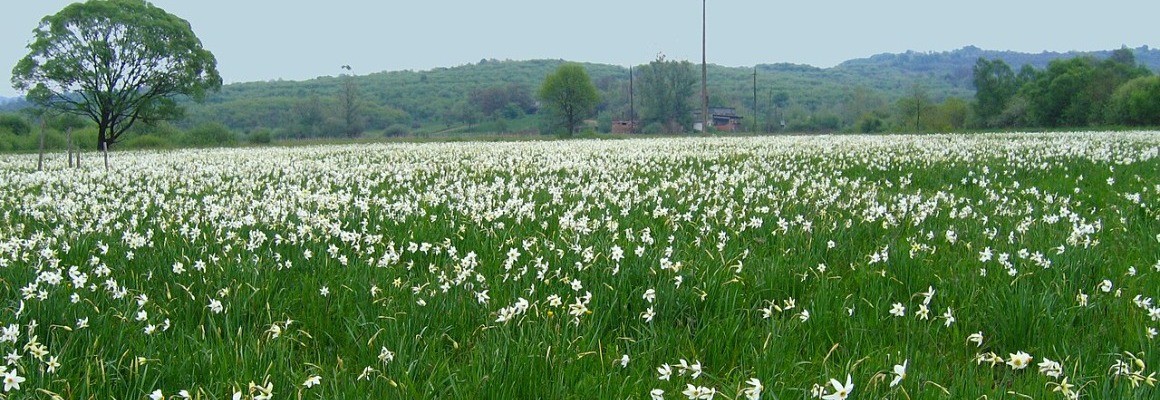
Spruce, beech, and mixed forests cover much of the territory. Some areas retain old-growth and primeval forest stands. Wildlife includes brown bears, wolves, lynx, deer, and numerous forest birds. Protected species include the golden eagle, black stork, and fire salamander. In spring and summer, rare plants bloom in the highlands, including the Carpathian rhododendron, popularly known in the region as the red rue.
Carpathian culture and traditions
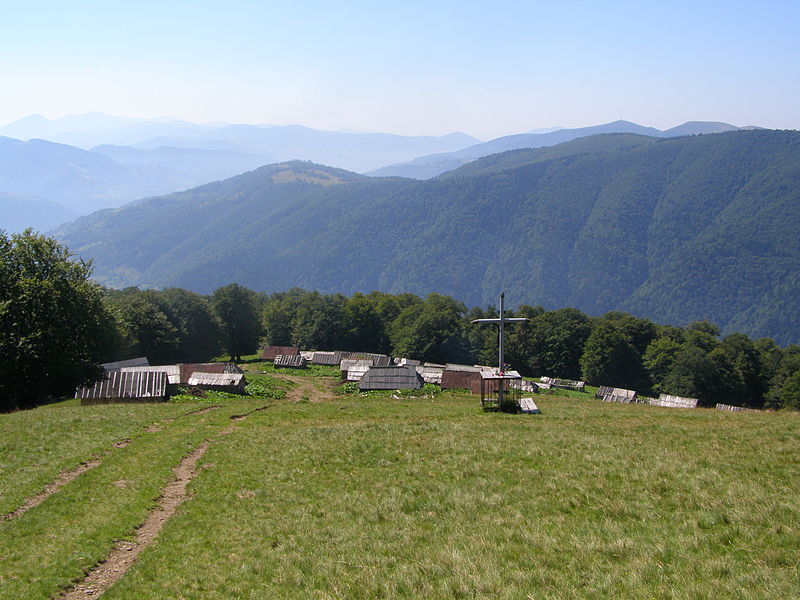
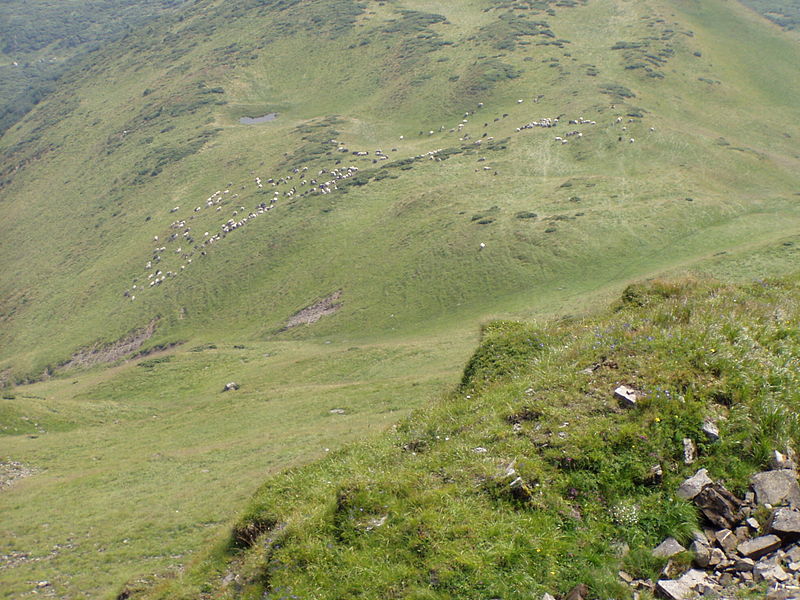
The park's natural heritage is closely connected with the culture of mountain communities. Traditional wooden churches, folk crafts, shepherding customs, and Hutsul architecture remain part of the region's identity. Exploring the surrounding area allows visitors to combine mountain walks with local cuisine, history, and the everyday traditions of Carpathian residents.
When to visit and what to know
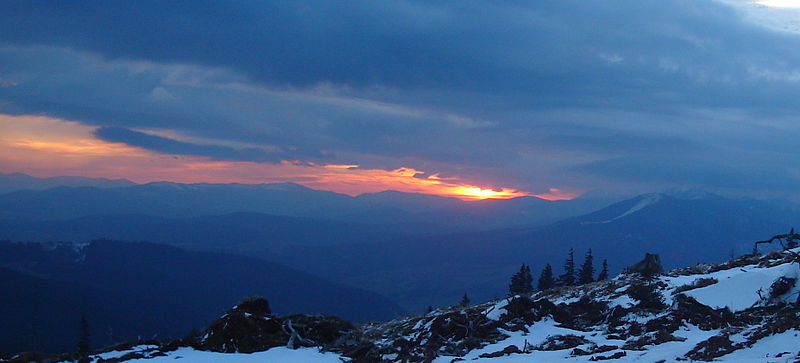
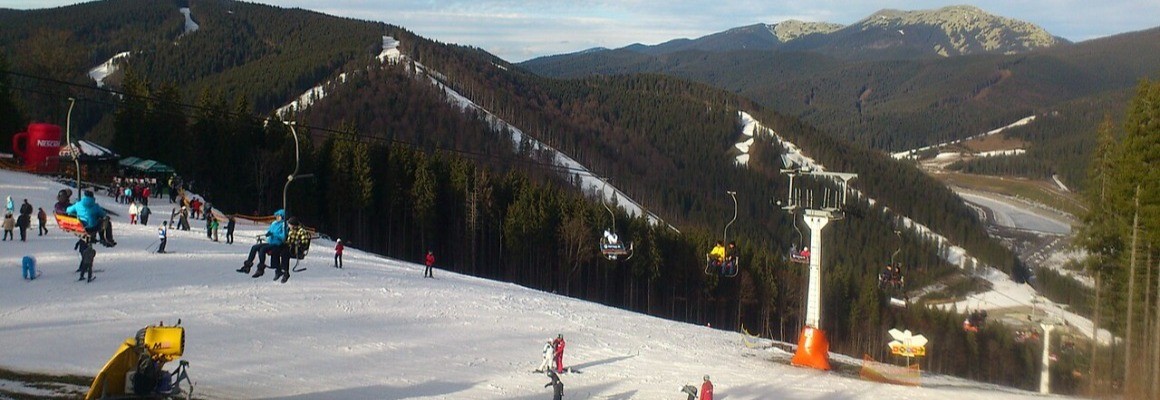
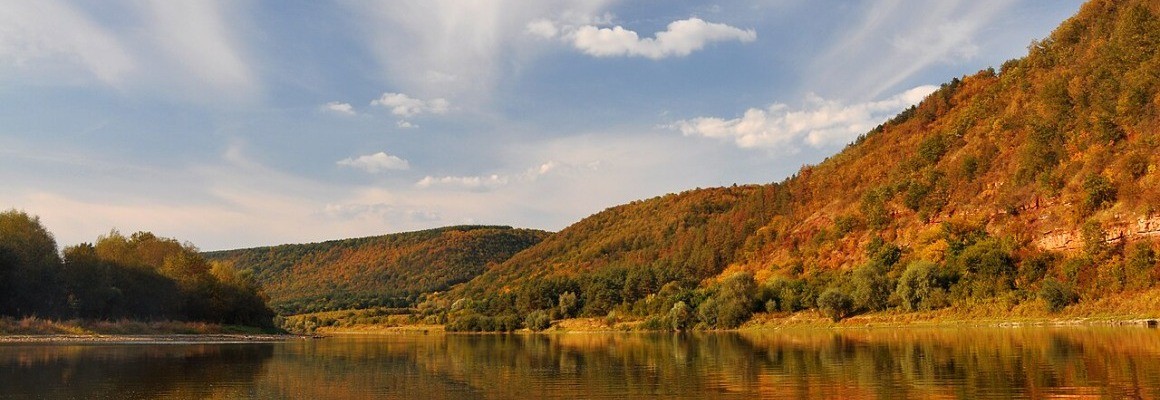
Summer is suitable for most hiking routes, waterfall visits, and walks through mountain valleys. In autumn, forests turn shades of gold and red, while winter brings more difficult conditions because of snow, ice, and shorter daylight hours. Before setting out, check trail conditions, the weather forecast, protected-area regulations, and any access restrictions. Anyone planning to climb Hoverla should choose a route suited to their fitness and avoid the mountains in dangerous weather.
Carpathian National Nature Park brings together high mountains, forests, waterways, and cultural landmarks. It is one of the key places to discover the natural beauty of the Ukrainian Carpathians and an important area for protecting their distinctive ecosystems.
Gallery