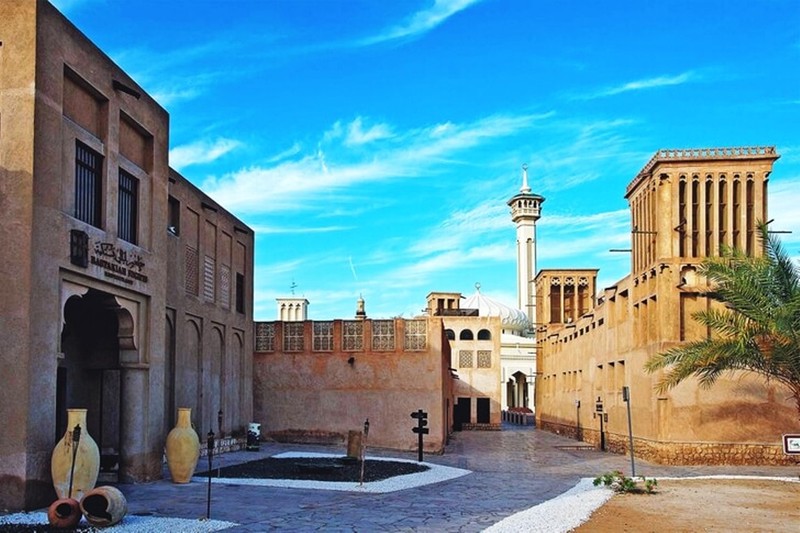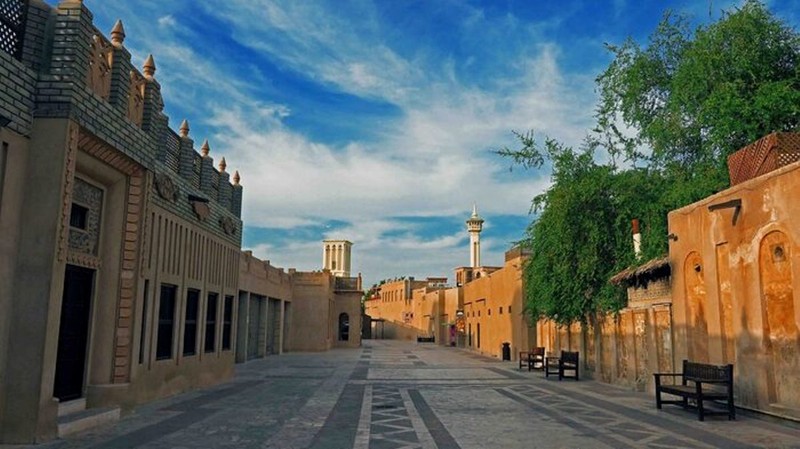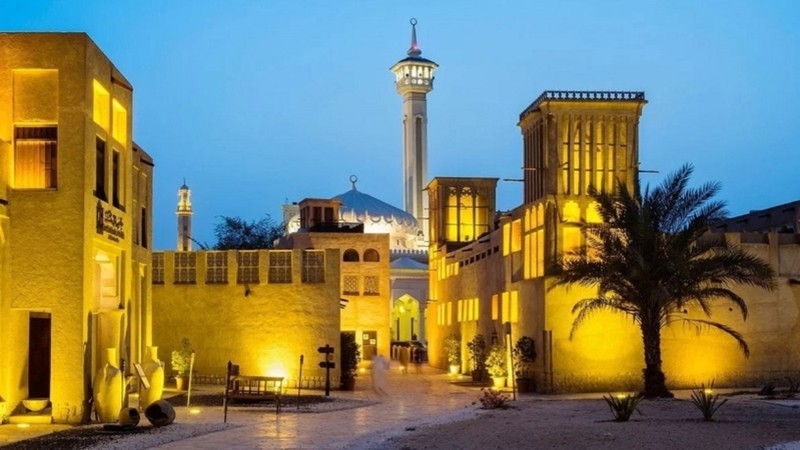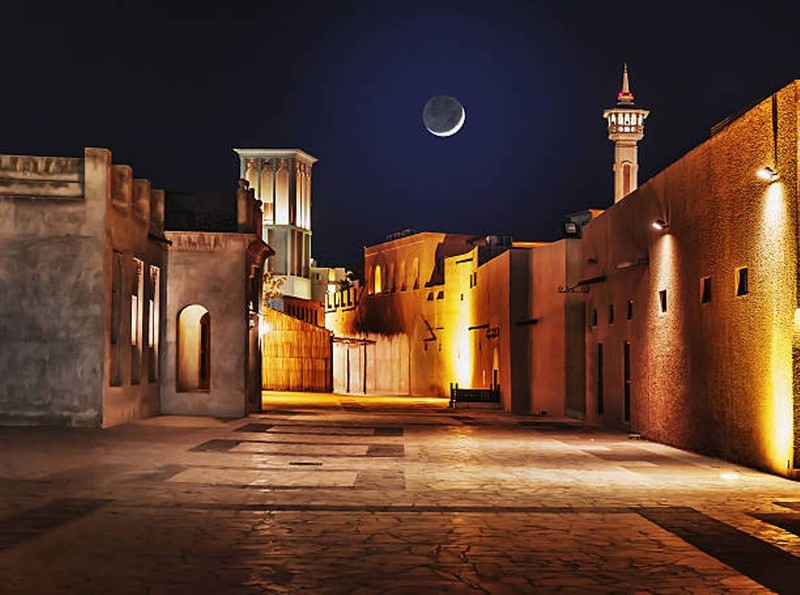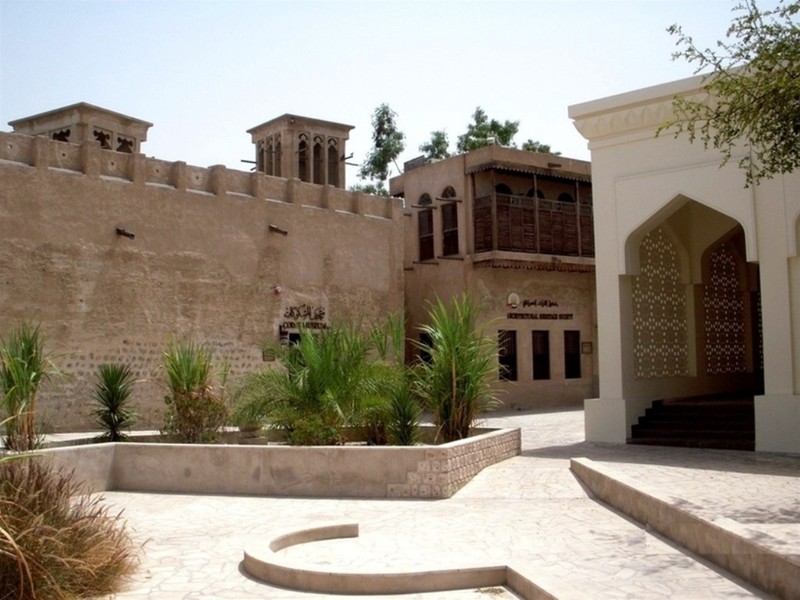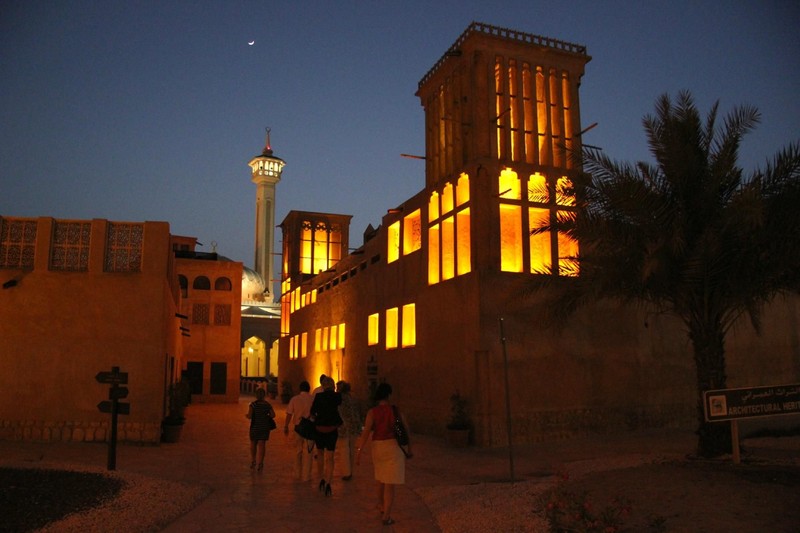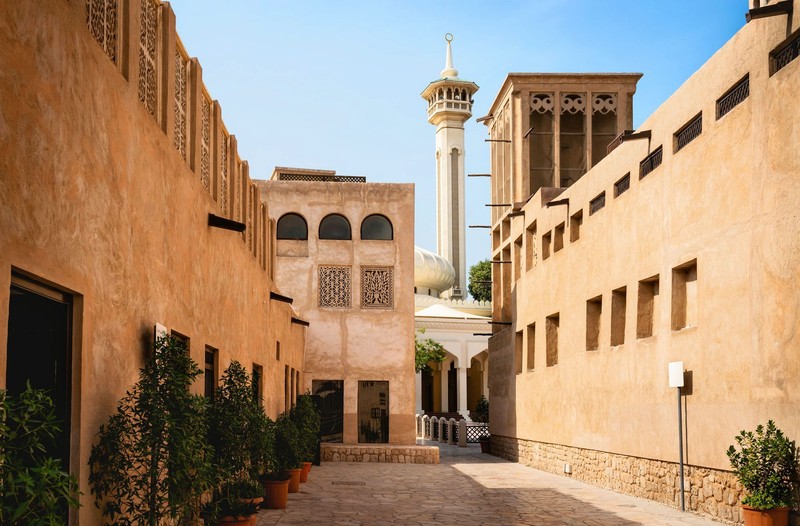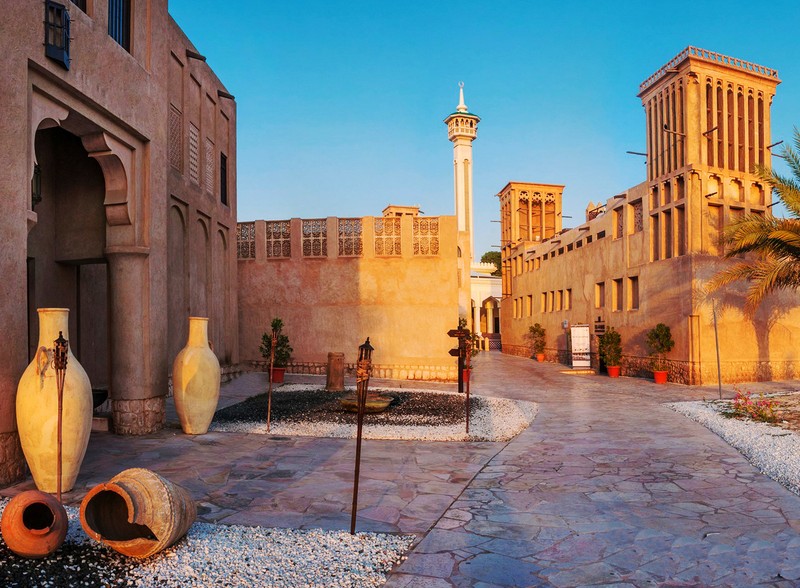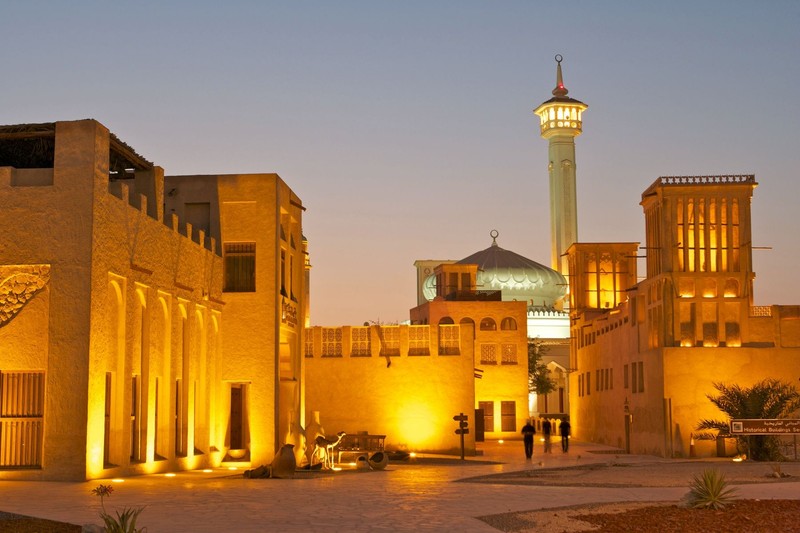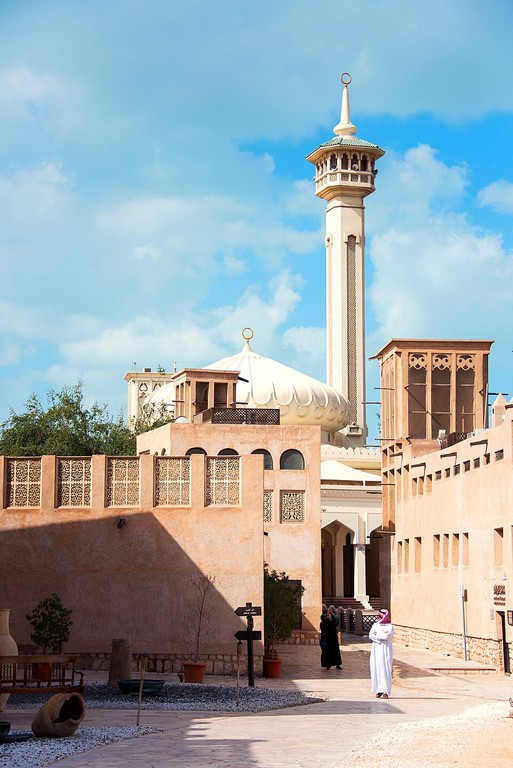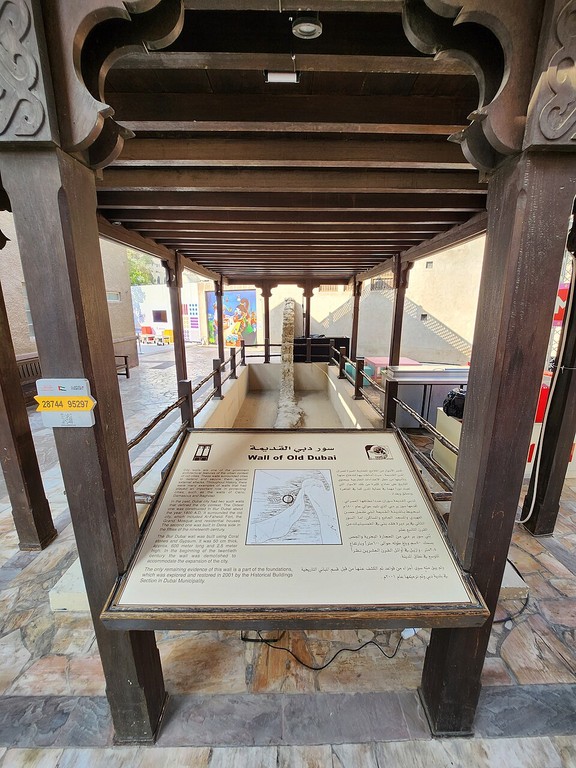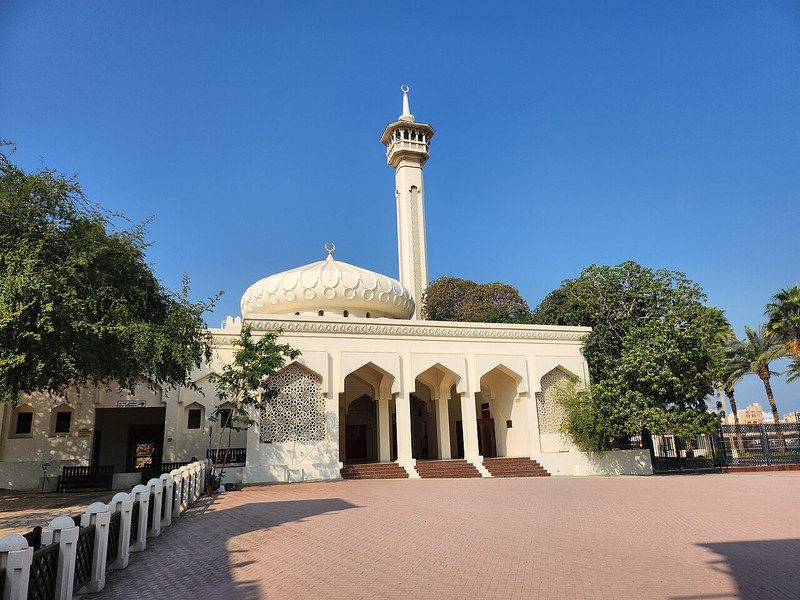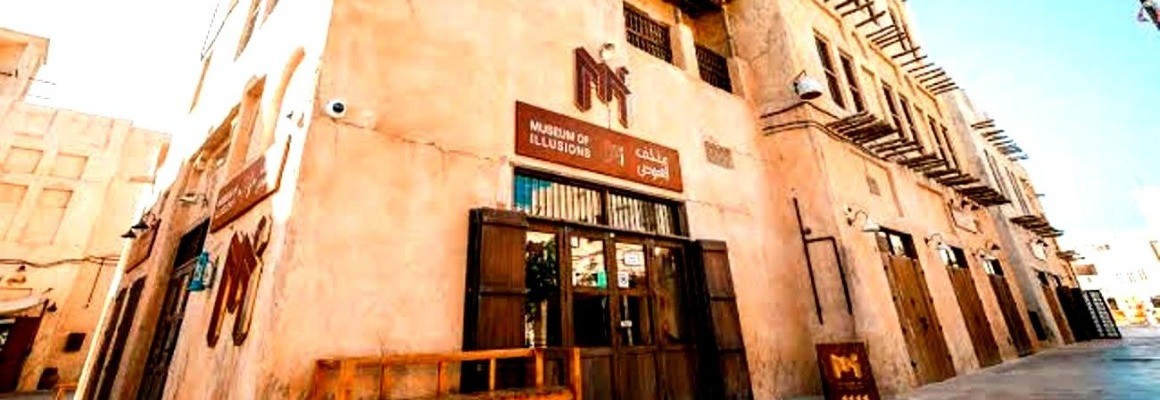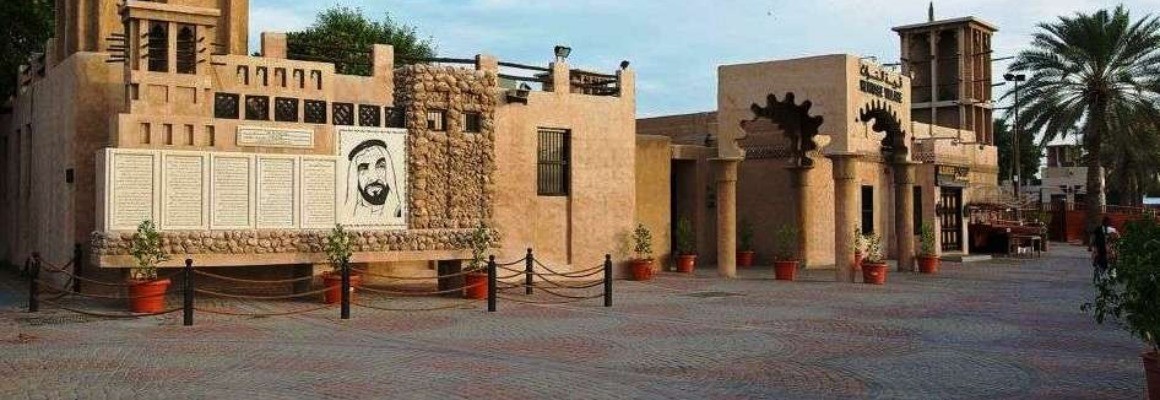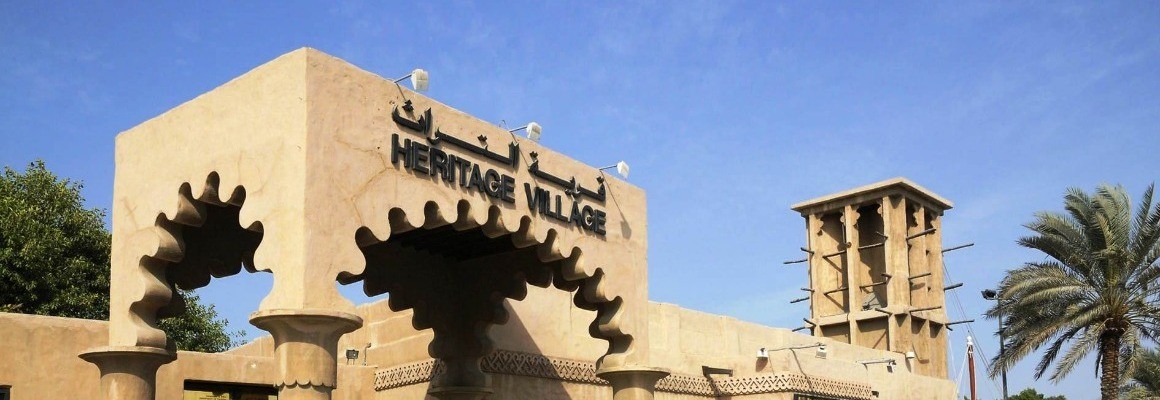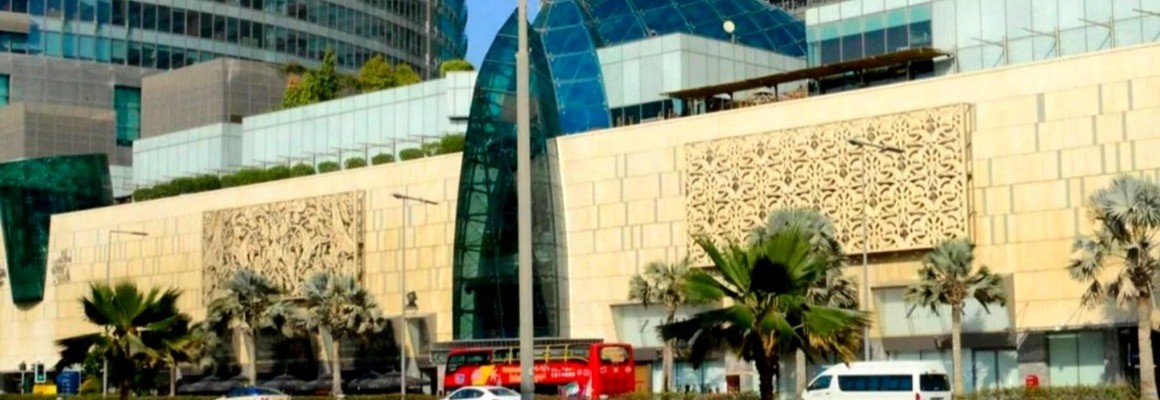

Bastakia, or Al-Fahidi, as it is also called in another way, is an ancient cultural and historical center that breaks the stereotype that Dubai is a city of skyscrapers and shopping malls. Looking at this place, you can imagine how people used to live in the United Arab Emirates before the oil boom.
History of creation
In the 19th and early 20th centuries, Iranian merchants lived here, which is why the area got its name. A little later, pearl fishers and wealthy families moved in. In the 30s of the last century, thanks to Bastakia, the crisis was overcome. Over time, it was possible to establish the largest trade turnover with Persia and India. When massive construction work began in Dubai, it was planned to open a modern large office.
The British architect Rainer Otter has organized an entire campaign to preserve the historical value. He even wrote a letter to Prince Charles (now King Charles III), who arrived in Dubai and discouraged the sheikh from demolishing the old buildings. In the 21st century, the area is still popular, as travelers from other countries often come here. Land prices are high, but despite this, new public spaces are being opened here.
Architectural features
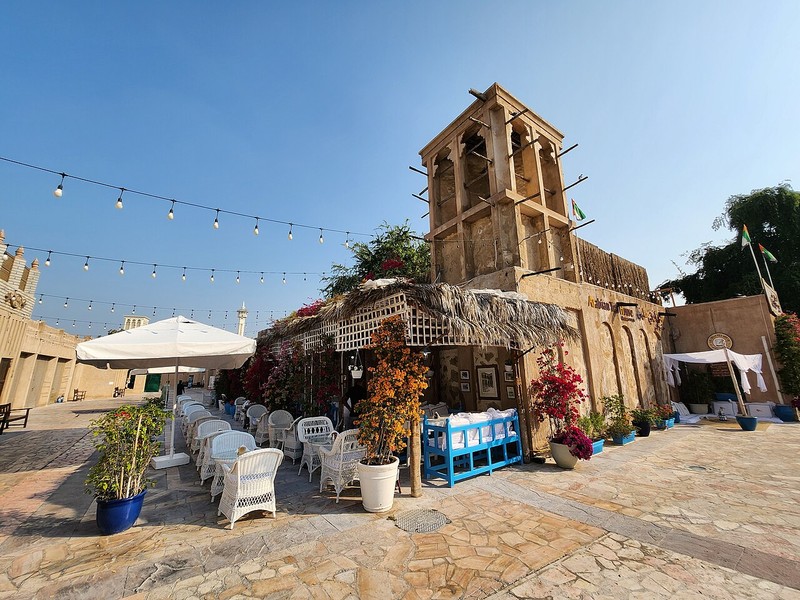
The buildings of Bastakia resemble a quadrangular shape with an inner courtyard in the center. Taking into account the climate, the rooms are connected in a circle for better air circulation. The heat contributed to the appearance of wind towers (barjils), through which the rooms were filled with coolness. Beams protruded from the towers, to which wet cloth was attached.
Wooden shutters with slits were installed on the windows, which let light into the house, but at the same time do not allow other people to look into the rooms. But many houses in Bastakia do not have exterior windows, they were built so that women could move freely around the house without black capes, and no one could see them through the window. The windows facing the streets used to be for guests.
What you can visit
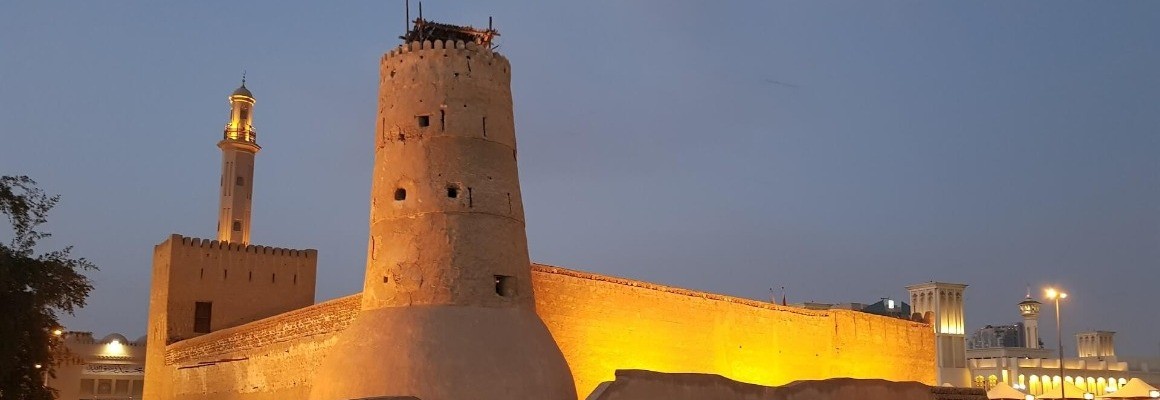
The main attractions include museums, an ethnographic village, and a diving village. The Dubai Museum is located in the Al Fahidi Fortress, the oldest surviving building in the city. The courtyard is decorated with an ancient Arab Dhow boat. The institution was opened in 1971, but in 1987 there was a threat of collapse. Then it was decided to place the exhibits in underground rooms. You can look at household items that used to be used in Dubai, costumes, weapons and musical instruments.
The ethnographic village features examples of households and outbuildings from the past, and it is possible to understand how the Bedouins lived. The village of divers is so called because hunters used to dive into the bay for pearls. It can be found near the waterfront, not far from the diving center. A museum dedicated to the fishing art of the 19th century has been opened, where weapons used to catch fish, crabs and shellfish are collected.
Where to eat
Traditional Arabic food is prepared in cafes and restaurants, due to the large number of establishments, there should be no problems with the choice. The Arabian Tea House stands out against them, as it mentions traditions and customs. International cuisine is also served here. Kabab Al Bastakiah serves kebabs, Arabic and Iranian cuisine. Lebanese cuisine is served at the Bastakiah Cafe, where you can drink coffee on the veranda, connect to Wi-Fi and order a takeaway.
Shopping in Bastakia
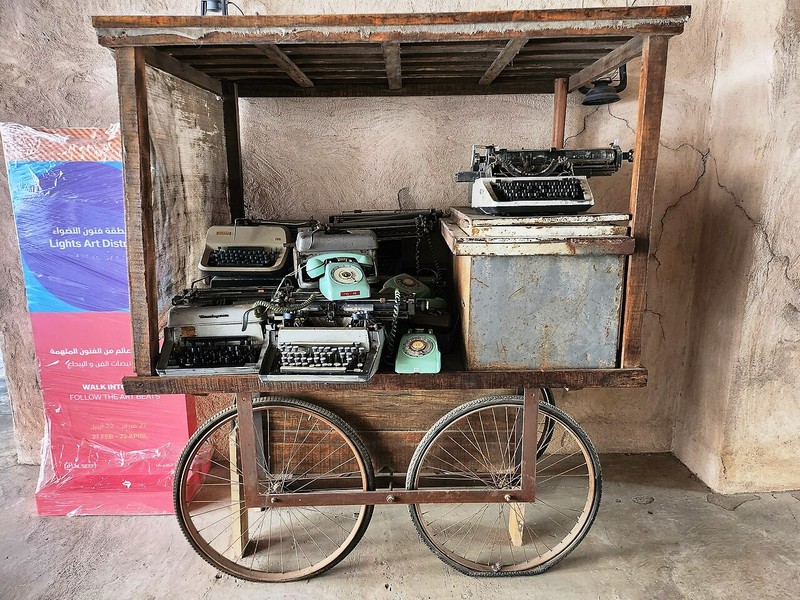
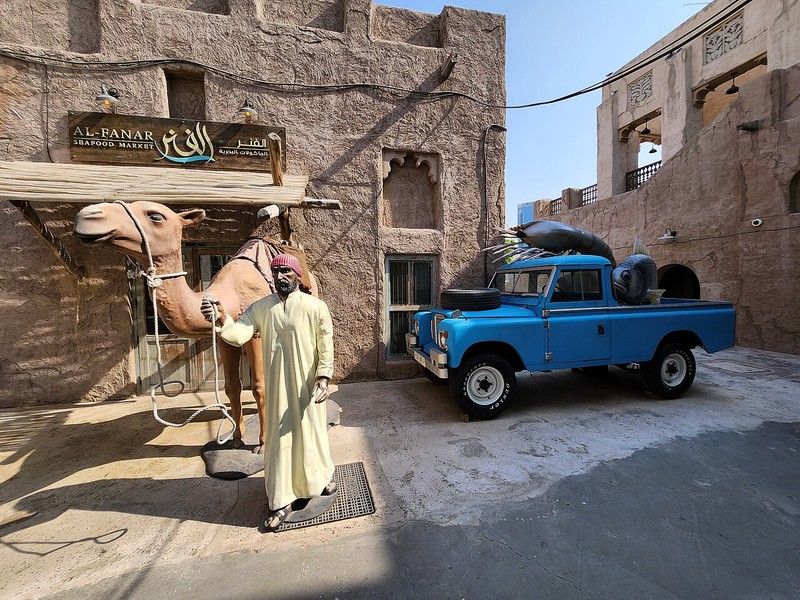
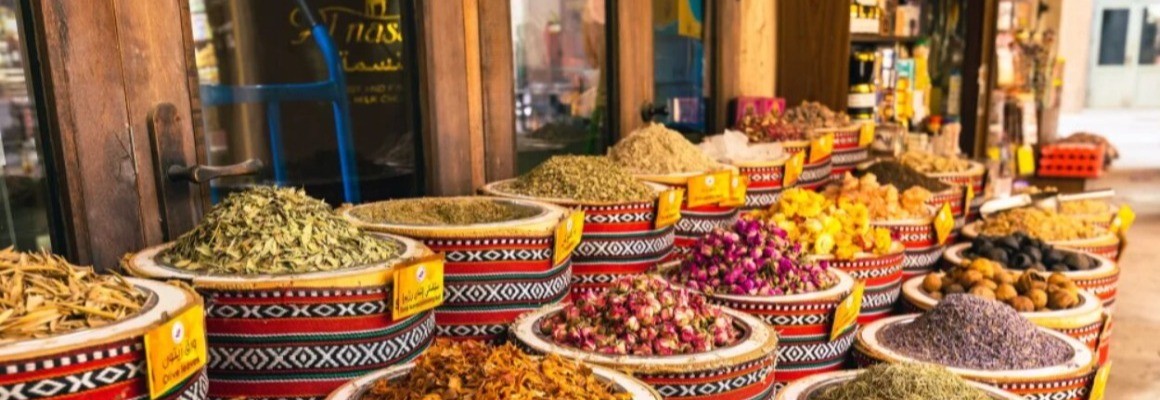
Not all merchants in this area accept cards, so it's best to have cash with you. The signs of the outlets are decorated in an antique style. The Al Fahidi Souk market offers a wide range of products, from artifacts, textiles to perfumes and jewelry. He works from 10 a.m. to 10 p.m., the least people here are closer to closing time. It's also the coolest time here. There are shops, antique shops, seafood and spices are sold at the market.
How to get
Bastakia is located between the Dubai Bay Waterfront, Musalla Street and the Al Fahidi Fort Museum. Bus No6 is needed, you should get off at the Bastakia stop. If you take the metro, the nearest stations are Al Ghubaiba, Al Fahidi on the green line. It is recommended to arrive in Bastakia early so that you can catch deserted shots in the morning. Cultural mass events are often held in the area, through which you can learn the traditions of local residents.
Gallery