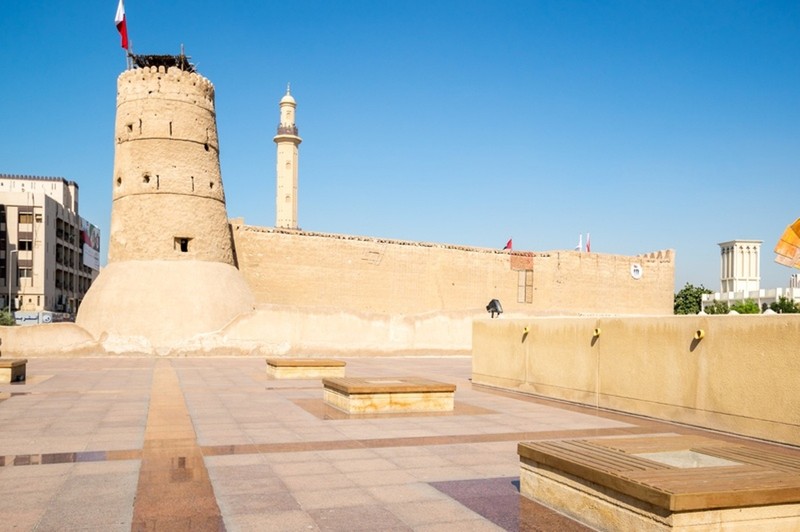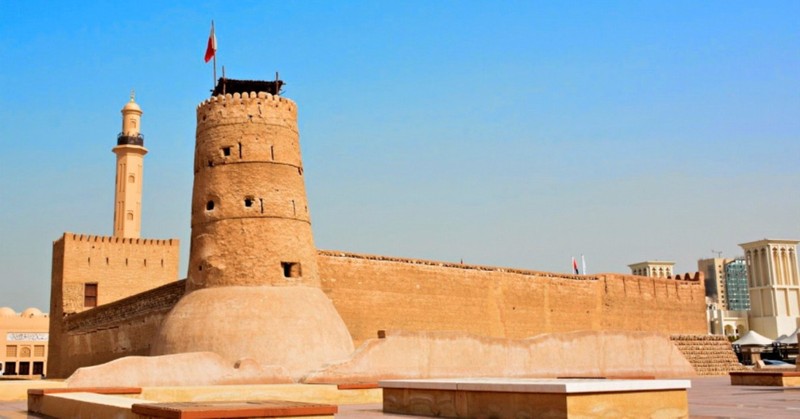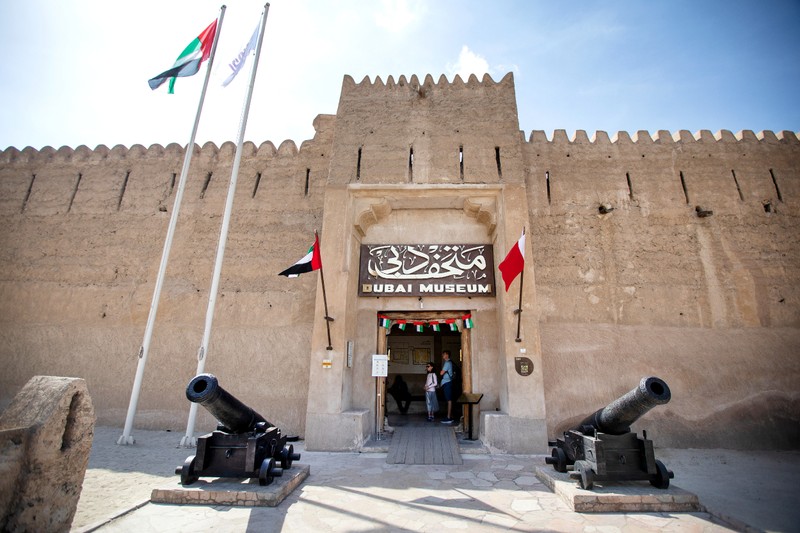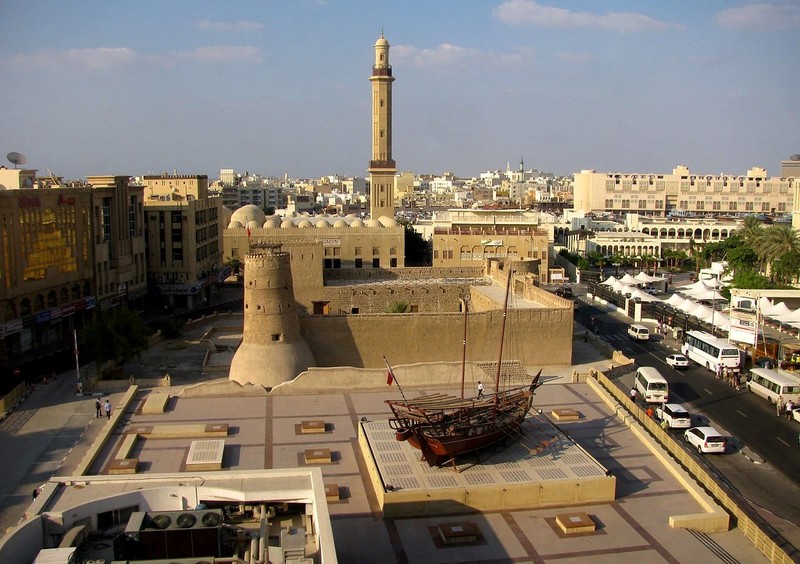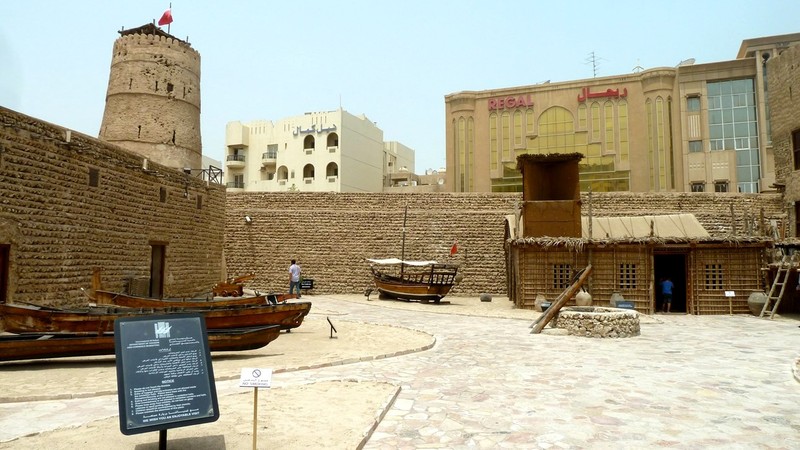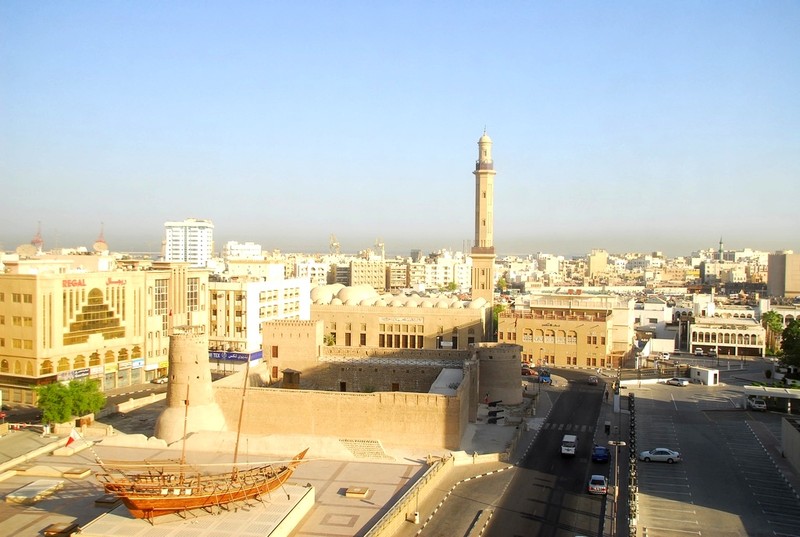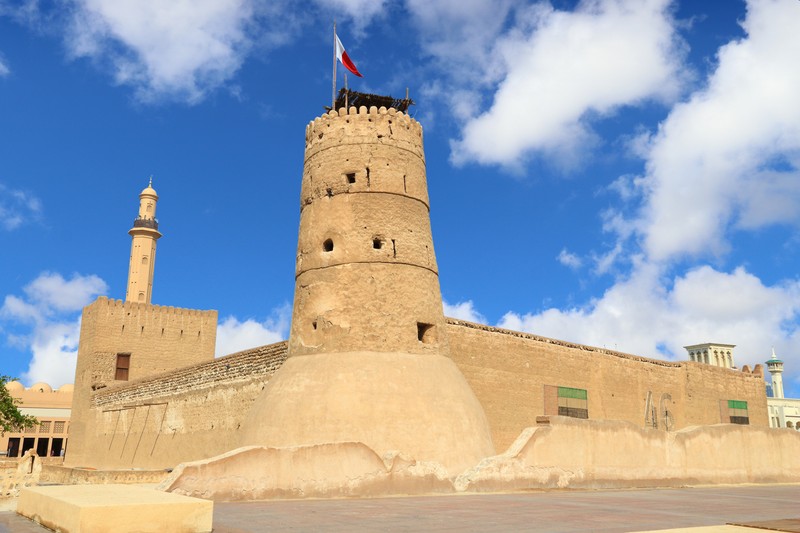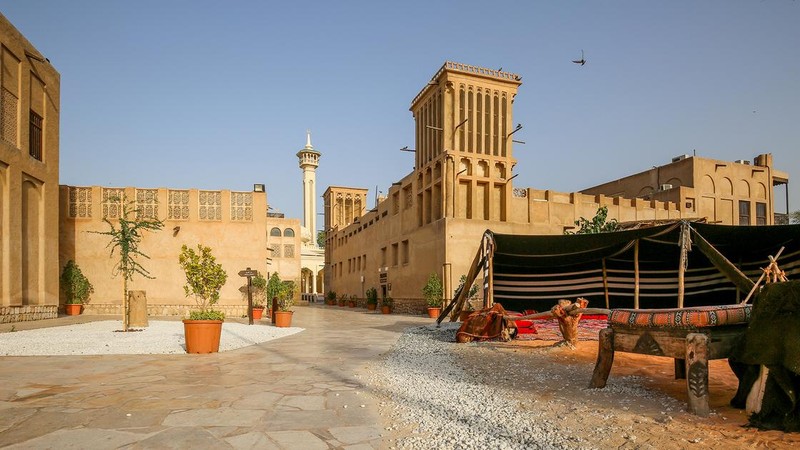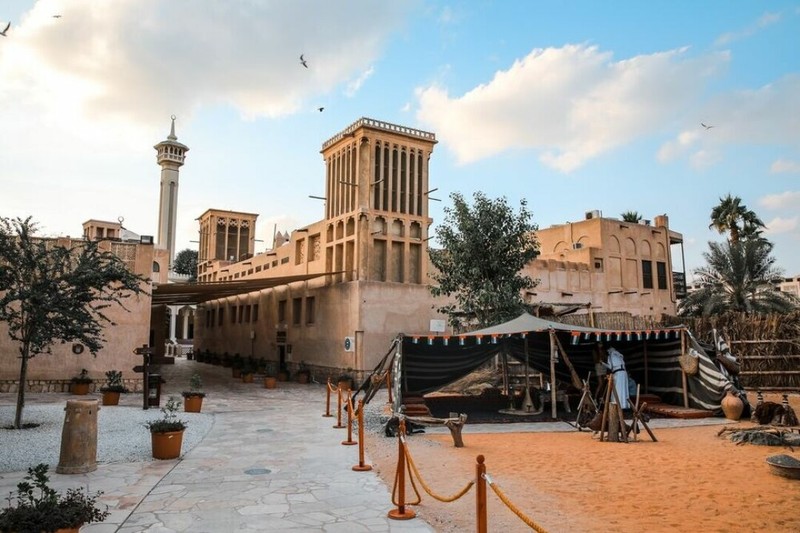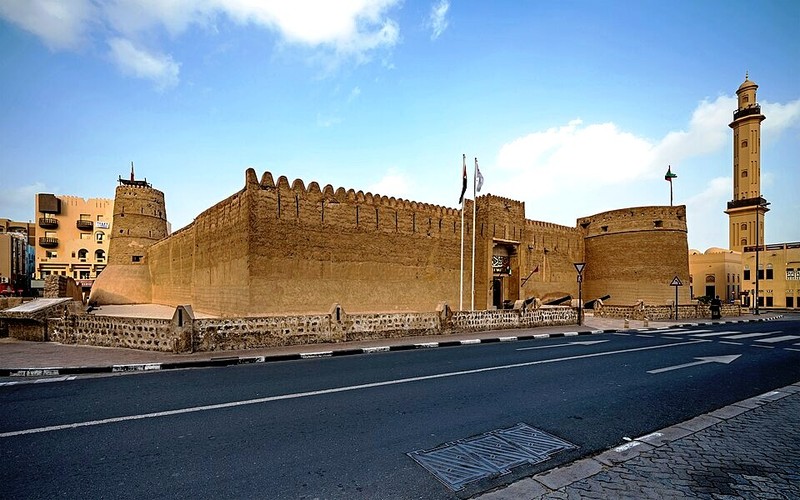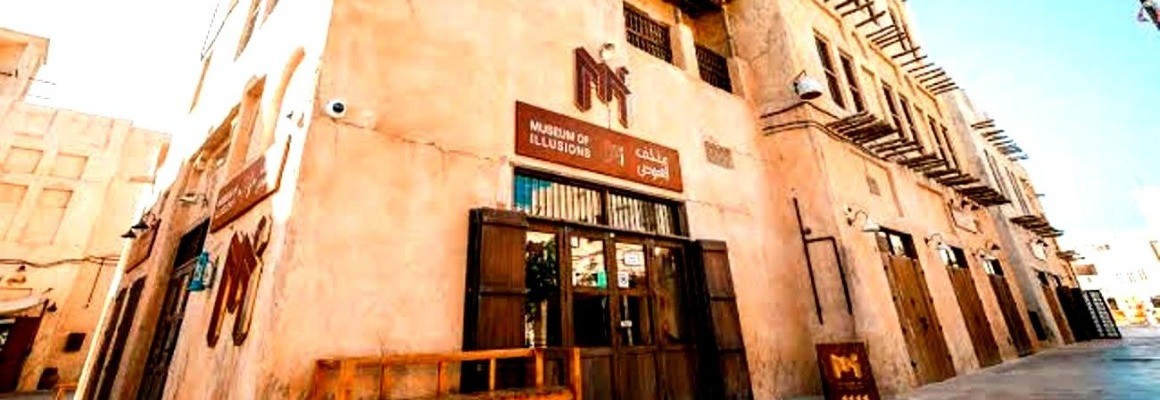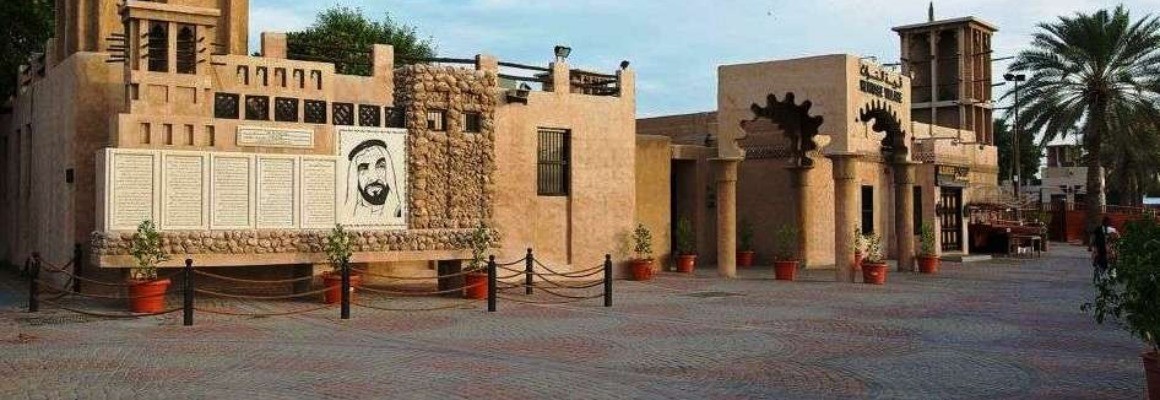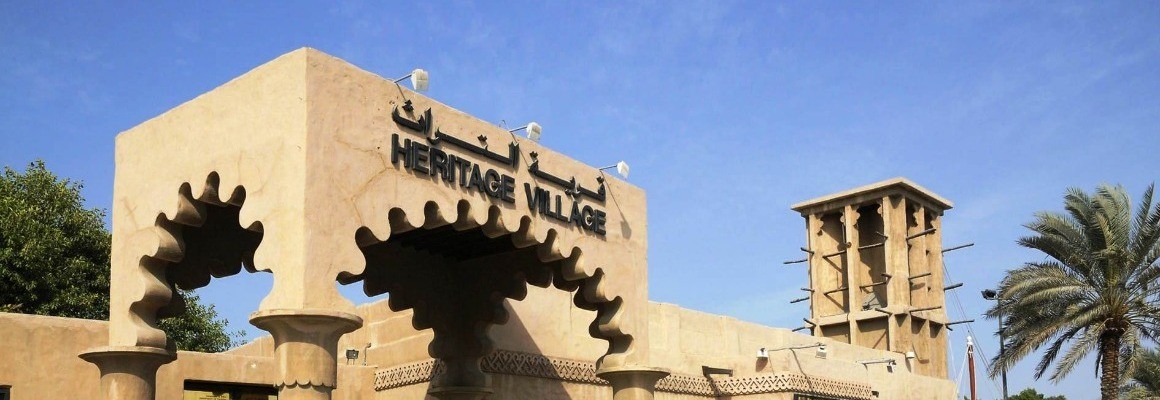

Al Fahidi is a historic district in the center of Dubai, presented in the form of the restored oldest quarter of the city. To date, dozens of recreated dwellings of wealthy merchants from Iran who lived in this place in the 19th and 20th centuries have been preserved. One of the most famous attractions is the fortress of the same name, which eventually turned into the Dubai Museum.
History of creation
The Al-Fahidi area appeared in the 1890s, at first it was mainly inhabited by wealthy textile and pearl merchants who moved from Bastak, in southern Iran. They were attracted by the earning opportunities along the bay and favorable tax conditions. According to historians, in such conditions the area quickly turned into a bustling trade center.
The geographical location allowed boats to easily load and unload cargo with goods. In the late 19th and early 20th centuries, Al-Fahidi became a center of economic activity, and this contributed to the growth of the city's economy. In the middle of the last century, the area fell into disrepair, and merchants attributed this to the modern development of the city. In the 1980s, efforts began to be made to preserve the historic district, thanks to which Al-Fahidi turned into a center of arts and cultural heritage in the 21st century.
Attractions
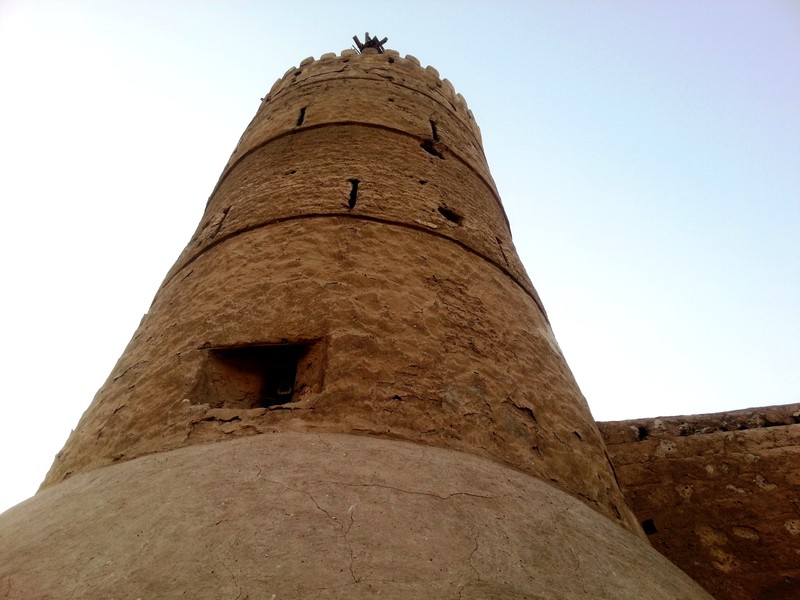
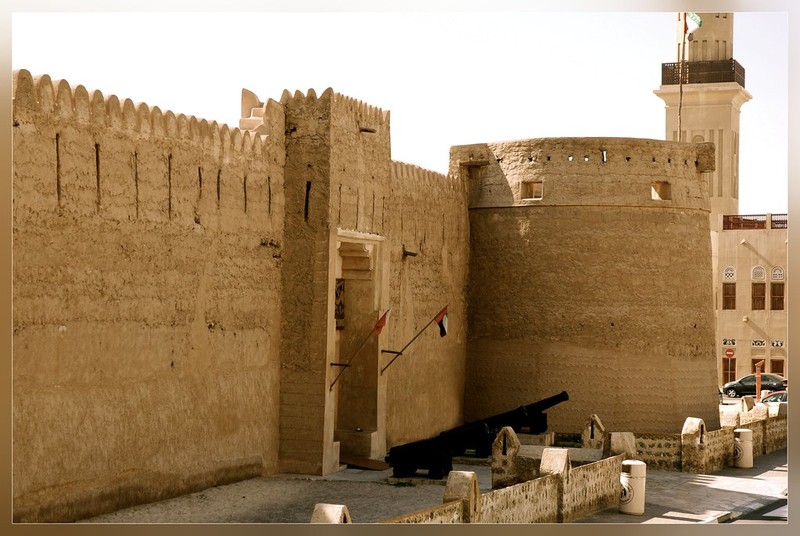
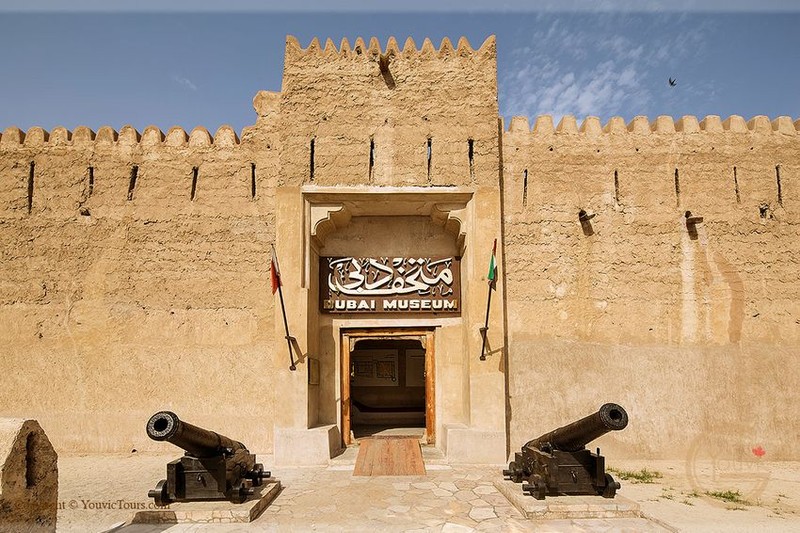
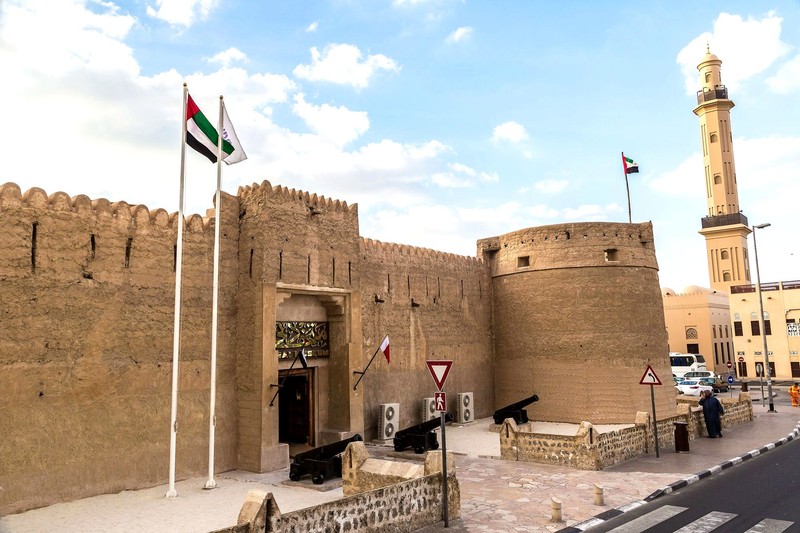
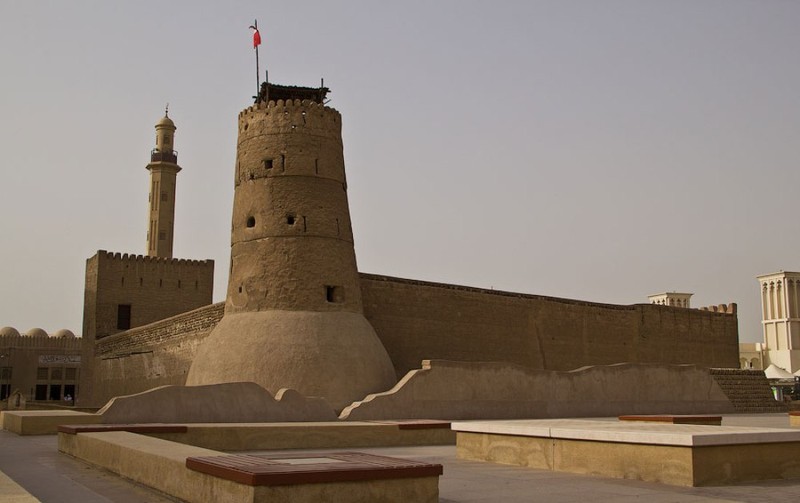
The fortress of Al-Fahidi, built in the XVIII century, was the residence of the sheikh and the center of the country where government decisions were made. She defended the city from attacks, and then she was used as a state prison. Today it houses the Dubai Museum, where you can learn details from the city's past, how it developed, and what the UAE residents are proud of.
The Museum of Coin History is located in this area, which contains about 500 rare banknotes of the Middle East, telling about the financial system of the regions before their independence. It consists of 8 pavilions, the objects are in special display cases, they can be viewed on magnifying screens.
The history of coffee can be explored in the Museum dedicated to this aromatic drink, which is in great demand around the world. On the tour, you can understand how the production process goes, whether the work on coffee plantations is hard, what kind of grains there are, how the coffee culture is organized, what kind of coffee grinders used to be.
Unusual facts
Due to the expansion of the city in the 1970s, changes began. Approximately half of the original territory of the district was lost, offices were built instead of the old buildings. Some of the houses were abandoned, and they were used as a warehouse. In 1989, it was decided to demolish the remaining part of the district. Activists who insisted on preserving history intervened in the situation, and the plan to demolish the ancient buildings was stopped.
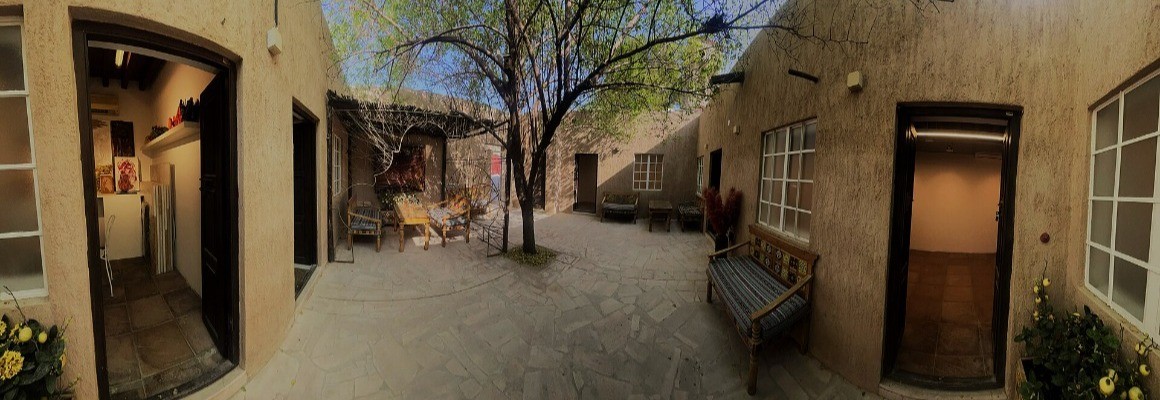
In 2005, a project was presented to restore the old buildings. Most of the buildings in the area are made in the traditional Arabic and Iranian style in the form of a quadrangle with a courtyard in the middle. Inside the house, the rooms are connected to each other in a circle. Due to this design, the air circulates well, and it is easier to tolerate the heat.
How to get there and life hacks from experienced tourists
The most accessible transport is the metro, you need to get off at Al Fahidi station on the green line and walk for about 5 minutes. You can take the C5, C7 or C9 bus or use taxi services, rent a car. Some companies accept cash, card, and cryptocurrency payments.
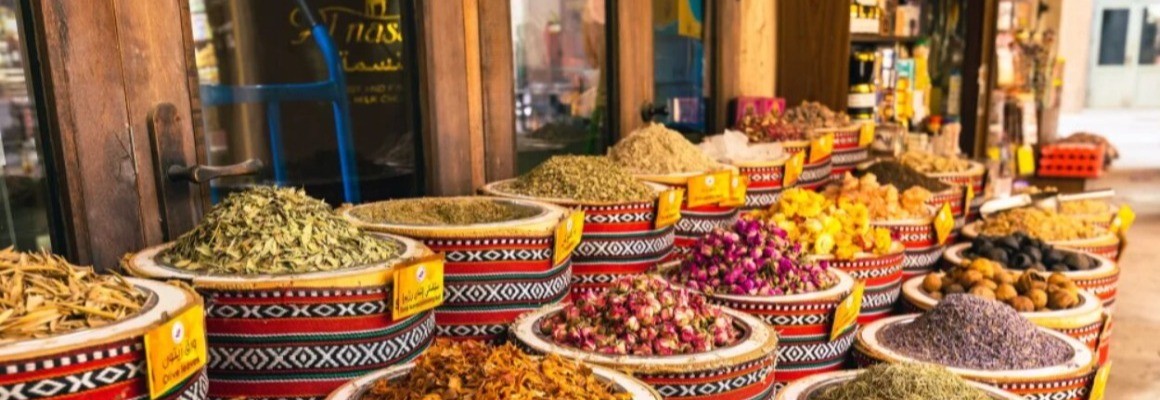
It is worth noting that there are narrow stone streets and alleys in Al-Fahidi, when choosing shoes for a walk, you should give preference to sneakers or comfortable sandals. If you go to the textile market, please note that many stores prefer to pay with cash rather than credit cards. The market is open from Saturday to Thursday from 10.00 to 22.00, some traders take a break in the middle of the day. Trading usually starts after 4 p.m. on Friday.
Gallery