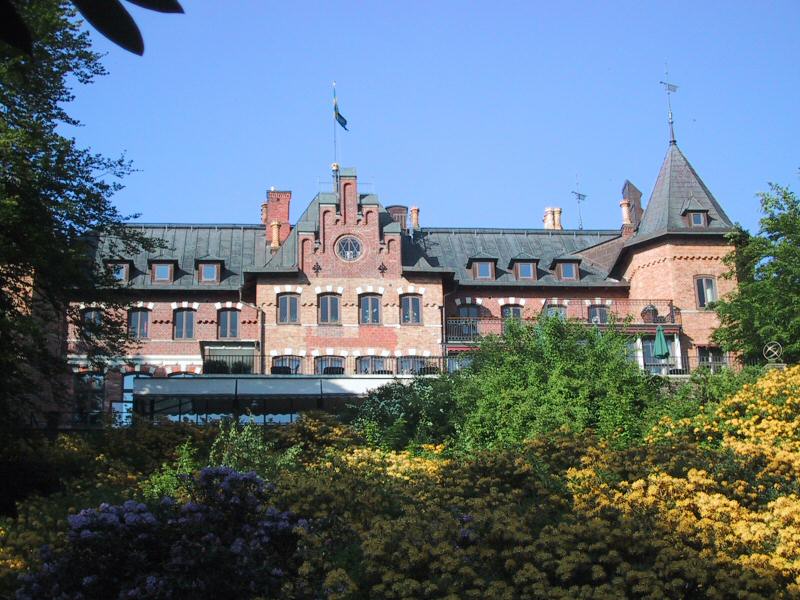
Sofiero Park is a celebrated historic palace garden in southern Sweden, about five kilometres north of Helsingborg. Set on a rise overlooking the Øresund Strait, it offers scenic views of the water and the Danish coast. The estate combines royal history, 19th-century architecture, diverse gardens, and natural landscapes.
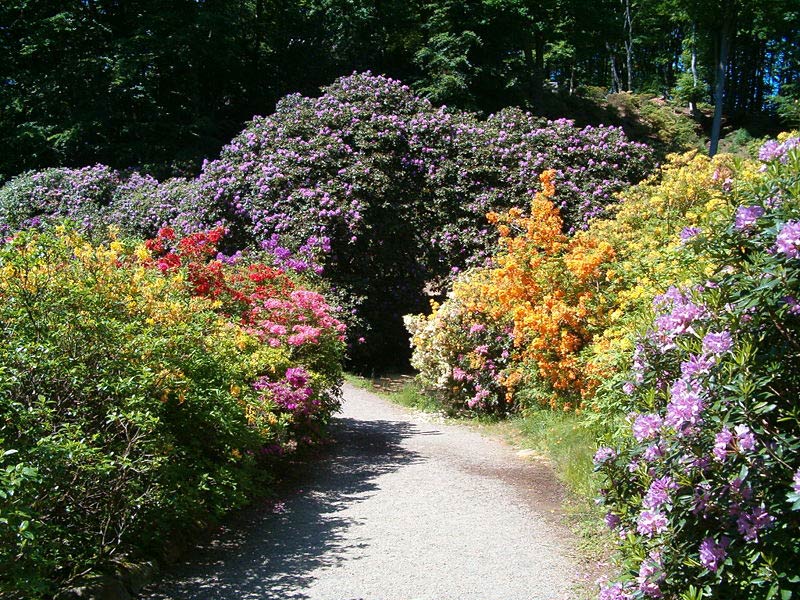
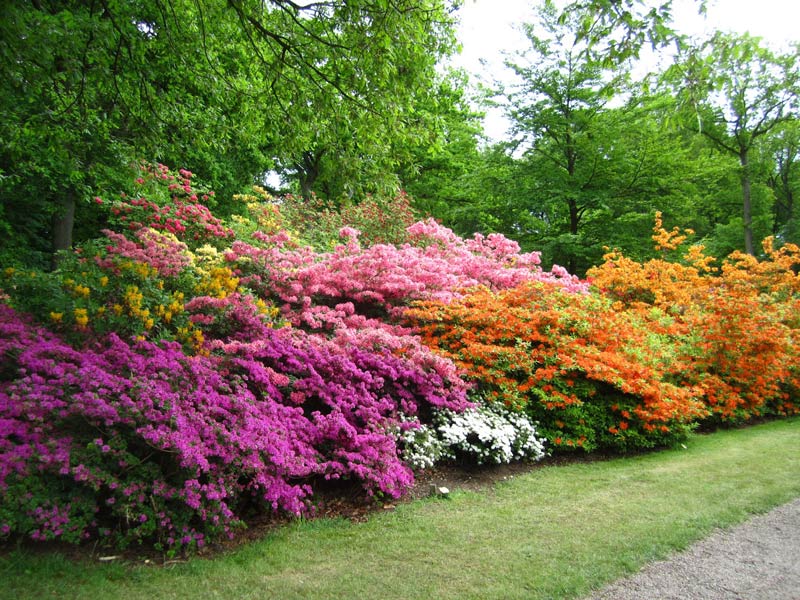
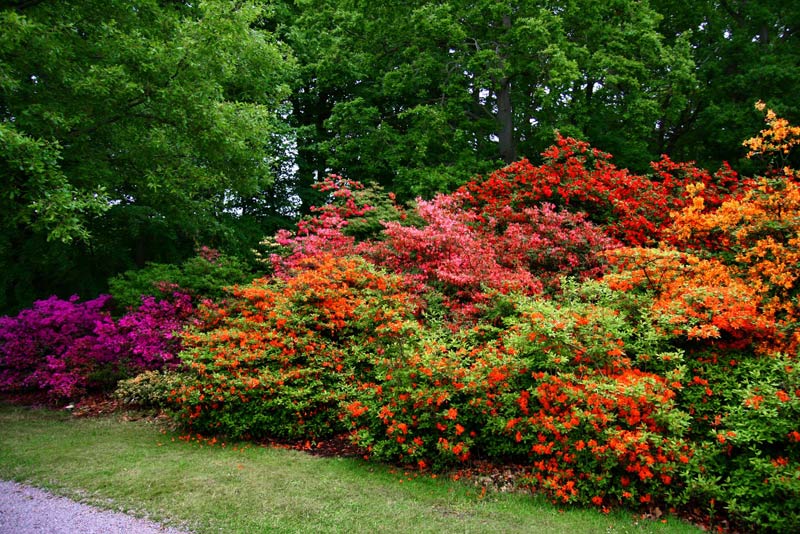
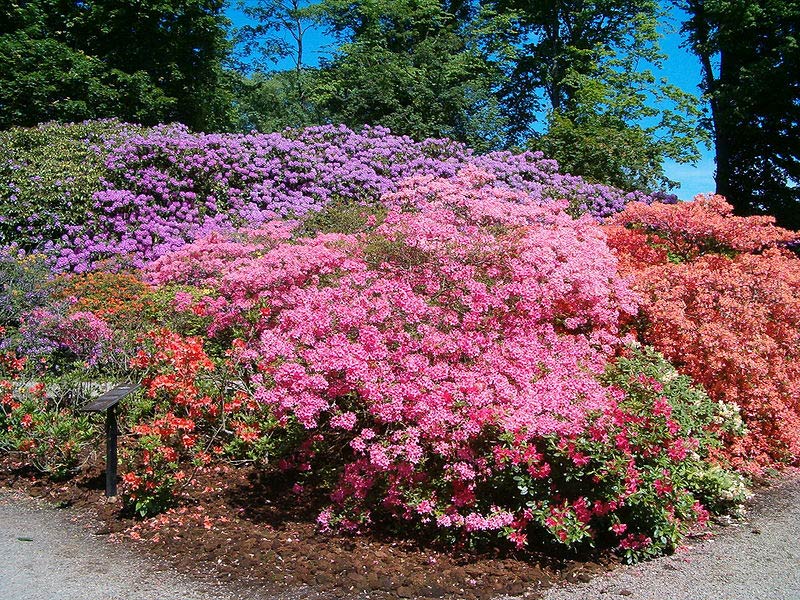
The park is especially famous for its rhododendron collection. During the flowering season, usually in May and June, the slopes burst into colour. Visitors can also explore perennial borders, ornamental flower beds, old trees, walking paths, and open lawns. The historic palace recalls the period when Sofiero served as a summer residence for the Swedish royal family.
History of the palace
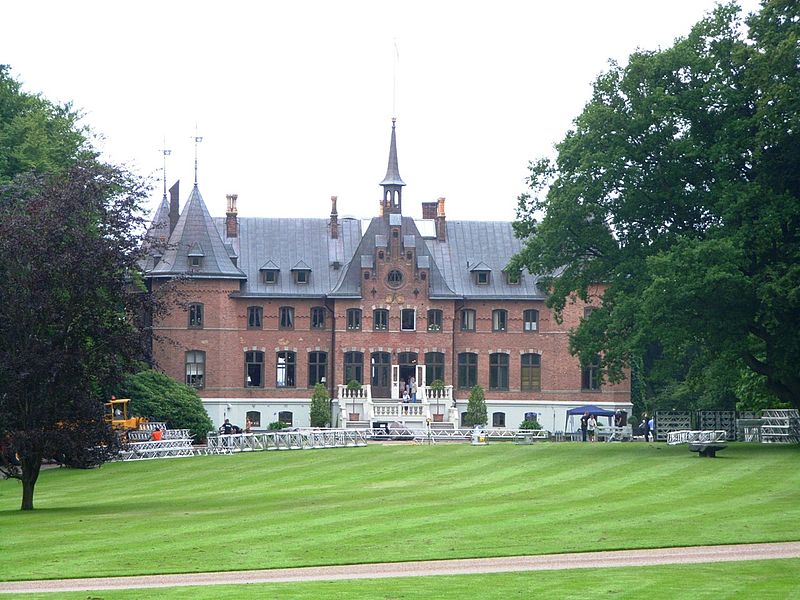
Sofiero’s story began in 1864, when Prince Oscar and his wife, Sophia of Nassau, visited the area near Helsingborg and admired its views across the Øresund. The palace was completed in 1865 as a relatively modest country residence.
Oscar became King Oscar II of Sweden in 1872, and the palace was subsequently enlarged. In 1905, Sofiero was given as a wedding present to Prince Gustaf Adolf, later King Gustaf VI Adolf, and his wife, Princess Margaret of Connaught. The couple shared a passion for gardening and made a major contribution to the development of the park and its botanical collections.
After King Gustaf VI Adolf died in 1973, the estate passed to the city of Helsingborg in accordance with his wishes. It later developed into a public cultural and visitor attraction.
Rhododendrons and gardens
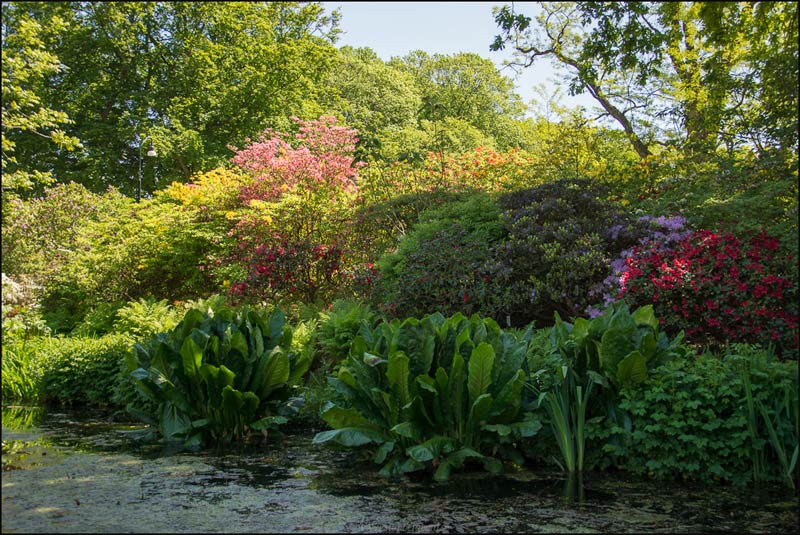
The rhododendron collection is the park’s main attraction, with hundreds of varieties. The best viewing period is usually from mid-May to mid-June, although the exact timing depends on the weather. Pink, red, white, purple, and lilac flowers create vivid displays among the trees and lawns.
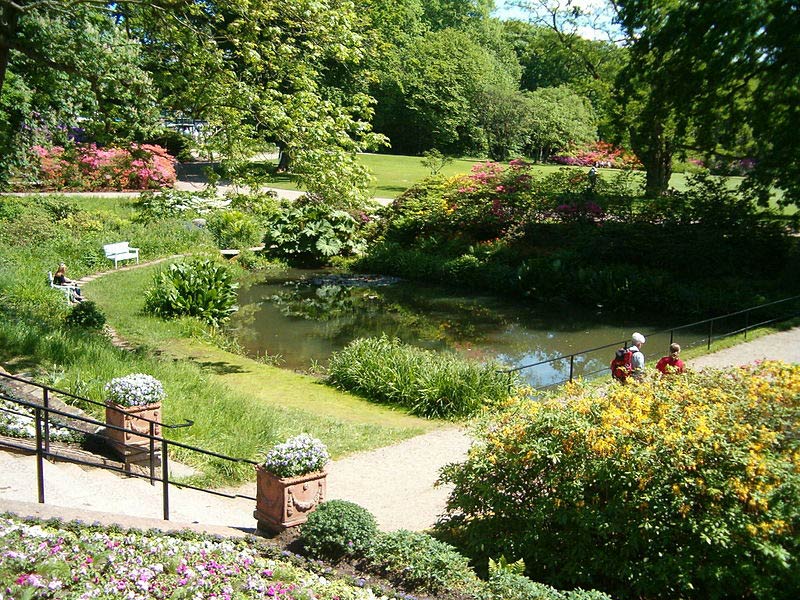
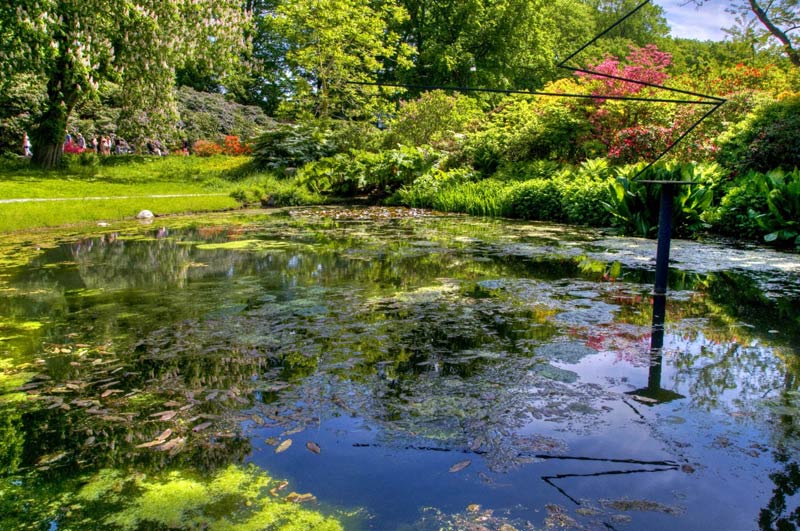
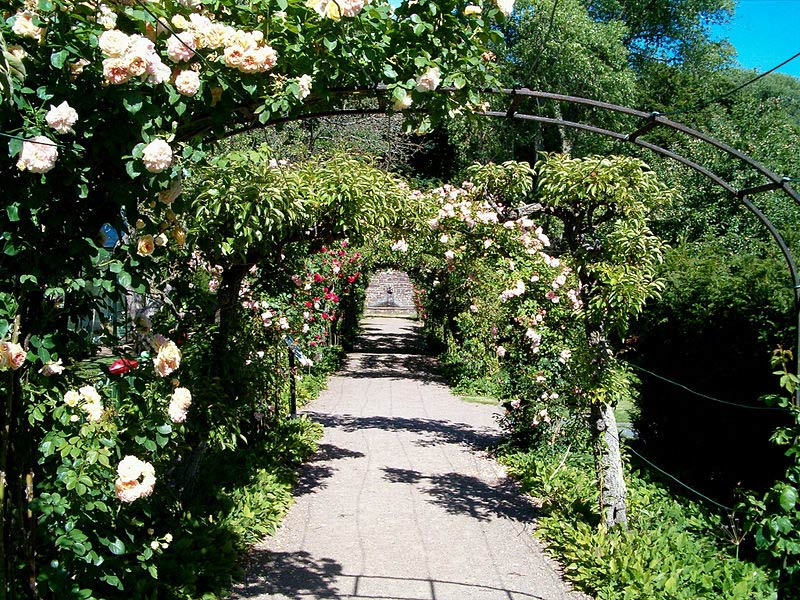
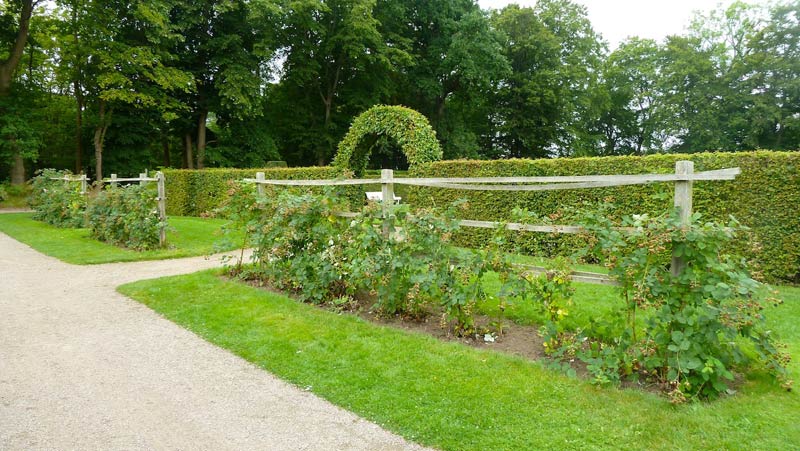
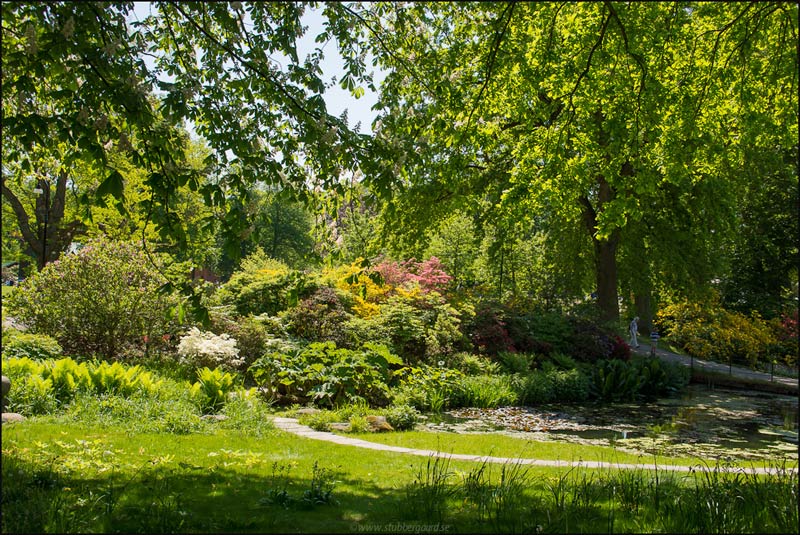
Sofiero also features perennial borders, decorative plantings, lawns, and shaded paths. Spring brings fresh blooms, summer fills the beds with colour, and autumn adds golden and reddish tones. The garden changes throughout the year, and seasonal exhibitions introduce new ideas in horticulture and design.
Sophia’s Bridge and walking routes
One of the park’s distinctive structures is Sophia’s Bridge, a suspension bridge opened in 2018. It crosses a northern rhododendron ravine and measures about 57 metres long, spanning roughly 12 metres above the ravine floor. The bridge offers an unusual view of the garden, particularly when the rhododendrons are in bloom.
Walking paths lead through flower gardens, wooded areas, and open spaces. Visitors can explore the palace, enjoy the gardens, stop at a café, and see temporary exhibitions.
Events and natural scenery
Sofiero hosts flower shows, concerts, and cultural events. In autumn, the Höstljus light event transforms the park after dark, while a seasonal winter programme called Novent may take place in late November. Families can enjoy playgrounds and outdoor activity areas.
The park’s position above the Øresund Strait provides views of passing ships and the Danish coast. Old trees, botanical collections, and changing seasonal colours make Sofiero attractive throughout the year.
When to visit and how to get there
For the rhododendrons, plan a visit between mid-May and mid-June. Summer is ideal for long walks, while autumn brings colourful foliage and special light events. Opening hours and admission prices vary by season, so check current details before travelling.
Sofiero is about five kilometres north of central Helsingborg and can be reached by bus, car, or bicycle. Allow several hours to explore and wear comfortable shoes. Do not pick flowers or damage plants. Dogs must be kept on a lead and are not permitted inside the palace or certain exhibition spaces. Sofiero combines royal history, garden design, and beautiful views in one of southern Sweden’s most memorable destinations.
Gallery