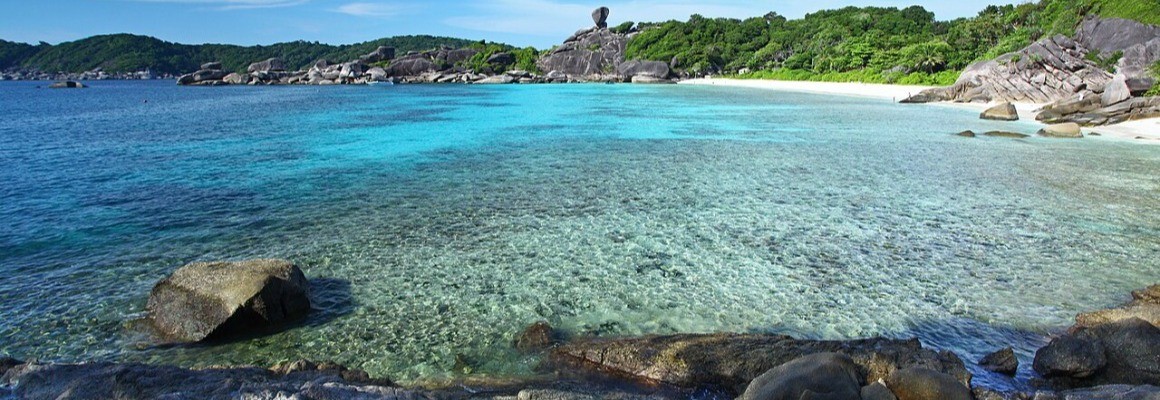
Mu Ko Surin National Park is a marine national park in Thailand, located in the Andaman Sea off the country's western coast, near the border with Myanmar. The archipelago is known for its clear waters, white sandy beaches, tropical forests, and rich coral reefs. It is one of Thailand's popular destinations for snorkeling and scuba diving, offering opportunities to observe tropical fish and other marine life.
Area and location
The national park covers approximately 141.25 km², or 14,125 hectares, including its islands and surrounding marine waters. The archipelago lies about 70 km from mainland Thailand in Phang Nga Province. It comprises five main islands: Ko Surin Nuea, Ko Surin Tai, Ko Ri, Ko Khai, and Ko Klang.
The area was designated a national park in 1981. In 2007, the Richelieu Rock area, a well-known diving destination, was added to the park. Mu Ko Surin is an important protected marine area in Thailand and is included among the natural sites recognized as ASEAN Heritage Parks.
Coral reefs and underwater life
The park's greatest natural asset is its extensive fringing coral reefs. Clear water and varied marine habitats provide suitable conditions for corals, tropical fish, mollusks, crustaceans, and other marine organisms. Snorkelers may encounter colorful butterflyfish, parrotfish, angelfish, and many types of coral.
Sea turtles live in the surrounding waters, while whale sharks and other large marine animals are occasionally sighted. The chance of seeing them depends on the season and sea conditions, so encounters cannot be guaranteed. One of the region's best-known dive sites is Richelieu Rock, famous for its diverse underwater life and coral communities.
Islands and nature
The two largest islands, Ko Surin Nuea and Ko Surin Tai, lie close together. A narrow sea passage between them is known as Ao Chong Khad. The islands preserve humid tropical forests, coastal vegetation, mangrove areas, and sandy beaches. Their habitats support various bird species, bats, reptiles, and other animals.
Unlike many popular resort islands, Mu Ko Surin is known primarily for its natural landscapes and underwater ecosystems. Development is limited by the area's protected status, so visitor facilities are simpler than those found at major tourist resorts.
The Moken sea nomads
The Surin Islands are associated with the culture of the Moken people, often described as sea nomads of the Andaman Sea. Historically, members of this community lived closely connected to the sea, fishing and moving along the coast. Some Moken families live in a settlement on the islands and maintain elements of their traditional way of life.
Learning about Moken culture offers insight into the close relationship between local communities and the marine environment. Visitors should approach the settlement respectfully, follow local rules, and ask permission before photographing people.
Things to do
Popular activities at Mu Ko Surin include snorkeling, scuba diving, nature watching, and walking along the beaches. Organized boat excursions visit selected bays and reefs. In some locations, coral gardens can be seen in shallow water, making the archipelago suitable for visitors without experience in deep-water diving.
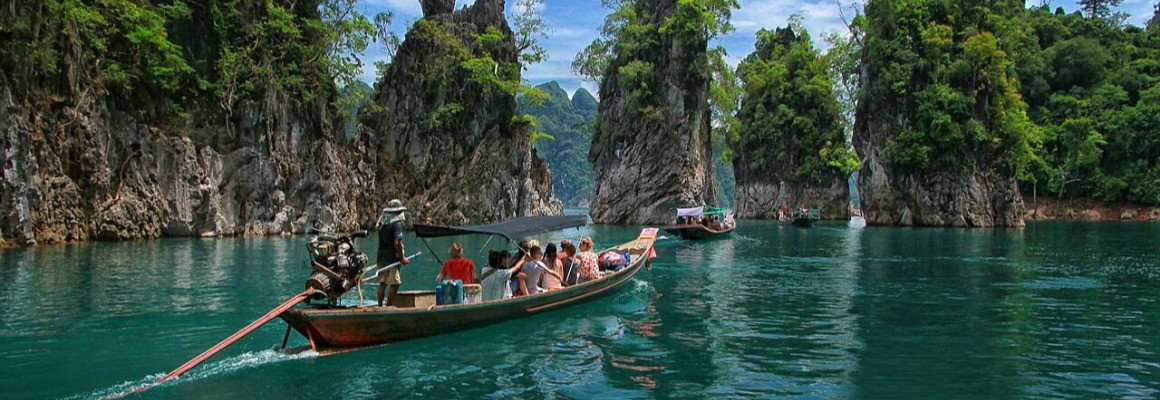
Trips usually depart by speedboat from the Khura Buri area or form part of tours along the Andaman coast. Day trips and overnight stays may be available when permitted during the current season. Before travelling, check booking requirements, restrictions on individual bays, and the national park's current regulations.
Best time to visit
The tourist season generally runs from 1 November to 30 April. Each year, the park temporarily closes to visitors during the monsoon season, usually from May until the end of October. The closure helps reduce tourism pressure on coral reefs and other natural habitats while improving safety during periods of heavy rain and rough seas.
Mu Ko Surin is ideal for travelers who want to explore coral reefs, discover the underwater world of the Andaman Sea, and experience the islands' natural environment. To protect the ecosystem, visitors should never step on corals, feed marine animals, leave litter, or remove natural objects from the beaches.
Gallery