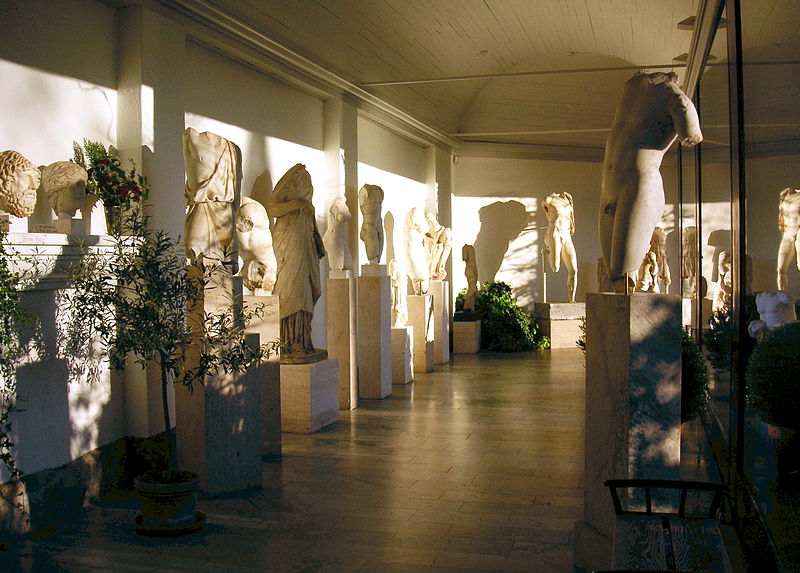
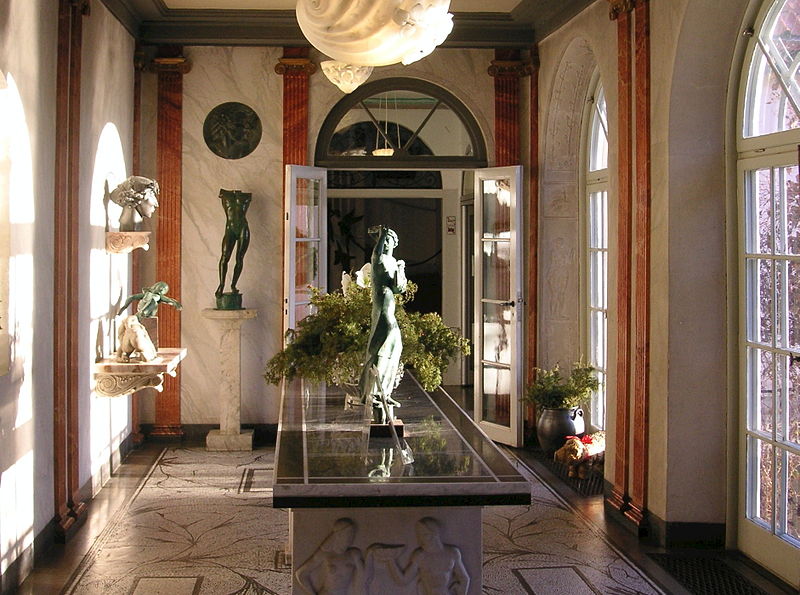
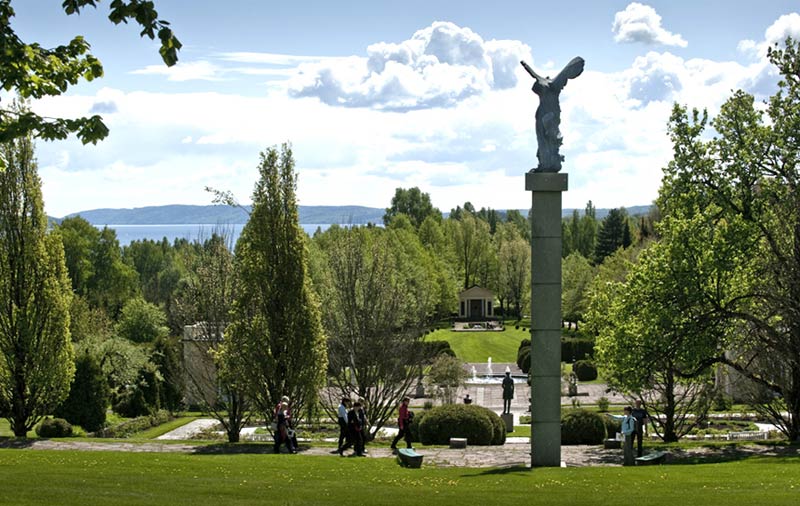
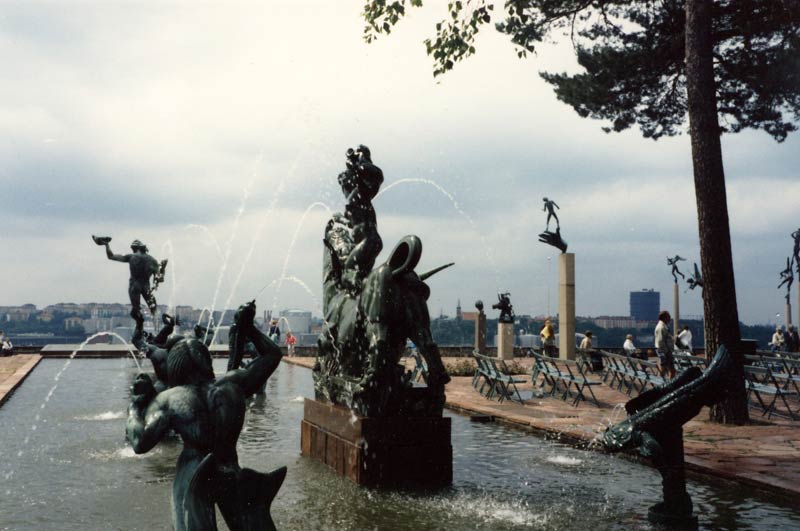
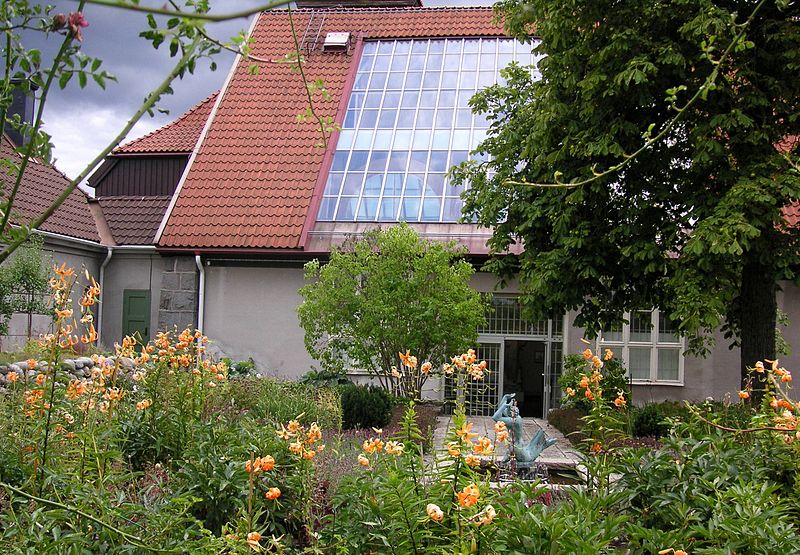
Millesgården is an art museum and sculpture park on the island of Lidingö, near central Stockholm, the capital of Sweden. This unusual destination brings together art, architecture, garden design, and nature. The complex occupies an elevated site overlooking the waterways and surroundings of Stockholm. Its terraces are decorated with sculptures, fountains, flower beds, and stairways, turning a visit into an exploration of artworks displayed in the open air.
Millesgården was created by sculptor Carl Milles and his wife, artist Olga Milles. Originally, the property consisted of their home, studios, and garden. Over time, it developed into an extensive artistic ensemble, with many of Carl Milles’s sculptures displayed among greenery and in open spaces. Today, Millesgården includes a sculpture park, the artists’ former home, and an art gallery hosting temporary exhibitions.
History of Millesgården
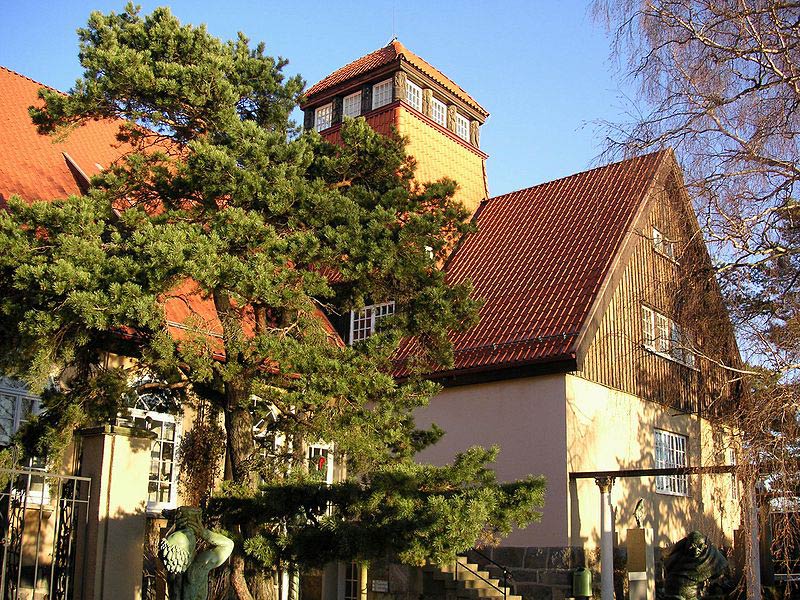
In the early twentieth century, Carl and Olga Milles acquired a plot on the rocky slope of Herserud on Lidingö. They wanted to build a home where they could live and work on their art. The house was designed by architect Carl M. Bengtsson and completed in 1908. The complex later expanded, with contributions from architect Evert Milles, Carl’s brother.
Over the following decades, the grounds gradually changed. New studios, terraces, and sculpture platforms were added. Carl Milles treated the garden not merely as a decorative setting but as part of an artistic vision: the placement of sculptures, changes in elevation, water, and views were designed to form a unified whole. As a result, Millesgården became one of Sweden’s most distinctive examples of the integration of sculpture and landscape design.
In 1936, Millesgården became a foundation and was donated to the Swedish people. This arrangement helped preserve the house, collections, and garden as cultural heritage. The complex continued to develop after the couple returned from the United States in the middle of the twentieth century. Carl Milles died in 1955, and his artistic legacy remained at the heart of the museum.
Carl Milles and His Sculptures
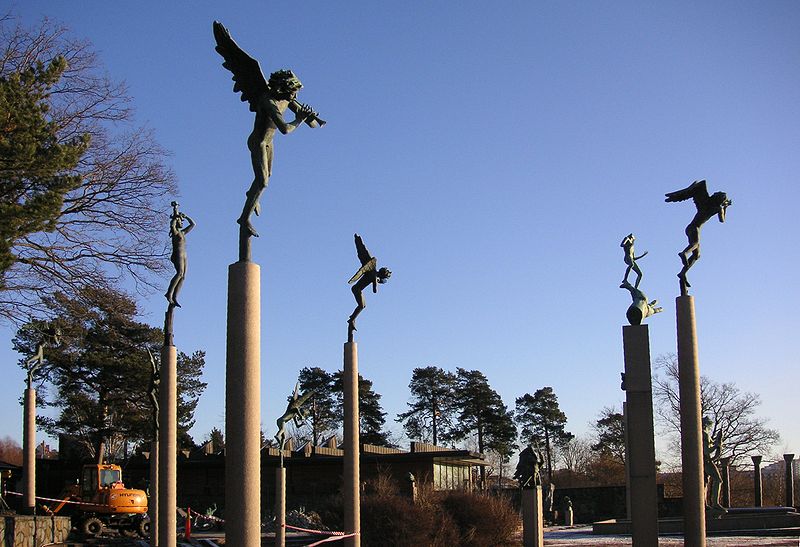
Carl Milles (1875–1955) was one of Sweden’s most renowned sculptors of the twentieth century. He became famous for monumental compositions, fountains, and figures inspired by mythology, religion, and history. His works are known for expressive poses, dynamic movement, and a sense of weightlessness. Many figures appear to hover above the ground or water, creating an impression of lightness despite their imposing scale.
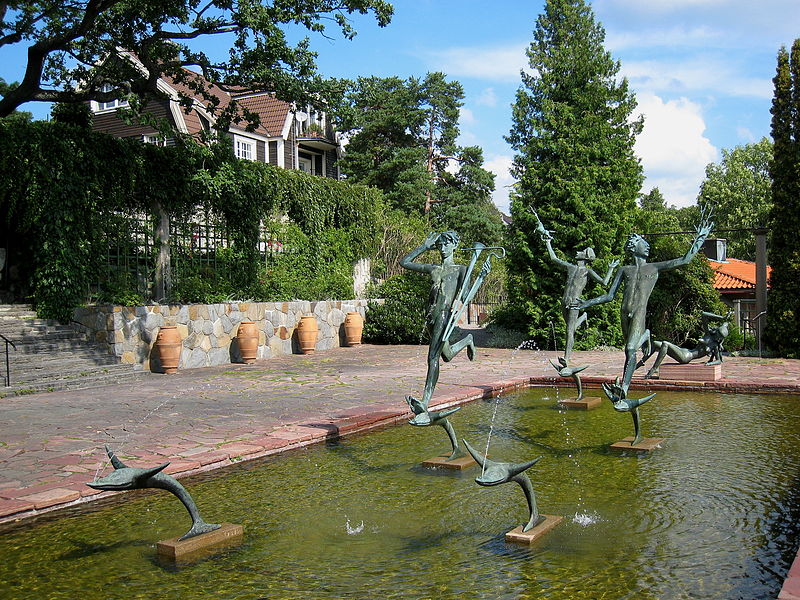
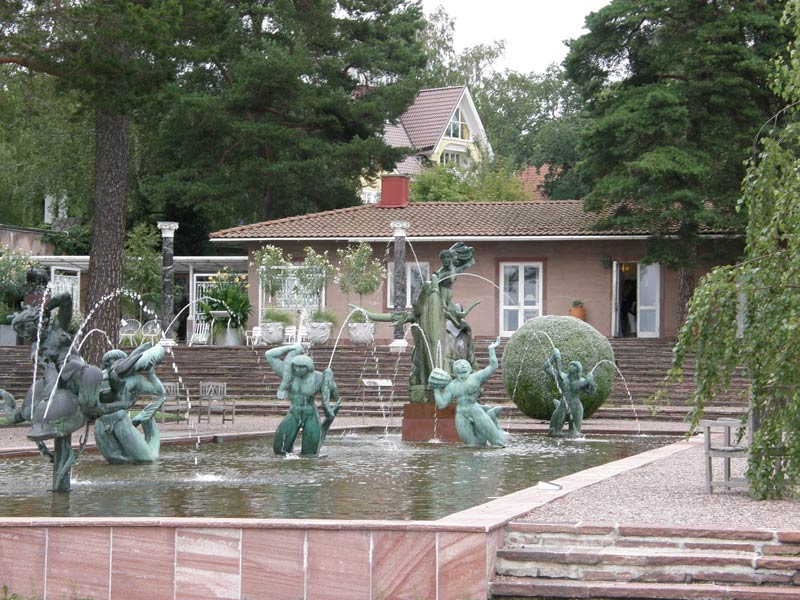
Millesgården displays numerous works by the sculptor, including fountain compositions and figures mounted on tall pedestals. Water plays an important role in the experience of the park: reflections, moving jets, and the sound of fountains enhance the visual effect. Visitors can view the works from different angles and observe how their appearance changes with the light and surrounding space.
An important feature of Milles’s art was his combination of classical artistic traditions with an imaginative personal style. He drew on ancient stories, mythological characters, and allegories, while giving them a distinctive expression for his time. His sculptures can therefore be seen both as references to the past and as independent artistic creations.
The Sculpture Park and Terraces
The sculpture park is the central part of Millesgården. It occupies several levels of a hillside, with terraces connected by stairways and paths. The platforms feature bronze and other sculptures, fountains, and decorative elements. The carefully planned arrangement allows the garden to be experienced as a sequence of individual artistic scenes.
The upper and lower terraces offer views over the waterways near Stockholm and the surrounding landscape. The combination of sculpture, flower beds, trees, and water creates a peaceful atmosphere, while some compositions impress with their scale and dramatic character. Visitors can not only study the artworks but also see how they interact with the natural setting.
The park changes with the seasons. In spring and summer, greenery and flowers brighten the grounds; in autumn, the colors of the foliage change; and in colder months, the sculptural forms stand out against the sky and winter landscape. Light also influences how the works are perceived, so a walk through the terraces can offer fresh impressions even to returning visitors.
The Home of Carl and Olga Milles
The artists’ former home offers another perspective on the history of Millesgården. The living rooms and studios preserve an atmosphere associated with the lives and work of Carl and Olga Milles. Visitors can learn more about the family’s daily life, the creative process, and the surroundings in which the sculptor’s works were made.
Olga Milles was an artist and an important part of the site’s history. Although visitors often focus on Carl’s monumental sculptures, the house shows Millesgården not only as a museum of artworks but also as a family home where a creative environment took shape. The complex also includes Anne’s House, whose interior is associated with the work of prominent Swedish designers Estrid Ericson and Josef Frank.
The Art Gallery and Exhibitions
In addition to the historic home and park, Millesgården has an art gallery that hosts temporary exhibitions. Their subjects change and may include contemporary art, design, painting, sculpture, and other disciplines. This exhibition program connects Carl Milles’s legacy with the artistic life of the present.
A visit to the gallery complements a walk through the garden with works displayed indoors. Millesgården therefore appeals not only to admirers of classical sculpture but also to people interested in contemporary art. The complex also has a café, restaurant, and museum shop.
Visiting Millesgården
Millesgården is located at Herserudsvägen 32 on Lidingö, northeast of central Stockholm. It can be reached from the city by public transport or car. Before travelling, visitors should check the museum’s official website for current opening times, visitor information, and temporary exhibition schedules.
It is worth allowing several hours to explore the complex: walking along the terraces, viewing the sculptures, and visiting the artists’ home all take time. The park lies on a slope and includes stairways, so movement between some levels may be difficult for visitors with limited mobility. It is advisable to check accessibility arrangements for different parts of the complex in advance.
Millesgården is one of the most engaging places to discover Swedish art outside conventional museum galleries. Here, artworks become part of the landscape, while architecture, water, and plants help express the artist’s vision. A visit reveals how a private home and garden developed into a public cultural destination dedicated to preserving the legacy of Carl and Olga Milles.
Gallery