Kumana National Park: Sri Lanka’s bird paradise
Kumana National Park lies on the southeastern coast of Sri Lanka beside the Indian Ocean. It is one of the island’s best-known destinations for birdwatching, with a landscape of shallow lagoons, mangroves, wetlands, dry tropical woodland, scrub and coastal plains. These varied habitats support a rich range of birds and other wildlife.
The park covers approximately 356.6 square kilometres and lies near Yala National Park. It was formerly known as Yala East. While Yala is famous for its safari wildlife, Kumana is particularly valued by birdwatchers and nature photographers seeking quieter wetland scenery.
Kumana Villu lagoon
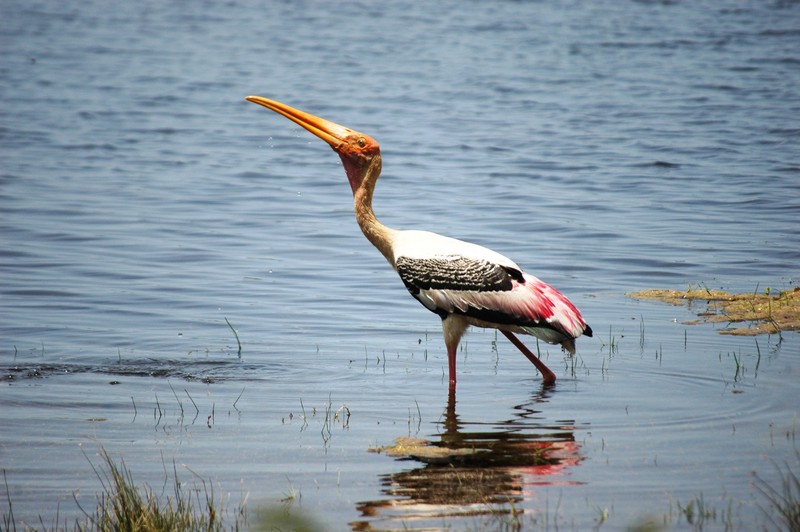
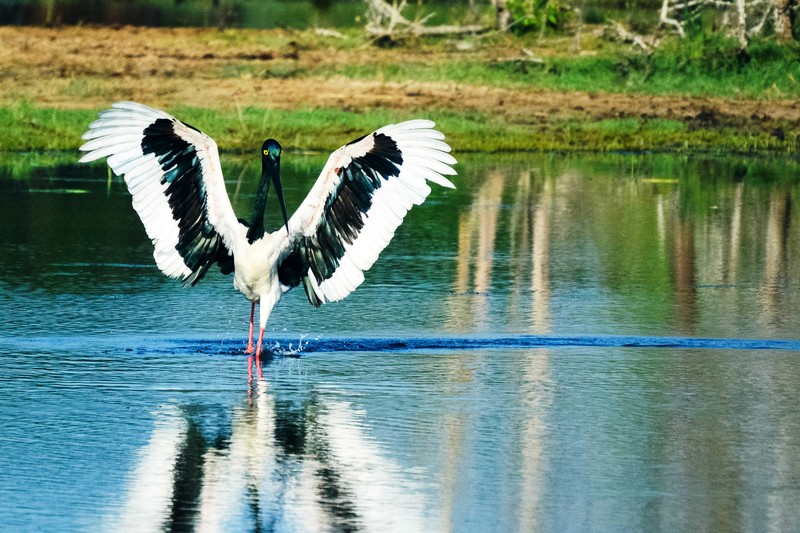
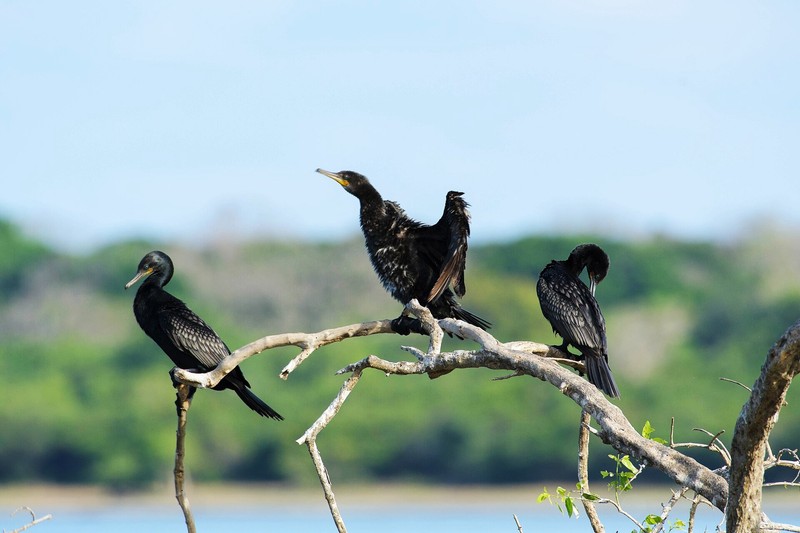
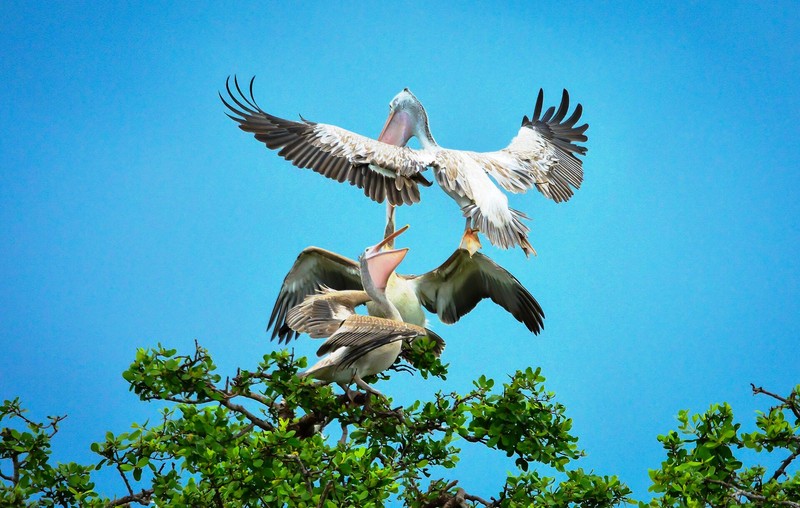
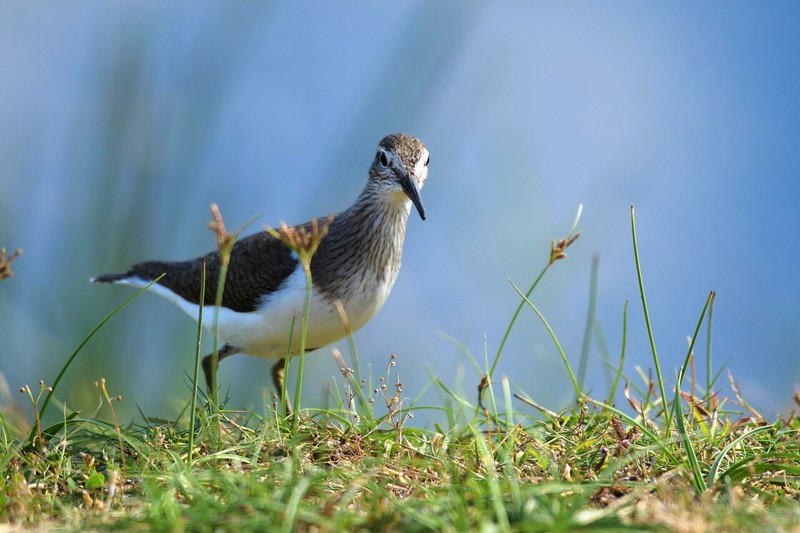
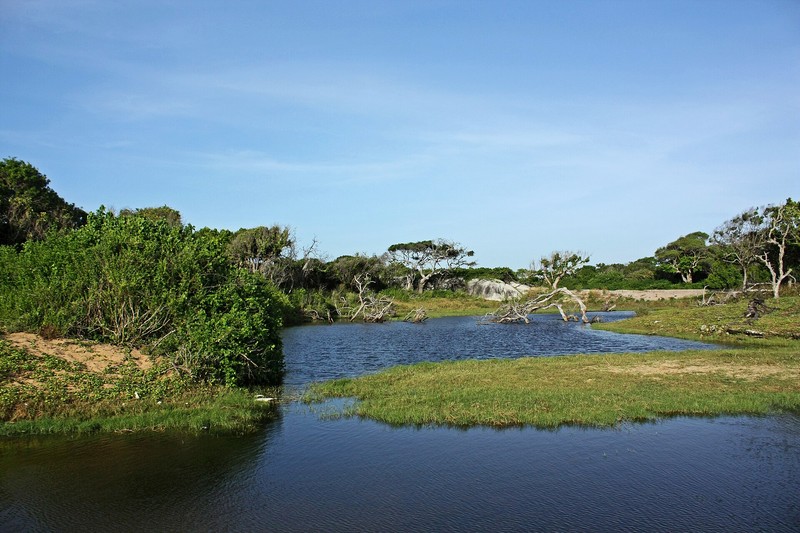
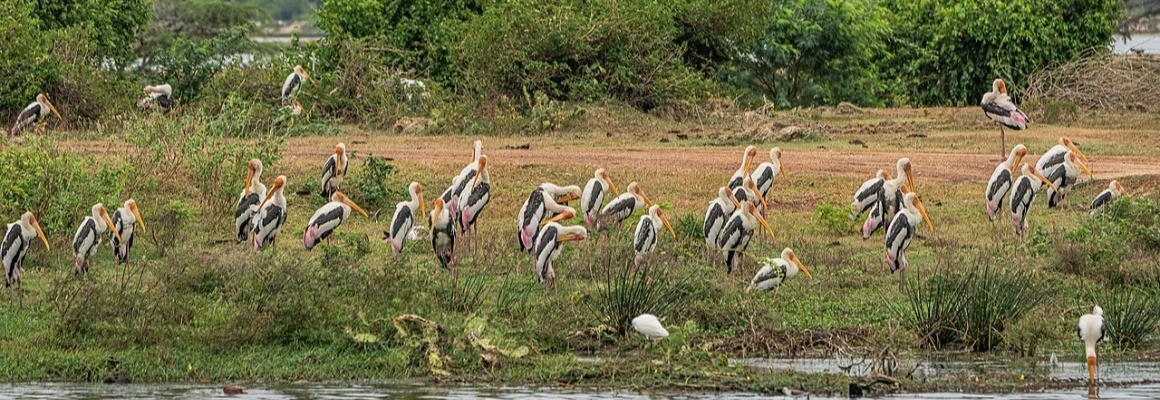
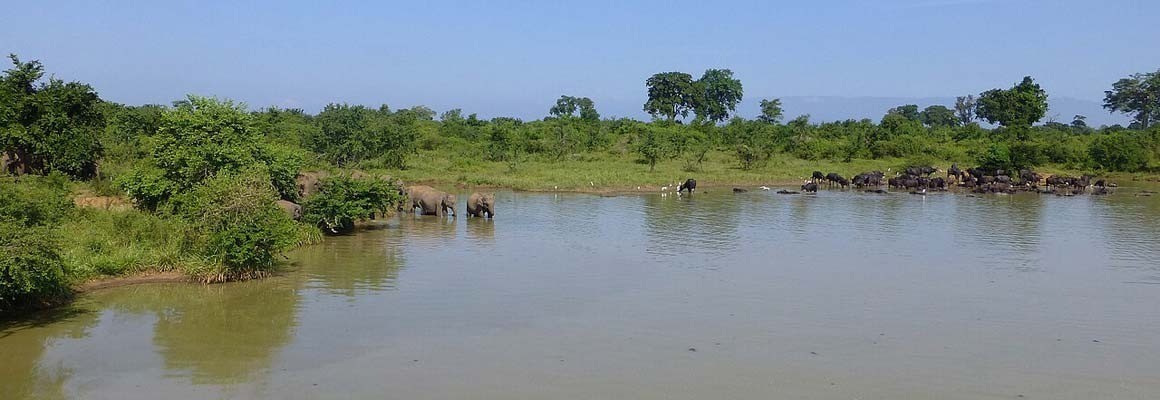
The park’s best-known natural feature is Kumana Villu, a shallow lagoon surrounded by wetland vegetation. Seasonal changes in water levels create feeding and nesting areas for many birds. Herons, storks, ibises and other waterbirds can be seen around the shallows, while mangroves provide shelter and nesting habitat.
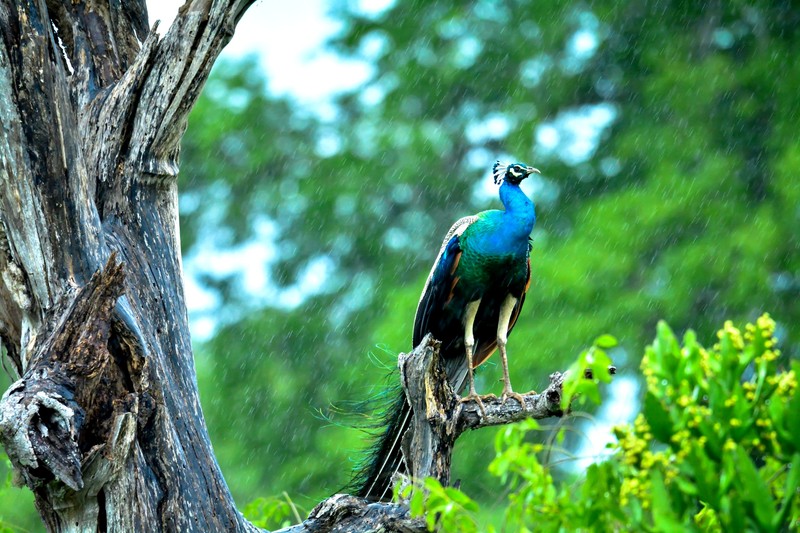
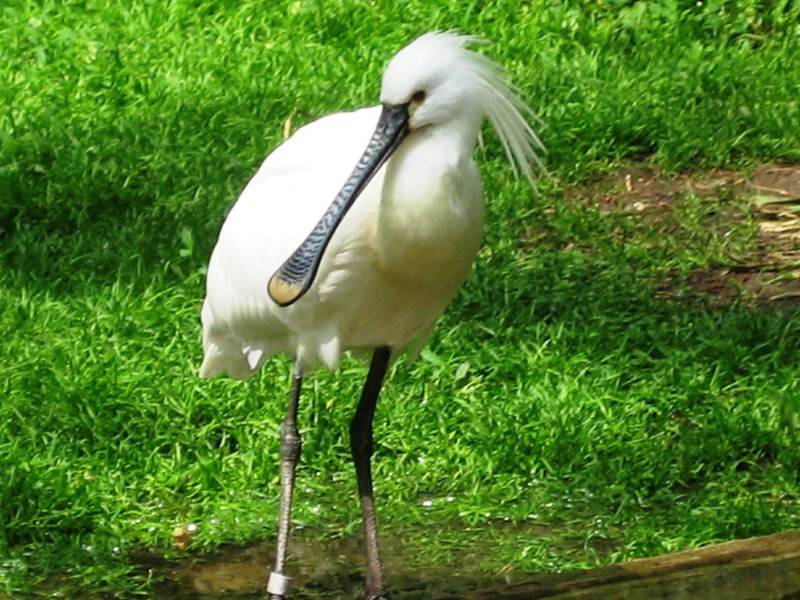
Kumana is recognised for its large nesting colonies of waterbirds. Numerous resident and migratory species have been recorded in the park, making it one of Sri Lanka’s most rewarding places for birdwatching and wildlife photography.
Wildlife of the park
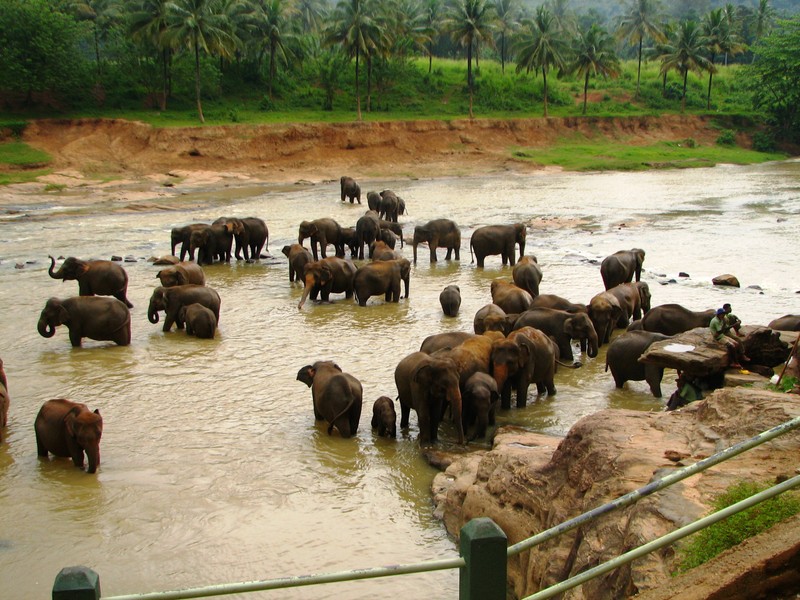
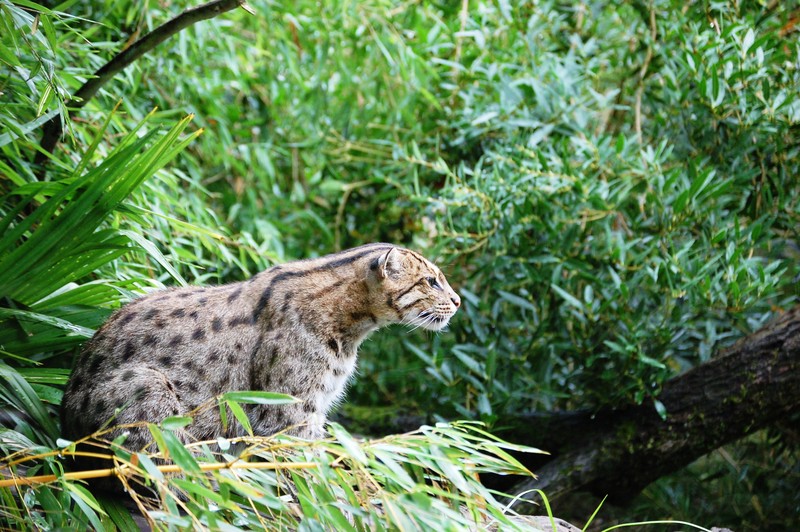
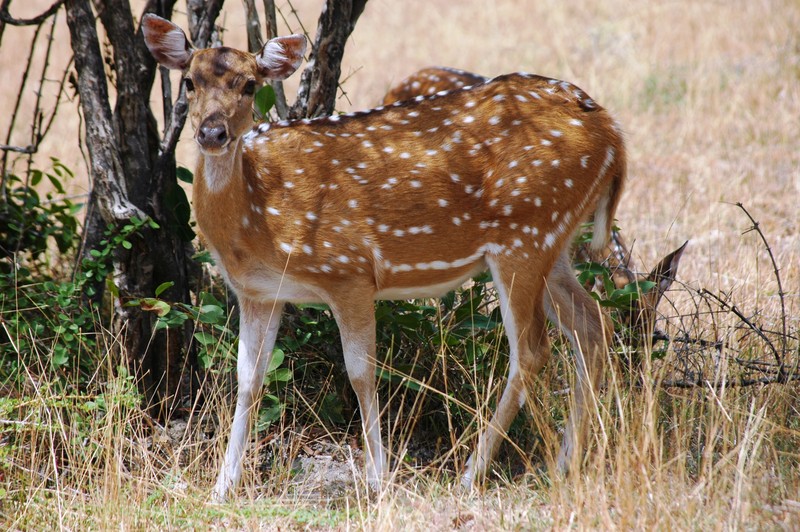
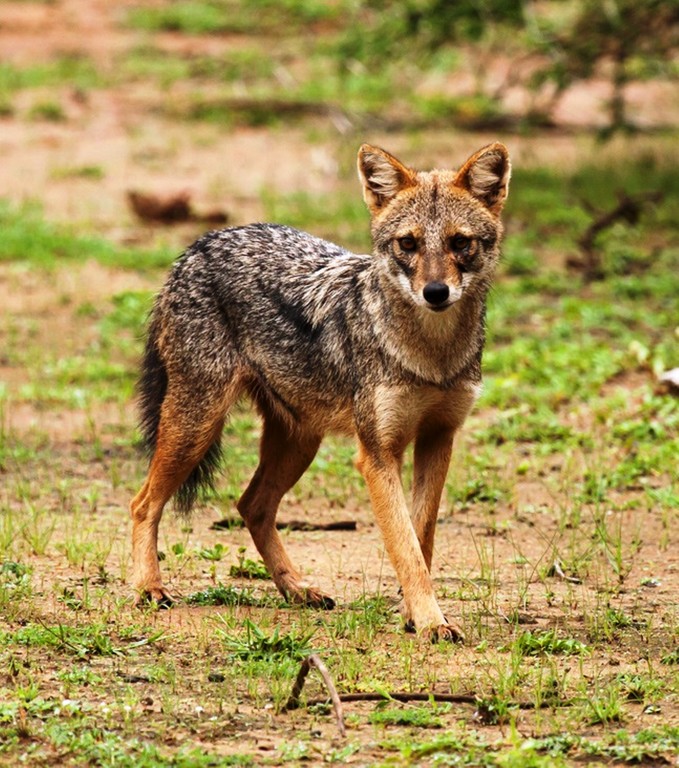
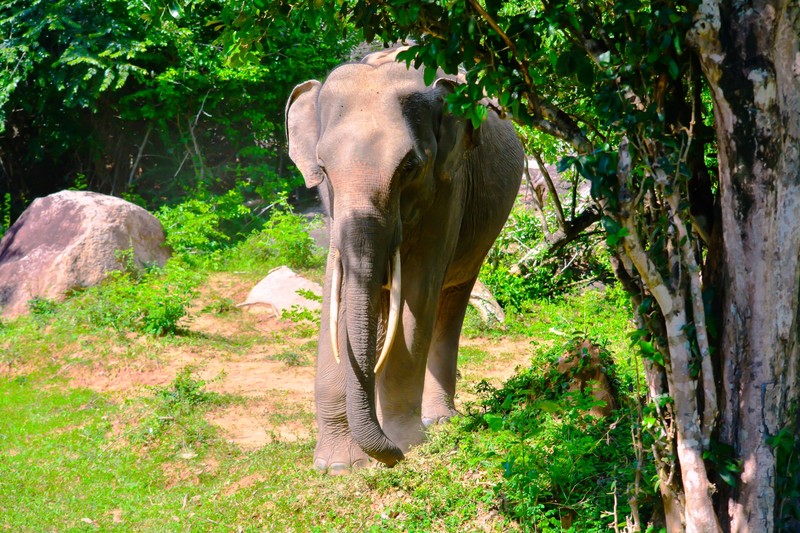
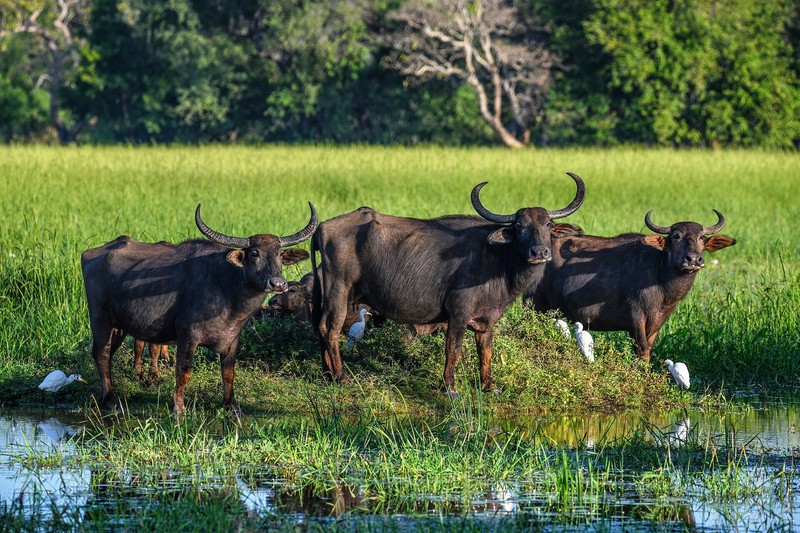
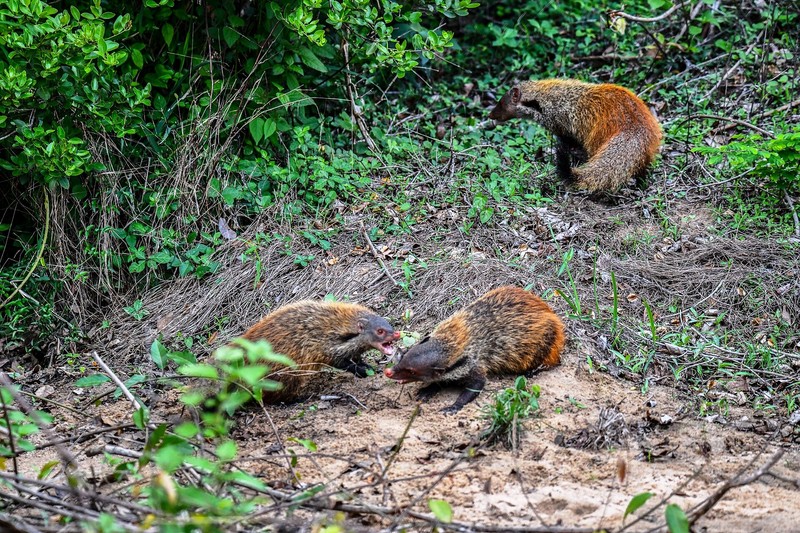
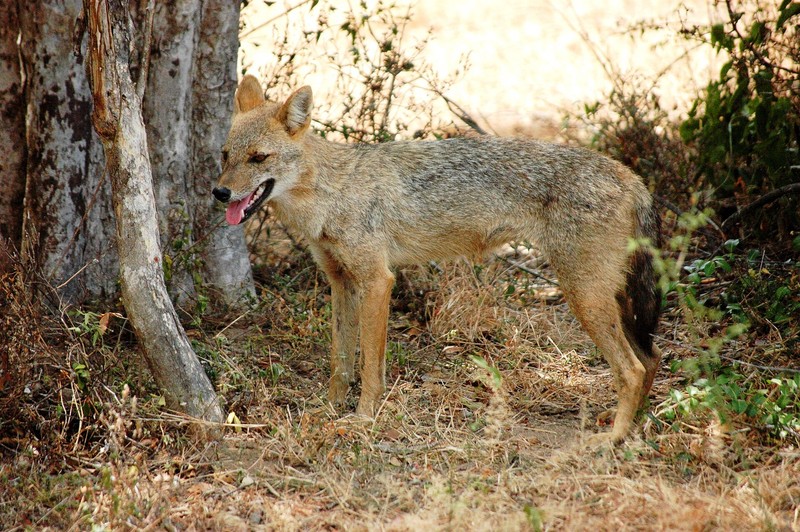
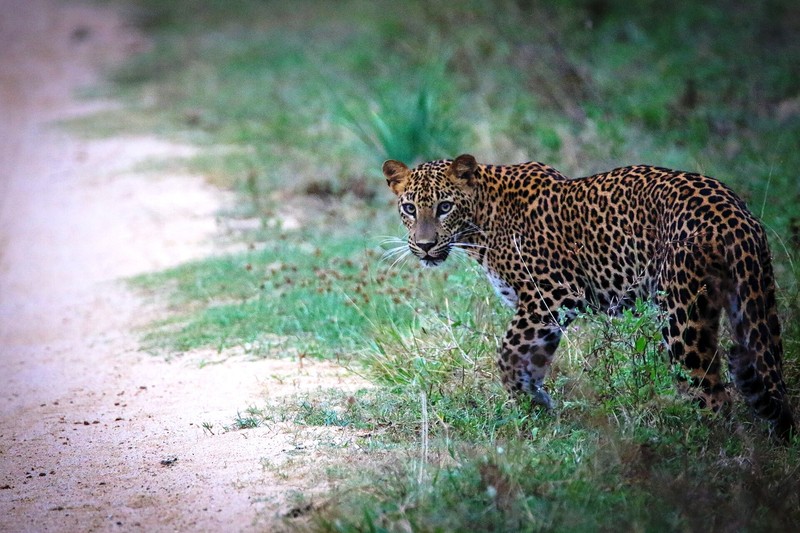
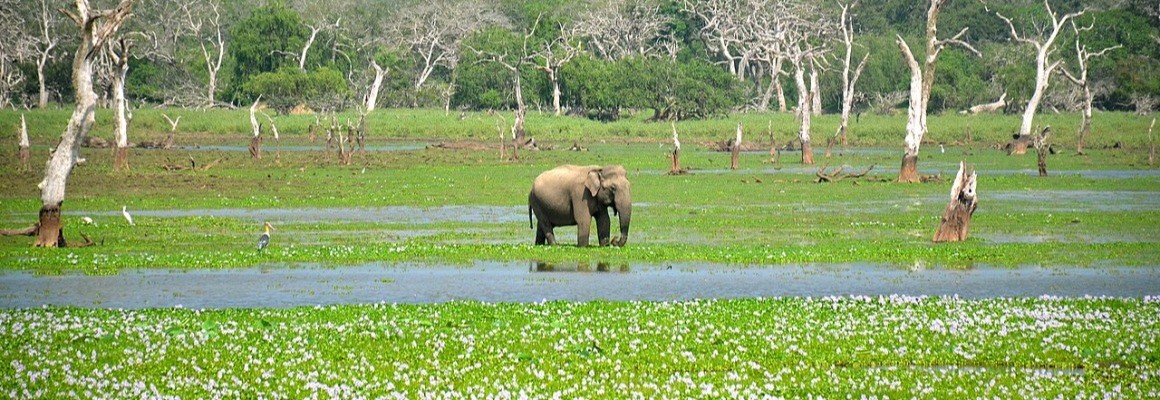
Beyond its birdlife, Kumana supports Asian elephants, leopards, sloth bears, spotted deer, wild boar and other mammals. Mugger crocodiles and water monitors inhabit the wetlands and waterways. Coastal wetland habitats in the wider area are also important for sea turtles. Wildlife sightings are never guaranteed and depend on the season, weather and time of day.
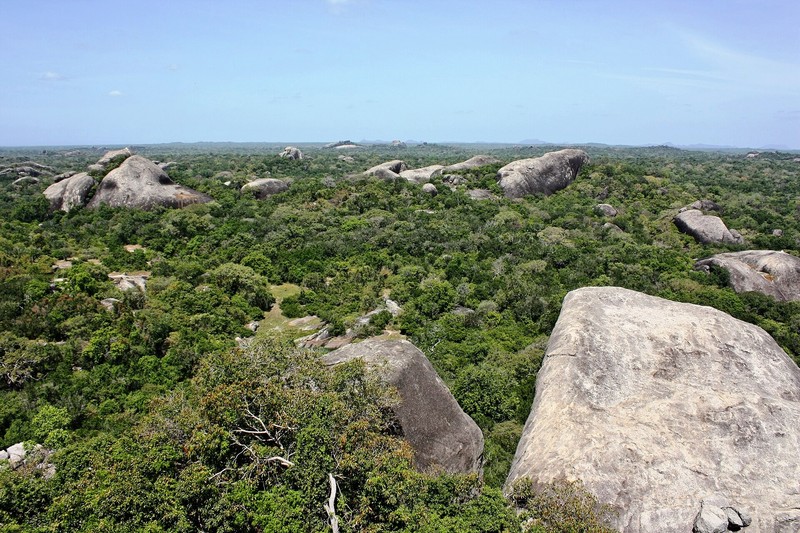
The vegetation reflects Sri Lanka’s dry zone, with dry tropical forest, thorny scrub, open grassland, mangroves and aquatic plants. This mixture of habitats provides food and shelter for wildlife throughout the year.
Best time to visit
April to July is especially interesting for observing nesting waterbirds. The park can also be worthwhile at other times of year, when resident birds and seasonal migrants may be seen. Early morning and late afternoon are popular times for safari drives. Binoculars help visitors observe birds without disturbing them.
Getting there and visiting responsibly
Visitors commonly approach Kumana from the Arugam Bay area or other settlements along Sri Lanka’s eastern and southeastern coast. Safari trips are generally made in a vehicle with a driver or guide. Check current entry permits, fees and access arrangements with Sri Lanka’s Department of Wildlife Conservation before travelling.
Follow park rules, remain in the vehicle where required, never feed wildlife, and take all rubbish away. Keep a respectful distance from nesting birds and other animals. Responsible visits help protect the habitats that make Kumana special.
Conservation importance
The Kumana wetland complex is recognised under the Ramsar Convention as a wetland of international importance. Its lagoons, estuaries, mangroves, salt marshes and coastal dunes provide feeding and breeding grounds for many species. A visit offers a chance to experience Sri Lanka’s biodiversity while appreciating the need to conserve fragile wetland ecosystems.
Gallery