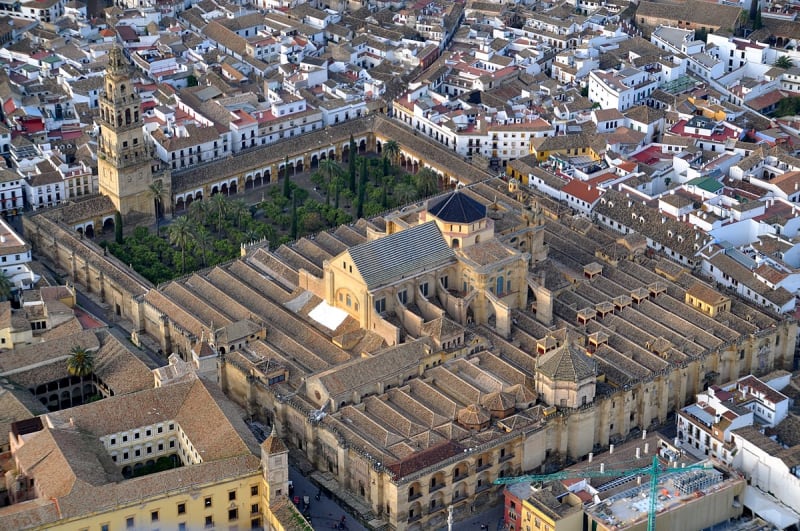

The Cordoba Cathedral Mosque annually attracts more than 1.5 million tourists from different countries. A unique Roman Catholic cathedral stands in the city of Cordoba. The grandiose complex combines Catholic and Muslim temples, Moorish and Renaissance architectural styles. The building is called the mosque-cathedral.
A bit of history
Back in 600, the Visigothic Church was built on the site of the Roman one. It is believed that it was called the "temple of Janus". A little later it was converted into a mosque and destroyed in 711. In 785, Emir Abd ar-Rahman bought the land and built a mosque in honor of his wife. The temple was part of the palace chambers. In 844, the invading Vikings ravaged the mosque.
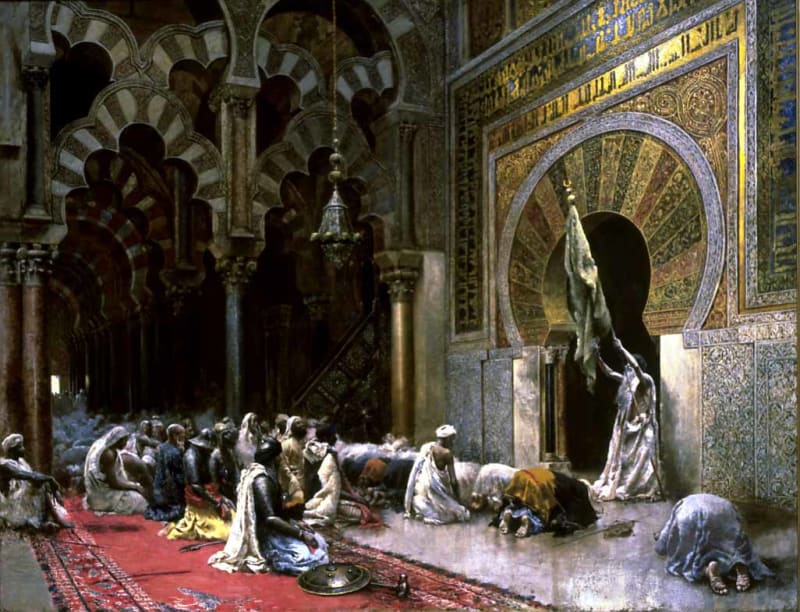
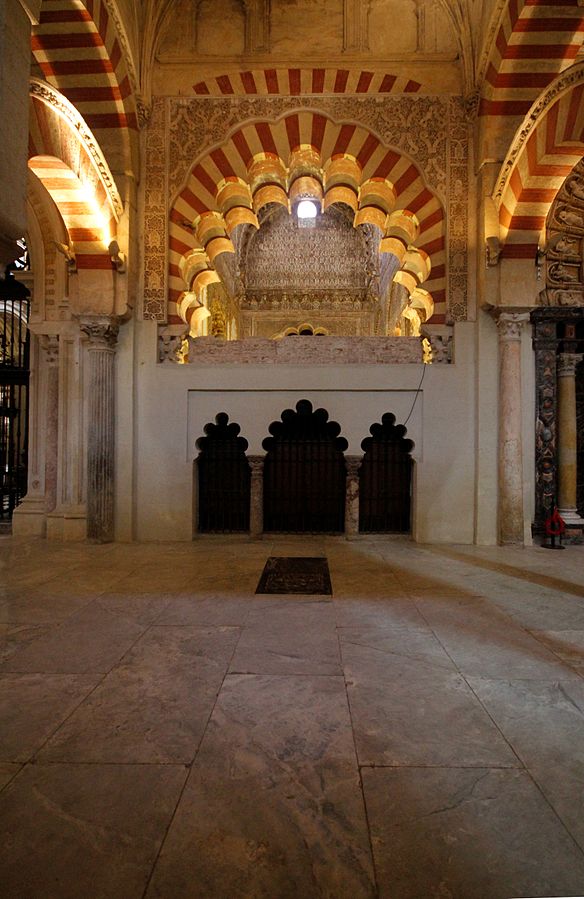
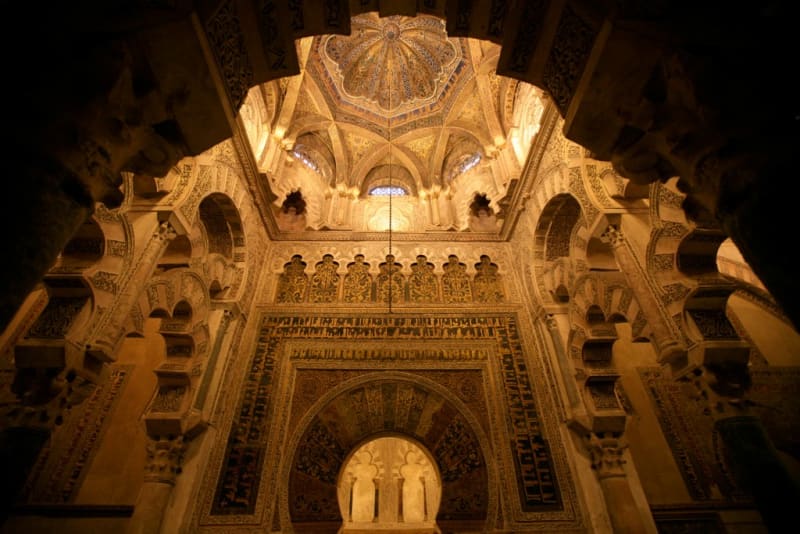
In 961, a new minaret already stood here, the mosque was significantly expanded, and the mihrab (niche pointing to Mecca) was luxuriously decorated. Interestingly, it is directed not to the east, where Mecca is located, but towards the south. According to legend, the mihrab points to the place where Abd ar-Rahman, who arrived from Damascus, disembarked.
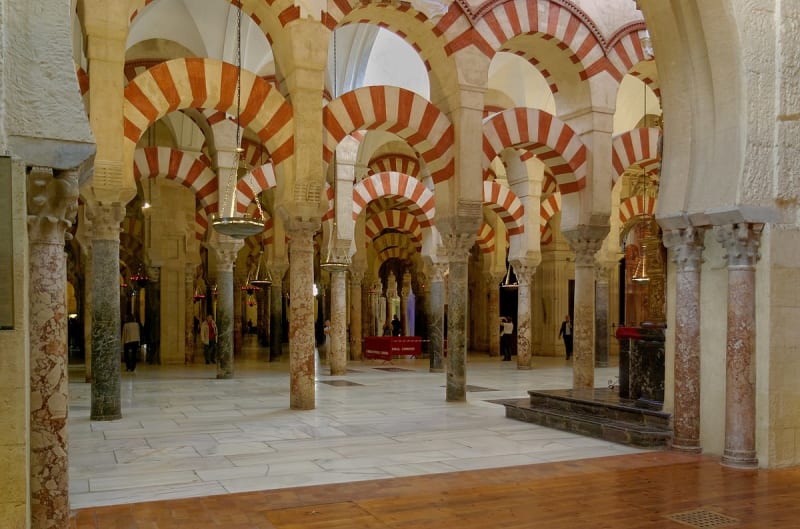
The last changes were made to the Cordoba Cathedral Mosque in 987. It has become the best in comparison with others located in the district. Each of the conquerors contributed to the architecture and decoration of the building. The huge double arches were then a new architectural element. The striped arches are supported by hundreds of columns made of marble, granite, jasper, and onyx. A ruined Roman temple served as the material for the columns, and a part was sent by Emperor Leo of Byzantium in the 8th century.
Description
Inside the mosque, next to a lavishly decorated mihrab, there is an image of the Virgin Mary. In the Cordoba Cathedral Mosque, seemingly incongruous things are connected. The mosque's prayer niches are richly decorated with gilding. The central dome is decorated with shining stars made of blue and gold mosaic tiles. In 1236, Cordoba submitted to the Spanish King Ferdinand of Castile. The mosque has become a Christian church again.
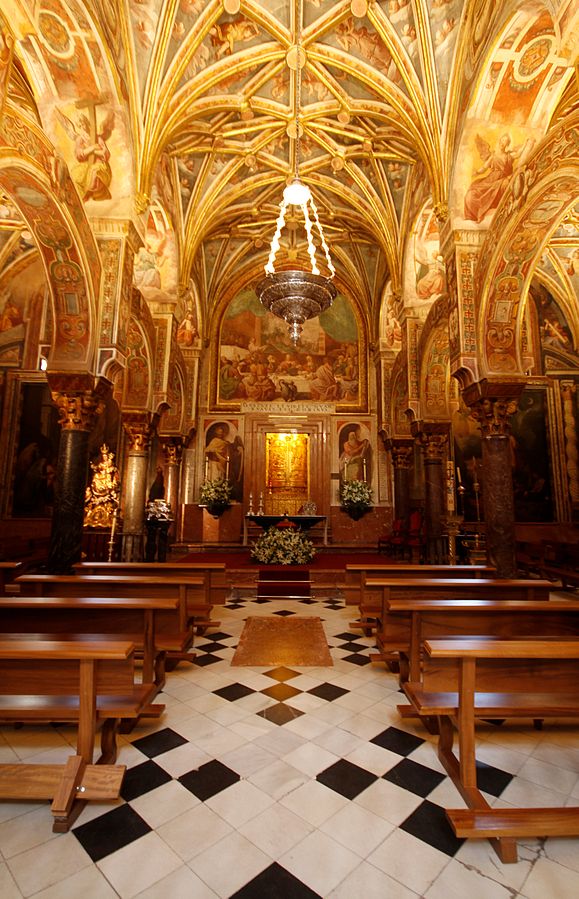
The Cordoba Cathedral Mosque was built in the 16th century, when Bishop A. Maurice decided to build a Christian church right inside the Muslim mosque. Until the end of the XVIII century . The Cordoba Cathedral Mosque continued to change its appearance through the efforts of the Spanish monarchs, architects and craftsmen. The choirs are made of expensive mahogany and decorated with scenes from the life of St. Mary and biblical subjects. This is an author's work by the artist P. D. Cornejo. A. Palomino painted the temple. His work "Assumption of the Virgin" is particularly impressive. Main altar (retablo) The Cathedral mosque of Cordoba was made of expensive Kabrian marble in 1618.
Additional information
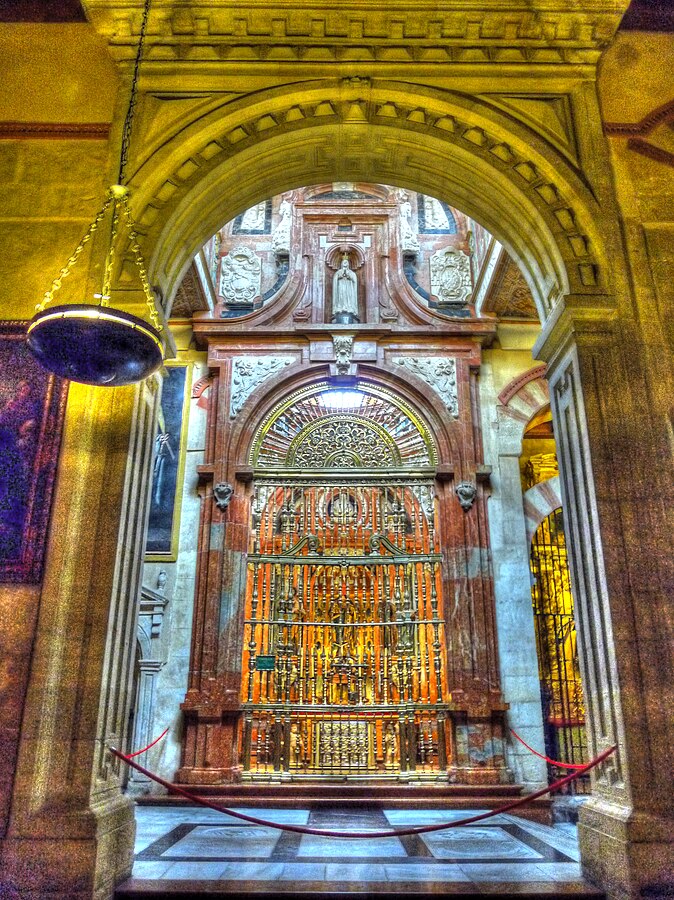
There are several chapels next to the mosque. One of them is Villaviciosa, the first Catholic chapel. Alfonso XI and Ferdinand IV were once buried in the Royal Chapel, but later their bodies were reburied in the church of San Isidoro. Currently, access to the chapel is closed to visitors.
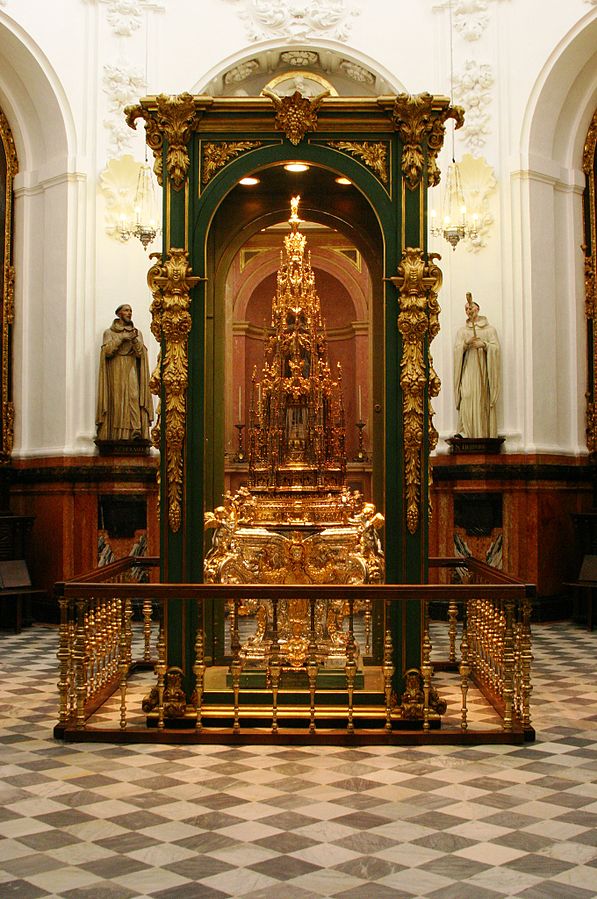
The treasure trove is of great value. It is filled with chalices, crucifixes, various ritual objects made of the purest silver and gold, and encrusted with precious stones. The courtyard of the complex is called the Orange Courtyard. Magnificent palm trees, cypresses, olives and citrus trees grow here. There are 5 fountains in the courtyard so that the faithful can perform the obligatory ablution. Numerous tourists throw coins at them.
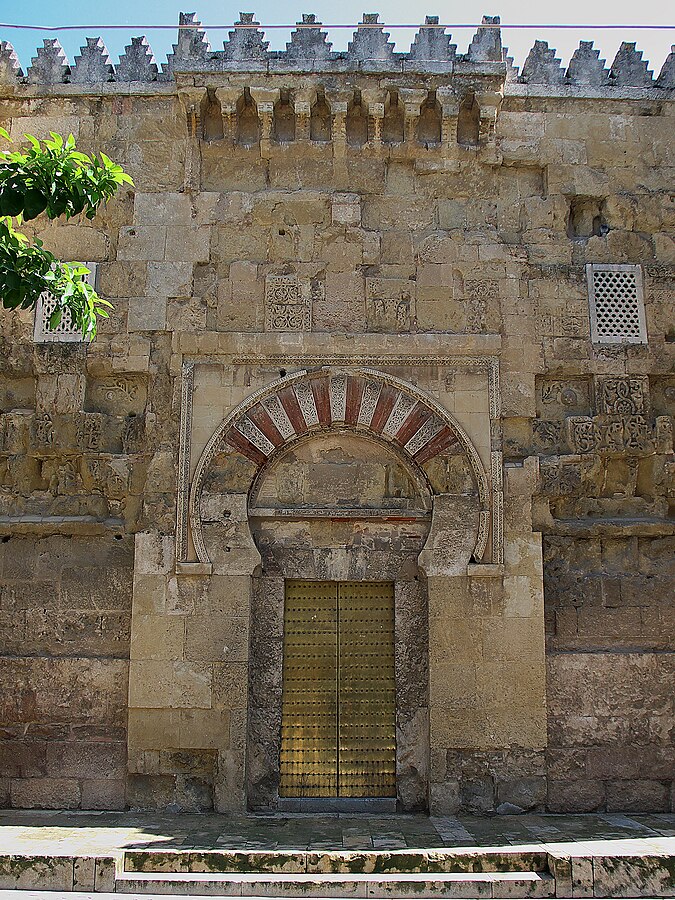
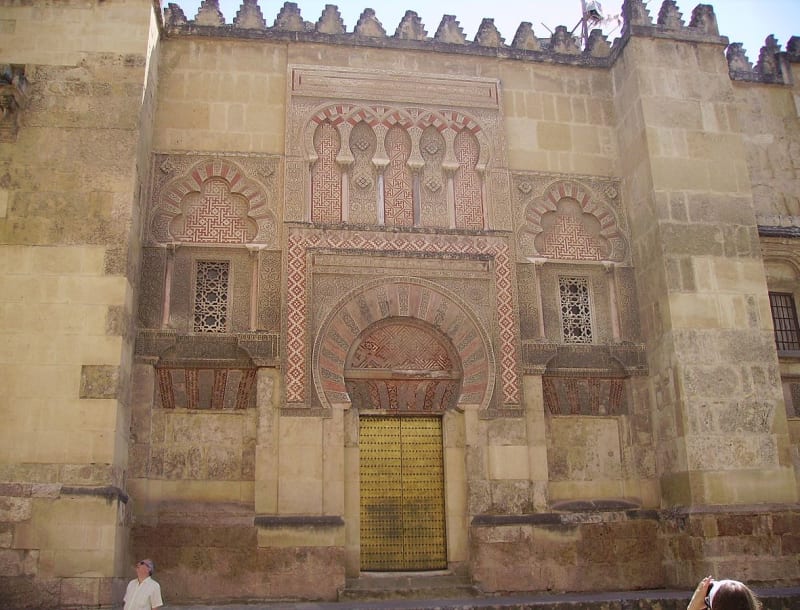
The courtyard is decorated with a magnificent tower, once a minaret, and now a bell tower. There is a statue of Archangel Michael, the patron saint of Cordoba. There are "Doors of Forgiveness" located under the tower.
The Cordoba Cathedral Mosque occupies a huge area. The walls limit the space to 145 x 200 m. The dome height is more than 20 m. The mosque is included in the UNESCO World Heritage List.
Gallery