Ciutadella Park (Parc de la Ciutadella) is one of Barcelona’s best-known historic parks, located near the Old Town and the El Born district. Covering approximately 18 hectares, it combines shady avenues, mature trees, sculptures, an artificial lake, a monumental fountain and historic buildings. Visitors come here to escape the busy streets, enjoy a boat ride and explore Catalonia’s architectural heritage.
History of the military citadel
The site’s history is linked to the War of the Spanish Succession. After Barcelona fell in 1714, King Philip V ordered the construction of a large military citadel to strengthen royal control over the city. Building the fortress required the demolition of sections of the city walls and many houses in the La Ribera district, profoundly changing the neighbourhood.
In 1869, General Joan Prim transferred the fortress grounds to Barcelona on the condition that they be turned into a public park. The military structures were gradually demolished, and the cleared land was transformed into a green space for residents. An equestrian statue of Prim was later erected in the park to commemorate this turning point.
Creation of the public park
The park was designed by architect and landscape planner Josep Fontserè. During the 1870s, paths, gardens, water features and ornamental structures were laid out. The 1888 Universal Exposition played a major role in shaping the area, bringing new pavilions and public buildings, several of which survive today.
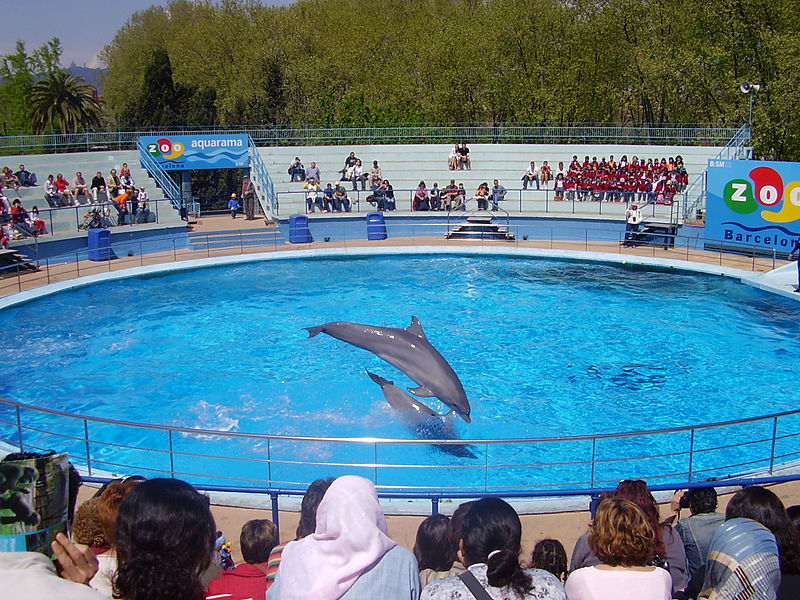
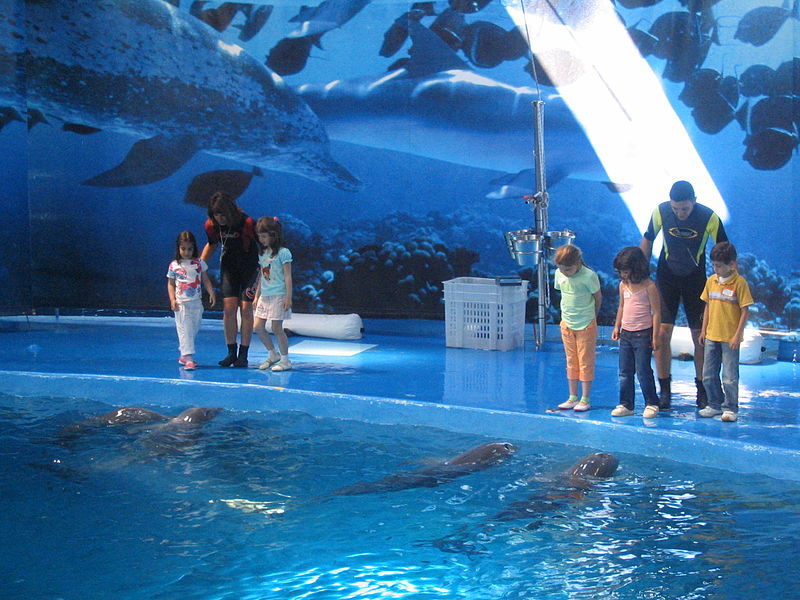
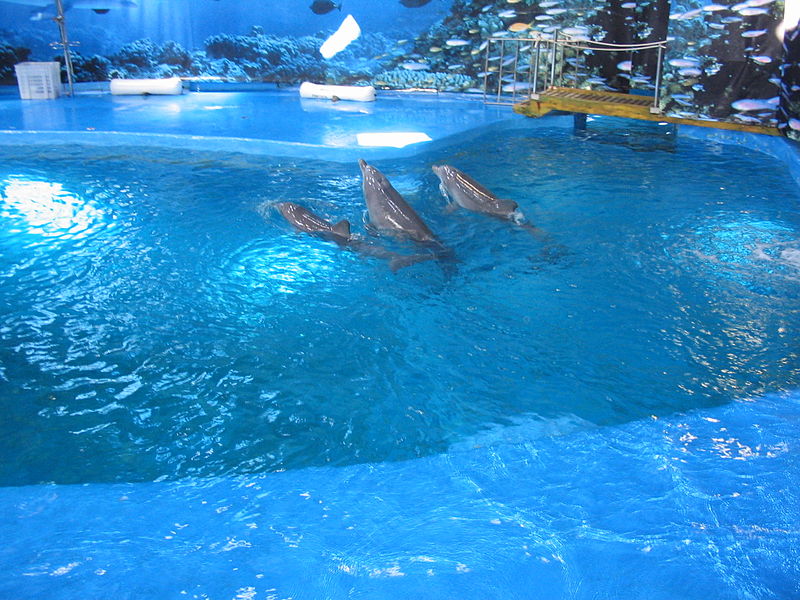
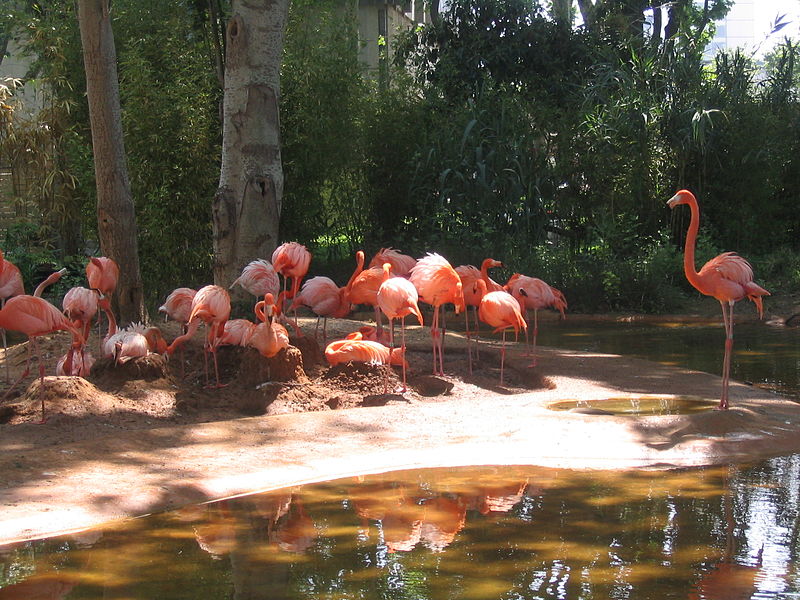
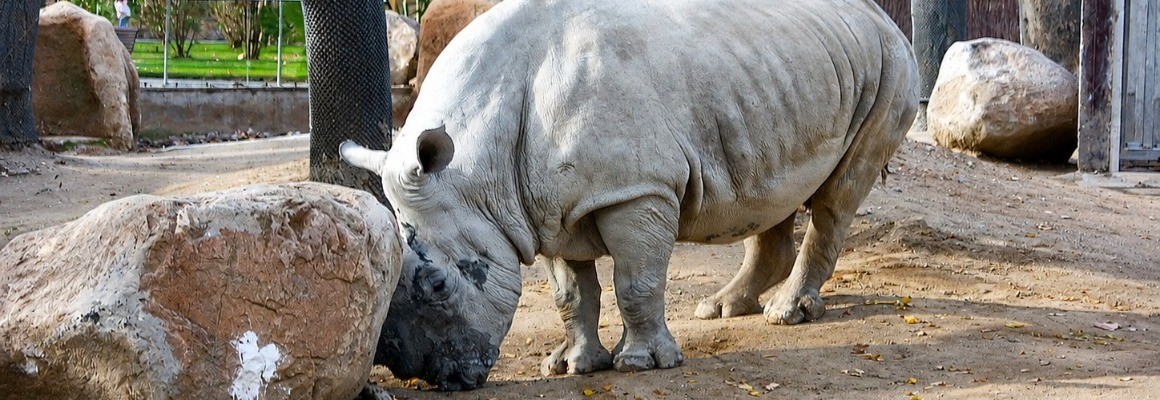
Barcelona Zoo opened on part of the grounds in 1892. Over time, the park became a popular destination for walks, family outings and cultural events, while retaining its importance as a public green space.
The monumental waterfall
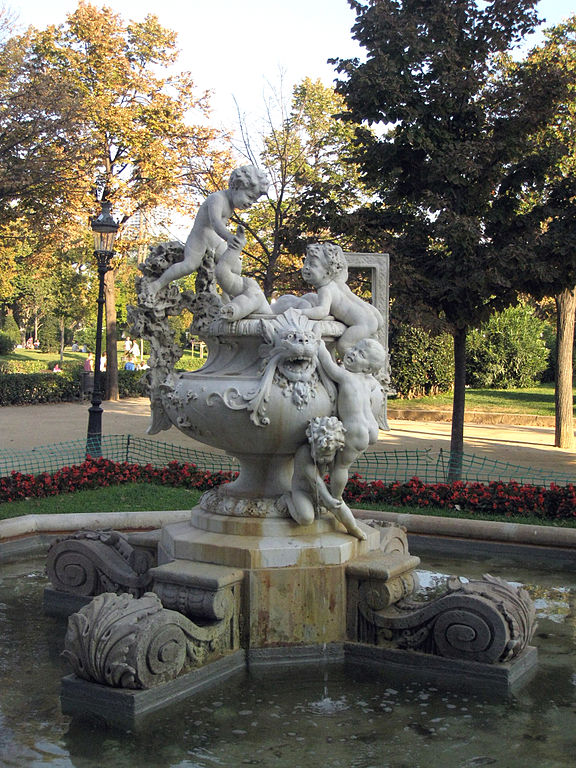
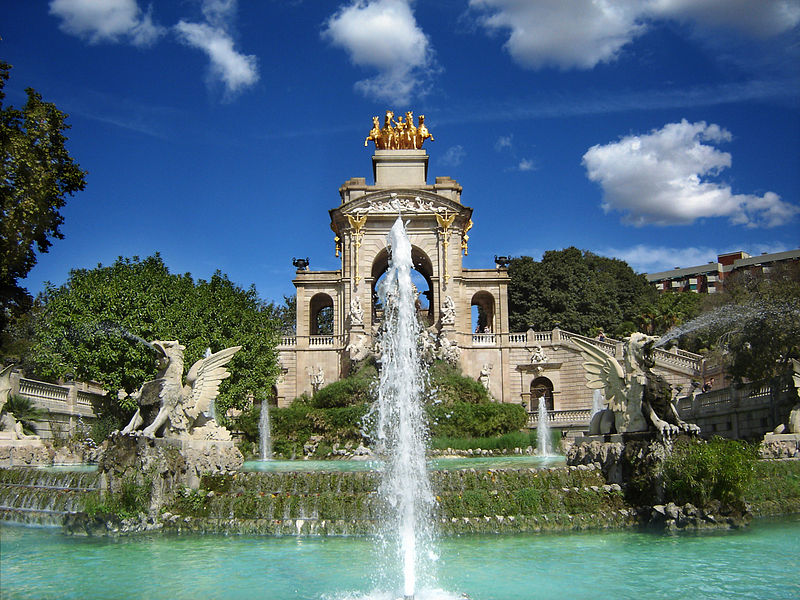
The park’s most striking architectural feature is the Cascada Monumental, a monumental fountain and waterfall designed by Josep Fontserè in the 1870s and inaugurated in 1881. Its elaborate composition includes sculptures, staircases and flowing water. A sculptural group representing the birth of Venus occupies the central section, while a quadriga associated with Aurora crowns the upper part.
A young Antoni Gaudí took part in the fountain’s construction. He is credited with contributing to some decorative details and artificial rockwork. The cascade remains one of the park’s most recognisable landmarks and a favourite place for photographs.
The lake and historic buildings
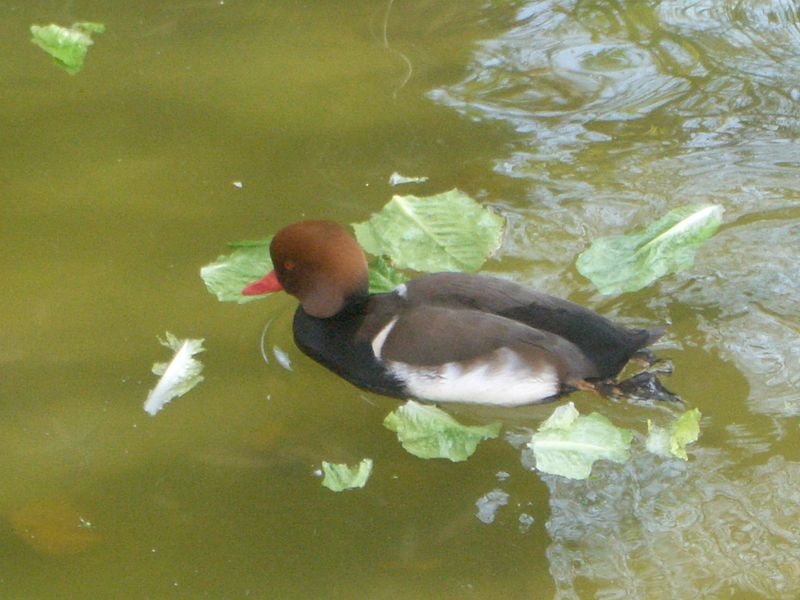
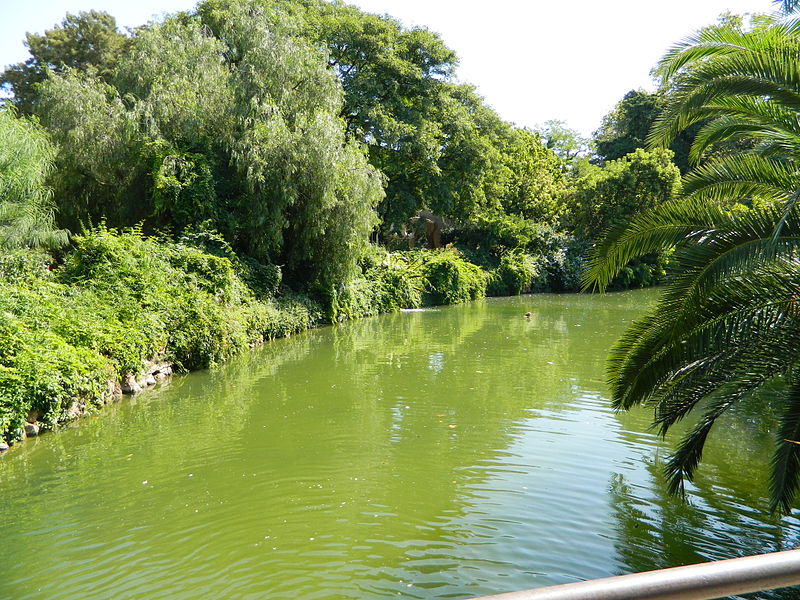
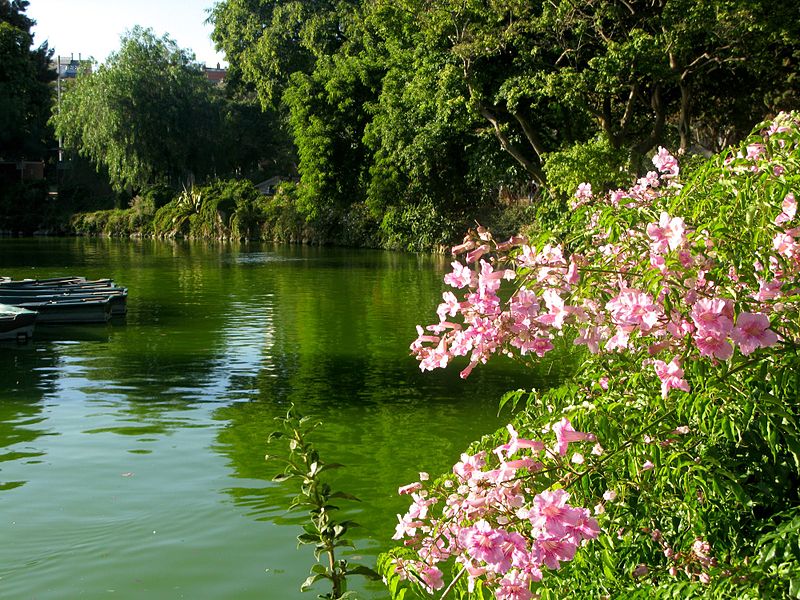
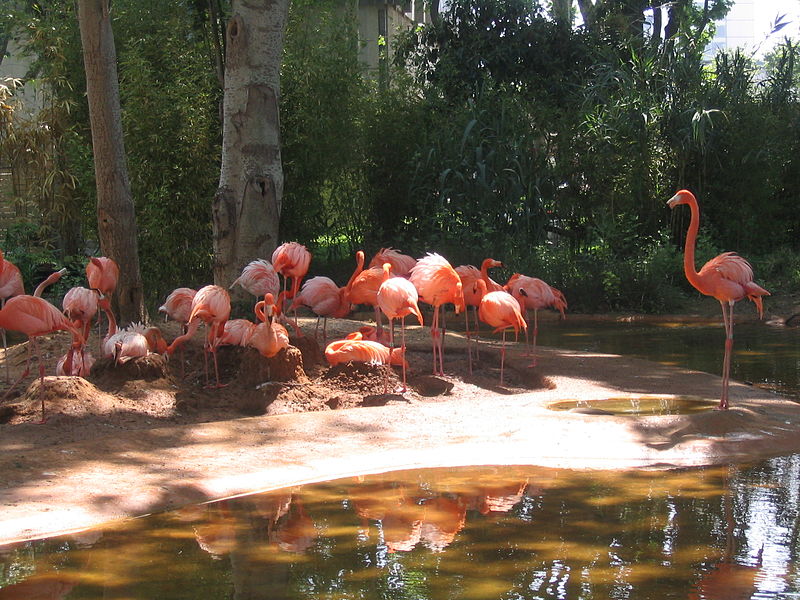
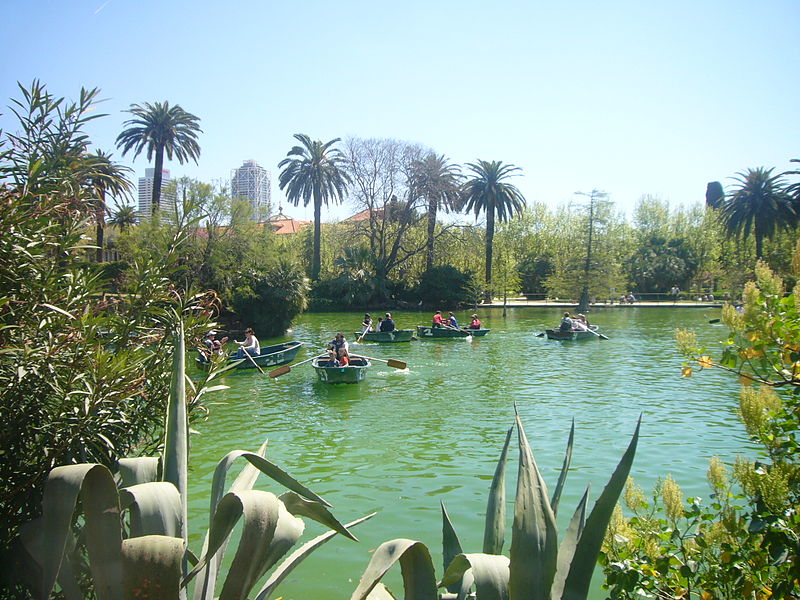
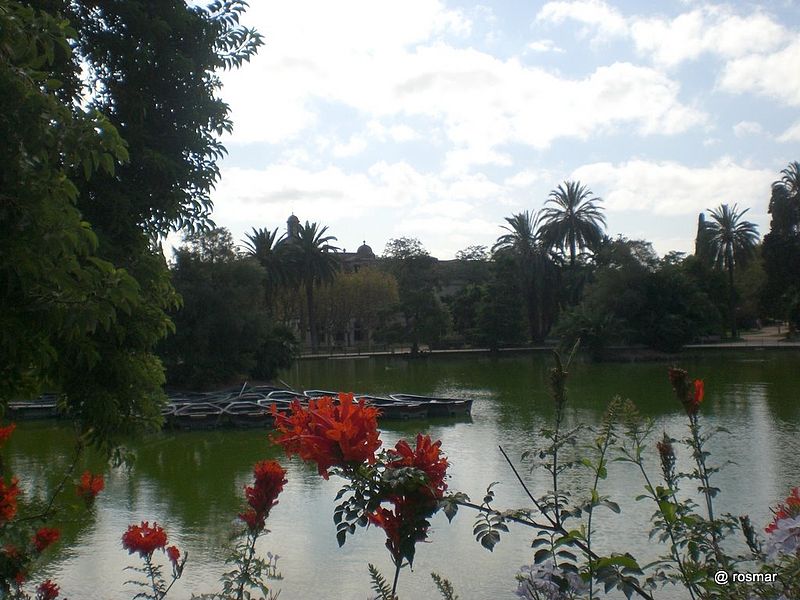
An artificial lake surrounded by trees and walking paths lies near the waterfall. Visitors can watch waterbirds, relax along the shore or rent a rowing boat when the service is operating. Reflections of trees and architecture make the lake especially picturesque in the morning and before sunset.
One of the most distinctive buildings is the Castell dels Tres Dragons, or Castle of the Three Dragons, built for the 1888 Universal Exposition and designed by architect Lluís Domènech i Montaner. Its exposed brickwork and metal structures reflect the emergence of Catalan Modernisme. The park also preserves the Umbracle, a shaded plant pavilion, and the Hivernacle, a greenhouse made of glass and metal.
The mammoth and public sculptures
A stone mammoth sculpture, created in 1907, is one of the park’s most unusual attractions. It was intended to be part of a series representing extinct animals, but became the only completed sculpture in the project. Today, it is a favourite meeting point for families and a popular subject for photographs.
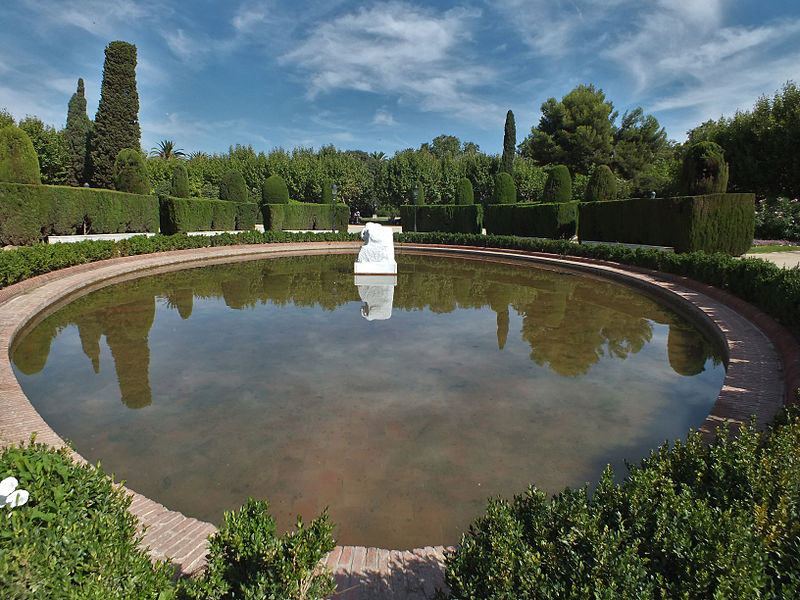
Other notable artworks include the equestrian monument to General Prim, Josep Llimona’s sculpture El Desconsol and the ornamental fountain known as La Dama del Paraigua, featuring a woman holding an umbrella. The former citadel arsenal now houses the Parliament of Catalonia, illustrating how a former military complex has become part of the region’s civic and political life.
Plants and atmosphere
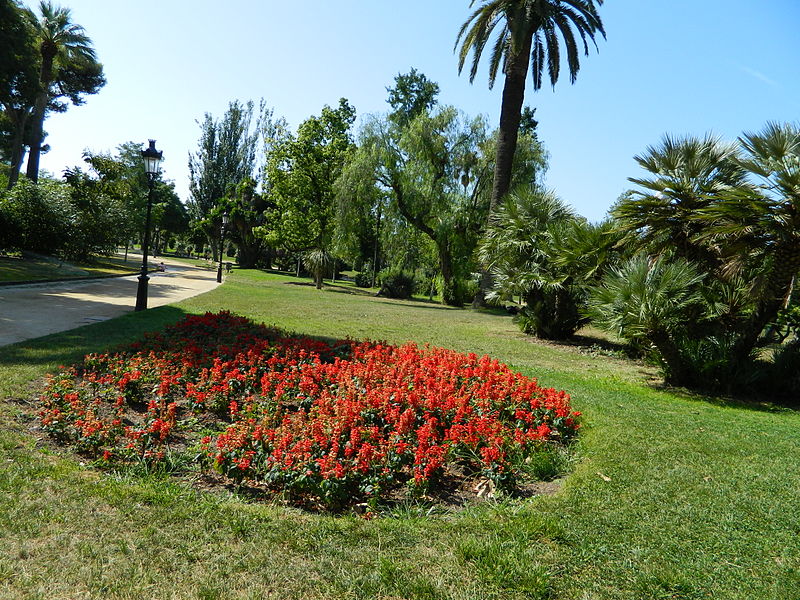
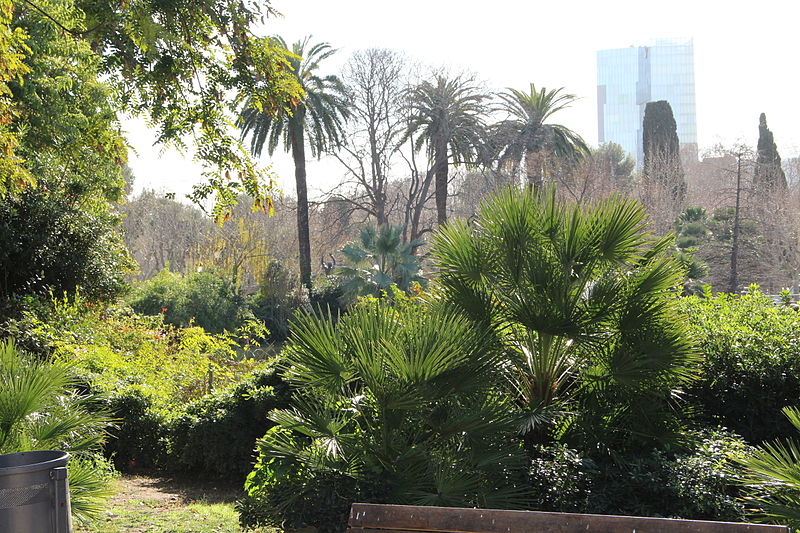
The park contains plane trees, lime trees, magnolias, poplars, palms and many other species. Their broad canopies provide shade along the main avenues. In spring and early summer, the park is particularly pleasant for walking, picnicking, watching birds and enjoying the gardens. Weekends can be busy with both residents and tourists.
Visiting Ciutadella Park
The park is located at Passeig de Picasso, 21, close to the Arc de Triomf and the El Born district. Admission to the park is free. According to the city’s visitor information, it is generally open every day from 7 a.m. until dusk, although the schedules of the fountain, individual buildings and boat rental may differ. Check the official city website before visiting for current access information and temporary closures.
Allow one to three hours to explore the main paths, sculptures, lake and historic buildings. The visit can easily be combined with the Arc de Triomf and a walk through El Born. Ciutadella Park offers a memorable way to experience Barcelona’s history, architecture, public art and everyday urban life in one place.
Gallery