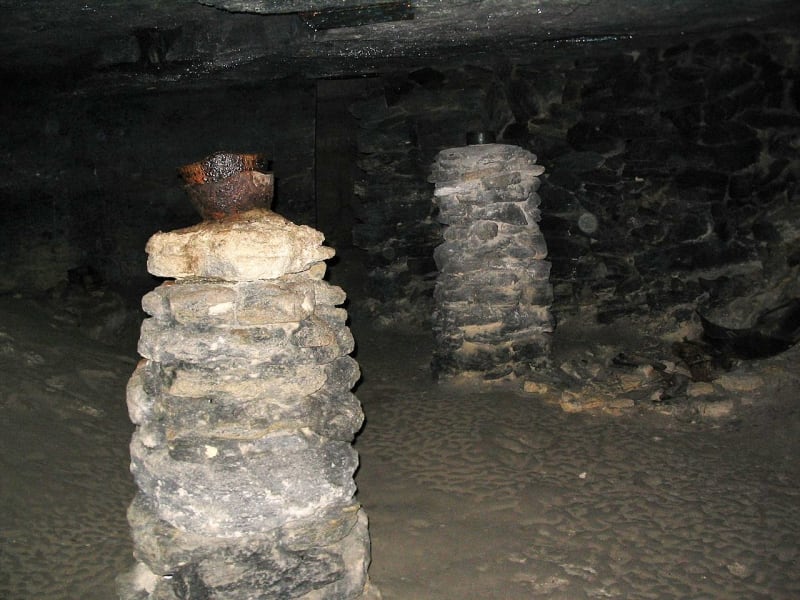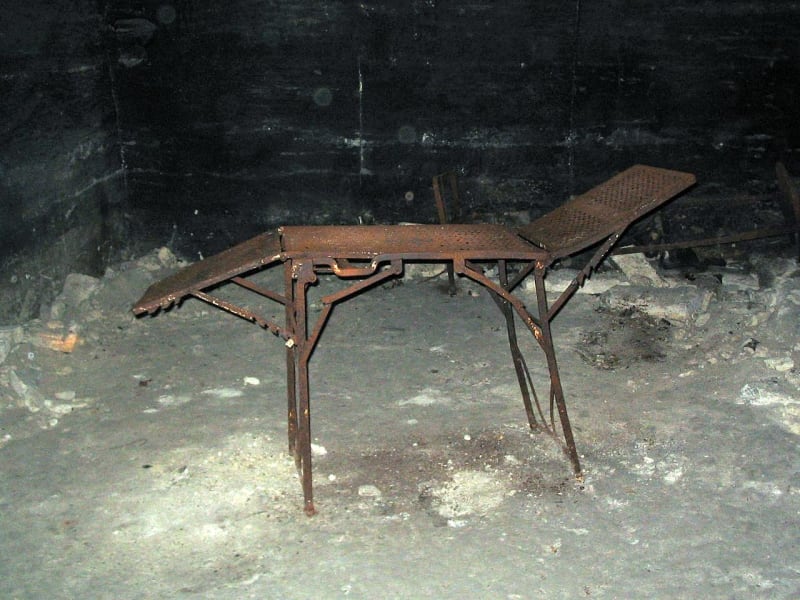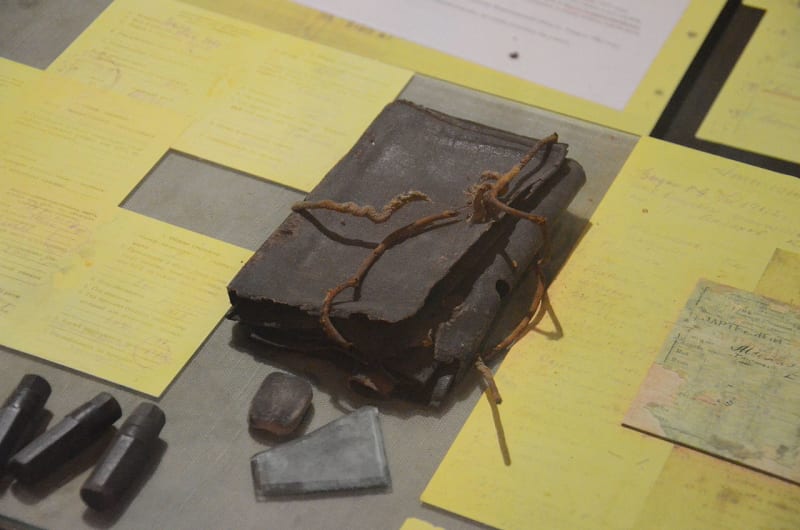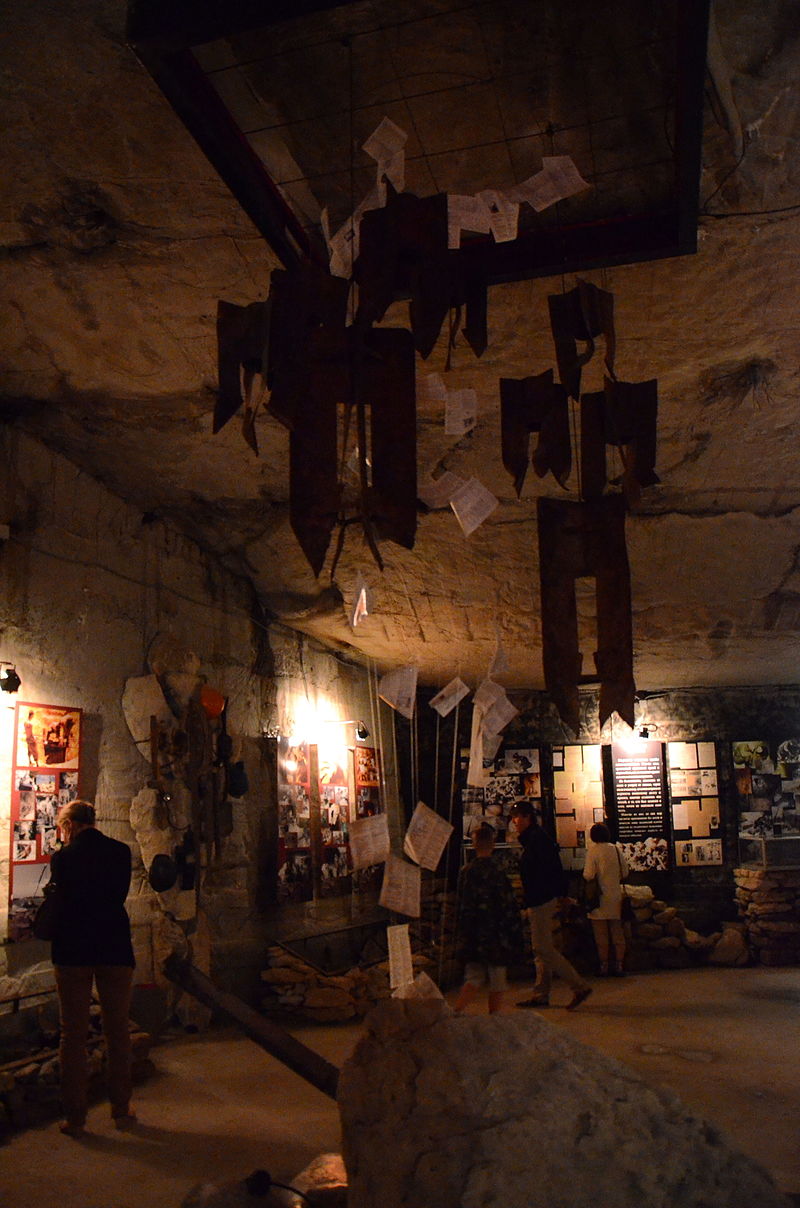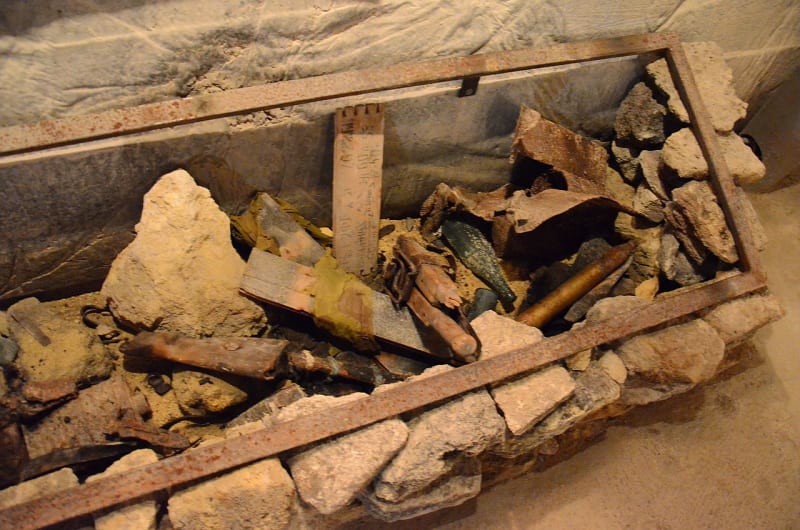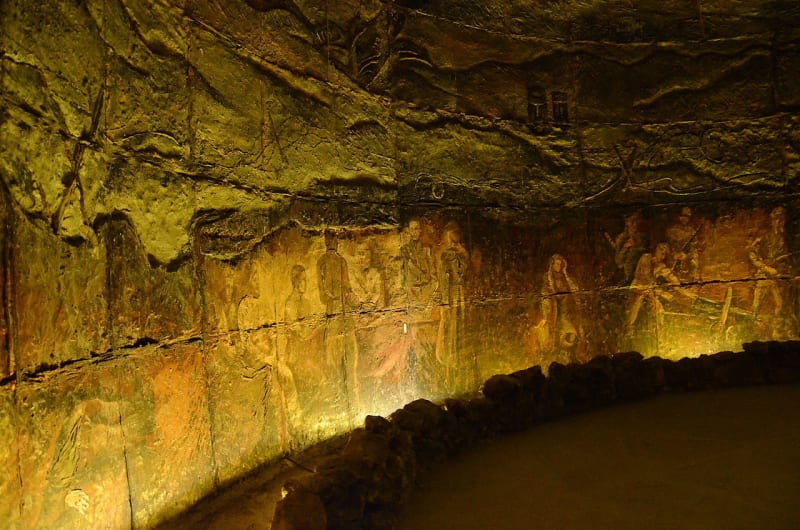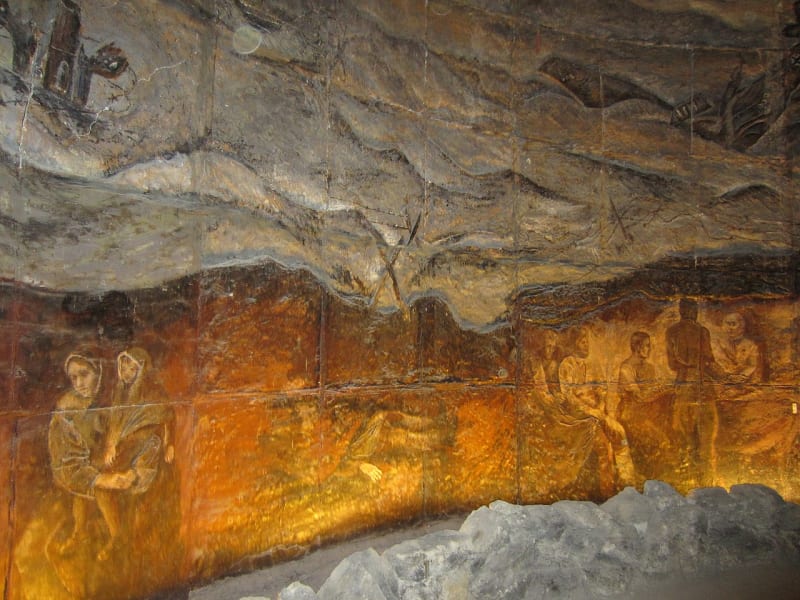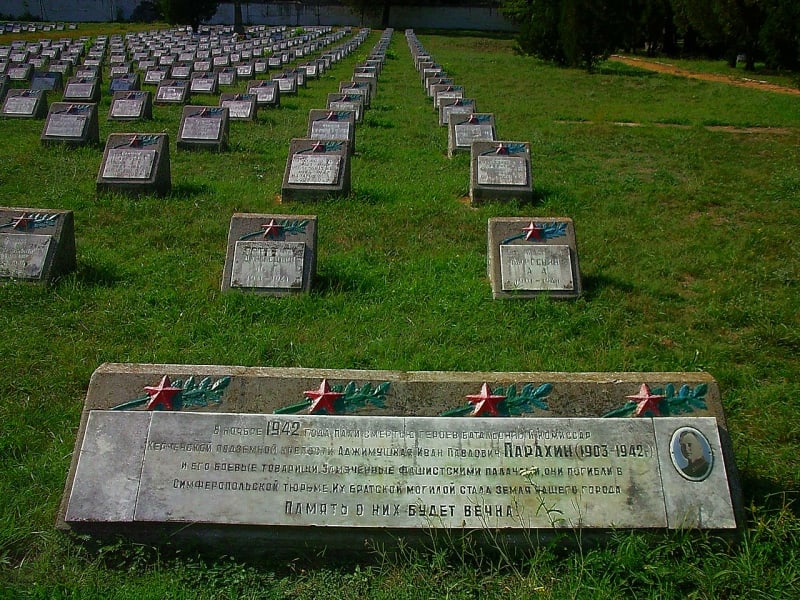

The Ajimushkai quarries are underground quarries in the city of Kerch that go 30 meters deep. They stretch for 15 kilometers, and these are not the largest known quarries on the Kerch Peninsula. From the second half of May to the end of October 1942, part of the troops of the Crimean Front fought against the German troops. The total number of soldiers, officers, and civilians (including women and children) defending the quarries is about 13,000.
A bit of history
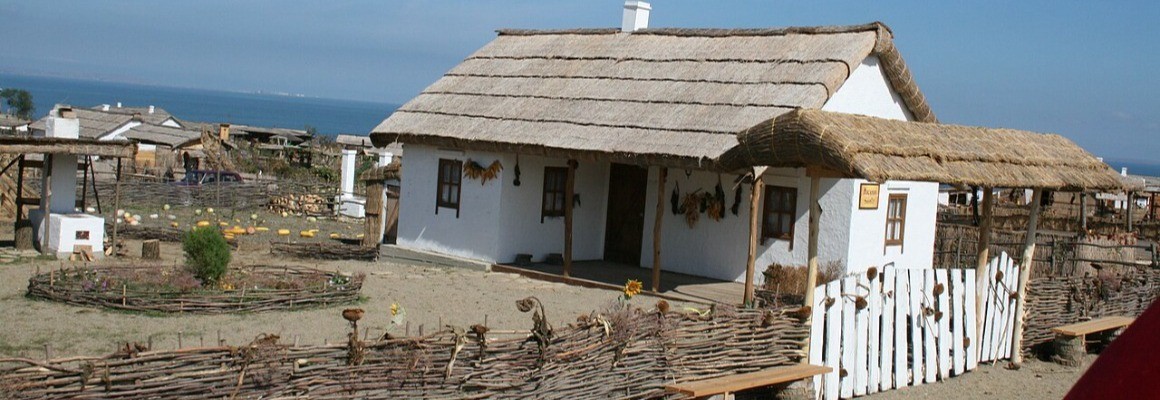
The Ajimushkai quarries got their name because the Aji-Mushkai settlement was formed next to them. The etymology of the word "Aji-mushkai" comes from the Turkic, since, as is known, the Ottoman Empire left its mark on this territory from 1475-1774. The Turkic-speaking heritage has given two reliable names: one is "gray stone", since a strong but at the same time malleable limestone-shell stone was mined here, and the second is directly related to Islam, the religion of Muslims, and has a poetic and religious connotation - "a man who performed Hajj", that is, a pilgrim, a visitor to the Muslim shrine of Mecca.
The dungeon that became a fortress
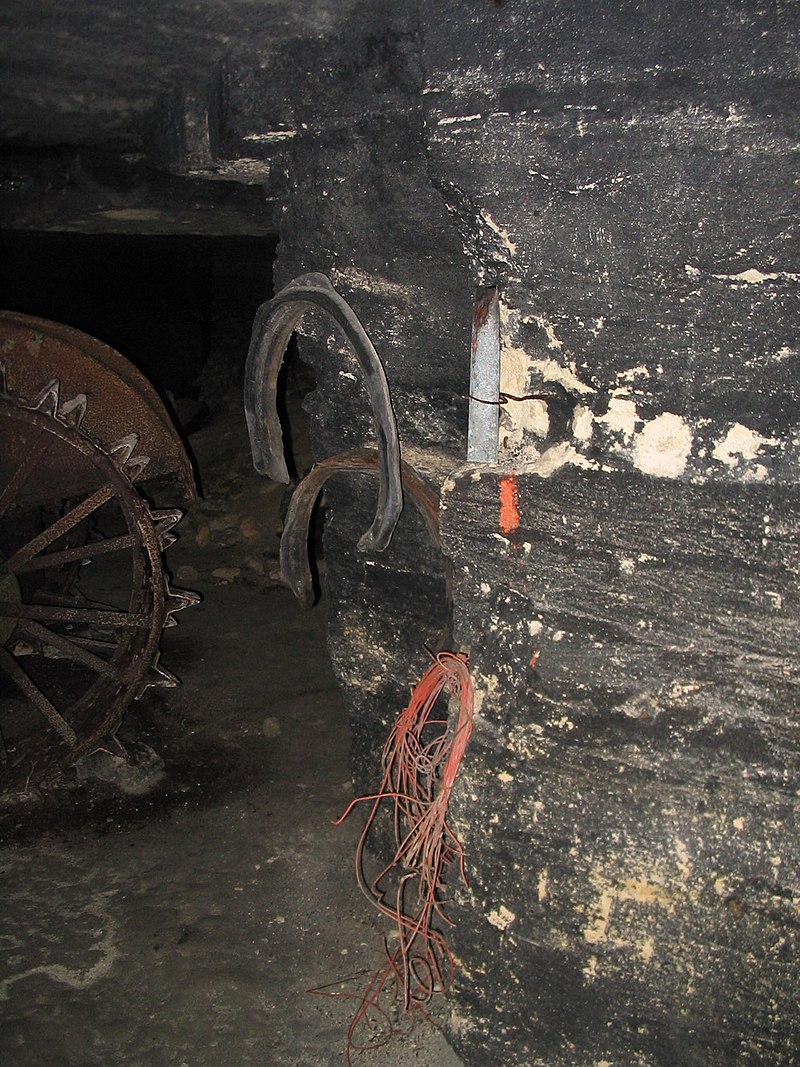
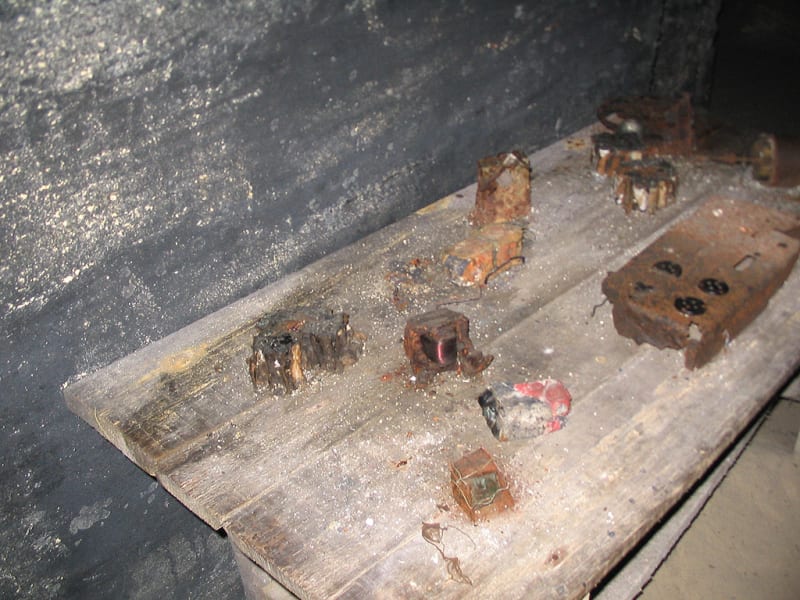
Food, water, ammunition, and electricity were supplied at the Ajimushkai quarries. However, the reserves turned out to be catastrophically small - no one expected that there would be about 20 thousand people hiding in the quarries along with civilians. In May 1942, in just a week, the Germans, calling their operation "Bustard Hunt," completely broke through the Crimean front. And the Ajimushkai quarries, becoming a natural barrier in the way of the invaders, played a historically significant role. Irritated by the intransigence of the Russian soldier, the German superiors are throwing more and more Wehrmacht forces at suppressing the hotbed of partisan resistance and ordering them to be exterminated like "earth rats" with smoke bombs.
Ajimushkai quarries at different times
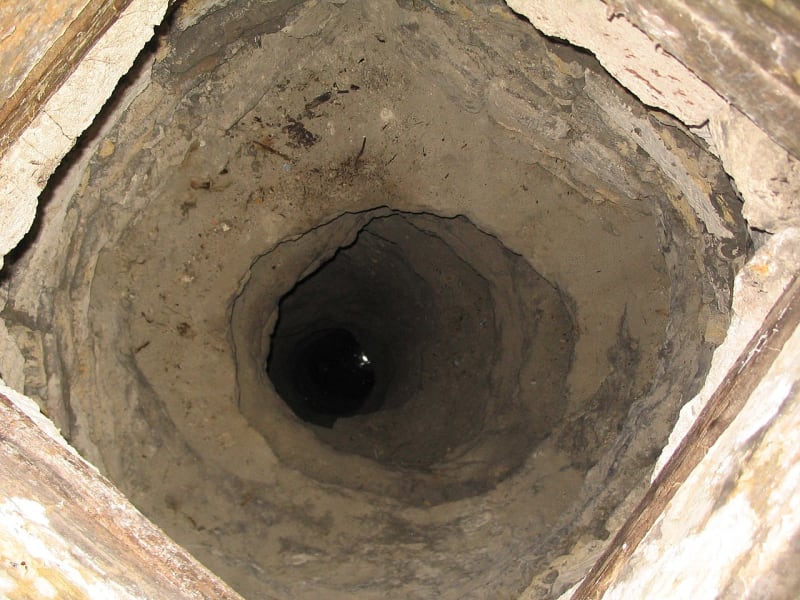
The underground resistance will have its own water only after a month of fierce, continuous fighting - a well will be dug at a depth of 14.5 meters, and before that, it was necessary to go to two wells for water. I remember such a case: Maria Molchanova, a nurse, mother of three small children, openly, without hiding, went to get water. Amazed by the desperate fearlessness of the Russian woman, the Germans did not dare to open fire: she delivered water to the wounded seven times, but the eighth bucket turned out to be the last - she was seriously shot, and a couple of days later, on May 23, she died.
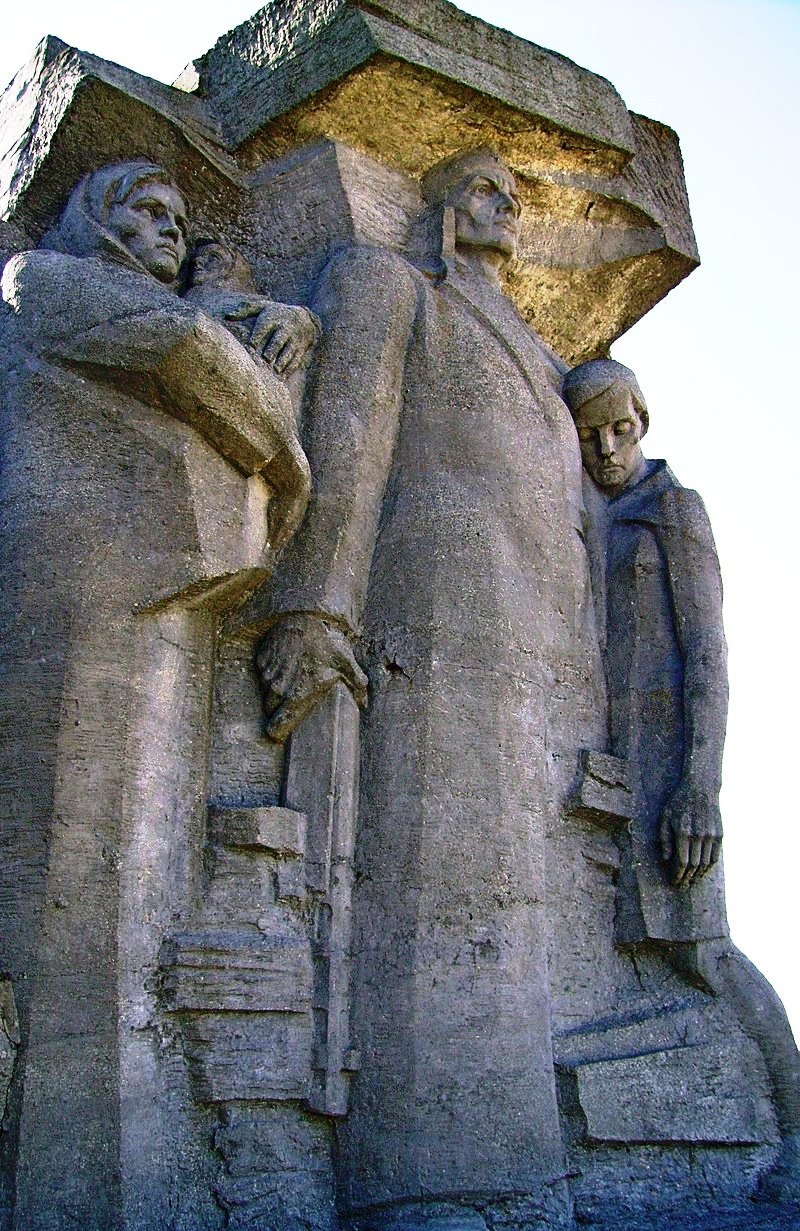
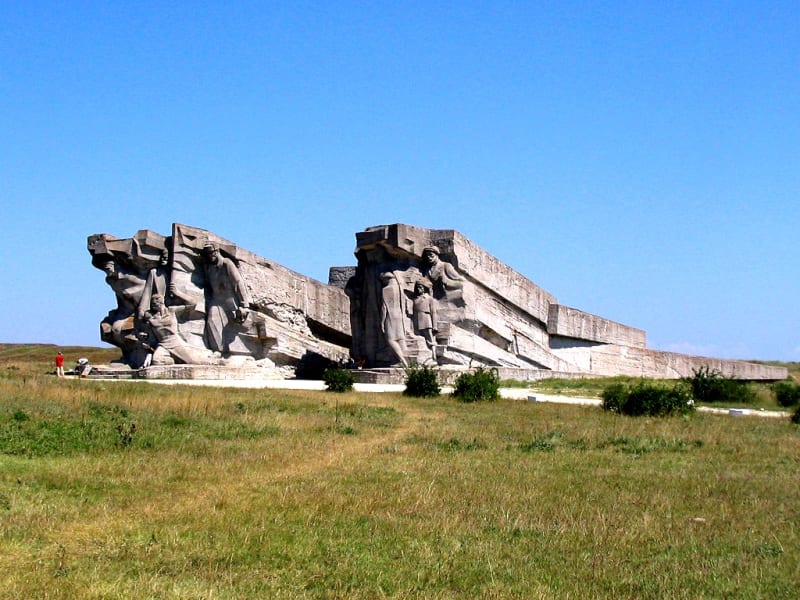
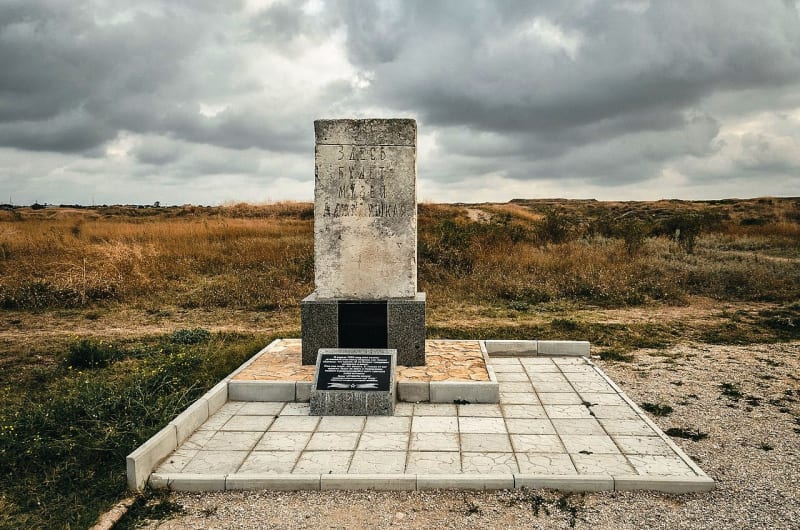
1966 is the date of the appearance of the underground museum, and in 1982 a memorial appears: 15-meter giant warriors carved into the rock. Children under the age of six are strictly forbidden to go down to the underground museum. As far as we know, none of the defenders of the underground garrison has been awarded the official high title of Hero, and some people say they are alarmed by this fact.
Gallery