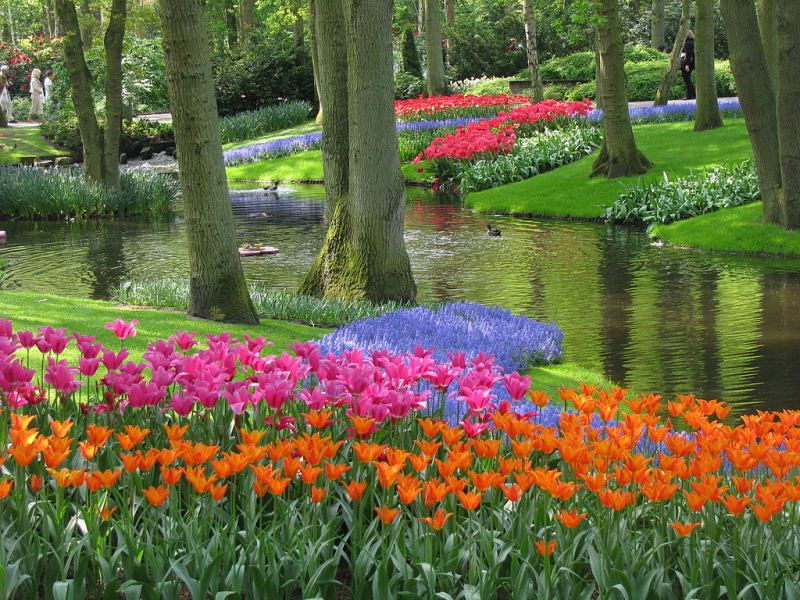
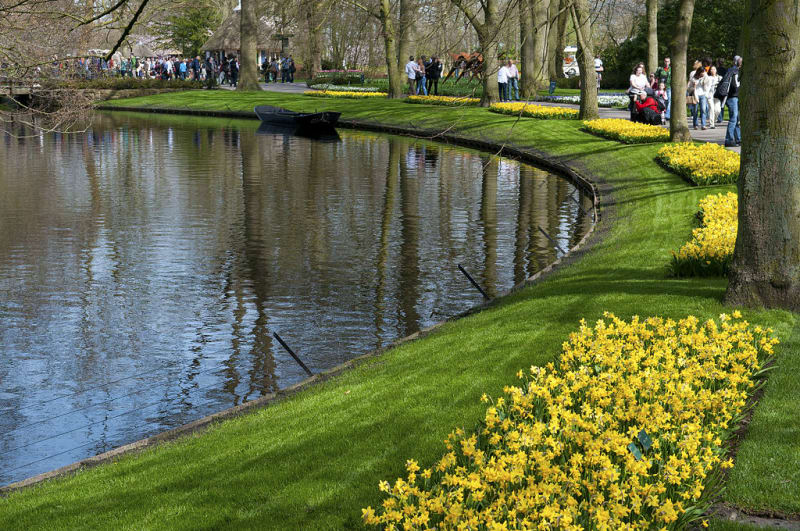
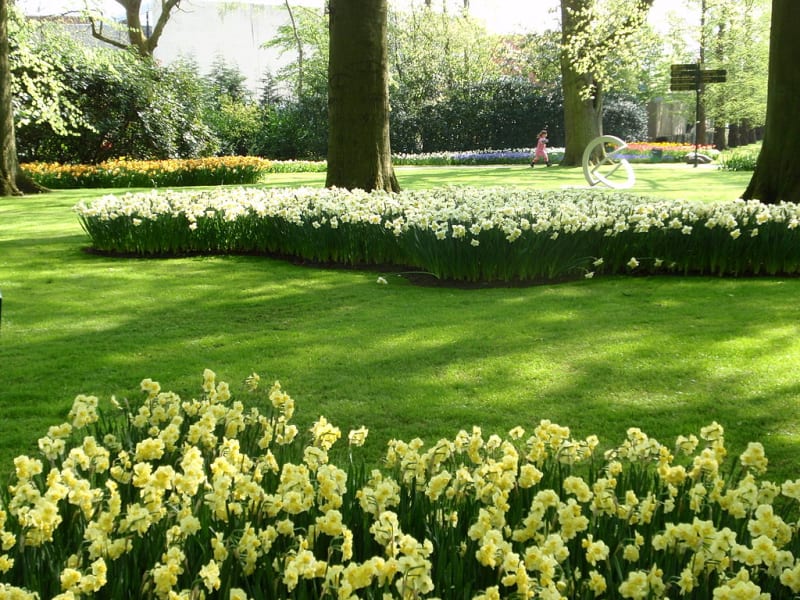
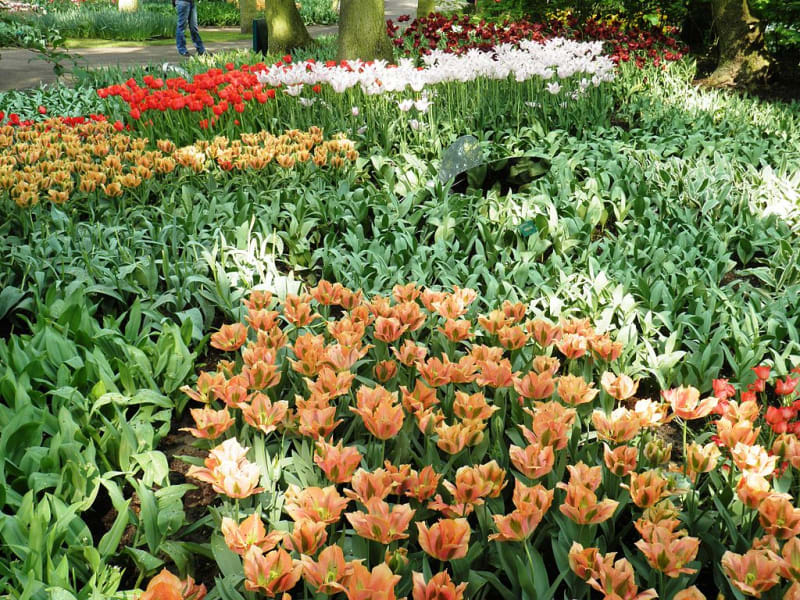
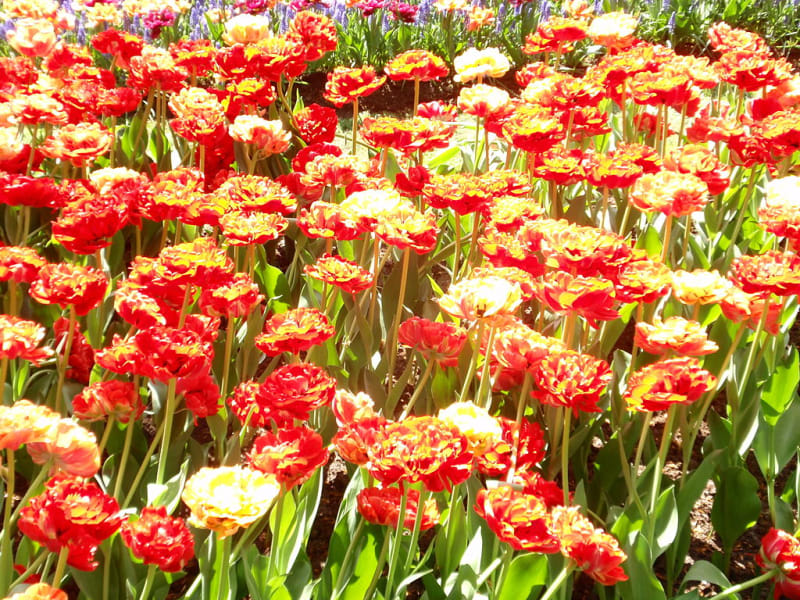
Keukenhof is a famous flower park in the Netherlands, located near the town of Lisse in the heart of the country's bulb-growing region. Every spring, its grounds become an enormous garden where millions of tulips, daffodils, hyacinths and other spring flowers bloom among trees, ponds and winding paths. Thanks to its wide range of colours and carefully designed displays, Keukenhof is considered one of the world's best-known flower parks.
History of Keukenhof
The history of the area dates back to the 15th century, when the local land was used for hunting and gathering herbs, fruit and vegetables for the kitchen of Teylingen Castle. The name Keukenhof is commonly translated as “kitchen garden.” A country estate was built here in 1641 and later developed into a manor with a castle. In 1857, landscape architects Jan David Zocher and his son Louis Paul Zocher redesigned the gardens in the English landscape style.
The modern history of the park began in 1949, when a group of flower-bulb growers and exporters proposed an exhibition of spring-flowering plants. The grounds of the Keukenhof estate were chosen for the project. The park first opened to the public in 1950 and quickly became popular. Over time, it developed into both a major tourist attraction and an international showcase for Dutch floriculture.
Flower gardens and plants
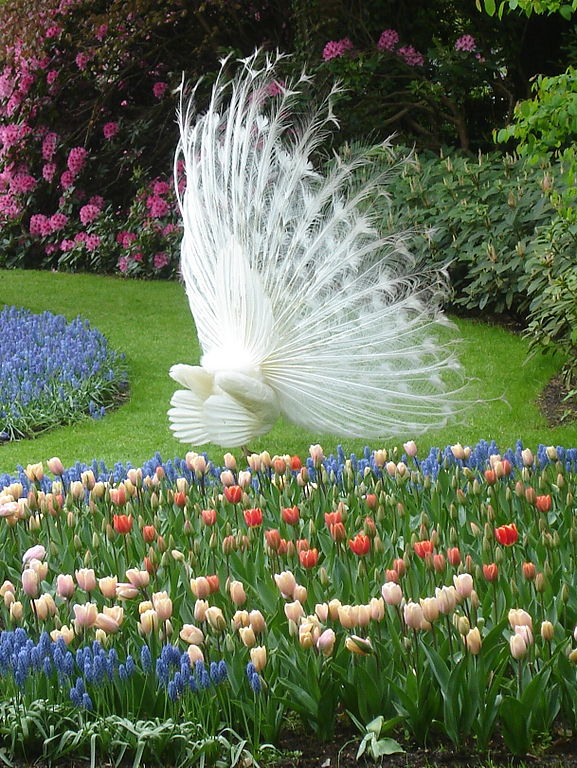
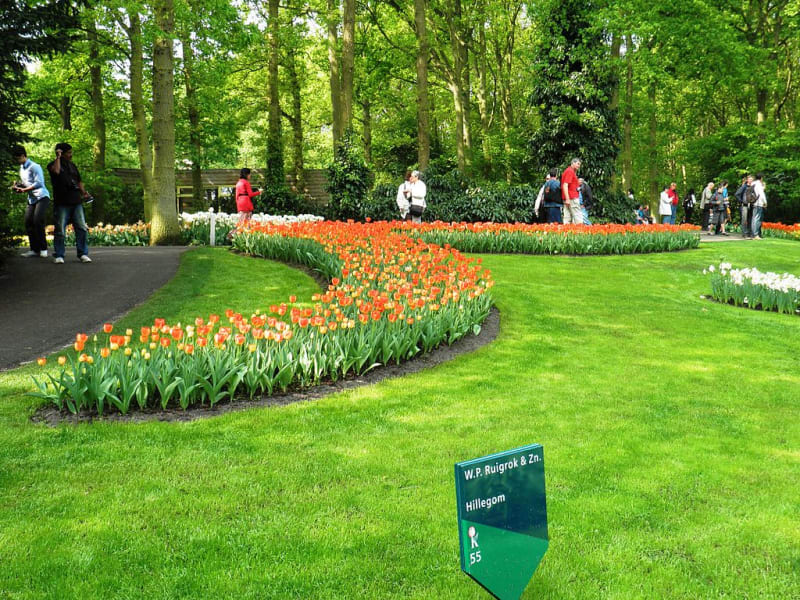
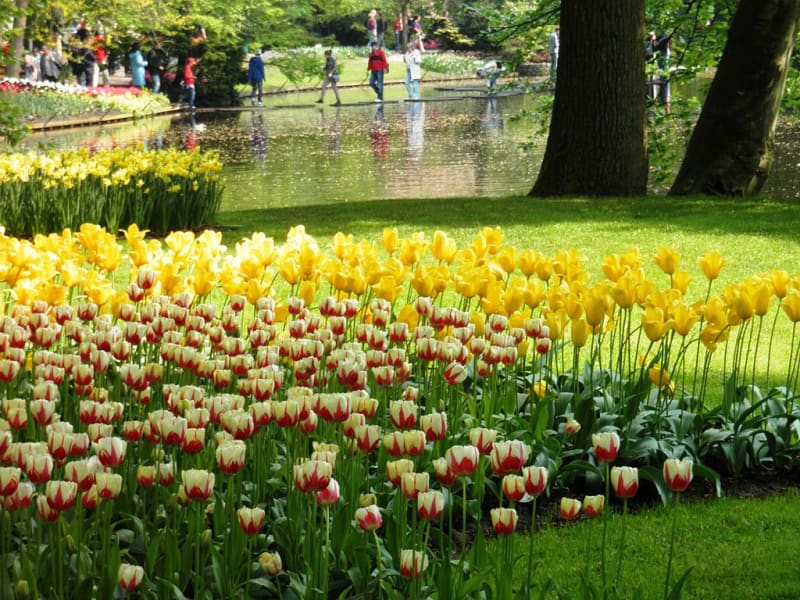
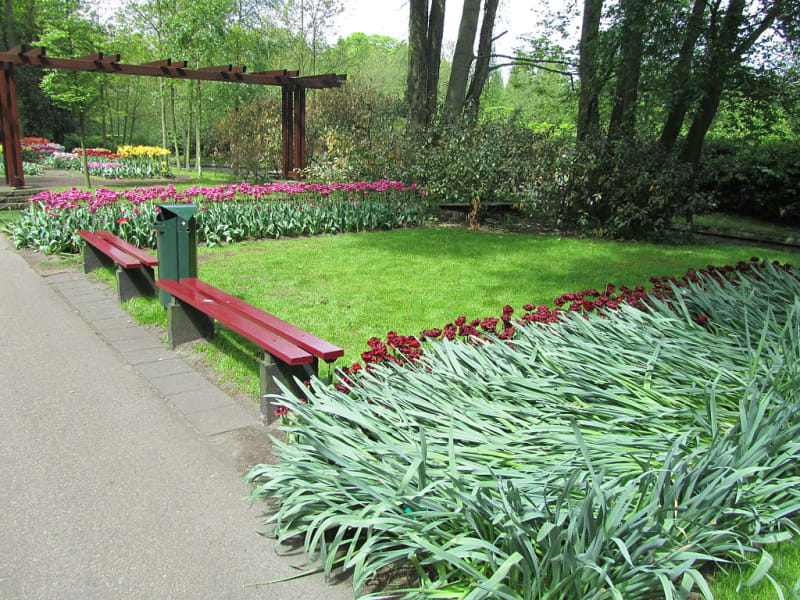
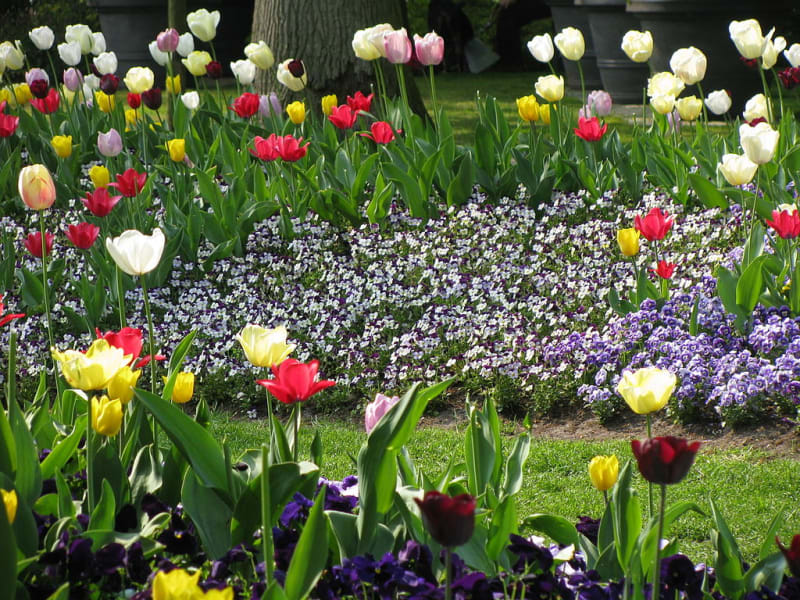
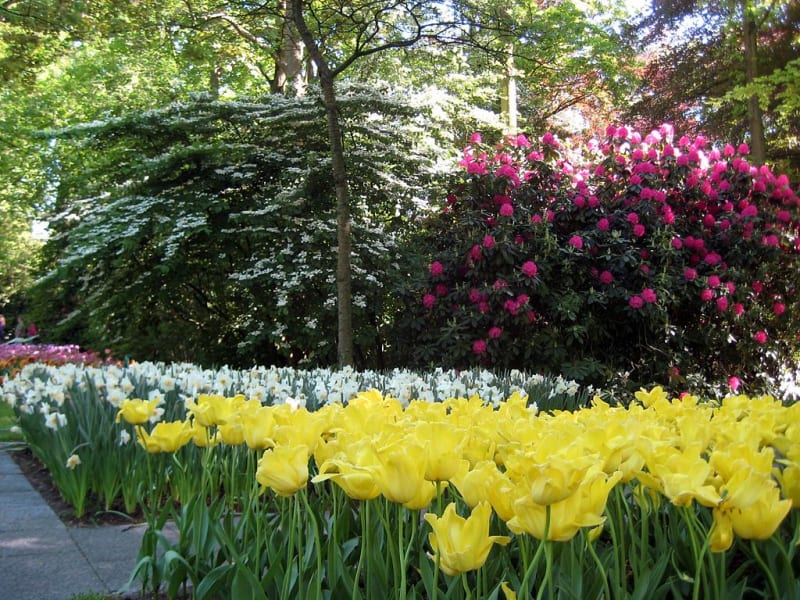
The park covers around 32 hectares of exhibition grounds. Each year, gardeners plant approximately seven million flower bulbs here. The collection includes hundreds of tulip varieties, differing in petal shape, stem height and colour. Daffodils, hyacinths, crocuses, grape hyacinths and other spring plants grow alongside them. The displays change every year, so even returning visitors can discover something new.
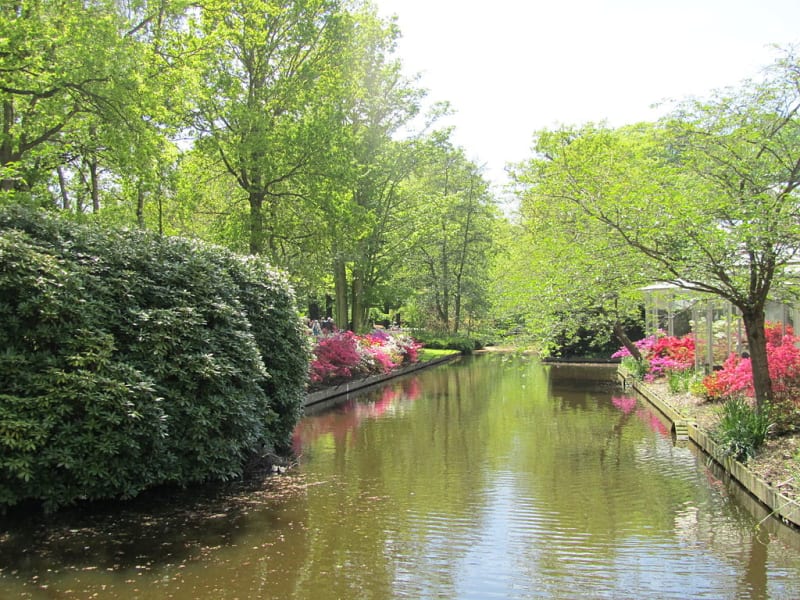
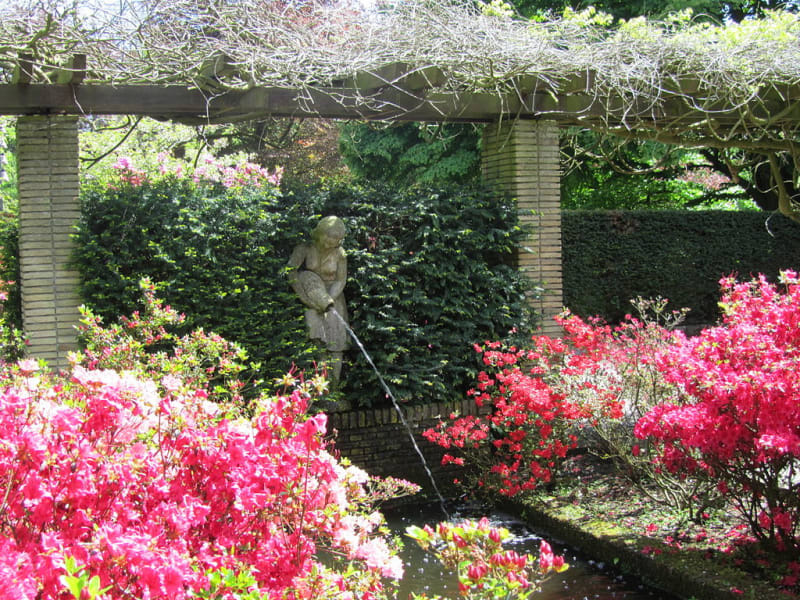
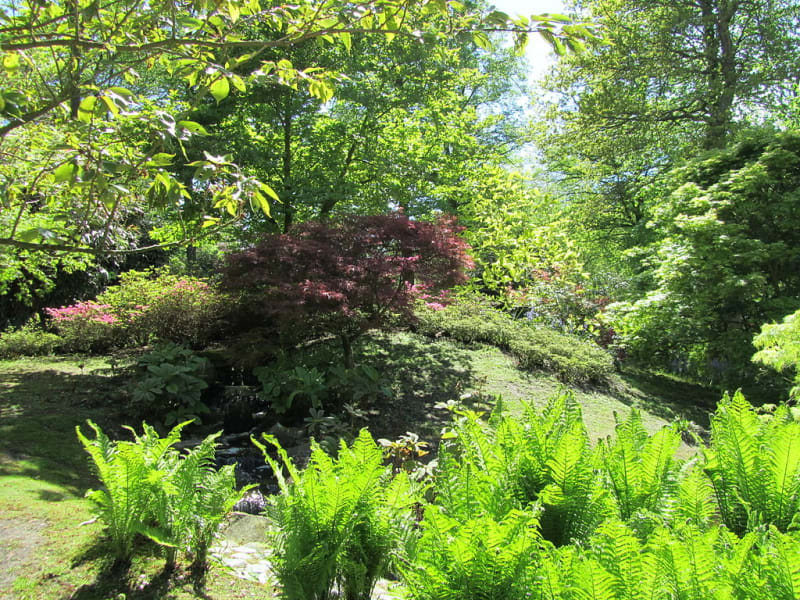
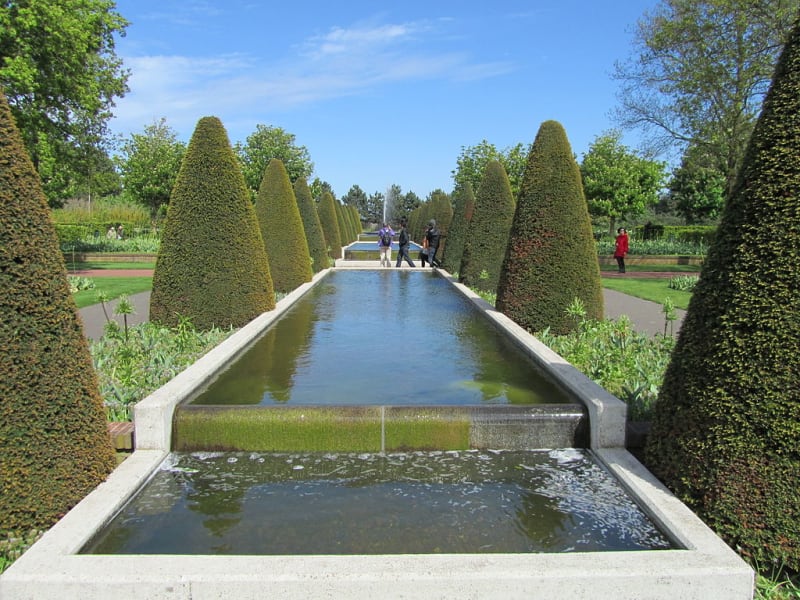
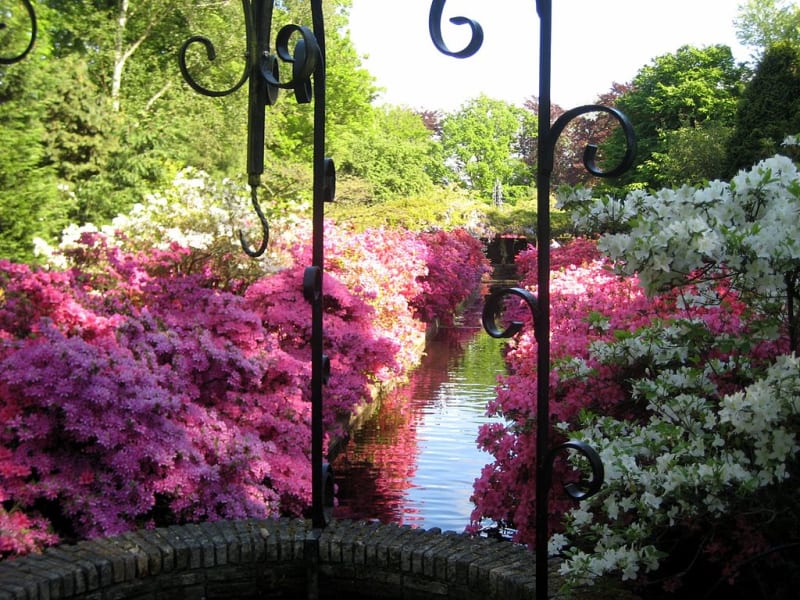
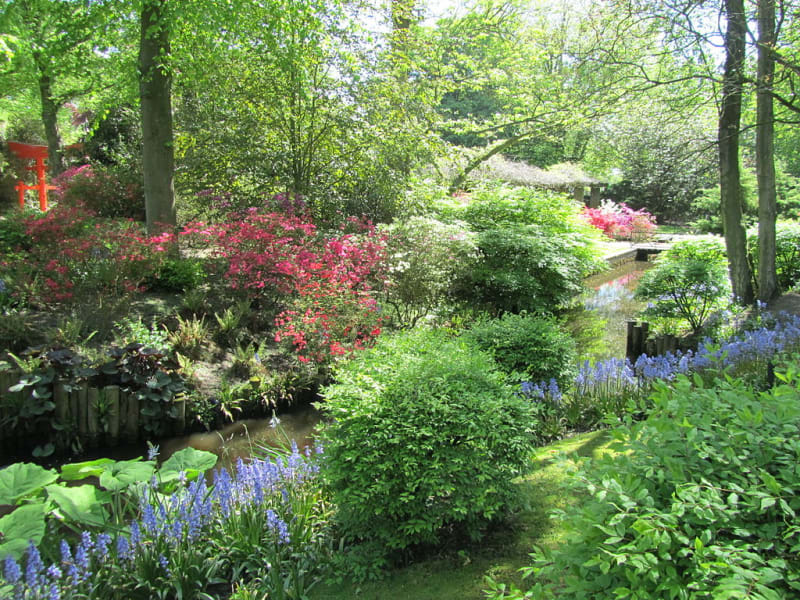
Keukenhof is more than a collection of traditional flowerbeds. Its grounds feature gardens in different styles, shaded avenues, mature trees, small bridges, fountains and ponds. Flower exhibitions devoted to different plants and floral arrangements take place in dedicated pavilions. The combination of outdoor gardens and indoor displays offers an introduction to ornamental flowers and contemporary landscape design.
The windmill and surrounding area
One of Keukenhof's most recognisable landmarks is a traditional Dutch windmill. From the area around it, visitors can enjoy views of part of the park and the surrounding flower fields. Beyond the exhibition grounds lies the Bollenstreek region, known for its flower-bulb farms. In spring, nearby fields may form vivid bands of colour, although their appearance and flowering times depend on the weather and the stage of the season.
Visitors should distinguish between the park itself and the agricultural fields around it. Keukenhof is designed for walks through landscaped gardens, while nearby plantations may belong to private farms. Do not enter them without permission.
When to visit
Keukenhof operates seasonally, usually for around eight weeks in spring. Opening dates change each year because the park follows the natural flowering cycle. Early in the season, visitors are more likely to see early varieties of crocuses, daffodils and hyacinths; many tulip varieties bloom later. Temperature, rainfall and other weather conditions affect flowering, so the exact peak cannot be guaranteed in advance.
Weekdays and early mornings are generally good choices for a quieter visit. Allow several hours to explore the paths, visit the pavilions and take photographs at a relaxed pace. The park is very popular in spring, so it is sensible to plan tickets and parking in advance through the official website.
How to get to Keukenhof
The park is located at Stationsweg 166A in Lisse, the Netherlands. During the flowering season, special bus services connect it with several cities and transport hubs. Visitors can also drive, purchasing a parking ticket in advance if required for their chosen date. Before travelling, check the latest timetables, visitor rules and ticket availability on the official website.
Why visit Keukenhof
Keukenhof is ideal for flower lovers, photographers, garden enthusiasts and anyone who enjoys peaceful walks outdoors. Visitors can admire impressive floral displays, learn about Dutch horticultural traditions and spend a day surrounded by spring scenery. As a seasonal attraction, the experience depends partly on the date of the visit, but the changing blooms are what make each season distinctive.
Gallery