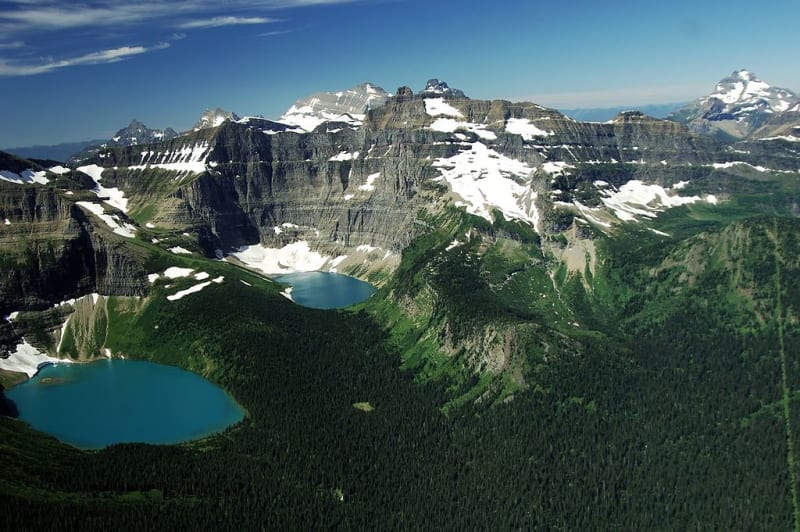

Waterton Lakes National Park lies in southwestern Alberta, Canada, near the border with the U.S. state of Montana. Here, the Rocky Mountains meet open prairie with little transition, while deep lakes, waterfalls, flower-filled meadows and coniferous forests create a remarkable variety of scenery. The park covers approximately 505 square kilometres.
Waterton Lakes is one of the most distinctive natural areas in the Canadian Rockies. Mountain peaks, alpine terrain, forests and prairie ecosystems occur close together. A protected reserve was established here in 1895 and later became a national park. Today, visitors come for hiking, wildlife watching, photography and quiet outdoor experiences.
Waterton-Glacier International Peace Park
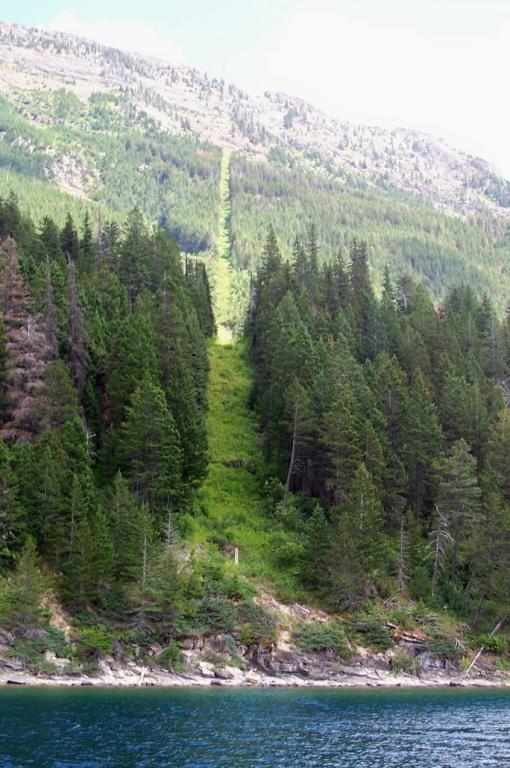
In 1932, Waterton Lakes National Park in Canada was joined with Glacier National Park in Montana, United States, to form Waterton-Glacier International Peace Park. It was the world's first international peace park, created as a symbol of friendship and cooperation between two countries.
In 1995, the combined area was designated a UNESCO World Heritage Site. Its recognition reflects exceptional mountain scenery, glacial landforms and rich wildlife and plant life. The Canadian and American sections retain their own visitor rules, facilities and management systems.
Upper Waterton Lake
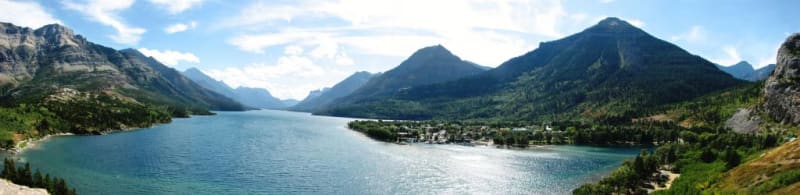
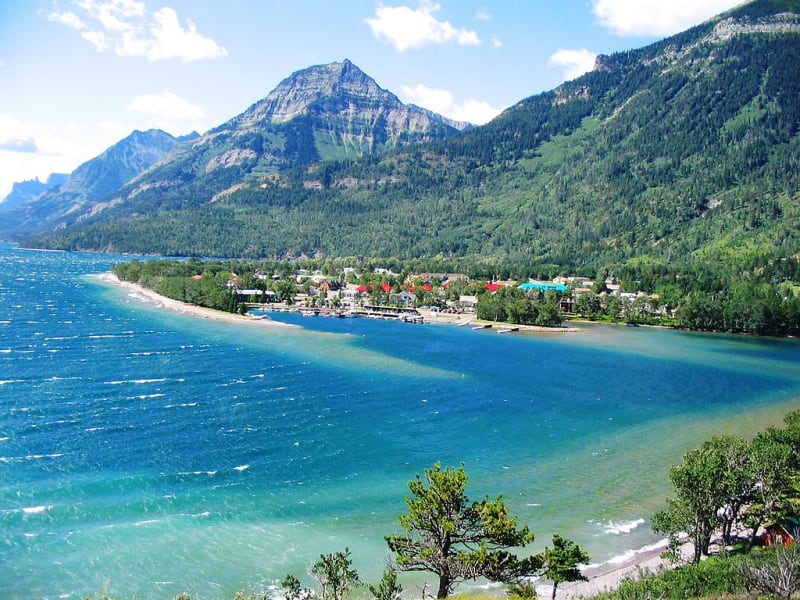
Upper Waterton Lake is one of the park's main natural attractions. It stretches between steep mountain slopes and is known for its cold, clear water. With a maximum depth of about 148 metres, it is the deepest lake in the Canadian Rockies.
The lakeshore is ideal for walking and photography, while boat tours offer striking views of the surrounding peaks. Tours operate during the visitor season. Because the lake crosses the international border, trips into the American section require compliance with border regulations.
Cameron Lake
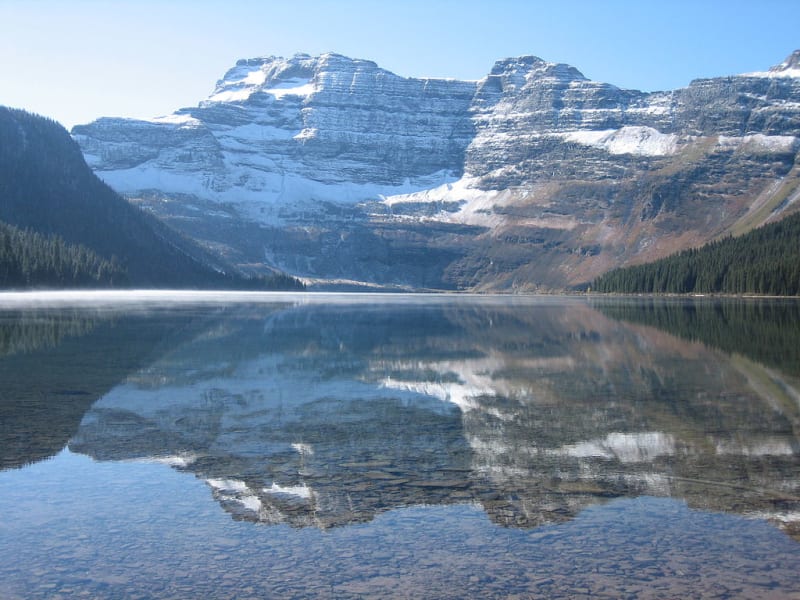
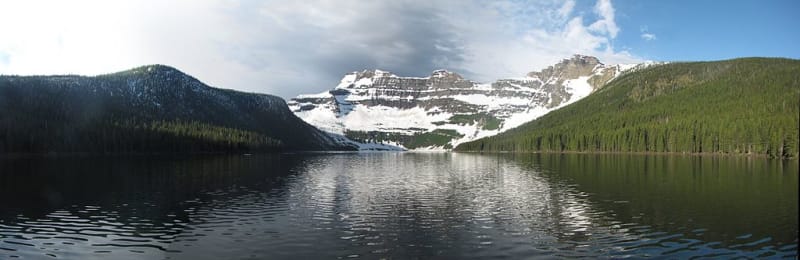
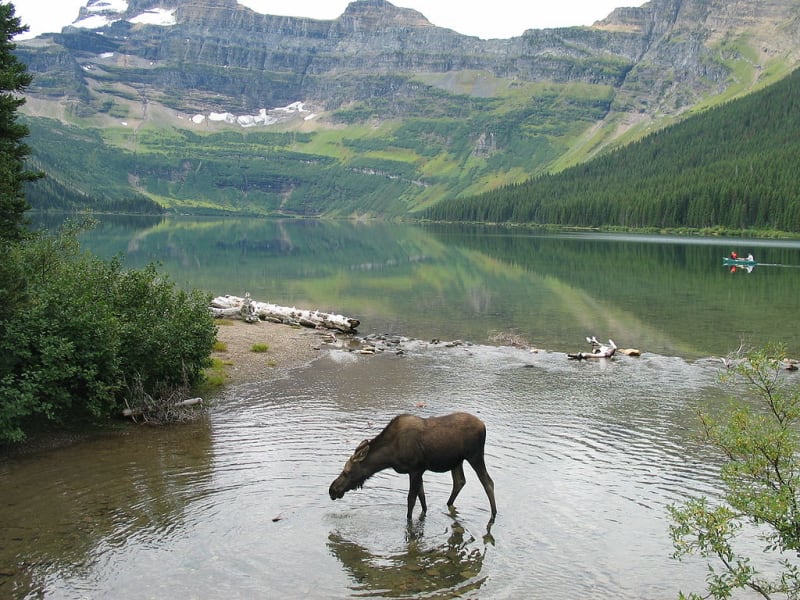
Cameron Lake lies in the mountainous part of the park, surrounded by forested slopes and high peaks. It sits at the end of a scenic road that is itself a memorable part of a visit to Waterton Lakes.
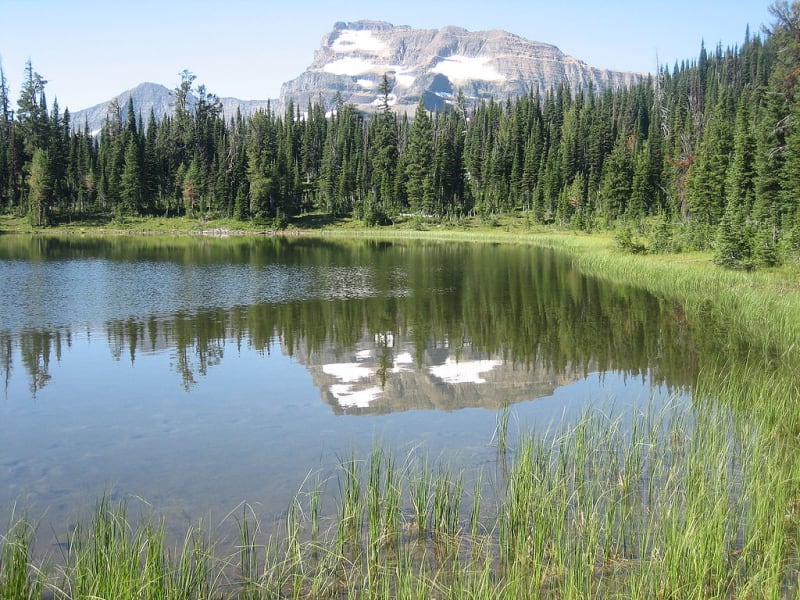
On clear days, the surrounding mountains are reflected in the water. Visitors can take a short walk along the shore or stop for photographs. In cool or rainy weather, mist and low clouds often settle over the lake. Conditions can change quickly, so warm clothing and a rain jacket are useful even in summer.
Red Rock Canyon
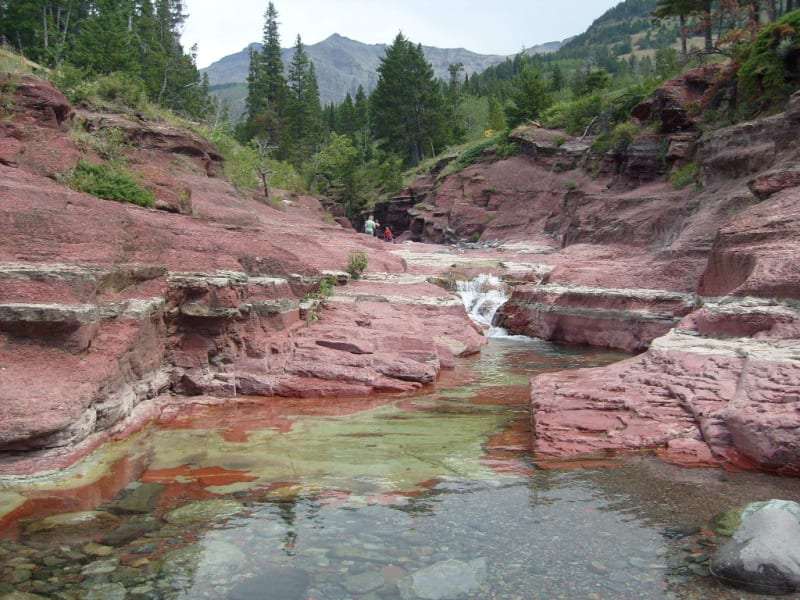
Red Rock Canyon is known for its reddish rock formations, which stand out against the greenery and mountain slopes. Their colour comes from the geological composition of the rock. A small stream runs through the canyon, and short walking routes allow visitors to view its unusual formations from different angles.
This is an accessible place to explore the park's geology without taking a long hike. Trails may be wet or slippery depending on the season, so wear footwear with good grip and stay on designated paths.
Bear's Hump viewpoint
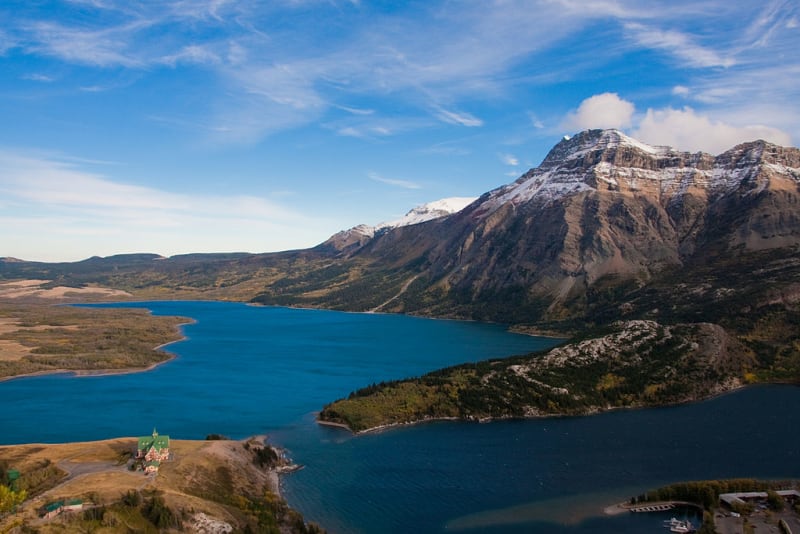
Bear's Hump is a popular short but steep trail leading to a viewpoint above the Waterton community and lake. The climb gains about 225 metres over approximately 1.4 kilometres. Although relatively short, the trail is strenuous because of the elevation gain.
From the top, visitors can enjoy panoramic views of the lake, surrounding mountains and valley. It is one of the best places to photograph the townsite from above. Choose dry conditions when possible, wear suitable footwear and bring water.
Prince of Wales Hotel
The Prince of Wales Hotel is one of the park's most recognisable architectural landmarks. The building stands on a bluff overlooking the lake and Waterton community, with broad views of the mountains and water. It opened in 1927 and became an important part of the area's tourism history.
Even if you are not staying overnight, the hotel is worth visiting for its architecture and panoramic setting. Its elevated position and historic atmosphere make it a popular stop for visitors exploring the park.
Waterfalls and hiking trails
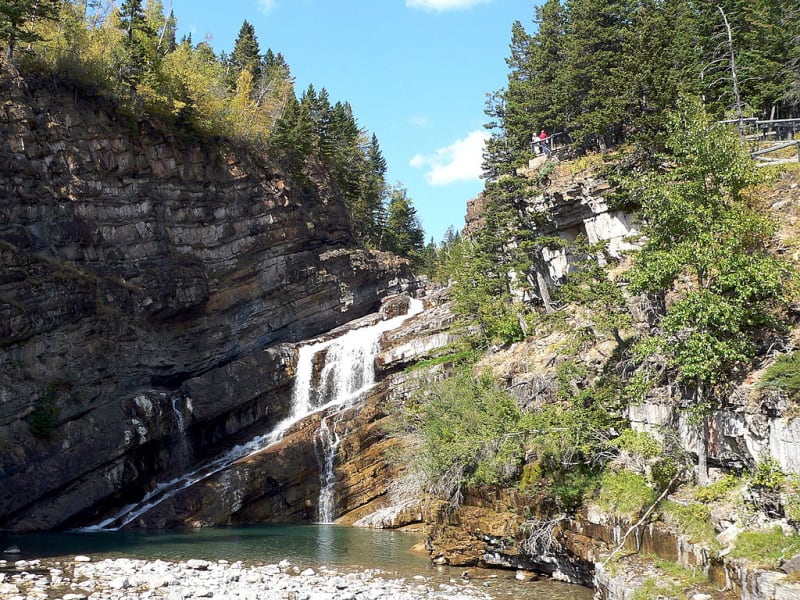
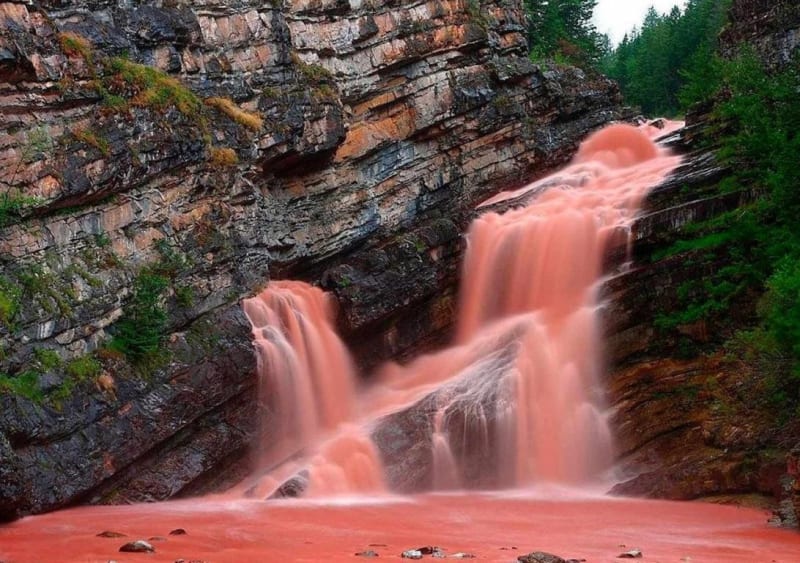
Waterton Lakes has trails of varying difficulty, from short walks near the community to longer hikes into mountain valleys. Cameron Falls, located close to the centre of Waterton, is a popular attraction that can be visited without a long hike.
Longer routes lead to lakes, viewpoints and remote valleys. Well-known destinations include Crypt Lake and Rowe Lake. Trails may close because of weather, trail conditions, avalanche danger or wildlife activity. Check current Parks Canada information before setting out.
Plants and wildlife
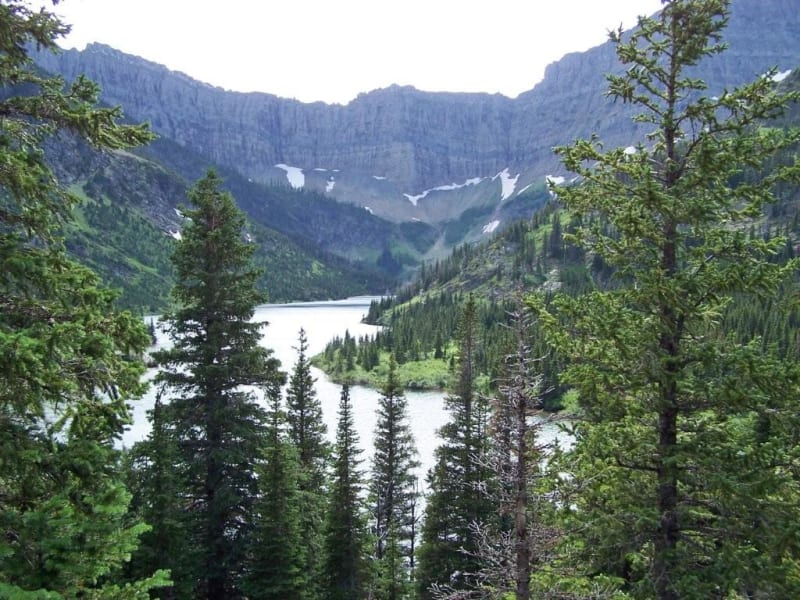
The park's defining natural feature is its exceptional range of ecosystems. Prairie, mountain forest, subalpine and alpine environments occur within a relatively small area. The park supports hundreds of bird species, dozens of mammal species, and many fish, amphibians and invertebrates.
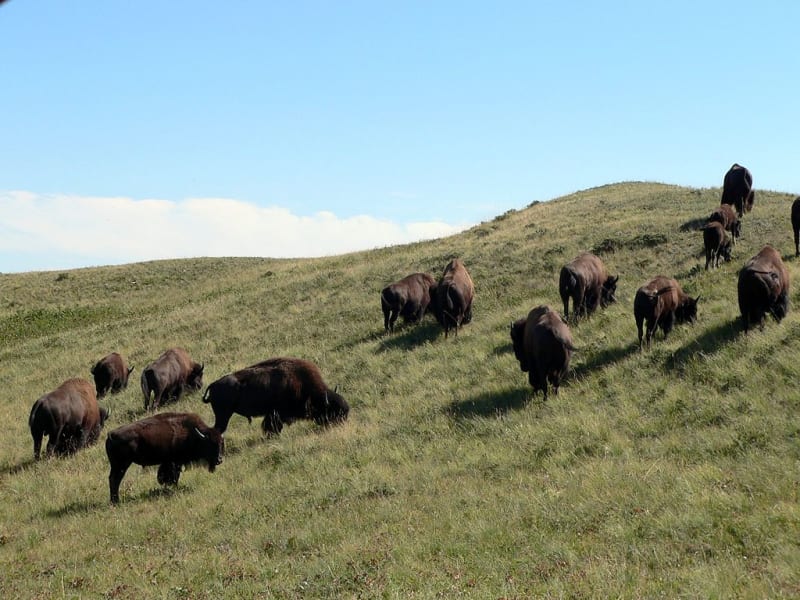
Large animals include elk, deer, mountain goats, bighorn sheep, black bears and grizzly bears. Plains bison can be seen in some areas. In spring and summer, wildflowers brighten the mountain meadows. Watch wildlife from a safe distance, never feed animals and do not leave food unattended.
Best time to visit
Summer is the most popular season, particularly July and August. Many hiking trails, tours and visitor services are generally available during this period. Summer is well suited to lakeside walks and scenic drives, although rain and strong winds can occur even on warm days.
Spring and autumn are quieter, but some roads, facilities and trails may be closed because of snow or weather conditions. The park remains open in winter, but visitors need to prepare for snow, ice and shorter daylight hours.
How to get to Waterton Lakes
The park is in southwestern Alberta. Calgary and Lethbridge are the nearest major transport hubs, from which visitors can continue by car. Driving from Calgary usually takes several hours, crossing the plains of southern Alberta before reaching the Rocky Mountains.
A car is especially useful for visiting Cameron Lake, Red Rock Canyon and remote trailheads. Waterton Park village offers hotels, restaurants, shops and visitor services. Accommodation should be booked in advance during the busy summer season.
Travel tips
Before travelling, check road and trail conditions, weather forecasts and any restrictions. Bring water, snacks, sun protection, waterproof clothing and warm layers. Mountain temperatures can change quickly even in midsummer.
Keep your distance from wildlife, follow food-storage rules and pack out all rubbish. Recreational drone flights are prohibited in the national park. If you plan to cross into the United States or travel by boat towards the American side of the lake, check document requirements and border procedures in advance.
Waterton Lakes National Park combines mountain peaks, prairie, clear lakes and red rock formations in a relatively compact area. Its hiking trails, rich wildlife and international designation make it an excellent destination for discovering a distinctive side of the Canadian Rockies.
Gallery