Lake Manyara National Park lies in northern Tanzania, at the foot of the dramatic escarpment of the Great Rift Valley. It is known for its scenic landscapes, varied habitats, abundant birdlife and lions that sometimes rest in tree branches. Despite its relatively compact size, the park brings together a lake, tropical forests, savanna, wetlands and hot springs.
Lake Manyara and the Great Rift Valley
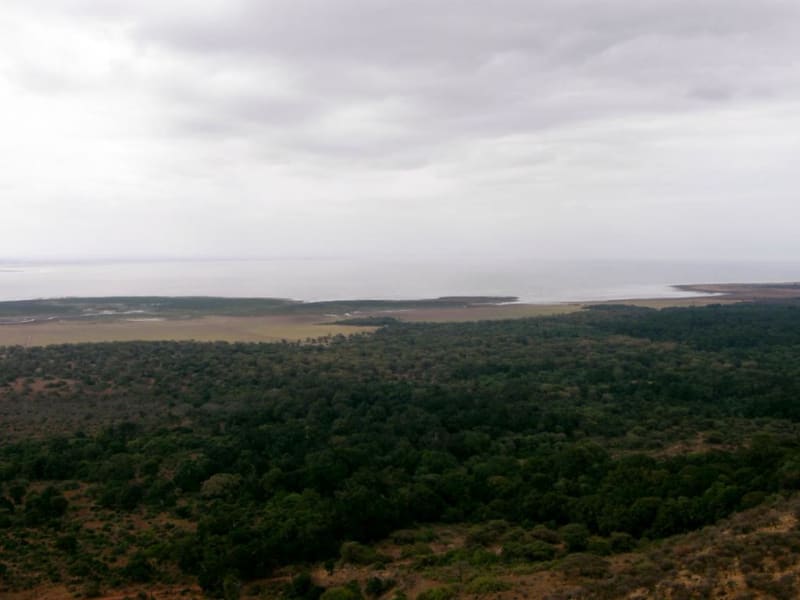
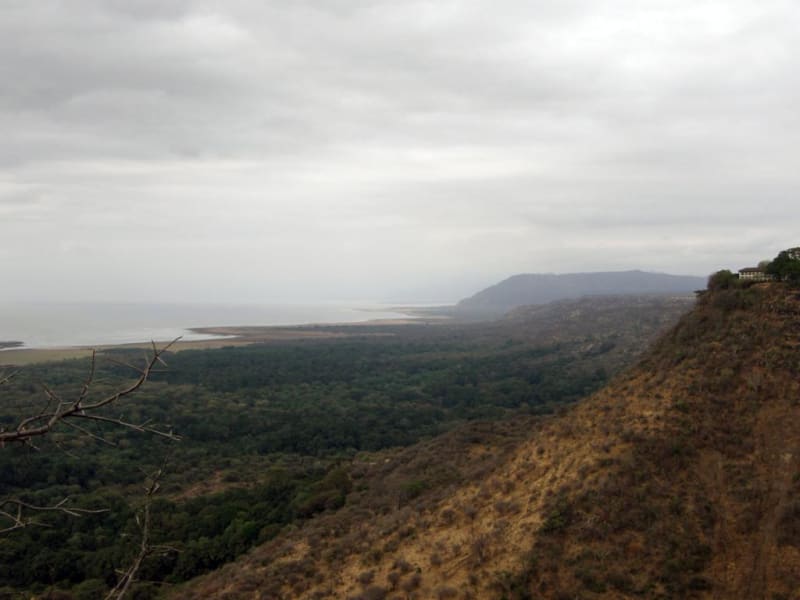
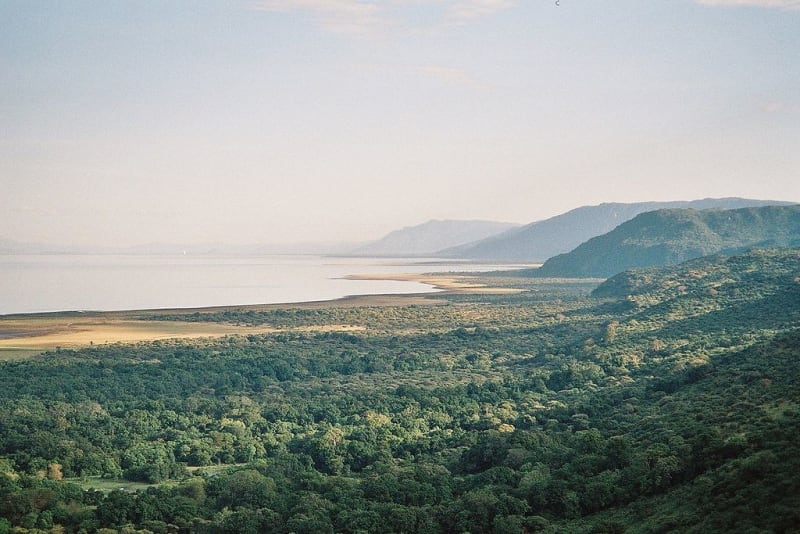
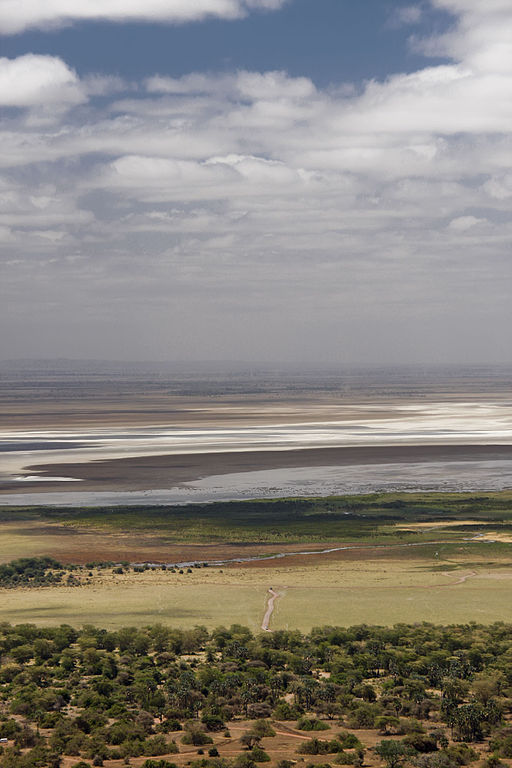
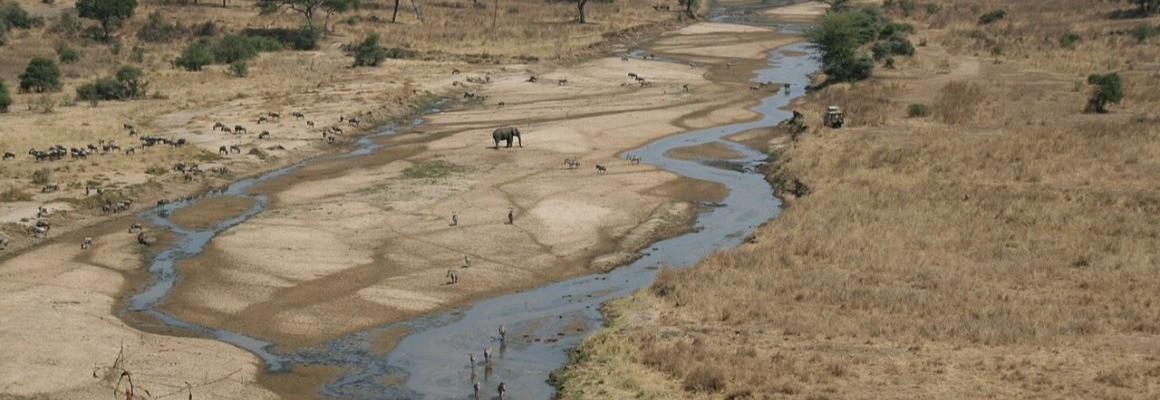
The park's main natural feature is shallow, saline Lake Manyara. Its water level and surface area change with the seasons and rainfall. Mineral-rich water, muddy shores and wetlands create favorable conditions for waterbirds. Behind the lake rises the steep escarpment of the Great Rift Valley, giving the landscape a striking profile and providing views across the surrounding plains.
Wildlife of the National Park
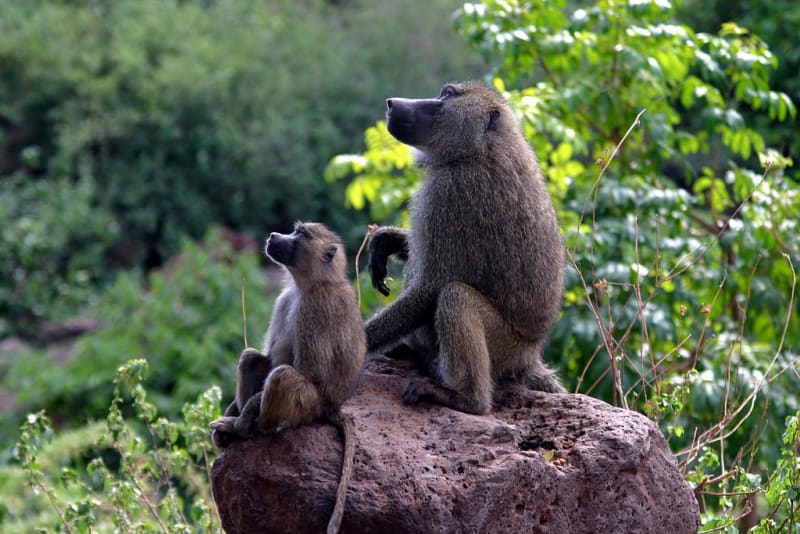
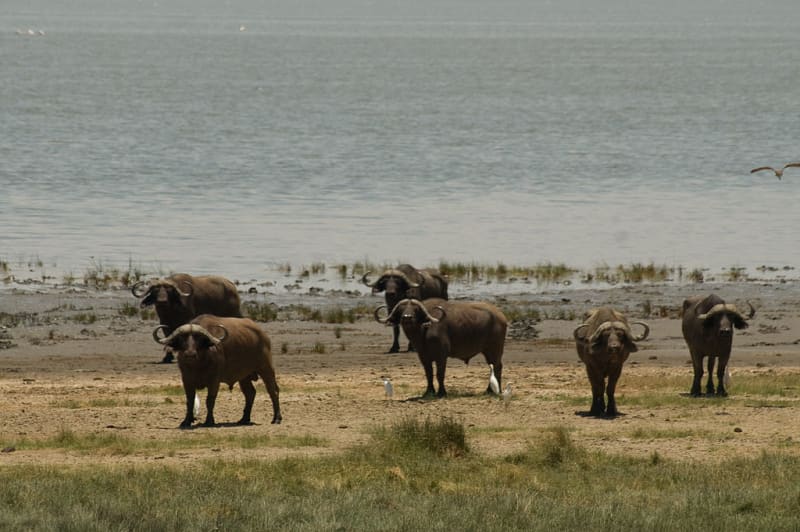
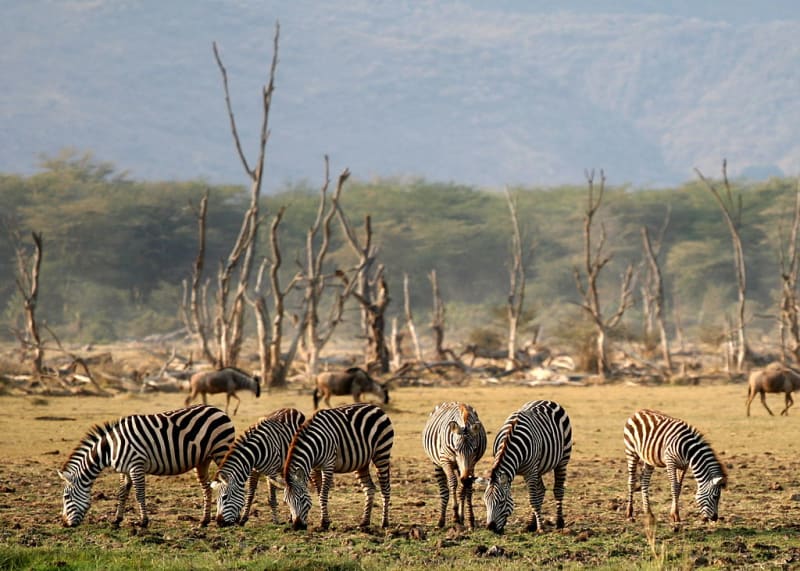
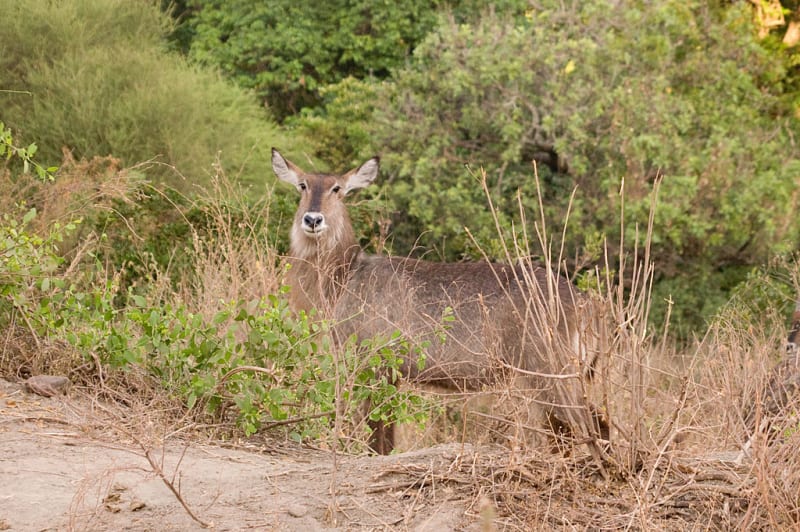
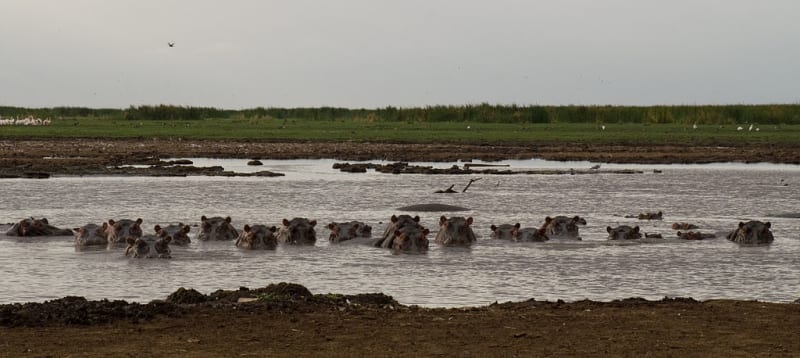
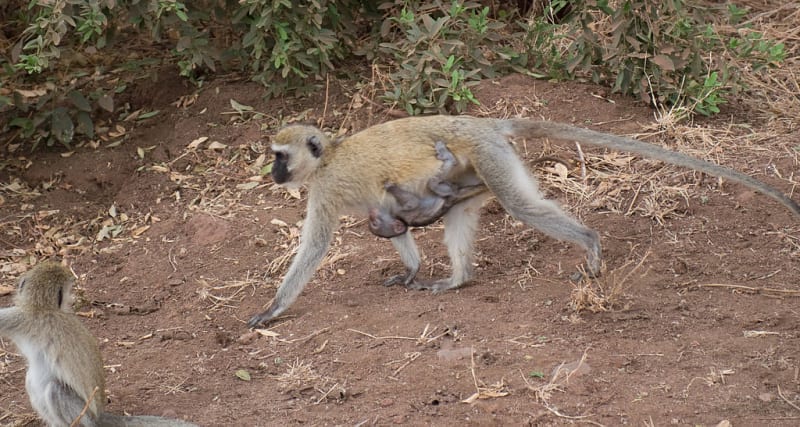
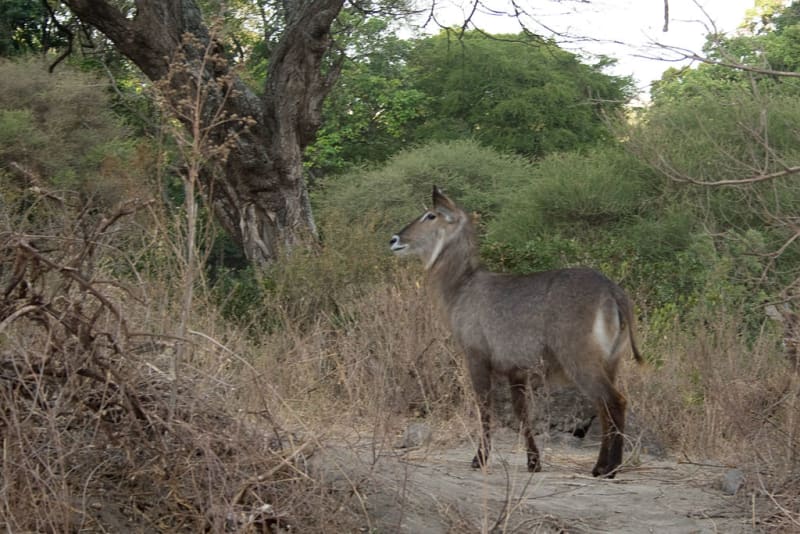
Manyara is particularly famous for lions that climb trees. This behavior is not displayed by every lion and cannot be guaranteed on every visit, but the chance of seeing a large cat resting on a branch makes a safari here distinctive. Elephants, buffaloes, giraffes, zebras, antelopes and baboons also inhabit the forests and open areas. Hippos can be observed near water, while blue monkeys and many forest birds live beneath the shade of the trees.
Flamingos and Birdlife
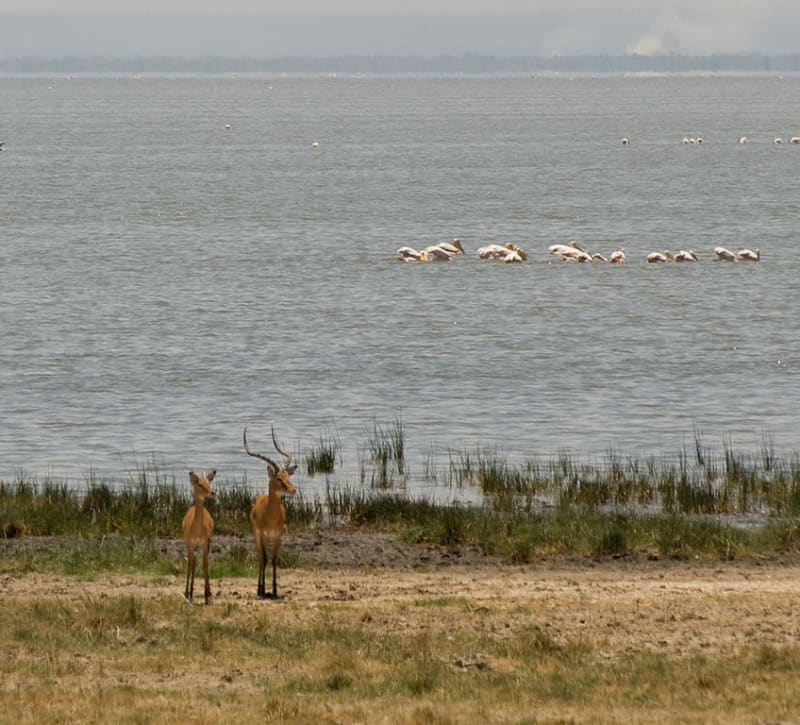
Lake Manyara is an important feeding and habitat area for waterbirds. In suitable seasons, large groups of flamingos gather in the shallows, adding pink hues to the shoreline. Pelicans, herons, storks, fish eagles and many other species can also be found here. The mix of forests, wetlands and open lake margins attracts both resident and migratory birds, making the park a rewarding destination for birdwatching.
Forests, Savanna and Hot Springs
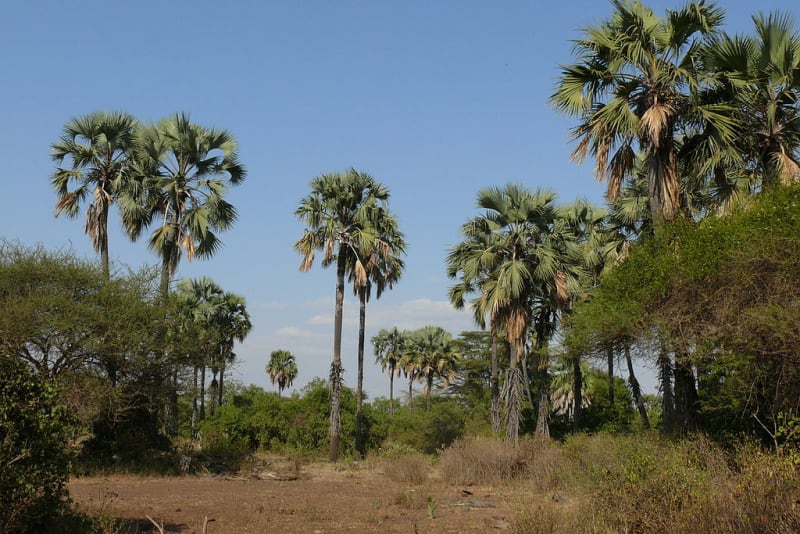
The northern part of the park contains evergreen groundwater forest sustained by perennial freshwater springs. Primates and forest birds find shelter beneath the tall trees. Farther on, the scenery changes to acacia woodland, open plains and marshes. Hot springs known as Maji Moto occur in parts of the lakeshore and are associated with the region's geothermal activity. This variety of environments makes it possible to experience several ecosystems during a single visit.
Things to Do in the Park
A guided vehicle safari is the main way to explore the national park. Visitors can watch large mammals, look for lions in trees and stop at scenic viewpoints along the lake. Birdwatchers will find the shoreline and wetlands especially interesting. The park also has a treetop walkway with suspension bridges and viewing platforms, offering a different perspective on the forest canopy. Access to particular activities depends on current park rules and operating conditions.
How to Get to the National Park
Lake Manyara is part of Tanzania's popular northern safari circuit. The main entrance can be reached by road from Arusha, usually in around two to two and a half hours when road conditions are favorable. The nearby settlements of Mto wa Mbu and Karatu are also useful bases, with accommodation options available. Many travelers combine the park with visits to the Ngorongoro Crater and Serengeti National Park.
Best Time to Visit
The national park welcomes visitors throughout the year, although conditions vary by season. During dry months, wildlife may gather around available water sources, and travel along park roads can be easier. In the rainy season, vegetation becomes especially green, but some areas may be harder to reach. Flamingo numbers and the presence of other waterbirds change with water levels and food availability, so large flocks cannot be guaranteed on a particular date.
Conservation and Visitor Guidelines
Lake Manyara is part of a biosphere reserve recognized by UNESCO under its Man and the Biosphere Programme in 1981. Protecting the lake, forests and wetlands is important for conserving the region's biodiversity. Visitors should remain on permitted routes, never feed wildlife, avoid littering and follow the instructions of guides or rangers. Do not approach elephants, hippos or large predators for photographs. Responsible behavior helps preserve this distinctive part of Africa's natural heritage.
Gallery