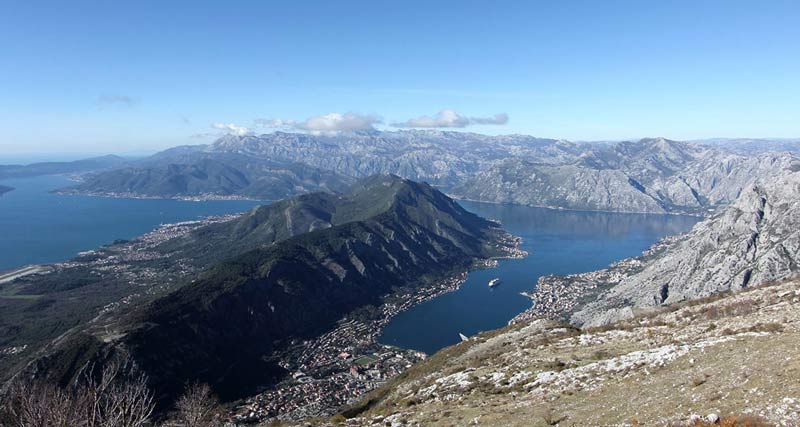
Lovćen National Park lies in southwestern Montenegro, within the Lovćen mountain massif overlooking the Adriatic coast and the Bay of Kotor. It is one of the country's best-known natural destinations, combining forested mountains, rocky peaks and scenic roads with important monuments of Montenegrin history. The park was established in 1952 and covers approximately 62.2 square kilometres.
Mountains and natural landscapes
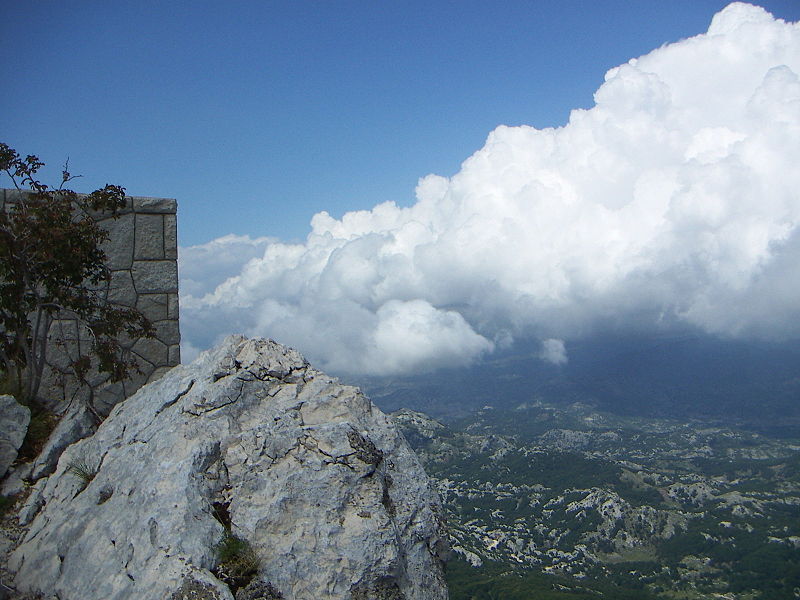
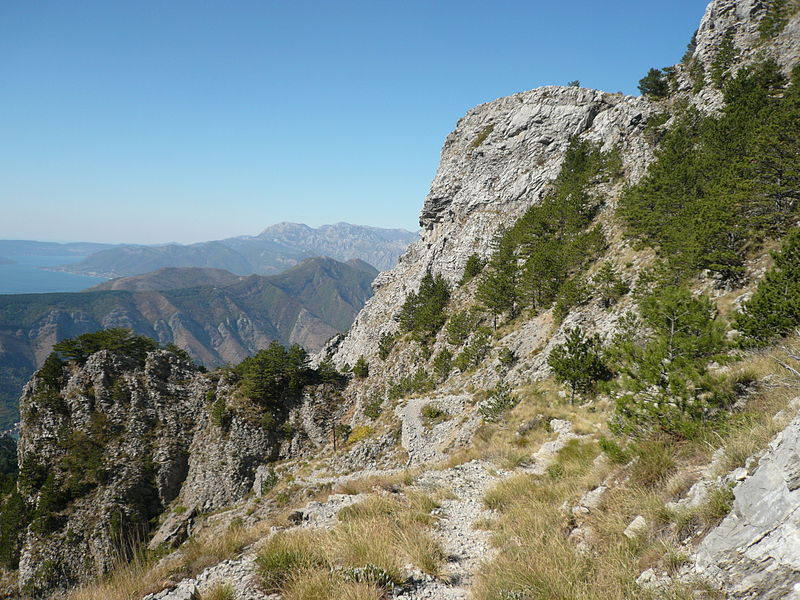
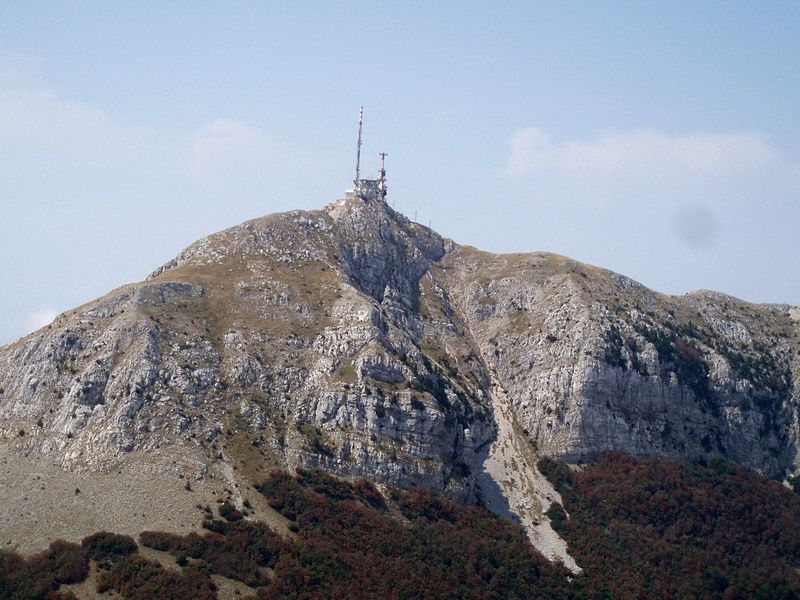
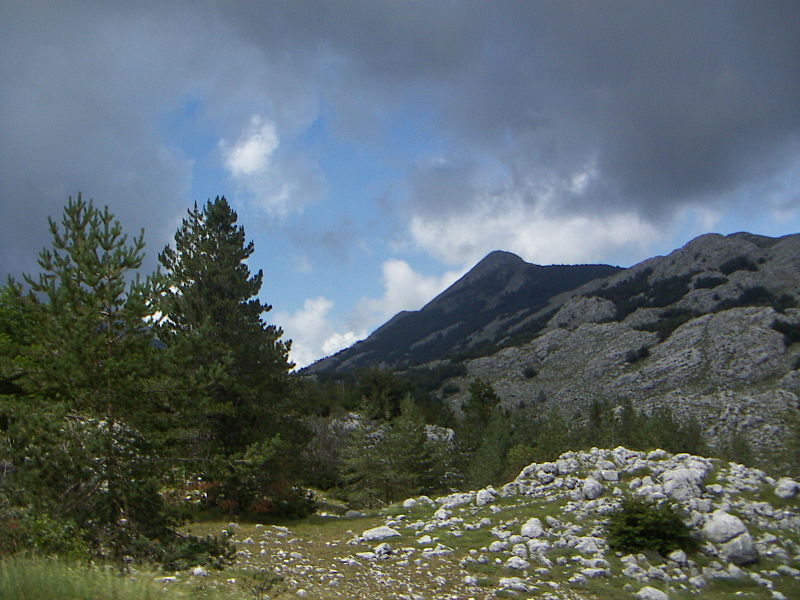
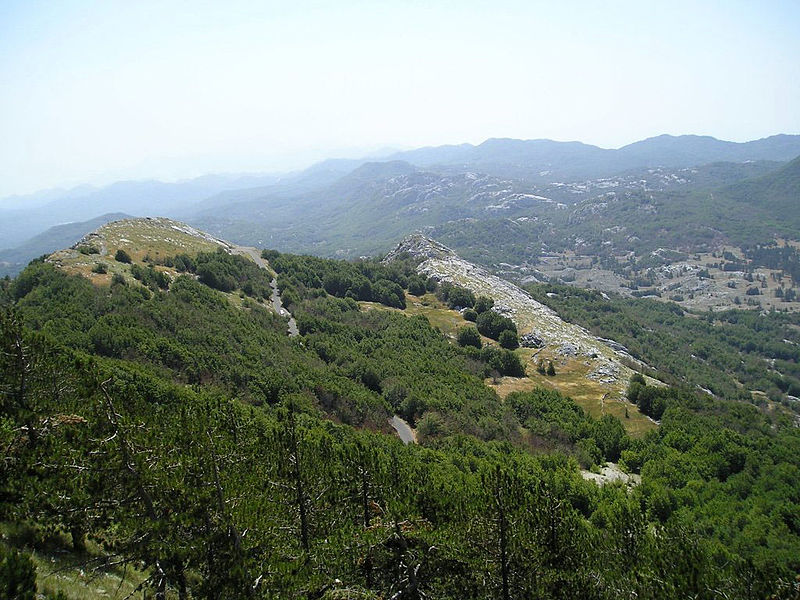
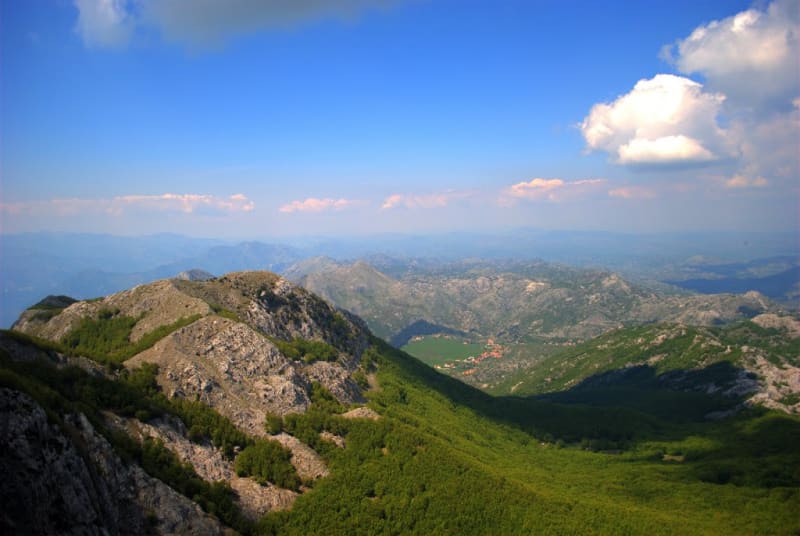
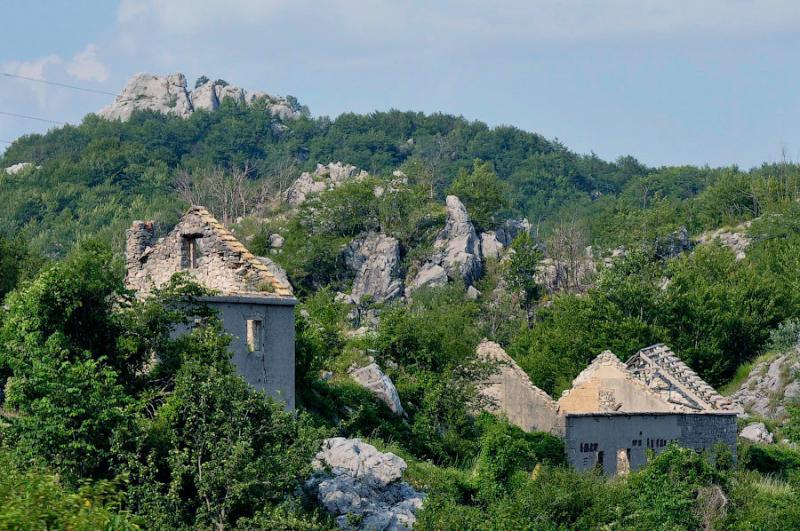
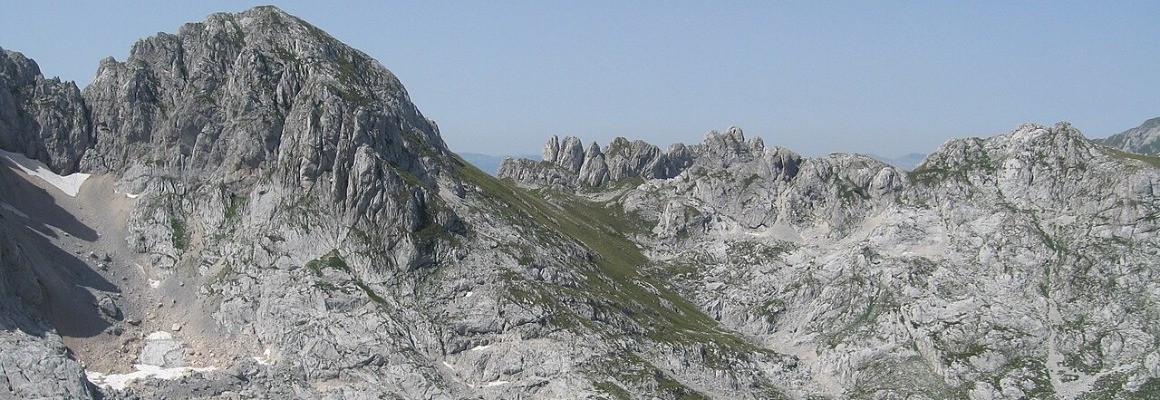
Lovćen forms part of the Dinaric Alps. Its slopes consist mainly of limestone and dolomite, creating characteristic karst features such as fissures, sinkholes, rocky ground and deep depressions. The massif lies between the coast and the country's inland regions, influencing the local climate and the diversity of plant life.
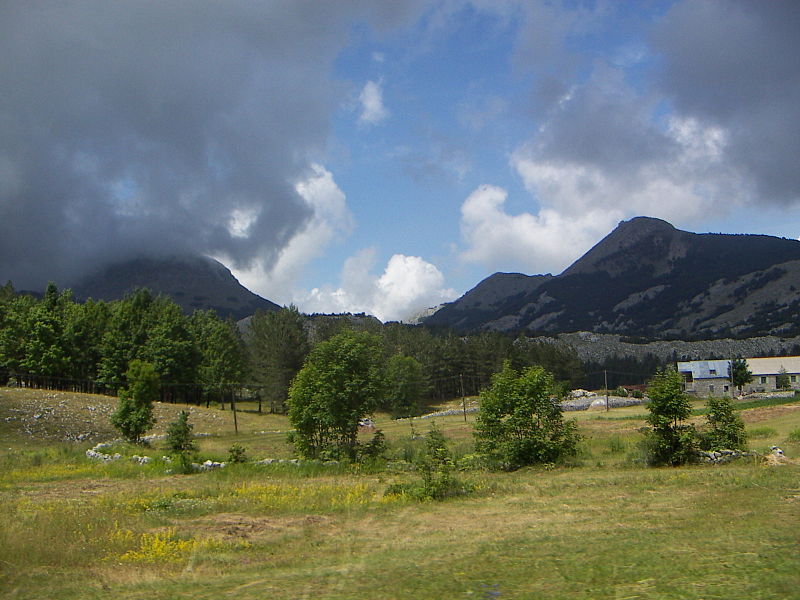
Forests cover much of the park, including beech, pine and other plants typical of the region. Mountain meadows, rocky slopes and small settlements lie between wooded areas. This variety of habitats makes the park appealing to hikers, nature enthusiasts and visitors seeking mountain scenery.
Njegoš Mausoleum
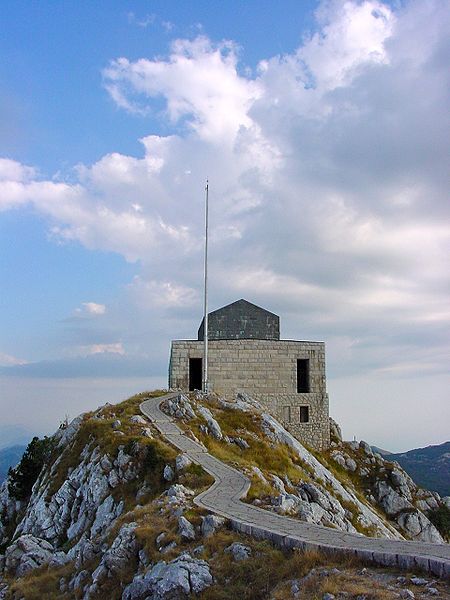
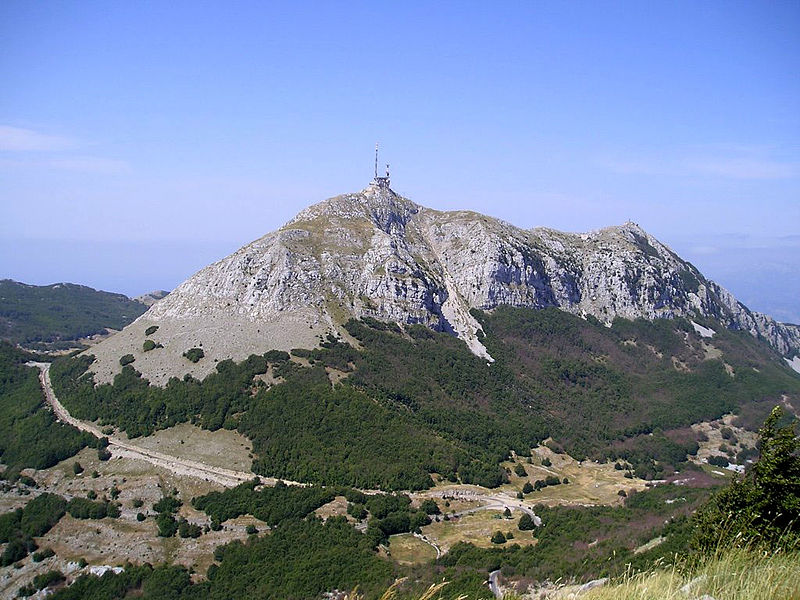
The park's main landmark stands on Jezerski Vrh at an elevation of approximately 1,657 metres. The mausoleum commemorates Petar II Petrović-Njegoš, a Montenegrin ruler, Orthodox bishop and nineteenth-century poet. Njegoš remains one of the central figures in Montenegro's national history and culture.
The monumental mausoleum was designed by sculptor Ivan Meštrović and opened in 1974. Visitors reach it through a passage cut into the mountain and a staircase of 461 steps. Striking black-granite sculptures stand near the entrance, while Njegoš's sarcophagus is housed inside. The viewing terrace around the mausoleum offers expansive views of the mountains, the coast and the Bay of Kotor.
The panoramic road and Njeguši village
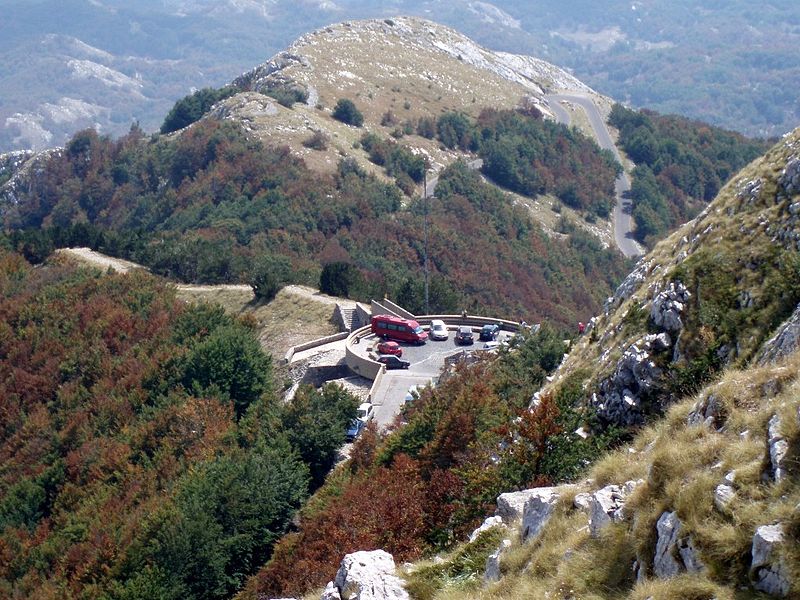
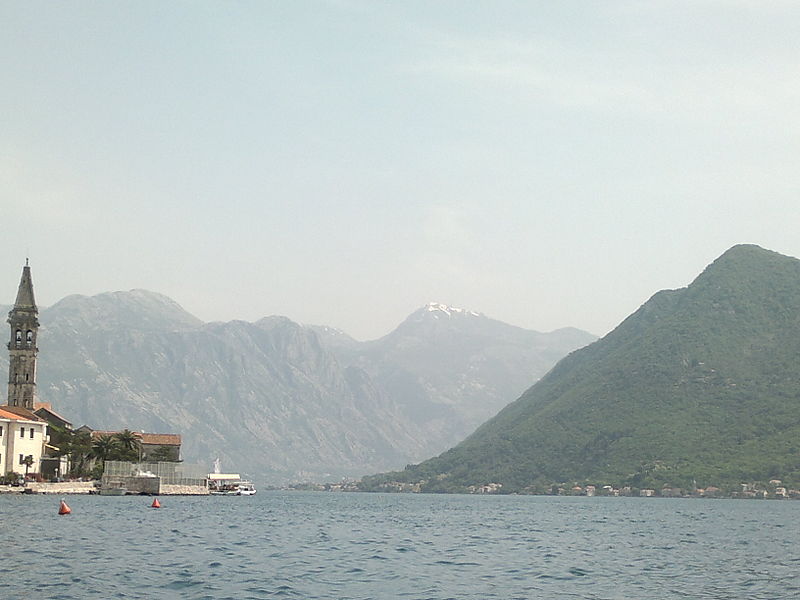
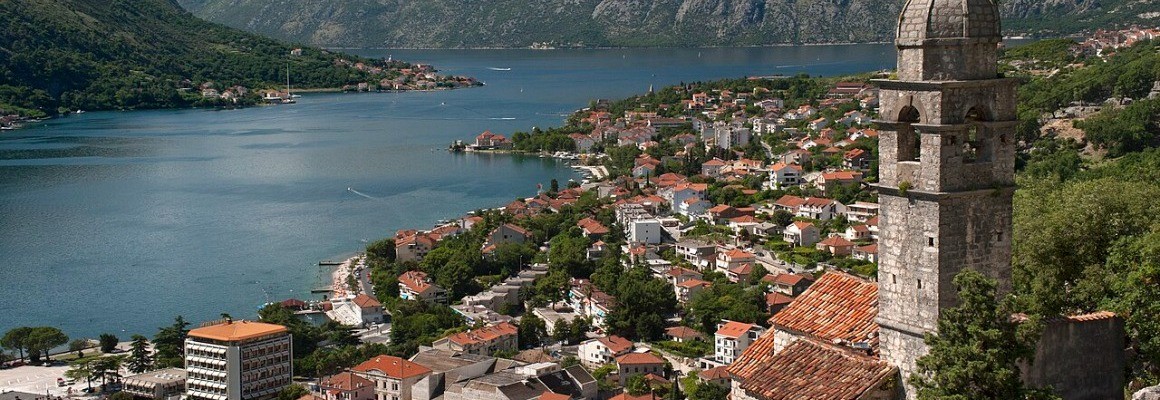
One of the most memorable ways to reach the park is the mountain road from Kotor, which winds through numerous hairpin bends. As the road climbs, views open across the Bay of Kotor, coastal mountains and the Adriatic Sea. The route is narrow and winding, so drivers should take care, particularly on bends and in poor visibility.
A worthwhile stop along the way is Njeguši, known as the birthplace of Petar II Petrović-Njegoš and for traditional Montenegrin food. Visitors can explore local architecture and sample Njeguši pršut, a dry-cured smoked ham, as well as regional cheeses. The trip can also be combined with a visit to the historic town of Cetinje.
Ivanova Korita and walking routes
Ivanova Korita is a popular starting point for exploring Lovćen. This part of the park offers picnic and relaxation areas, walking routes and visitor facilities. Travellers can enjoy time outdoors, go hiking or choose a cycling route. Families may also be interested in the local adventure rope park.
Routes vary in length and difficulty. Before setting out, check the weather, bring suitable footwear and water, and find out about trail and road conditions. In the colder months, snow and ice may occur at higher elevations, and some roads may be restricted.
When to visit Lovćen National Park
Spring, summer and early autumn are good seasons for walking and enjoying panoramic views. Summer conditions in the mountains are often more comfortable than on the hot coast, although the weather can change quickly. In autumn, the forests take on rich natural colours, while winter can bring snowfall and road closures in the upper parts of the massif.
Lovćen National Park fits easily into a Montenegro itinerary that includes Kotor, Cetinje and Njeguši. It offers visitors not only dramatic natural scenery but also cultural landmarks closely associated with the country's history and national identity.
Gallery