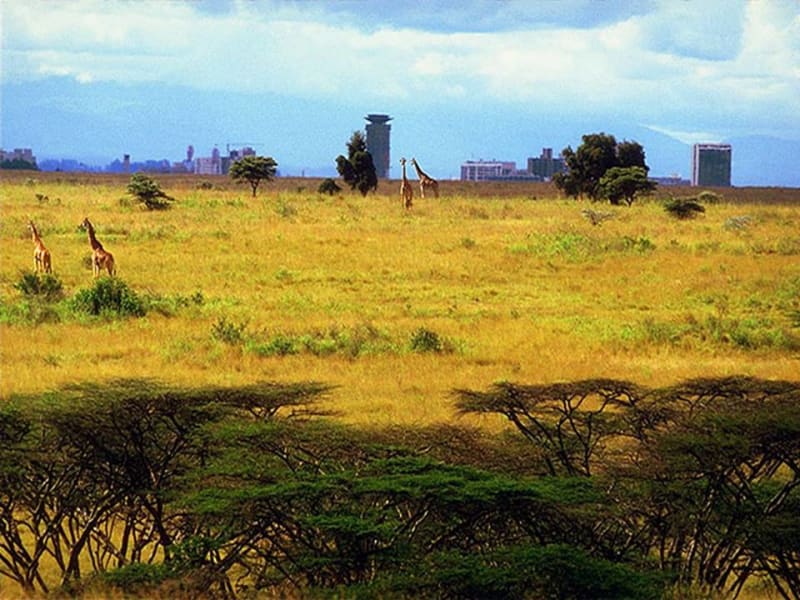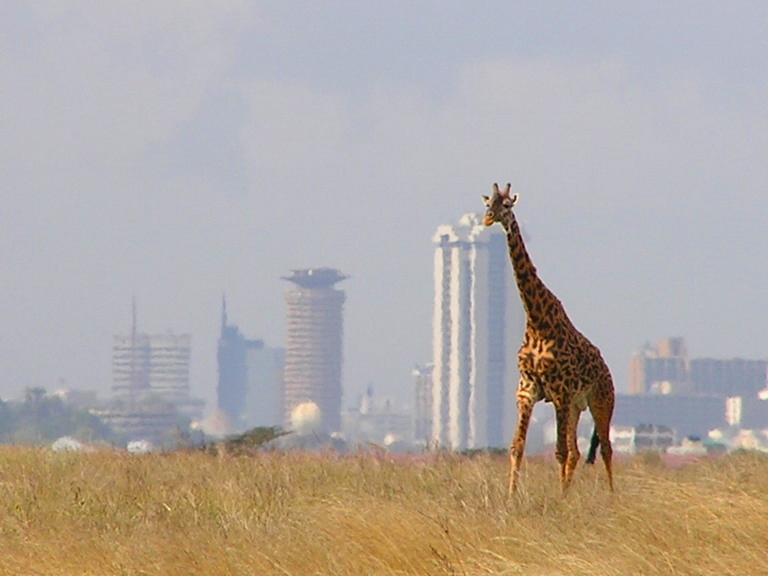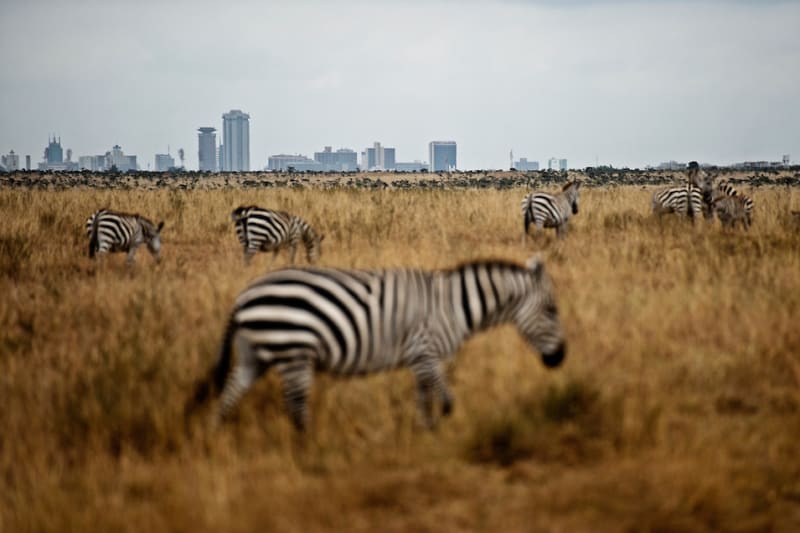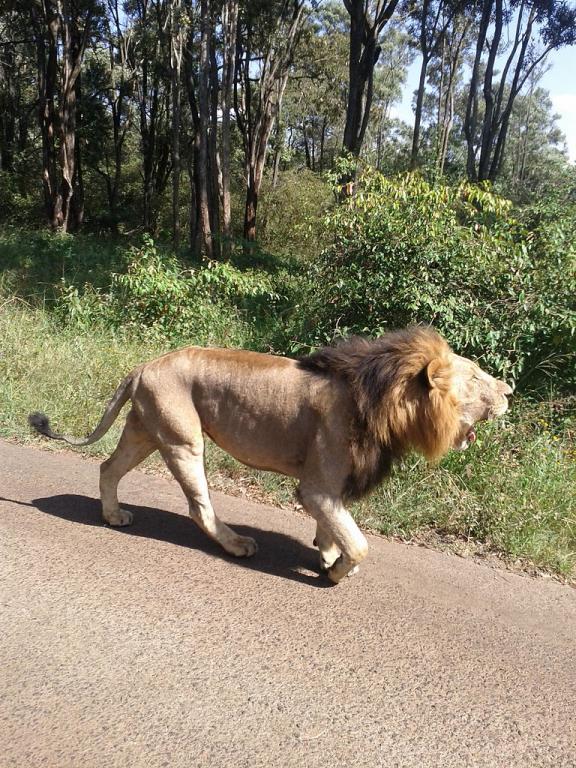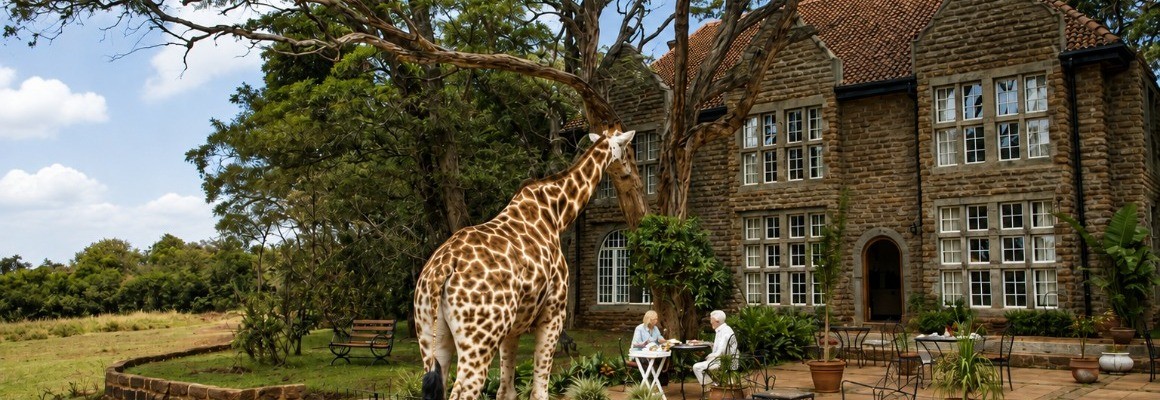

Nairobi National Park is a unique protected area in Kenya where wild animals live against the backdrop of the modern capital's skyscrapers. It lies just a few kilometres from Nairobi's central business district and is one of Africa's most unusual national parks. Visitors can see lions, giraffes, zebras, rhinos, and African buffalo without travelling far from the city.
History and Location
Nairobi National Park was established in 1946, becoming Kenya's first national park. It covers approximately 117 square kilometres. The creation of this protected area helped preserve natural savannah close to a rapidly growing city. Today, the park is managed by the Kenya Wildlife Service and plays an important role in protecting endangered animals and conserving natural ecosystems.
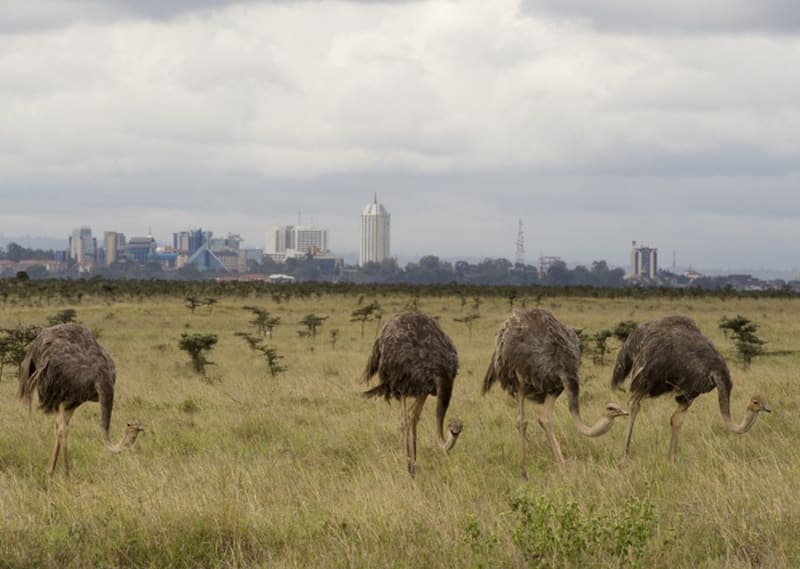
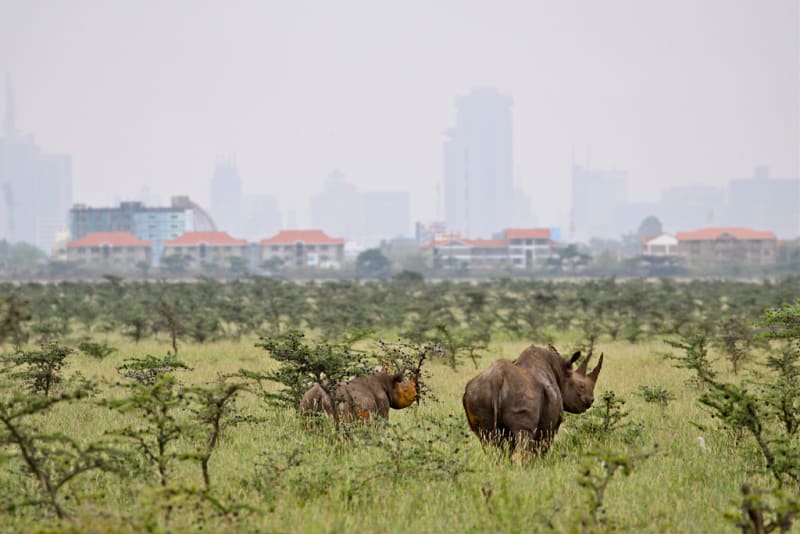
The park's defining feature is the remarkable proximity of wildlife and urban development. Herbivores graze on open plains while Nairobi's buildings rise on the horizon. This contrast is especially striking during an early-morning safari, when soft light illuminates both the savannah and the city skyline.
Wildlife
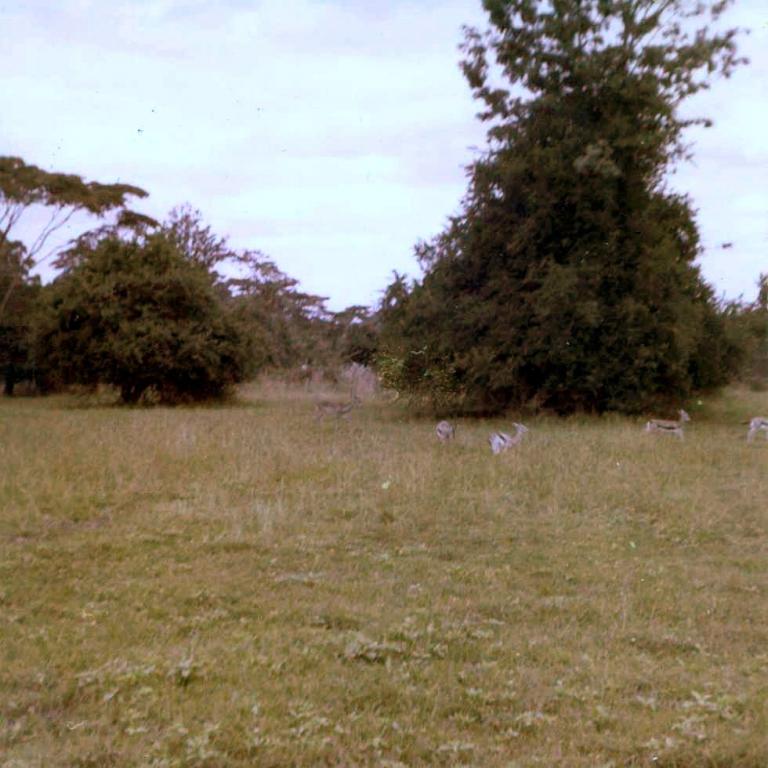
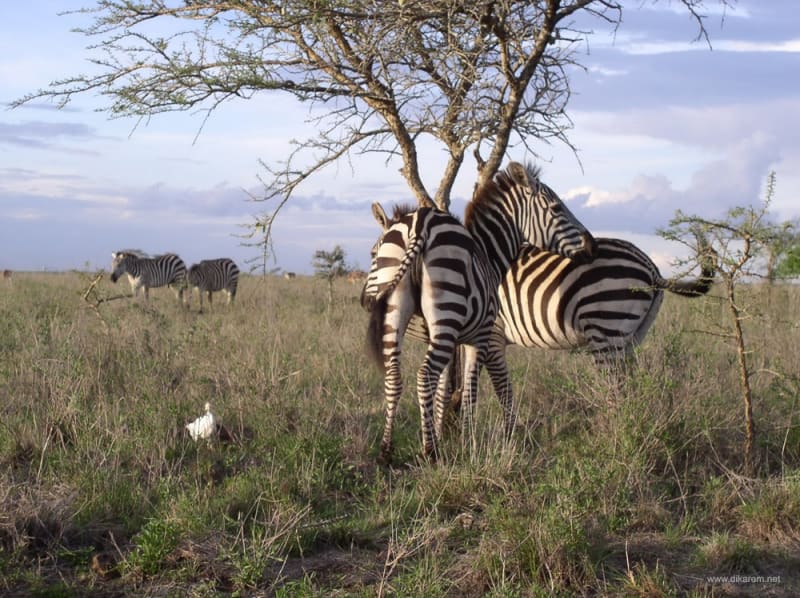
Despite its proximity to the capital, the park supports a wide variety of wild animals. Lions, leopards, cheetahs, hyenas, giraffes, zebras, antelopes, African buffaloes, and other African mammals can be found here. Animals roam freely across the park, so sightings depend on the time of day, season, and luck.
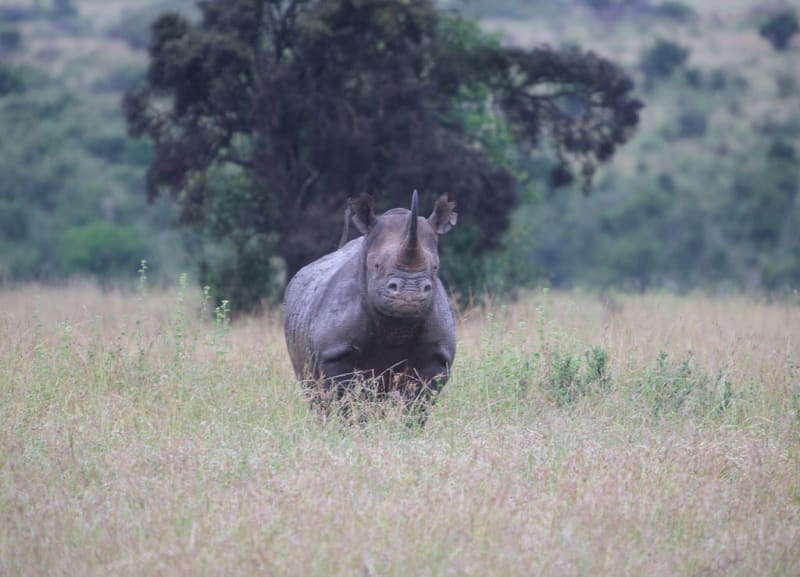
Rhino conservation is particularly important. Nairobi National Park is known as a significant sanctuary for black rhinos, which face threats from poaching and habitat loss. White rhinos can also be seen. Conservation programmes focus on protecting these large mammals and maintaining their populations.
Savannah and Natural Landscapes
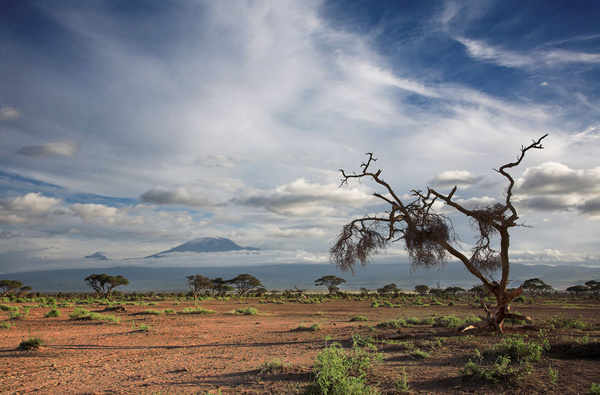
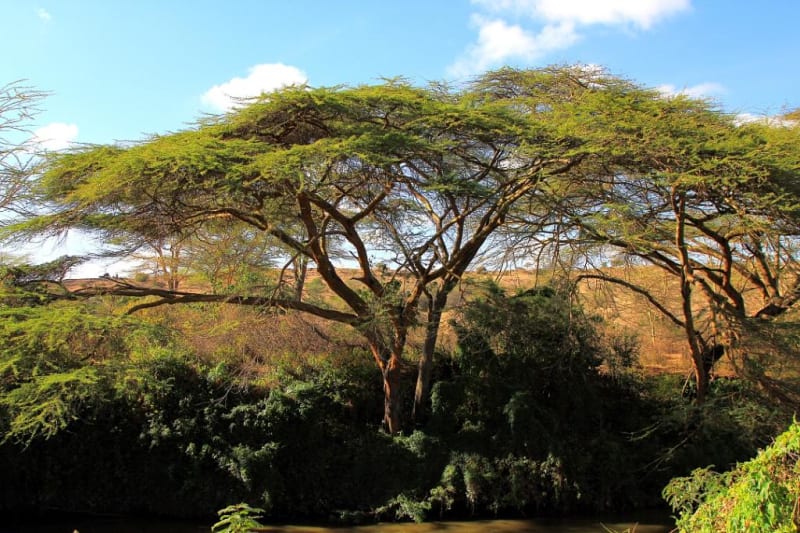
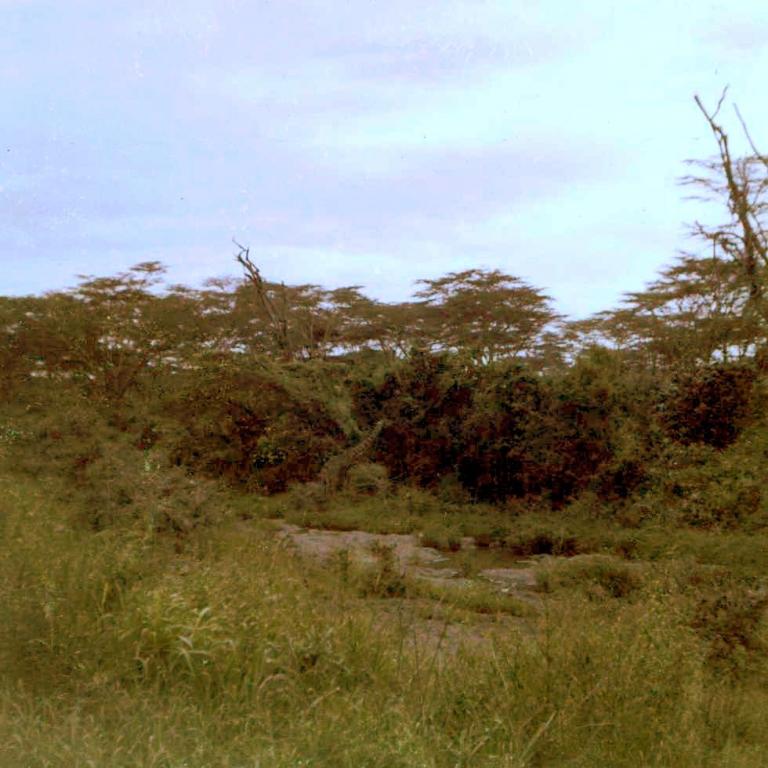
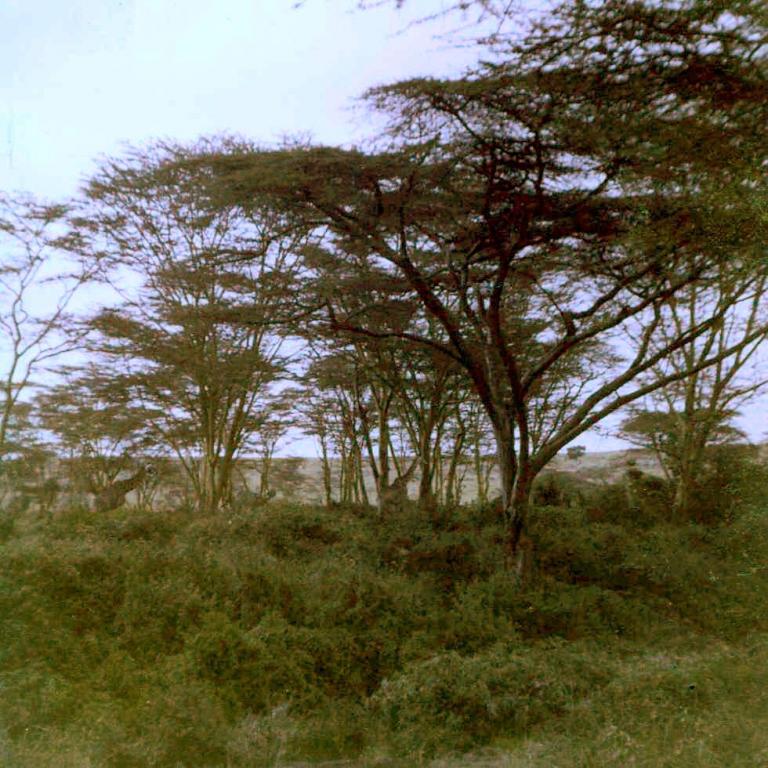
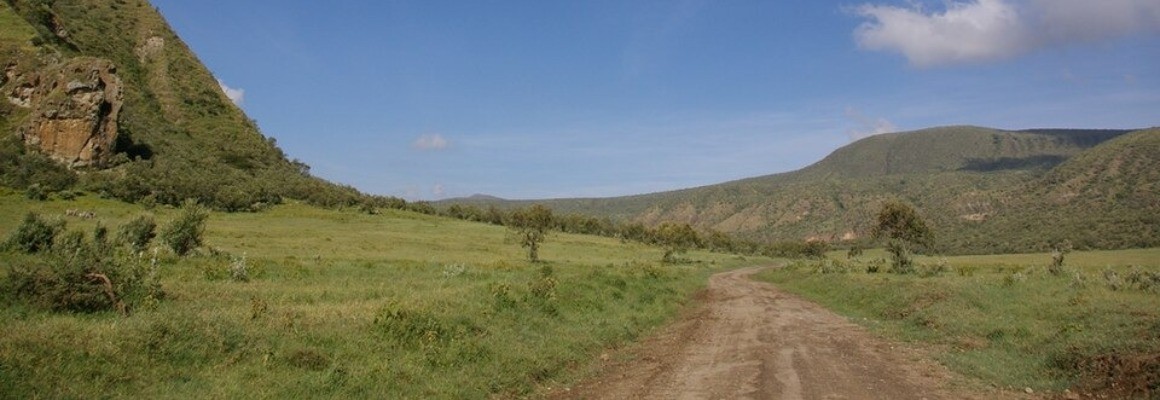
Much of the park consists of open grassland interspersed with scrub and open acacia woodland. Denser vegetation grows along rivers and seasonal watercourses. This variety of habitats supports animals with different needs and allows visitors to experience several types of African landscape within one protected area.
The park's southern boundary is associated with the Mbagathi River and the open Kitengela plains. Wildlife movements in this region depend on seasonal rainfall and food availability. Protecting natural corridors beyond the park is important because it allows animals to move between parts of their historical range.
Safari with a View of Nairobi
The main activity for visitors is a vehicle safari along authorised roads. During a drive, travellers can look for predator tracks, watch herds of zebras and antelopes, photograph giraffes, and search for rhinos. The park is compact enough for an excursion lasting several hours, although photographers and birdwatchers may prefer to spend longer exploring.
Early morning is particularly rewarding because animals are active and temperatures are still relatively mild. Wildlife can also be seen in open areas later in the day. However, no particular sighting is guaranteed: animals move freely, and their behaviour changes with weather and water availability.
The Ivory Burning Site
One of the park's most important historical landmarks commemorates the fight against illegal ivory trading. In 1989, approximately 12 tonnes of confiscated ivory were publicly burned here. The event drew international attention to poaching and became a symbol of Kenya's efforts to protect elephants.
In 2016, Kenya carried out another major destruction of confiscated ivory stocks. Today, the memorial site highlights the importance of wildlife protection and international cooperation against illegal trade in animal products.
Birdlife in the National Park
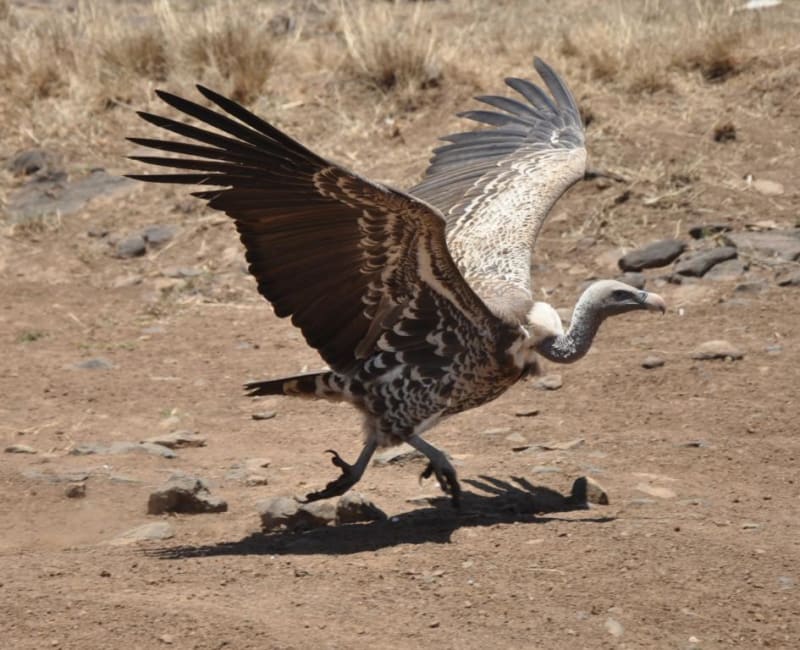
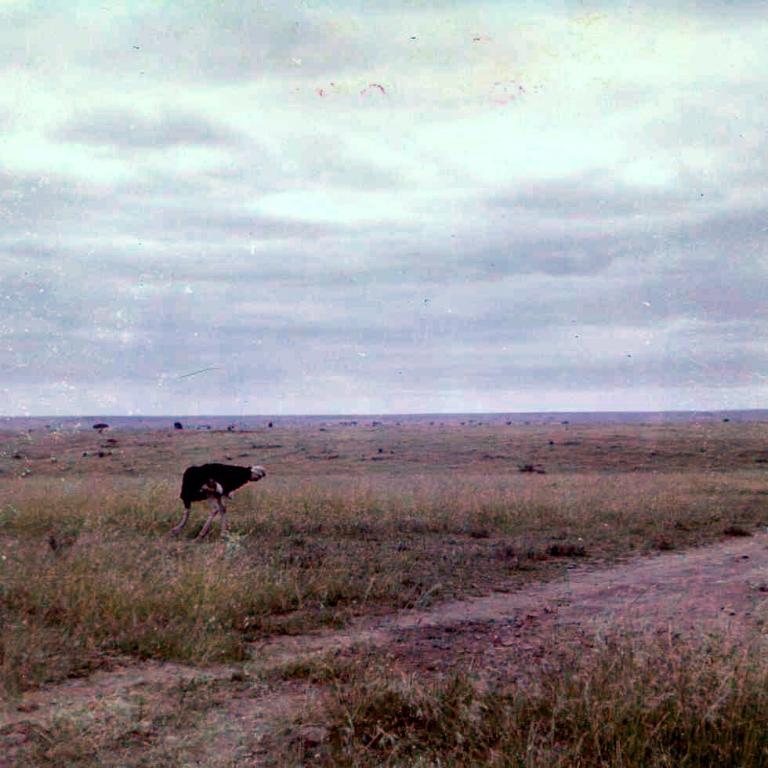
Nairobi National Park is notable not only for its large mammals but also for its rich birdlife. According to the Kenya Wildlife Service, more than 400 bird species have been recorded here. Eagles, vultures, ostriches, kingfishers, hornbills, and numerous waterbirds and songbirds can be found in the park.
The variety of habitats supports resident species as well as migratory birds. Binoculars are useful, particularly around water sources and riverside vegetation. Early morning is an excellent time to photograph birds and listen to their calls.
Hippo Pools and Nature Walks
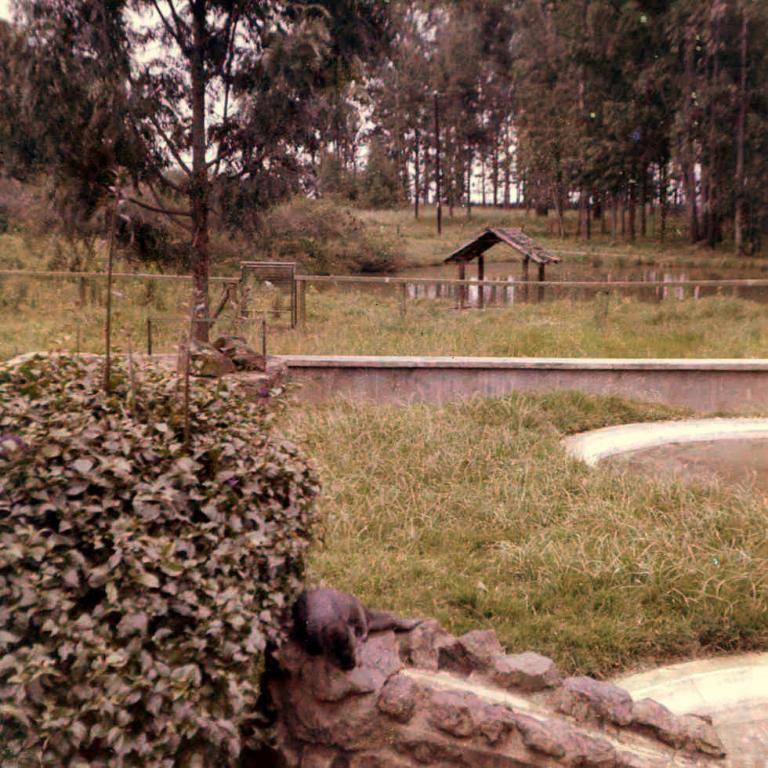
The Hippo Pools area lies in the southern part of the park beside the Mbagathi River. It is known for riverine vegetation, birdlife, and opportunities to observe hippos and crocodiles. A designated trail may be available for walking under the current park rules and staff instructions. Visitors must not leave their vehicles elsewhere without permission because dangerous wild animals roam freely throughout the park.
Designated picnic and stopping areas also offer views across the plains and surrounding landscapes. Visitors should use only authorised sites and take all rubbish away with them.
How to Reach Nairobi National Park
The park lies on the southern outskirts of Nairobi and can be reached by road from the city's central districts. The main entrance is near Lang'ata Road. Its proximity to the capital makes it convenient for a half-day or full-day excursion. Before travelling, check available gates, entry requirements, ticket prices, and current visitor rules on the official Kenya Wildlife Service website.
Best Time to Visit
Nairobi National Park can be visited throughout the year. During dry periods, animals often gather near available water sources, while open vegetation makes them easier to spot. In the rainy season, the savannah becomes greener, but some dirt roads may be more difficult to navigate. Early morning is generally an excellent time for a safari because temperatures are cooler and wildlife is active.
Visitor Guidelines
All animals in the park remain wild, even when accustomed to vehicles. Visitors should observe speed limits, avoid feeding or approaching animals, and keep noise to a minimum. Stay inside the vehicle except in designated areas and follow instructions from park staff. Responsible behaviour helps protect the natural environment and keeps both people and wildlife safe.
Gallery