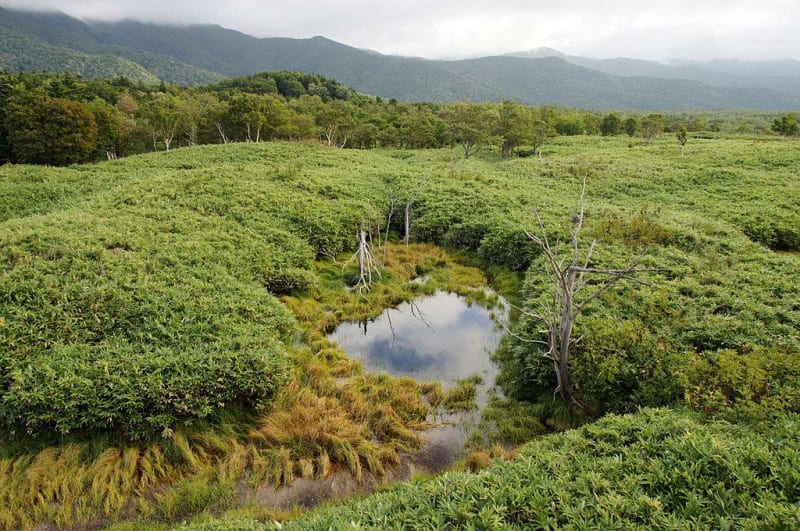
Shiretoko National Park lies in northeastern Hokkaido, Japan, on a peninsula extending into the Sea of Okhotsk. Its name is commonly linked to an Ainu expression meaning “the end of the earth.” The region's remote location, harsh climate and varied natural conditions have helped preserve some of Japan's most valuable ecosystems.
The national park was established in 1964. In 2005, the Shiretoko Peninsula and surrounding marine area were inscribed on the UNESCO World Heritage List for the exceptional interaction between marine and terrestrial ecosystems. The area is known for dense forests, volcanic mountains, waterfalls, lakes and abundant wildlife.
The Shiretoko Peninsula and its mountains
The peninsula is shaped by a mountain range extending along a narrow strip of land between the Sea of Okhotsk and the Pacific Ocean. Its main peaks are volcanic in origin. The highest is Mount Rausu, rising to 1,661 meters. Mountain slopes offer views of the coastline, forests and surrounding sea.
The national park stretches from the central part of the peninsula to Cape Shiretoko. Its landscapes include steep cliffs, deep valleys, mountain streams and largely untouched forests. Difficult terrain makes some areas remote and helps preserve their natural character.
The Five Lakes of Shiretoko
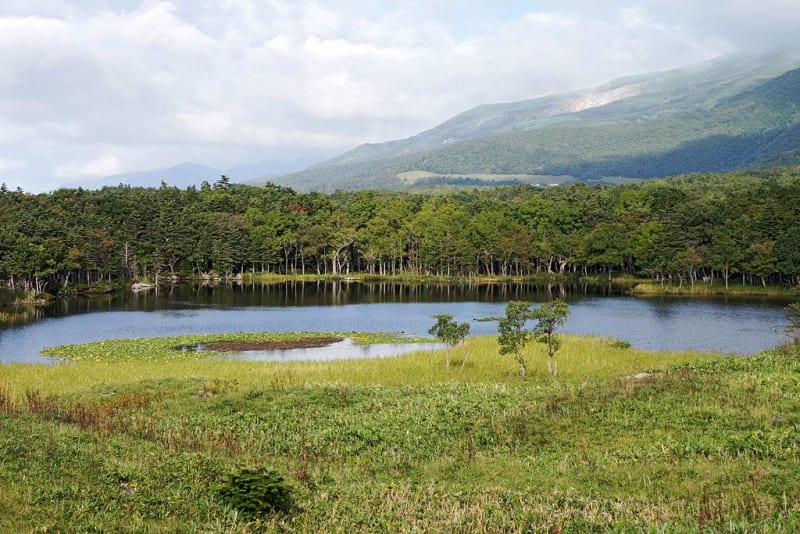
One of the park's best-known attractions is the Shiretoko Goko lake area, where five small lakes lie among primeval forests. The surrounding mountains and trees are reflected in their calm waters. It is a popular place for walking and nature observation, especially during the autumn foliage season.
Visitors can use an elevated wooden boardwalk and ground-level trails. The elevated route offers a convenient way to enjoy the scenery, while access to ground trails is managed according to the season and brown bear activity. Depending on the period, visitors may need to attend a safety briefing or follow additional entry procedures. Check current rules before visiting.
Furepe and Kamuiwakka Falls
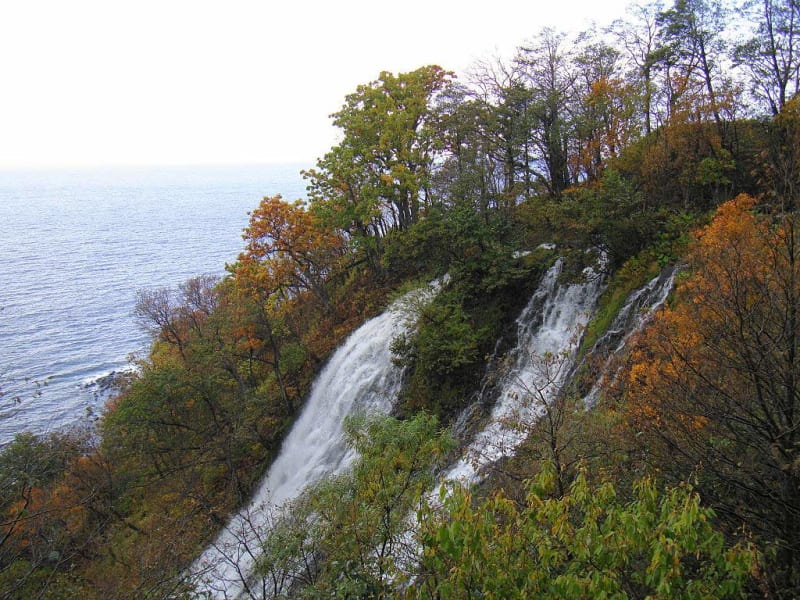
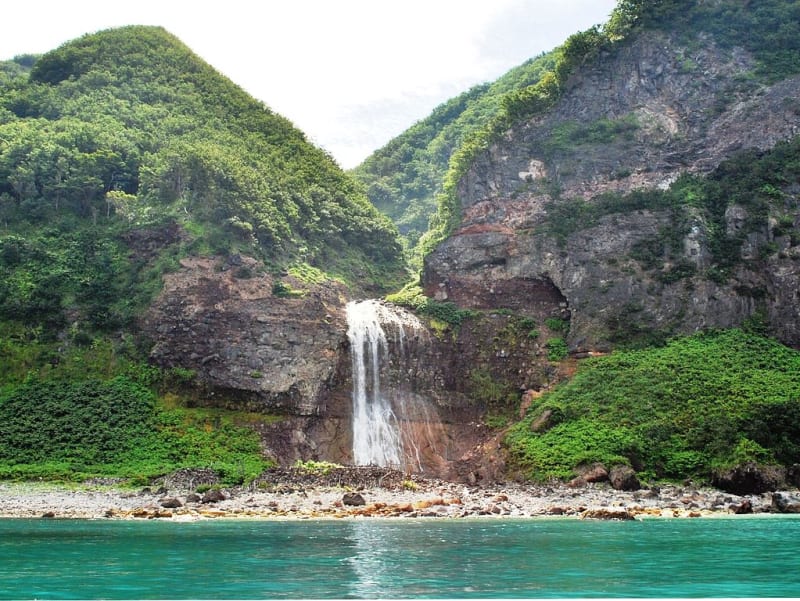
Furepe Falls is often called the “Maiden's Tears.” Water flows down a steep cliff directly toward the sea, and parts of the waterfall may freeze in winter. A coastal observation point provides views of the falls.
Farther inland, Kamuiwakka Falls is associated with geothermal activity. Water near its upper reaches can be warm because of nearby hot springs. Access is restricted and depends on road conditions, the natural environment and current regulations, so visitors should confirm whether the route is open.
Sea ice and the Sea of Okhotsk
One of Shiretoko's defining features is the seasonal drift ice that enters the Sea of Okhotsk in winter. This is among the southernmost places in the Northern Hemisphere where sea ice regularly occurs. The ice brings nutrients that support plankton growth and the food webs of coastal waters.
Marine productivity influences life across the peninsula. Fish, including Pacific salmon, provide food for birds and mammals. During spawning season, salmon move upstream into rivers and become an important food source for terrestrial animals. The sea, rivers and forests of Shiretoko therefore form a closely connected natural system.
Brown bears and other wildlife
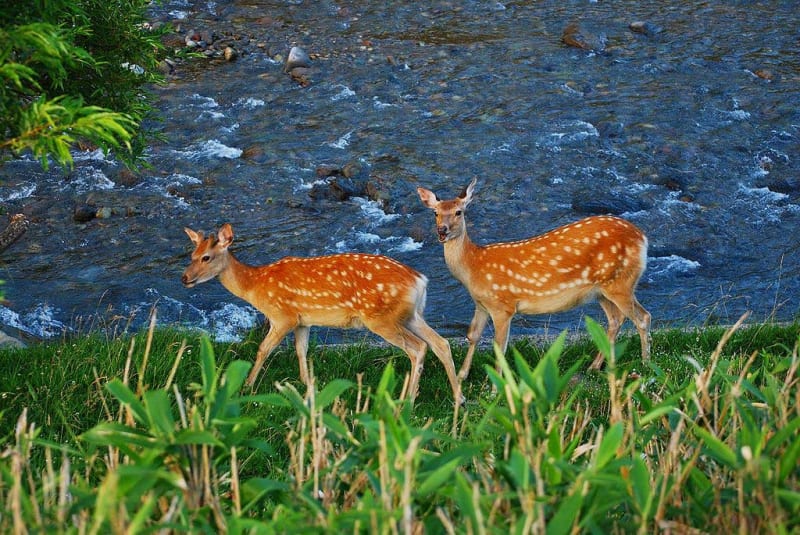
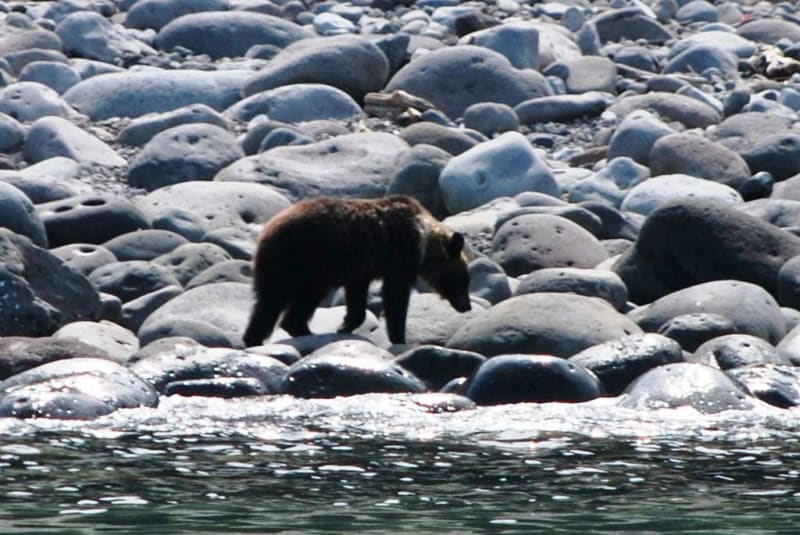
Shiretoko is known for its significant population of brown bears. Other wildlife includes sika deer, foxes, Steller's sea eagles, white-tailed eagles and the rare Blakiston's fish owl. Seals, Steller sea lions and several kinds of cetaceans can be found in the surrounding waters.
Never approach bears for photographs, feed wild animals or leave food waste behind. Before hiking, check recent bear sightings and any temporary restrictions affecting trails. Following local safety guidance is essential in this remote wilderness.
Best time to visit
Summer is suitable for hiking, visiting lakes and waterfalls, and taking marine excursions. In autumn, forests turn shades of yellow, orange and red. Winter draws visitors to the drift ice and snow-covered mountains. In spring, the ice gradually retreats and natural activity increases in rivers and coastal waters.
How to get there
The main gateways are Utoro on the western coast and Rausu on the eastern side of the peninsula. Utoro can be reached from Memanbetsu Airport, while Rausu is accessible from Nakashibetsu Airport. Visitors can continue by bus, taxi or rental car. Public transport schedules vary by season, so planning ahead is recommended.
Shiretoko National Park reveals the close relationship between the ocean, rivers, forests and mountains. Drift ice, volcanic peaks, wild animals and remote coastlines make it one of Japan's most distinctive natural regions and an internationally important area for conservation.
Gallery