
Abisko National Park is located in northern Sweden, in the historic region of Lapland, close to the Norwegian border. It lies north of the Arctic Circle and is one of the best-known natural areas in Swedish Lapland. The park was established in 1909 to protect the region's distinctive northern landscapes, mountain ecosystems, plants, and wildlife.
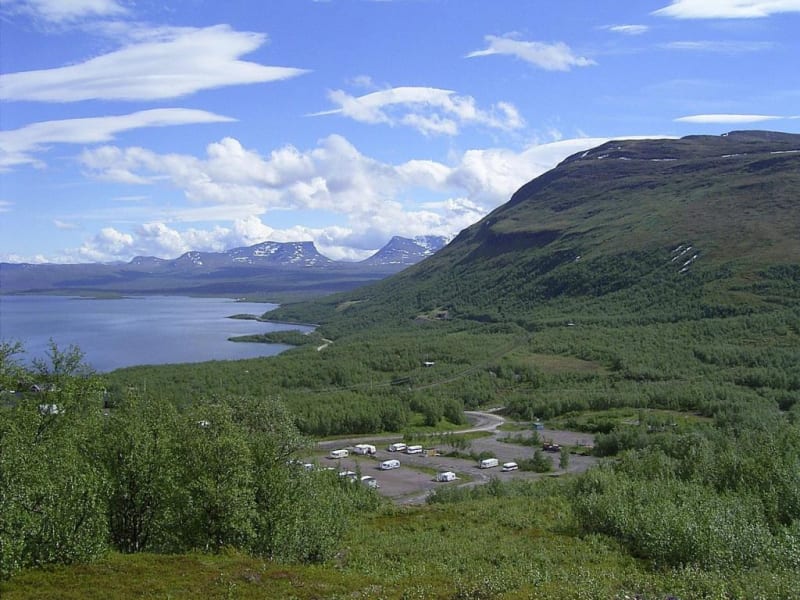
Abisko attracts visitors with the rugged beauty of the Scandinavian Mountains, clear rivers, Lake Torneträsk, and vast stretches of tundra. The landscape includes mountain peaks, valleys, waterfalls, and patches of birch forest. Its far-northern location makes the park an excellent place to discover Arctic nature and the environment beyond the Arctic Circle.
Nature and landscapes
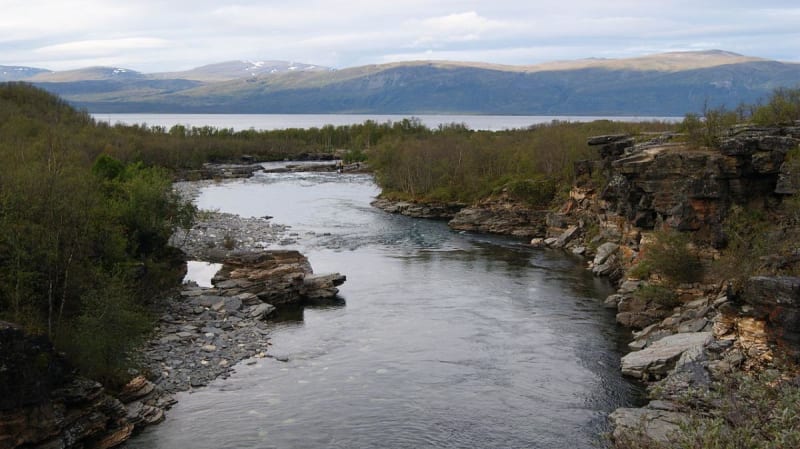
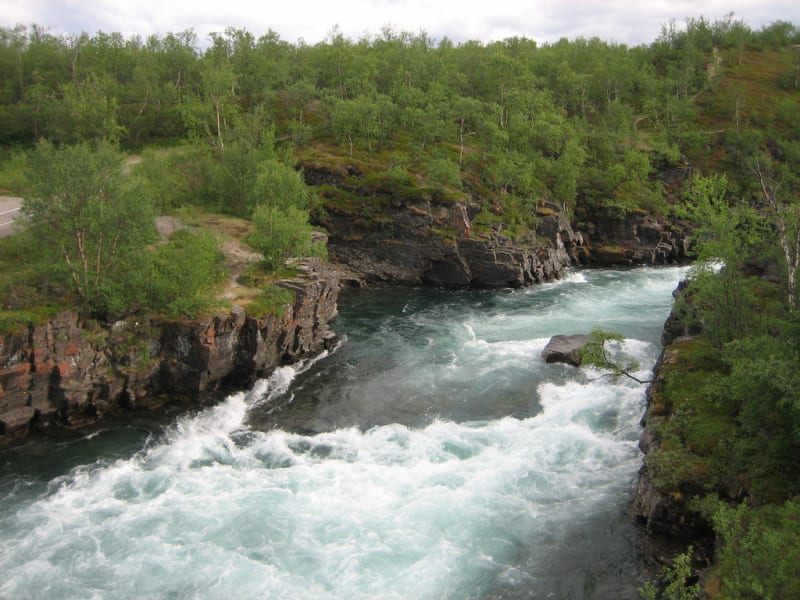
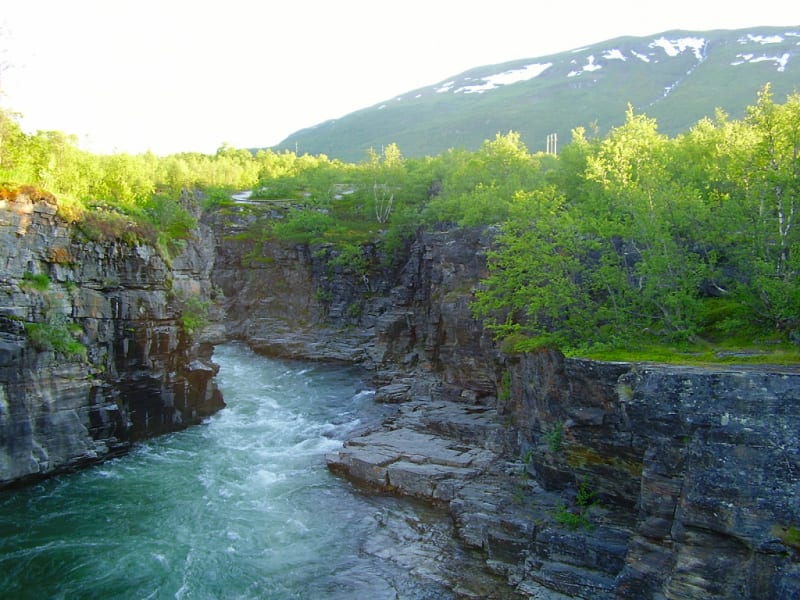
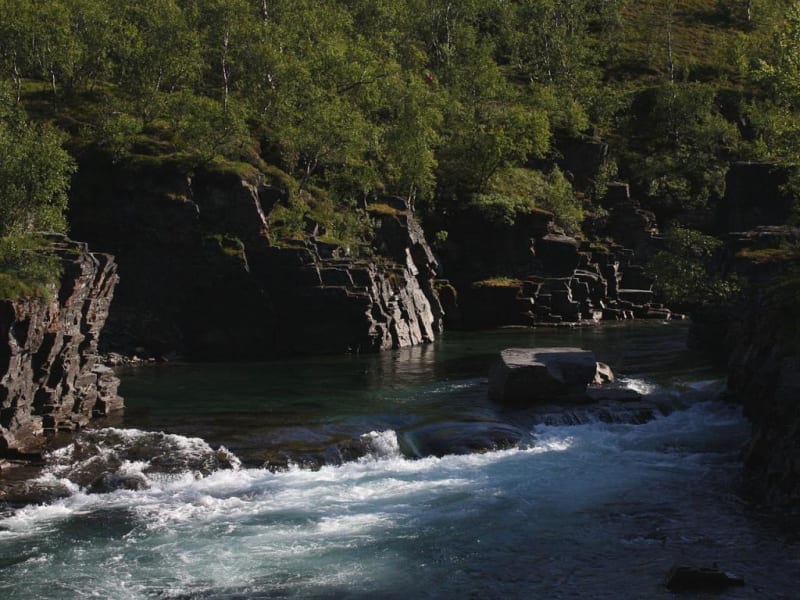
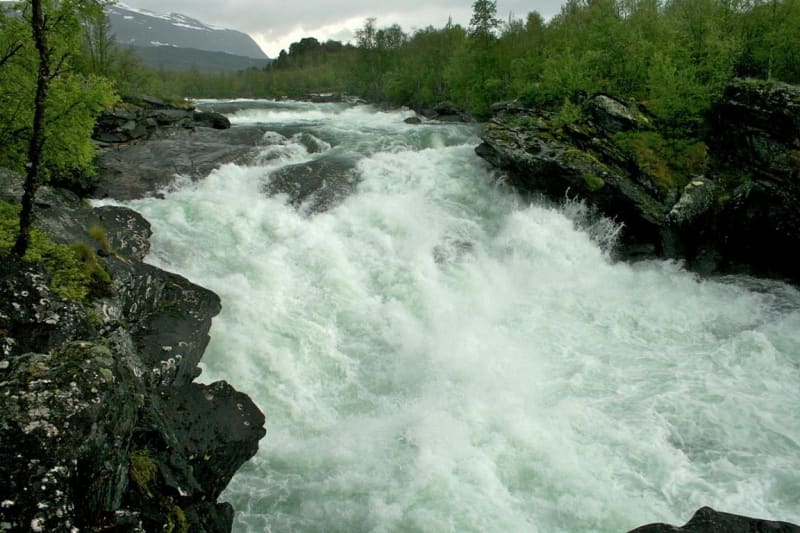
One of the park's main natural features is Abisko Valley, through which the Abiskojokka River flows. The river has carved a scenic canyon with steep rock walls, small waterfalls, and fast-moving water. Trails along the river reveal geological formations shaped by flowing water and glaciers.
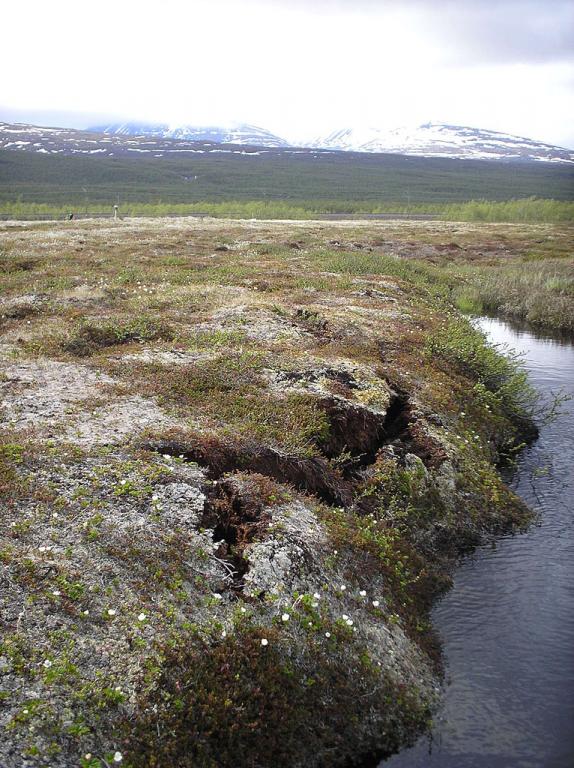
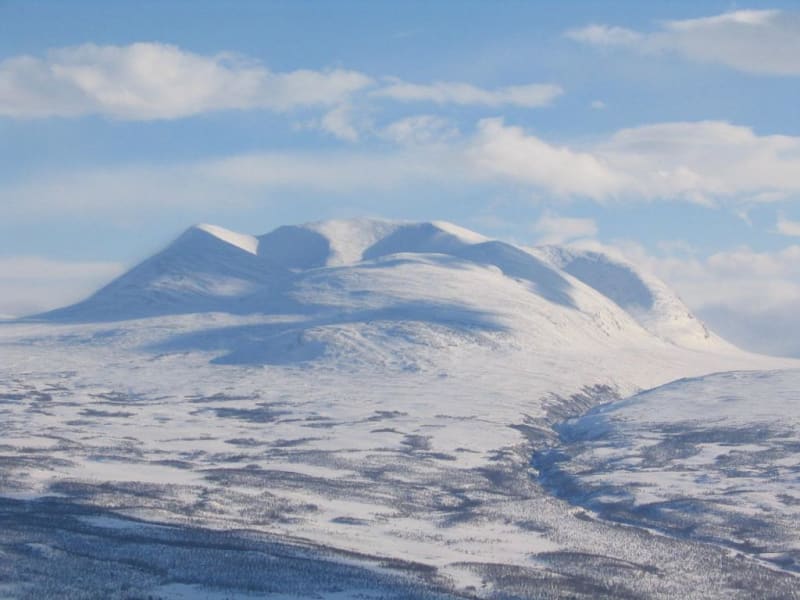
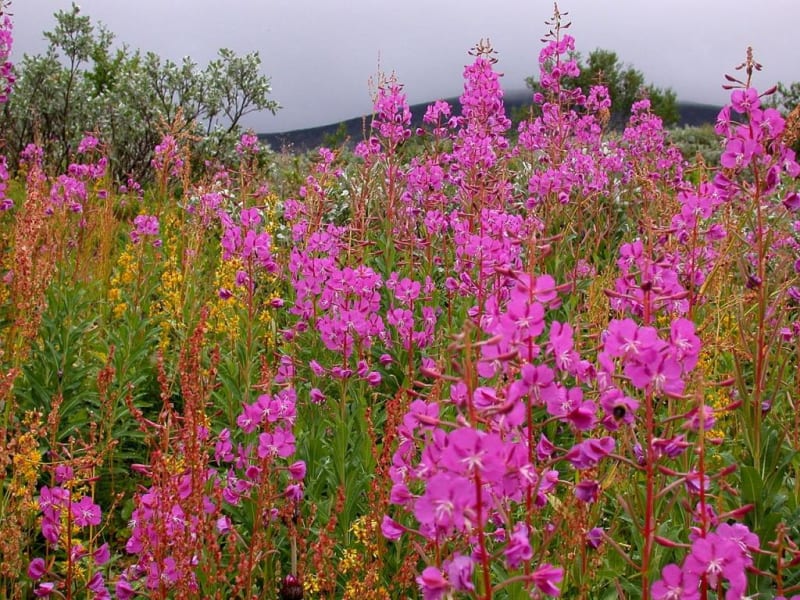
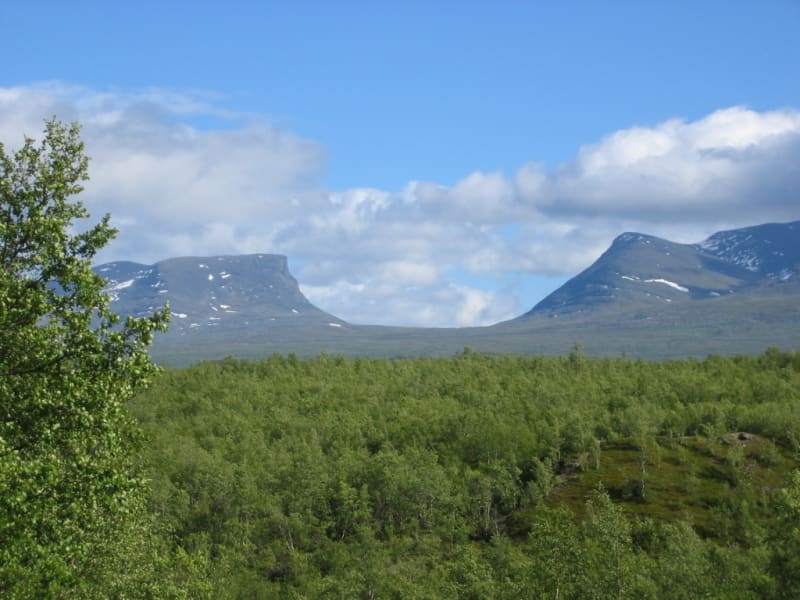
The park contains mountain tundra, alpine meadows, birch forests, and rocky slopes. Vegetation changes with elevation and local conditions. During the short Arctic summer, northern plants bloom, while snow and ice cover much of the landscape in winter.
Lake Torneträsk, one of Sweden's largest lakes, lies near the park. Its shores and the surrounding mountains create broad panoramas that are especially striking in clear weather. Water, rock faces, and open northern spaces form the characteristic scenery of Lapland.
Plant and animal life
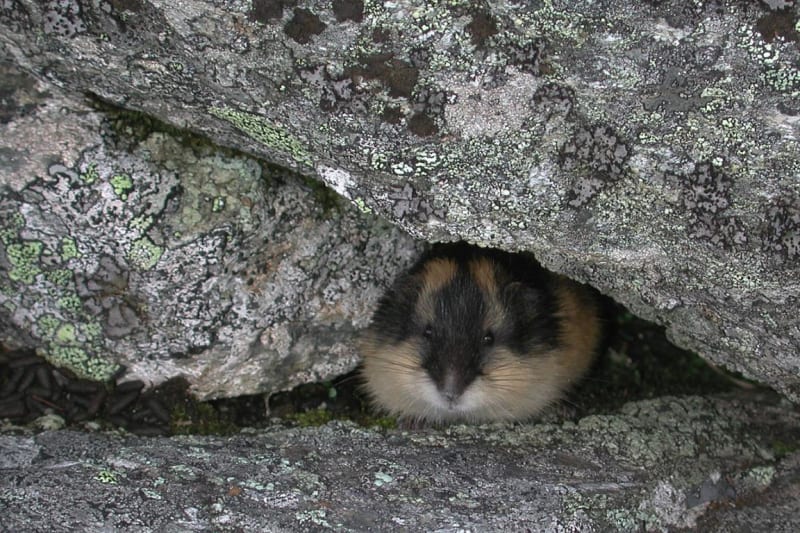
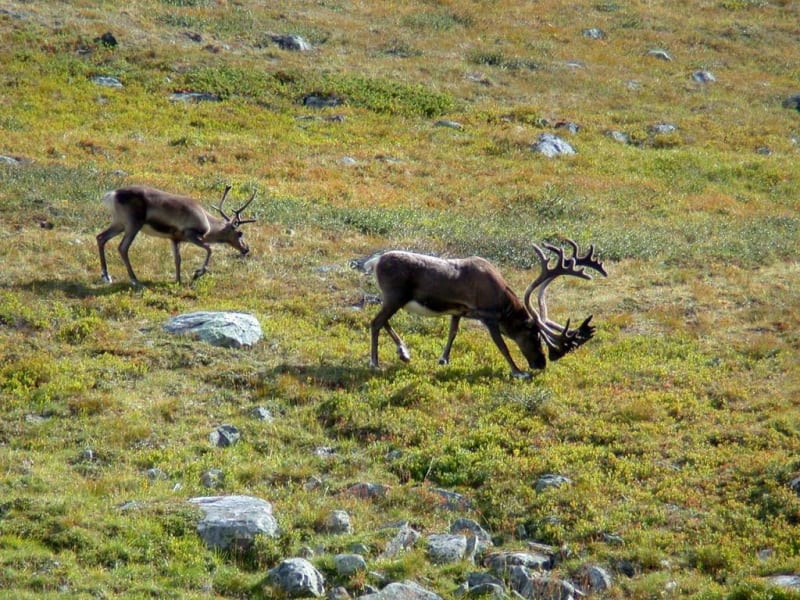
Despite the harsh climate, Abisko supports many plants and animals adapted to short summers and cold winters. Mountain areas are home to reindeer, foxes, hares, and other mammals. Reindeer are particularly important to Sámi culture, as reindeer herding has traditionally been practised across northern Scandinavia.
The park is also a rewarding place for birdwatching. Visitors may see ptarmigans, birds of prey, and various waterbirds. In summer, valleys and wetlands become more active, while the short growing season allows Arctic plants to grow and flower quickly.
Northern lights and the midnight sun
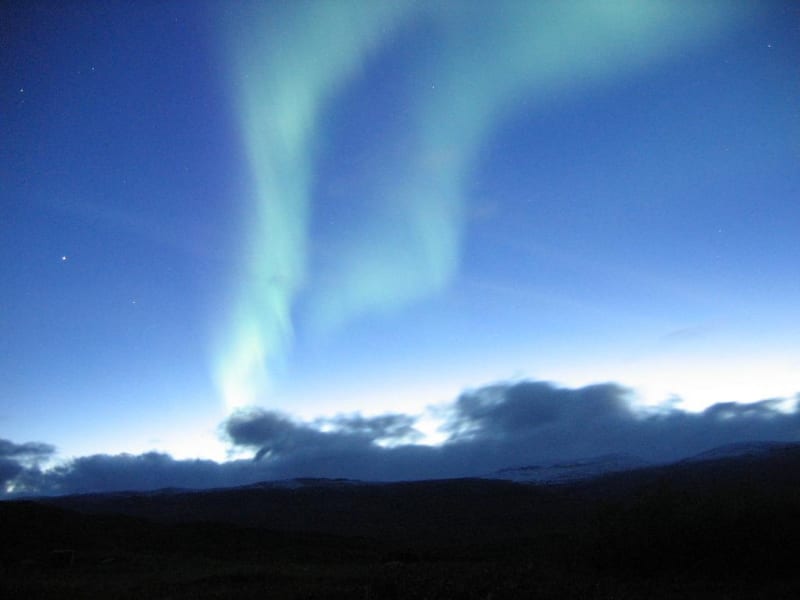
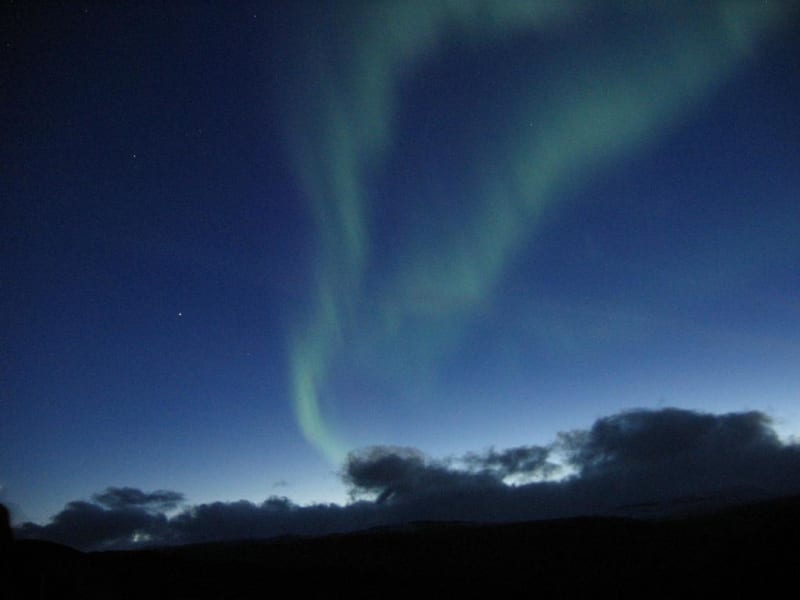
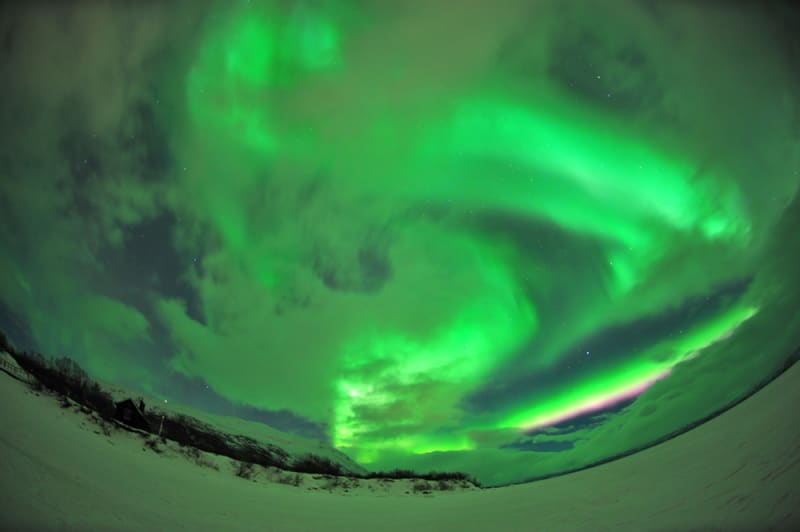
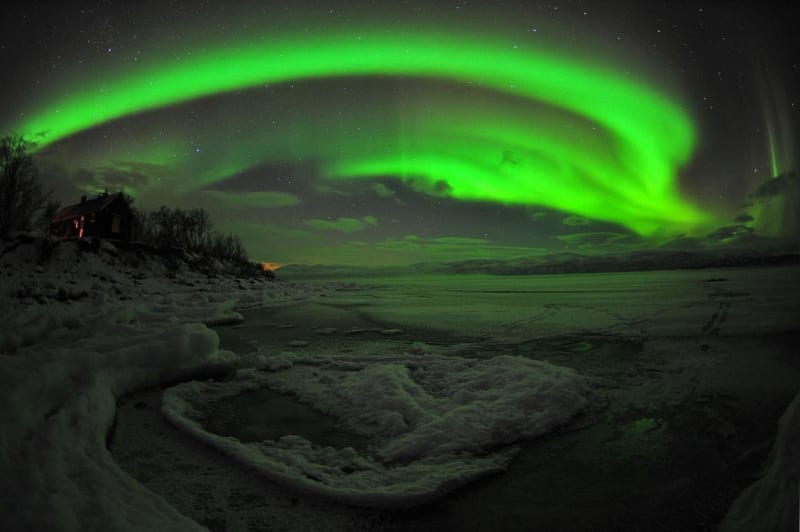
Abisko is one of Sweden's well-known destinations for viewing the northern lights. From September to March, when nights are sufficiently dark, colourful arcs of light may appear above the mountains if solar activity and sky conditions are favourable. The local microclimate sometimes provides clearer skies than nearby areas, although an aurora display can never be guaranteed.
Summer brings a different experience: because the park lies north of the Arctic Circle, the midnight sun period brings daylight late into the night. The long days offer plenty of time for walking and observing nature under unusual northern light.
Trails and outdoor activities
The park has walking routes of varying lengths. A popular option is to explore Abisko Valley and visit the canyon formed by the Abiskojokka River. Hikers undertaking longer journeys can follow sections of the famous Kungsleden trail, which crosses the mountains of northern Sweden. Abisko is one of the starting points for this multi-day trek.
During the warmer months, visitors enjoy hiking, photography, and birdwatching. In winter, snowshoeing and other activities may be possible depending on conditions. Mountain weather can change rapidly, so check the forecast, wear suitable clothing, and tell someone about your planned route before setting out.
Best time to visit
Summer, particularly from June to August, is well suited to hiking because many trails are accessible and the days are exceptionally long. Visitors can see flowering tundra, mountain valleys, and waterfalls. However, temperatures can remain low even in summer, and rain and strong winds are common.
Autumn brings darker nights and better opportunities to look for the northern lights. Winter offers snowy landscapes and a distinctly Arctic atmosphere, but visitors need to prepare carefully for cold temperatures and limited daylight. Snow may remain at higher elevations in spring, so trail conditions should be checked in advance.
How to reach Abisko National Park
The nearest settlement is Abisko, located along the railway connecting Kiruna with Norway. The area can be reached by train from Kiruna or Narvik, or by car via the E10 road. Abisko Turiststation railway stop is close to popular trails and visitor facilities.
Abisko National Park is an excellent destination for travellers who want to experience northern Sweden, walk through mountain valleys, discover Arctic plants and animals, and try to see the northern lights in the right season. Its landscapes reveal both the beauty and fragility of nature beyond the Arctic Circle.
Gallery