Daisetsuzan National Park lies in central Hokkaido, Japan, and is the country's largest mountainous national park. Covering approximately 2,268 square kilometers, it includes volcanic peaks, alpine plateaus, dense forests, mountain rivers, lakes, wetlands and hot springs. Its extensive highlands have earned the region the nickname “the roof of Hokkaido.”
The Indigenous Ainu people call the Daisetsuzan mountains “Kamuy Mintara,” meaning “the playground of the gods.” The name reflects the area's vast mountain landscapes, cloud-covered summits, volcanic slopes and largely unspoiled wilderness.
Mountains and volcanic scenery
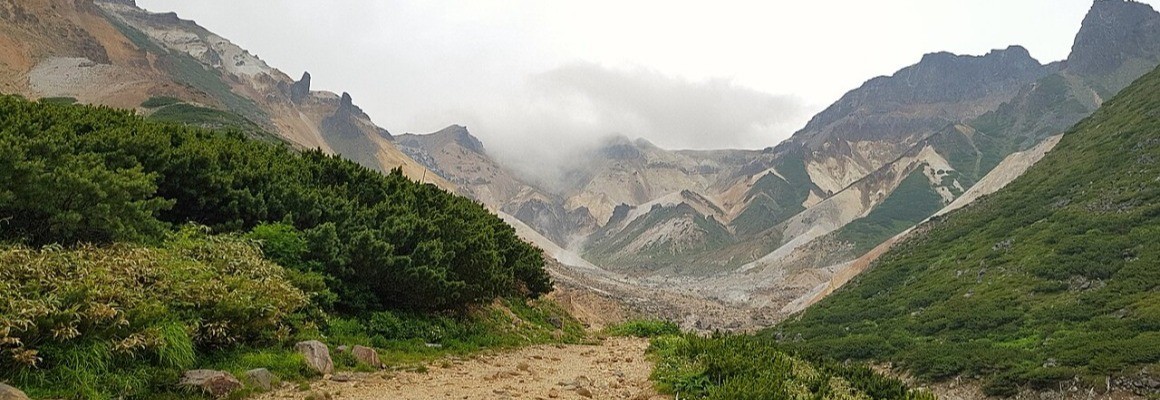
The park's highest peak is Mount Asahidake, at 2,291 meters, also the highest mountain in Hokkaido. It belongs to the Daisetsu volcanic group, where steam rises from fumaroles near the summit. Other notable mountains include Kurodake and Tomuraushi, while the southern area features the Tokachi volcanic range and Mount Tokachidake.
Sugatami and the Asahidake area
The hot-spring resort of Asahidake Onsen is a popular gateway to the mountains. A ropeway carries visitors to Sugatami Station, from where walking paths and hiking routes begin. A circuit around Sugatami Pond passes small mountain ponds, volcanic steam vents and alpine vegetation. Weather can change quickly at this elevation, and temperatures are often much lower than in the valleys.
Sounkyo Gorge
Sounkyo Gorge is known for its towering rock walls, narrow valleys and waterfalls. Some cliffs feature distinctive vertical columns formed by volcanic processes. Autumn brings striking red, orange and golden foliage to the surrounding forests. Sounkyo Onsen provides accommodation, hot springs and access to the Kurodake Ropeway, which leads to higher mountain trails.
Lakes, forests and wildlife
The eastern part of the park contains Lake Shikaribetsu and Lake Nukabira, surrounded by forests and mountain ranges. The landscape includes coniferous and broadleaf forests, alpine wetlands, meadows and communities of high-altitude plants. Brown bears, northern pikas, squirrels and many bird species live in the park. Wildlife sightings are never guaranteed, and animals should always be observed from a safe distance.
Best time to visit
July and August are generally the best months for hiking and climbing, when many high-altitude routes become more accessible and alpine plants bloom. Autumn colors arrive early in Daisetsuzan, often beginning in late August or September, and snow can fall as early as October. Winter attracts skiers and snowshoe hikers, although some roads and trails close during the snowy season.
How to get there
Asahikawa is the main transport hub for visiting the park. It can be reached by train from Sapporo or by flying to Asahikawa Airport. Buses connect the city with areas such as Asahidake Onsen and Sounkyo Onsen, but services may be infrequent. Renting a car is often the most convenient way to explore several parts of the park.
Before setting out, check trail conditions, weather forecasts, volcanic activity reports and brown bear advisories at a visitor center. Bring warm clothing and water, choose routes suited to your experience, stay on marked trails and follow wildlife safety guidance. Daisetsuzan offers a remarkable view of Japan's wilder side, with volcanic mountains, hot springs, alpine landscapes and vast forests.
Gallery