Nikko National Park lies in the mountainous region of central Japan, north of Tokyo. It spans parts of Tochigi, Gunma and Fukushima prefectures and covers approximately 1,149 square kilometers. Established in 1934, it is one of Japan's oldest national parks. Volcanic activity shaped its landscape, which includes high mountains, lakes, waterfalls, gorges, forests and wetlands.
Nikko is known for combining spectacular natural scenery with historic religious sites. Visitors can hike mountain trails, admire waterfalls and autumn foliage, relax in hot springs and explore the famous shrines and Buddhist temples of Nikko, a UNESCO World Heritage Site.
Mountains and volcanic landscapes
Much of the park lies within the Nasu volcanic belt. Notable peaks include Mount Nikko-Shirane at 2,578 meters, Mount Nantai at about 2,486 meters and the volcanic mountains around Nasu, including Chausudake. Volcanic activity shaped the surrounding terrain and created many of the area's lakes, valleys and waterfalls.
Mount Nantai has deep cultural significance and has been revered as a sacred mountain for centuries. In clear weather, its summit offers views of Lake Chuzenji and the mountain ranges of Oku-Nikko. The climb requires good fitness, and access depends on seasonal conditions.
Lake Chuzenji
Lake Chuzenji lies at the foot of Mount Nantai, about 1,269 meters above sea level. It formed approximately 20,000 years ago following volcanic activity. Surrounded by wooded slopes, the lake is one of Nikko's best-known natural landmarks.
During warmer months, visitors enjoy lakeside walks, boat trips and nature watching. In autumn, the surrounding forests turn red, yellow and gold. In the late nineteenth and early twentieth centuries, the area became a popular summer retreat for foreign diplomats, and historic villas still recall that period.
Kegon Falls
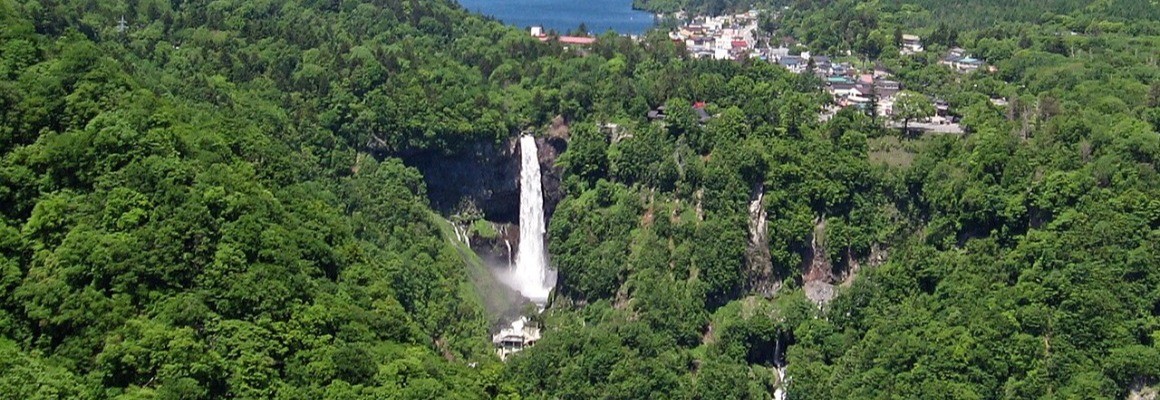
Kegon Falls is one of Japan's most famous natural attractions. Water from Lake Chuzenji plunges about 97 meters over a steep rock face, creating a powerful cascade. The falls are particularly impressive during the spring snowmelt and after heavy rain.
Visitors can view the waterfall from designated observation areas. The lower viewing platform offers a closer look at the falling water and surrounding cliffs. In winter, parts of the cascade may freeze, transforming the rock face into an icy spectacle.
Senjogahara Marshland
Senjogahara is a large highland marsh in the Oku-Nikko area, surrounded by forests and mountains. It is known for its wetland plants, birdlife and changing seasonal scenery. Raised wooden walkways and hiking trails allow visitors to explore the area while protecting its fragile ecosystem.
Summer brings lush greenery and flowering plants, while autumn gives the grasses and surrounding trees warm golden and reddish tones. Senjogahara is internationally important for nature conservation and forms part of the wetlands protected under the Ramsar Convention.
Other waterfalls and gorges
Oku-Nikko also features Yudaki Falls, a broad cascade flowing down a slope near Lake Yunoko. Ryuzu Falls, whose name means “dragon's head,” splits around rocks into several streams and is especially beautiful in autumn. Ryuokyo Gorge attracts visitors with unusual rock formations, forests, suspension bridges and riverside trails. Other parts of the park contain mountain valleys, quiet lakes and hot springs.
Shrines and temples of Nikko
The park's natural landscape is closely connected with the region's religious history. The Shrines and Temples of Nikko include the famous Toshogu Shrine, dedicated to Tokugawa Ieyasu, as well as Rinnoji Temple and Futarasan Shrine. These sites are known for intricate wood carvings, decorative details and their setting among forested hills.
Mountain worship in Nikko is associated with Buddhism, Shinto and Shugendo, a tradition combining religious practices with ascetic training in the mountains. The historic complexes help explain why the region's mountains, waterfalls and forests have long been regarded as sacred places as well as natural wonders.
Wildlife and vegetation
The park's forests contain Japanese beech, maple, oak and conifer species. Flowers appear in spring, mountain slopes turn green in summer, and autumn brings some of Japan's most celebrated foliage. Alpine plants grow at higher elevations, where conditions are cooler.
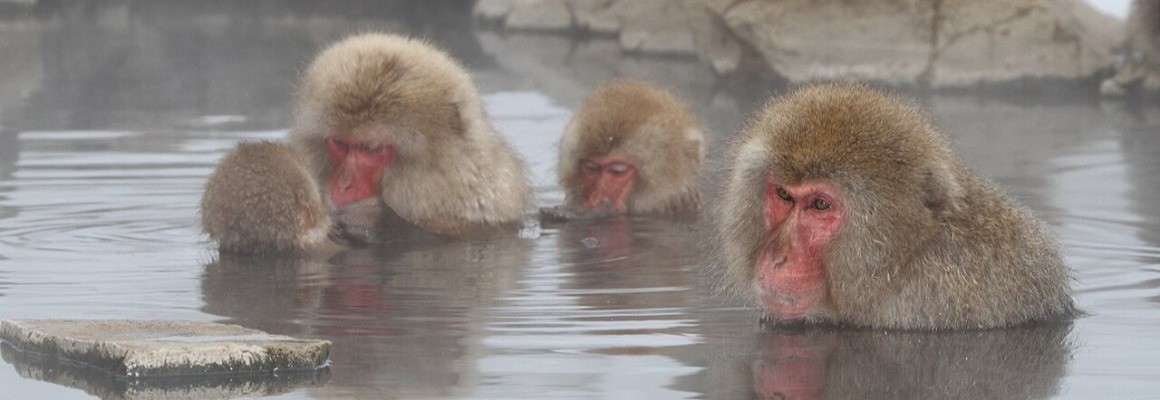
Wildlife includes Japanese macaques, Japanese deer, Japanese serows and numerous bird species. Asiatic black bears inhabit some areas. Observe animals from a safe distance, never leave food unattended outdoors and follow the park's safety guidance.
Best time to visit
Spring brings fresh greenery and flowers. Summer is ideal for hiking, visiting waterfalls and enjoying the lakes, although mountain weather can change quickly. Autumn is one of the most popular seasons because of the vivid foliage. Winter brings snow and a different atmosphere, but some roads and trails may close or require special equipment.
How to get there
The city of Nikko is the main transport hub and can be reached by train from Tokyo. Buses from JR Nikko and Tobu-Nikko stations connect visitors with Lake Chuzenji, Kegon Falls and other attractions in Oku-Nikko. The journey to the lake generally takes about 45–50 minutes, depending on the route and traffic.
Nikko National Park combines volcanic mountains, clear lakes, dramatic waterfalls, forests and important Japanese cultural heritage. It is an excellent destination for hiking, wildlife observation, hot-spring relaxation and exploring historic sacred sites.
Gallery