History
Researchers call proto-Australoids the prehistoric settlers of India. Later, Mongols, Greeks, Turks, and Afghans joined the country's territory. The British and French have also left their mark on history.
India is considered the birthplace of the ancient Indian civilization. Due to its geographical location, the country has become a center of trade routes. Already in the 1st century, trade was conducted with Rome. Currently, the United States, China, the United Arab Emirates, Saudi Arabia and other countries are major partners in the field of trade.
The state adheres to Hinduism, Buddhism, Sikhism and Jainism. In the first millennium, people practiced Christianity and Islam. There are many temples in the country. When visiting most of them, you need to take off your shoes as a sign of respect. You also need to be modestly dressed and be sober.
In the 18th and 19th centuries, India was colonized by the British Empire. It was only in 1947 that she was able to gain her long-awaited independence. Political leader Mahatma Gandhi made a great contribution. He began his career as a lawyer and actively fought against racial and social inequality. He practiced nonviolent methods in his work. He was nominated for the Nobel Prize 5 times, but the award was never awarded. Later, the Nobel Committee expressed regret about this.
In the second half of the last century, neighboring states began to argue over the borders of the conquered territories. The issue with China is still unresolved. Because of this, there was a short war. On this occasion, India also fought with Pakistan. The last conflict with this country was in 2019. Previously occupied lands remain disputed. The parties cannot agree.
In general, already in the 20th century, India began to be called a rapidly developing republic. However, today most of the population lives below the poverty line. The most serious problems are corruption and an underdeveloped healthcare system. But highly qualified doctors work in big cities. For example, some tourists turn to dentists because it is cheaper to treat teeth in India than in other countries.
Climate
India is located in the subequatorial belt. Because of this, weather conditions are directly affected by the tropical monsoon. The weather in the states is different from each other. You can plan your trip time and always get into good weather. It can be represented in the form of humid and dry tropical or subtropical monsoon and alpine climates.
Weather forecasters' forecasts do not always match reality. But the locals have long been used to it. In general, it is cool in the country from November to February, but at the same time sunny. It is hot from March to June, but there is almost no precipitation. But the rainy season lasts from July to October. Cherrapunji is considered to be the rainiest place in the world, with almost 12,000 mm of precipitation per year.
It is best to visit India from mid-September to April. The exceptions are mountain stations. There will always be warm and favorable weather in summer, except for the rainy season. Diurnal fluctuations differ in contrast. For example, if it was cool in the morning and hot in the afternoon, you can wear a winter jacket at night to keep warm.
Nature and Wildlife
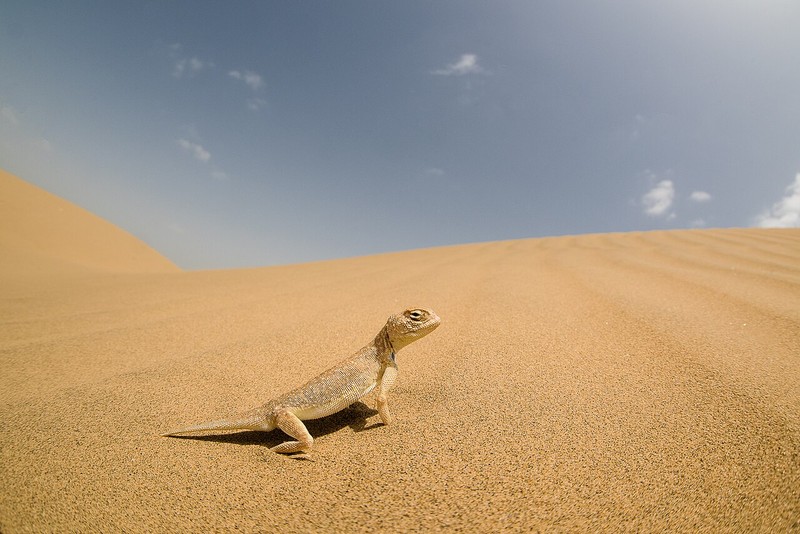
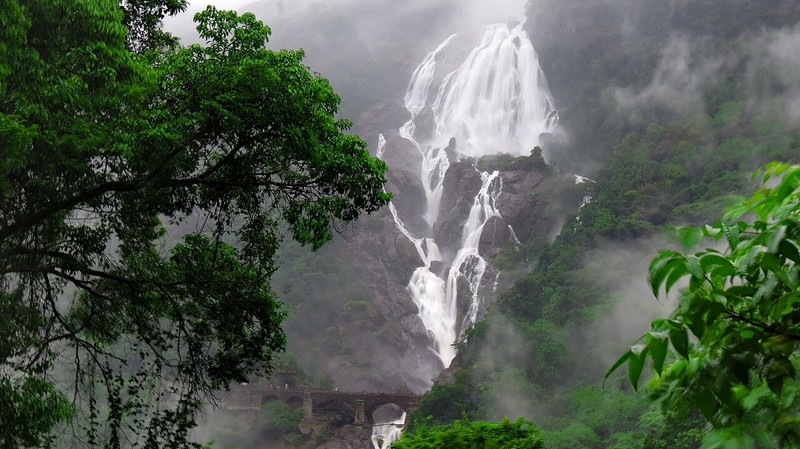
India's nature is called one of the richest on Earth. 45 thousand plants grow on the territory of the republic, of which 5 thousand are found only in India. This diversity is explained by climatic conditions. Landscapes differ in contrast. In some states, there is a lot of vegetation, while in others‒ the land is desolate and arid.
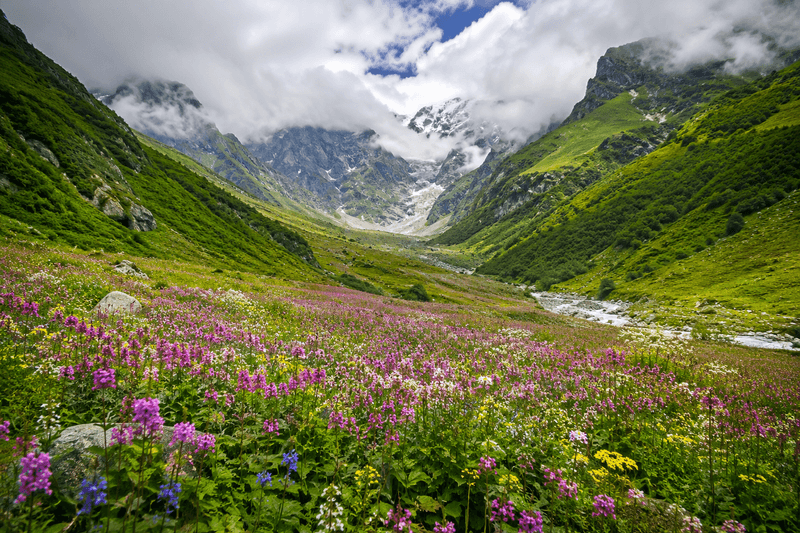
Kashmir in the north of the country is richly covered with forests, high-altitude meadows and lakes. Punjab in the northwest has fertile lands. Wheat, barley and millet are grown here. South India is represented by granite formations. There is a lot of rice in Delhi. The territory leading to the foothills of the Himalayas contains forests. There are many tea plantations in Darjeeling and Assam. Nuts, pepper, rubber, and cardamom grow on the Malabar coast. Palm trees line the entire coast of Hindustan.
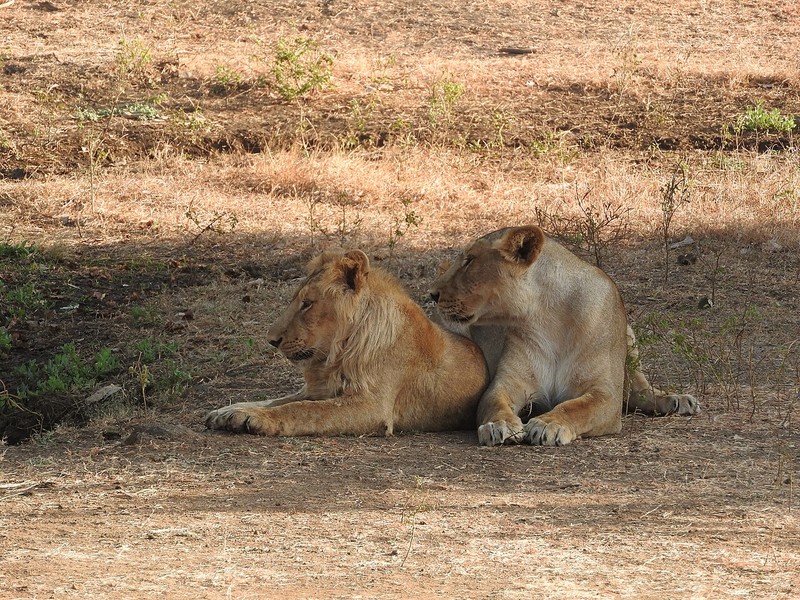
India is home to 350 species of mammals, accounting for 8% of all species on the planet. You can meet bears, Bengal tigers, Asian lions, elephants, deer, wolves. You need to be careful with macaques. They move in packs and can easily take food or a thing they like from a person. The cow is considered a sacred animal. Religious Indians are called Hindus. They worship snakes, which are found in every city. Zoologists count about 200 species, a quarter of which are poisonous. The King cobra is recognized as the largest snake. Its body length can reach up to 5 meters. If a snake enters the house, the locals try to remove it without causing harm. If this fails, you can summon a caster.
Giant squirrels ranging from 80 to 110 centimeters and weighing up to 3 kilograms are at the stage of extinction. And the state is taking rescue measures to increase the animal's population. India has become home to over 3,000 species and subspecies of birds. That's 12% of the birds on Earth. The most common are crows, turtle doves, herons and parrots. Peacock hunting is prohibited. During the mating season, males spread their tails to attract the attention of females. Their movements resemble a dance. In addition to them, there are more than 20 thousand insects.
Geography
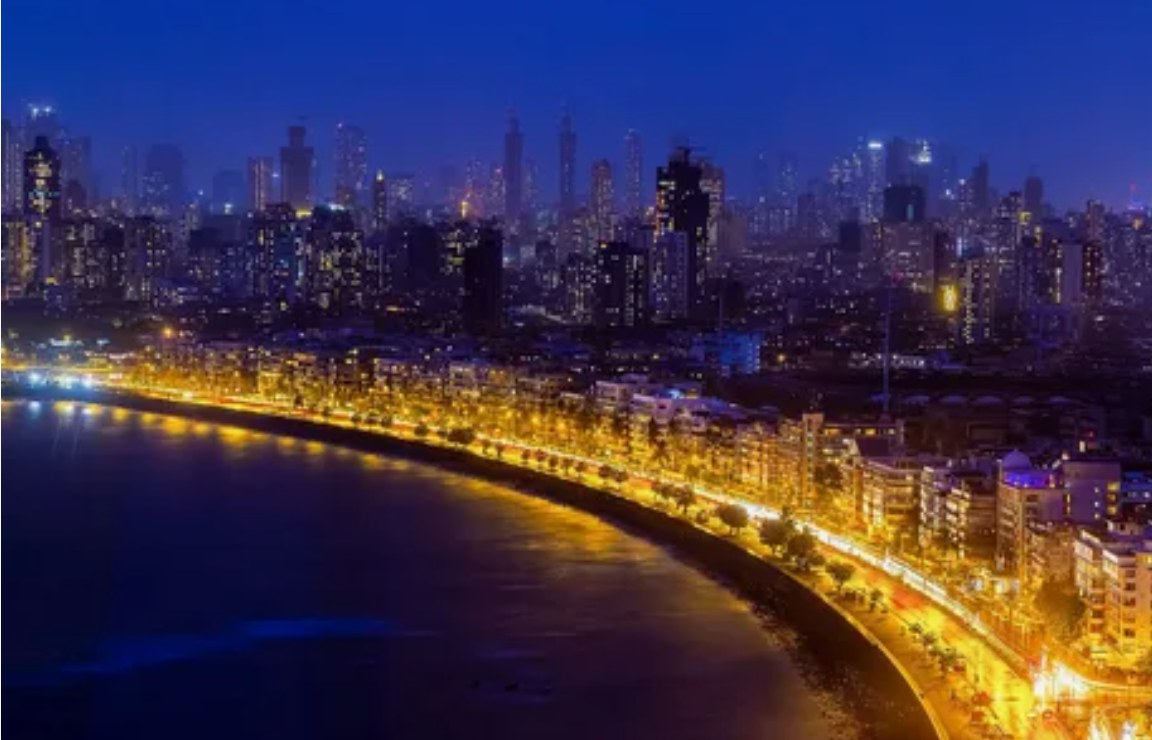
India's holdings amount to 3.3 million square kilometers. They are divided into more than 700 districts, each of which has its own government. The state ranks seventh in the world in terms of area. Geographically, it covers south Asia and the entire Indian Subcontinent. The borders of Pakistan, Nepal, China, Bangladesh and Afghanistan are nearby. Maldives, Indonesia and Sri Lanka are located close to the maritime borders.
The geographical location determines the value of the country. Iron ore is mined between Orissa and Bihar. India is rich in manganese rocks. There are coal reserves in West Bengal. Deposits of gold and diamonds are concentrated in the southern states. There are a lot of ferrous metals in the central regions. The East is called an oil-producing region.
Rivers account for 77% of India's water resources. They flow into the Bay of Bengal, which is part of the Indian Ocean. The country is washed by the waters of the Arabian and Laccadive Seas. You can get to the republic by plane, train, bus or ferry.
Cuisine
The cuisine in India is not distinguished by unity. Each state has its own culinary traditions. Beef is not eaten in most areas because the cow is a sacred animal. But if desired, you can find beef in stores in big cities.
In the north of India, mutton dishes are often prepared. Spicy meatballs are served in yogurt. In any restaurant, you can order rice with chicken, lamb or fish. Instead of bread, they eat unleavened tortillas. The majority of the population of South India are vegetarians. The most popular dish is a spicy curry made from bhujia vegetables. Lentils with curry are called amba. In the western part, fish and seafood are served. The signature dish is curry fish in yogurt. In the east, it is recommended to try shrimp with coconut.
Common to the national cuisine of India is the abundance of vegetables and seasonings. Spices are even added to tea. Locals like to enhance the taste of food, so they have long been accustomed to the spiciness of dishes. The story goes that the Portuguese brought paprika to India. And pepper is generously added to almost all dishes. Other popular spices include curry, cardamom, cinnamon, coriander, and turmeric. It is customary to finish the meal with tropical juices.
Tips for Tourists
Tap water in India is of poor quality. You can't drink it, but you can wash fruits and vegetables. It is advisable to rinse your mouth with bottled water during the first 3 days of brushing your teeth to soften the adaptation process. It is better to always carry water with you to prevent dehydration in hot weather. If cafes and restaurants are located far from tourist areas, they probably won't have free WI-FI and an English-language menu.
The locals, especially in the provinces, are very friendly. If you ask them for help telling you the way, it is advisable to repeat this question several times, replacing words with synonyms. It's inconvenient for them to ask again if they didn't understand the first time. And, in order not to offend the guest of the country, out of politeness they point the wrong way. At the same time, they do not feel guilty, as they will be sure that the tourist will definitely ask someone else for directions.
Many cities are located close to each other. It is more convenient to explore the sights on a rented scooter or motorcycle. Rent is cheap. On the street, you can often find bikes with the inscription "for rent" in English.
Housing Rental
Rental cars with and without a driver do not differ significantly in price, so many rent a car with a driver. The smaller the car, the cheaper it will cost. The price will also depend on the brand, model year, and whether or not there is an air conditioner. It is necessary to carefully inspect the vehicle and fix all dents and damages, if any.
Indian roads are considered one of the most dangerous in the world. There are very few traffic lights in the country, but accidents are rare. Drivers honk at each other when they're about to turn right or left, overtake a car, or just wish them a good day. These signals are not always recognized by foreigners. The average travel speed is 30-40 kilometers per hour.
If a scooter or motorcycle can be rented from an ad on the street, then it is better to take a car from trusted companies. This can be done through the hotel or contact Namaste India Tours, Magic Tours of India, V Care Tours and Travel, Swagatam Tours. They are reliable, and they have a lot of positive reviews.
Visa
Everyone except citizens of Nepal and Bhutan needs a visa to cross the border to India. You can pass through the green corridor at customs if there are no items to be declared. The rest of the people pass through the red corridor.
You can take 199 cigarettes, up to 200 milliliters of alcoholic beverages, and 250 milliliters of toilet water on the road. The optimal amount of funds is up to 5 thousand dollars, transportation of local currency is prohibited. Medicines can be transported with a notarized doctor's prescription, otherwise it may be regarded as contraband of prohibited drugs.
If a traveler wants to take more than 2 pets with them, they must have a DGFT certificate with them. Pork, firearms and cold steel, counterfeit money, drugs and pornographic products cannot be imported. It is forbidden to export ingots of gold and silver, live shells, rare plants, stuffed animals and bird feathers. When buying antique souvenirs, the seller must provide a document confirming that the product does not have historical value.
Holidays
They like to celebrate holidays in India. The population lives according to the lunar calendar, so the holiday dates change. In January, after the New Year, the Pongal Harvest Festival is a major event. It is celebrated for 3 days. Cows and oxen are showered with rice as a sign of gratitude to the Sun God. People treat each other to food. A kind of bullfight is taking place. Banknotes are strung on the horns of the bull, they must be removed.
A mass march in honor of Independence Day is taking place on January 26. On this day, the country demonstrates cultural diversity and military might. The period from February to March is called the time of carnivals. At folk festivals, people dress up in fancy dress, sing and dance. During Shivratri, Shiva is celebrated with music and prayers in temples. Holi Festival is held in honor of the arrival of spring. It is a symbol of the victory of good over evil and the joy of life. Everyone can try on any outfit. People pour water on each other and sprinkle colored powders for good luck. The festival ends with the burning of an effigy representing all the bad things on Earth.
In March and April, Gangur takes place, a procession of girls carrying jugs of water on their heads. Shiva's wife Parvati's feet are washed by her. After that, the statue is decorated with garlands of fresh flowers. In May, during the celebration of spring, Kashmiris take out large kettles and arrange a tea party to celebrate the flowering of almond trees.
Shopping
There are many shops, handicrafts, souvenir shops, markets and bazaars in India. When exchanging currency, it is advisable to ask for funds in small bills. There are often no small change in stores, and sellers give chewing gum or sweets for change. There may also be no change in the taxi.
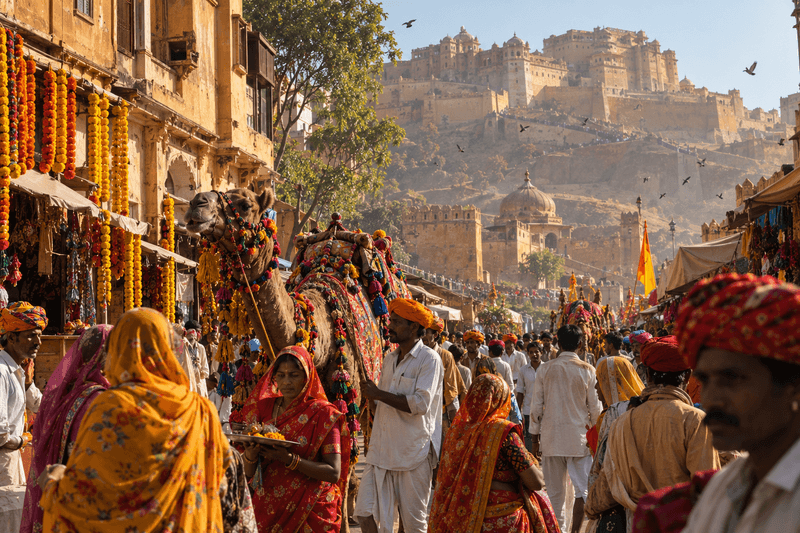
Markets are called the national flavor of India. Here you can find a wide variety of products, ranging from sunglasses to picturesque carpets. You should not be afraid to bargain. A polite smile, sign language and a calculator will help in this case. You can reduce the initially announced cost from 20 to 50%. And it won't alienate sellers.
Tea and coffee are often bought in India. When visiting specialty stores, customers are given satin storage pouches. The country should also pay attention to natural fabrics and clothing made from them. Quality Rajasthan cotton is world famous. Cashmere comes from the province of Kashmir. Shawls and neckerchiefs are in high demand.
Silver and bronze jewelry are the pride of India. The products are of high quality and inexpensive. Most of them are produced in Jaipur, which is recognized as a major center for processing precious and semi-precious stones.
There are spices in a large assortment. They are represented in multicolored placers. There is curry, saffron, turmeric and other spices. Elephant figurines made of sandalwood, singing bowls, and handmade carpets can be brought home as souvenirs. Some woven items are decorated with semiprecious stones and gold thread embroidery.
Entertainment
In India, you can create a diverse cultural program. Many pilgrims gather at the Harmandir Sahib Golden Temple in Amritsar every day. It is located near the center of the reservoir, you can get to it through the bridge. This is the main temple of the Sikhs. There is peace and bliss on its territory. Those who do not profess Sikhism can come here.
Kerala is called the birthplace of Ayurveda. Alternative medicine is practiced here, and you can learn the basics of yoga. Lots of entertainment in Goa. You can relax on various beaches, swim in the sea, swim with dolphins, go water skiing, go fishing and catch exotic fish. There are noisy discos in the evenings. Even in European clubs, "Goa-trance" music is played.
Mysore is the former residence of the Amba Vilas royal family. The palace with its large domes impresses with its size and richness of interior decoration. On weekends and holidays, the illumination of almost 100 light bulbs turns on in the evenings.
Rhinos, tigers, bears and elephants can be seen in the Kaziranga Nature Reserve in Assam. Birds are represented in a wide variety. There are migratory species. All animals live in a natural environment. The park area is almost 700 square meters. You can visit it from April to October.
Bangalore's Wonderla Park has more than 50 attractions, of which 12 are water-based. This is a great opportunity to have fun with the whole family. There are attractions for children. It is cheaper to come on weekdays, as ticket prices on weekends increase by 2 times.
Hotels
There are no problems with the placement. You can rent rooms for every taste. In big cities and tourist centers, you can stay in luxury hotels. For example, in Rajasthan, the royal chambers and palaces of the maharajas were converted into hotels. In such circumstances, you can feel like a royal or a real celebrity.
In general, there are budget, medium and expensive accommodation options in the country. In hotel rooms, you should always pay attention to the bed linen when checking in. The kit may forget to be replaced after the previous guests, but you can ask for it to be replaced. The cheapest accommodation options are rest rooms at railway stations or hostels. If you don't like living in a room, you can rent an apartment or a private house. When examining the property, you can bargain.
Accommodation with Indian families can be arranged. This service is organized by Tourism Development Corporations in some states. In any case, you should never leave food on the table in the room. Ants can appear very quickly, and then it will be difficult to get rid of them.