Trafalgar Square is one of London's best-known public spaces and an important historic landmark in the United Kingdom. Located in the heart of the capital, it has been a place for gatherings, celebrations, cultural events, and public demonstrations for nearly two centuries. Historic buildings and museums surround the square, whose architectural ensemble has become a symbol of London.
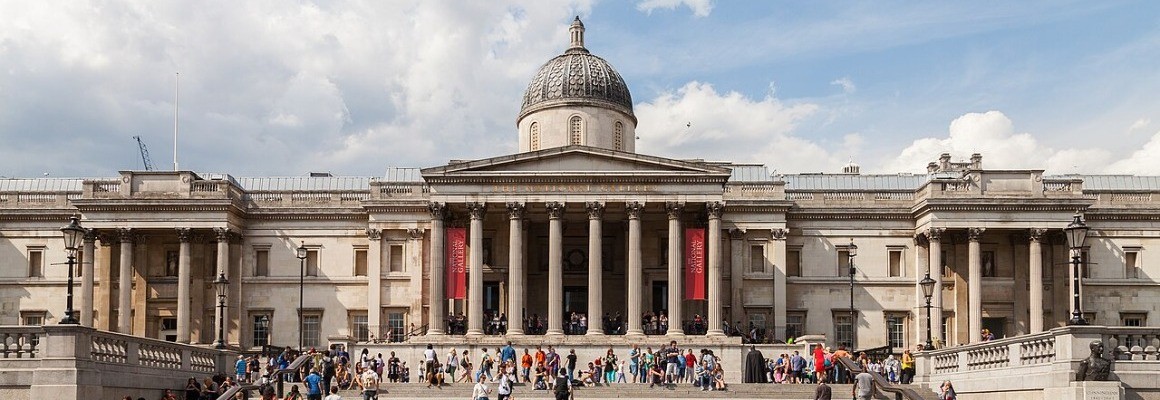
The square's central landmark is Nelson's Column, erected in memory of Admiral Horatio Nelson, who died at the Battle of Trafalgar in 1805. Four large bronze lions stand at its base. The National Gallery dominates the northern side, housing an extensive collection of European art. Fountains, sculptures, and open public space complete the square's distinctive appearance.
History of Trafalgar Square
Before the modern square was created, much of the area served as royal stables and service yards associated with Whitehall Palace. In the early nineteenth century, architect John Nash proposed reshaping central London with new streets and open public spaces. The site gradually developed into an important urban centre.
The square's name commemorates the Battle of Trafalgar, fought off the coast of Spain on 21 October 1805. The British fleet under Admiral Horatio Nelson defeated combined French and Spanish forces. The victory strengthened Britain's command of the seas, although Nelson was mortally wounded during the battle. His memory later became the central symbol of the square.
The site was officially named Trafalgar Square in 1830. The National Gallery opened on its northern side in 1838, Nelson's Column was erected in 1843, and the fountains followed in the 1840s. In 1867, the famous bronze lions designed from models by sculptor Edwin Landseer were added.
Nelson's Column
Nelson's Column is the square's central monument and one of London's most recognisable landmarks. It was designed by architect William Railton, while sculptor Edward Hodges Baily created the statue of the admiral at the top. The tall granite column stands on a substantial pedestal decorated with bronze reliefs depicting Nelson's naval victories.
The monument honours Horatio Nelson, one of the most celebrated commanders in British naval history. The Battle of Trafalgar was a major episode in the Napoleonic Wars. Four bronze lions, installed in 1867, guard the base of the column. They have become symbols in their own right and are popular subjects for photographs.
The National Gallery
The National Gallery occupies the northern side of Trafalgar Square and is one of the United Kingdom's leading art museums. Founded in 1824, it moved into its present building, designed by William Wilkins, in 1838. The gallery was established as a public institution so that people from different backgrounds could enjoy and learn from works of art.
Its collection includes European paintings from the early Renaissance through Impressionism and later movements. Visitors can discover works from Italian, Dutch, Flemish, French, Spanish, and British schools. Admission to the permanent collection is traditionally free, although some special exhibitions may require tickets.
Fountains and sculptures
Two large fountains stand on either side of Nelson's Column. Their jets and reflections animate the square and form part of its nineteenth-century design. Other monuments and sculptures commemorate British history and public life. Some plinths have also hosted temporary art projects, bringing contemporary creativity into the historic setting.
A centre of public life
Trafalgar Square is known for demonstrations, rallies, public campaigns, and speeches. Its central location makes it a prominent place for people to express their views and draw attention to important social issues.
The square also hosts concerts, celebrations, and large public gatherings. During the winter holiday season, a large Christmas tree is traditionally presented to London by Norway as a gesture of gratitude for British support during the Second World War. The annual lighting ceremony has become a familiar London tradition.
Nearby attractions
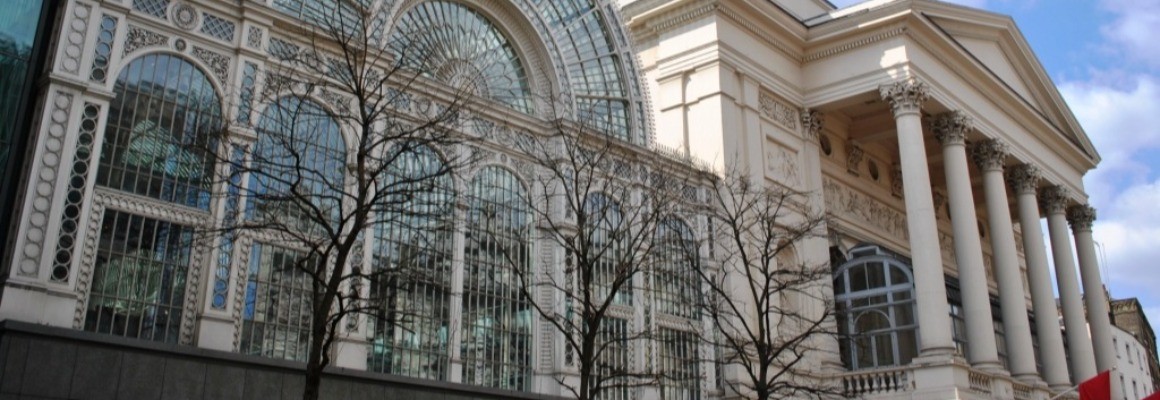
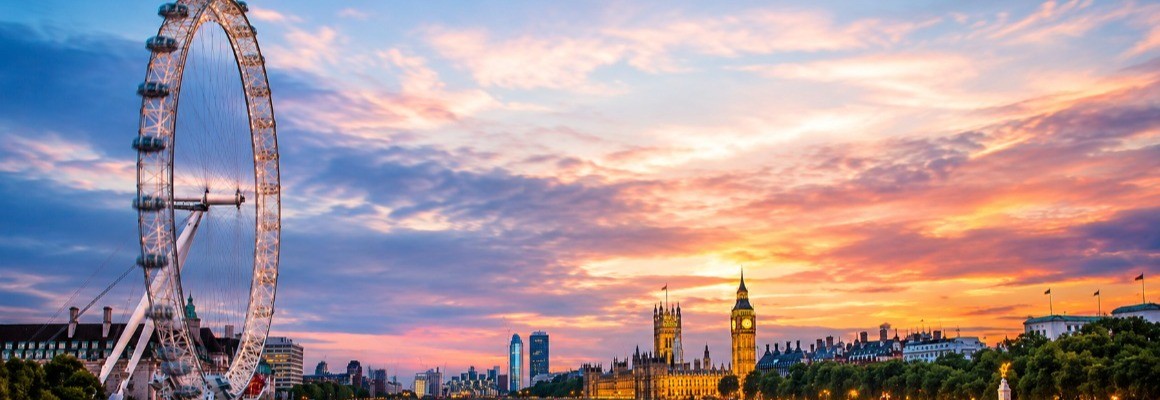
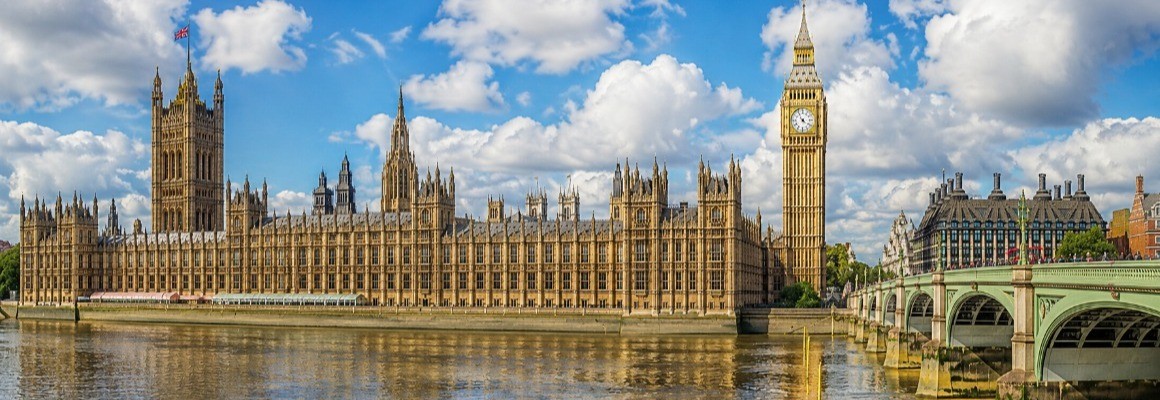
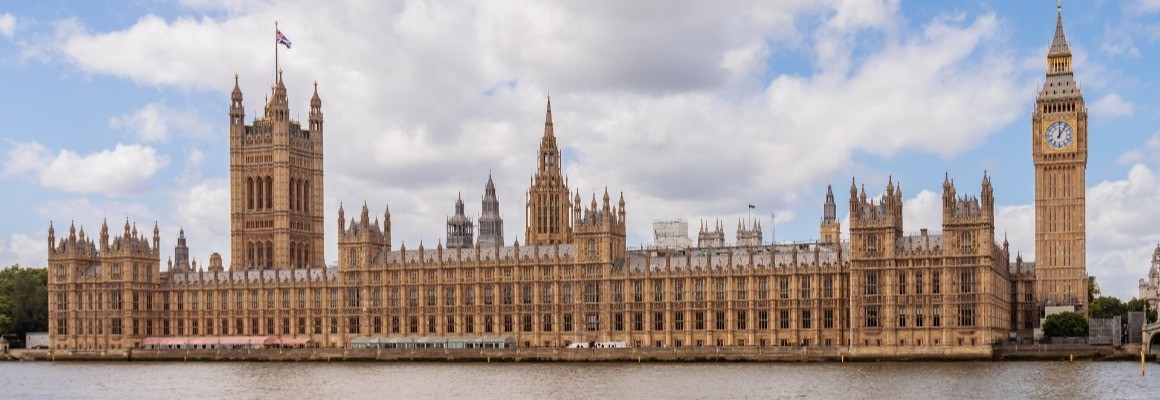
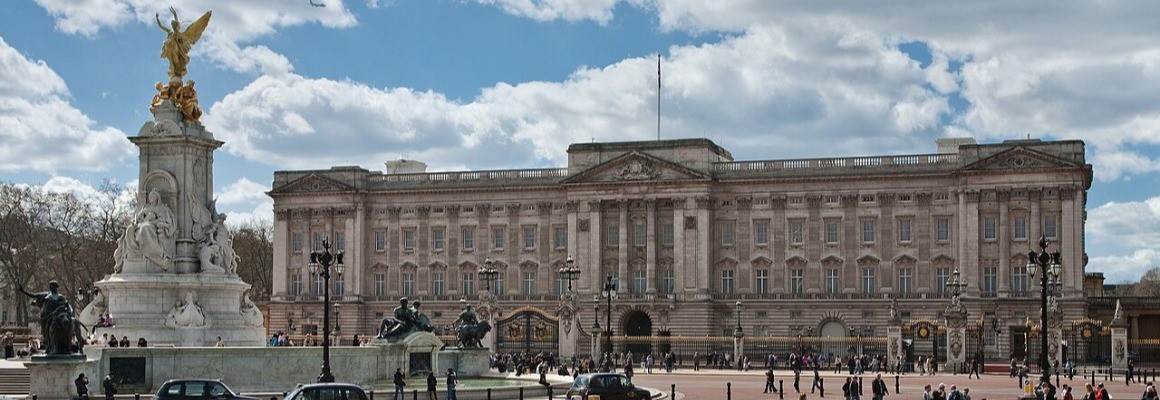
The square is an excellent starting point for exploring central London. Covent Garden, St Martin-in-the-Fields church, Whitehall, and the government district are within walking distance. Leicester Square and the West End theatre district are also nearby. Visitors can walk through St James's Park towards Buckingham Palace or follow Whitehall towards Parliament and Big Ben.
Visiting the square
Trafalgar Square is open to the public, although individual events may bring temporary restrictions. The nearest Underground stations are Charing Cross and Leicester Square. During the day, visitors can admire the National Gallery's architecture, the sculptures, the fountains, and the details of Nelson's Column. In the evening, the lighting gives the square a different atmosphere. It can be particularly busy during holidays and major events.
A symbol of London
Trafalgar Square brings together military history, art, architecture, and modern civic life. Nelson's Column recalls the Napoleonic Wars, the National Gallery presents Europe's artistic heritage, and the square remains a place for meetings and public debate. This combination makes it one of London's most important landmarks.
Gallery