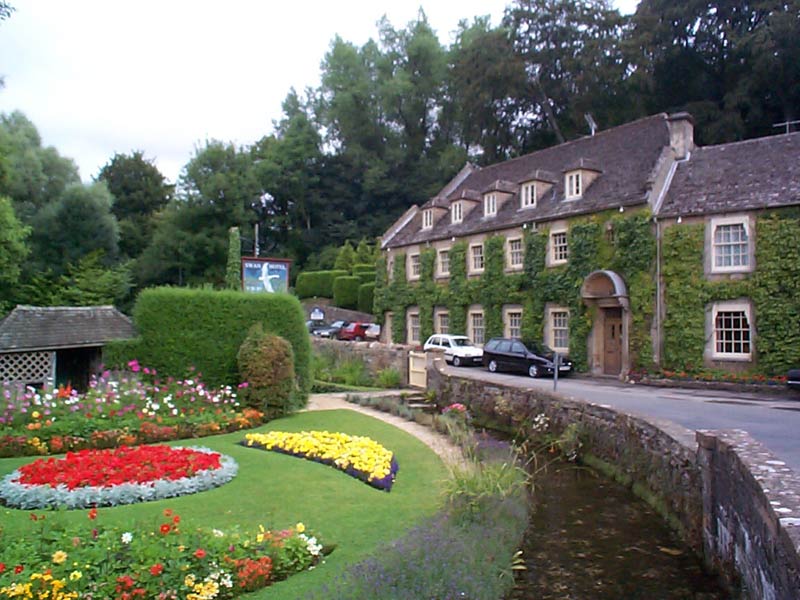
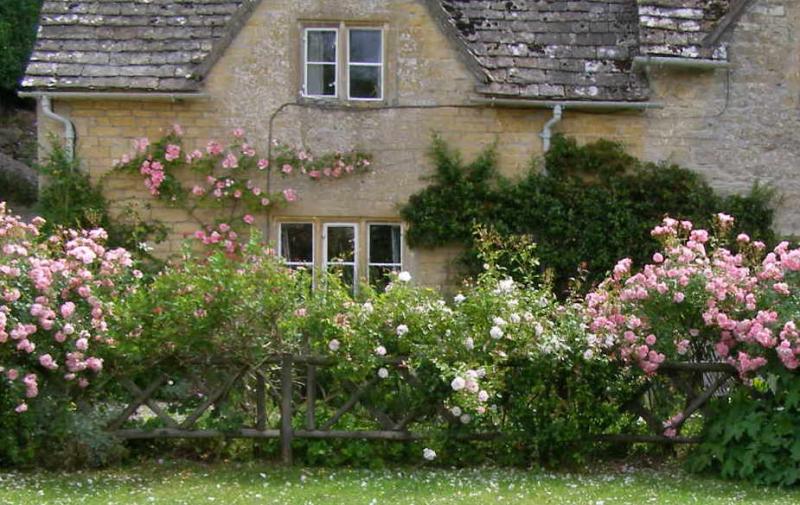
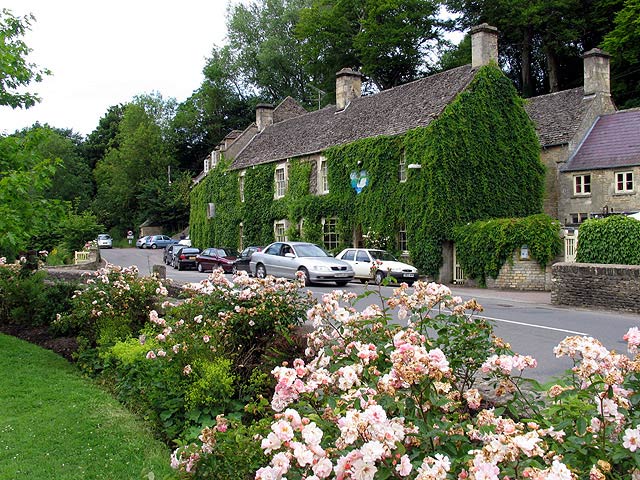
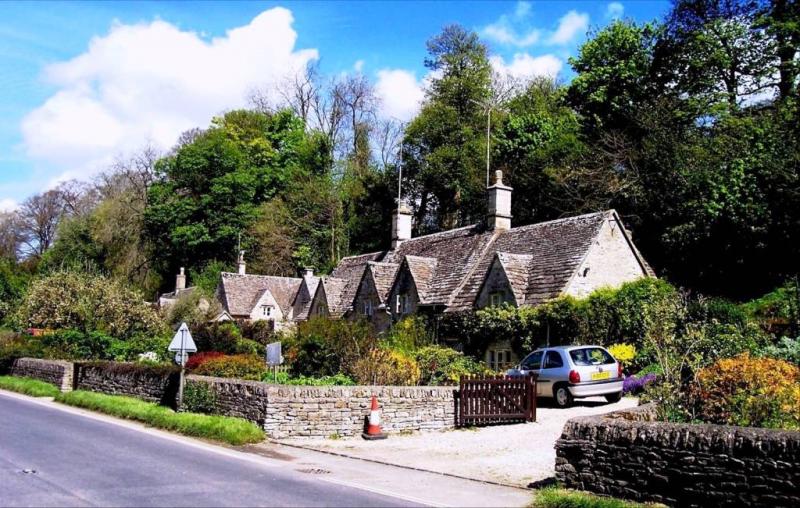
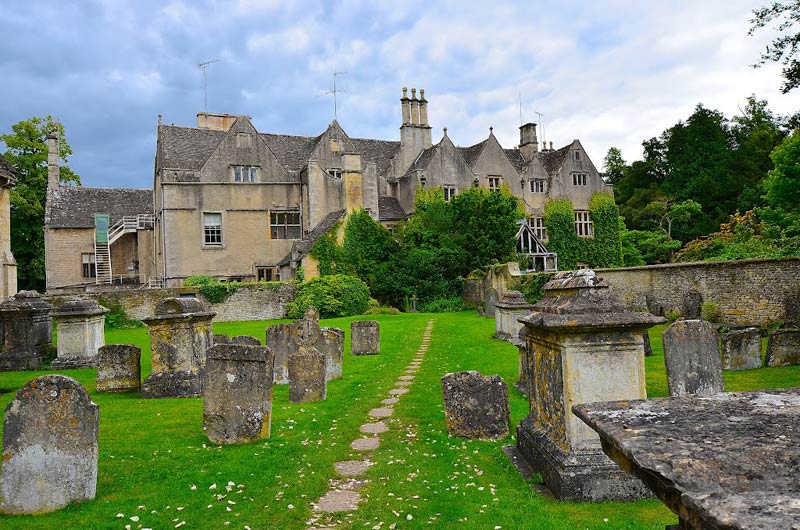
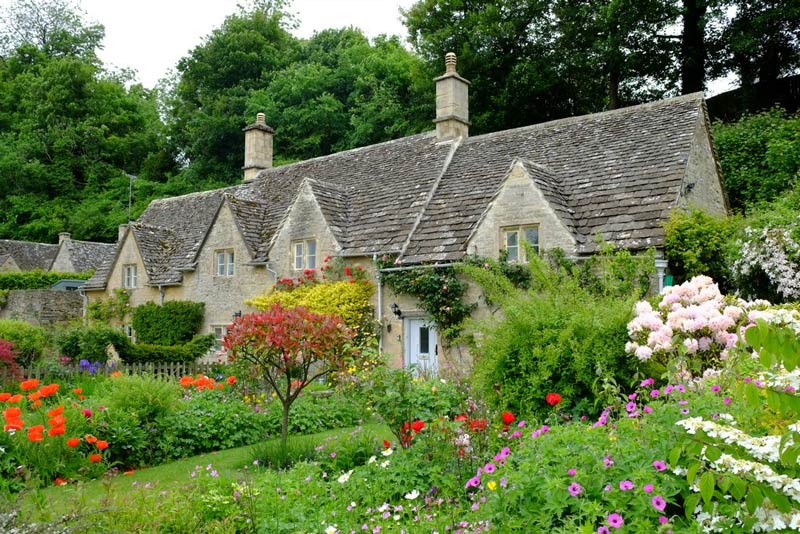
Bibury is a picturesque village in Gloucestershire, southwest England, set among the rolling hills of the Cotswolds beside the River Coln. It is known for its limestone cottages, old bridges, green meadows and the timeless atmosphere of the English countryside. The village lies within the protected Cotswolds landscape and attracts visitors interested in history, architecture, photography and rural walks.
A village with a long history
Archaeological evidence indicates that people lived in the area long before the present village developed. Nearby discoveries include remains associated with an Iron Age hillfort and a Roman villa. The river, fertile land and sheltered valley helped the settlement prosper. For centuries, local life was closely connected with sheep farming and the wool trade. Cotswold wool was highly valued, and weaving and water-powered mills played important roles in the regional economy.
Arlington Row
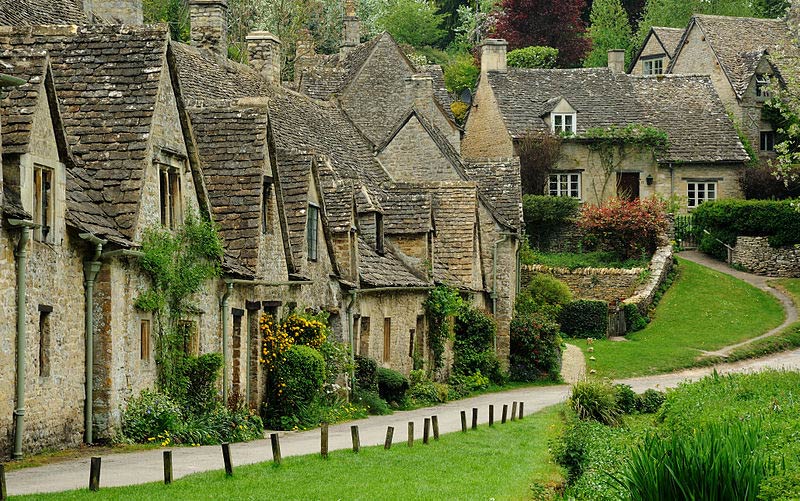
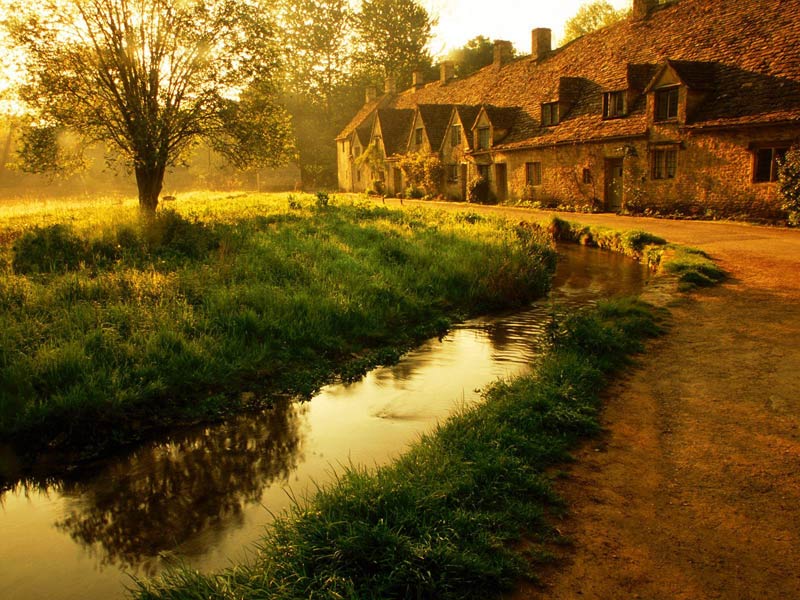
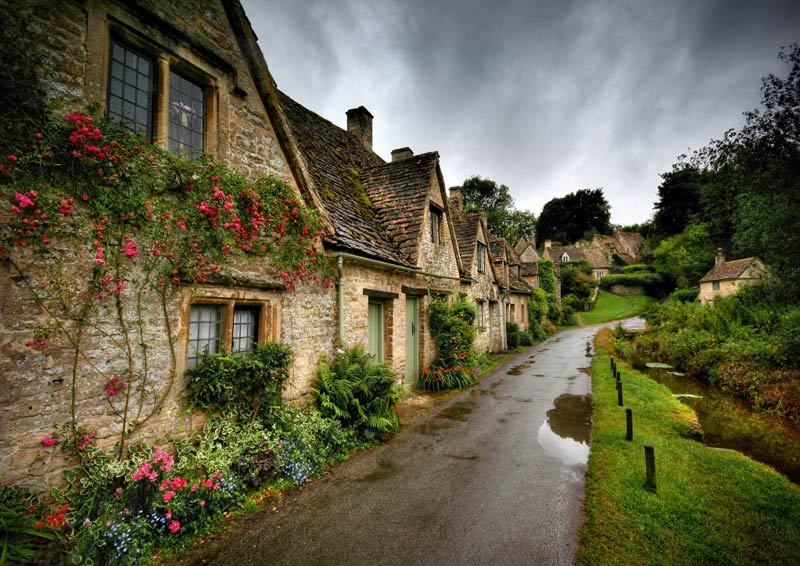
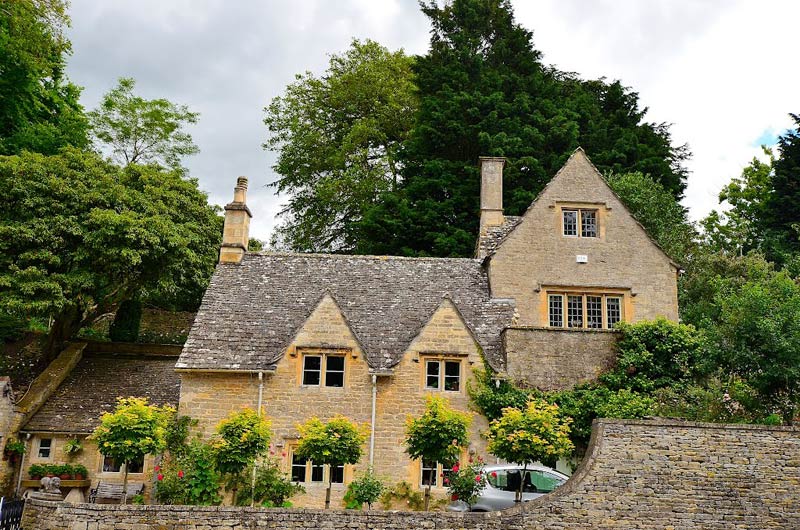
Bibury's best-known landmark is Arlington Row, a line of stone cottages with steep roofs, small windows and irregular gables. The buildings were originally constructed around 1380 as a wool store associated with a monastic estate. In the 17th century, they were converted into homes for weavers as the local wool industry changed. Built from warm, honey-coloured limestone, the cottages create one of the most recognisable scenes in the English countryside. Most remain private homes, so visitors should respect residents' privacy and avoid entering private gardens or buildings.
The River Coln and Rack Isle
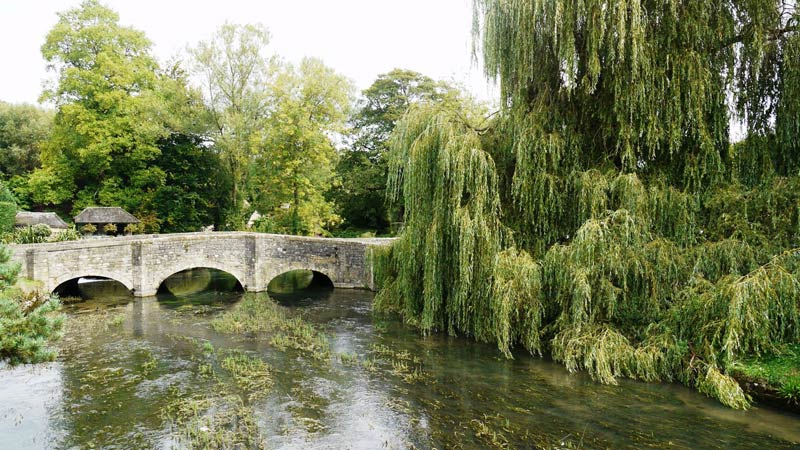
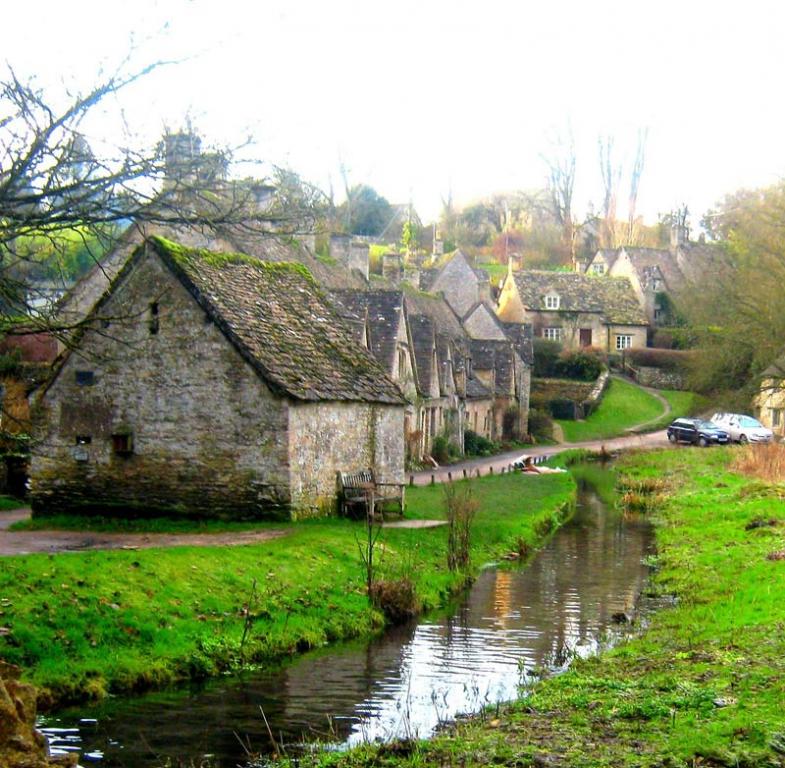
The River Coln runs through Bibury and is central to its landscape. Stone banks, small bridges and green riverside spaces create a peaceful setting. Beside Arlington Row lies Rack Isle, a wet water meadow whose name recalls the village's wool-working past. After washing, wool was hung on wooden racks here to dry. Today, the meadow is an important habitat for wetland plants, birds and other wildlife, including water voles in suitable areas.
Historic mills and the trout farm
Bibury's history is closely linked to watermills, which used the river's power to process grain and treat woollen cloth. The village is also known for Bibury Trout Farm, where visitors can learn about trout farming and the area's relationship with freshwater resources. Check current opening arrangements before planning a visit.
Things to see in Bibury
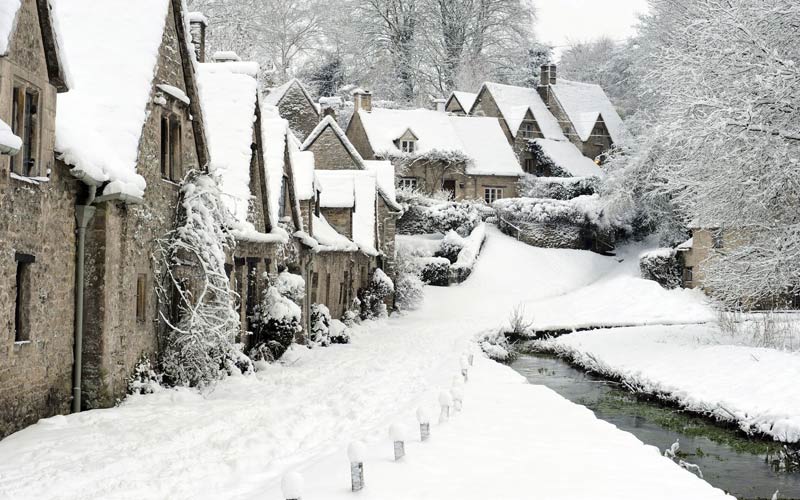
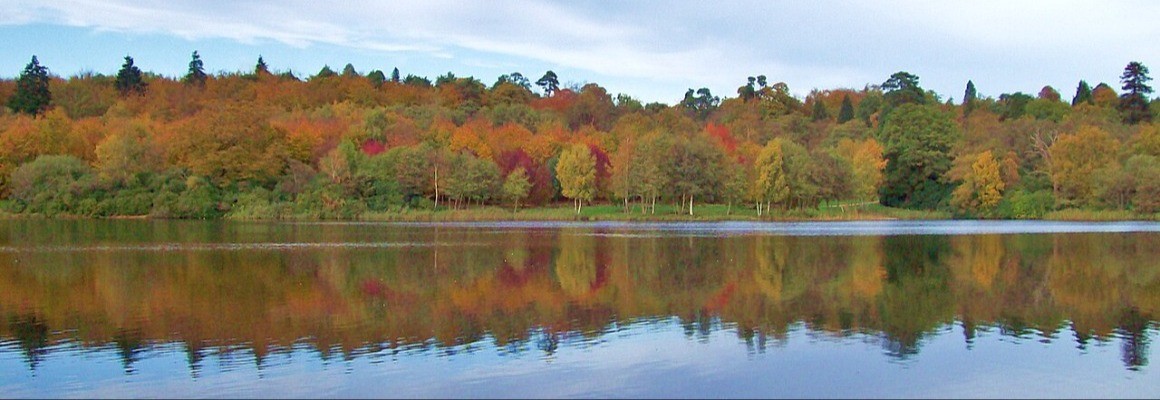
Start with Arlington Row, then follow the riverside paths to admire the River Coln, Rack Isle and the village's traditional stone buildings. Old mill structures and quiet lanes reveal more of the area's history. Bibury also makes a pleasant stop on a wider journey through the Cotswolds. Spring and summer bring lush greenery and flowers, autumn adds warm colours to the landscape, and winter gives the old cottages a particularly atmospheric appearance.
When to visit
Bibury can be visited throughout the year. Weekends and holidays can be busy, so early morning or late afternoon is often best for a quieter walk and photography. The village is a living community rather than an open-air museum. Visitors should stay on public paths, keep noise down near homes and take all litter away.
Bibury offers a memorable combination of medieval heritage, traditional English architecture and riverside scenery. It is an appealing destination for travellers seeking a glimpse of historic rural England and the distinctive character of the Cotswolds.
Gallery