New Forest National Park lies in southern England, mainly in Hampshire, with a small part extending into Wiltshire. It is one of Britain's most distinctive natural areas, where ancient woodland meets open heathland, meadows, wetlands, river valleys and coastal habitats. The park covers approximately 570 square kilometres. Its best-known features include free-roaming ponies, old oak and beech trees, picturesque villages and traditional rural life.
History of the New Forest
The New Forest has a history stretching back more than nine centuries. In 1079, William the Conqueror designated the area as a royal hunting ground. Despite its name, the landscape was not entirely forested even then, but included open ground and inhabited areas. Over the centuries, special land-use rules, hunting, forestry and livestock grazing shaped the region.
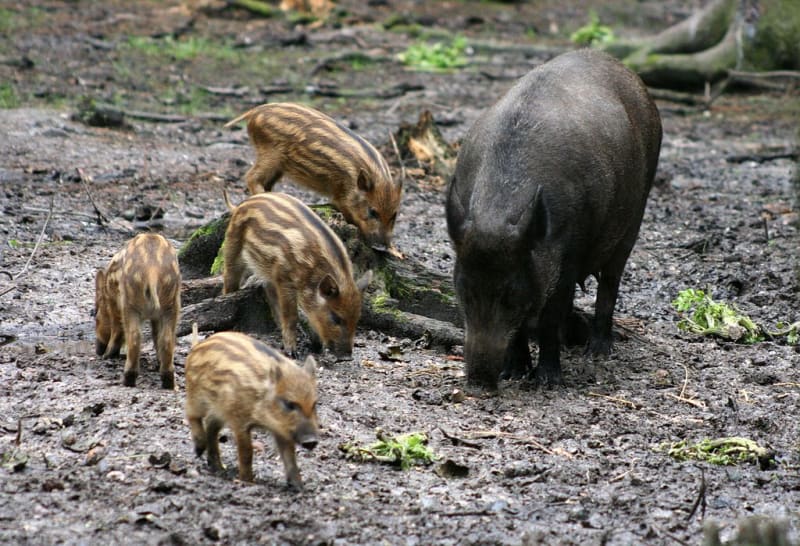
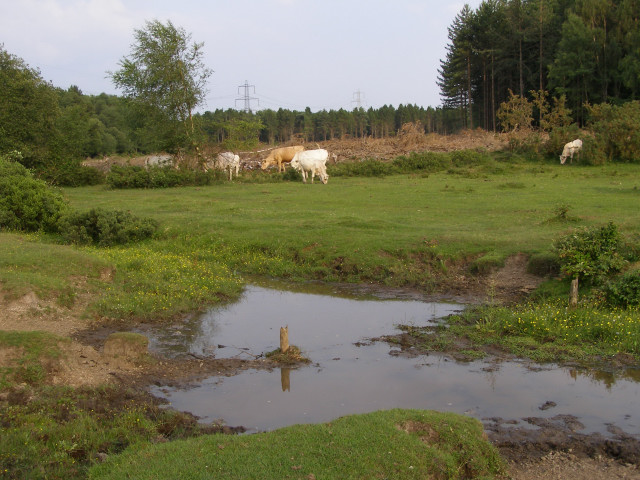
A central part of local life is commoning, a traditional system of grazing rights. Local people known as commoners have rights that allow them to turn their animals out on designated open land. Ponies, cattle, donkeys and pigs continue to graze freely across the Forest and its heaths. This long-standing practice remains active today and helps maintain the area's ecological diversity.
The New Forest was designated a national park in 2005. Today, conservation of its natural and historical heritage goes hand in hand with support for local communities and responsible tourism.
Ancient woodland and open heathland
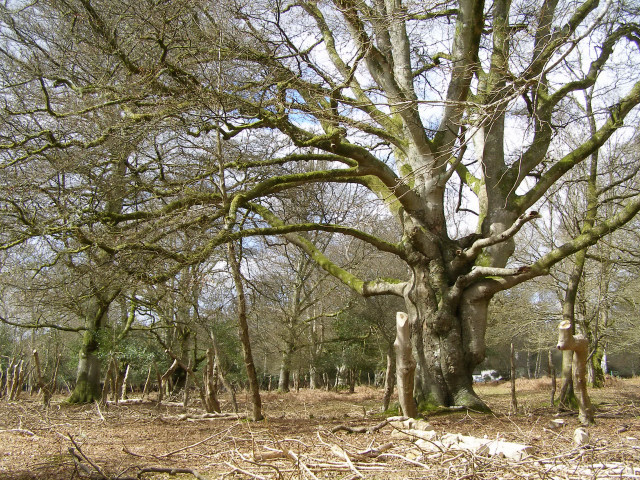
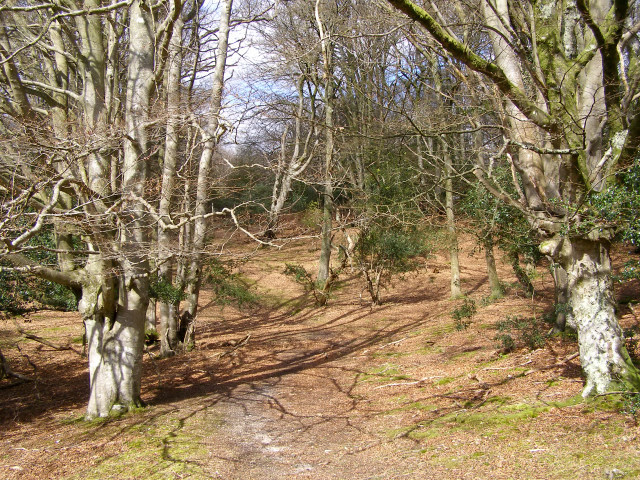
Despite its name, the New Forest is far from being entirely covered by trees. Its landscape is a mosaic of ancient woodland, beech groves, oak woods, open heathland, meadows and wet lowlands. Some areas contain trees several centuries old, while others are dominated by grasses, heather and ferns rather than woodland.
The forest roads are particularly beautiful in autumn, when leaves turn gold, copper and red. Spring brings fresh green growth, while summer clearings provide pleasant places to watch nature. Wet lowlands and valley mires are especially important for rare plants and wildlife.
New Forest ponies
Free-roaming ponies are the park's most recognisable feature. Small groups can often be seen among the trees and across open ground. Most ponies belong to local owners who hold traditional grazing rights. Although they roam freely, they are not entirely wild animals.
Ponies play an important ecological role. By grazing on grass, young shoots and shrubs, they help maintain open habitats and create conditions for a wide variety of plants and animals. Cattle, donkeys and pigs also graze in the Forest, while sheep are found in some areas.
Visitors must not feed or pet the animals or approach them for photographs. Even ponies that appear calm can bite or kick. Drivers should slow down and be prepared to stop, as animals may suddenly move onto the road.
Plants and wildlife
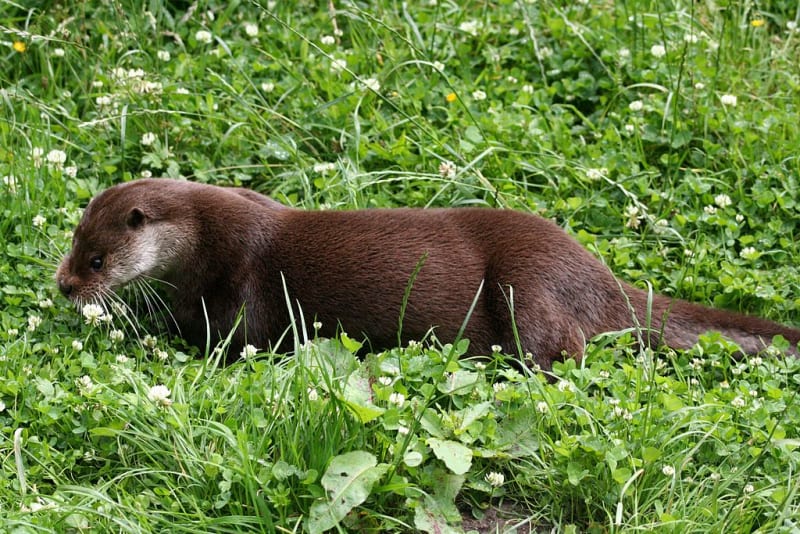
The New Forest is one of southern England's most valuable natural areas because of its wide variety of habitats. It supports numerous species of birds, insects, amphibians and mammals. Deer can be found in woodland, while otters and other water-associated animals inhabit rivers and waterways. Open heathland provides habitats for specialist bird and reptile species.
Ancient trees, wet meadows, peatlands and valley mires are particularly important. They support rare plants, mosses, lichens and invertebrates. This diversity makes the park attractive not only to visitors but also to naturalists, photographers and wildlife researchers.
Villages and places to explore
A good starting point for exploring the New Forest is Lyndhurst, often described as the unofficial capital of the park. It has shops, cafés, accommodation and visitor information about local history and nature. Nearby Brockenhurst is a popular base for walking and cycling.
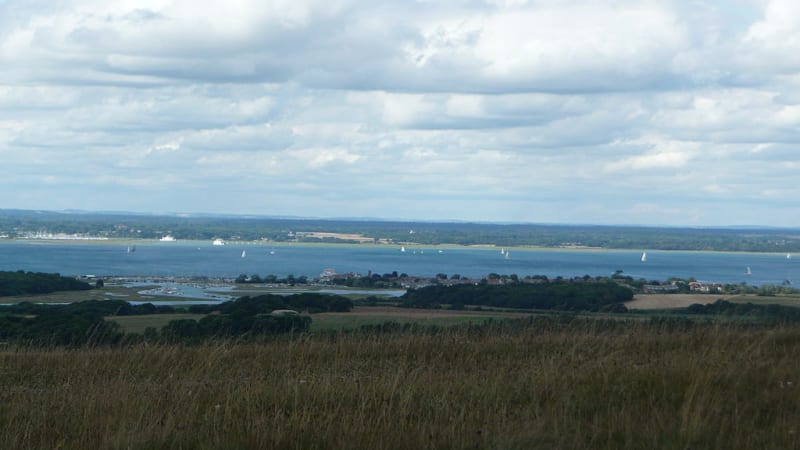
In Beaulieu, visitors can explore the heritage of the historic estate and visit the National Motor Museum. The area is also known for the River Beaulieu and its scenic surroundings. The village of Burley retains a traditional rural atmosphere, while nearby heaths are popular with walkers. Along the coast, salt marshes, tidal mudflats and views across the Solent add another dimension to the landscape.
Walking and cycling
The national park is well suited to walking, cycling, horse riding and birdwatching. It offers many public walking routes and more than 100 miles of permitted cycle tracks. Visitors can choose a short woodland walk, spend several hours exploring the heaths or plan a route connecting several villages.
Cyclists should remain on signed permitted routes. Visitors should respect private property, take their litter home and keep dogs under control. Fires and barbecues outside designated areas can pose a serious threat to woodland and heathland.
Best time to visit
The New Forest is attractive throughout the year. Spring brings fresh foliage, flowering plants and increased bird activity. Summer is ideal for longer walks and exploring villages. Autumn offers golden woodland, misty mornings and soft light for photography. Winter is quieter, although conditions can be damp, windy and cold.
Check the weather forecast and route conditions before travelling. Some low-lying areas become waterlogged after rain. Comfortable walking shoes, weather-appropriate clothing and enough time for the planned route will make a visit more enjoyable.
How to get there
The New Forest lies between Southampton and Bournemouth. Railway stations within the park include Brockenhurst, Sway, Ashurst and Beaulieu Road. Some villages and natural attractions can be reached by public transport, although services vary by season. A car offers more flexibility for exploring remote areas, but visitors should park only in designated car parks.
New Forest National Park is more than a woodland: it is a living cultural and natural landscape shaped over centuries. Ancient trees, free-roaming animals, quiet villages and varied habitats make it an excellent destination for discovering the English countryside at a relaxed pace.
Gallery