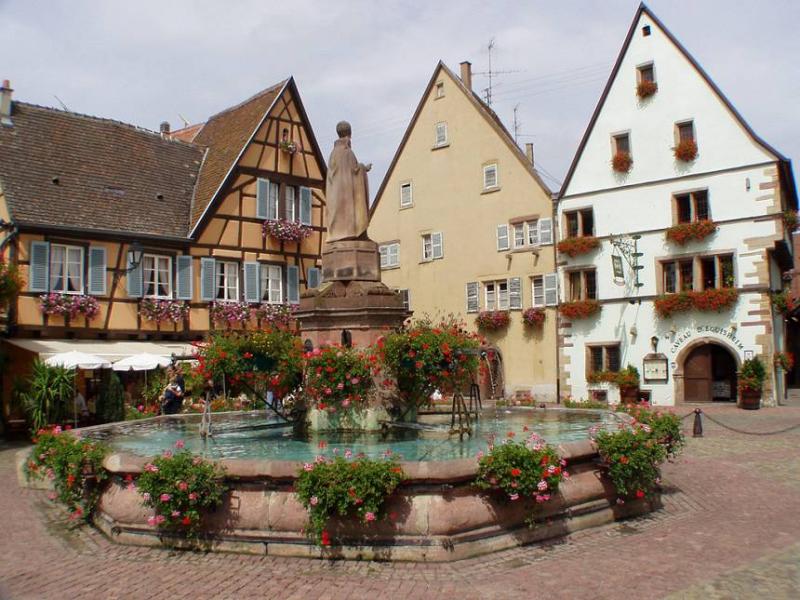
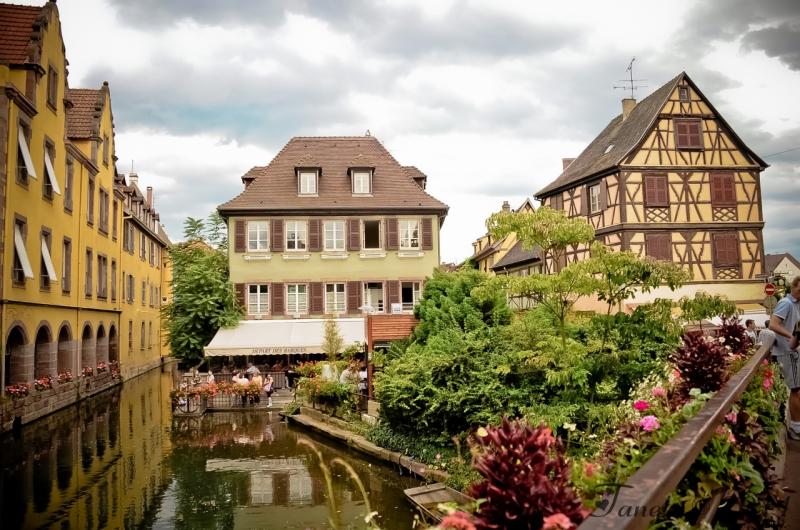
Colmar is a picturesque town in eastern France, in the historic region of Alsace near the German border. It is known for colorful half-timbered houses, cobbled streets, canals, and wine-making traditions. Its historic center preserves architecture from the Middle Ages through the 18th century, making a walk through town feel like a journey into the past.
Little Venice
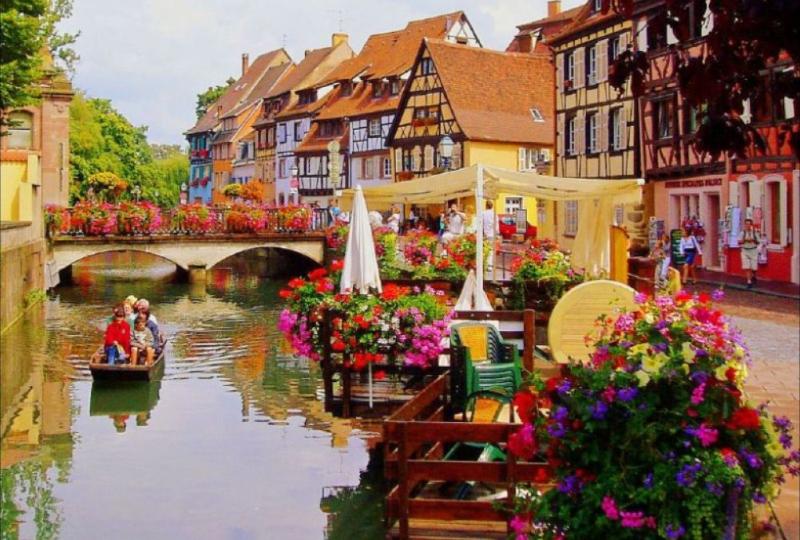
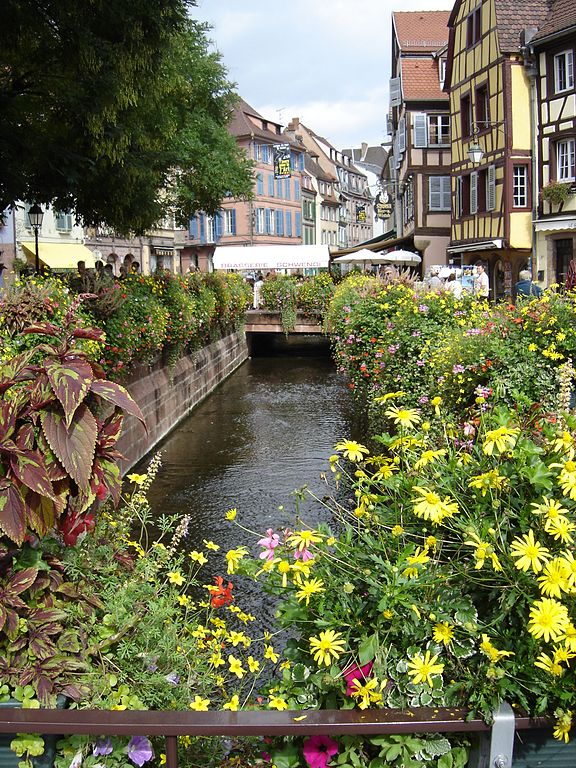
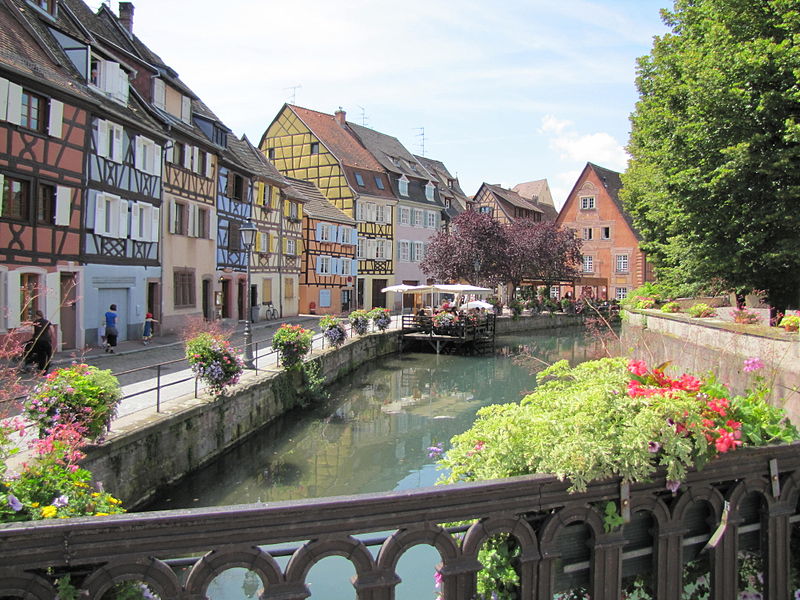
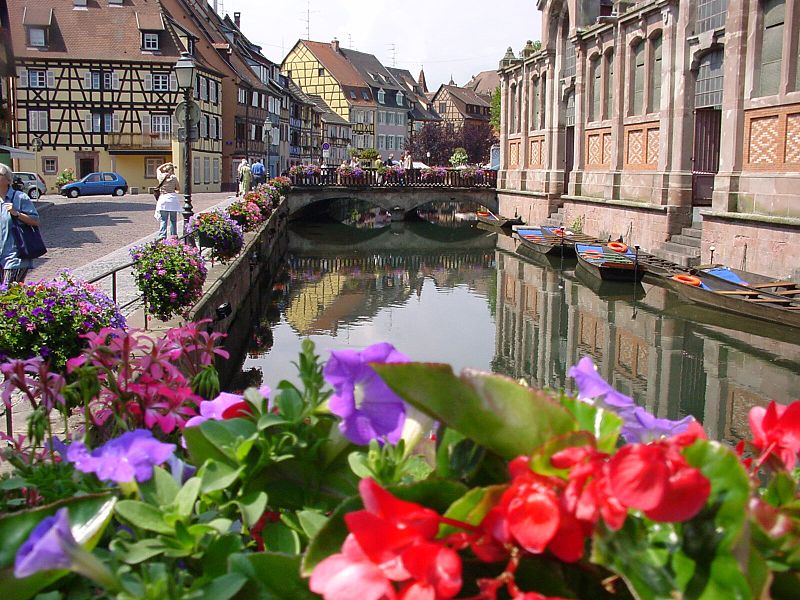
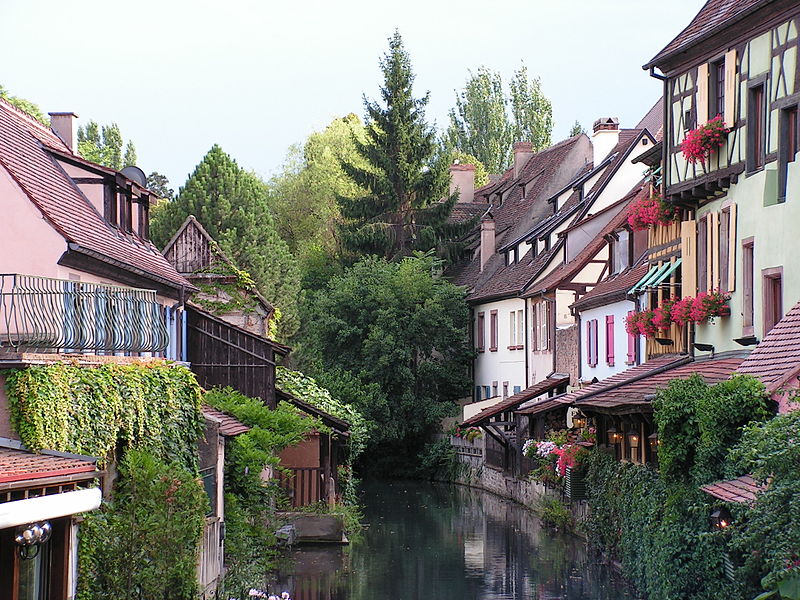
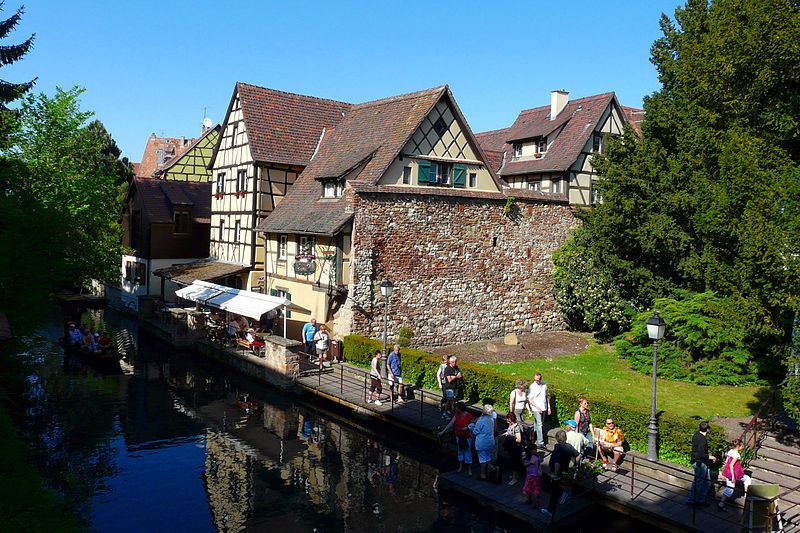
Colmar’s best-known district is Little Venice, or Petite Venise. The name refers to a stretch of the Lauch River lined with traditional houses featuring timber frames, colorful façades, and steep roofs. The former fishermen’s quarter was once home to fishermen and boatmen; today, it has restaurants, small shops, and walking routes. In warmer months, visitors can take a boat ride along the canal.
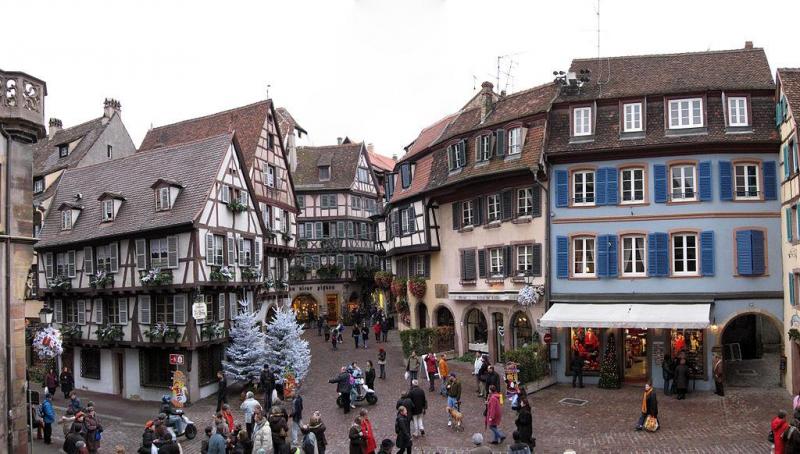
The old town and half-timbered houses
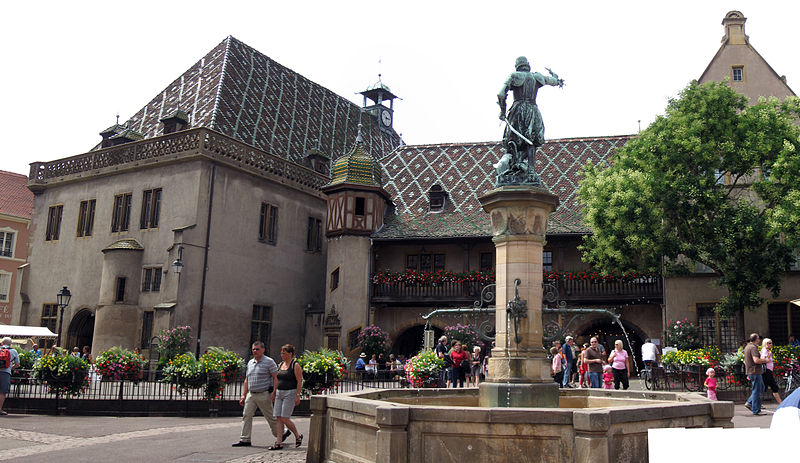
Colmar’s historic center features narrow streets, small squares, courtyards, and houses decorated with exposed wooden beams. The Pfister House, built in 1537, stands out for its corner oriels, gallery, and painted decoration. The House of the Heads, built in the early 17th century, is adorned with 111 sculpted heads and masks. The Koïfhus, the former customs house completed in 1480, is another important reminder of the town’s trading past.
Saint Martin’s Collegiate Church
Saint Martin’s Church is a major example of Gothic architecture in Alsace. Construction took place between 1235 and 1365. The building is known for its pointed windows, stone details, and distinctive roofline. After a fire in 1572, the south tower received its unusual lantern-shaped top. The church stands in the center of the old town and is easy to include in a walking tour.
The Unterlinden Museum
The Unterlinden Museum occupies a remarkable complex of historic buildings, including a former 13th-century Dominican convent. Its collections cover nearly 7,000 years of art history. The museum’s best-known masterpiece is the Isenheim Altarpiece, created by Matthias Grünewald with Nicolas of Haguenau in the early 16th century. Check the museum’s official website for current opening times before visiting.
Bartholdi and local culture
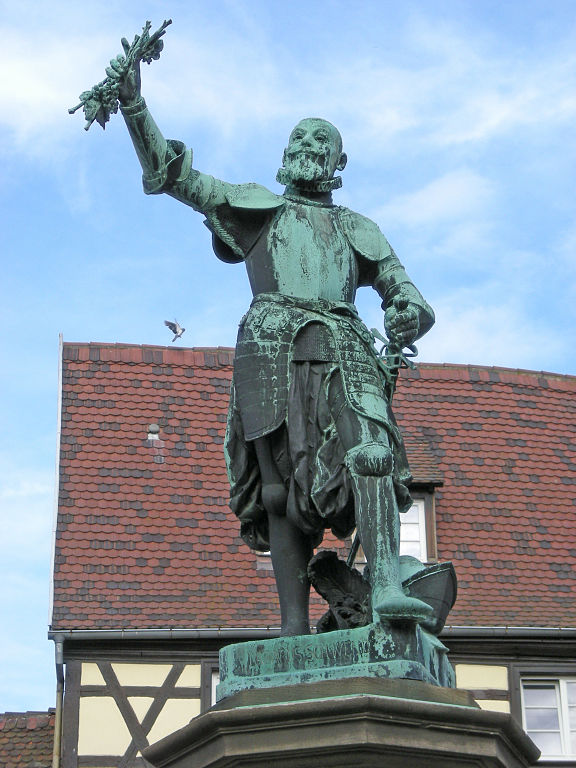
Colmar is the birthplace of Frédéric Auguste Bartholdi, the sculptor who designed the Statue of Liberty. The Bartholdi Museum is located in his former home and displays models, drawings, sculptures, and other materials related to his work.
Alsatian food and wine
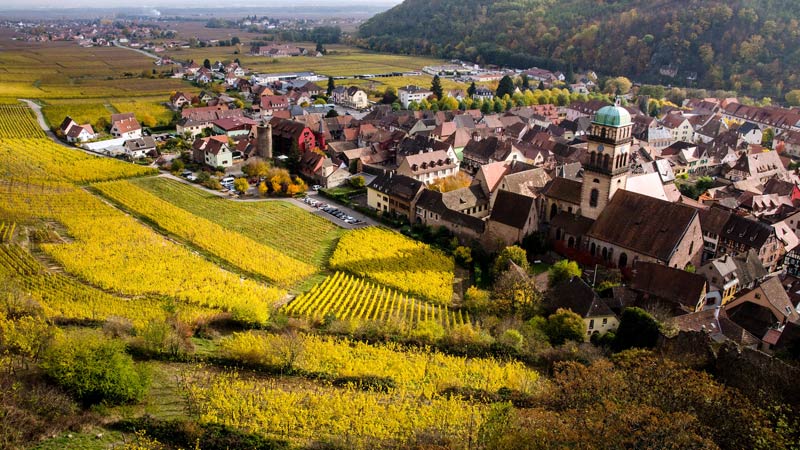
Local restaurants serve flammekueche, a thin flatbread topped with a creamy base, onions, and bacon, as well as choucroute and other dishes featuring meat, sausages, and sauerkraut. Alsace is known for white wines such as Riesling and Gewürztraminer. Colmar is a convenient starting point for exploring the Alsace Wine Route and nearby wine-growing villages.
Christmas markets
In December, Colmar is decorated with lights, festive shop windows, and wooden market stalls. Vendors offer crafts, ornaments, regional food, and seasonal treats. This is one of the busiest times of year, so booking accommodation in advance is recommended.
When to visit and how to get there
Spring and summer are ideal for exploring the old town and taking canal trips, autumn brings attractive vineyard scenery, and winter is known for Christmas markets. Colmar lies between Strasbourg and Mulhouse and is connected to other French cities by rail. One day is enough to see the main sights, while two or more days allow time for museums and excursions into the surrounding villages.
Gallery