Where Is Mount Moses?
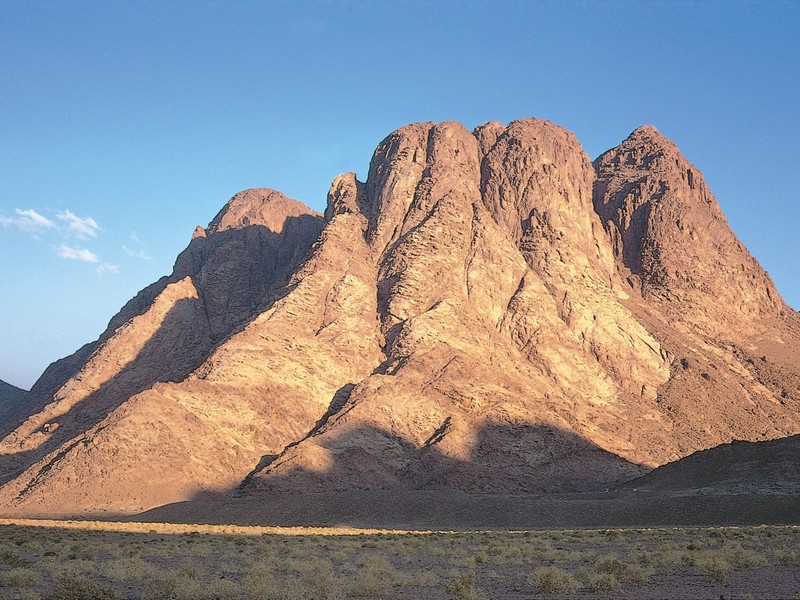
Mount Moses, also known as Mount Sinai or Jabal Musa, is located in the southern part of Egypt’s Sinai Peninsula, near the town of Saint Catherine. It rises to about 2,285 metres above sea level. The mountain is surrounded by rugged granite peaks, narrow gorges and high-altitude valleys typical of the South Sinai highlands.
It is one of the best-known religious sites in the Middle East. Pilgrims, history enthusiasts, hikers and travellers come here to climb the summit and watch the sunrise over the mountains of Sinai.
Religious and Historical Significance
According to biblical tradition, Mount Sinai is associated with the events in which the prophet Moses received the Ten Commandments from God. The mountain therefore holds special significance in Judaism and Christianity. The prophet Musa is also important in Islamic tradition, making Jabal Musa a meaningful destination for followers of all three religions.
The exact location of the biblical Mount Sinai remains a subject of scholarly discussion, but Jabal Musa has been regarded for centuries as one of the principal traditional sites associated with these events. Pilgrimage to the area dates back to early Christianity, when monks began settling in the remote mountains of Sinai.
Nature and Mountain Scenery
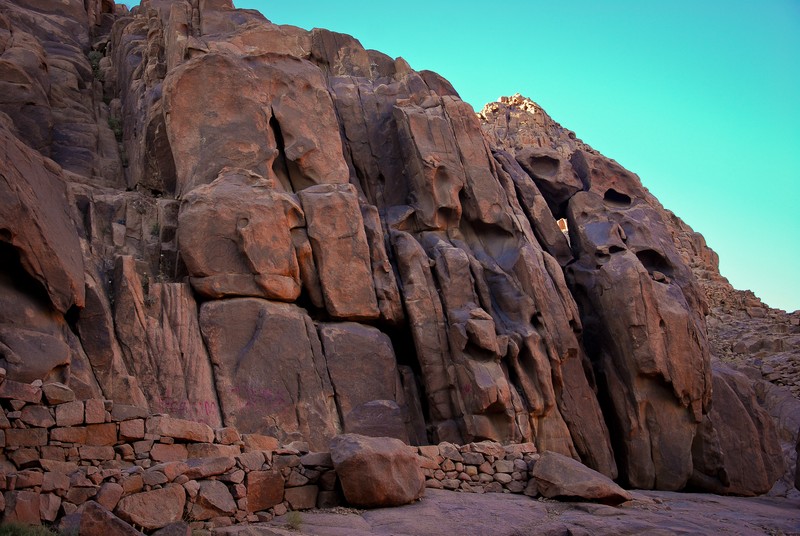
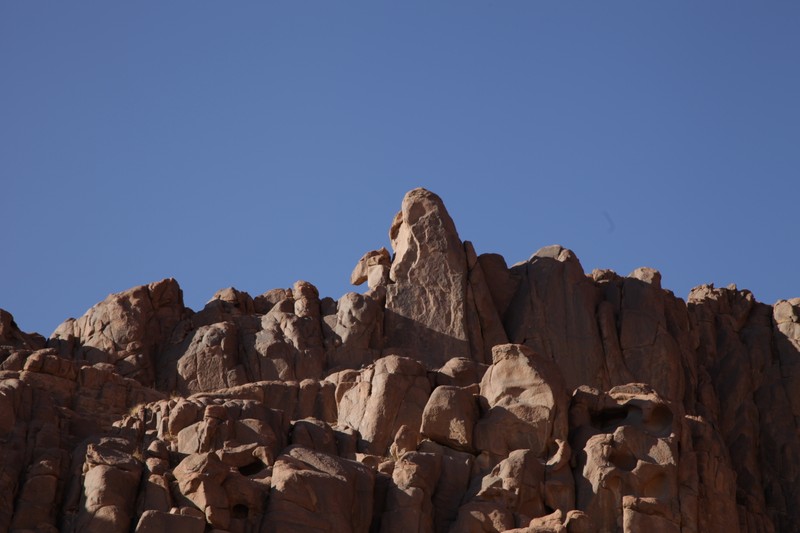
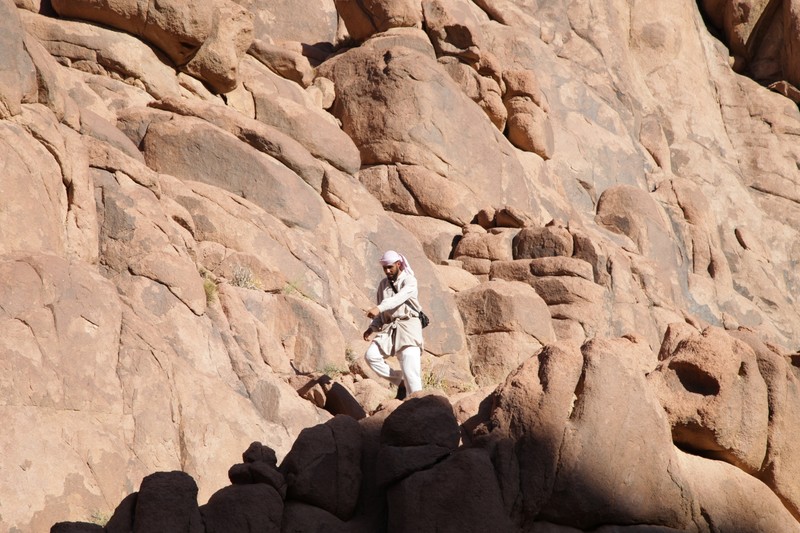
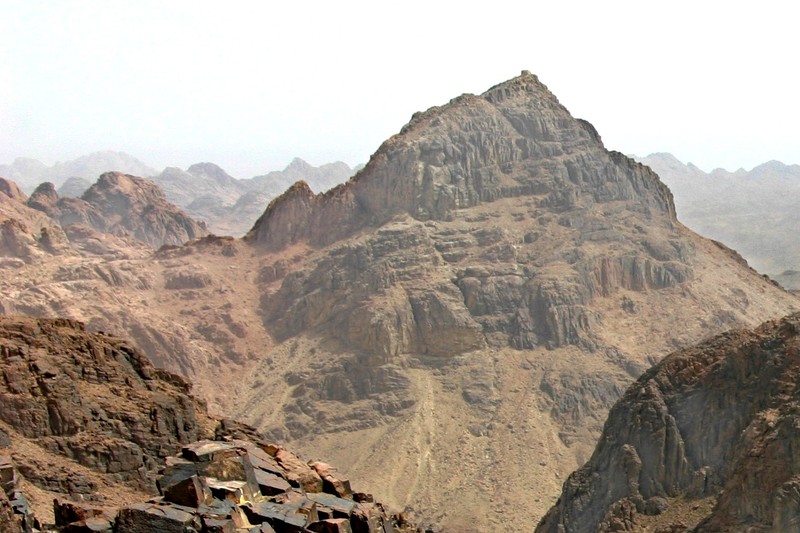
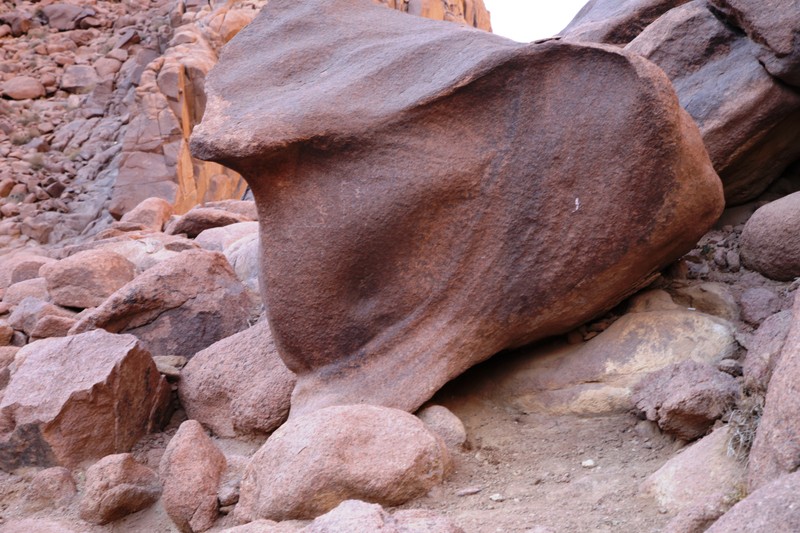
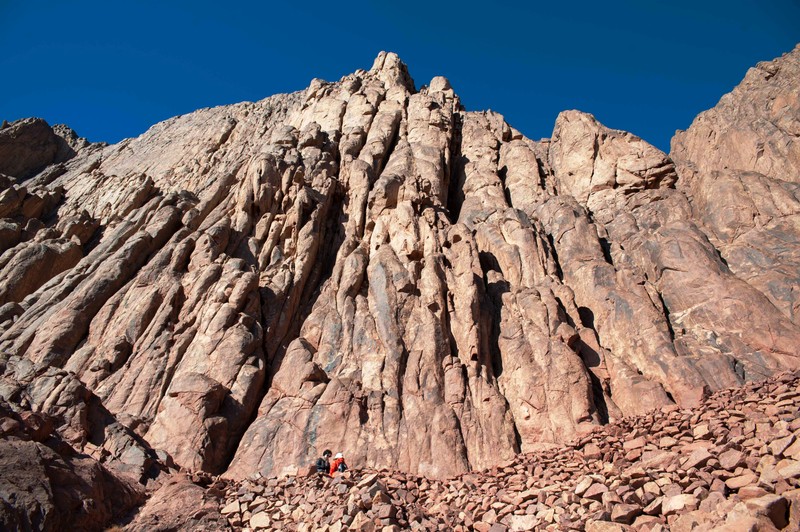
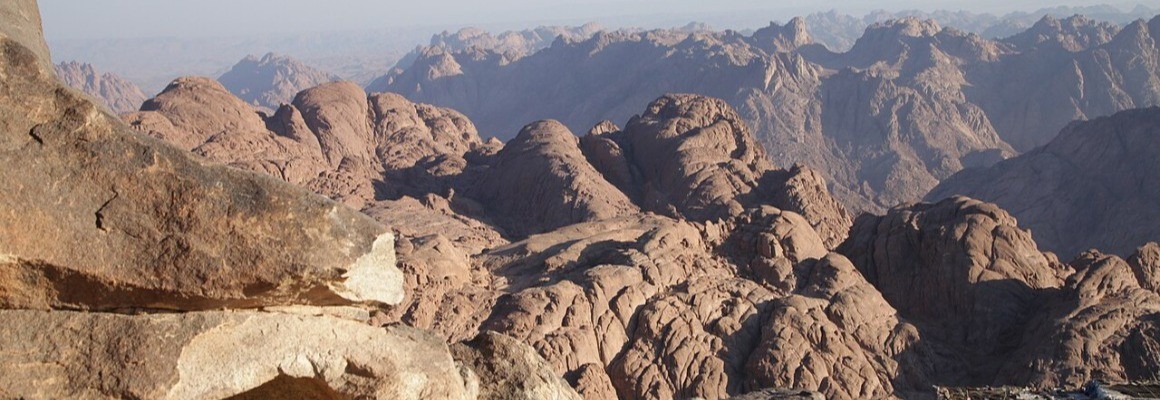
Mount Moses stands among ancient granite formations shaped by geological processes hundreds of millions of years ago. Its slopes are covered with rocky scree, large boulders and exposed cliffs. Vegetation is sparse, although mountain valleys and gorges support rare plants adapted to the arid climate.
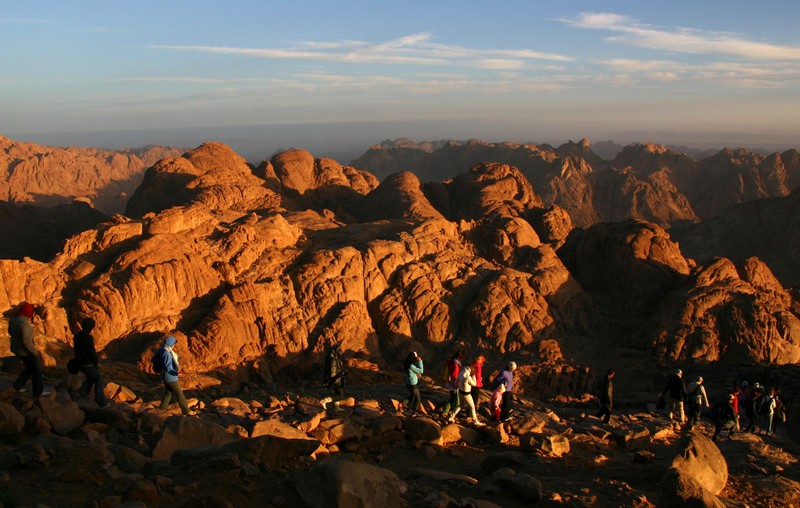
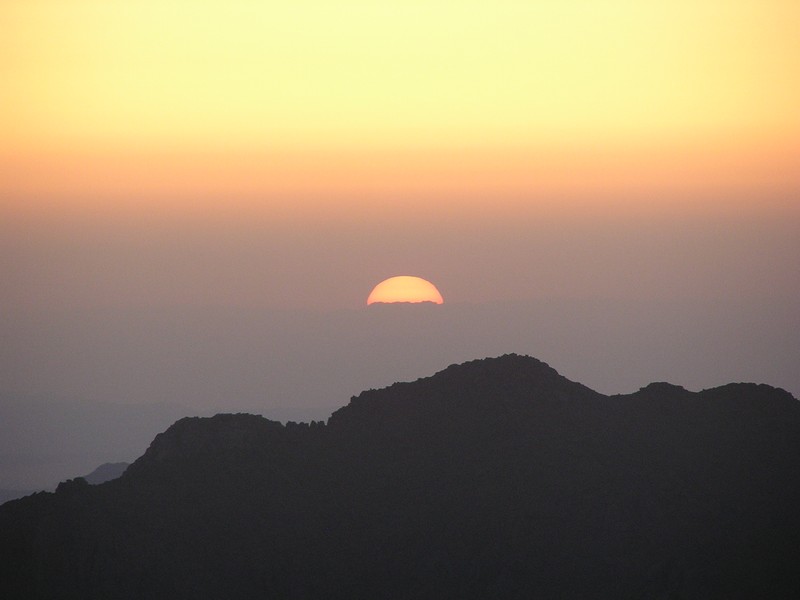
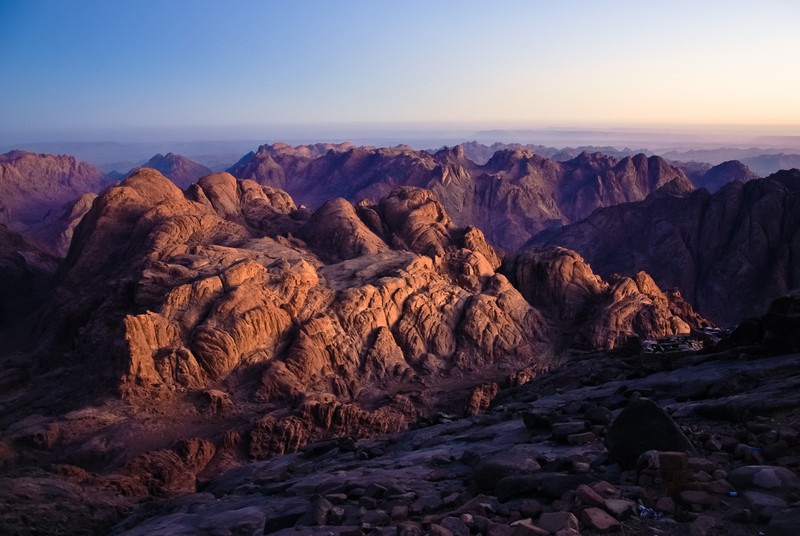
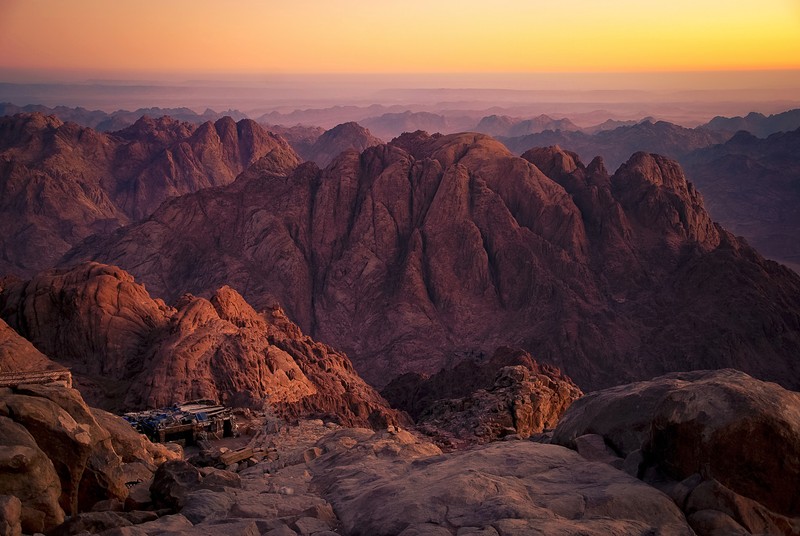
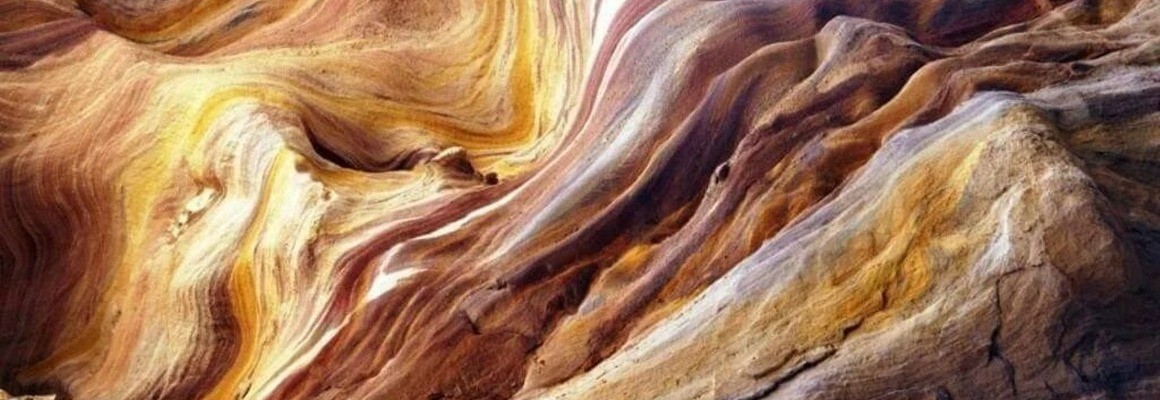
The summit offers sweeping views across the mountains of South Sinai. At sunrise, the light gradually turns the rocky ridges gold, pink and reddish orange. On clear days, countless peaks stretch towards the horizon. The landscape is very different from the image of Egypt many visitors associate with desert plains and the Red Sea coast.
Climbing to the Summit
Climbing Mount Moses is one of the most popular hiking experiences in South Sinai. Many visitors start at night to reach the summit for sunrise. Organised excursions commonly depart from the Sharm el-Sheikh and Dahab areas, travelling through the mountainous interior of the peninsula.
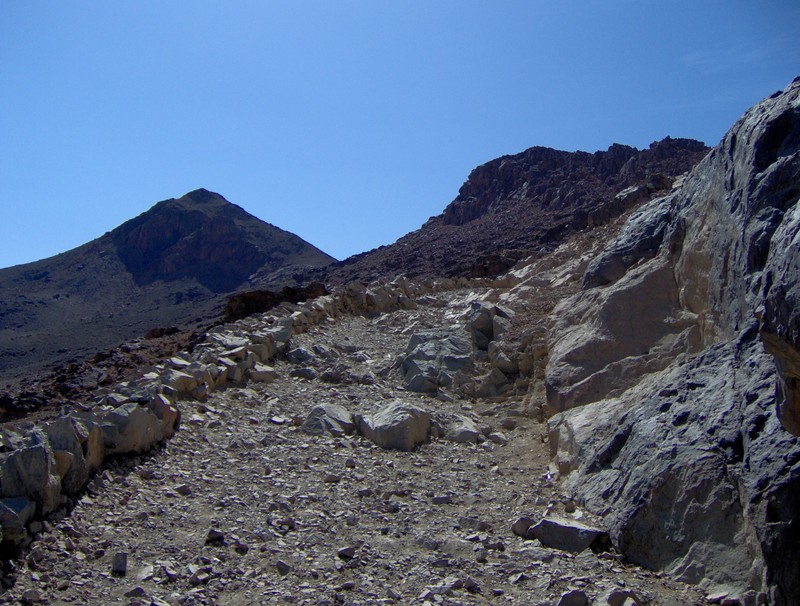
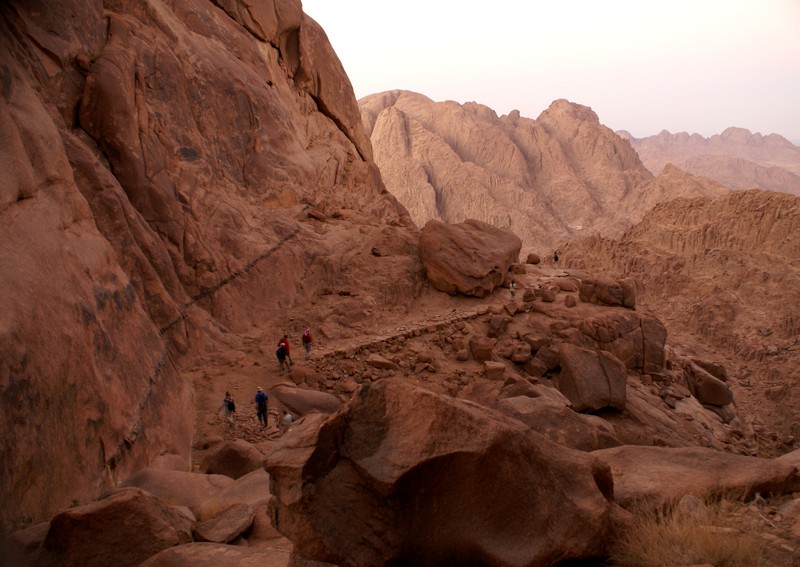
There are two traditional routes. The longer Camel Path follows a winding track up the slope. Rest stops along the way may offer hot tea to hikers. The alternative is the steep Steps of Repentance, a stone stairway of roughly 3,750 steps. It follows a more direct and demanding route and requires good physical fitness.
Many hikers choose the gradual Camel Path and walk the final section to the summit on stone steps. The duration depends on the route, walking pace, weather and fitness of the group. Before travelling, check current access rules and whether a local guide is required.
Sunrise on Mount Moses
Watching the sunrise is often the highlight of a visit. Travellers climb in darkness by torchlight, then wait for the first rays of sunlight at the summit. As the surrounding mountains emerge from the shadows, their unusual shapes, deep gorges and colourful rock surfaces become visible.
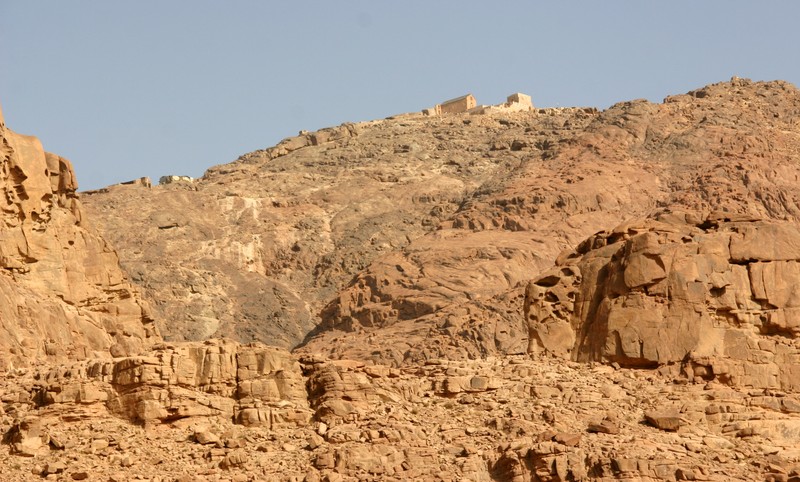
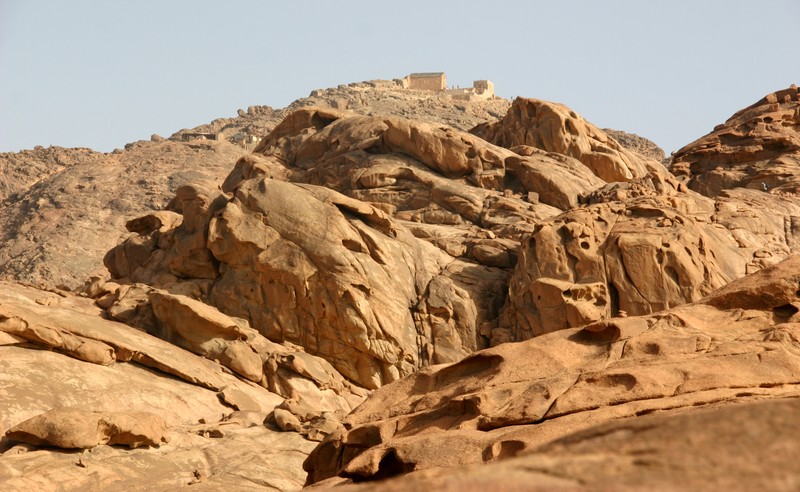
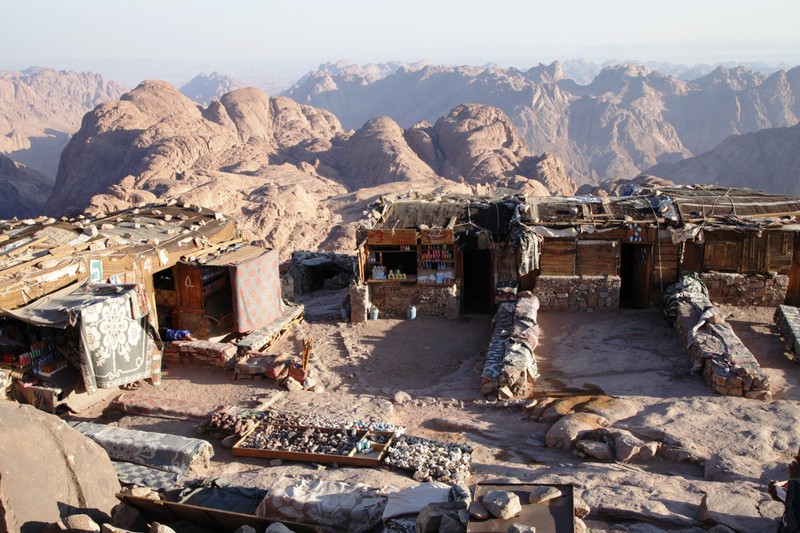
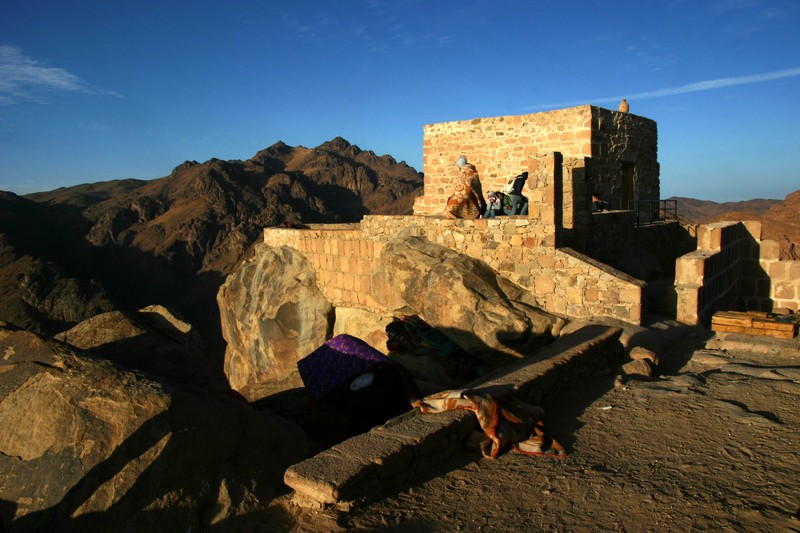
A small Christian chapel and a Muslim shrine stand near the summit. They reflect the mountain’s significance across religious traditions and remind visitors that people of different faiths have made pilgrimages here for centuries.
Saint Catherine’s Monastery
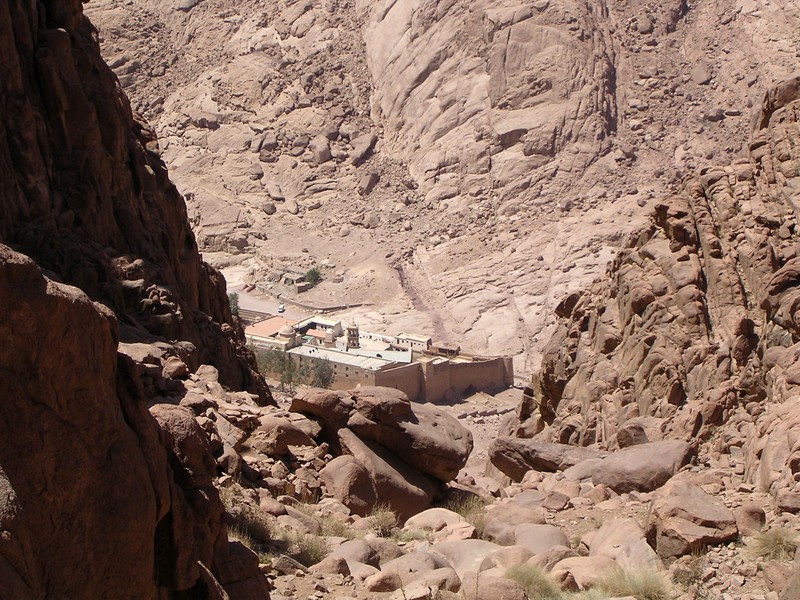
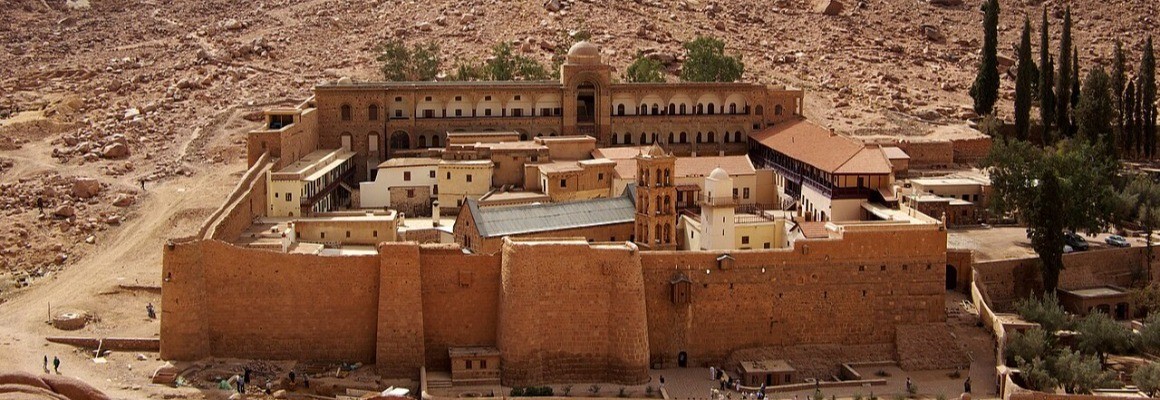
At the foot of the mountain stands Saint Catherine’s Monastery, one of Sinai’s most important historic landmarks. It was built by order of Byzantine Emperor Justinian I between 548 and 565. The complex includes ancient churches, chapels, monastic quarters, a Fatimid-era mosque and a library containing valuable manuscripts.
The monastery is associated with the tradition of the Burning Bush, through which God is said to have spoken to Moses in the biblical account. In 2002, the monastery and its surrounding cultural landscape were inscribed on the UNESCO World Heritage List. Visitors often combine a climb with a monastery visit, but opening hours and access to individual areas should be checked in advance.
Best Time to Visit
Spring and autumn are often the most comfortable seasons for climbing, as daytime heat is usually less intense. Summer can be very hot in Sinai, while winter nights at altitude may fall to freezing or below. Strong winds, frost and occasional snow are possible during the colder months.
Night excursions are especially popular in clear weather, when conditions are suitable for stargazing and sunrise viewing. Mountain weather can change quickly, so check the forecast and local operators’ advice before setting out.
What to Bring
Bring sturdy shoes with good grip, warm layers, a torch, water and a light snack. Even when the foothills are warm, the summit can be cold before sunrise. A hat, gloves and several layers of clothing are useful because temperatures change during the climb.
Pace yourself, take breaks when needed and move carefully over rocky sections. Do not start the hike if you feel unwell, and follow instructions from your guides. Respect the environment by carrying out rubbish and avoiding damage to historic structures.
How to Get to Mount Moses
The town of Saint Catherine is the main starting point for visiting the mountain. Excursions operate from Sharm el-Sheikh and Dahab. The drive from Red Sea resorts takes several hours and often takes place overnight so visitors can reach the summit by sunrise. Independent travellers should check transport availability, road conditions and current access requirements.
When booking a tour, confirm whether transport, a guide, rest breaks and a visit to Saint Catherine’s Monastery are included. Arrangements may vary by season and local regulations.
Interesting Facts About Mount Moses
- Mount Moses rises to approximately 2,285 metres above sea level.
- The Arabic name Jabal Musa means “Mountain of Moses”.
- The summit is traditionally associated with the biblical account of Moses receiving the Ten Commandments.
- Small religious structures near the summit reflect both Christian and Muslim traditions.
- Nearby Mount Catherine is higher and is considered Egypt’s highest peak.
- The sunrise climb is one of the best-known hiking routes in South Sinai.
Why Visit Mount Moses?
Mount Moses combines religious history, striking mountain scenery and the challenge of a genuine hike. Visitors can experience Egypt’s unusual high-altitude landscape, watch sunrise among granite peaks and explore Saint Catherine’s Monastery. Even for travellers who are not on a religious pilgrimage, a visit to Sinai offers an introduction to one of Egypt’s most distinctive historical and natural regions.
Gallery