Where the Colored Canyon of Sinai Is Located
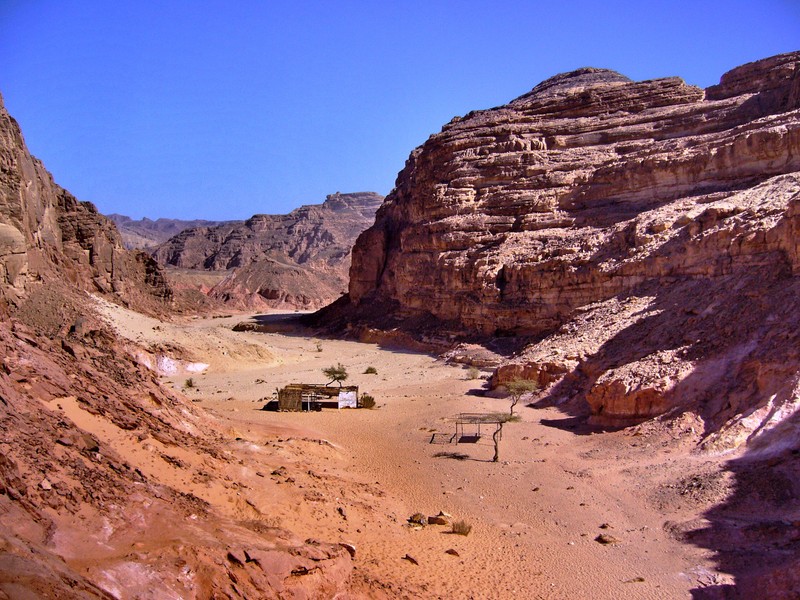
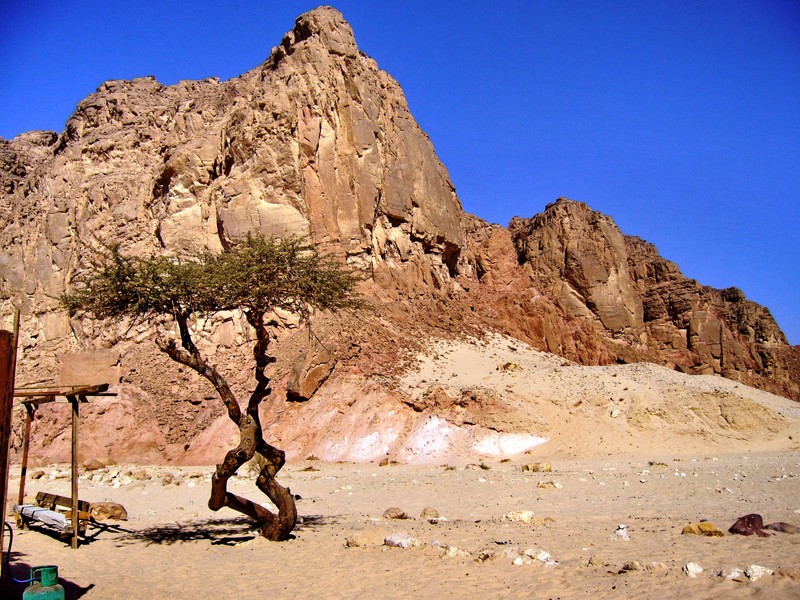
The Colored Canyon of Sinai is a natural attraction in the southern part of Egypt’s Sinai Peninsula, in the desert inland from the town of Nuweiba. It is known for narrow winding passages, tall sandstone walls and unusual bands of red, yellow, orange, white, brown and purple. It is one of Sinai’s most distinctive places for hiking, learning about desert geology and nature photography.
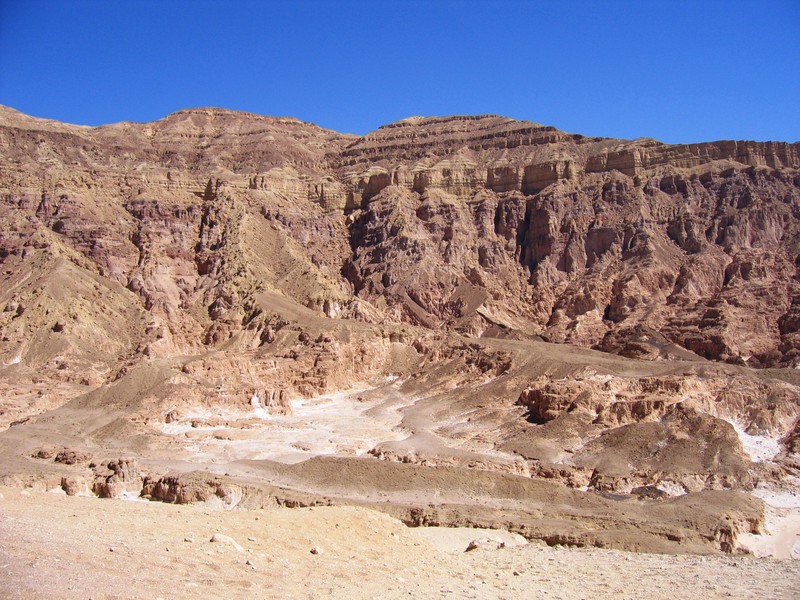
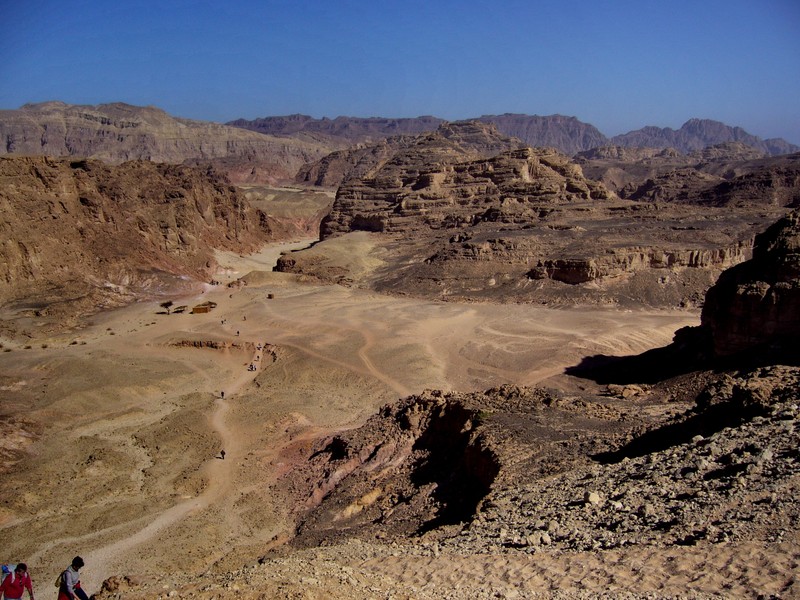
The canyon lies far from the usual beach resorts and is surrounded by mountainous desert scenery. It is often visited on organised excursions from Nuweiba, Dahab and Sharm El Sheikh. The journey reveals a different side of Egypt: not ancient temples or coral reefs, but rugged desert terrain, rock labyrinths and landscapes shaped by natural forces over long periods.
How the Colored Canyon Was Formed
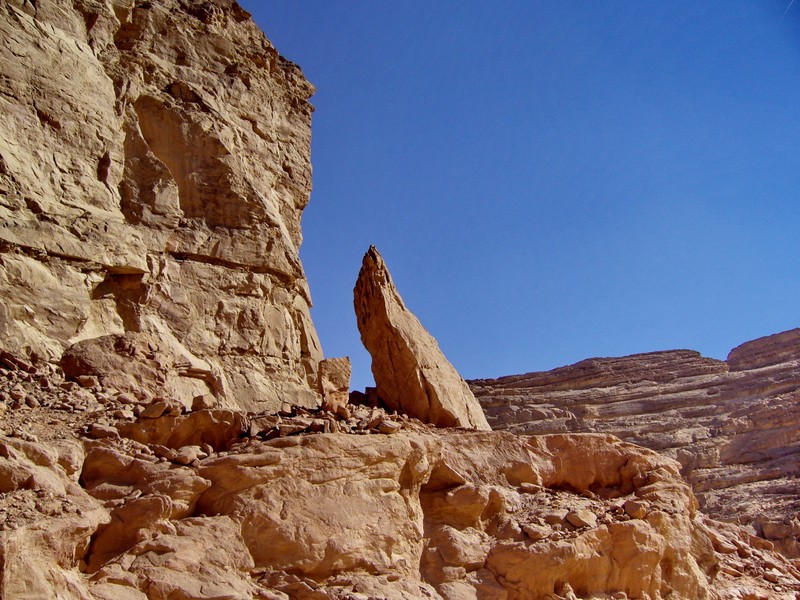
The canyon’s defining feature is its layered rock walls. They consist mainly of sandstone formed from ancient sediment deposits. Over time, water, wind and temperature changes altered the rock surfaces, while sudden floods gradually cut narrow passages through the massif. Even in Sinai’s arid climate, rare heavy rain can carry large volumes of water and stones through dry channels.
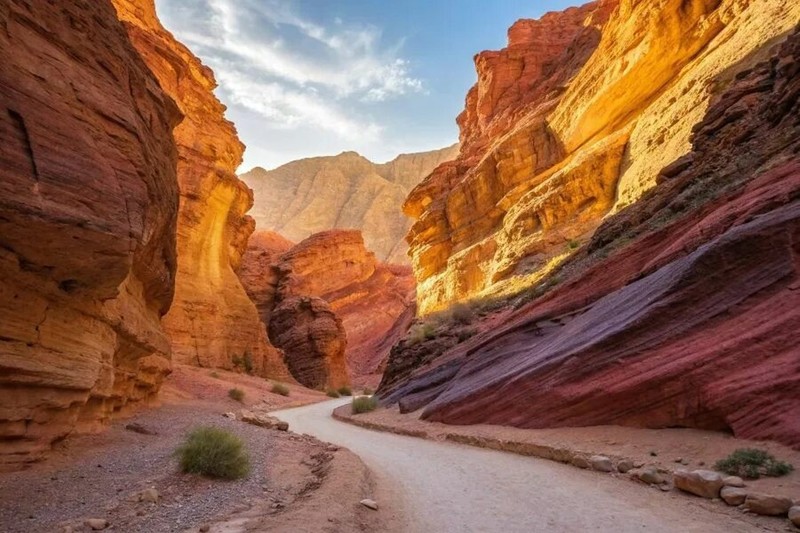
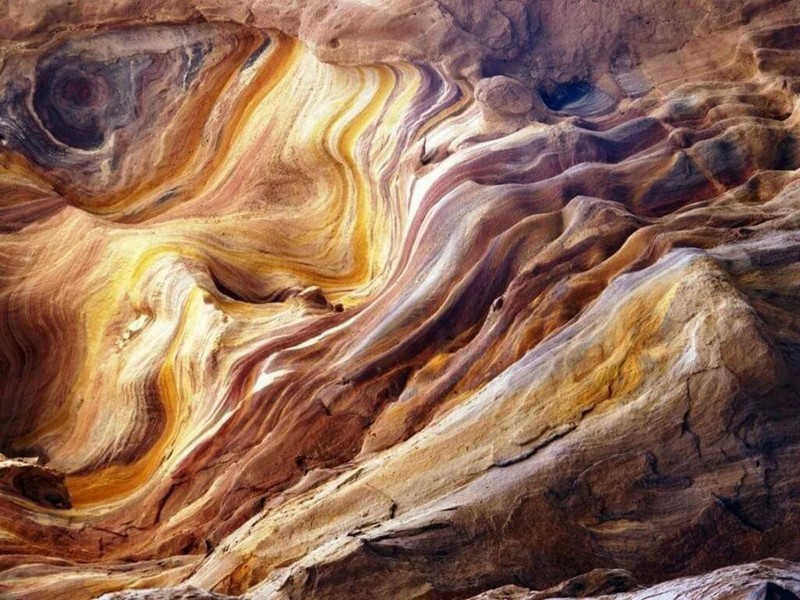
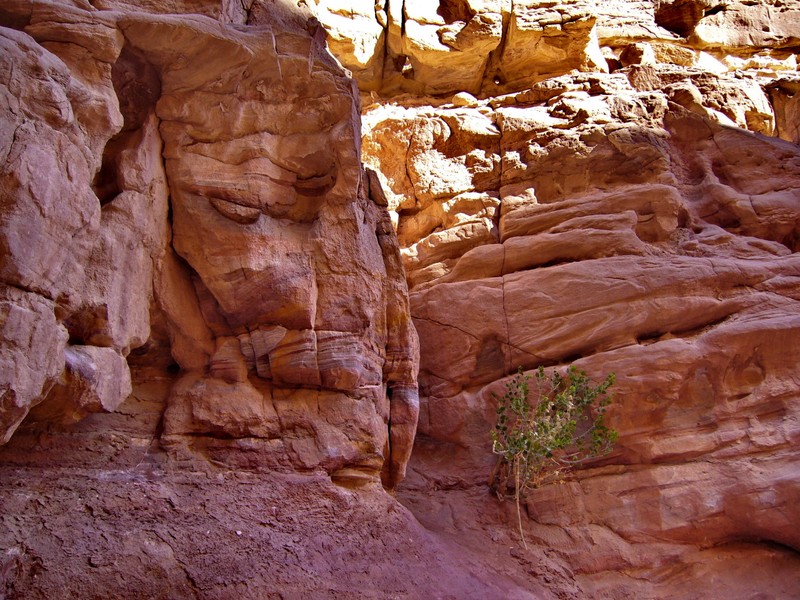
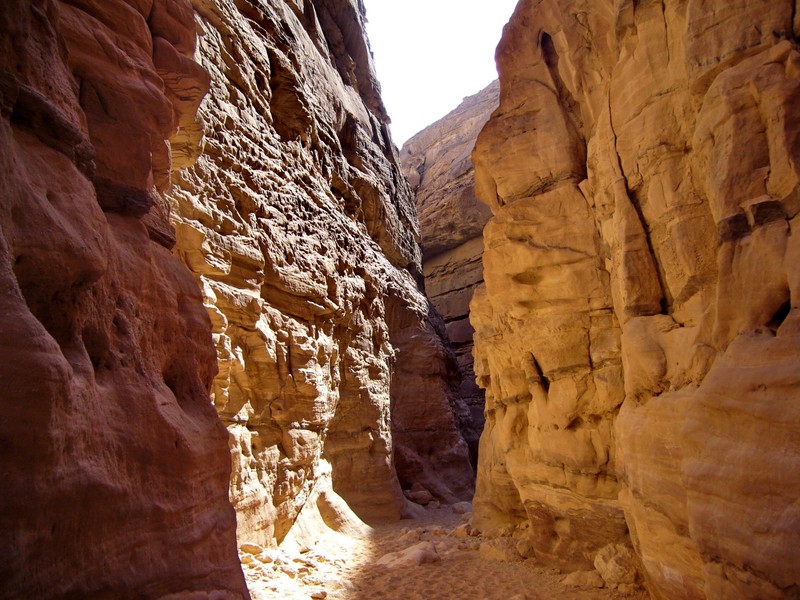
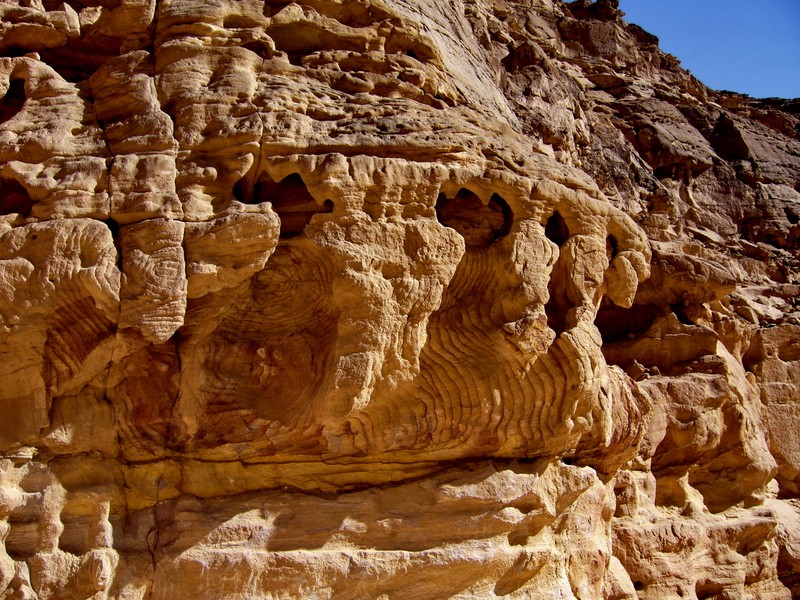
The range of colours is partly caused by minerals within the rock. Iron compounds create reddish, rusty, yellow and brown tones, while manganese compounds can produce darker and purplish areas. Pale layers form contrasting stripes. In some places, the strata bend and intertwine, creating patterns resembling waves or ribbons.
The canyon demonstrates how geological processes create striking forms without human intervention. Its walls are not artificially painted: the colour variations developed naturally over a long period. The combination of mineral shades, curved rock layers and narrow passages has made the site well known among travellers.
What the Colored Canyon Looks Like
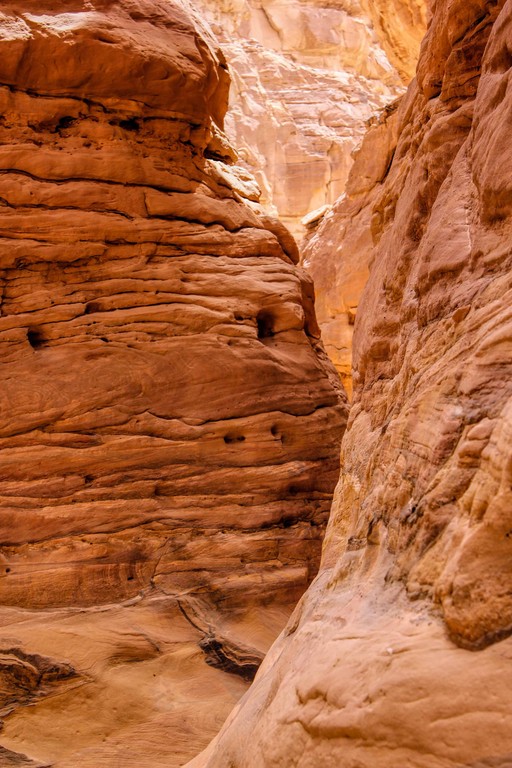
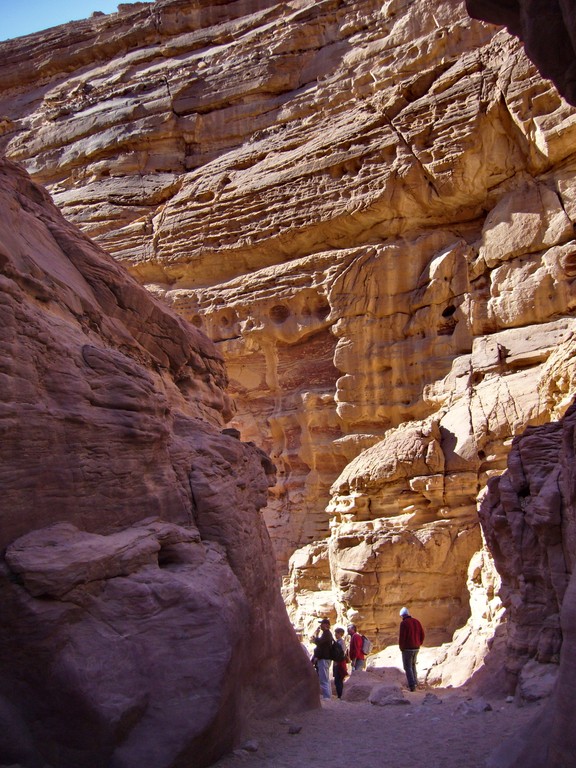
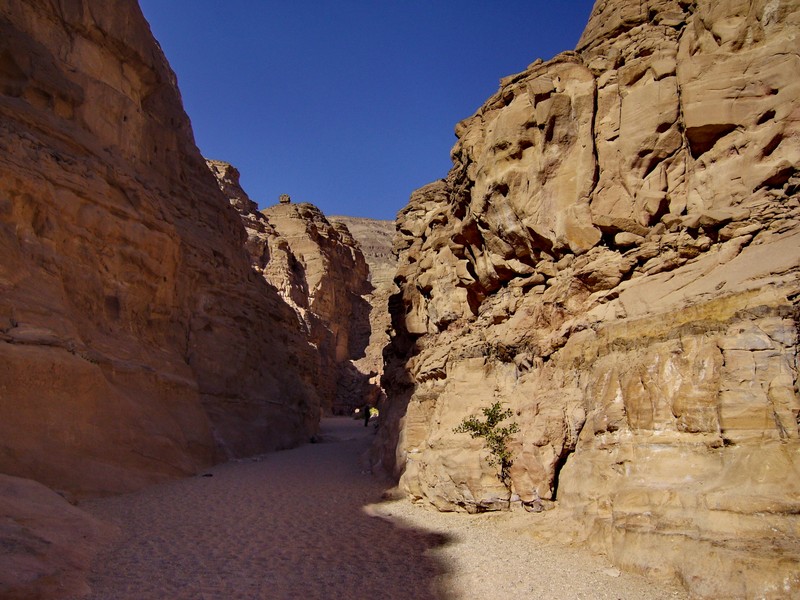
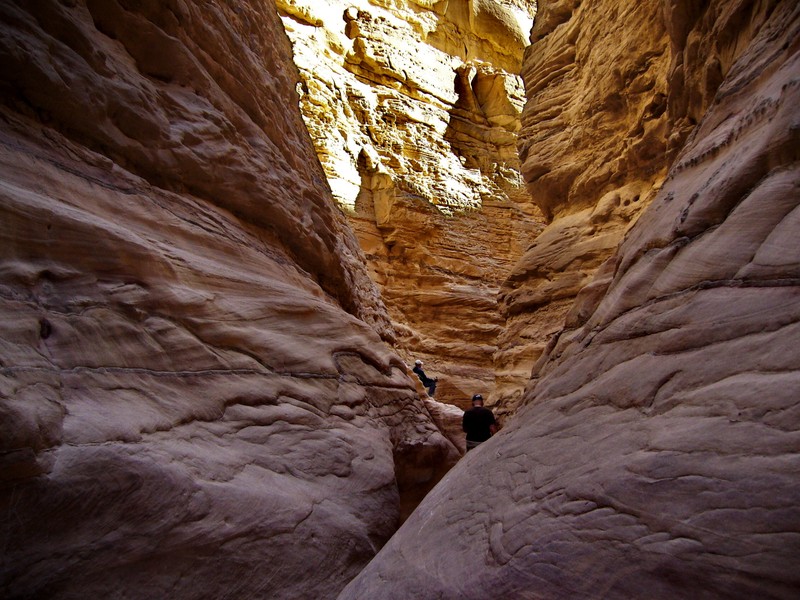
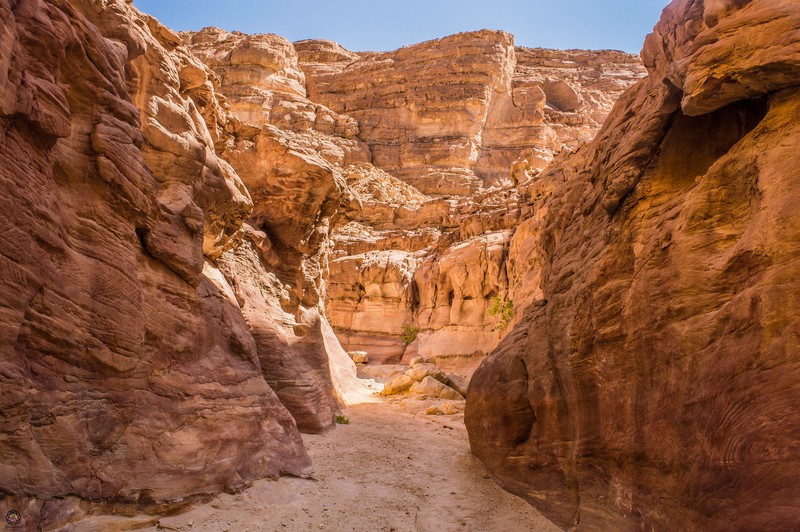
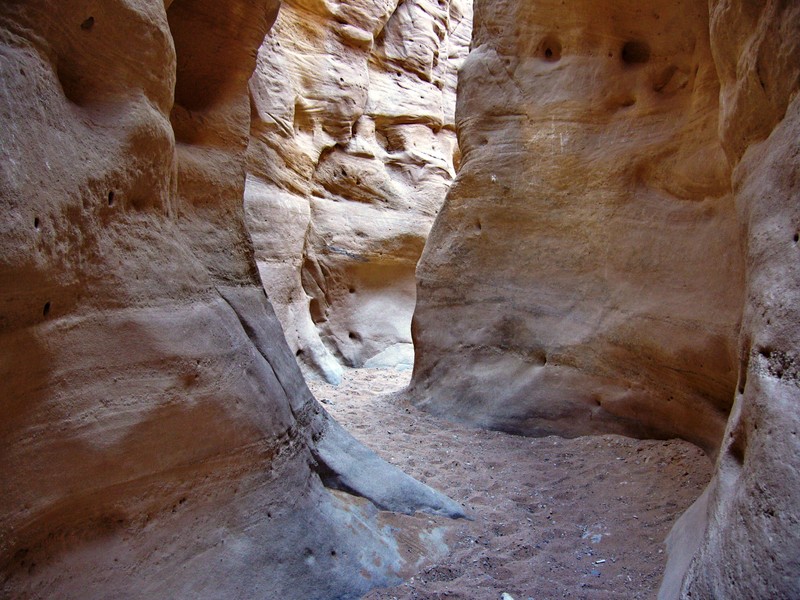
The popular walking section is approximately 800 metres long, although the route may vary depending on the passage chosen. The rock walls reach around 40 metres in height in some places. At the narrowest points, the walls come close together, and visitors may need to turn sideways or carefully step over rocks.
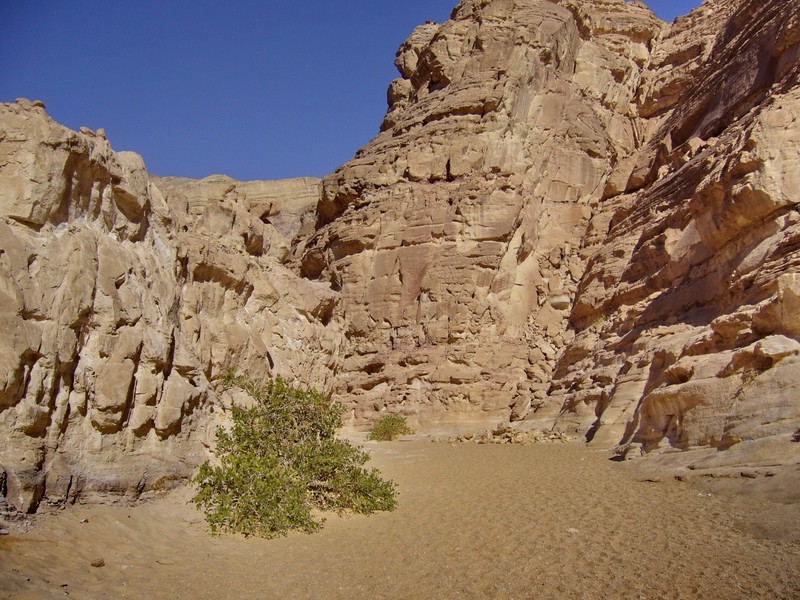
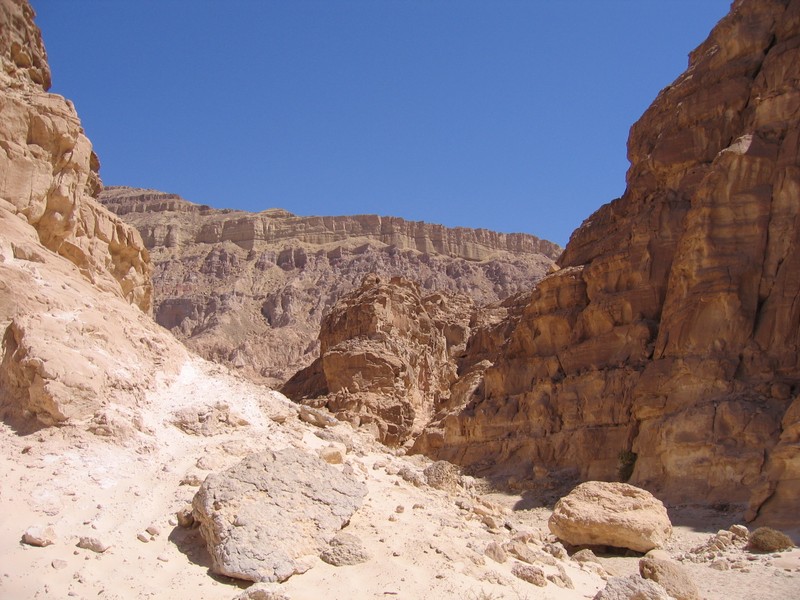
At the start, the surrounding landscape may look like an ordinary rocky desert. Gradually, the passage narrows and the walls rise higher, revealing coloured stripes, folds and smooth curves in the sandstone. Sunlight reaches different sections at different angles, so the colours change with the time of day and direction of the light.
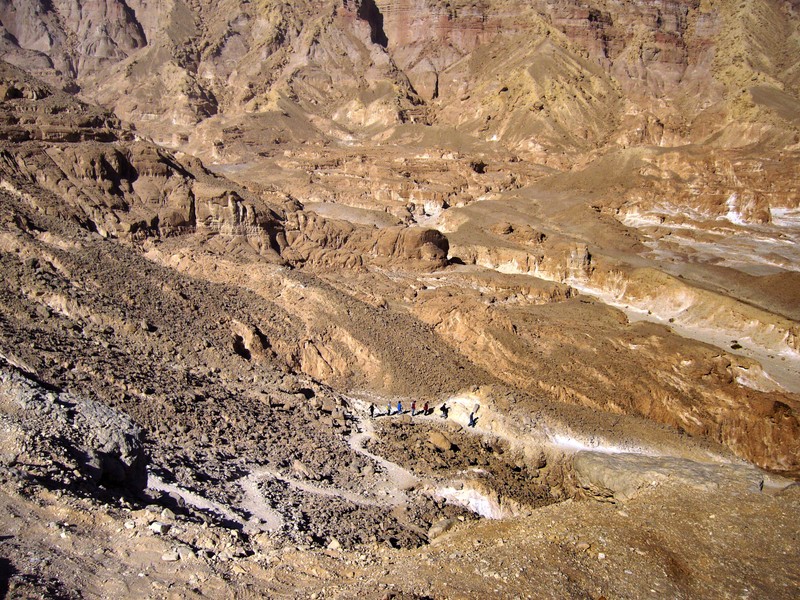
Some sections resemble natural corridors, while others open into small spaces between the rocks. Uneven sand, stone steps and boulders make the walk more varied than a typical desert trail. Certain sections may require visitors to keep their hands free and accept assistance from a guide.
What to See During the Walk
The main attraction is the rock itself. Look for transitions from pale yellow and cream sandstone to red, ochre and dark purple bands. Where the layers curve into wave-like patterns, the complex structure of ancient sediment deposits becomes especially clear.
Erosion has also created rounded projections, smooth surfaces, narrow cracks and small rock steps. Unlike broad mountain valleys, the canyon allows visitors to observe geological details at close range. However, pieces of rock should not be broken off, the walls should not be scratched, and stones should not be taken as souvenirs.
Photographs are best planned around natural light. Soft light reveals the shades and texture of the sandstone, while direct sunlight creates stronger contrasts between illuminated walls and shaded passages. Including a rock curve or a person standing in a safe spot can help convey the scale of the canyon.
Excursions from Nuweiba, Dahab and Sharm El Sheikh
Nuweiba is usually the nearest starting point. From there, visitors travel along desert roads, and the final approach may involve unpaved tracks. The journey from Dahab or Sharm El Sheikh takes longer, so these excursions usually occupy a substantial part of the day.
Four-wheel-drive vehicles or other high-clearance vehicles are used to reach some sections. Visitors then walk through the canyon with a local guide who knows the route and desert road conditions. Public transport generally does not reach the trailhead directly, so the trip should be arranged in advance.
Excursion packages may combine the Colored Canyon with Ain Khudra Oasis, desert viewpoints and a meal with local hosts. Routes differ, so check which canyon is included, how long the walk lasts, what the price covers and whether transfers are provided.
Ain Khudra Oasis and the Surrounding Area
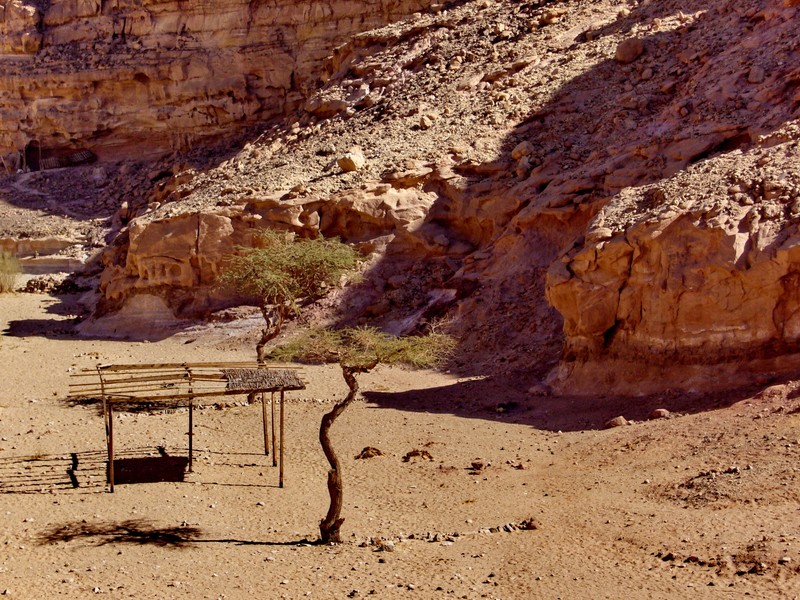
Some tours combine the canyon walk with a stop at Ain Khudra Oasis. The oasis is known for palm trees and vegetation that contrasts with the dry slopes of the surrounding desert. Such stops allow visitors to experience different landscapes of Sinai during a single trip.
Depending on the itinerary, the journey may include other valleys, rock formations and desert rest stops. Distances between attractions can be substantial, and road conditions may change. Do not assume that every landmark shown in promotional photographs is included in every tour advertised as a Colored Canyon excursion.
Best Time to Visit the Colored Canyon
The cooler months, especially autumn, winter and spring, are generally more comfortable for desert walks. Summer temperatures can be extremely high, and shade inside the canyon does not always provide sufficient relief. Check the forecast and plan the route to avoid the most strenuous sections during the hottest hours.
The lighting changes throughout the day. When sunlight reaches the inner walls, the colour bands become more visible, but the ideal time depends on the shape of the particular passage. Ask the guide when the route receives the best light and how much time is allocated for walking and photography.
Rain forecasts deserve particular attention. Even if the sky above the canyon is clear, heavy rain in the surrounding hills can cause a sudden flash flood. Do not enter narrow gorges when rain is a possibility. Follow the local guide’s safety decision and postpone the excursion if conditions are unsuitable.
What to Bring
Bring comfortable closed shoes with a good grip, drinking water, a hat and sun protection. Lightweight clothing that protects the skin from the sun without restricting movement is useful. A small backpack is more practical than a shoulder bag because hands may be needed for balance in narrow sections.
Check your phone battery before setting out, but do not rely on continuous mobile coverage throughout the route. Shops and drinking-water sources may be unavailable in remote desert areas. Arrange transport, the return time and the meeting point with the driver in advance.
Route Difficulty and Safety
The walk usually does not require technical climbing equipment, but some sections can be awkward for visitors with limited mobility, balance difficulties or a strong fear of confined spaces. The route may include uneven ground, rock steps, narrow passages and places where hands are needed for support. Ask about the difficulty of the exact route before booking.
Never enter the canyon when rain threatens in the surrounding hills. Water can rush down dry channels and flood narrow passages quickly, even if no rain is visible at the site. Stay with the group, avoid unstable rocks and do not take risks for photographs. Follow the guide’s instructions and respect any access restrictions.
Why Visit the Colored Canyon
The Colored Canyon of Sinai offers a view of Egypt far removed from beach hotels and popular seaside resorts. Its appeal lies in natural rock forms, unusual sandstone colours, desert silence and the feeling of walking through an ancient geological labyrinth.
The excursion is suitable for nature lovers, geology enthusiasts, hikers and photographers looking for unusual landscapes. With careful planning, the canyon can be part of a day trip from Nuweiba, Dahab or Sharm El Sheikh. Respecting the rocks, following safety advice and showing consideration for local traditions help preserve this remarkable place.
Gallery