The Blue Hole in Dahab – a world-famous dive site
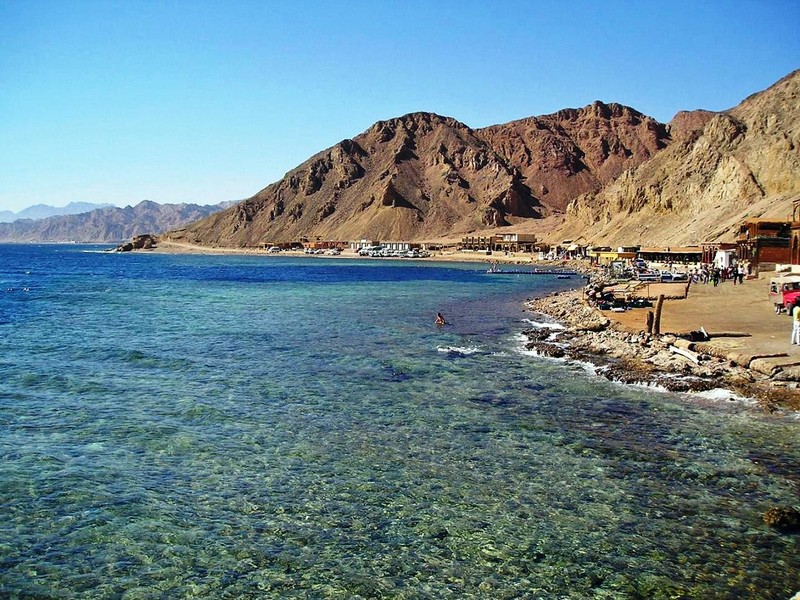
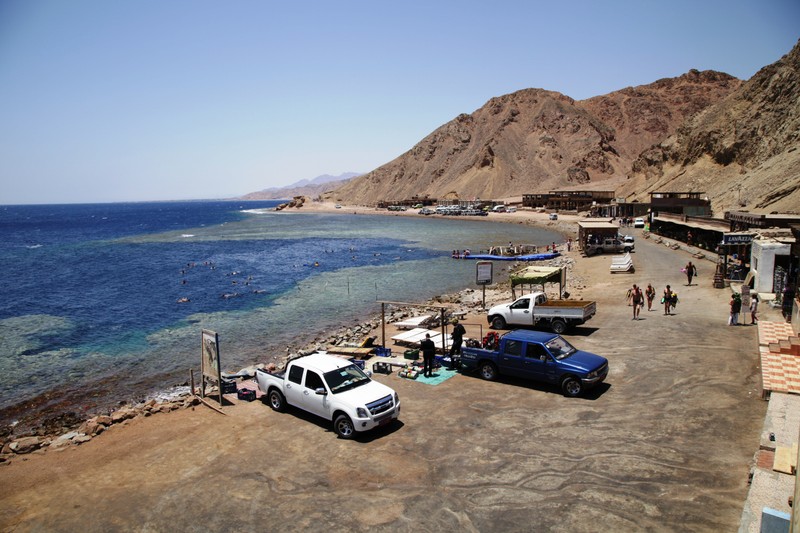
The Blue Hole in Dahab is a renowned underwater sinkhole in the Red Sea, off the eastern coast of Egypt's Sinai Peninsula. Located approximately 8–10 kilometres north of the resort town of Dahab, it attracts scuba divers, freedivers and snorkellers with its clear water, coral reefs and dramatic underwater landscape.
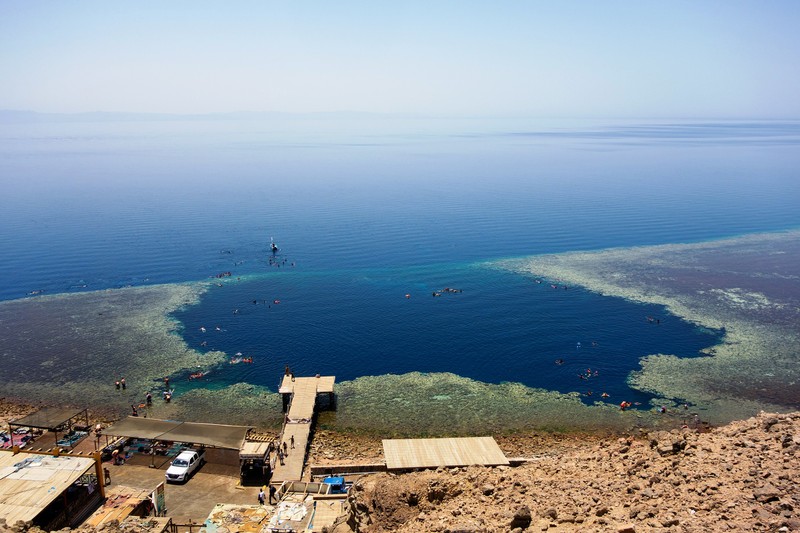
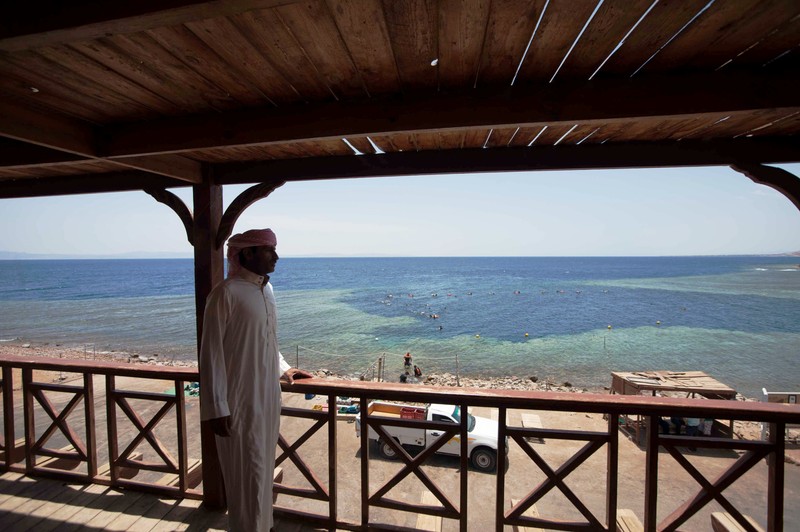
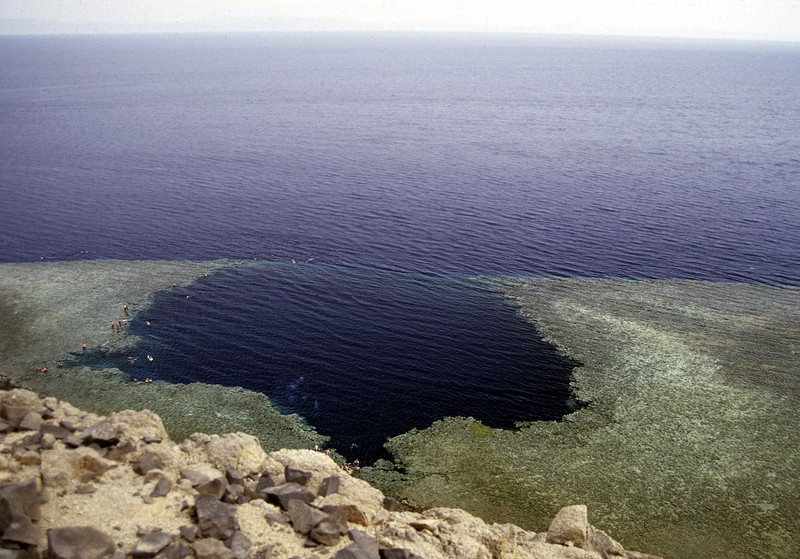
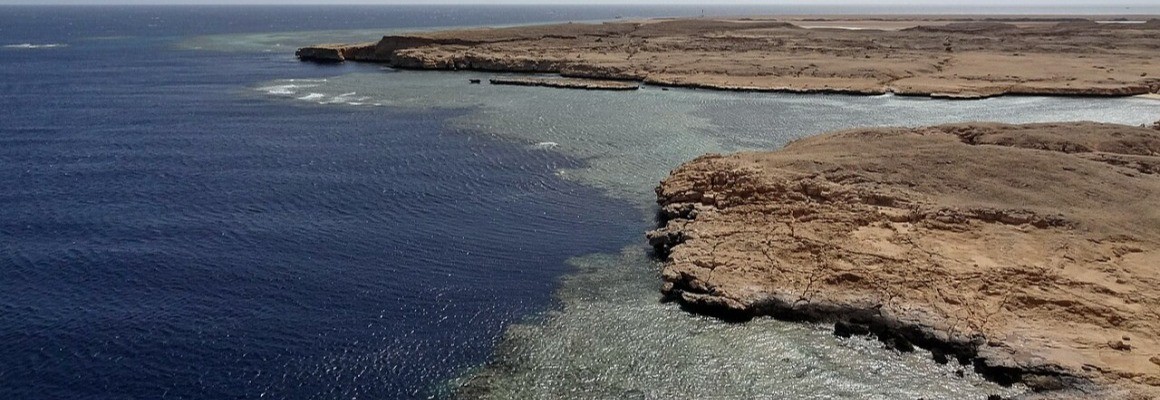
The sinkhole is almost circular and descends to more than 100 metres. Its deep blue centre contrasts sharply with the lighter coral reef surrounding it. The Blue Hole is one of the Red Sea's best-known diving locations, although its deeper sections demand serious training and caution.
Location and natural features
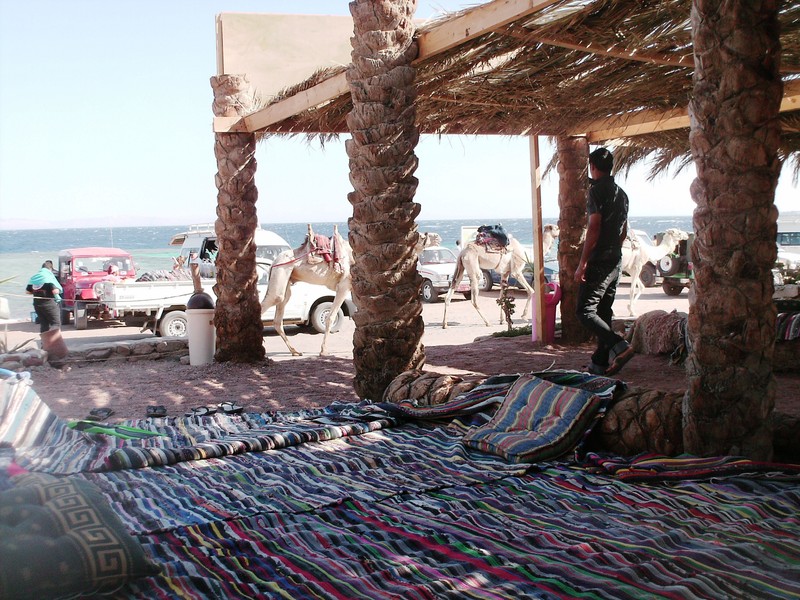
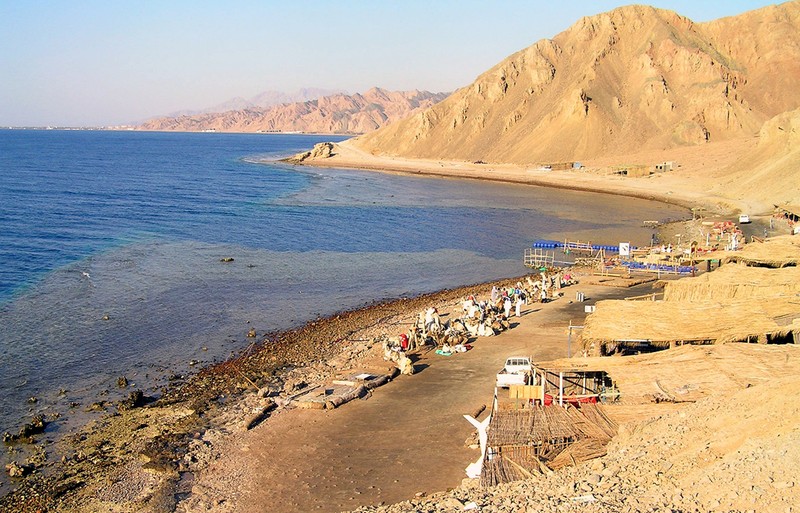
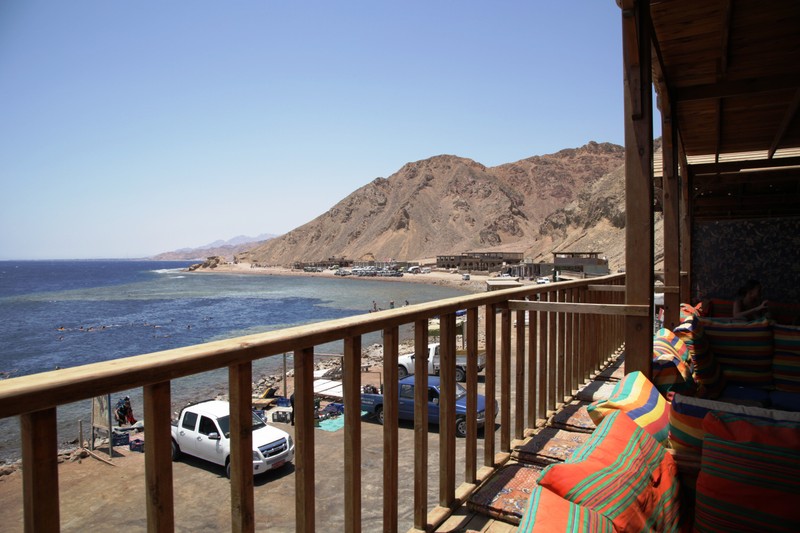
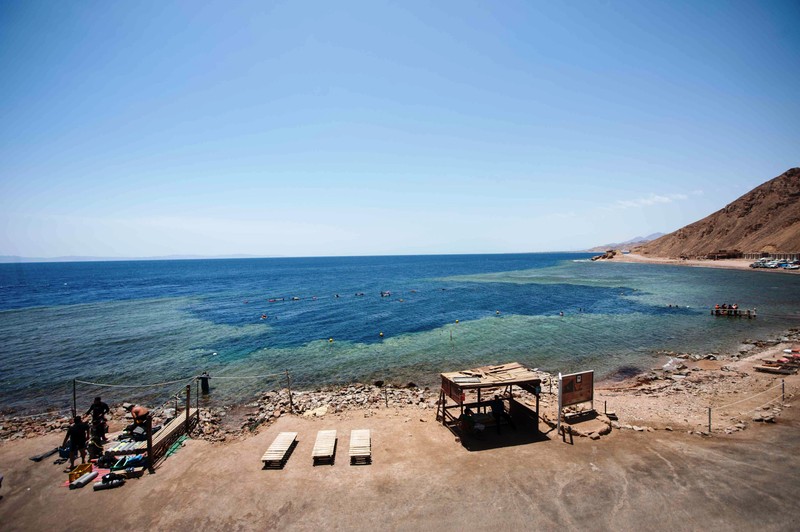
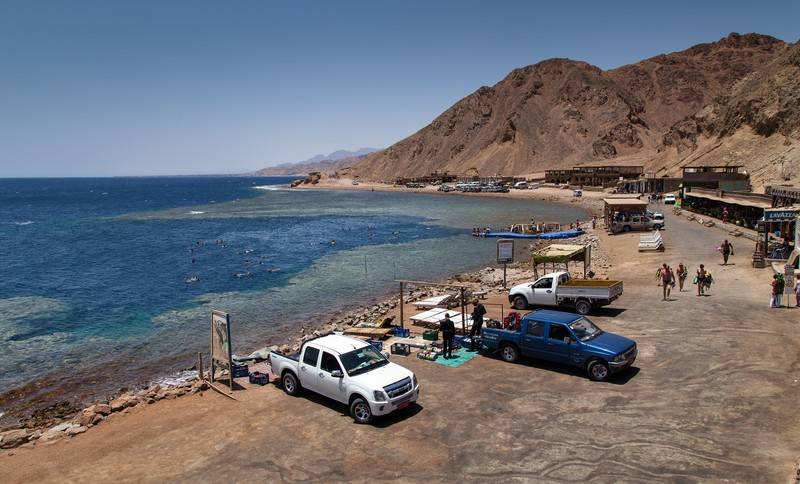
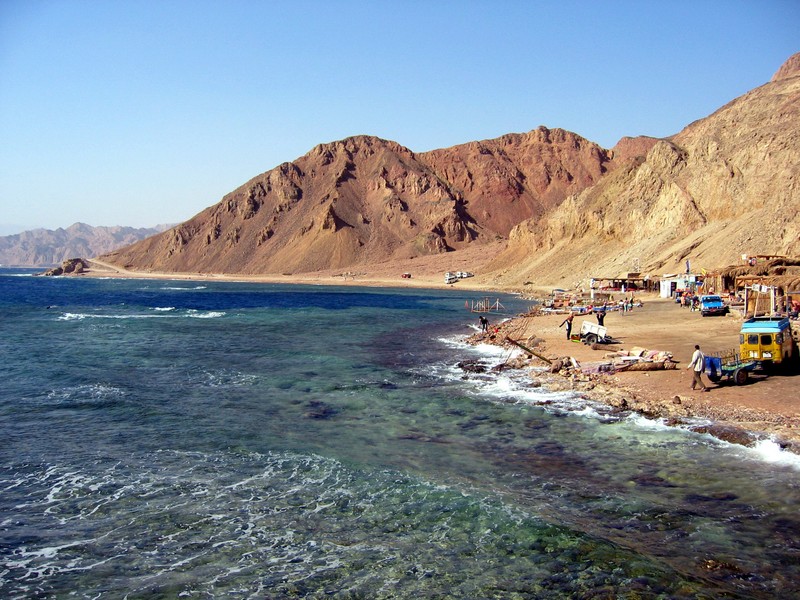
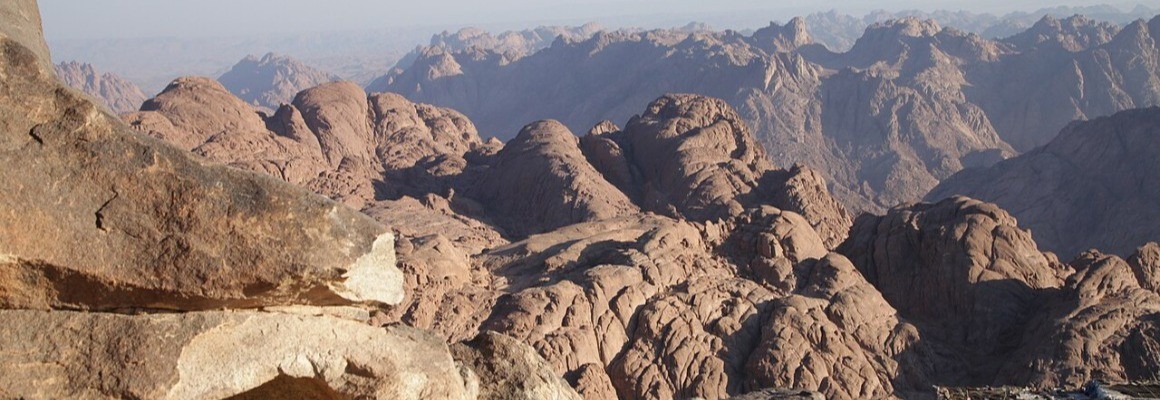
The site lies on the Gulf of Aqaba coast, near the Abu Galum protected area. Rocky shores and arid slopes of the Sinai Mountains meet the sea, creating a striking desert-and-water landscape. Visitors can reach the Blue Hole from Dahab by car, taxi or organised excursion.
The Blue Hole is a deep depression in the fringing coral reef. Its formation is associated with geological processes and the erosion of carbonate rock. Steep underwater walls descend into the blue, while a shallower opening known as the Saddle connects the sinkhole with the open sea.
The underwater Arch
The site's most famous feature is the Arch, an underwater tunnel approximately 26 metres long that connects the sinkhole to the open sea. The ceiling of the passage lies at around 55 metres. Its depth, confined space and demanding navigation make it a technical dive requiring specialised training, equipment and careful planning.
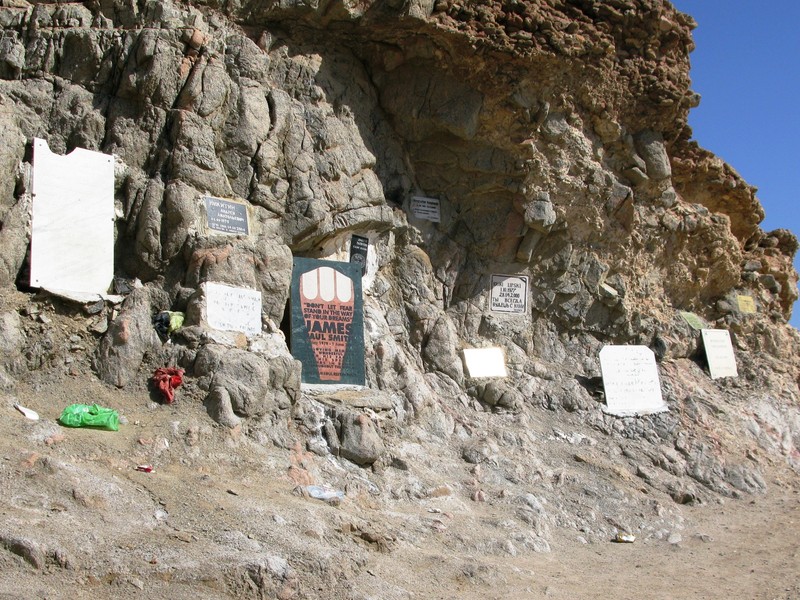
The Blue Hole has a tragic reputation because of numerous diving accidents involving people who attempted the Arch without adequate experience. At great depth, nitrogen narcosis, disorientation and rapid gas consumption can become life-threatening. The Arch should never be treated as an ordinary tourist dive.
Coral reefs and marine life
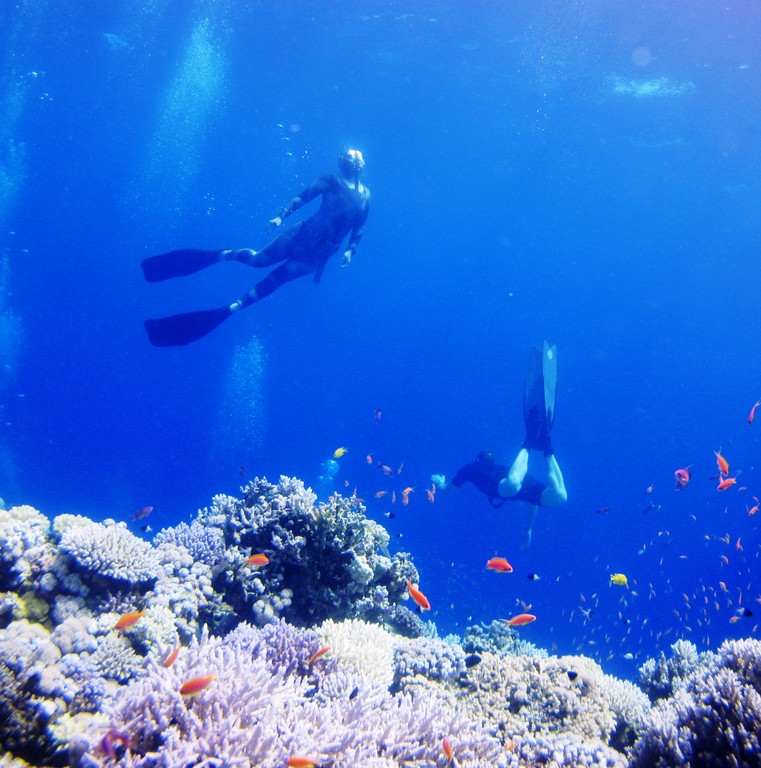
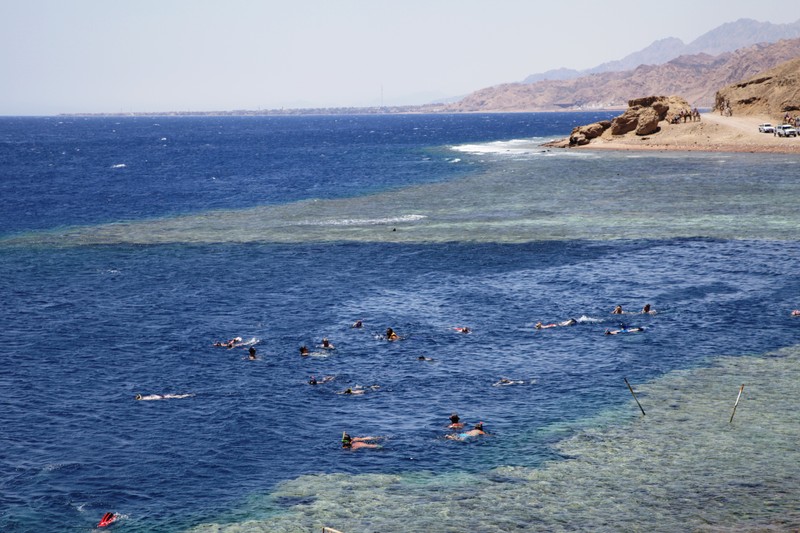
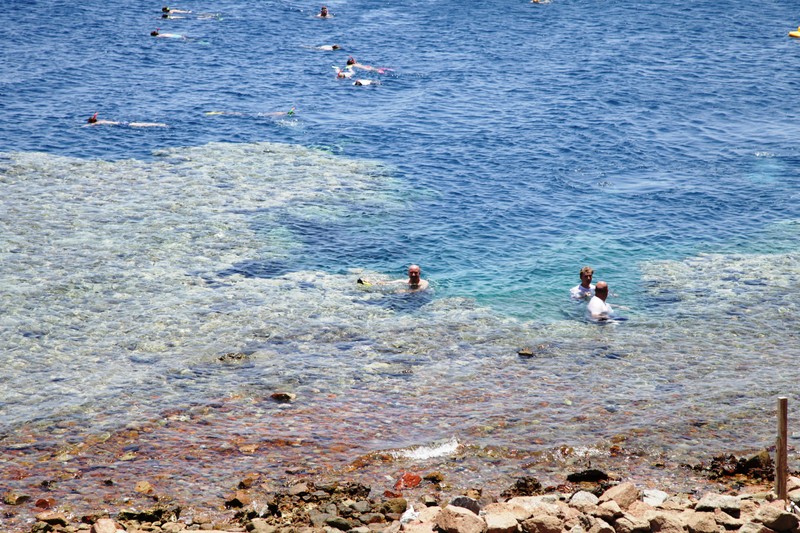
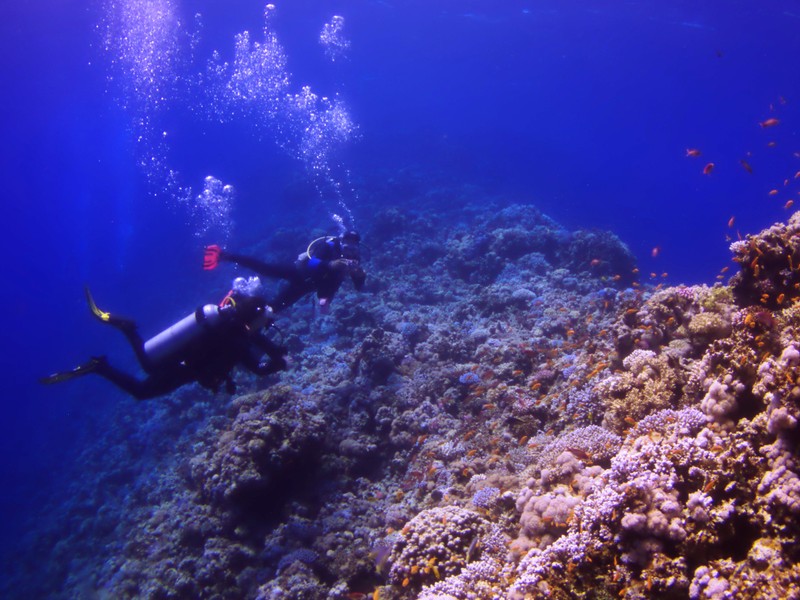
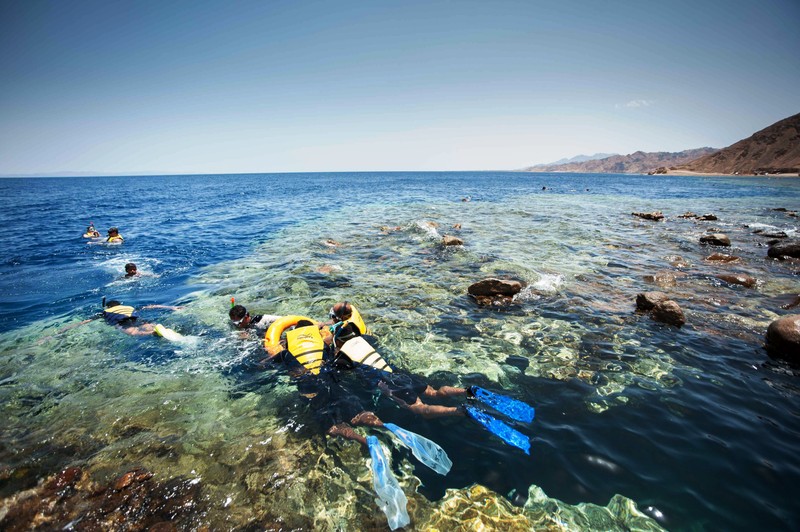
Coral formations, crevices and steep reef walls surround the sinkhole. The area supports a variety of Red Sea marine life, including butterflyfish, angelfish, wrasses, snappers and moray eels. In suitable conditions, much of the shallow reef can be observed from the surface, making it possible to appreciate the underwater scenery without deep diving.
Corals are fragile components of the marine ecosystem. Visitors should never stand on the reef, break coral or chase marine animals. Following local conservation rules helps protect the habitat.
Snorkelling and scuba diving
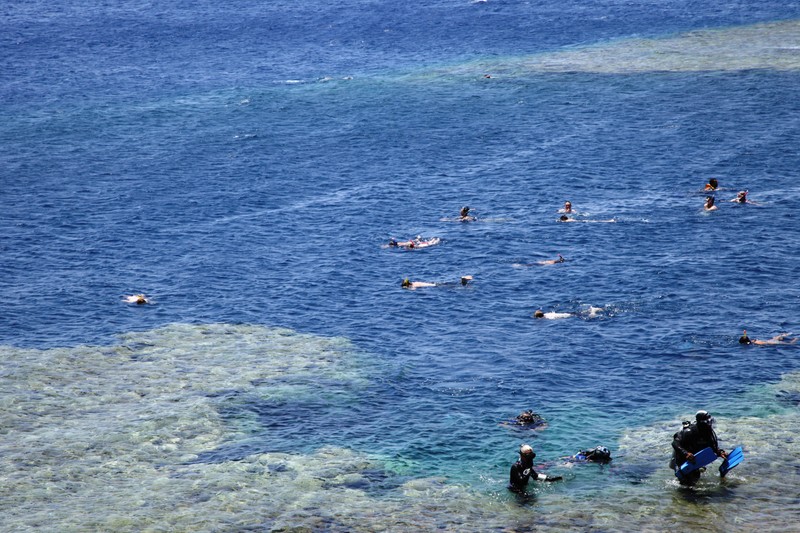
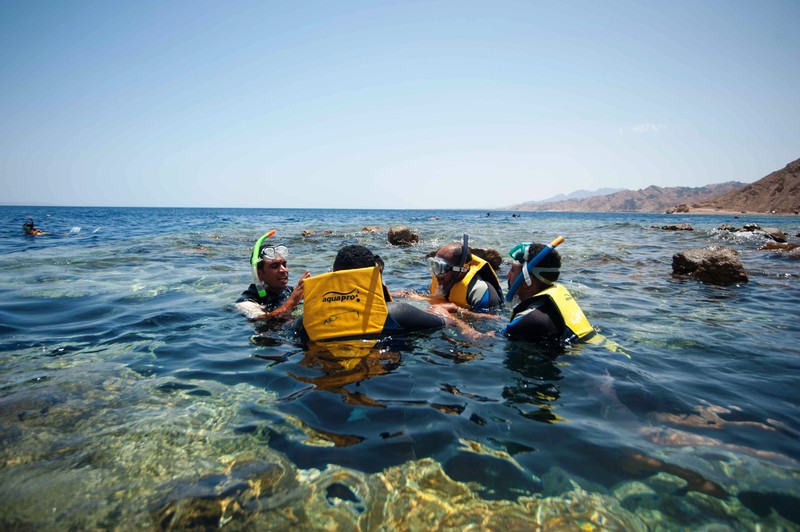
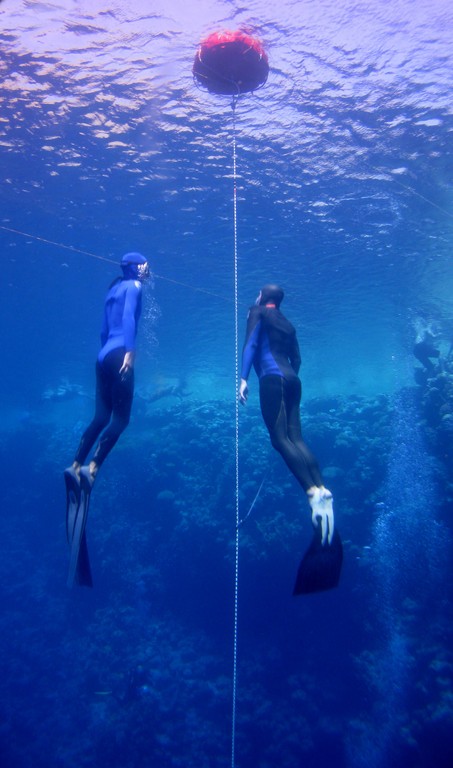
The Blue Hole is popular for snorkelling, recreational scuba diving and freediving. Snorkellers can observe fish and coral from the surface with a mask and snorkel. Before entering the water, visitors should consider sea conditions, their swimming ability and advice from local professionals.
Scuba routes are selected according to a diver's training and certification. One well-known approach begins at The Bells, a natural opening in the reef north of the Blue Hole. Divers should follow their depth limits, monitor their gas supply and stay with their guide or planned team. The Arch is not part of a standard recreational itinerary.
Best time to visit
Dahab welcomes visitors throughout the year. Spring and autumn often offer comfortable conditions for coastal walks and water activities. Summer can be extremely hot, making early morning visits preferable. In winter, air and water temperatures may be lower, while wind can affect surface conditions.
The Blue Hole can be combined with a visit to Dahab or the nearby Abu Galum protected area. Even travellers who do not dive can appreciate the contrast between desert mountains, clear water and coral formations. Respecting safety guidance and protecting the reef are essential to a responsible visit.
Gallery