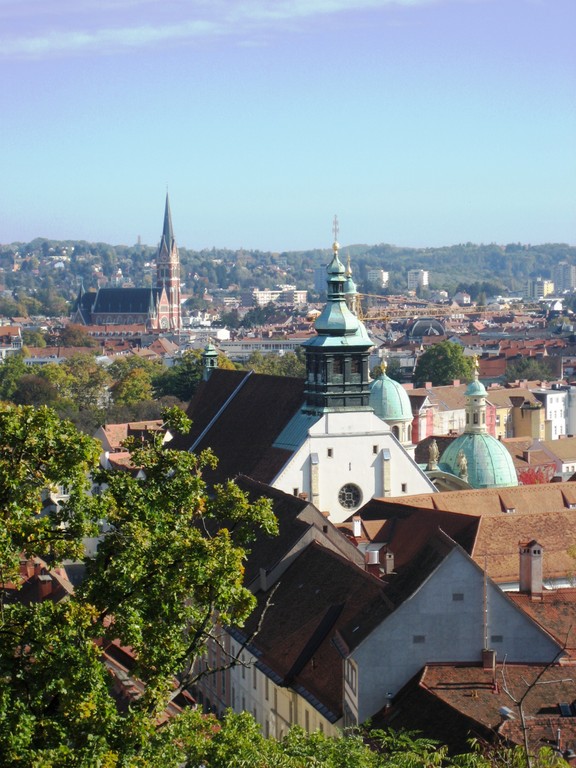
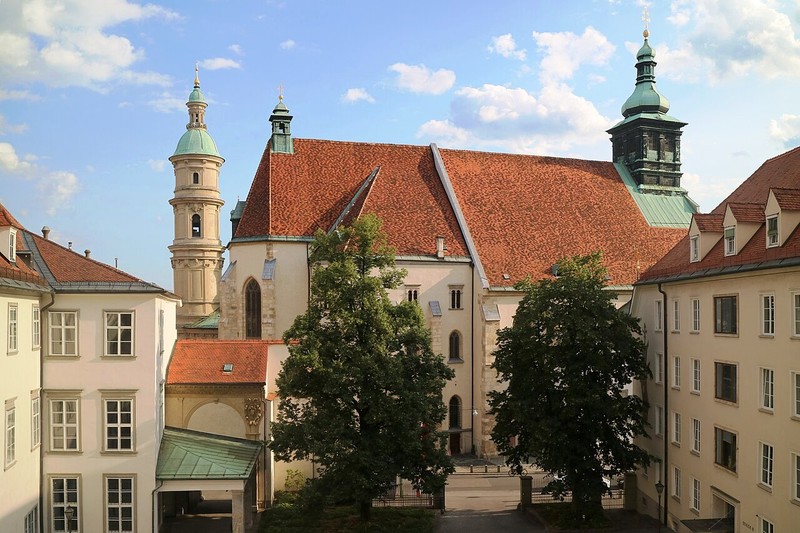
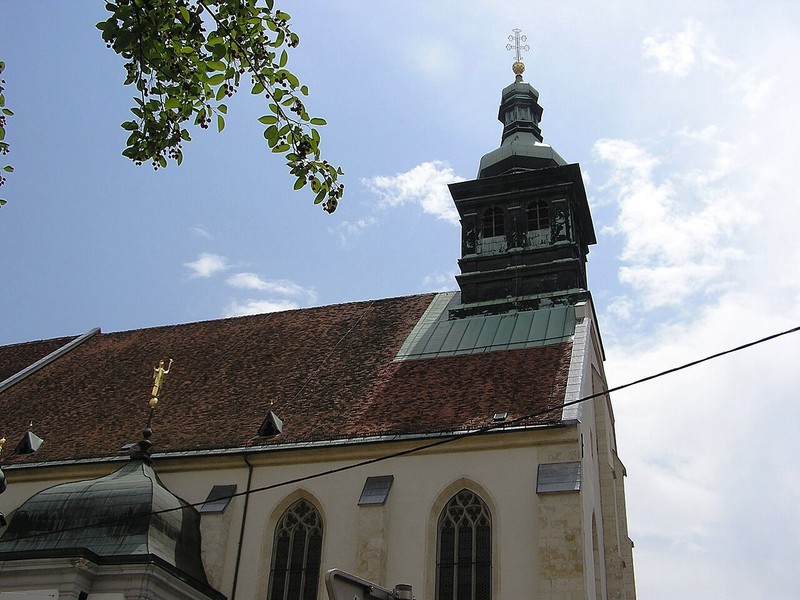
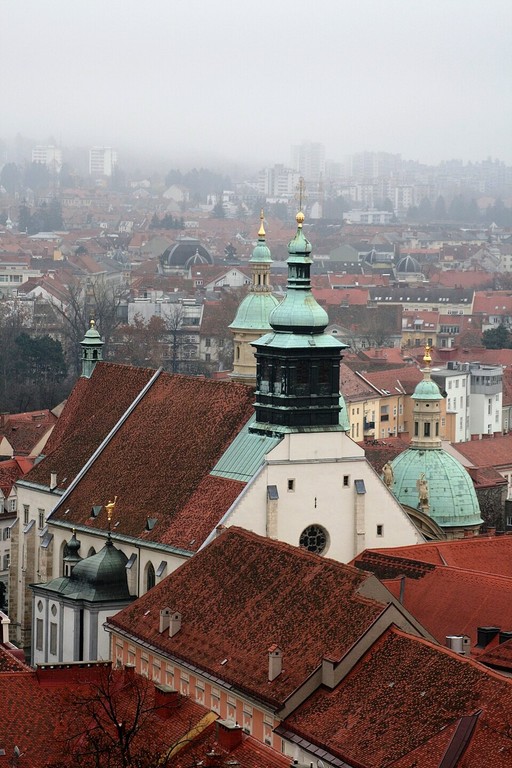
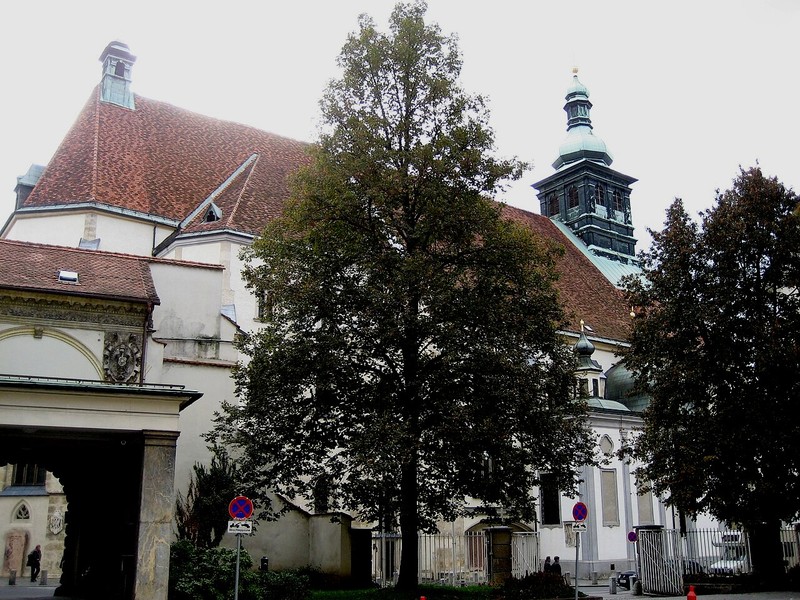
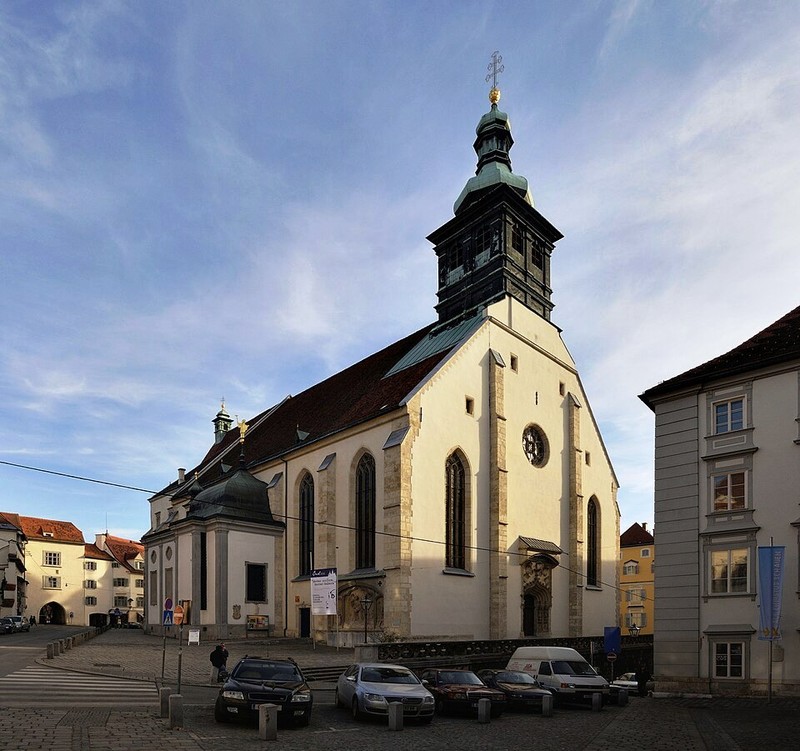
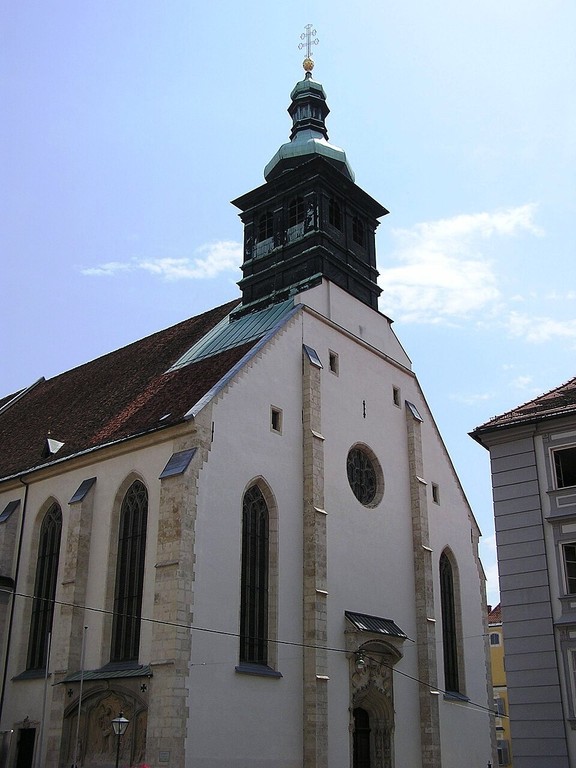
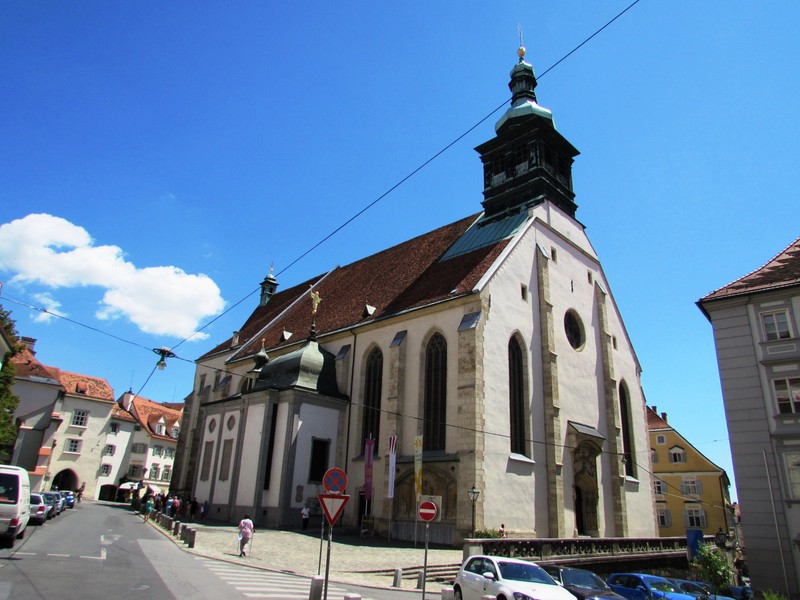
Graz Cathedral, also known as the Cathedral of St. Giles, is one of Austria’s most important historic churches. It stands in the centre of Graz, the capital of Styria, and serves as the cathedral of the Catholic Diocese of Graz-Seckau. The church is dedicated to Saint Giles.
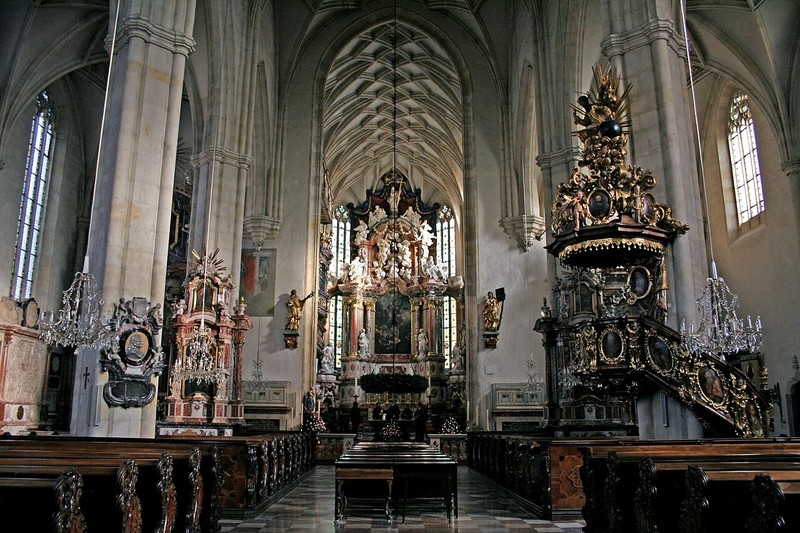
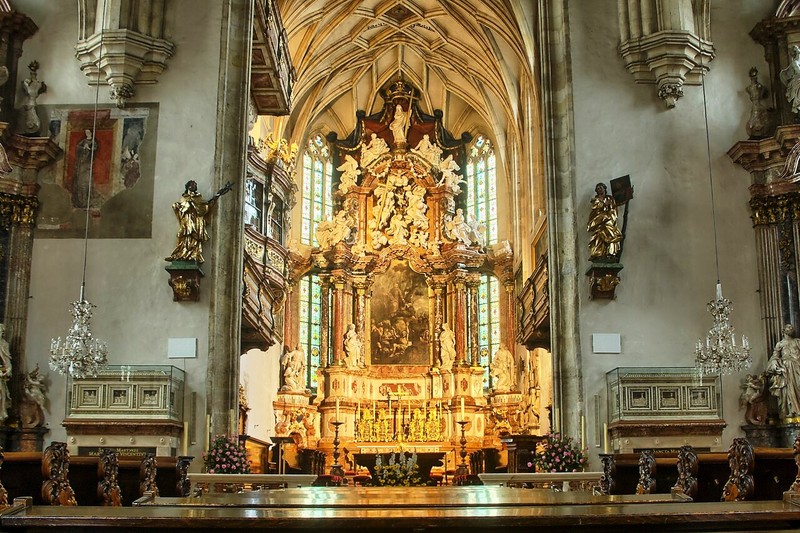
The building’s restrained exterior conceals a rich artistic heritage. Its interior preserves elements of late Gothic architecture, frescoes, religious artworks and Baroque decoration. The cathedral is particularly famous for the Landplagenbild fresco, created in 1485 on the southern exterior wall. It depicts disasters that struck Styria in the 15th century and is considered an important example of medieval mural painting in the region.
History of Graz Cathedral
The church’s history dates back at least to the 12th century. The Church of St. Giles was first mentioned in a deed of donation from 1174 associated with Seckau Abbey. At that time, it stood outside the medieval city walls. In the 15th century, Frederick III, Holy Roman Emperor, ordered the construction of a new court church near his residence in Graz.
Construction of the Gothic building began in 1438 and was completed around 1464. The work is associated with the master builder Hans Niesenberger. The church formed part of the imperial complex and was connected to the city residence by a passage. Architectural features and artworks from this period recall the time when Graz played an important role in the political life of Habsburg lands.
In 1577, Archduke Charles II handed the church over to the Jesuits. It became the church of their college and, after the University of Graz was founded in 1585, also served as a university church. During the 17th century, the interior gradually acquired Baroque features, including side chapels and new altar decorations that transformed the original Gothic space.
In 1786, Graz became the seat of the bishop of the newly organised Diocese of Graz-Seckau, and the church was elevated to cathedral status. The building underwent several repairs and restorations over the following centuries. A major comprehensive renovation began in 2017 and was completed in 2023. The work included restoring the interior and artworks, renewing the altar area, improving the lighting and renovating the organ.
Architecture and interior
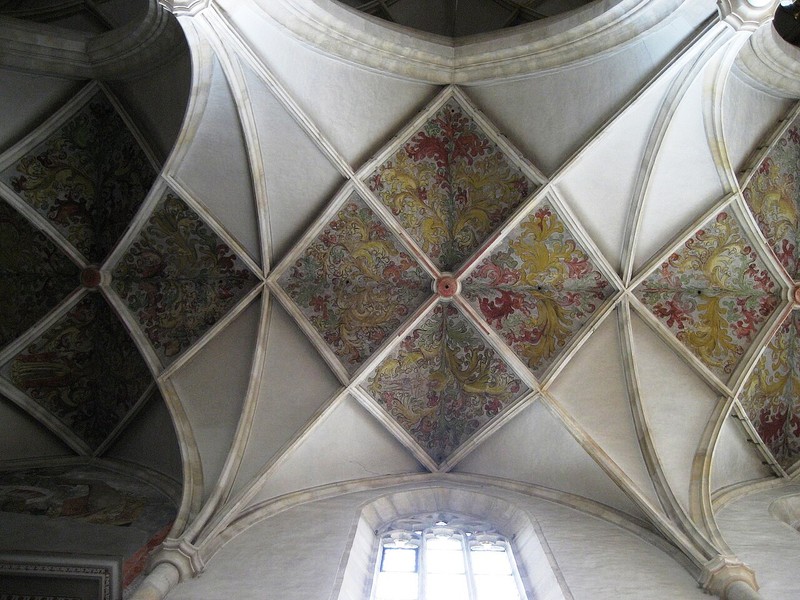
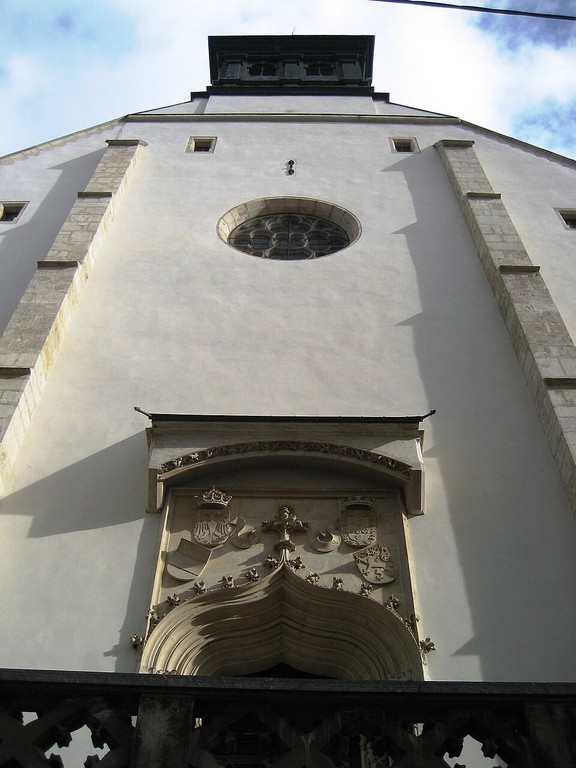
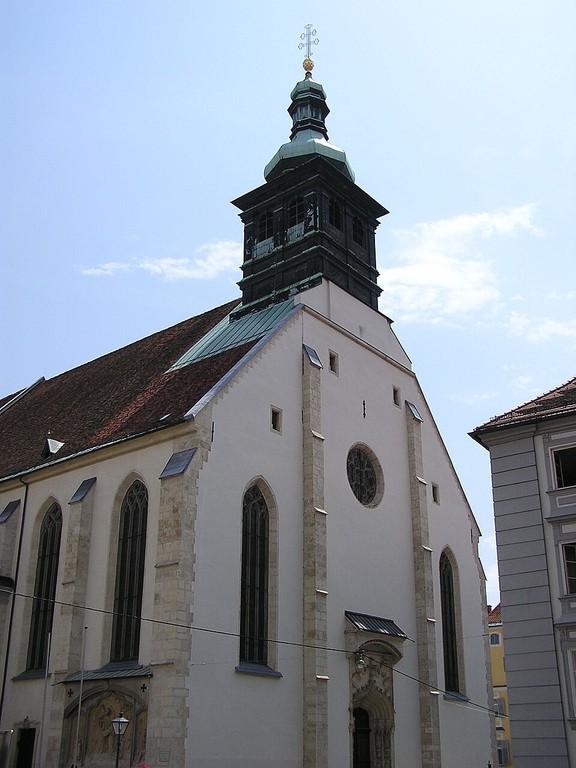
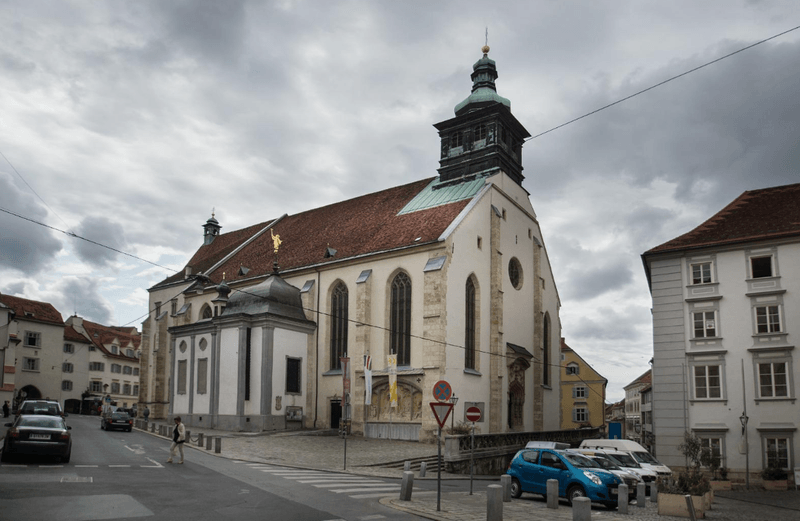
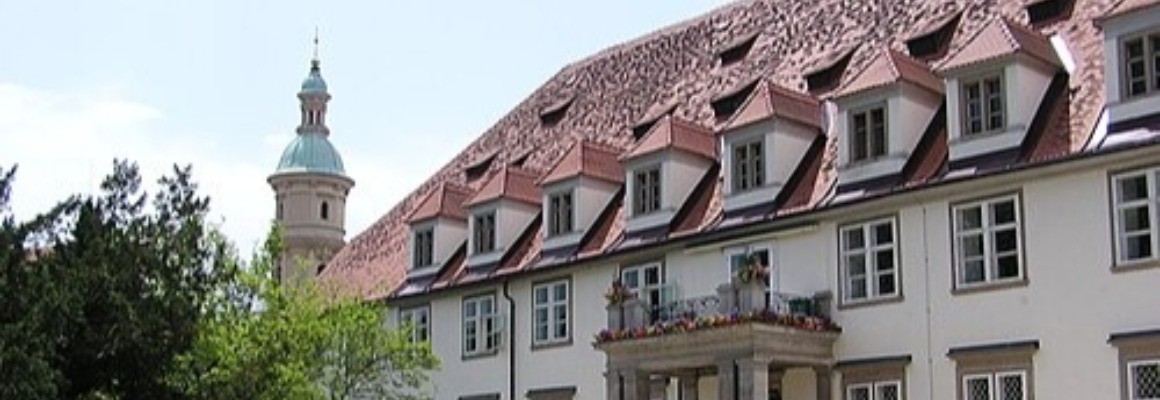
The cathedral was built in the late Gothic style characteristic of 15th-century Central Europe. Its architecture combines plain exterior walls with more elaborate portals and interior spaces. The light-coloured façades may appear austere, but the building retains medieval decorative details, while the interior combines a Gothic structure with Baroque elements.
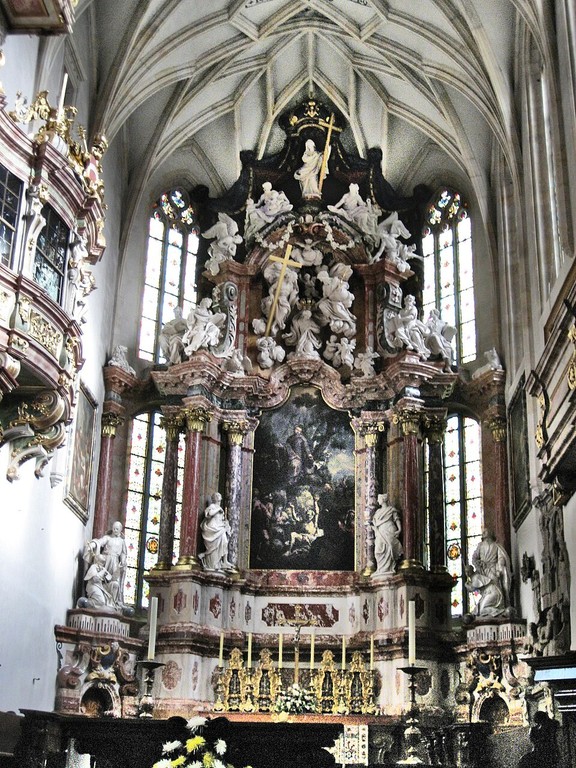
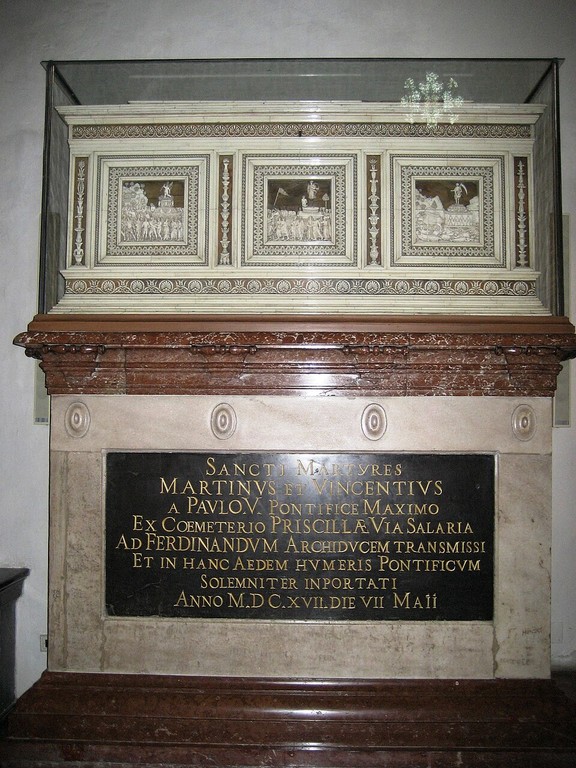
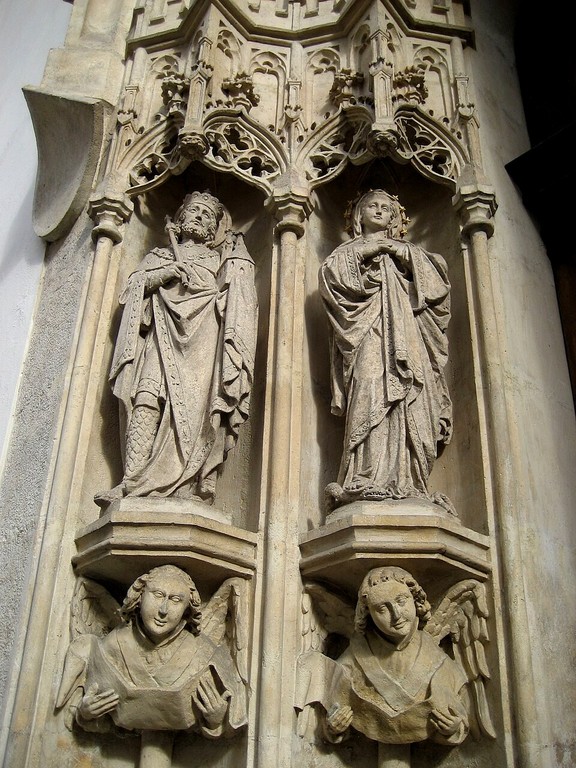
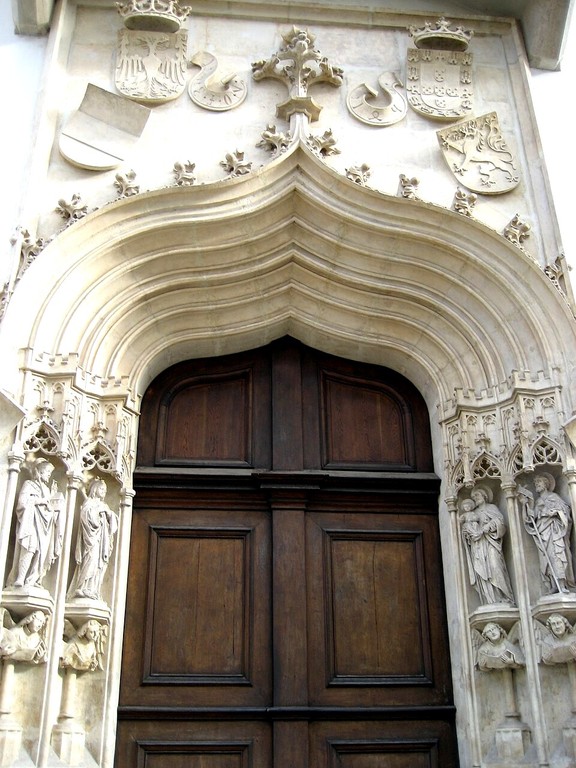
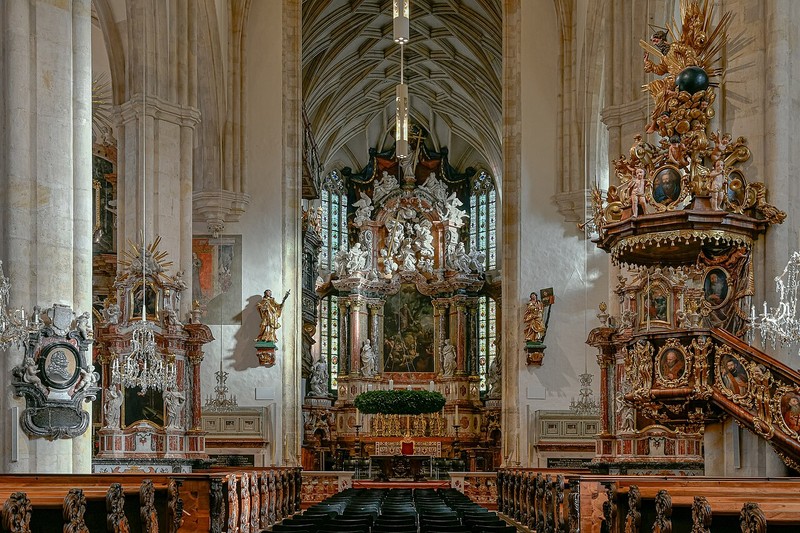
The western portal features sculptural and ornamental details. Inside, visitors can admire vaulted ceilings, religious frescoes, altar artworks and side chapels. The Baroque furnishings reflect the period when the church was under Jesuit administration. Among the historic objects of particular interest are reliquaries containing the remains of Christian martyrs.
The altar area is an important part of the interior. During the 2017–2023 renovation, it was redesigned, a new altar and ambo made of basalt were installed, and elements of the historic decoration were restored. The project preserved artistic details while adapting the space for contemporary worship.
The Landplagenbild fresco
The cathedral’s principal artistic attraction is located outside, on the southern wall. The Landplagenbild fresco, also known as the Gottesplagenbild, dates to 1485 and is generally attributed to the artist Thomas von Villach. It commemorates the disasters that struck Styria in 1480.
The fresco depicts three calamities: a locust invasion, the military threat posed by the Ottomans and an outbreak of plague. In the religious worldview of the Middle Ages, such events were often interpreted as divine punishment. The composition combines scenes of disaster with religious figures and symbols, conveying contemporary ideas about fear, faith and the hope of salvation.
The Landplagenbild is considered one of the most valuable surviving examples of Gothic mural painting in Styria. The fresco was carefully restored during the recent renovation, making its details easier to appreciate. Even during a short visit, it is worth stepping outside to examine the southern façade.
The organ and musical events
The cathedral is known not only for its architecture and paintings but also for its organ music. The instrument is used during services and concerts. As part of the 2022–2023 restoration, the organ underwent extensive work: specialists restored historic elements of the case and reworked its internal arrangement to improve the sound.
The organ was ceremonially blessed in November 2023, marking one of the final milestones in the cathedral’s long renovation. Religious services and musical events take place in the church, but concert schedules depend on the season and the church calendar. If you would like to hear the organ, check the cathedral’s official website before travelling.
What to see nearby
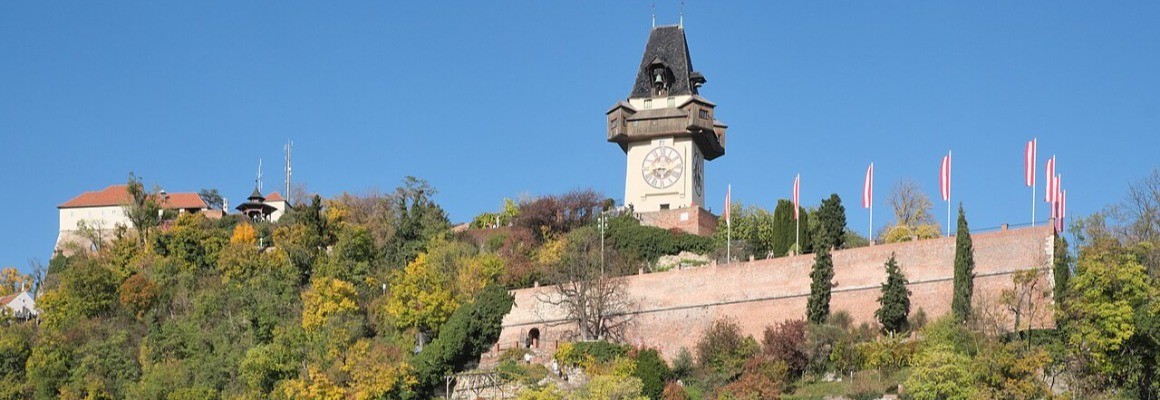
Graz Cathedral forms part of the city’s historic architectural ensemble known as the City Crown. Other buildings in this group include Graz Castle, the Mausoleum of Emperor Ferdinand II and several historic structures. They are located close to one another, making it easy to combine a visit with a walk through the old town.
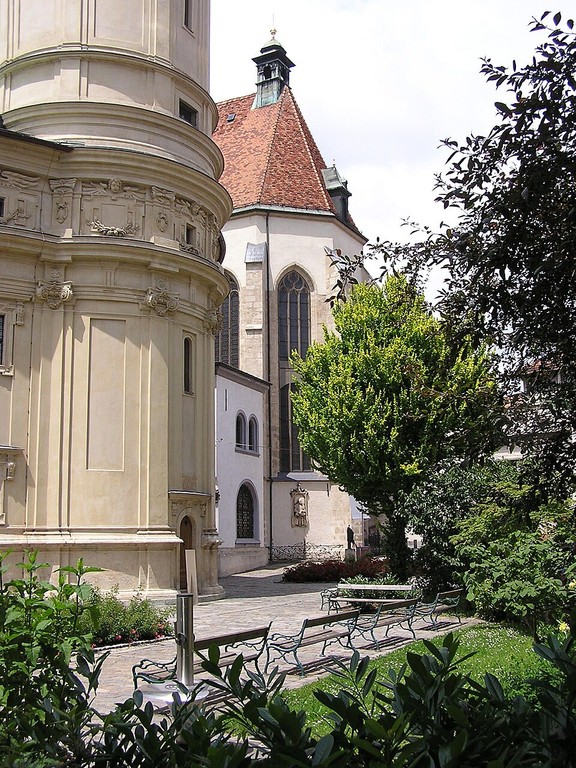
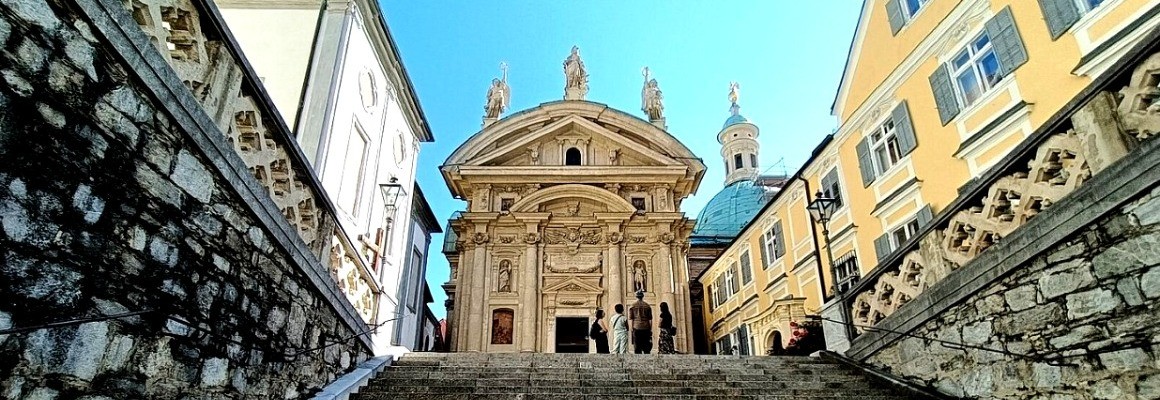
Next to the cathedral stands the Mausoleum of Emperor Ferdinand II, notable for its turquoise domes and combination of architectural styles. The former imperial residence complex is also nearby. Together, these landmarks show how religious architecture, imperial monuments and historic urban buildings meet in the centre of Graz.
How to get there and visitor information
Graz Cathedral is located at Burggasse 3, 8010 Graz, in the historic city centre. It is about a five-minute walk from Graz’s main square, following Sporgasse and then turning into Hofgasse. Public transport is also a convenient way to reach the central area.
Admission to the cathedral is generally free, but access may be restricted during services and special events. Allow around 30 minutes to see the church and the fresco. Organised groups and visitors who want to learn more about the cathedral’s history and art should enquire in advance about guided tours. Check the official website for current visiting hours before your trip.
Graz Cathedral is worth visiting for its combination of late Gothic architecture, Baroque interior decoration and the famous Landplagenbild fresco. It offers insight into the history of Styria and Graz’s role during the Habsburg era. Its proximity to other landmarks also makes it an easy stop on a walk through the historic centre.
Gallery