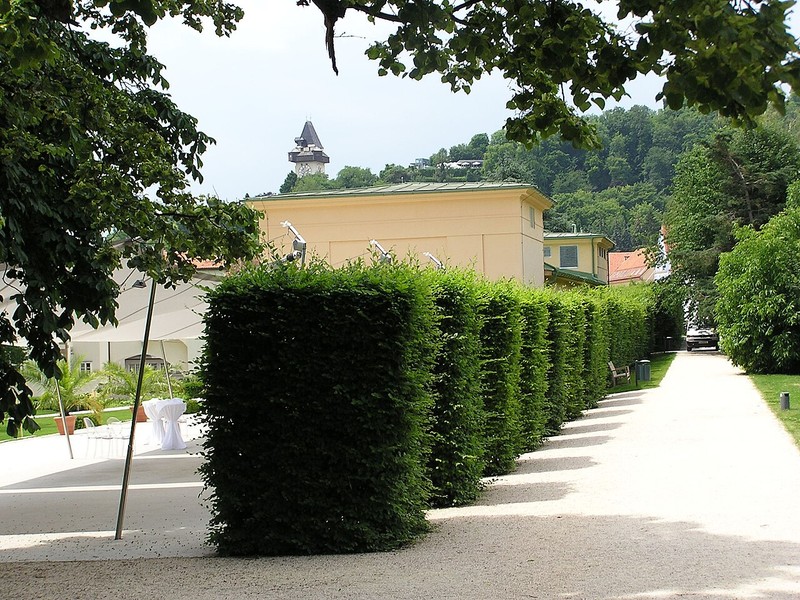
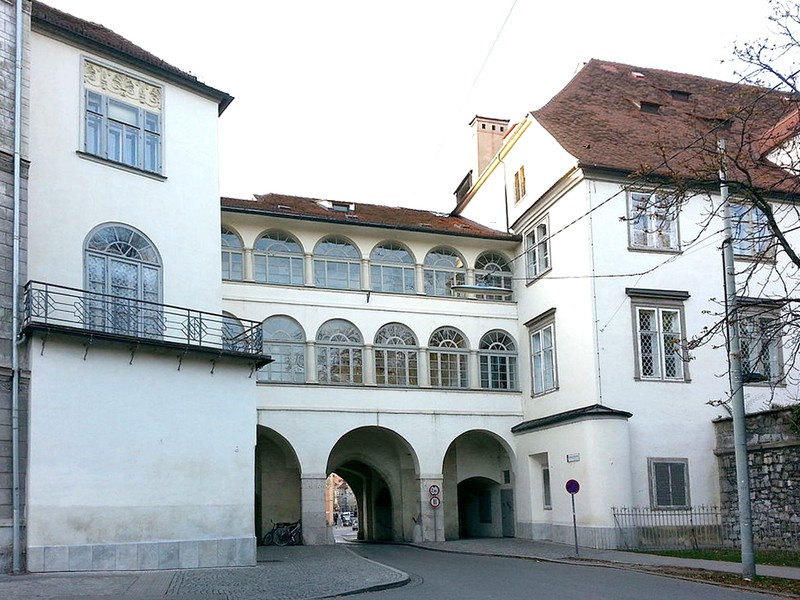
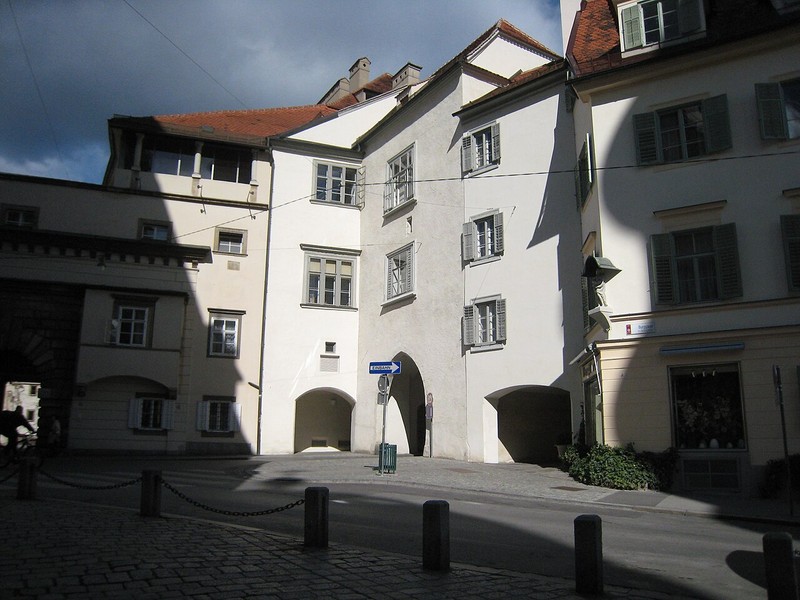
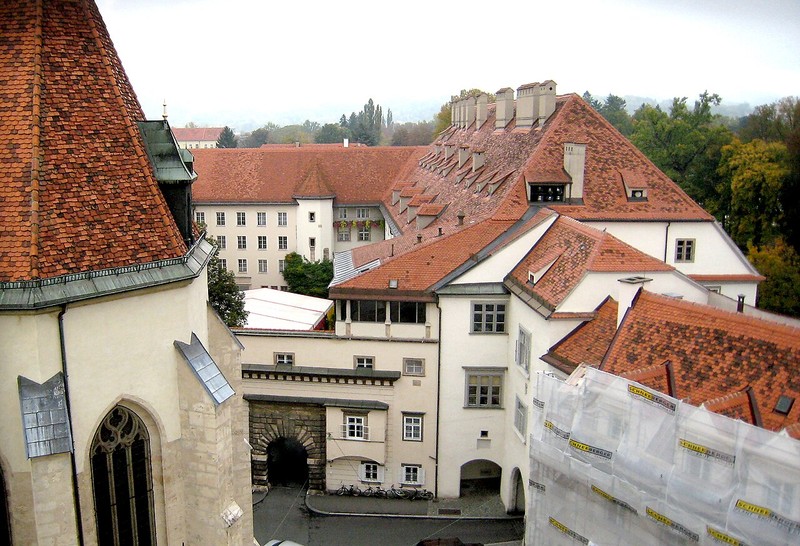
Graz Castle (Grazer Burg) is a historic architectural complex in central Graz, Austria’s second-largest city. It stands beside Graz Cathedral, dedicated to Saint Giles, and is best known for its unusual double spiral staircase dating from the late fifteenth century. The castle served as a Habsburg residence for centuries, underwent numerous alterations and now houses the government of the Austrian province of Styria.
History of Graz Castle
Construction of the residence began in 1438 on the initiative of the future Emperor Frederick III. The complex was built along the eastern side of the medieval city fortifications, so it was initially connected with the town’s defensive system as well as its political life. In the following decades, the residence was expanded to meet the needs of the Habsburg rulers.
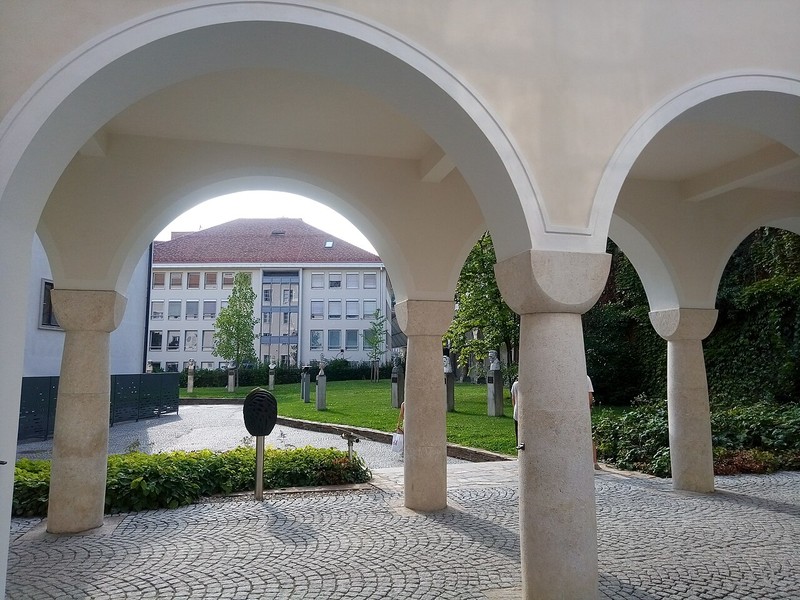
A major stage came under Emperor Maximilian I, when the famous double spiral staircase was created in 1499. In the sixteenth century, Archduke Charles II made Graz an important centre of government for Inner Austria, and the residence was expanded again. Gothic elements, Renaissance arcades and decorative sgraffito remain visible in the architecture.
The Double Spiral Staircase
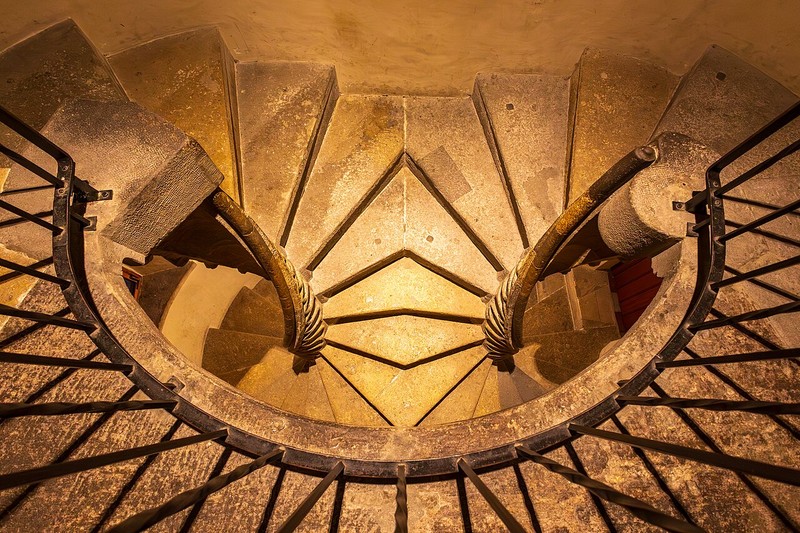
The castle’s main attraction is the Doppelwendeltreppe, a double spiral staircase built in 1499. Its two flights wind in opposite directions, briefly joining at each level before separating again. The unusual arrangement creates an almost optical-illusion effect. The staircase is often called the “Staircase of Reconciliation,” or Versöhnungsstiege, a name associated with the idea of separate paths coming together again.
Architecture and Courtyards
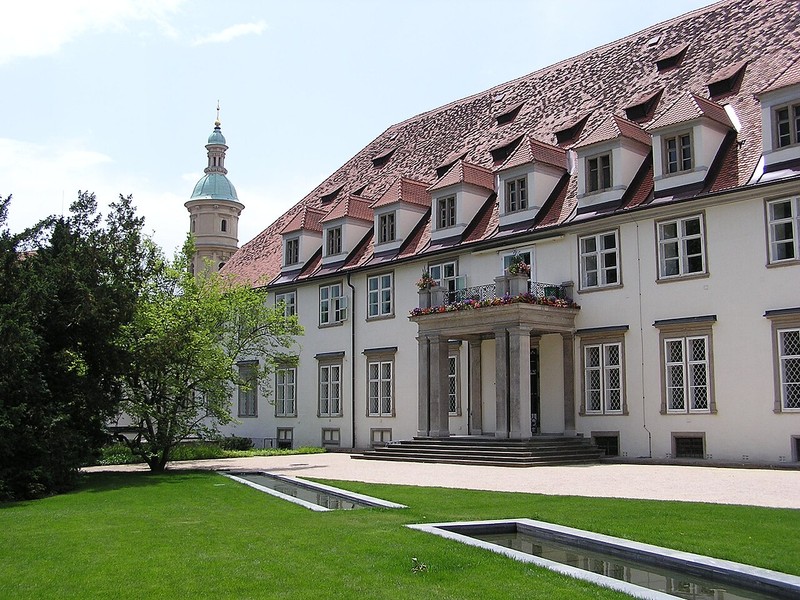
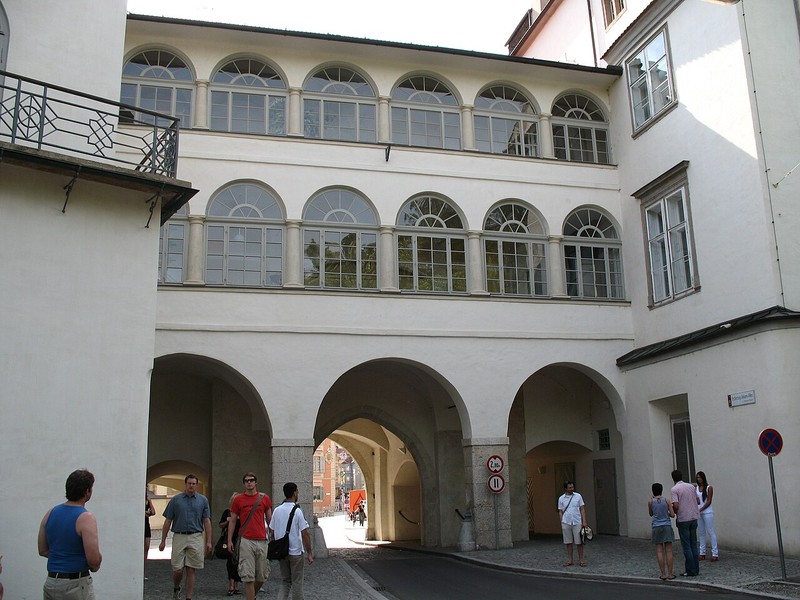
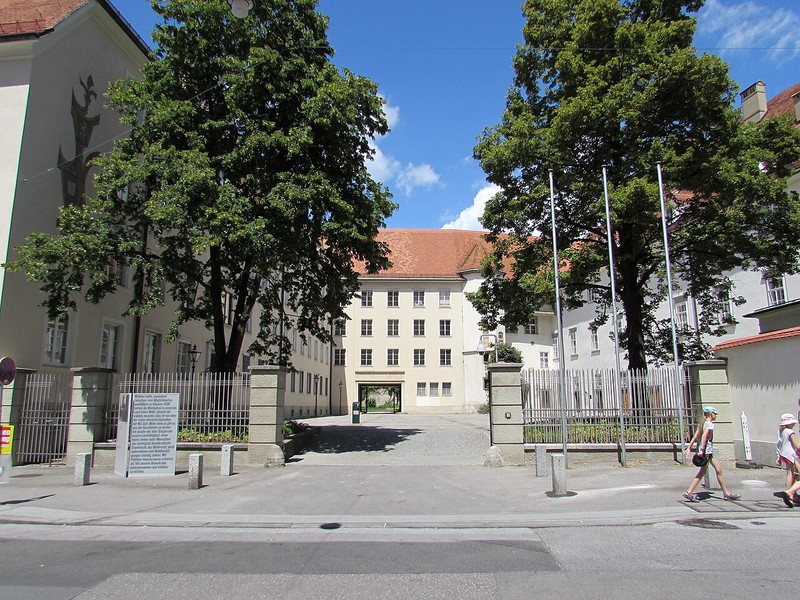
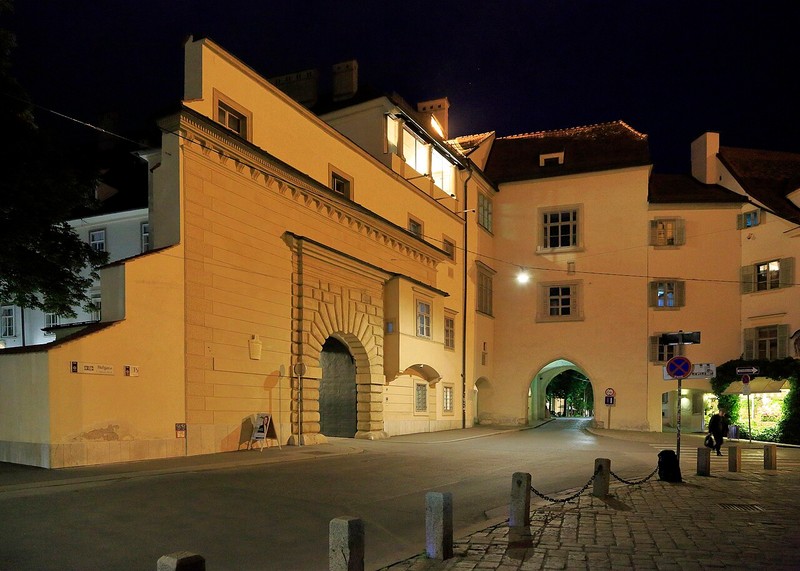
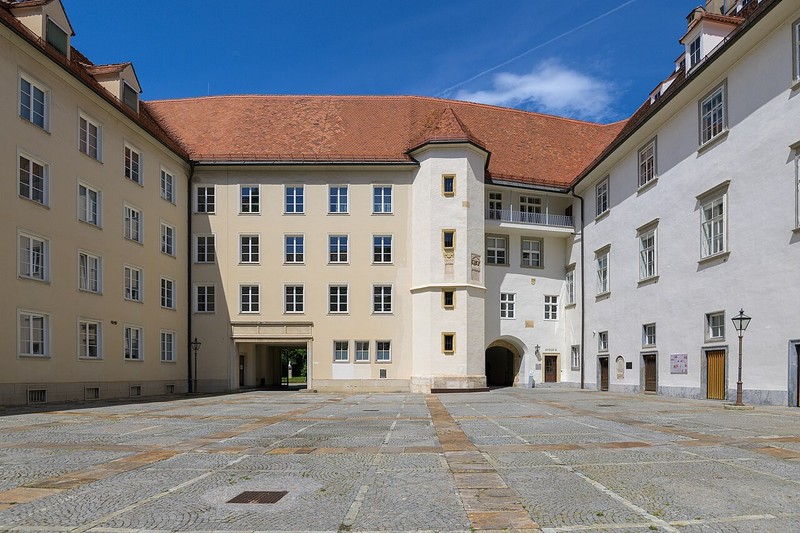
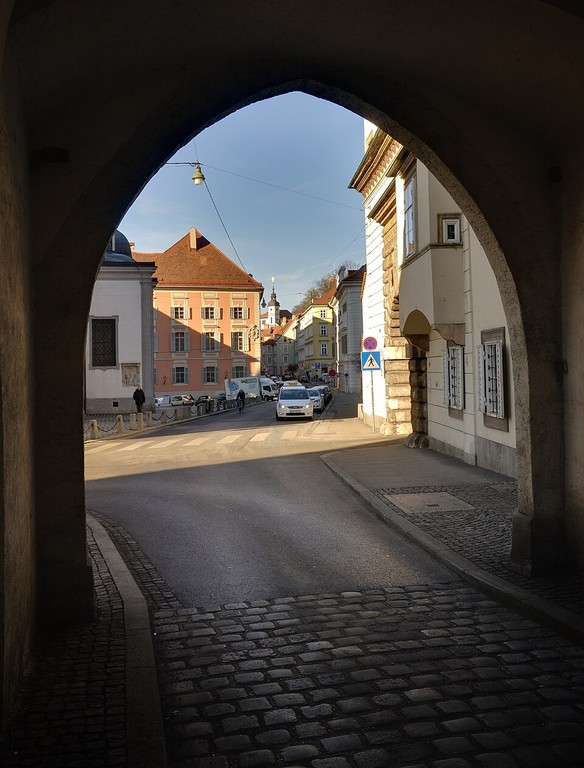
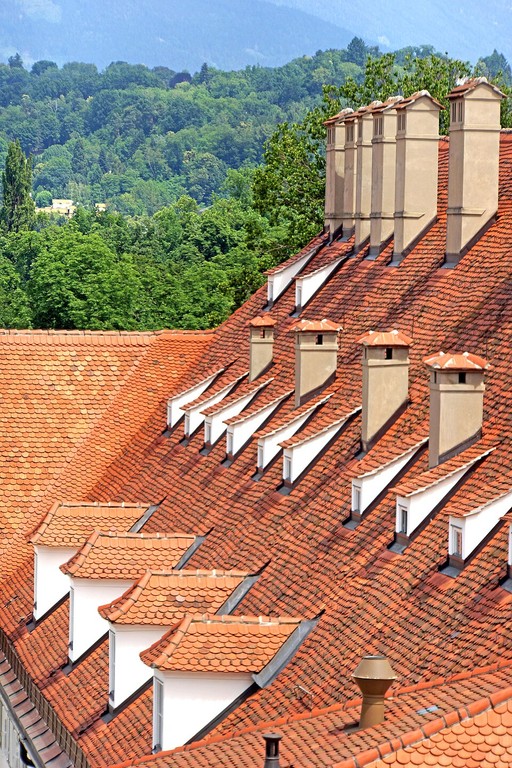
Graz Castle developed over several centuries and is not a single building from one period. Its appearance combines Gothic features, Renaissance arcades and details from later eras. Historic gates, inner courtyards and façades decorated with sgraffito are among the highlights. This technique involves scratching through an upper layer of plaster to reveal a contrasting layer beneath. The castle remains a working government building, so not all rooms are open to visitors.
Gallery of Honour
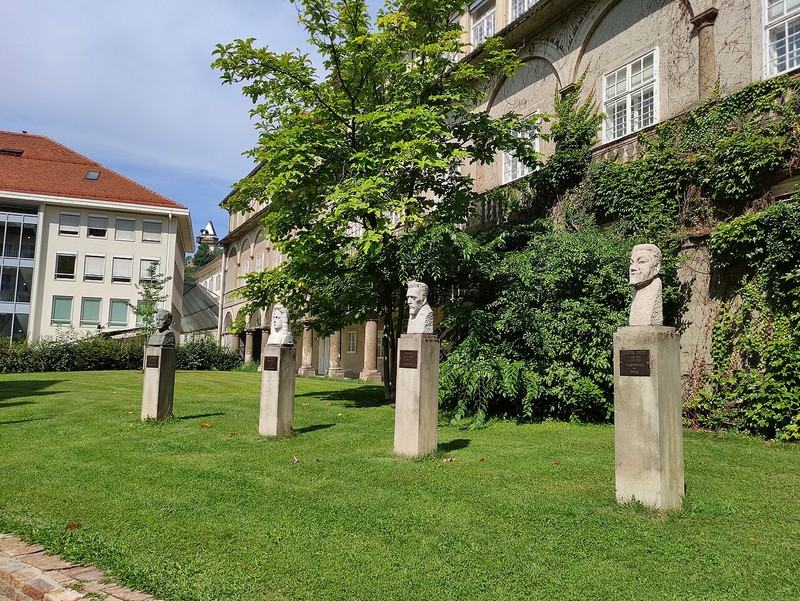
The complex includes a gallery of busts commemorating notable figures from Styria. They include composer Johann Joseph Fux, architect Johann Bernhard Fischer von Erlach and inventor Viktor Kaplan, known for developing the Kaplan turbine. The memorials recall the region’s contributions to music, architecture, science and technology.
Nearby Attractions
The castle fits easily into a walking tour of Graz’s historic centre. Graz Cathedral is right next door, while the Mausoleum of Emperor Ferdinand II is nearby. Together with other historic buildings, these landmarks form the “Crown of Graz” ensemble. From the castle, visitors can continue along old streets towards Hauptplatz, the city’s main square.
Visiting Graz Castle
The address is Hofgasse 15, 8010 Graz, opposite the cathedral. The double spiral staircase is the main attraction for visitors, and access to it is generally organised separately from the government’s working rooms. Graz Tourism lists free admission and usual opening hours of 7:30 a.m. to 8 p.m. daily. Check current access arrangements before your visit, as temporary restrictions or construction work may affect entry.
Visitor Tips
Allow around 30 minutes to see the staircase and accessible courtyards if you are not taking a detailed guided tour. The staircase can be narrow, so take care when passing other visitors. The castle is within walking distance of the main square, and public transport serves the surrounding city centre. Check which parts of the complex are open to the public on your chosen day.
Why Visit Graz Castle?
Graz Castle is worth visiting for anyone interested in Austrian history, Habsburg architecture and medieval craftsmanship. Its double spiral staircase is an unusual architectural achievement, while the courtyards and façades reveal changes from the Gothic period to the Renaissance. Its location beside the cathedral makes it an easy stop on a walking route through old Graz.
Gallery