


What to take with you on a trip for a week
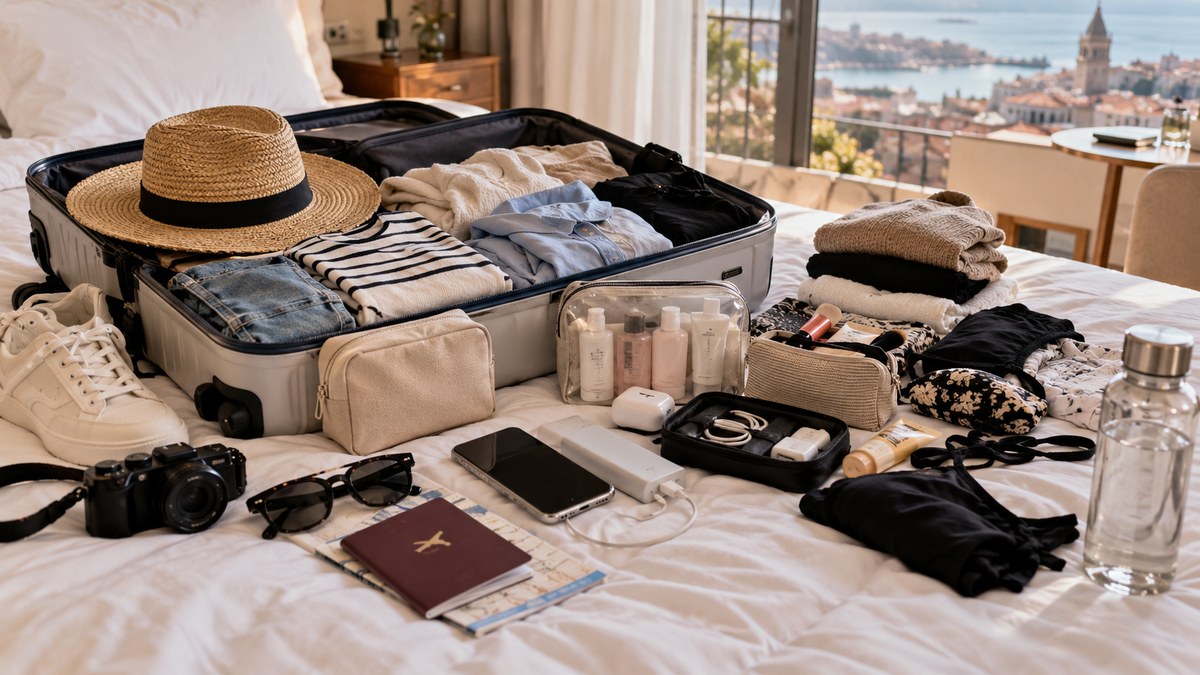
Previously, packing for a trip for a week looked to me like I was going to move to another country for permanent residence instead of having a vacation. I packed clothes "just in case" in a suitcase, three pairs of shoes, cosmetics in quantities that would be enough for a small beauty salon, a first-aid kit the size of a suitcase, and for some reason I always took things that I hadn't even taken out during the entire trip. As a result, I had to cover the suitcase with my entire body weight, and at the airport I looked hopefully at the scales every time, as if they could show a couple of kilograms less out of pity.
Over time, I realized a simple thing.: I don't need to take half an apartment with me for a week of travel. It's much more convenient to put together a small, thoughtful set of things that will really come in handy, rather than dragging along everything that theoretically might be needed if ten unlikely circumstances coincide at once. Therefore, now I'm going to be much calmer and try to adhere to the principle: it's better to take universal things that are easy to combine with each other than to fill a suitcase with clothes for all occasions.
Clothes: smaller is better, but so that everything fits together
For a week, I usually take a few T-shirts or tops, a pair of comfortable trousers or jeans, one more elegant thing for the evening, and a light sweatshirt or shirt that I can throw on if it gets chilly in the evening. If the trip involves the beach, I add a swimsuit, a light dress or a sundress, and if I'm going to walk a lot, then I think in advance not so much about beauty, but about how comfortable it will be to spend the whole day in these clothes.

It helps a lot to choose things in one color scheme in advance, because then in the morning you don't have to stand in front of a suitcase with the expression of a person who has just lost the meaning of life. Almost every item should be combined with at least two or three others, then a small number of clothes make quite a lot of options. And yes, I still sometimes take a thing solely because it's beautiful, and then I discover that it can only be combined with another thing that I didn't take either, but this is my personal travel genre.
Shoes: this is where I learned to stop myself.
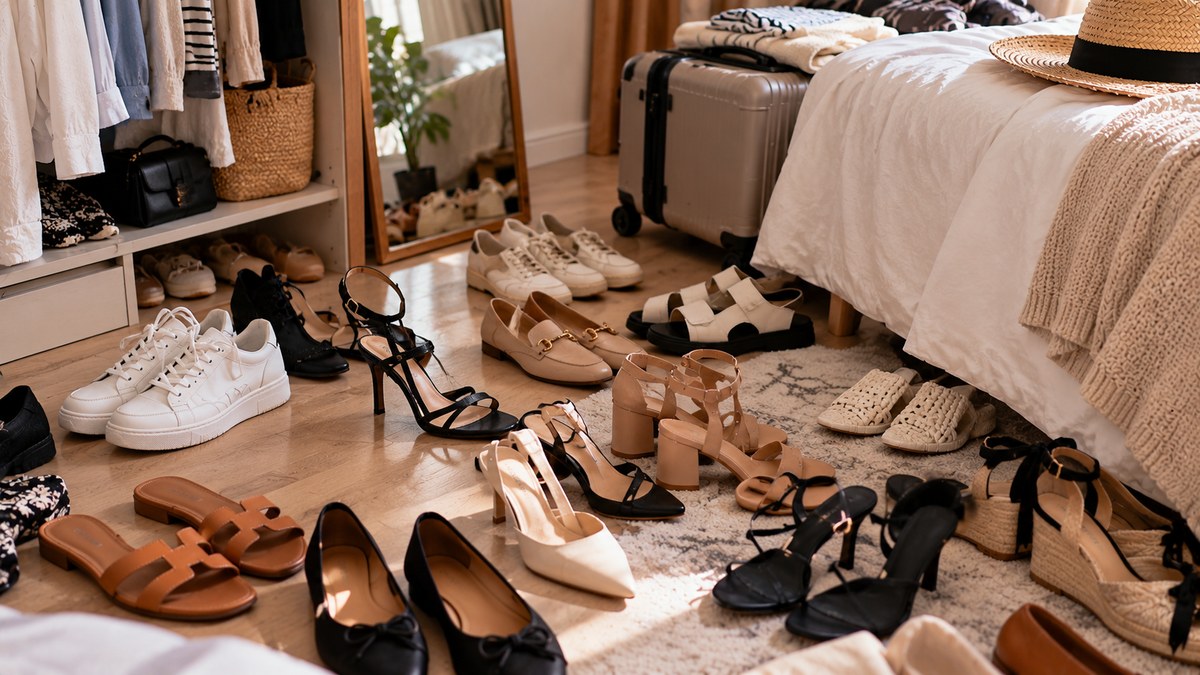
Shoes used to be a separate story, because it seemed to me that for a week you definitely need sneakers, sandals, shoes, another pair of sneakers "in case of rain" and something beautiful for the evening. As a result, half of the suitcase was occupied by shoes, but I was still walking in one of the most comfortable pairs.
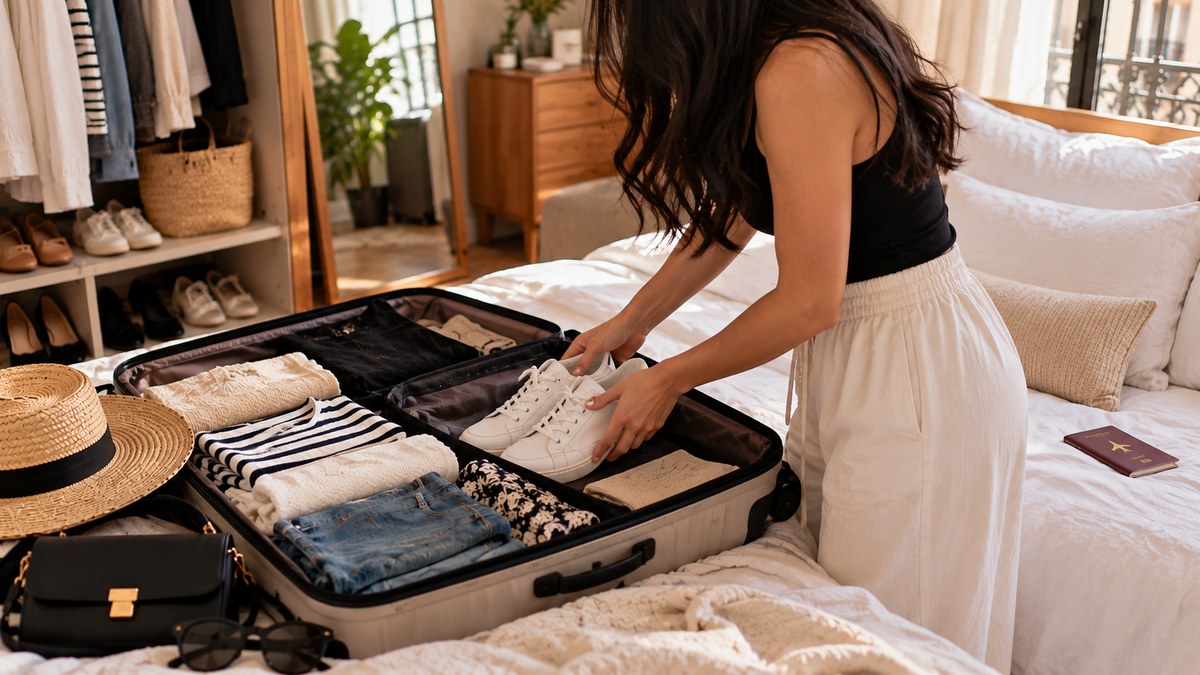
Now I usually take one basic comfortable pair for long walks and the second one is lighter or more elegant, depending on the direction. If I'm going to the sea, I add shoes for the beach, and if I have to walk around the city a lot, I don't do any experiments with new shoes before the trip, because the memories of the trip should be associated with beautiful streets, not with patches on the heels.
Cosmetics and care: no need to take the entire closet
I also try to collect cosmetics without fanaticism, although it is especially easy to start saying to yourself: "Well, this is a small jar, it weighs almost nothing." Then it turns out that I have fifteen such small jars, and together they somehow weigh like a good brick.

For a week, I usually have enough cleanser, cream, sunscreen, shampoo and conditioner in small packages, a toothbrush and paste, deodorant and a minimal set of cosmetics. If the hotel provides shampoo, shower gel, and other basic products, I don't see the point in lugging my huge vials, especially if I'm traveling with hand luggage only.
First aid kit: small but useful
A small first-aid kit is mandatory for me, because sometimes the body likes to arrange surprises precisely when you are a thousand kilometers from home and plan to walk all day. I take only the usual tools that I have already used before, as well as what I may need on the road: patches, first aid supplies, medicines that I personally need, and basic things in case of minor troubles.
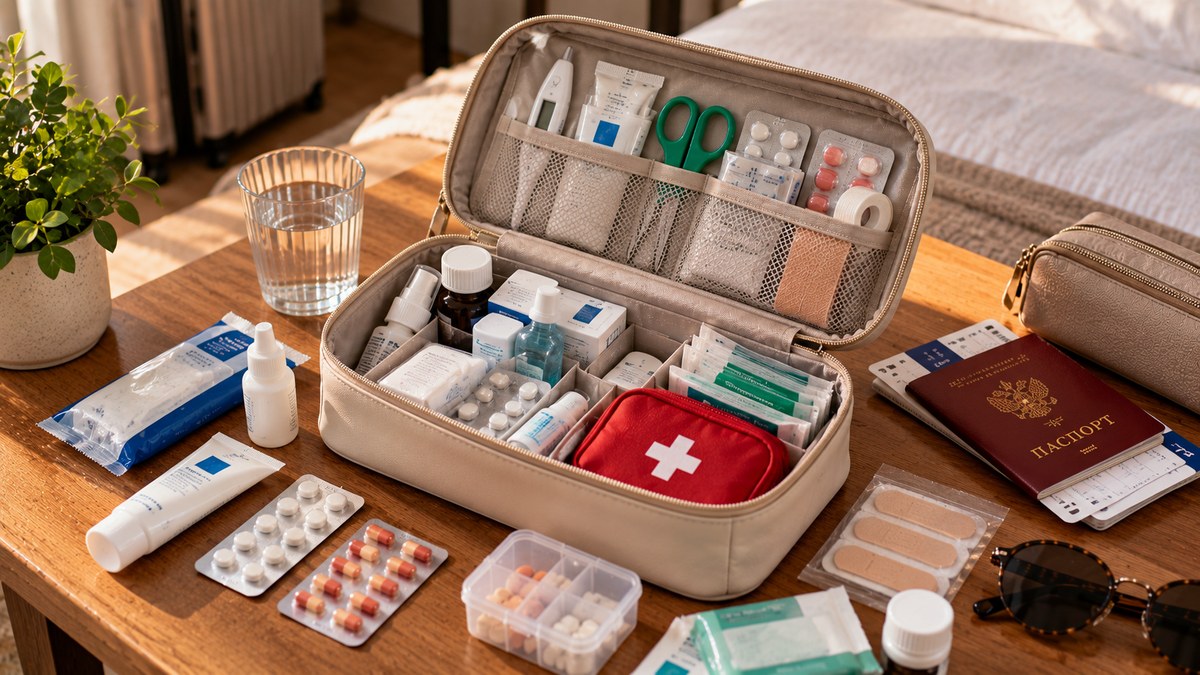
At the same time, I'm not trying to assemble a mobile hospital department, because pharmacies are easy to find in most popular tourist destinations. The main thing is not to forget the necessary medicines, if you really need them regularly, and check in advance the rules of their transportation in the country where you are going.
Documents and money: this is more important than the fifth dress
This is where I prefer to be safe, because a forgotten T-shirt is much easier to experience than a forgotten document. Before traveling, I check my passport, tickets, hotel reservations, insurance, and other documents that may be needed on my trip, and I store important data not only on my phone.
I also don't put my money in one place, because I don't like the idea of being left without all my funds because of a lost wallet at all. It is usually convenient to have a bank card and a small cash reserve, and also check in advance how well the usual payment methods work in the destination country. And I always charge my phone before leaving home, because a modern traveler without a phone sometimes feels like he was dropped off in the middle of civilization, but forgot to give out a card.
Technique: only what you will actually use
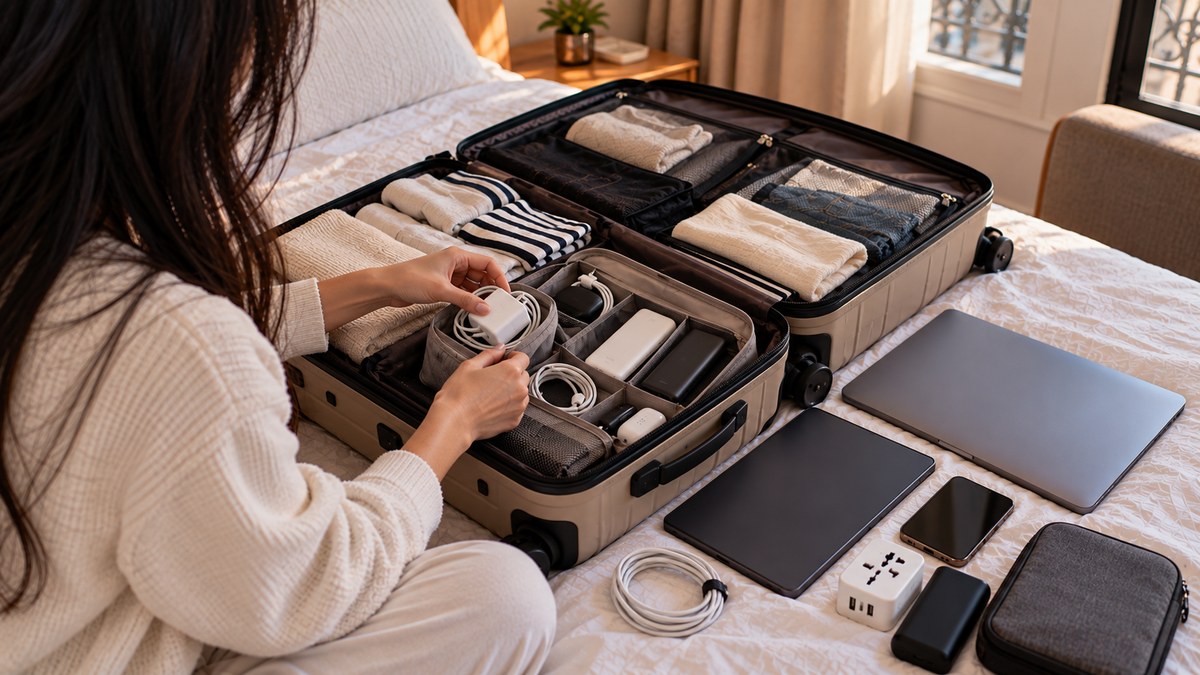
My phone, charger, and power bank are almost always on the mandatory list. If I take a laptop or tablet, I ask myself an unpleasant but useful question in advance.: "Am I really going to use it or do I just want to feel like a very organized person?"
If the answer is the second, the equipment stays at home. When traveling without it, there are enough things to remember, photograph, search and charge, so an extra gadget easily turns from a useful assistant into another item that needs to be dragged around museums and cafes.
What to put in your carry-on bag
I try to put everything in my carry-on luggage that is unpleasant to stay without even for a few hours: documents, money, phone, charger, necessary medicines, headphones and the most important little things. If I'm flying with my luggage, I can also put in a basic set in case of delayed baggage – for example, a change of T-shirt and necessary personal hygiene products.
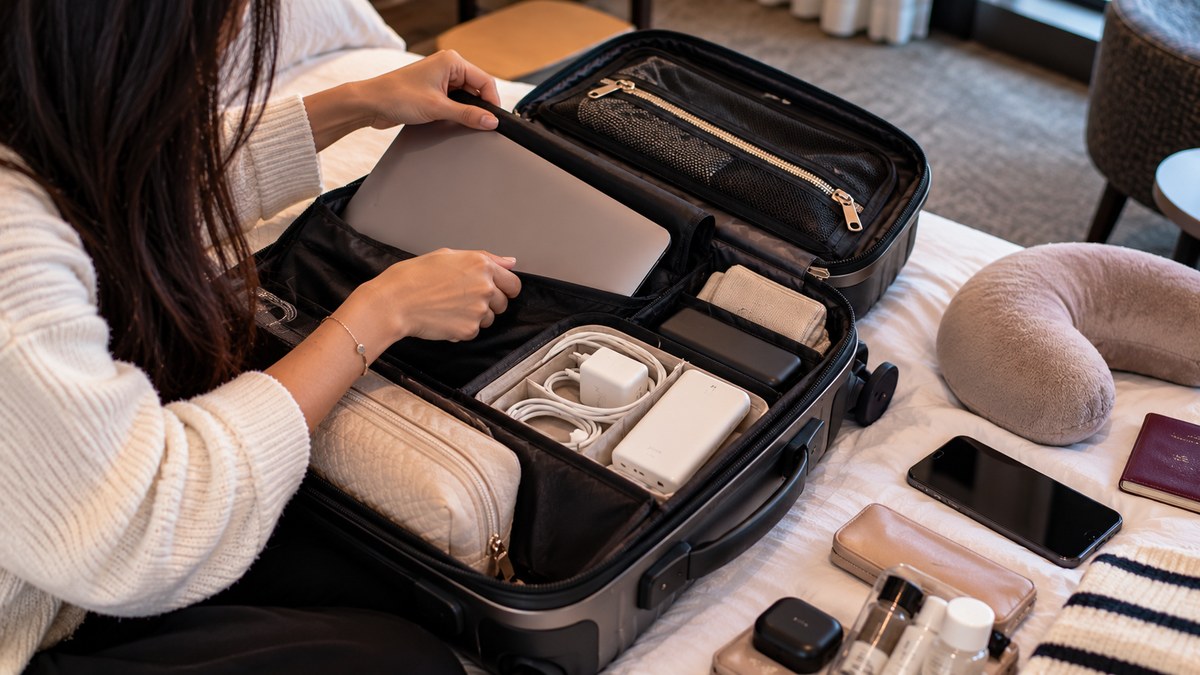
After several trips, I especially loved the rule "the most valuable and the most necessary are nearby." Because a suitcase can get lost, get delayed, or suddenly decide to live your life at another airport, but it's better not to let your passport and phone out of control at all.
What I don't take on trips anymore
The most useful part of my list is, perhaps, the list of things that I stopped taking. I no longer pack clothes in a suitcase for every possible scenario, several identical things "in reserve", huge bottles of cosmetics and shoes that are uncomfortable to wear. I don't even take half of my first-aid kit if it's not necessary.
I also stopped taking things just because I "suddenly feel like it." During a week of travel, you usually want something completely different: to walk, eat something delicious, look around, take pictures of beautiful places, and sometimes just sit in a cafe and watch people. And the lighter the suitcase, the more enjoyable it is to do all this, especially when you have to drag it up the stairs in an old European hotel and it turns out that the elevator exists only in theory.
My universal list for the week
If we put everything together in one simple list, then for a week-long trip I would check something like the following: documents, money and cards, a phone and charger, a power bank, necessary medicines, personal hygiene products, several sets of comfortable clothes, underwear and socks, outerwear for the weather, comfortable shoes, a small cosmetic bag and everything you need for a specific destination.
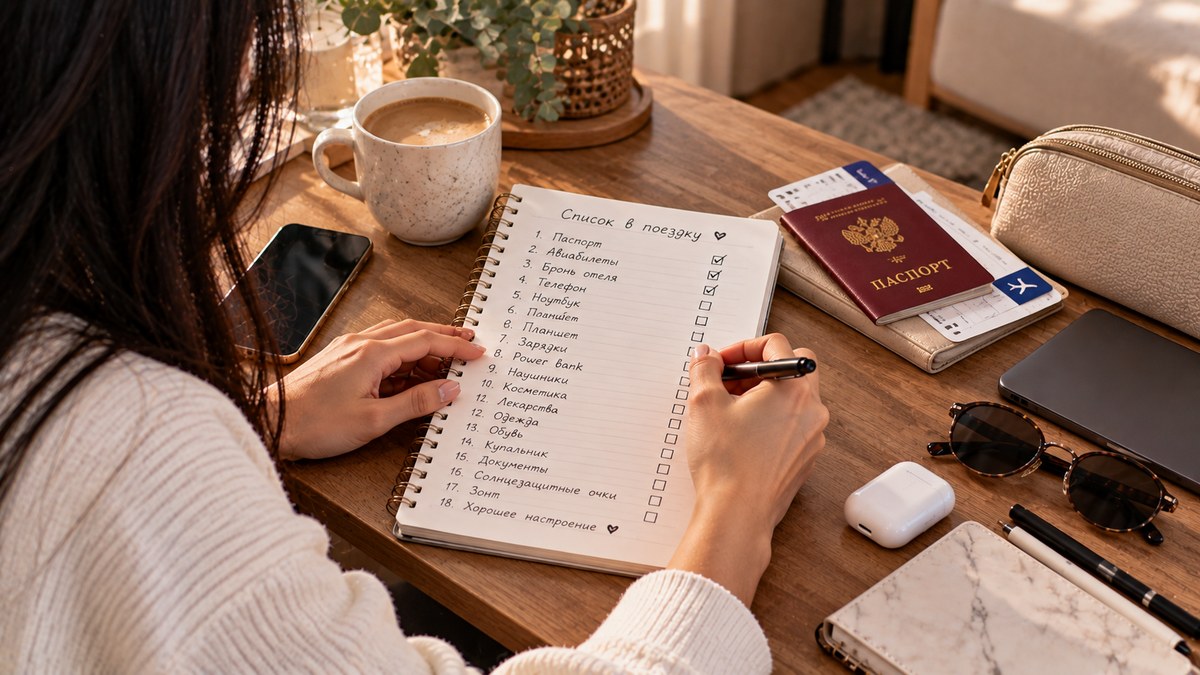
And then I add things according to the situation: a swimsuit for the sea, a raincoat for a rainy city, warm clothes for a cool climate, an adapter for sockets, if needed, or something special for hiking and outdoor activities. The main thing is to first look at the weather, the program of the trip and the features of the country, and only then open the closet and start throwing everything in there under the alarming "well, suddenly it will come in handy."
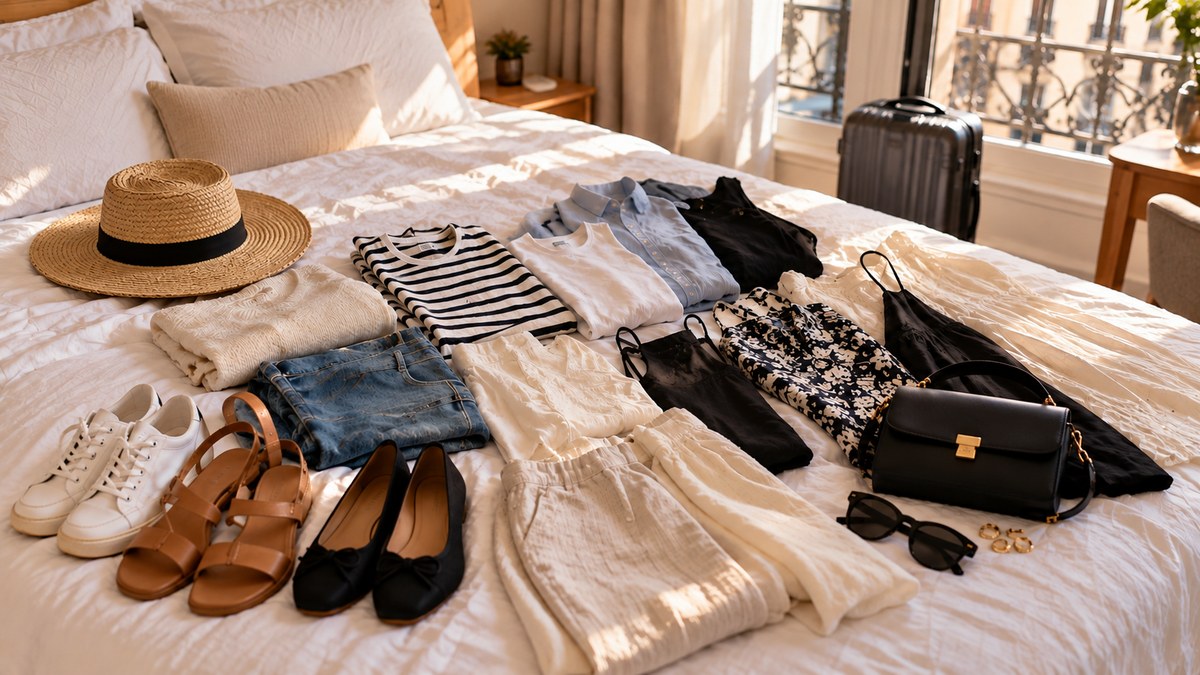
As a result, my ideal suitcase for a week looks rather modest, but it can be lifted without involving relatives, a neighbor, or a random passerby near the entrance. And, perhaps, this is the main sign that I have finally learned how to get ready for a trip normally.: I take everything I need with me, but I leave enough space for new experiences, and sometimes for a small souvenir that happens to be half the size of a suitcase.


Comments