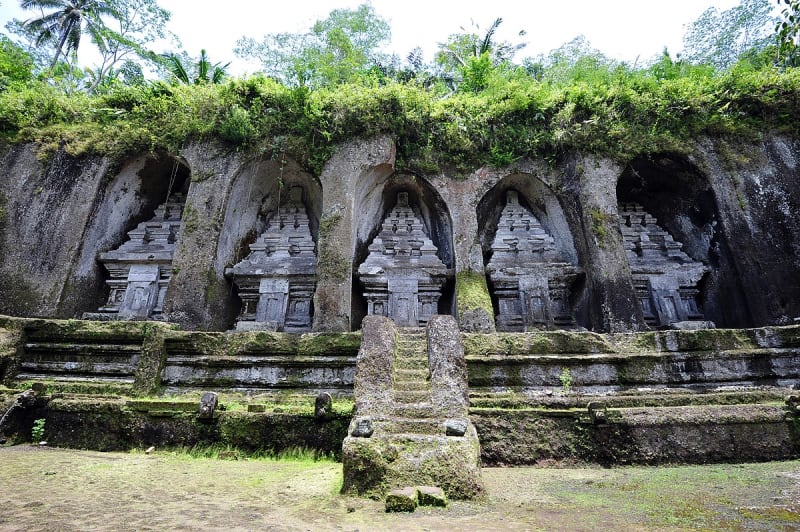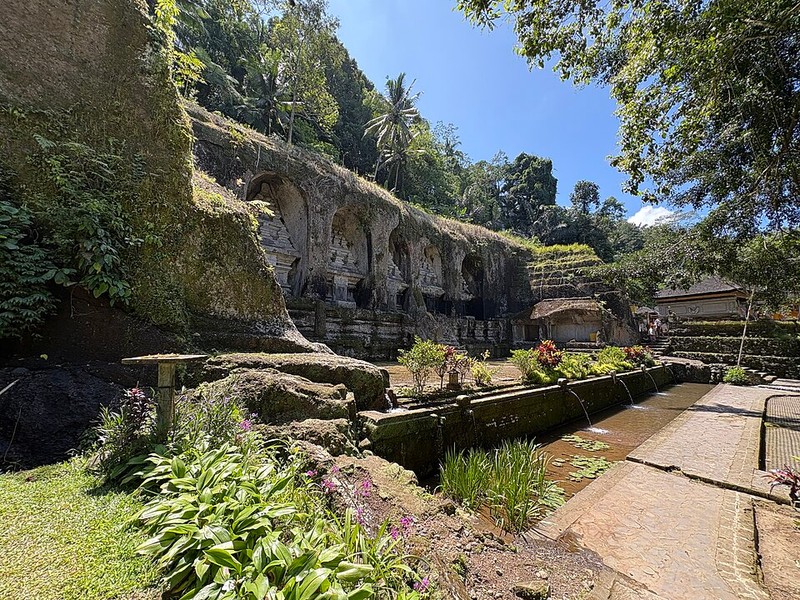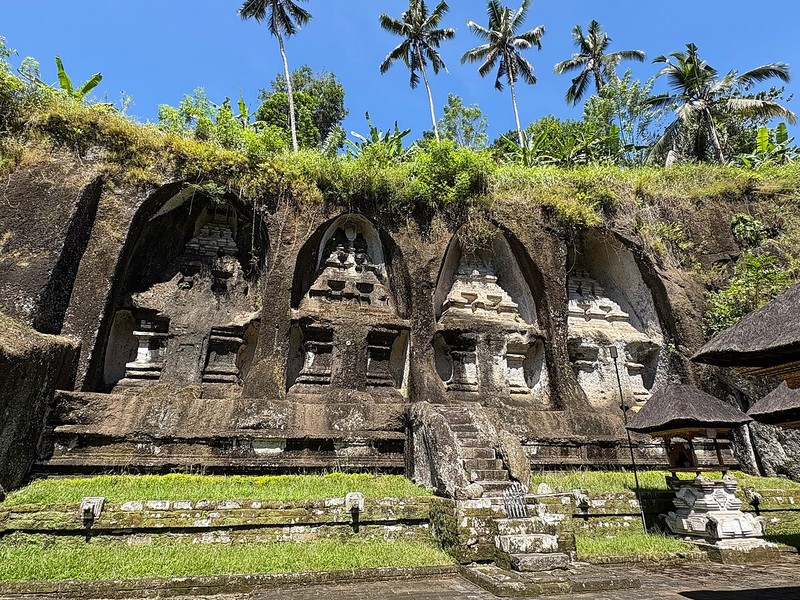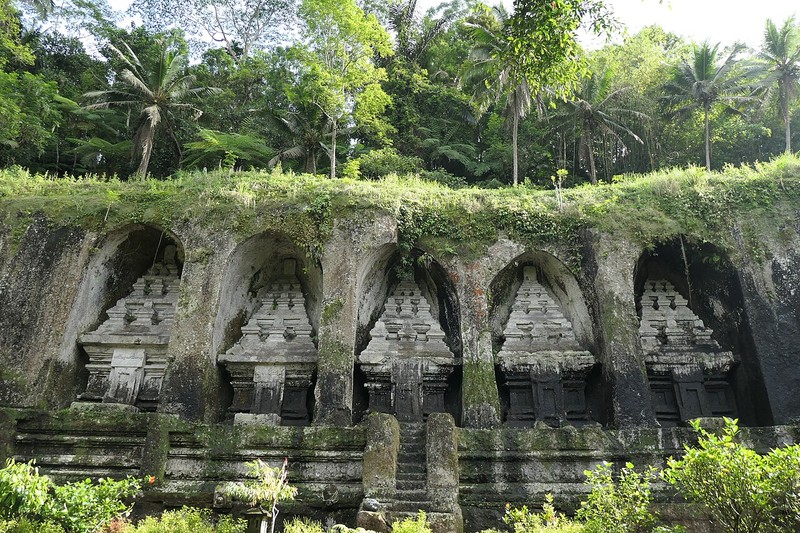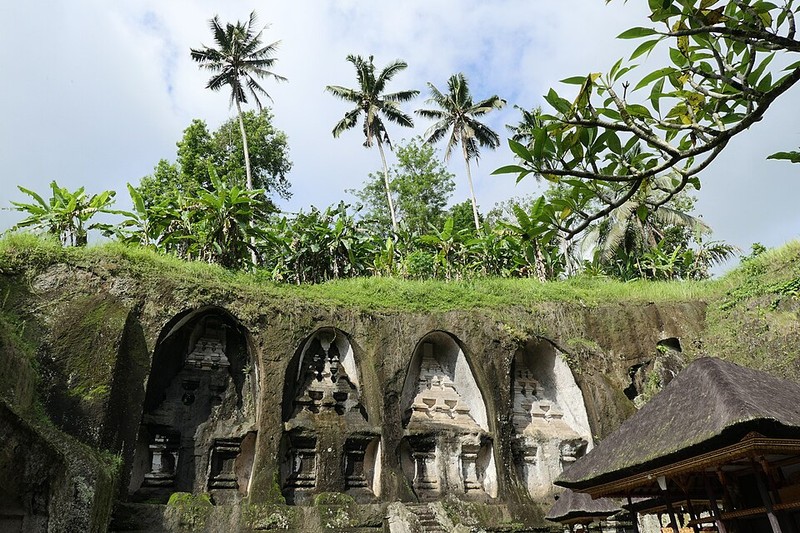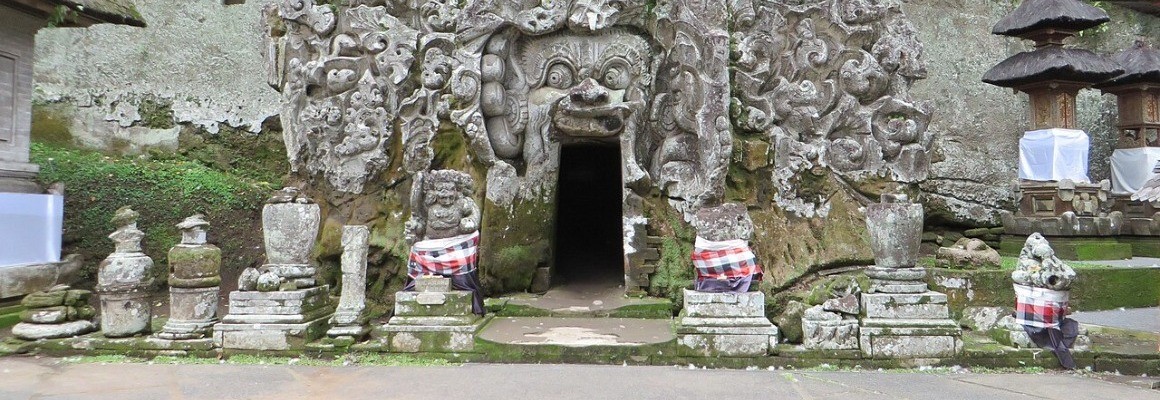

Gunung Kawi Temple is the oldest cave temple in Bali. In the past, it was actually located under the cave arches, but after the earthquake, the upper part was destroyed, and the majestic bas-reliefs are now open to the sky. The Europeans discovered this place in 1920, and since then it has attracted the interest of travelers from all over the world.
The History of Gunung Kawi Temple
It is closely intertwined with many legends, and for religious reasons it is forbidden to conduct any excavations and research on the territory of the complex. According to one version, the bas-reliefs on the rocks were carved by a giant spirit in just one night. Another version is connected with the god Indra and the spring, which he knocked out of the ground with the help of a staff. According to one version, this happened on the site of the Tirta Empul temple, according to another - on the site of the Gunung Kavi Temple.
It is also believed that the temple is the burial place of ancient kings. But in Hinduism, it is not customary to bury the dead in the ground, cremation is traditionally carried out, and after the ashes are scattered over the water. Therefore, the Gunung Kawi Temple is rather a place of memory and reverence. It was built by the ruler of Anak Wungsu in memory of his father.
The construction of the temple complex
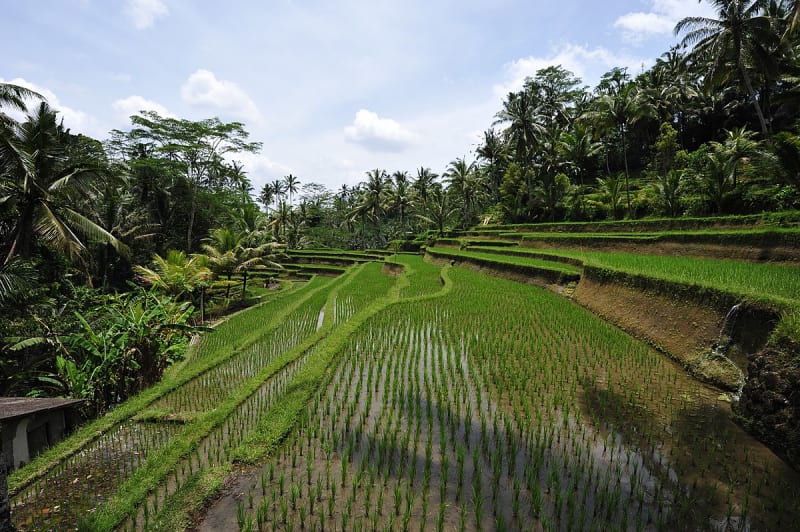
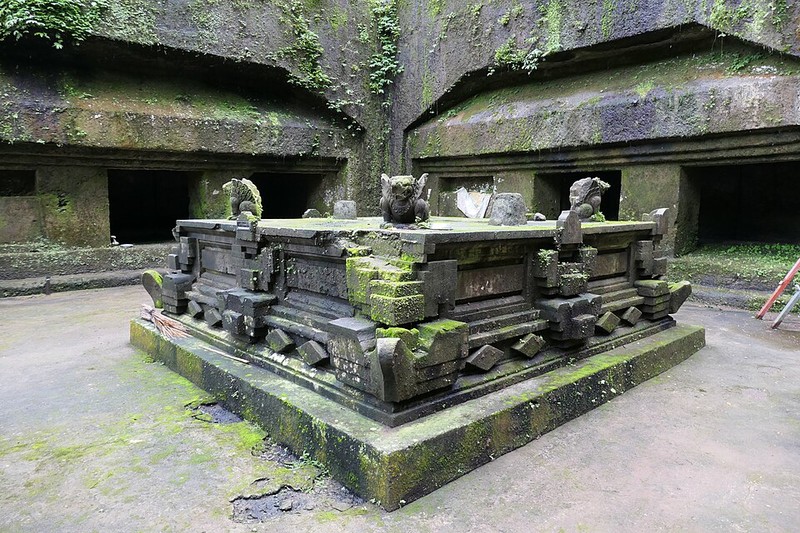
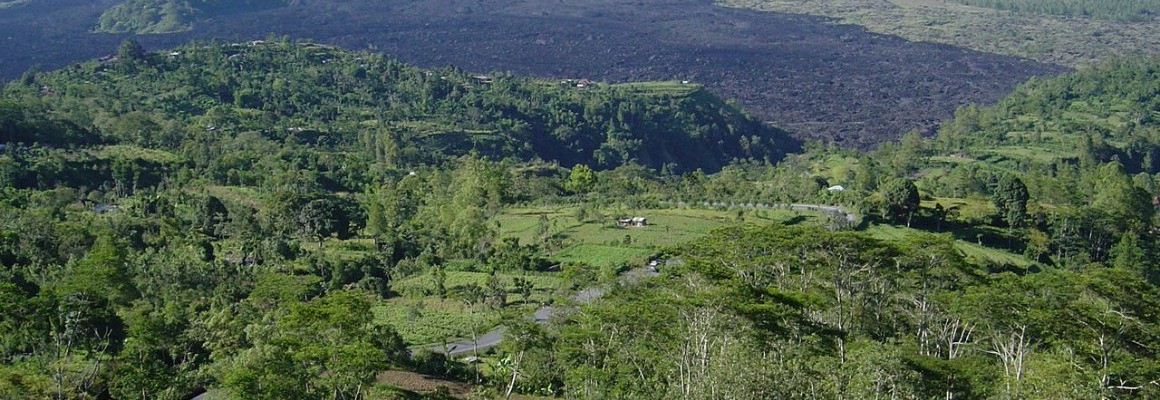
Gunung Kawi can be divided into a temple complex in the Pakerisan River gorge and a temple in Sebatu village. There are more than 300 steps leading down to the Gunung Kawi Temple complex, the road descends between rice paddy trails and passes through a tunnel cut into the rock at the very bottom. The royal tomb consists of 10 burial towers cut into the rocks, each tower has an inscription to whom it is dedicated. The funeral towers are unique cultural monuments that can only be seen in Bali. There is a swimming pool next to the towers, and the water flowing from stylized faucets is considered sacred. On the central tower, which is considered the main one, it is carved: "the king has created a temple here."
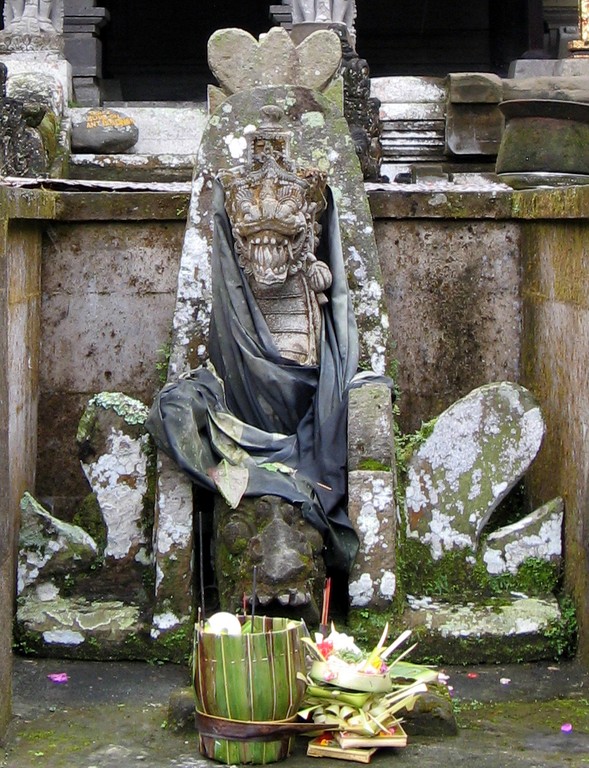
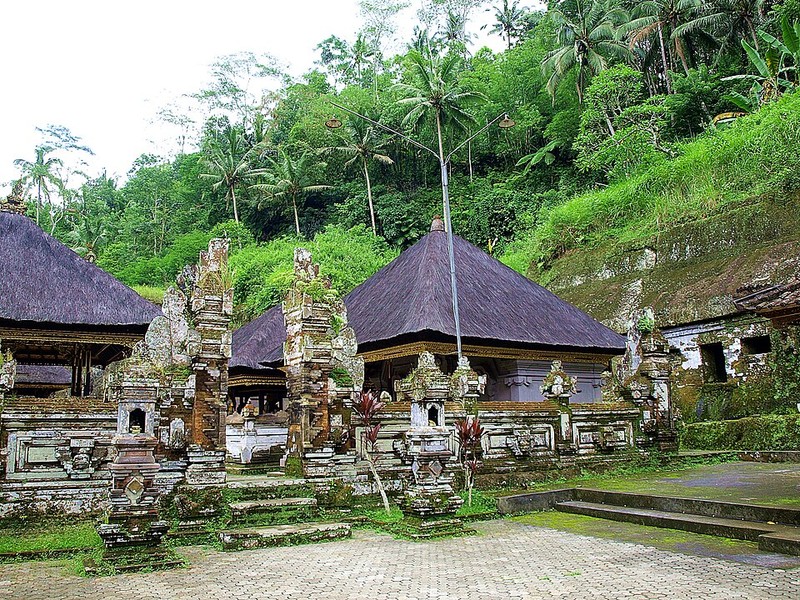
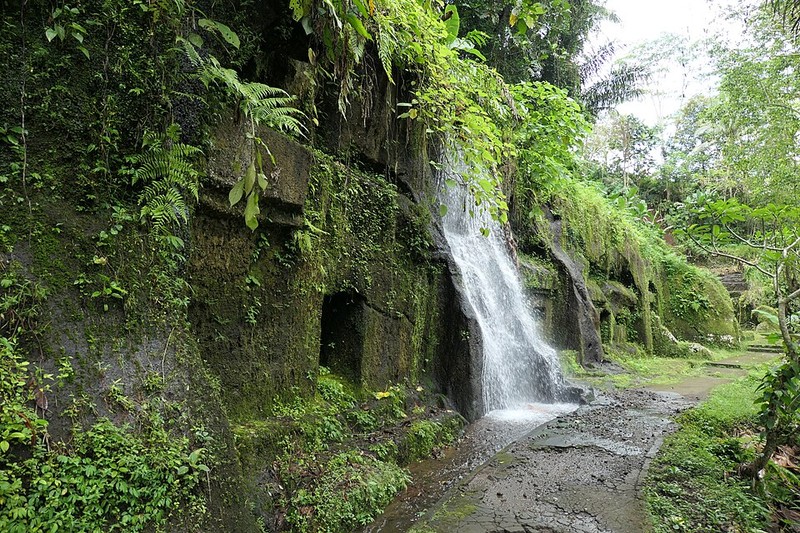
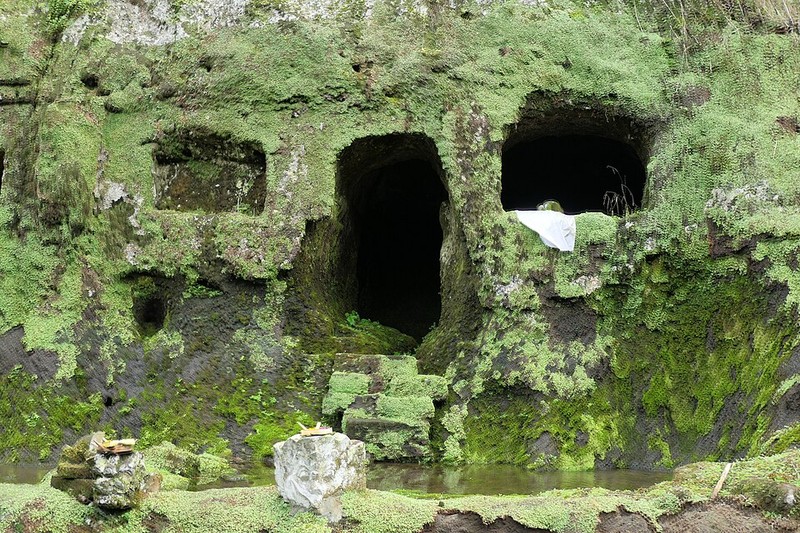
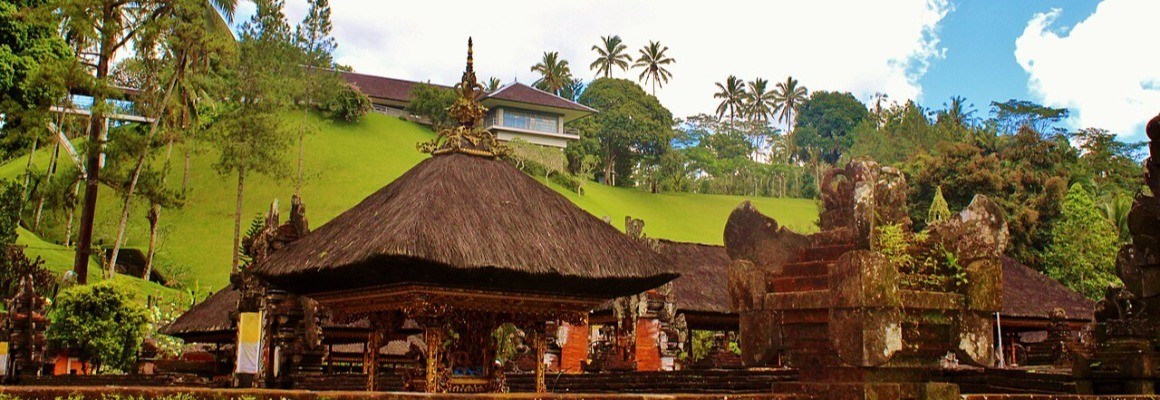
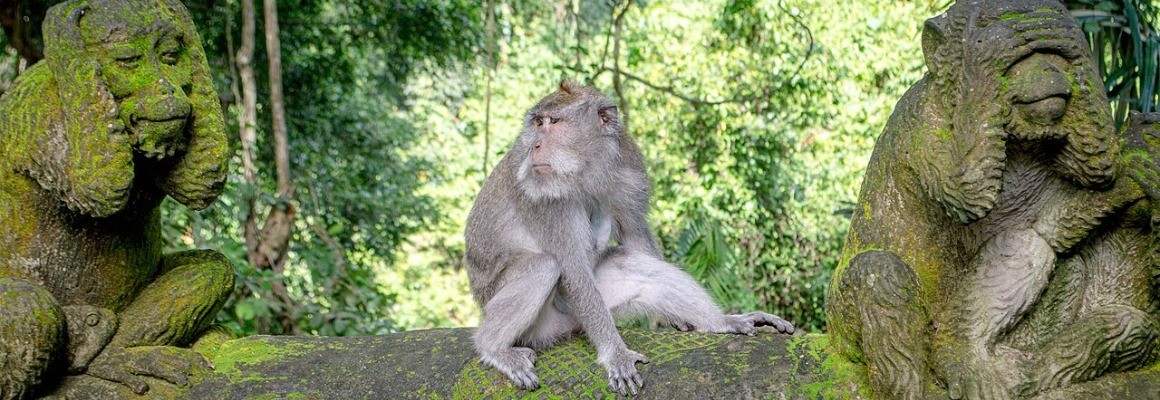
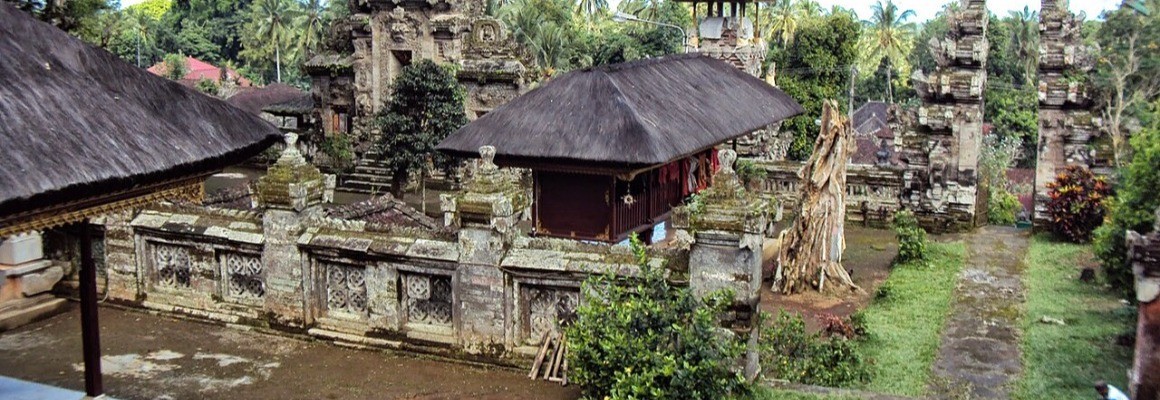
Gunung Kavi Temple houses pavilions dedicated to various gods. The place is surrounded by tropical greenery. Sculptures depicting spirits or mythical characters are installed everywhere. Cells for monks and special niches for spiritual practices are also carved into the rocks, all of which are handmade. The temple is considered a "place of power" by the local population, many people come here to bless or purify the chakras.
Gallery