

How to save money on traveling in Italy
I've wanted to go to Italy for a long time, but every time I started counting the cost of the trip, the numbers looked like I wasn't going on vacation, but to buy a small villa in Tuscany. What scared me the most was not even the accommodation or the flight, but how quickly the money disappears on the spot: I drank coffee, had a snack, bought a ticket, drove somewhere, decided to just sit on the square in the evening - and now the wallet has noticeably lost weight.
On this trip, I decided to test on my own experience whether it is possible to see Italy, eat a balanced diet, live in a decent place and at the same time not return home with the feeling that, together with the Colosseum, I accidentally financed half of Rome.
I started saving before the trip.
The first thing I did was stop looking for a trip based on the principle of "where I want to go right now." Usually, I first imagined myself with a glass of wine somewhere in a beautiful square, and only then I opened the prices and began to suffer quietly. This time I did the opposite: first I looked at the dates, the cost of the flight and accommodation, and only then I decided which route would be more convenient for me, because Italy is beautiful in almost any direction, but I absolutely did not want to overpay for the right to be there three hours earlier.
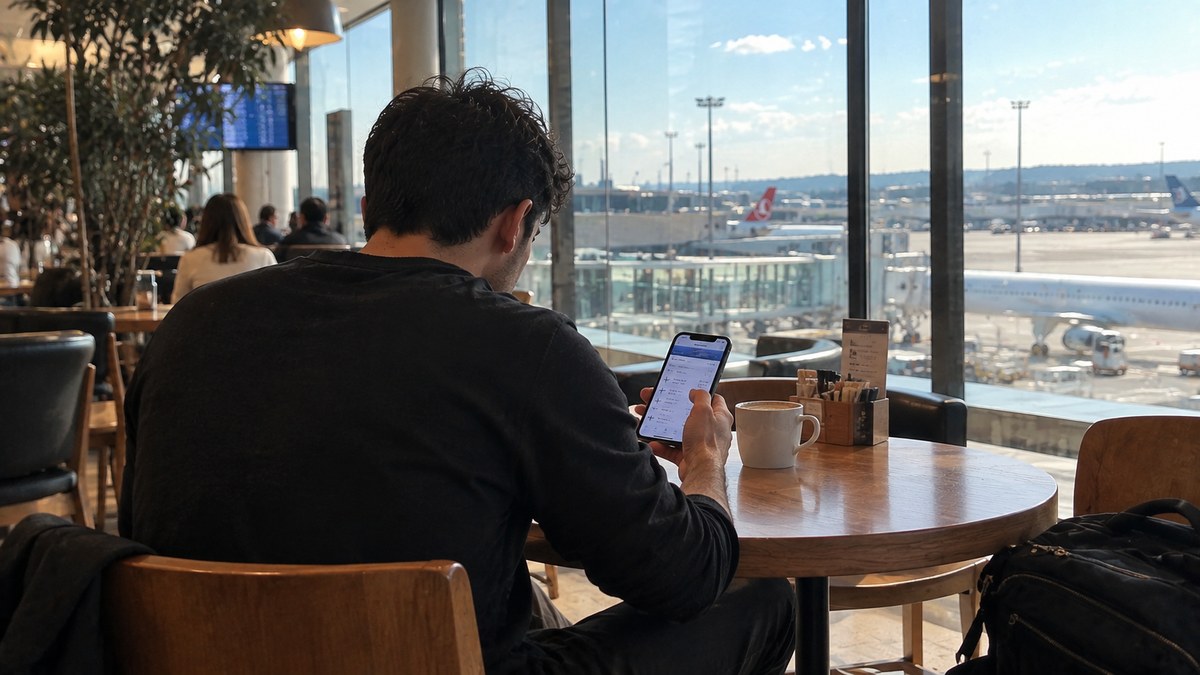
I also took my time with the tickets, because sometimes the difference between neighboring dates turns out to be quite noticeable. If it is possible to move the vacation a little, I would definitely check several departure and arrival options, and also look not only at the direct route to the main city of the route, but also at neighboring airports. However, it is important here not to fall into your own savings trap: if a cheap ticket takes you to the airport, from where you then need to get to the city for half the cost of the flight itself, there is no special victory.
I didn't choose a place to live in the very center
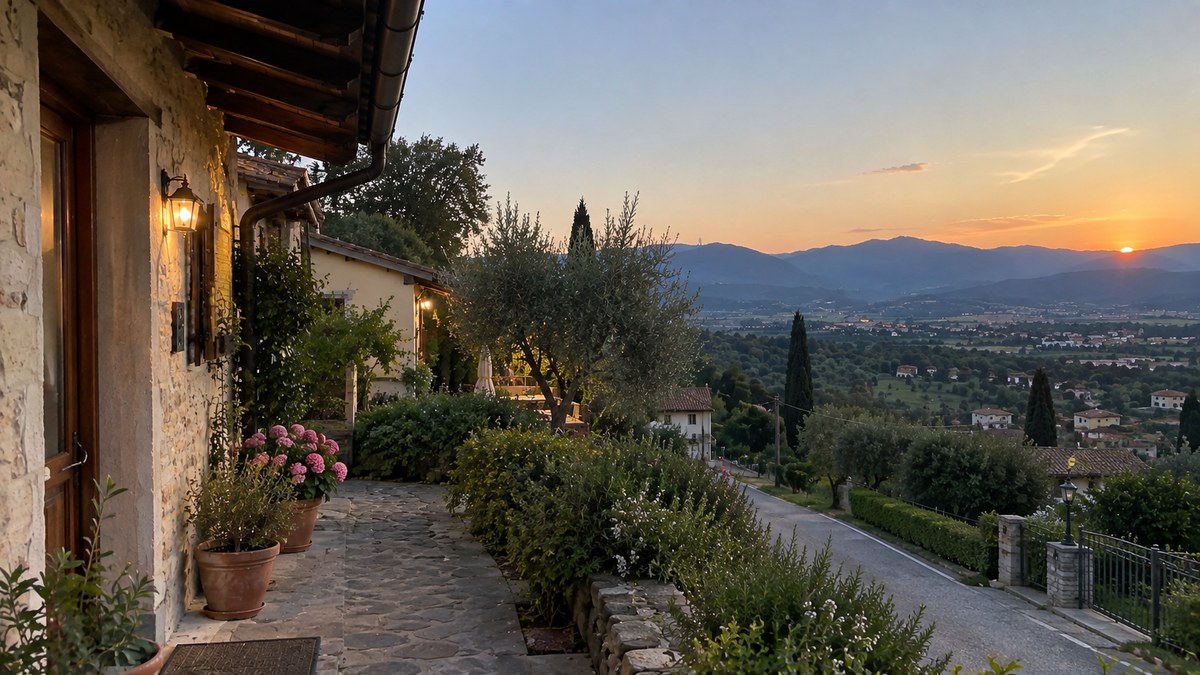
In Italy, I quickly realized one simple thing: the word "center" can sometimes add a completely obscene amount to the cost of living. Of course, it's convenient to live near the main square, especially when you can leave the hotel in the evening and find yourself among the beautiful streets in five minutes, but sometimes you pay for this walk even before you put on your shoes.
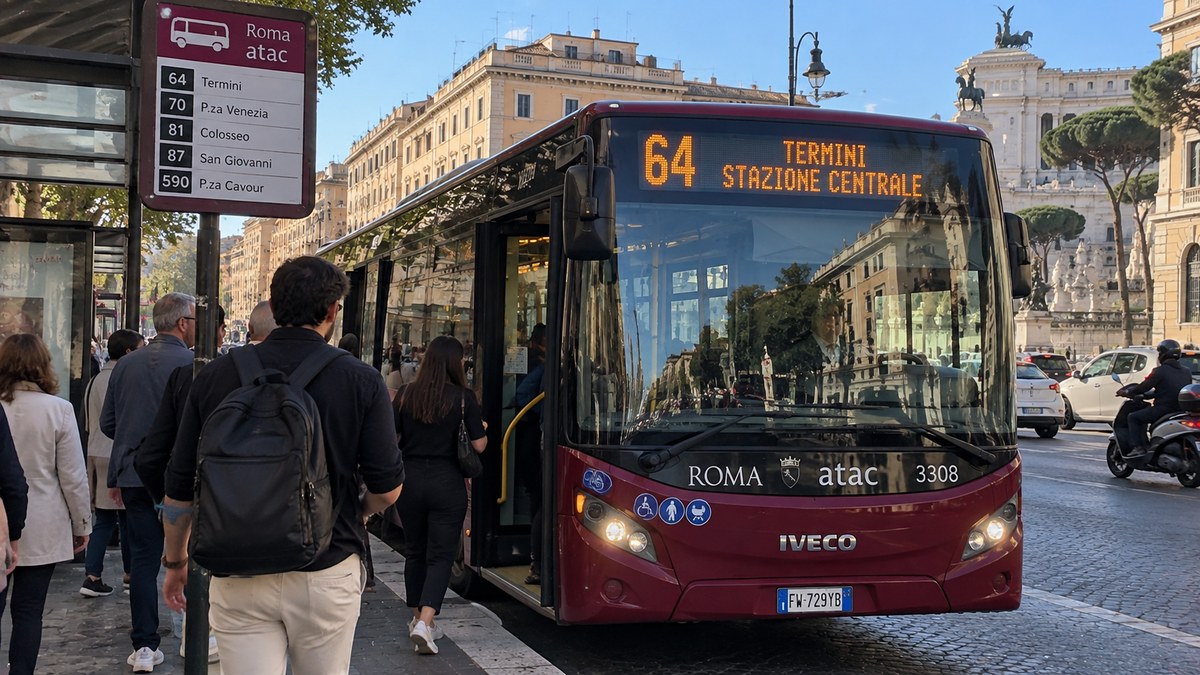
Therefore, I began to look at areas a little further from the most touristic places, but near the metro, train station or a good bus stop. As a result, sometimes it took ten to fifteen minutes to walk, but the room rate was noticeably more pleasant, and at the same time I saw ordinary Italian streets, small shops, locals, and cafes where no one tried to sell me pasta for the price of a good lunch. It turned out to be a pleasant discovery for me: sometimes a place that is a little further from the tourist center leaves much more impressions.
I almost stopped buying breakfast at the cafe.
I started my first morning in Italy beautifully: I left the hotel, sat down at a table outside, ordered coffee and something to go with it, looked around and felt like a hero in a movie. The second morning, I did about the same thing, but I was already beginning to wonder why a few minutes of a beautiful life were so confidently reducing my budget.
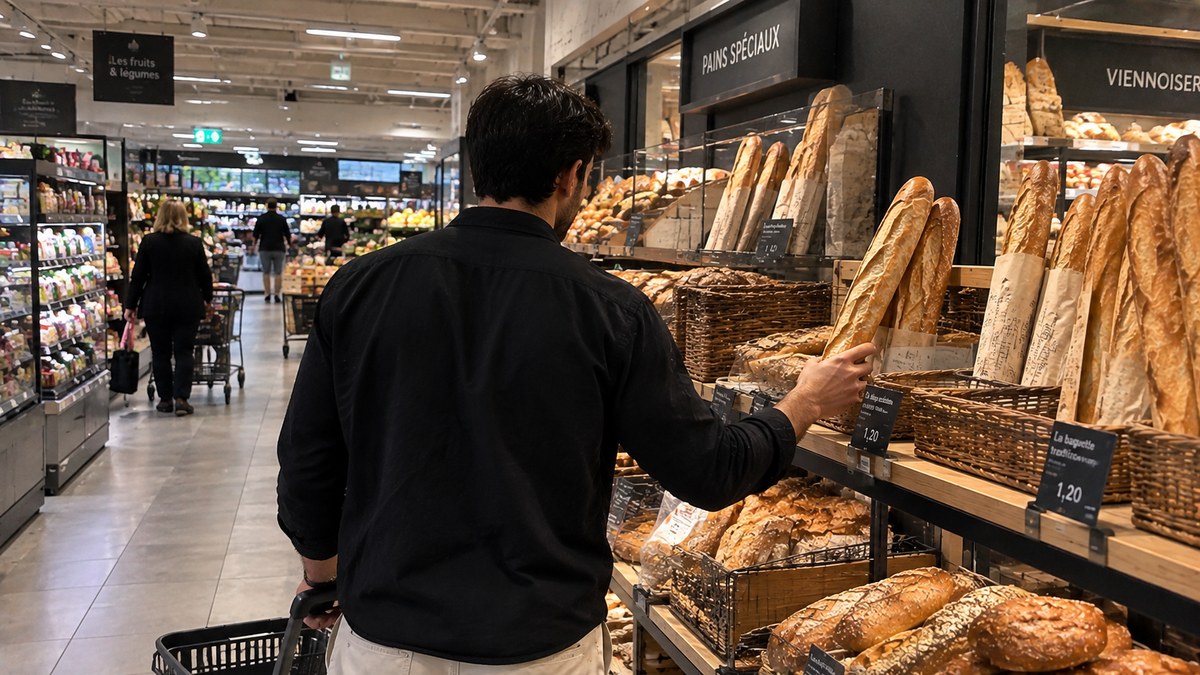
After that, I began to alternate the options. If breakfast was included in the room rate, I used it calmly, and if not, I bought something from a supermarket or a small bakery and made my own breakfast. At the same time, I did not give up Italian coffee and pastries at all, because savings should have reasonable limits, and depriving me of the opportunity to drink a normal espresso in the morning would be some kind of wrong punishment.
I had to rethink the relationship with the restaurants a bit
The most dangerous phrase in Italy for my wallet sounded like this: "Well, since we're here, let's go to a beautiful place." Usually, a menu appeared after it, followed by several dishes, drinks, dessert, and at the end a bill that made me study the ceiling very carefully and remember all my life decisions.
Therefore, I began to pay attention to the places where Italians themselves eat, and did not strive to have dinner next to the main attraction every evening. For a full meal, it was often enough to choose a simple local place a little away from the tourist square, and sometimes I took pizza, panini or other takeaway food and went to the park or square with it. It turned out to be cheaper, but the atmosphere didn't suffer at all, because sitting with a slice of pizza somewhere in Italy is, in my opinion, a completely independent cultural experience.
I stopped buying water and snacks on every corner.
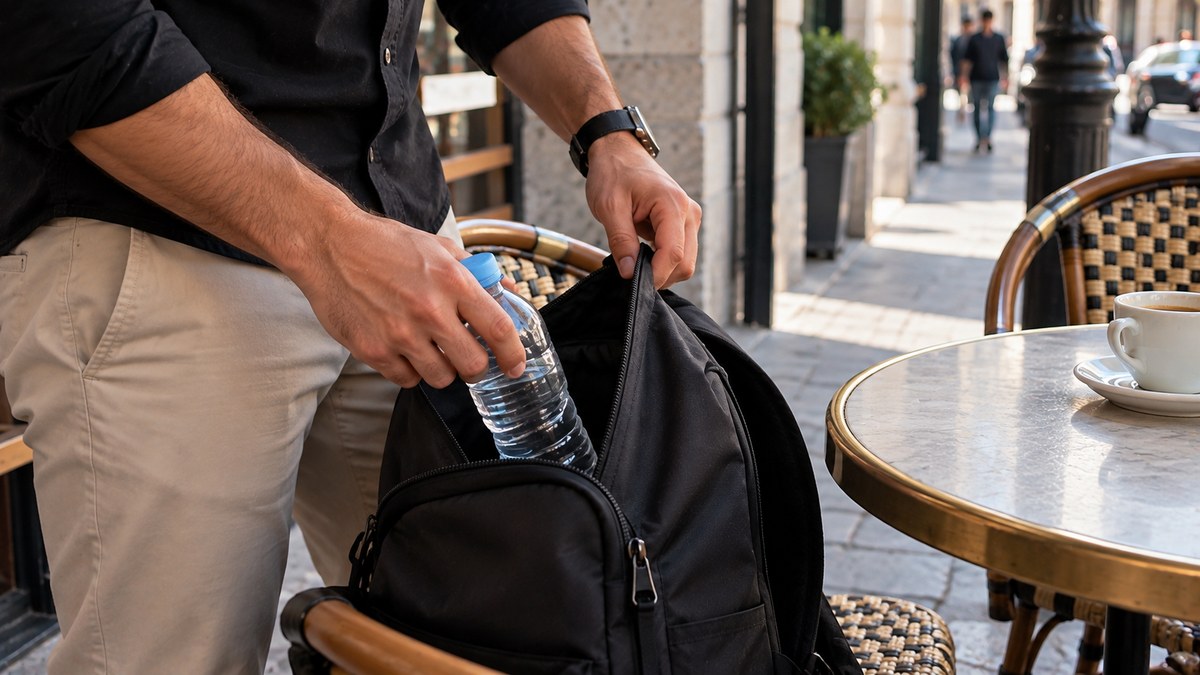
This is where I realized how imperceptibly money can disappear. When you walk all day, you're constantly thirsty, then suddenly hungry, then more coffee, then ice cream, and every time it feels like a few euros is just a small thing. And in the evening, you put everything together and realize that your little "trifle" has quietly turned into the cost of a decent dinner.
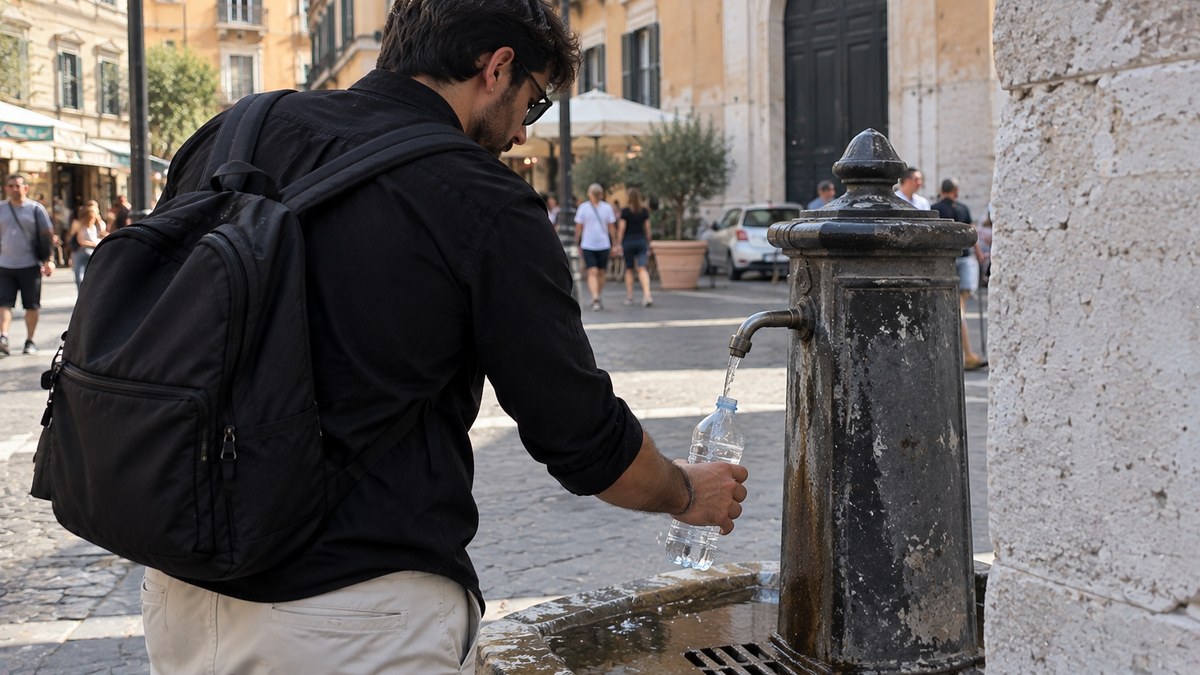
That's why I carried a bottle of water with me and bought small snacks in the store in advance. In Italy, drinking fountains or public water sources can be found in many cities, so a bottle becomes quite a useful thing, especially in summer. But I bought ice cream anyway, because I came to Italy, not to attend a financial seminar.
I compared the train and the bus between the cities.
If the route involves several cities, I would not automatically buy the first ticket I see. There are different transportation options in Italy, and the cost of a trip can greatly depend on the time, type of train, and how much the ticket is purchased in advance.
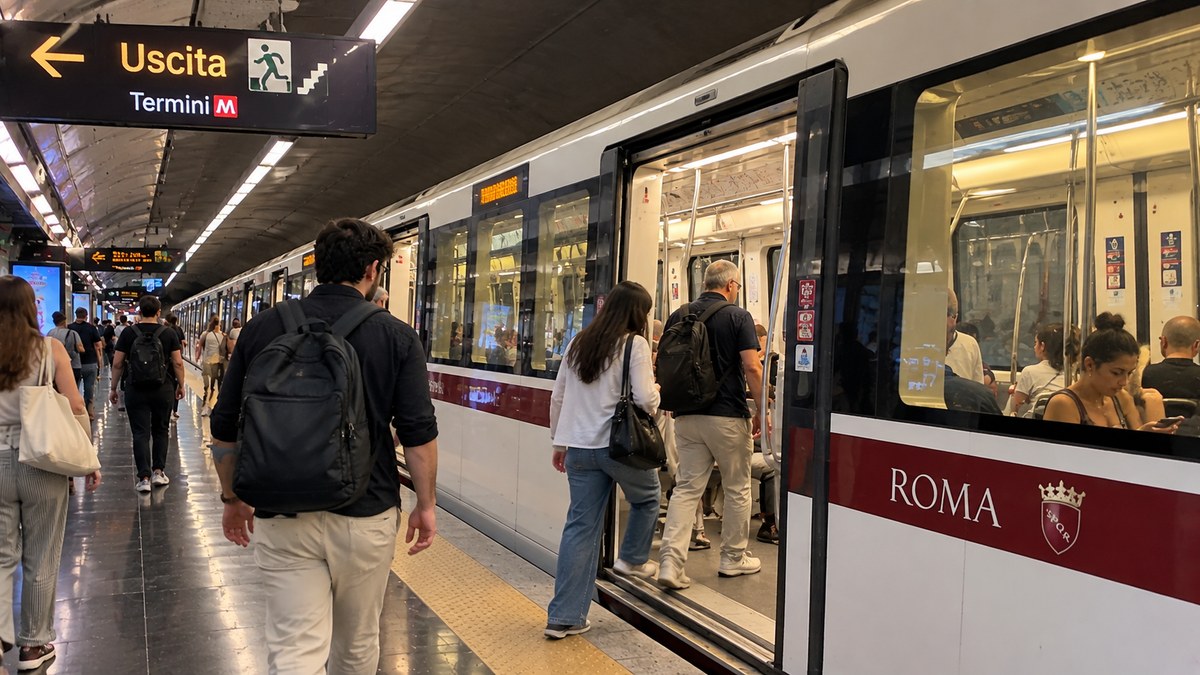
Sometimes a fast train is the most convenient solution, especially when it comes to popular destinations between major cities, but sometimes a slower option or a bus can significantly reduce costs. I was just comparing several options before buying, because an extra couple of hours on the road for me was a perfectly acceptable payment for the opportunity to leave money for a normal dinner, and not for transportation.
In museums, I looked at the conditions of my visit in advance
Previously, I could come to the attraction and only find out the ticket price on the spot, after which I stood in front of the ticket office with the face of a man who suddenly realized that he had already seen the architecture from the outside today and maybe that was enough. In Italy, this approach is especially dangerous because there are many attractions, and the desire to see absolutely everything can very quickly turn a vacation into an expensive marathon through museums.
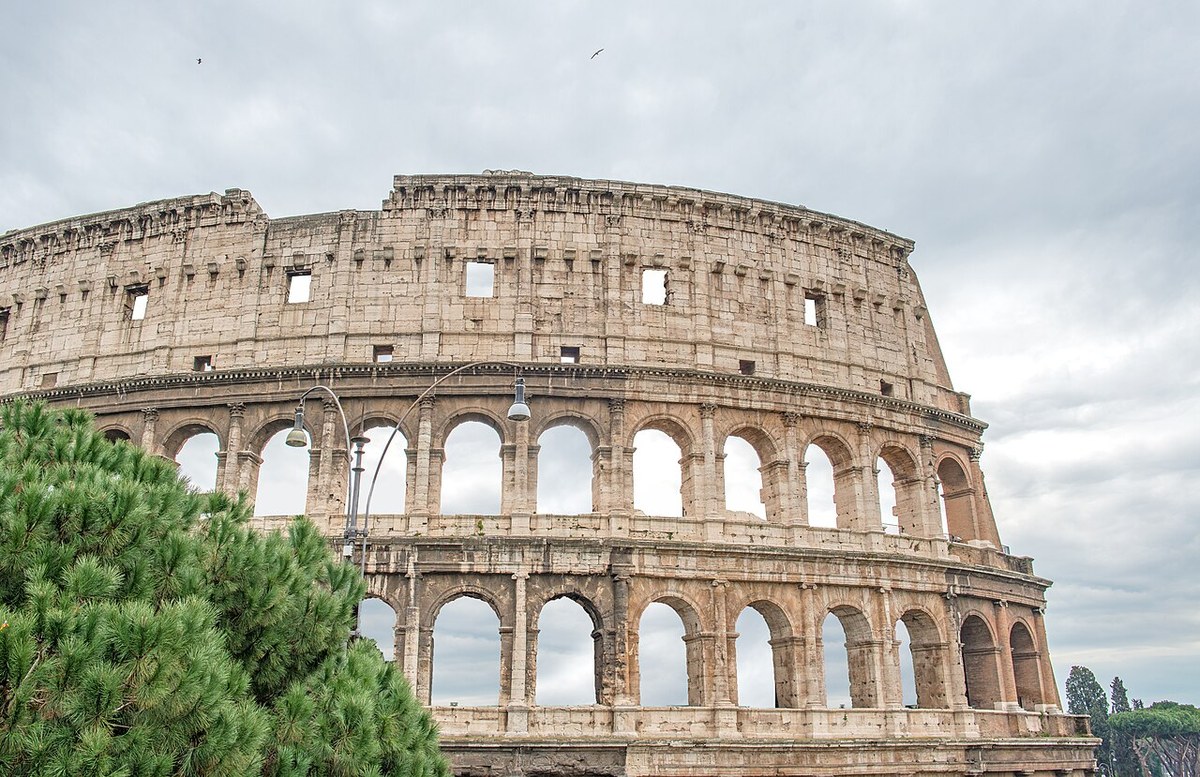
The Colosseum
Therefore, before the trip, I checked the official websites of the places I was interested in and saw if there were free hours, special days, or combined tickets. As part of a government initiative by the Italian Ministry of Culture, admission to some museums is free. There are certain hours when you can view the exhibition or other exhibits for free. Among the participants are the Colosseum in Rome, the Capitoline Museums, the Uffizi Museum in Florence and other objects.
However, I would not rely solely on free days, because sometimes so many people gather there that saving turns into queuing training.
I stopped trying to see absolutely everything.
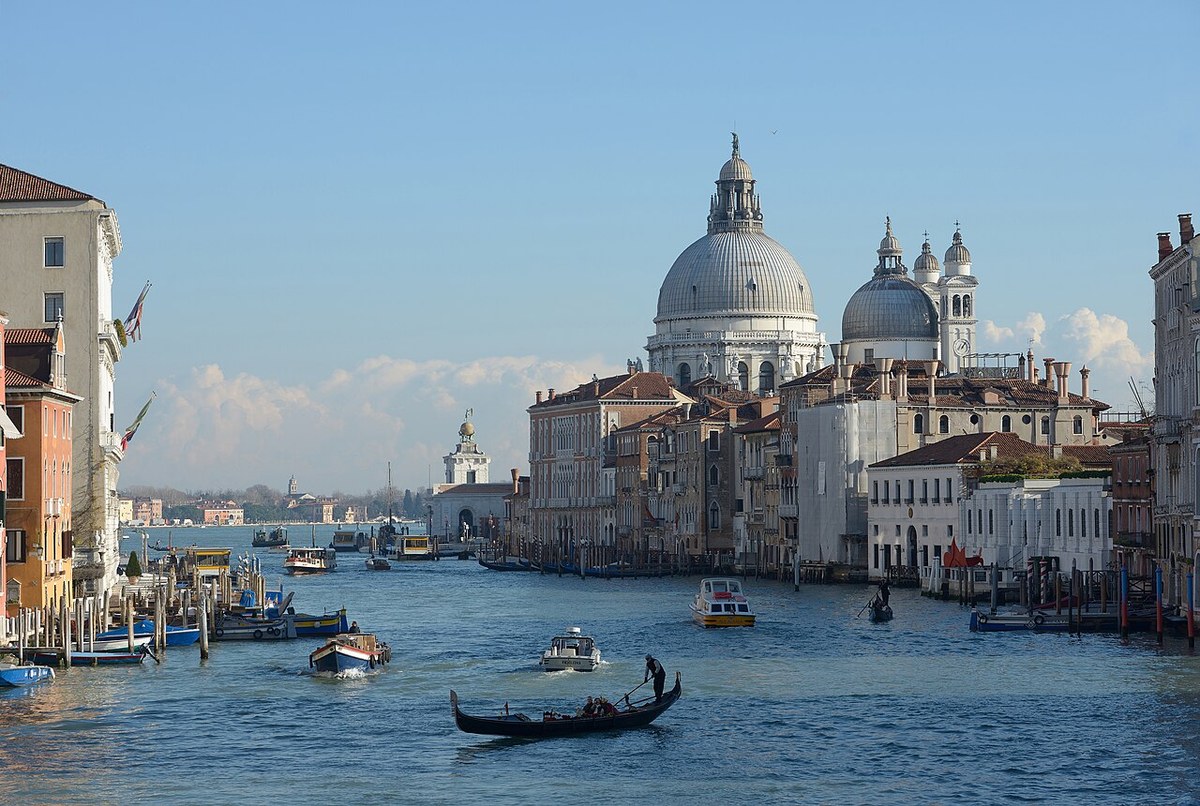
Probably, this solution turned out to be the most economical. When I first made up the route, I wanted to be everywhere in a few days: Rome, Florence, Venice, somewhere else along the way, preferably to capture the sea and somehow accidentally end up in Tuscany at sunset.
Then I looked at the map and realized that I was going to spend a significant part of my vacation on trains and at train stations. Therefore, I chose several places and left a normal amount of time between them, so as not to run around Italy with a suitcase and the expression on the face of a person who is late for his own life. As a result, I not only spent less on moving, but also felt for the first time that I was really resting, and not fulfilling the tourist standard.
How much can you save in the end
I would not promise any universal amount, because the budget for a trip to Italy depends very much on the city, the season, the duration of the trip, the level of accommodation and how much a person likes restaurants with a view of the main attraction. But even without extreme savings, it is quite possible to reduce costs by doing a few simple things: looking for flights and accommodation in advance, looking at areas a little further from the center, using public transport, comparing options for moving between cities, buying some food in regular stores and checking prices for attractions in advance.
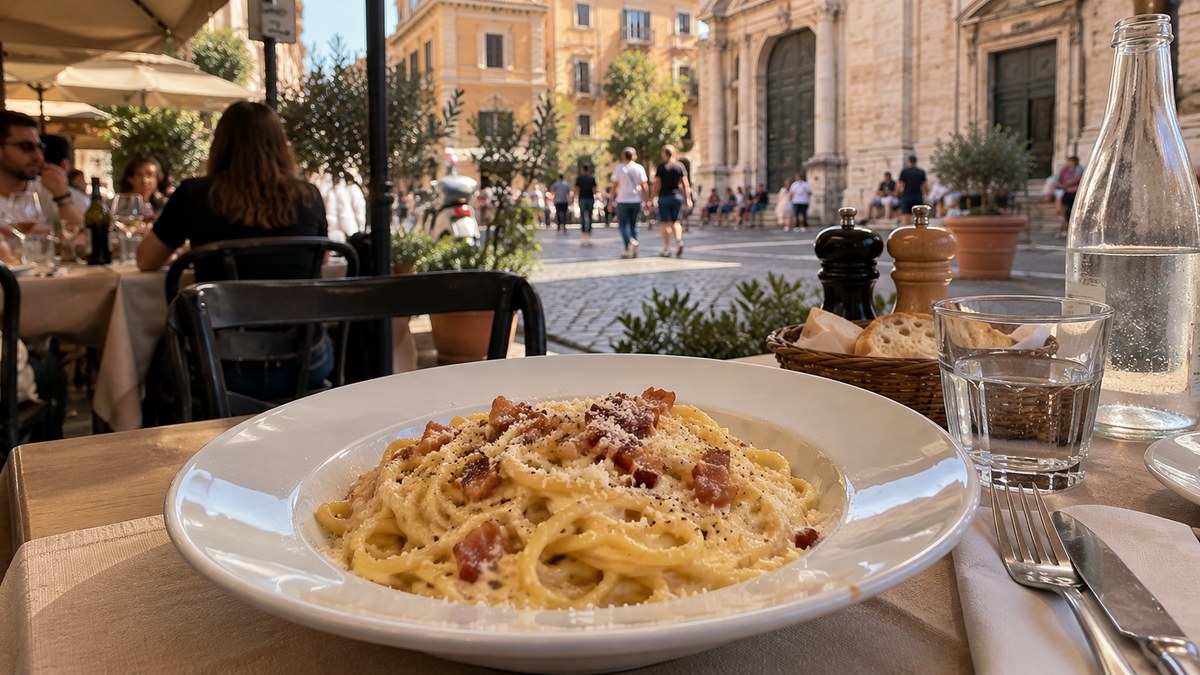
At the same time, I realized one important thing: saving money on a trip does not mean constantly denying yourself everything. I quietly drank Italian coffee, ate pasta, bought ice cream, went to museums and sometimes chose a beautiful cafe just because I liked it there. It was just that now I understood how I could avoid paying too much, so that I wouldn't have to stand in front of the last pizza on vacation and not count in my mind whether I still had enough money for the return train.
Italy has generally turned out to be a country where reasonable savings do not prevent you from having fun, if you do not try to turn the trip into a competition "who will spend the least". You can live not two steps away from the Colosseum, but go out for a walk around Rome every morning, you can have dinner at a beautiful restaurant once, and take a pizza to take away another evening, you can travel between cities in a way that is not the most expensive way and at the same time not feel like a second-class tourist at all. After all, I went to Italy not to proudly show my friends a photo of my empty wallet, but to return home with photos, memories, and at least a small amount of money for my next trip.

Comments