


Xanthos and Letoon: what the ruins reveal about ancient Lycia
In southwest Turkey, Xanthos and Letoon help to see ancient Lycia through two different places: the city and its associated sanctuary. It is important to consider not only individual stones, but also how religion, language and neighboring cultures have left their mark on the architecture.
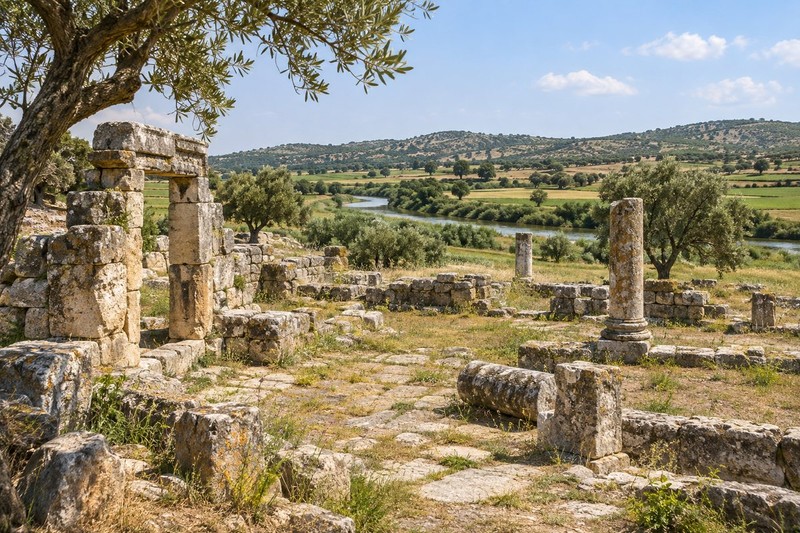
City and Sanctuary
Xanthus was an important center of Lycia, and Letoon was its religious sanctuary. Both monuments are combined into a UNESCO World Heritage Site. The history of the complex spans several eras and reflects the contacts of local traditions with Greek and Roman cultures.
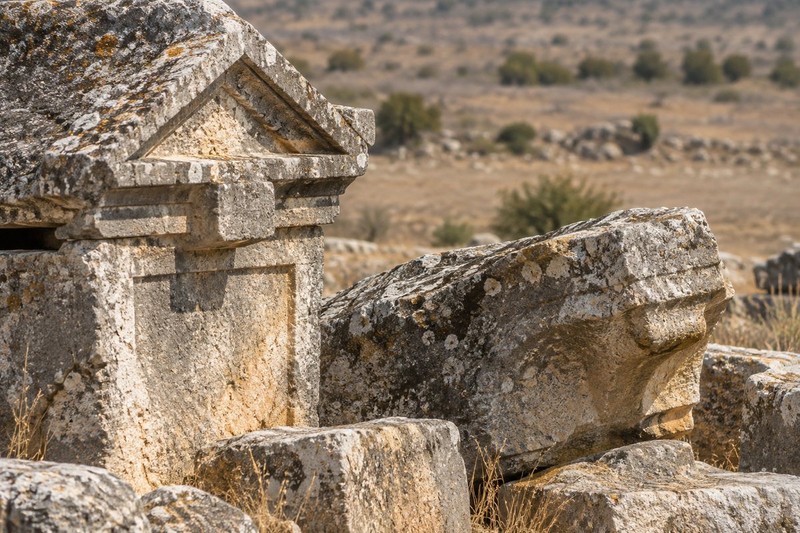
Why inscriptions are important
Finds from Xanthus and Letoon help researchers study the Lycian language. A trilingual inscription with Lycian and Greek texts and an Aramaic summary was discovered at Letoon. The sanctuary also contains the remains of the temples of Leto, Artemis and Apollo.
Walking plan
Before leaving, check the operating hours of both objects and the transport between them. For open archaeological sites, water, a hat and shoes for uneven paths will be useful. Do not climb onto ancient structures or touch surfaces with inscriptions.



Comments