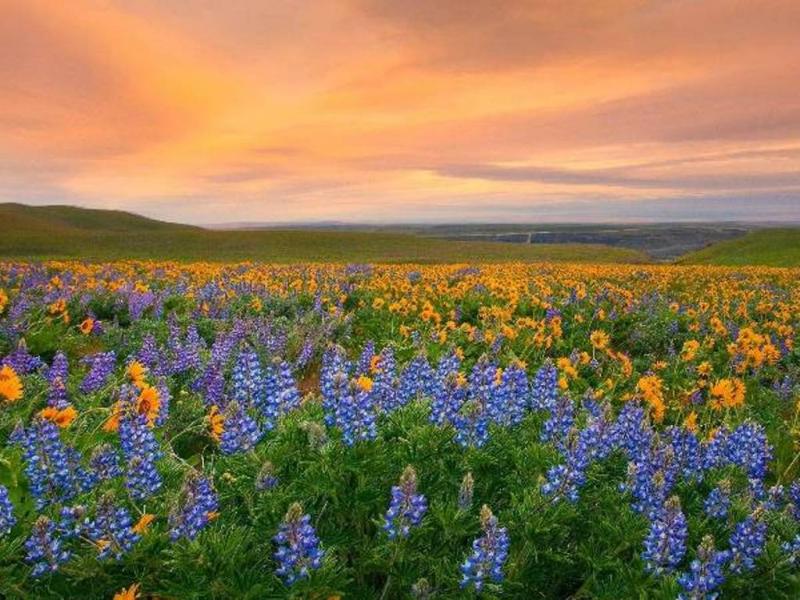
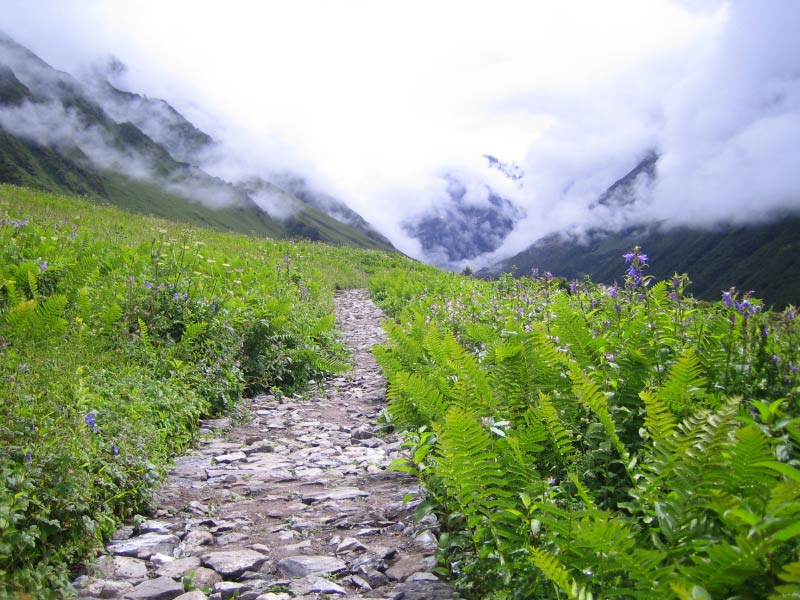
A floral paradise in the Himalayas
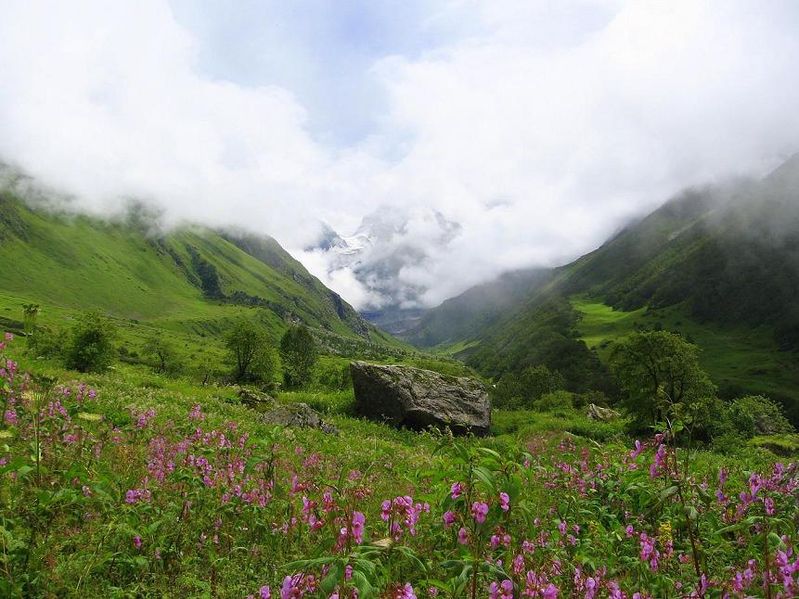
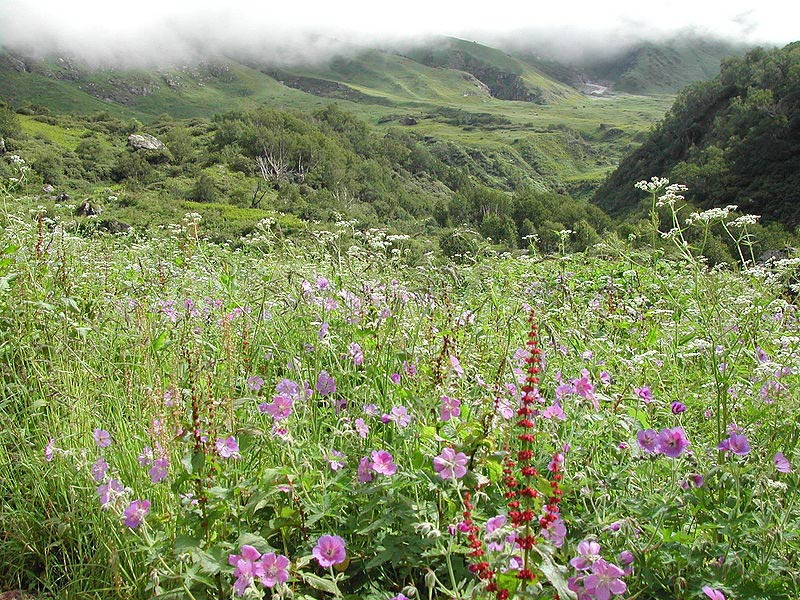
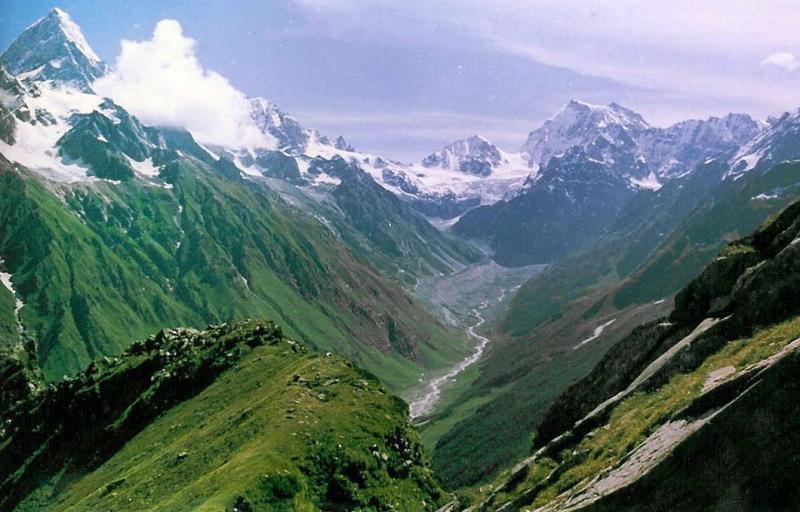
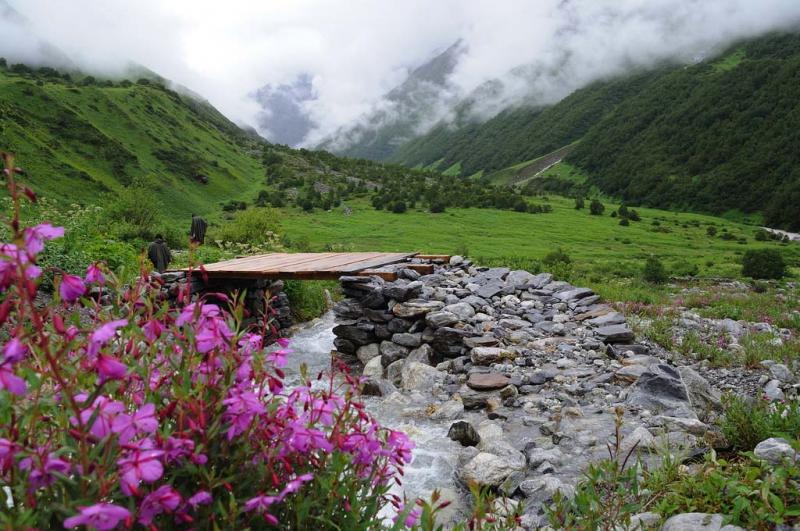
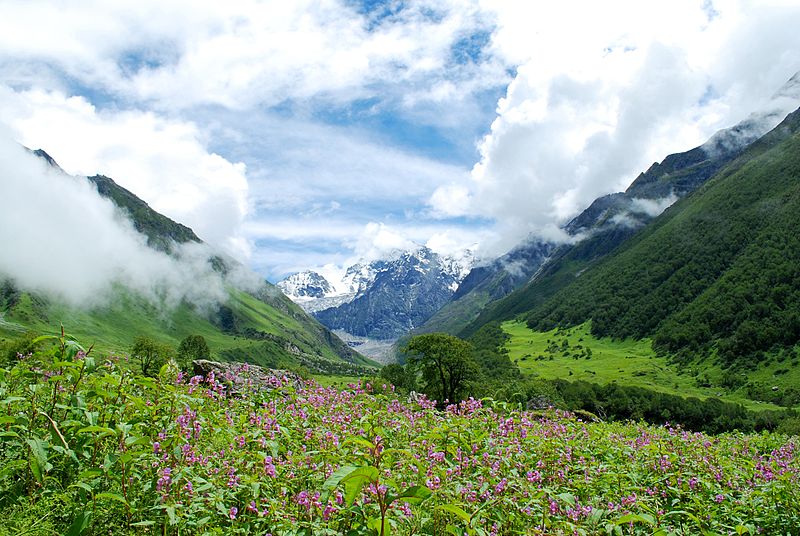
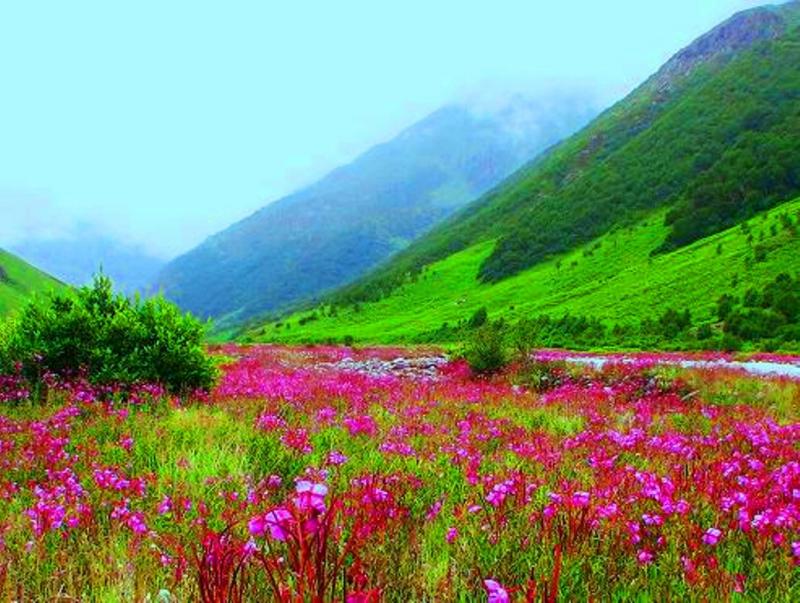
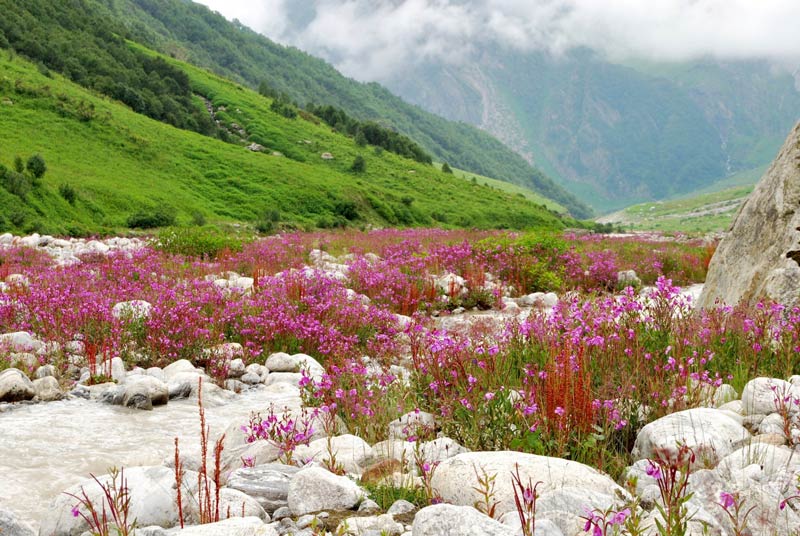
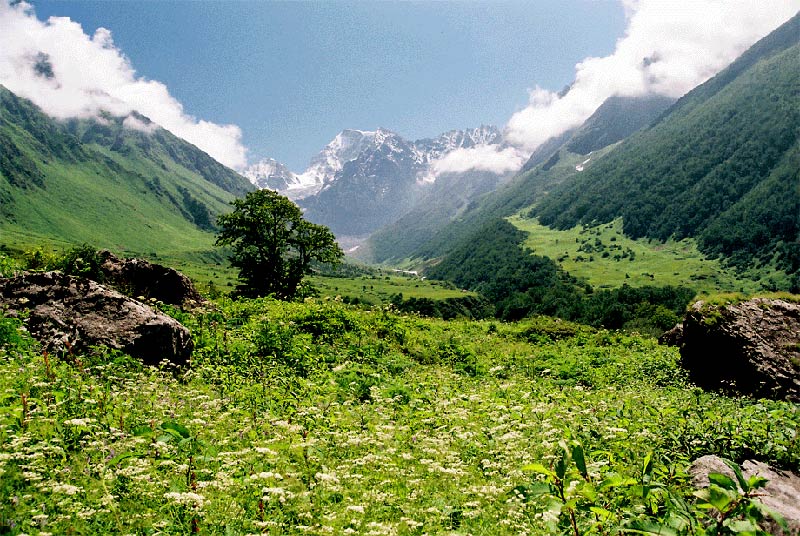
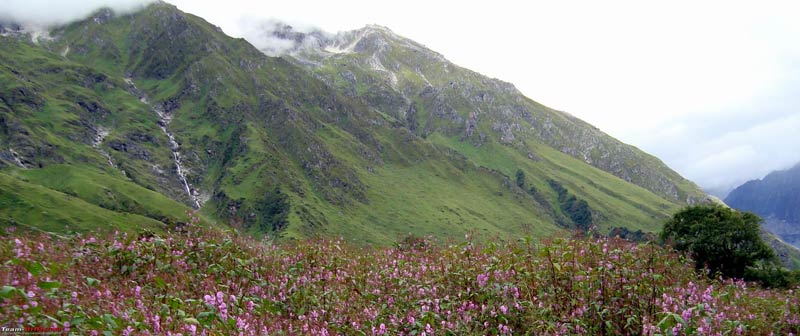
The Valley of Flowers is a high-altitude Himalayan valley in Chamoli district, Uttarakhand, India. Green meadows, mountain streams, waterfalls and snow-covered peaks surround its seasonal carpets of wildflowers. In summer, the landscape becomes a striking natural garden set among rugged mountains.
The Valley of Flowers National Park forms part of a UNESCO World Heritage property together with Nanda Devi National Park. Covering about 87 square kilometres, it is renowned for its rich alpine flora and attracts botanists, photographers and trekkers.
Discovery and protection
Local communities knew the valley long before it became widely known abroad. In 1931, British mountaineer and botanist Frank Smythe and fellow climbers came across its flower-filled meadows after a mountain expedition. Smythe later described the area in a book, helping introduce it to an international audience. A national park was established in 1982, and the site became part of the extended UNESCO World Heritage property in 2005.
A remarkable variety of flowers
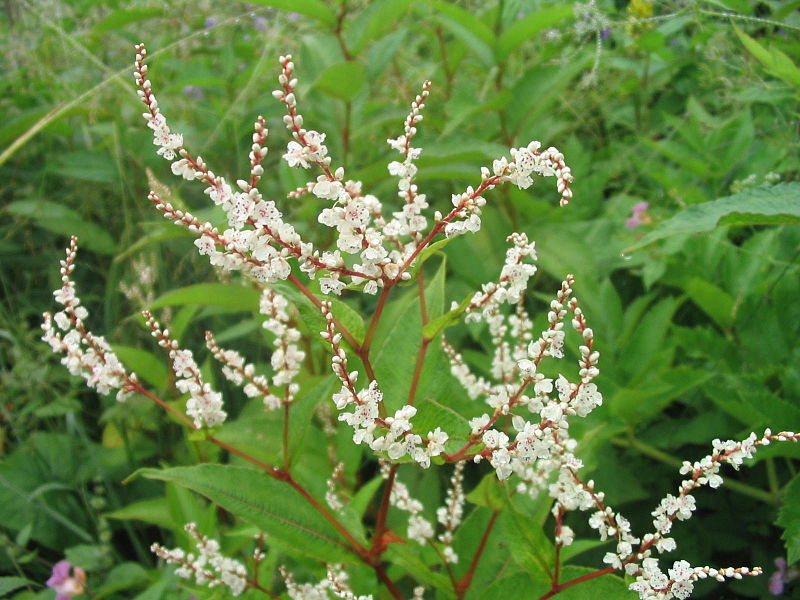
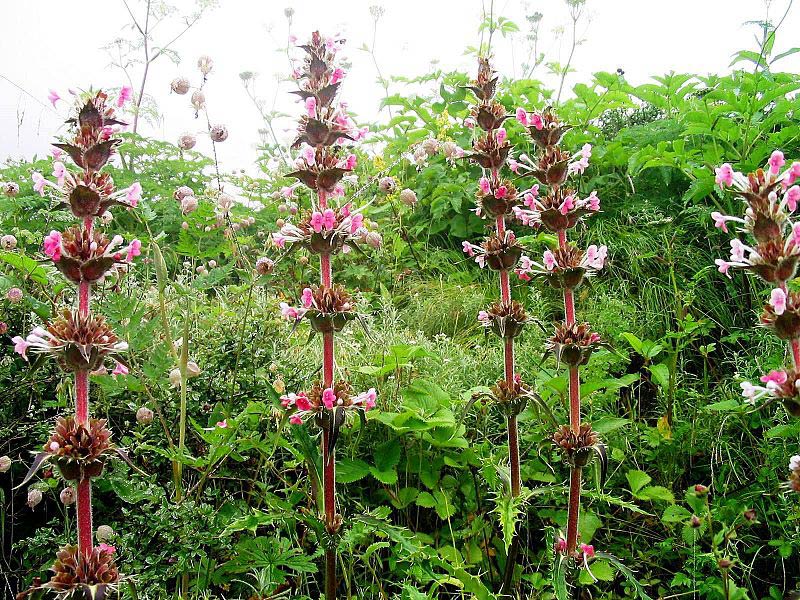
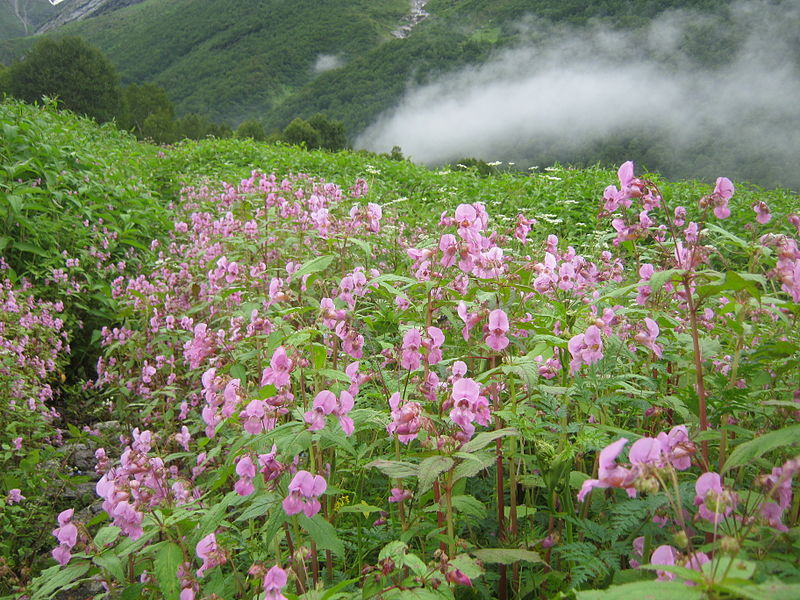
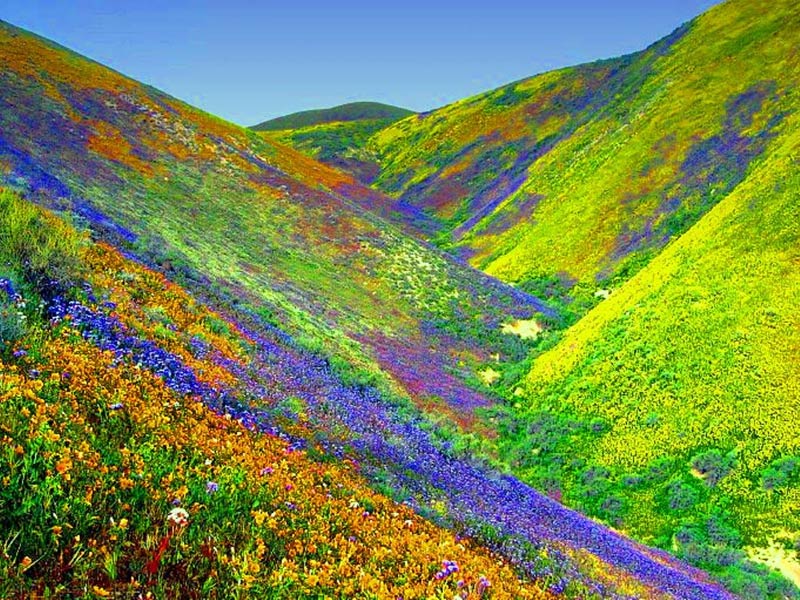
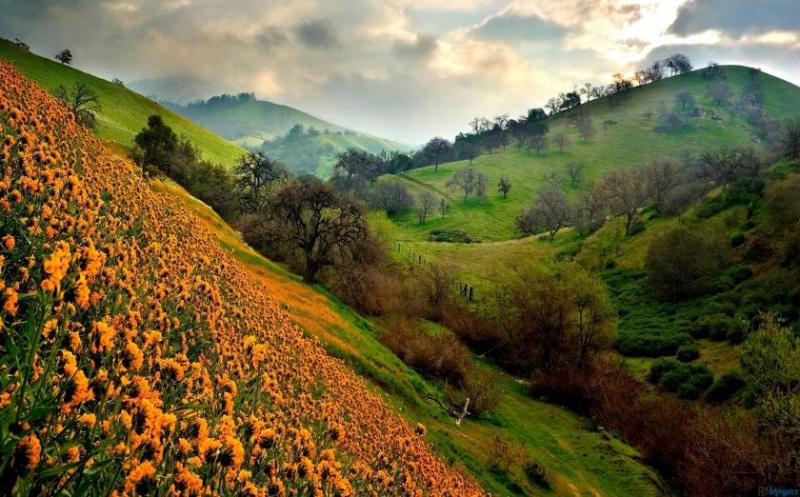
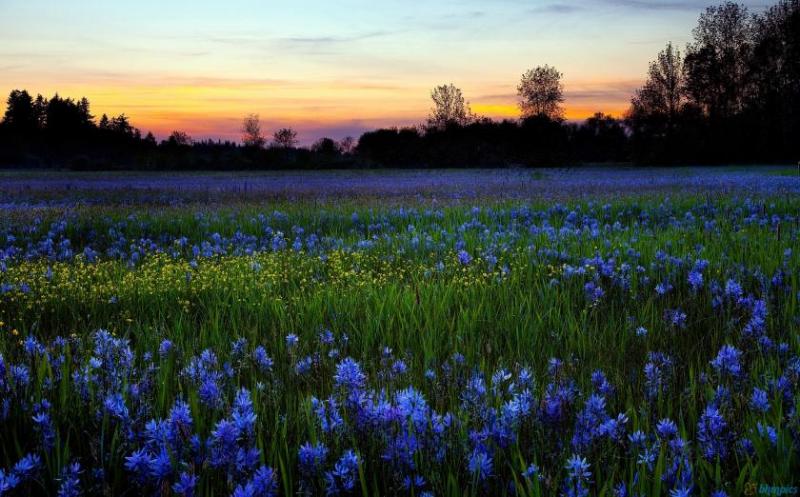
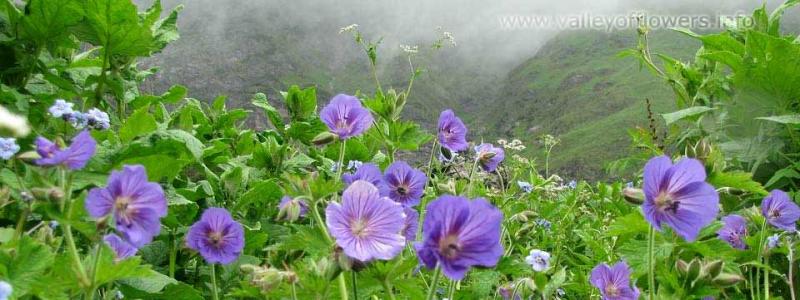
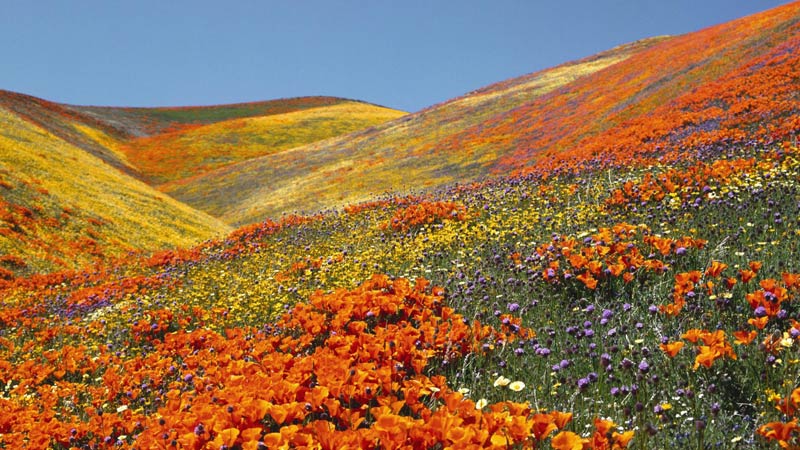
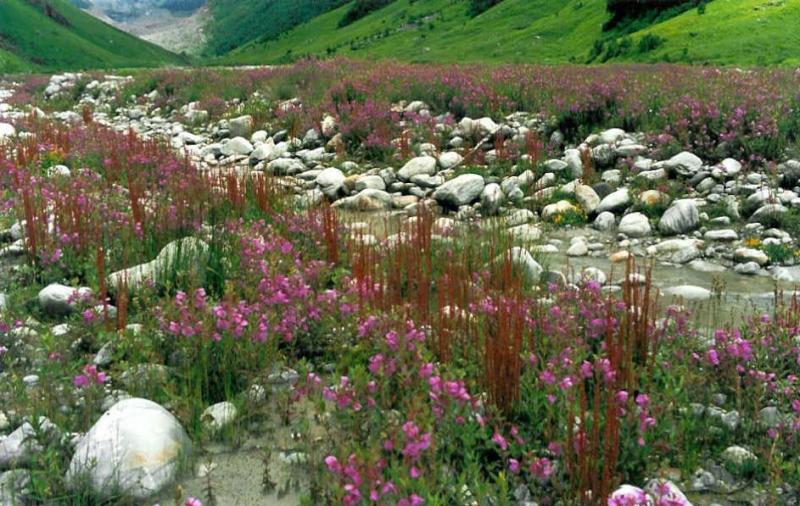
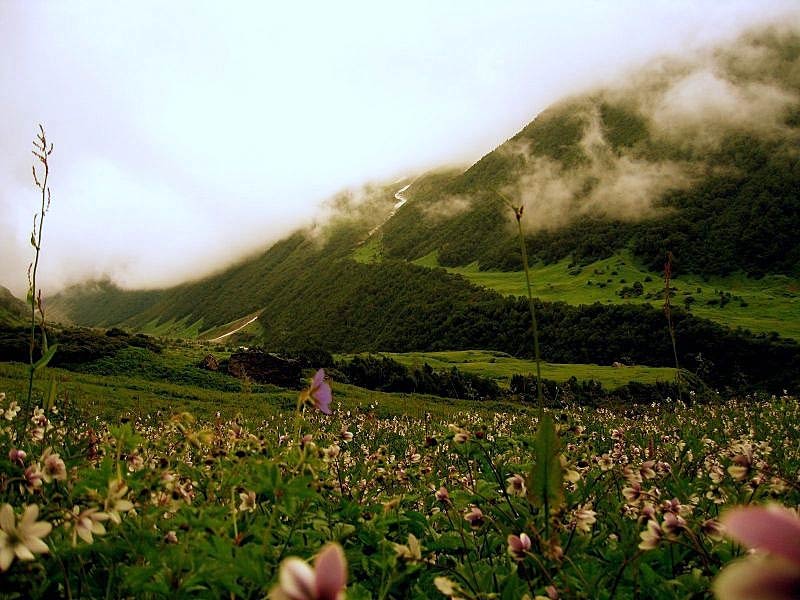
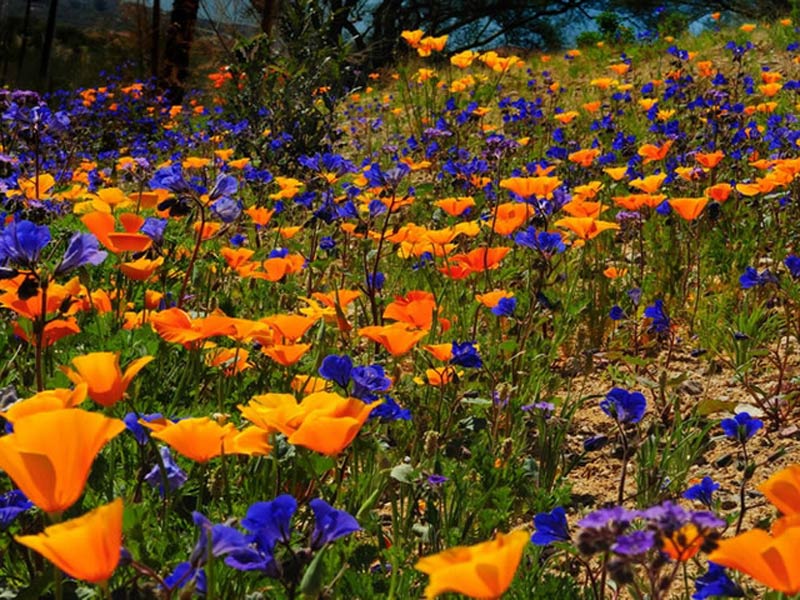
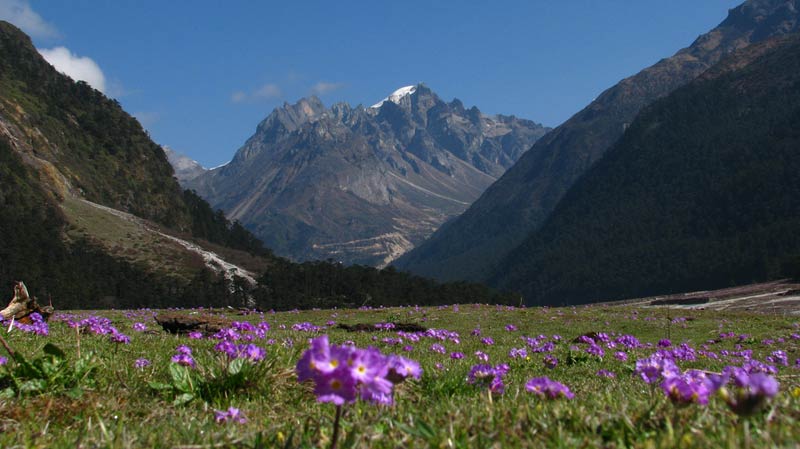
The valley supports hundreds of flowering plant species, including primulas, poppies, orchids, anemones and daisies. As the snow recedes, new growth appears, followed by colourful blooms in yellow, pink, blue, white and purple. The richest flowering usually occurs from July to September, although conditions vary with weather and elevation.
Mountain scenery and wildlife
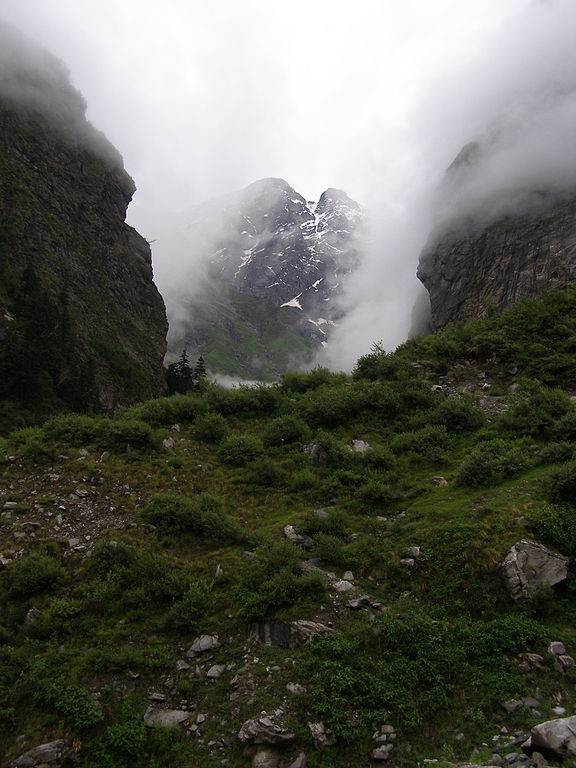
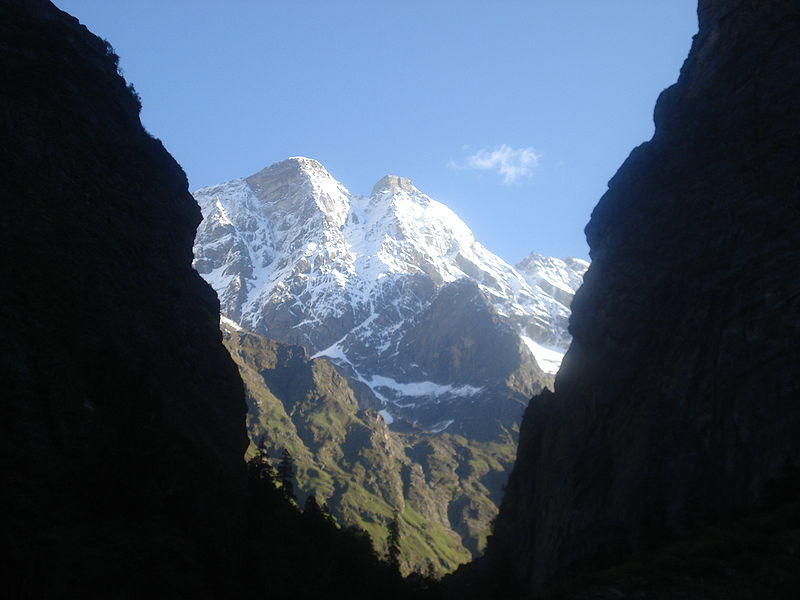
The valley lies at roughly 3,200 to 3,600 metres above sea level. Mountain streams cross the meadows, while surrounding peaks create a dramatic backdrop. The wider Himalayan ecosystem supports species such as the Asiatic black bear, snow leopard, blue sheep, red fox and many birds. Large mammals are elusive and sightings are not guaranteed.
When to visit
The main flowering period is usually July to September. July and August often bring monsoon rain, mist and slippery trails. September can offer clearer views, although some flowers may already have faded. Always check official park opening dates and local access conditions before travelling.
Trekking to the valley
The valley can only be reached on foot. The usual route starts at Govindghat, passes through Pulna and climbs to Ghangaria, a small settlement used as a base for park visits. From Ghangaria, visitors hike to the park entrance and explore the meadows during the day. Overnight stays and camping inside the valley are prohibited.
Altitude, steep sections and changing weather make preparation essential. Wear sturdy hiking boots and waterproof layers, carry water and sun protection, and allow time to acclimatise. Severe headache, nausea, dizziness or breathlessness at rest can indicate altitude sickness and should not be ignored.
Ghangaria and Hemkund Sahib
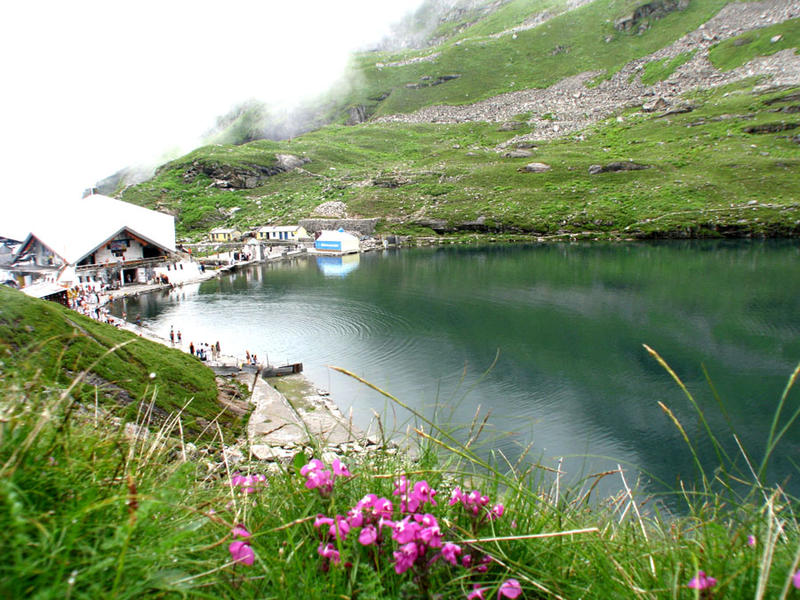
Ghangaria offers basic accommodation, food and services for trekkers. It is also the starting point for the more demanding ascent to Hemkund Sahib, a Sikh pilgrimage site beside a high-altitude lake. This route is steeper than the Valley of Flowers trail and should be attempted only with suitable fitness, acclimatisation and weather conditions.
How to get there
Travellers usually reach Govindghat by road from Rishikesh or Dehradun. Jolly Grant Airport near Dehradun is the nearest major airport. From Govindghat, the journey continues on foot via Pulna to Ghangaria. Mountain roads can be affected by rain and landslides, so allow extra time.
Protecting the landscape
Picking flowers, camping and overnight stays inside the park are not allowed. Visitors should remain on authorised trails, take all rubbish away and avoid disturbing wildlife. This fragile high-altitude ecosystem depends on careful management and responsible tourism.
Why visit the Valley of Flowers?
The valley brings together rare alpine plants, waterfalls, mountain panoramas and a sense of wilderness far from urban life. It is an unforgettable destination for nature lovers willing to make a challenging Himalayan trek.
Gallery