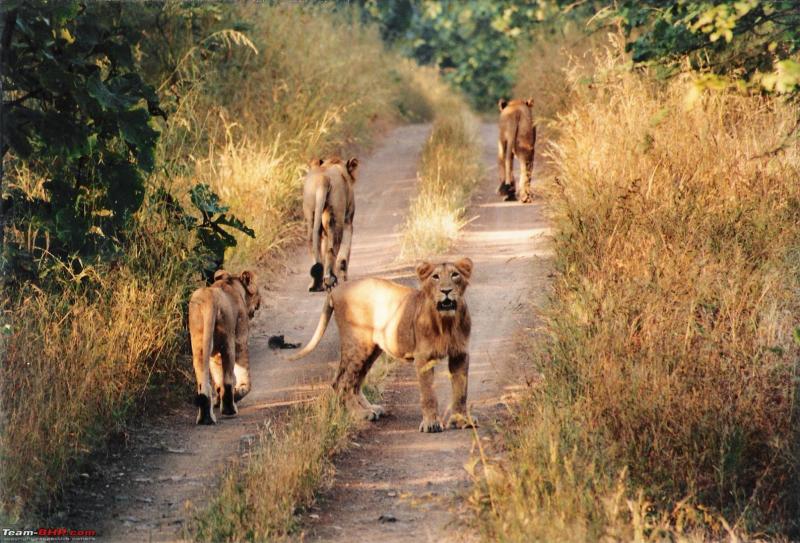
Gir Forest - Home of the Asiatic Lion
Gir Forest is a renowned protected landscape on the Saurashtra Peninsula in Gujarat, western India. It is one of the most important places for conserving the Asiatic lion, a rare subspecies that survives in the wild mainly in this region. Dry deciduous woodland, scrub, grassland, rocky hills and river valleys provide habitats for predators, herbivores and birds.
The protected area includes a national park of about 259 square kilometres and a surrounding wildlife sanctuary. Together with neighbouring forests and buffer areas, they form a much larger natural landscape. Gir is home to leopards, deer, antelopes, marsh crocodiles and more than 300 bird species.
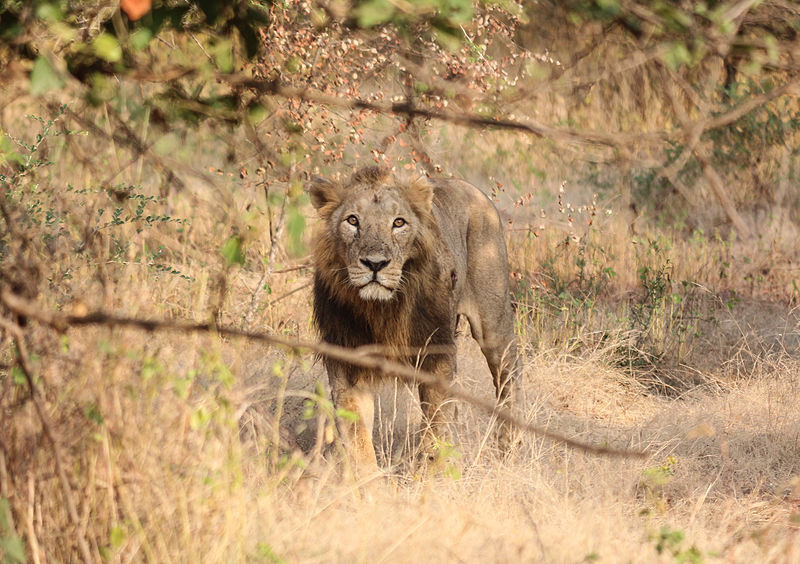
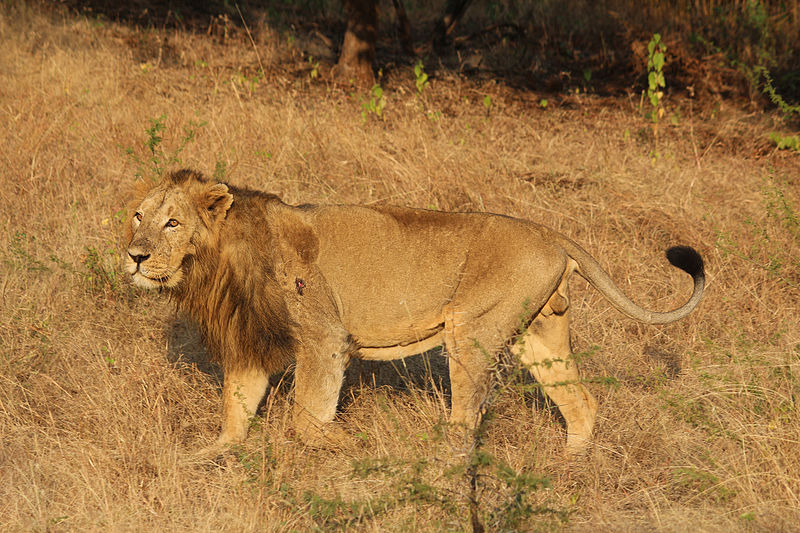
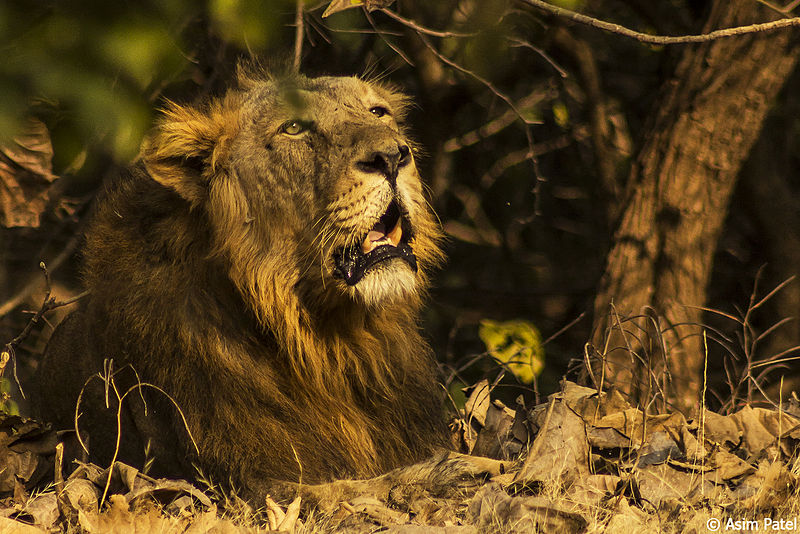
The Asiatic Lion
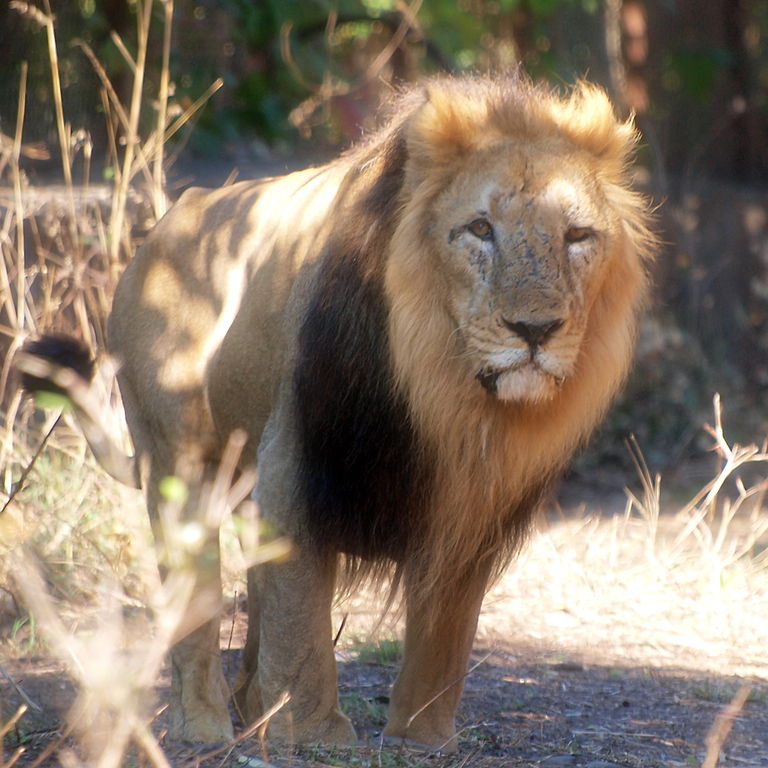
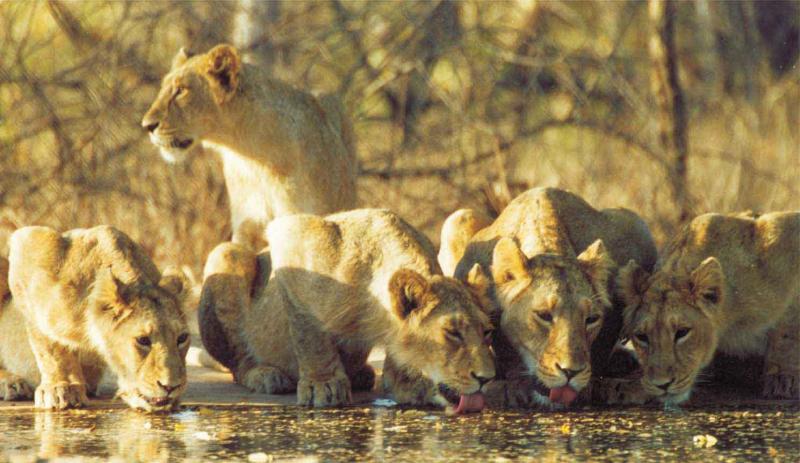
The most important conservation value of Gir is the Asiatic lion, Panthera leo persica. In the early twentieth century, hunting and habitat loss brought the animal close to extinction. Protection initiated by the rulers of Junagadh and later continued by conservation authorities and local communities helped the population survive and recover.
According to Indian government figures, the estimated number of lions in the region increased from 411 in 2010 to 674 in 2020. These figures refer to specific surveys rather than a current estimate for every subsequent year. Continued conservation requires protected wildlife corridors and safe coexistence between lions and local communities.
Landscape and Climate
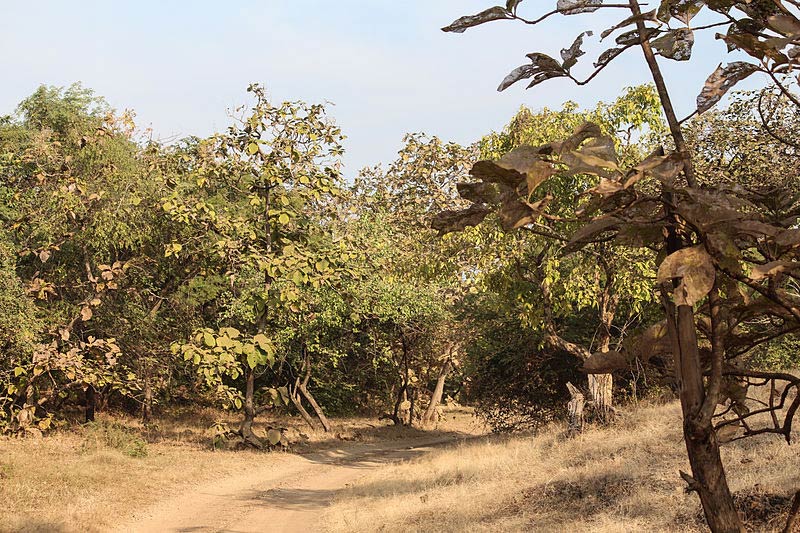
Gir lies in the semi-arid part of western India. Dry deciduous forest dominates, with trees shedding leaves during the dry season. Woodland alternates with scrub, open grassland, clearings and rocky hills. Rivers and seasonal streams provide water for wildlife, particularly during hot months.
Summers can be extremely hot, while the monsoon brings most of the annual rainfall. After the rains, vegetation becomes greener; in the dry season, wildlife may gather more often around water sources. Each season changes the appearance of the forest and the conditions for wildlife observation.
Wildlife of Gir
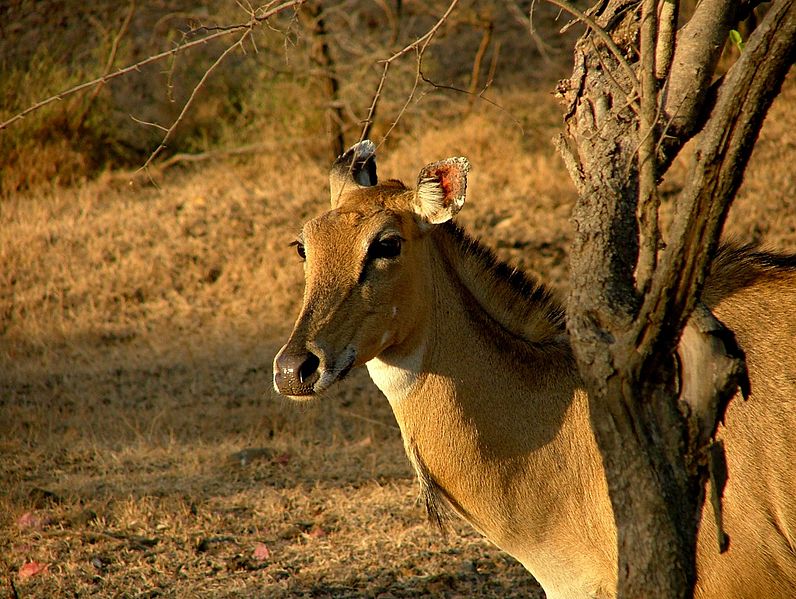
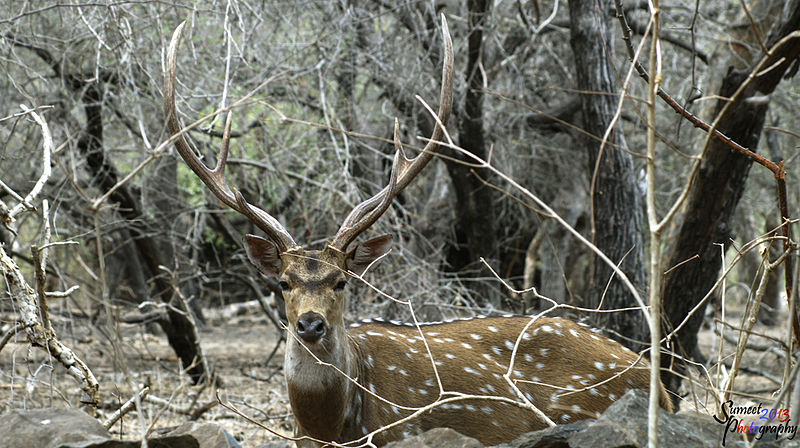
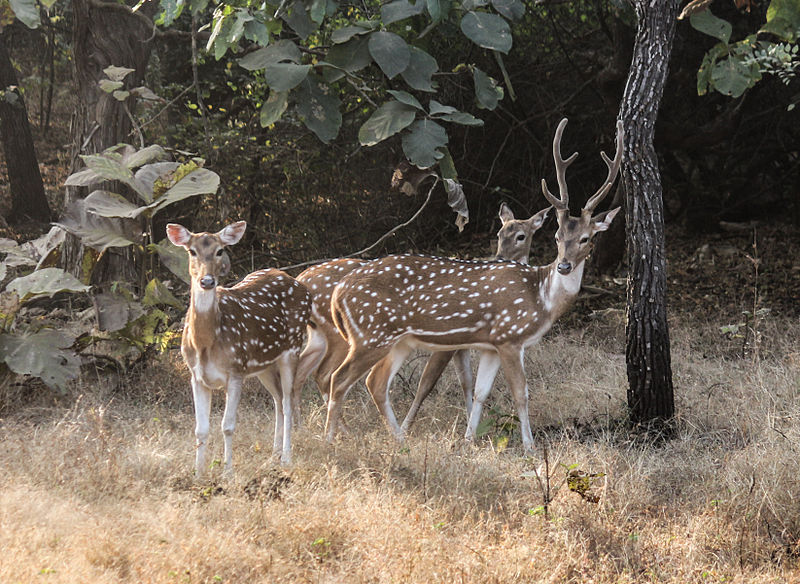
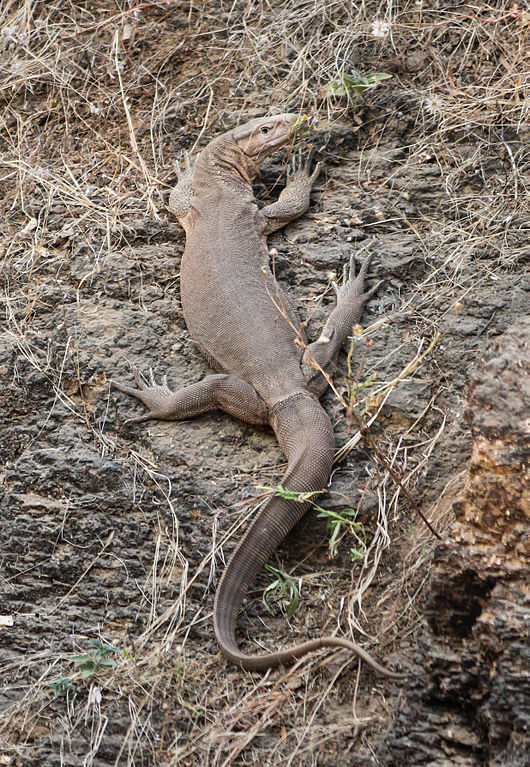
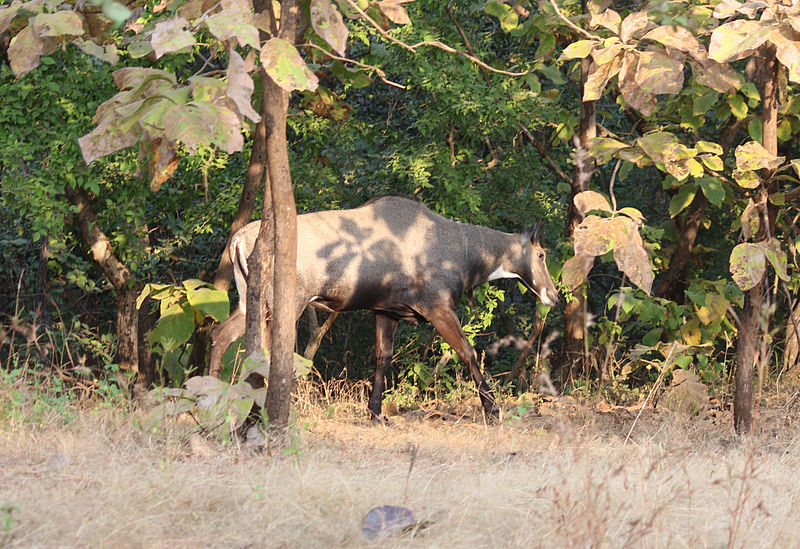
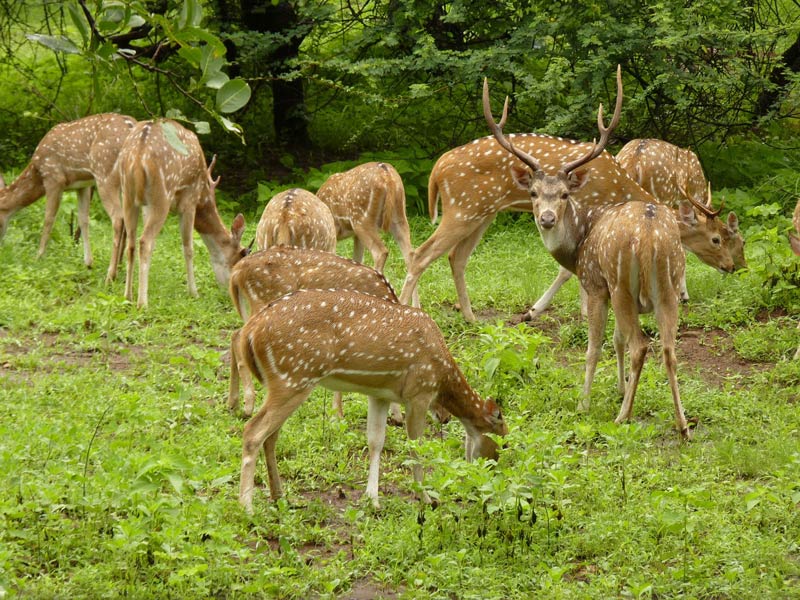
Alongside lions, Gir supports Indian leopards, golden jackals, striped hyenas and jungle cats. Herbivores include spotted deer, sambar, nilgai, four-horned antelope and chinkara gazelles. Marsh crocodiles inhabit rivers and pools, while monitor lizards, tortoises and other reptiles live on land.
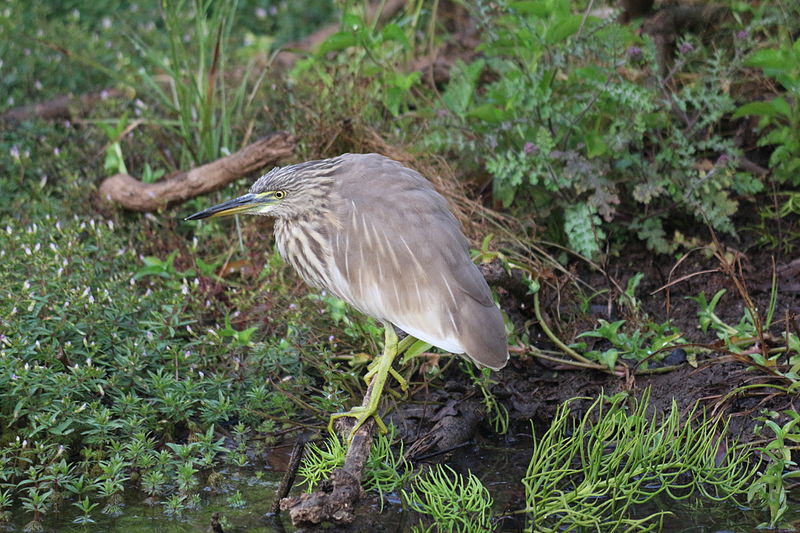
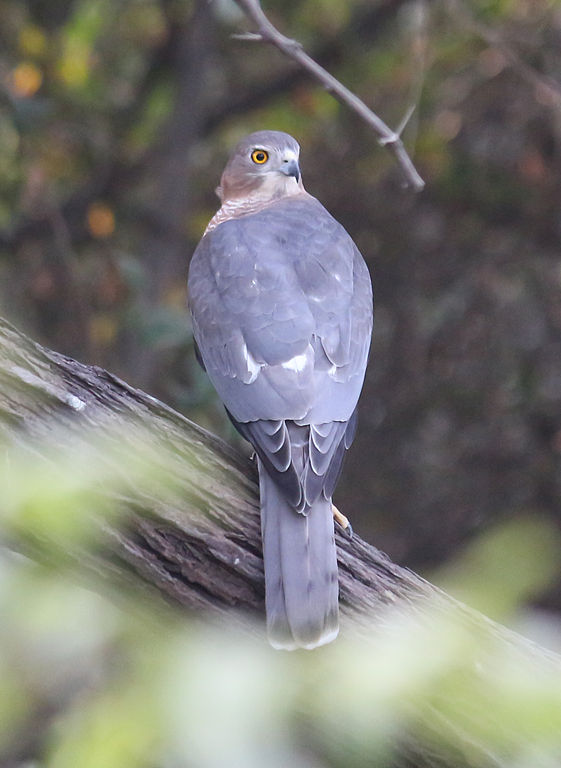
More than 300 bird species have been recorded in Gir, including raptors, owls, kingfishers, hoopoes and flycatchers. Rare vulture species also occur. The forest is therefore an important destination for birdwatchers as well as visitors hoping to see lions.
Vegetation and Conservation
The vegetation includes dry deciduous trees such as teak, alongside shrubs, grasses and riverside plants. This mosaic of woodland, grassland and aquatic habitats provides food and shelter for many species. Conservation work includes habitat restoration, water management, veterinary care, anti-poaching patrols and cooperation with nearby communities.
Asiatic lions once ranged across a much larger part of Asia. Protection in Gir helped preserve the remaining population, and growing numbers have spread into neighbouring parts of Saurashtra. Protecting the species now means looking beyond the national park boundaries to a wider landscape crossed by roads, farmland and settlements.
Safari in Gir Forest
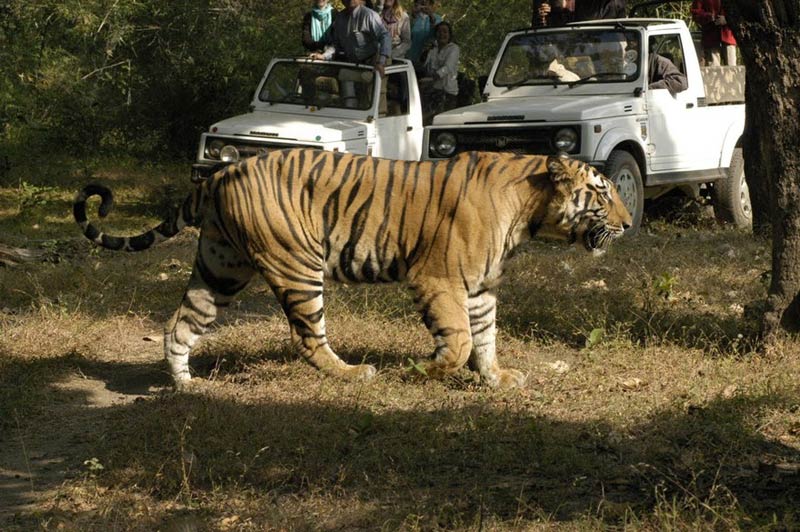
The best-known way to explore Gir is by jeep safari on authorised routes with approved drivers and guides. Visitors may see forest scenery, birds, deer, crocodiles and, if fortunate, lions or leopards. Sightings are never guaranteed because wild animals move freely across a large area.
A permit is required for the main safari route and should be booked through the official Gujarat Forest Department portal. The national park's regular jeep safari season is closed from 16 June to 15 October. Devalia Safari Park, a fenced interpretation zone, offers a shorter introduction to representative Gir wildlife in a different setting.
Visitor Rules
During a safari, remain inside the vehicle and follow the guide's instructions. Do not feed animals, make loud noises, litter, collect plants or leave designated areas. Bring comfortable shoes, water, sun protection and binoculars. Check current rules and weather conditions before travelling.
Best Time to Visit
November to March is a popular period because temperatures are generally more comfortable. The hot season can be demanding, although animals may sometimes gather around water. Seasonal closures and operating rules can change, so consult official information before planning a trip.
Why Visit Gir Forest
Gir offers an introduction to western India's natural heritage and one of the world's best-known examples of large-carnivore conservation. Dry forests, rocky hills, river valleys and rich wildlife attract nature lovers, photographers and travellers interested in ecology. Responsible tourism can support the long-term protection of the Asiatic lion and its habitat.
Gallery