Porta Nigra
Porta Nigra is a large Roman city gate. Located in the city of Trier in southwestern Germany. These gates are a symbol of Rome, they represent the strength and defiance of the Roman Empire.
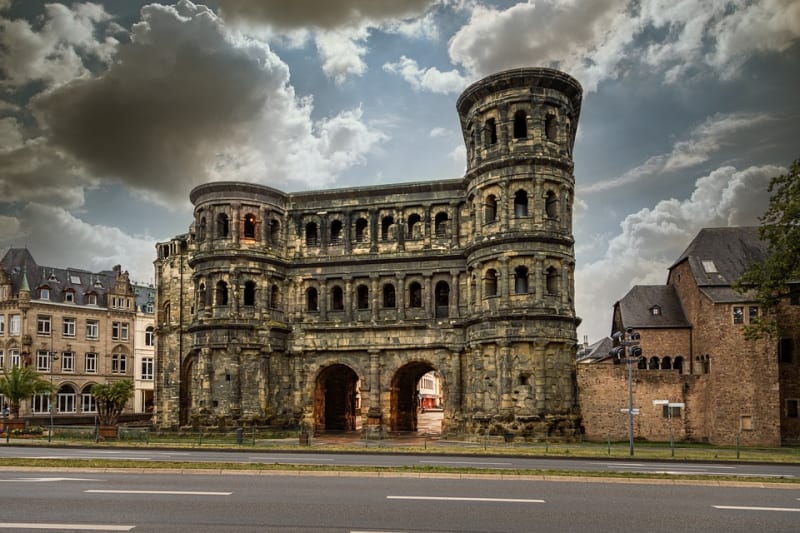
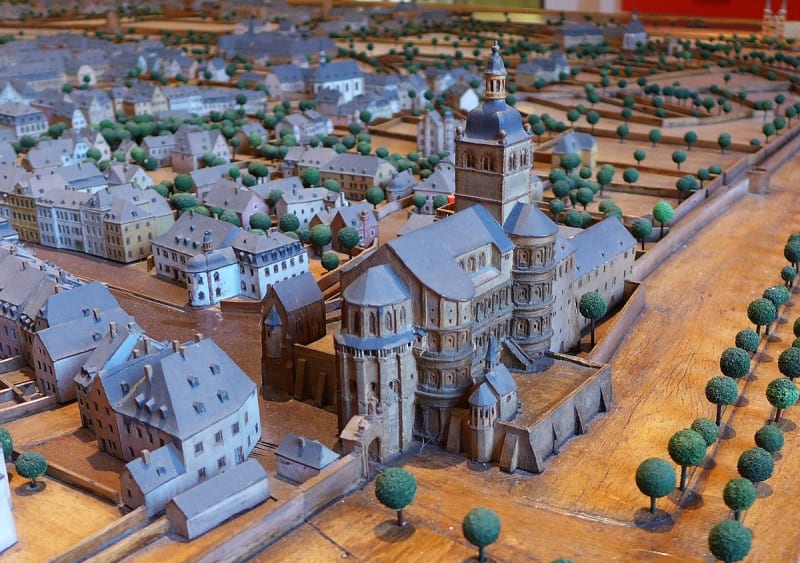
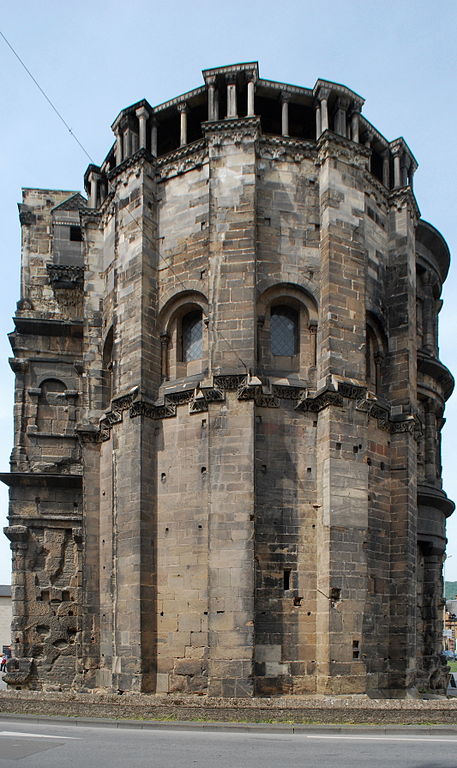
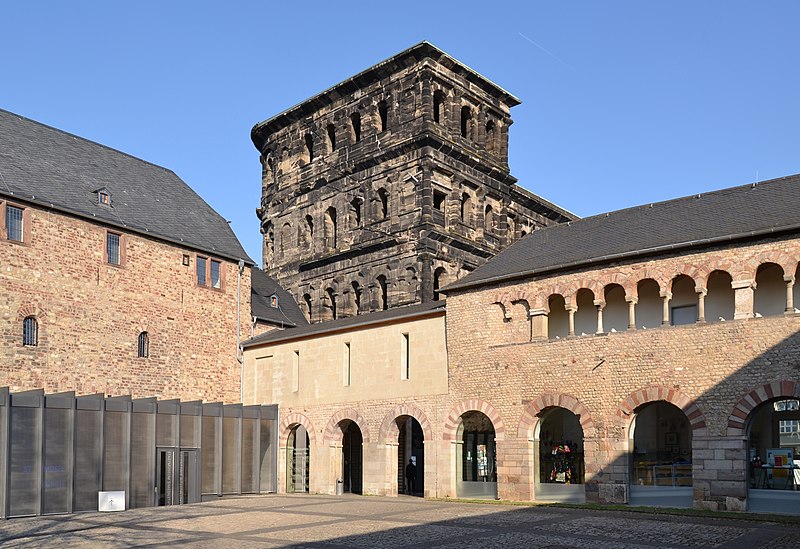
Porta Nigra was built during the Roman Empire, around 180 AD. Where does such a strange name "Porta Nigra" (Black Gate) come from? It is known from historical sources that as a result of erosion, the Cornell sandstone darkened, from which, by the way, the structure was built, hence its name. Even in our time, it is possible to observe holes on gates formed as a result of artificial creation, in order to obtain metal brackets and use them for other construction of structures. Like most of the buildings, they were reconstructed by order of the authorities in the 11th century. They were turned into a two-domed church. Since only one tower was needed for the church, the second one was demolished by order of the king.
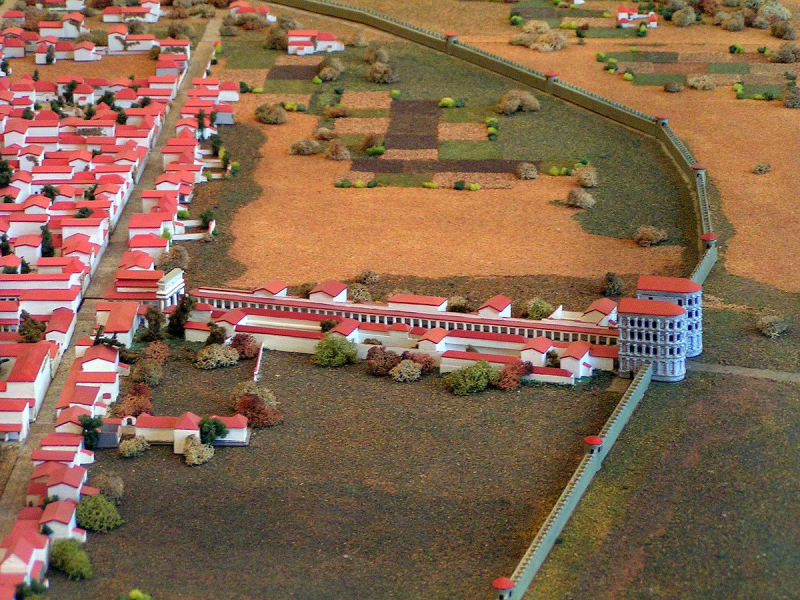
Porta Nigra was part of a large wall that protected the locals from attacks by neighboring states. A security grate can be seen at the bottom of the gate. The construction was interesting. The blocks were connected with iron brackets, and then tin was attached to the wall, because in those days cement was not used for building buildings. According to historical sources, the construction lasted for four years.
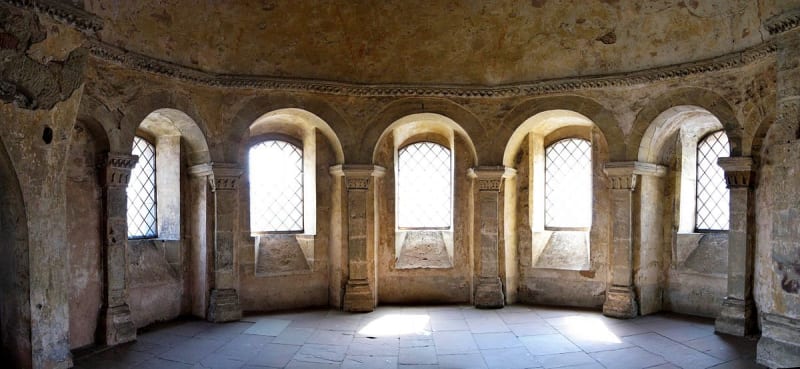
The church existed until it was captured by the French, and in 1804, Napoleon Bonaparte ordered the removal of all church outbuildings and the return of its former appearance, previously altered, with walled-up gates by order of Simon of Trier.
It is important for tourists to remember that Porta Nigra is difficult to climb, because you will need to climb to a height of more than 30 meters, but a huge advantage is that from the upper tiers of the structure you can see a beautiful view of the city of Trier. For a special rebirth in those days, a gladiator fight was arranged for visitors inside the gate.
You may notice that there are towers on both sides, one higher than the other. Today, only a small part of the church outbuildings has been preserved, which was later rebuilt into a museum. I am very pleased that the gates have been preserved in good condition, which were made by the Romans.