Pergamon Museum
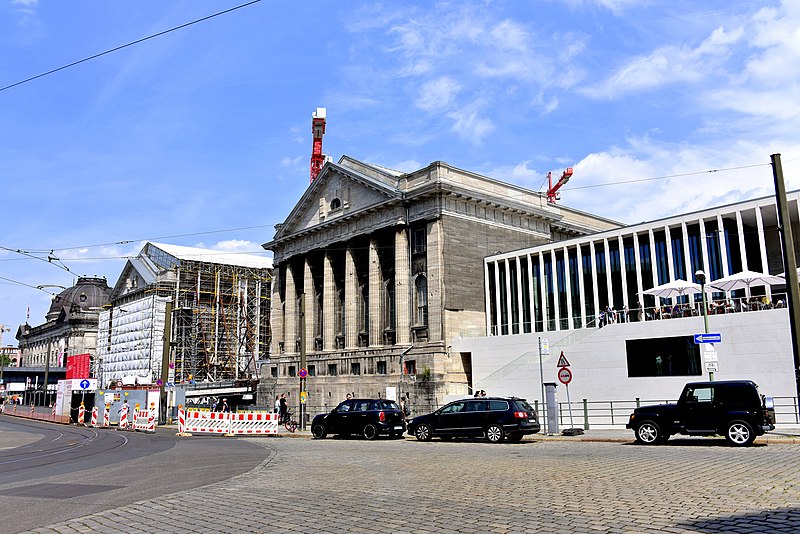
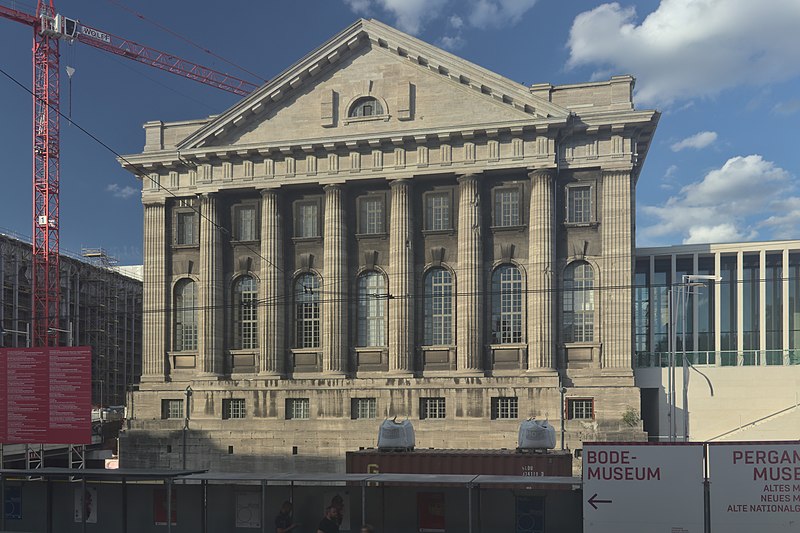
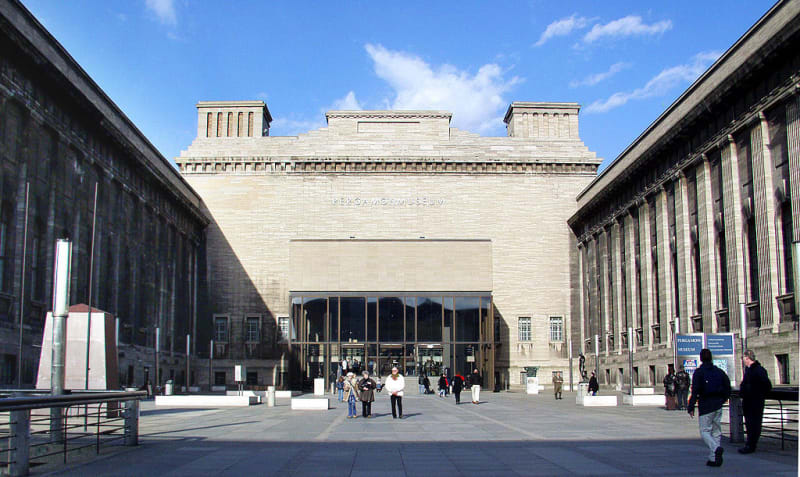
The Pergamon Museum or Pergamon Museum is one of the most famous museums located on the island of Spreeinzel on the river Spree. There is an entire museum complex on the island, which is included in the UNESCO World Heritage List.
History
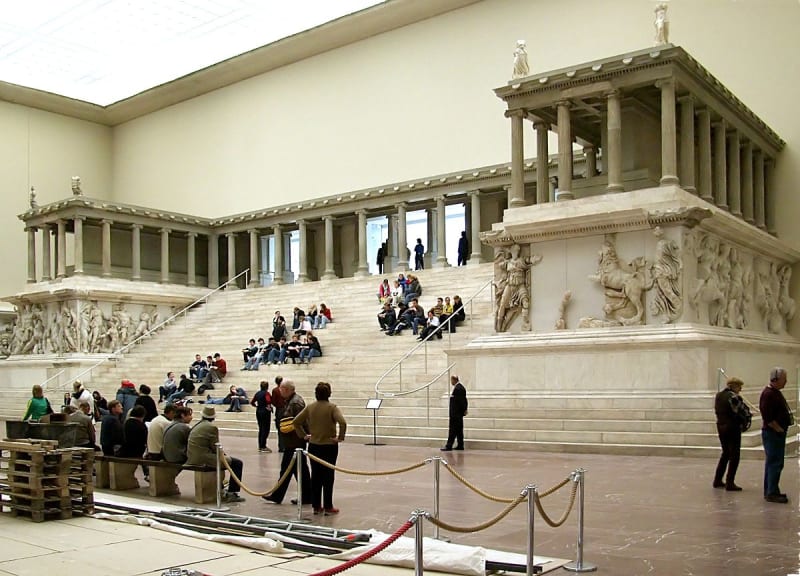
The main exhibit of the museum appeared thanks to the German engineer Karl Hamun. Back in 1878, while working on the construction of a road in Asia Minor, Karl found the first elements of the legendary altar of Zeus.
Unfortunately, after shipment to Germany, it turned out that there was no place for the new exhibit. Then it was decided to build a new building capable of accommodating not only the found wealth, but also exhibits of ancient and ancient Asian culture. This is how the first Pergamon Museum appeared, which was demolished five years later due to cracks caused by poor-quality construction. The new facility has been under construction for 23 years. As a result, in 1930, the museum hospitably opened its doors to visitors.
There are three main compositions in the Pergamon Museum.
Ancient art
The main exhibit is the Pergamon altar. This structure was erected in the II century BC and is considered a tribute to the victory of Zeus over the Titans. The altar seems to be a whole temple: a huge staircase, columns to the ceiling decorated with scenes of battles and friezes. This fundamental structure was one of the wonders of the world in ancient times.
Another noteworthy exhibit is the gates of the Milesian Market. This is an example of architecture from the first century BC. A small fragment of a previously powerful city. The entrance to the market is similar to the gates of a large temple. But the entire volume of the exhibition had to be reduced, as it could not fit in the building. It is worth noting that most of the exhibits are so large that it seems like one building stands in another building.
The Art of the Near East
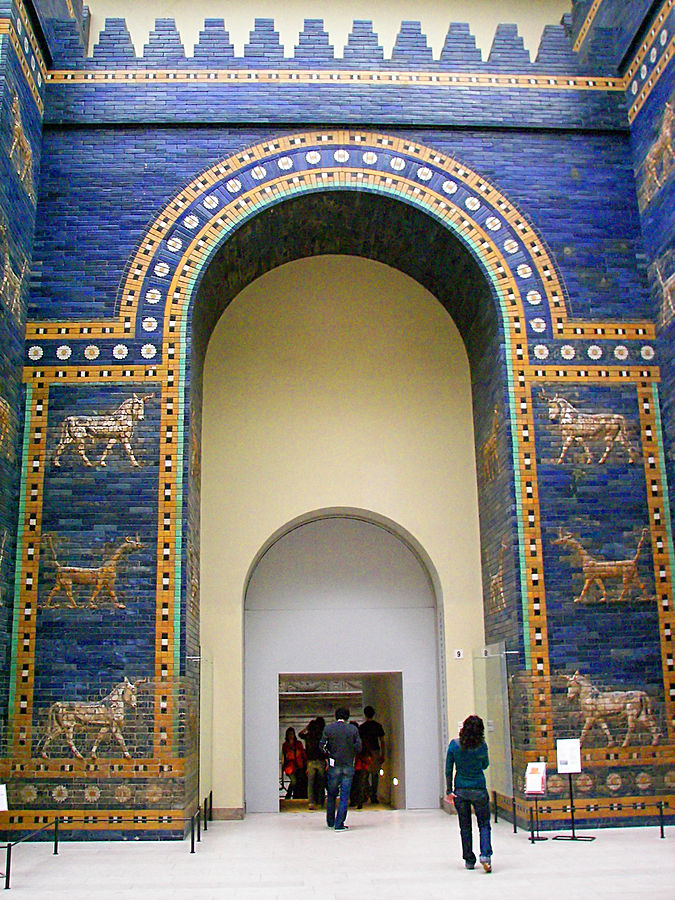
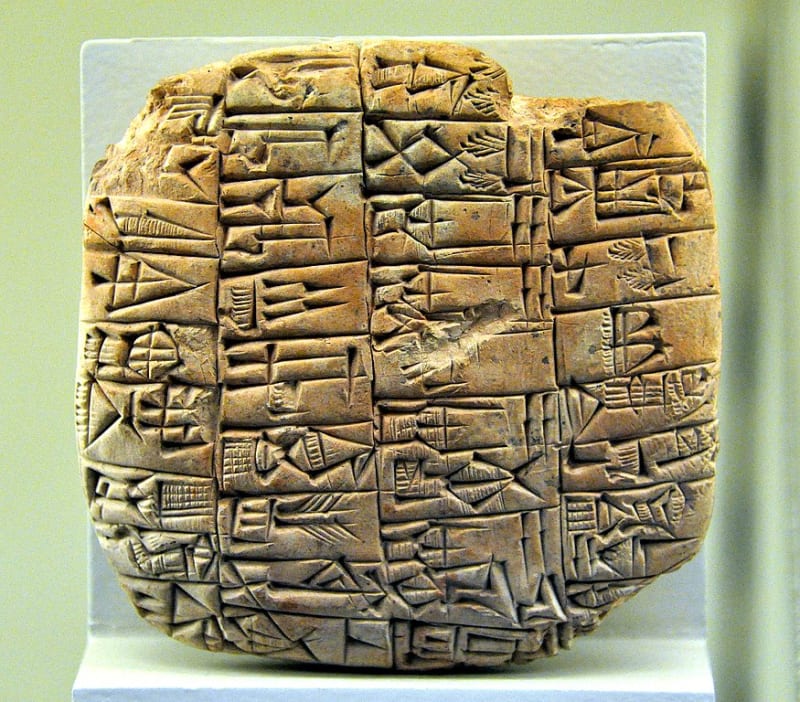
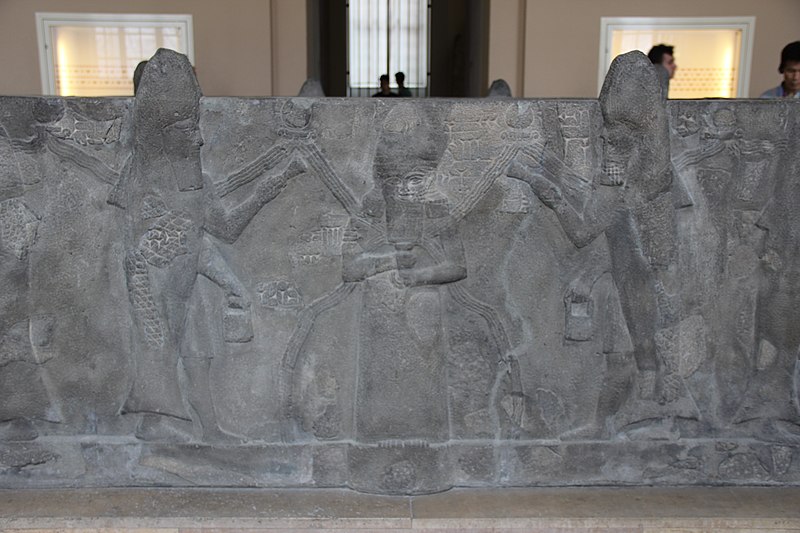
The collection includes more than two hundred exhibits from Mesopotamia, Syria, and Anatolia. The most popular exhibit is the Ishtar Gate. Unfortunately, they are presented in a reduced interpretation, but at the same time they provide an opportunity to feel the beauty and grandeur of the exhibit. The arch was the main entrance to Babylon and was striking in the brightness of its colors. Adjacent to it was a processional road, which depicts lions, bears and mythical animals, the existence of which is still being debated.
Islamic Art
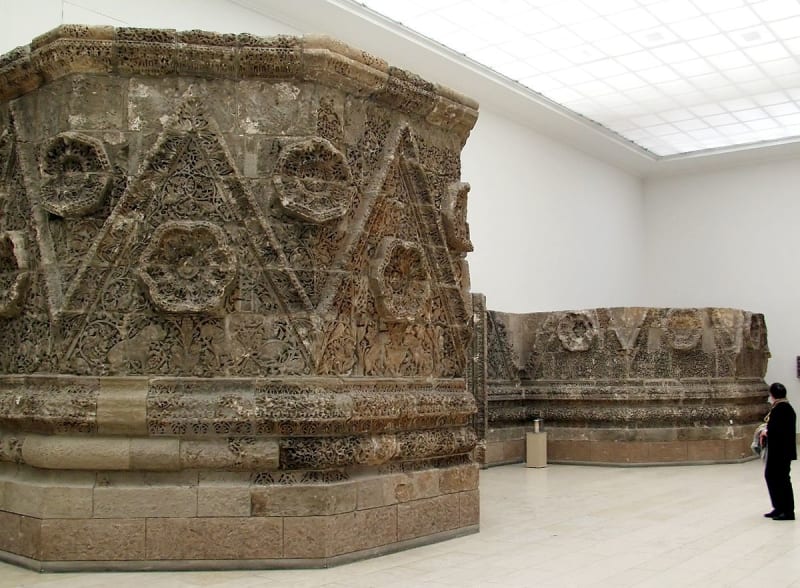
The Pergamon exposition features exhibits from the 7th-19th century. Here you can see a five-meter stone frieze of the 18th century with wooden panels and other exhibits. The main exhibition is considered to be a collection of carpets and remnants of the caliphs' palace walls.
In 2011, the Pergamon Museum opened a unique panorama that can transport visitors to the past of the ancient city of Pergamon. Scenes from the lives of ordinary people stretch around, the noise of crowds and insects can be heard, and there is a lively trade nearby.
There are few exhibits in the museum, but each one is unique and majestic. German scientists were able to restore and preserve the culture of different nations. Thanks to this, we can enjoy the exhibits of world culture collected in Berlin.