Kornati National Park
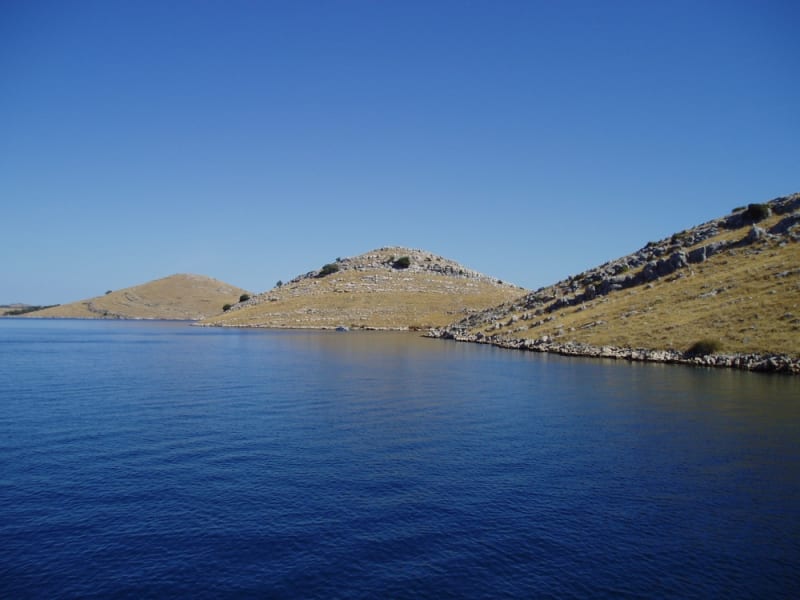
Kornati is a Croatian national park that almost completely occupies the Kornati archipelago. The park consists of 89 islands covering an area of 50 km2, and the total area, together with the water area, is 220 km2.
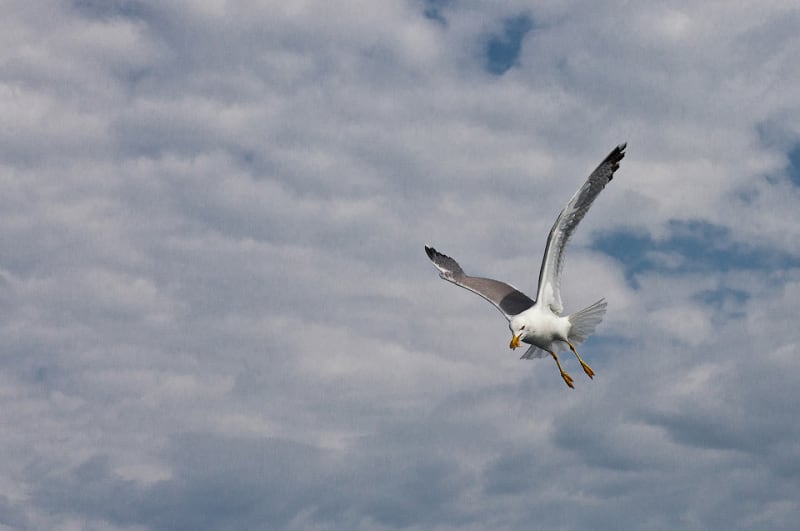
The archipelago is very unique in its density of islands, the passages between which sometimes look like a maze. Kornat Island has an area of 32 km2. The land on the islands has been purchased by private owners, of whom there are over 600. Olives are grown on the islands and sheep are raised. The development of tourism is becoming more important every year. In 2007, the authorities submitted an application to add the park to the list of specially protected sites.
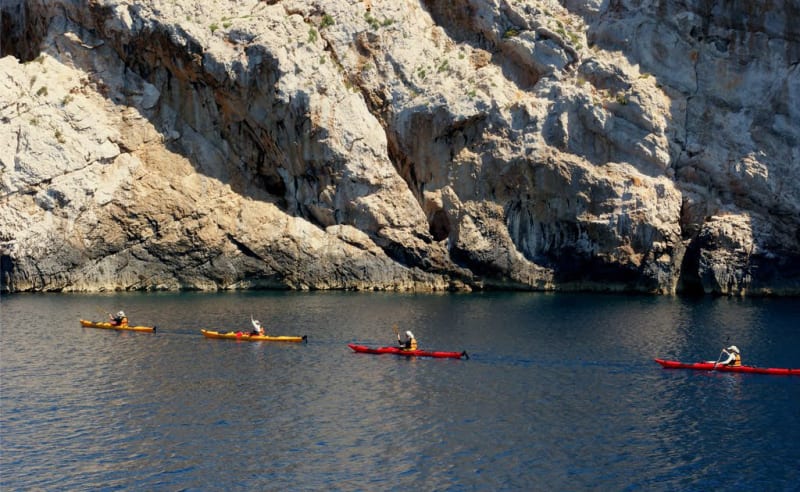
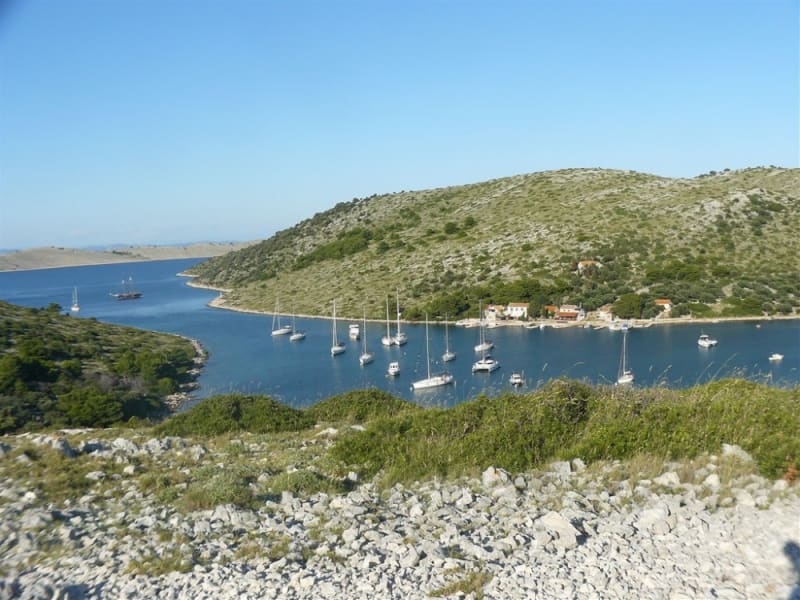
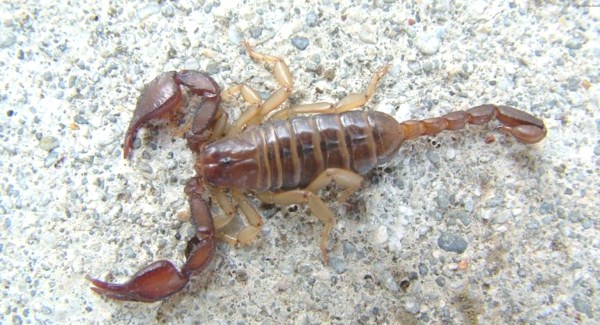
Despite the very desolate appearance of the islands of the archipelago, the flora and fauna of the park is very rich both in water and on land. There are over 537 varieties of plants growing on the islands, and pine and olive are the best trees. There are many insects, rodents, and snakes on the islands. Of the large animals, you can see squirrels, martens, cormorants, falcons, owls, buzzards. The marine relief of Kornat consists of reefs of various shapes, in which corals, pearl shells, and mollusks have found shelter. There are a lot of fish swimming near the islands. Due to its underwater landscape, the park has gained success among divers all over Europe, as well as among yacht and boat owners who want to navigate among the islands. It is worth considering that those who swim in Kornaty will be charged a fee and must register at the office located on Kornat Island.

The flora and fauna of the archipelago is rich both underwater and above water. Despite the semi-desert appearance of a significant part of the islands, there are 537 plant species here. The main trees of the archipelago are pines and olives. In addition to a variety of rodents, snakes, lizards, and insects, the island's wildlife is represented by martens, squirrels, and birds, the most notable of which are falcons, owls, buzzards, kestrels, and cormorants. The seabed on Kornaty consists of reefs of funny shapes, rich in corals, pearl shells and mollusks. The waters adjacent to the islands are very rich in fish.
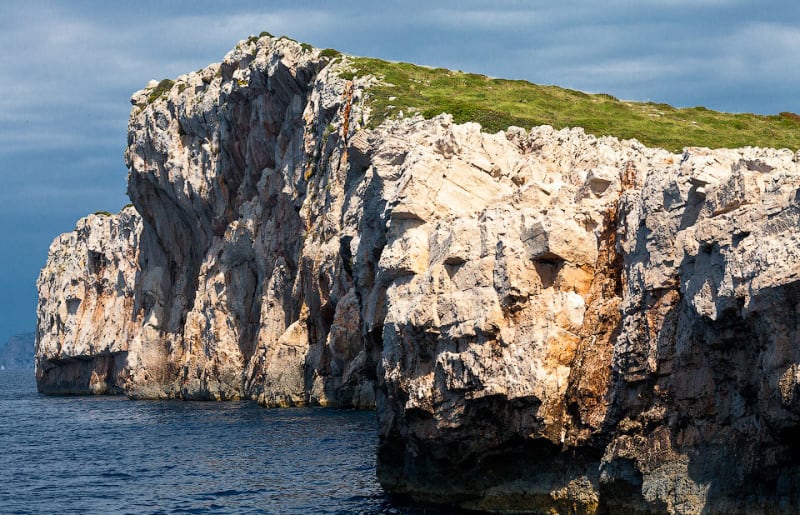
Cliffs rise up from the waters of the park, reaching up to 100 meters in height, which are called "crowns". It is forbidden to climb them.
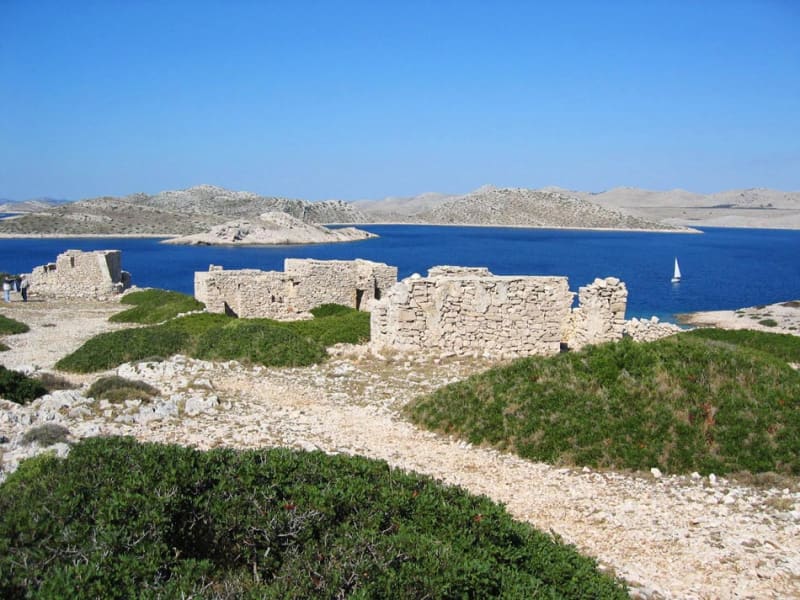
The ruins of the Venetian fortress can be found on the island of Vela Panitula. In 1532, the authorities of Venice issued a decree on the collection of taxes on fish caught. The fish brought all their catch to the fortress, and they built their houses, warehouses, and bridges between the islands nearby. In 1560, a church was built, which, after restoration, still performs its functions. After the fall of the Venetian Republic, the fortress and the settlement were abandoned by the inhabitants.
In the Kornat water area, you can spend hours swimming the fairways of Bolshaya and Malaya Provesa, next to the lighthouse on Bolshaya Sestritsa, sail through the Kornat Canal, passing Shipnat Bay, Levrnak Island, past the beaches. You can visit the Church of the Virgin of Tarts, where the locals are in the first days of July in honor of her holiday. Climb the Tourte, to the fortress on the island of Kornat, from which they watched the floating near the islands. It was built in the 6th century to protect and control the sea routes.