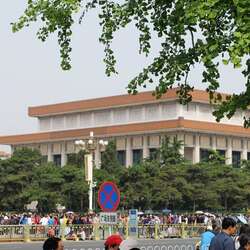
Gate of Heavenly Peace
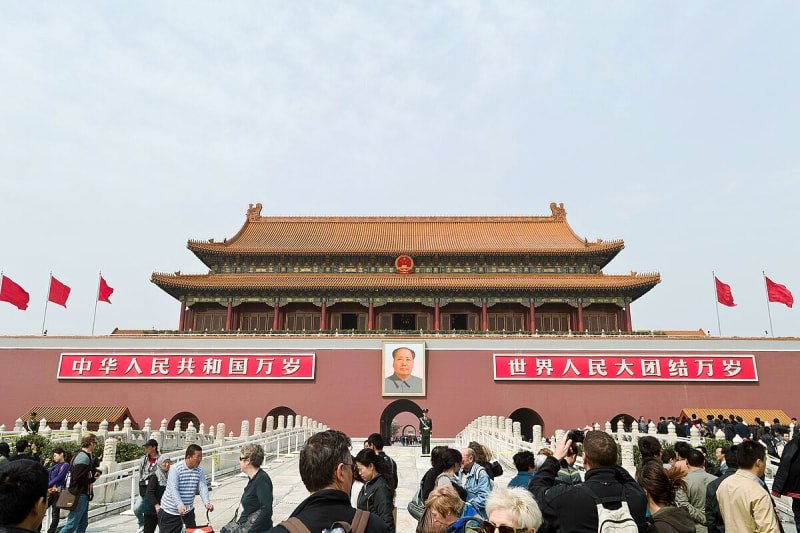
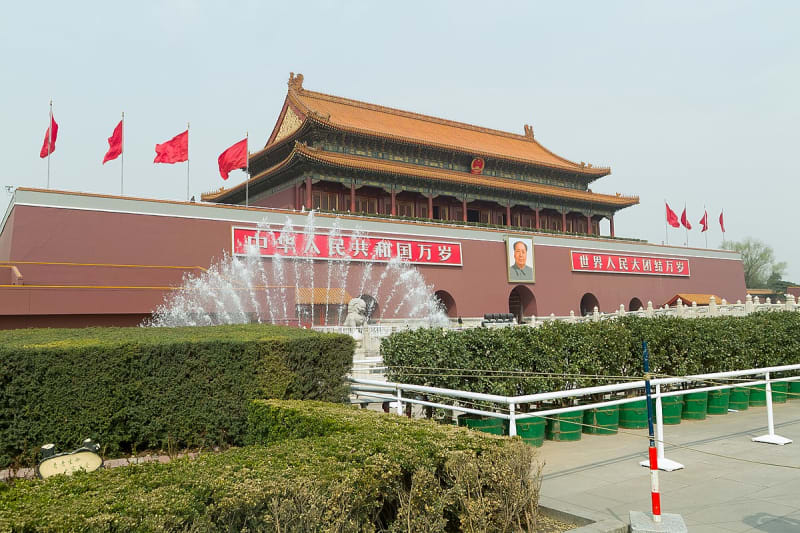
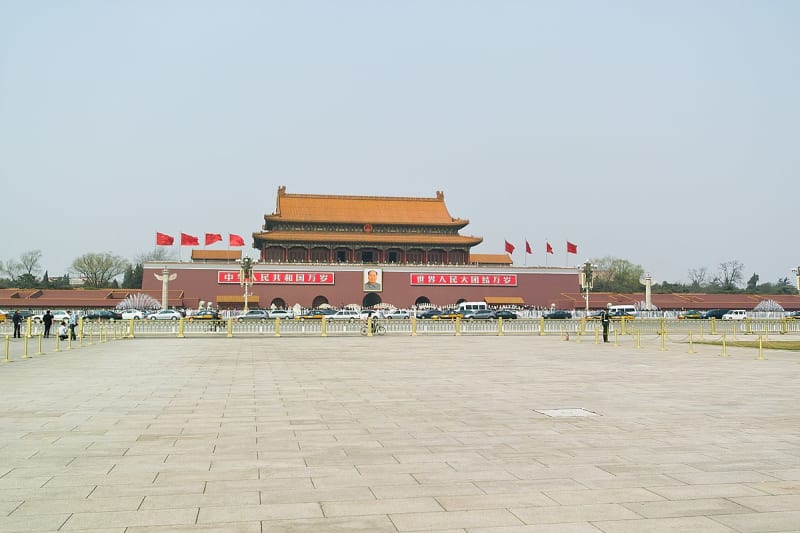
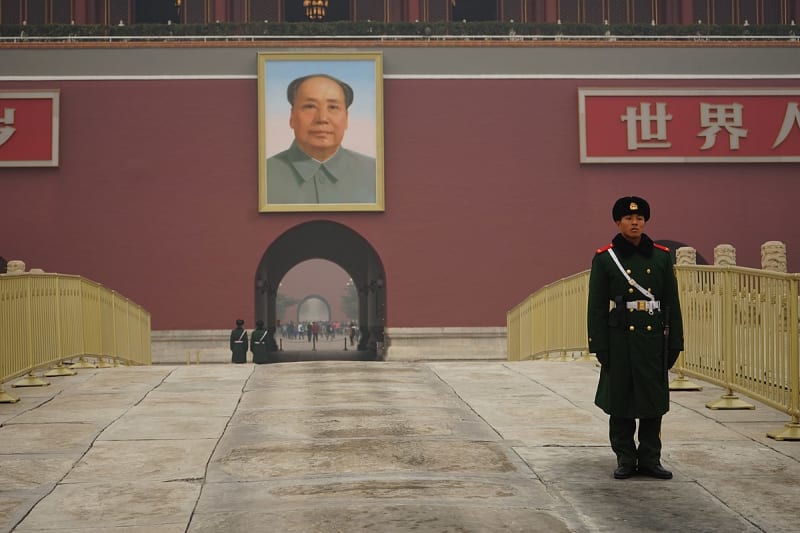
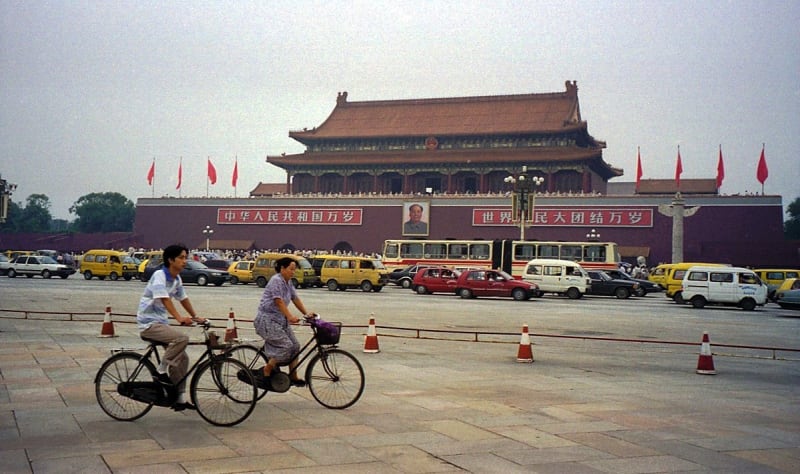
The Gate of Heavenly Tranquility is known all over the world, it is the main entrance to the Imperial City, located in Beijing. These gates are a symbol of Chinese greatness and history, as well as the personification of the dynasties that have ruled in China for a long time. The Gate is a popular tourist destination.
History of origin
The Gate of Heavenly Tranquility Gate is associated with the Ming Dynasty, at the time of construction it was called the Gate of Heavenly Inheritance. It should be noted that the gate was destroyed twice - the first time the gate collapsed due to a lightning strike, the second time the gate was destroyed by peasants who rebelled under the leadership of Li Zicheng. At the beginning of the 17th century, the Qin Dynasty began to own Beijing, which began to rebuild the destroyed structures of the city. In the 1960s, the Gates of Heavenly Tranquility underwent reconstruction - the facade was redesigned, new elements were added, and a water supply and heating system was installed, the most important change being the improvement of the building's supporting structures. This was done in order to protect the structure from the frequent earthquakes that are observed in this region of China.
Architectural features
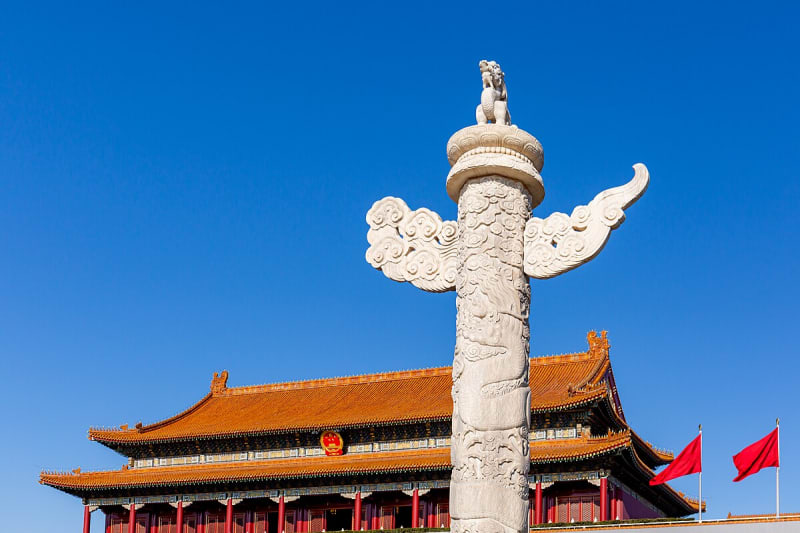
The Gate of Heavenly Tranquility is 66 meters long, 35 meters wide and 35 meters high. The main tower was made of various elements - Chinese wood, glazed tiles. The corners of the Gates (cornices) have a special curved shape, according to the craftsmen who created this structure, this shape scared away evil spirits and prevented them from entering the building. There are also lion statues on the sides, performing similar functions. The center of the Gate is decorated with arches, through which only the emperor was allowed to pass at one time. A central bridge was built for the emperor, and side bridges were built for other family members. Huge marble columns are installed on the sides of the Gates of Heavenly Tranquility.
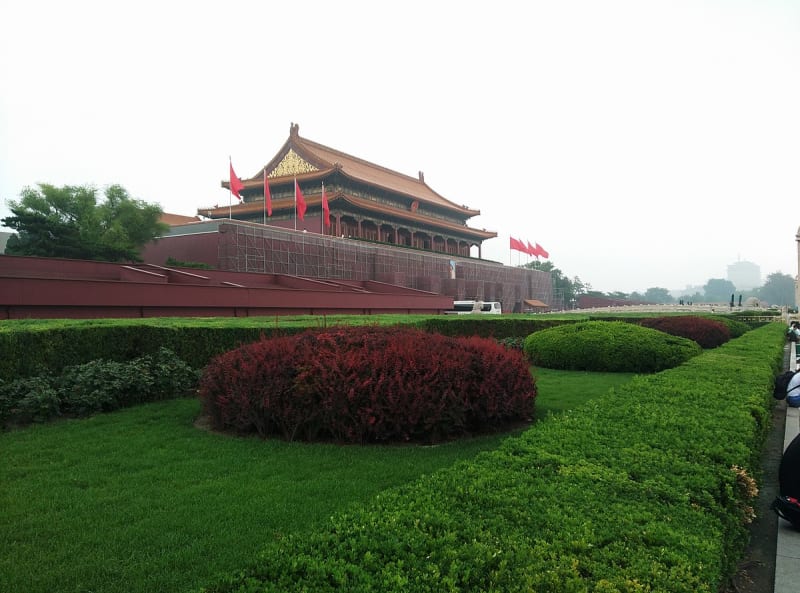
Entering the Gate and passing through it, the visitor enters the famous Imperial City. You can also go even further along the Jade Road and see the equally famous Gate of Honor and a replica of the Tiananmen Gate. At the very end, the visitor is greeted by the Noon Gate, entering which you find yourself inside the Forbidden City. A few words should be said about the practical significance of the Gate. During the reign of the Ming and Qing dynasties, the emperor's decrees were pronounced next to the gate, as well as the place from where the important ceremonial procession of sacrifice began, according to which the emperor began his journey to the Temple of Heaven and Earth, passing through these Gates. In the temples, the emperor performed sacrifices in honor of the deities.
The Gate of Heavenly Tranquility is an important monument to the history of the Chinese people. They amaze with their originality and architectural splendor. Residents of the People's Republic of China believe that one should not miss the opportunity to stroll through the places where the emperors of China once walked. They are proud of their history and glad that people from other countries choose their country to travel to.