Caves of Jenolan
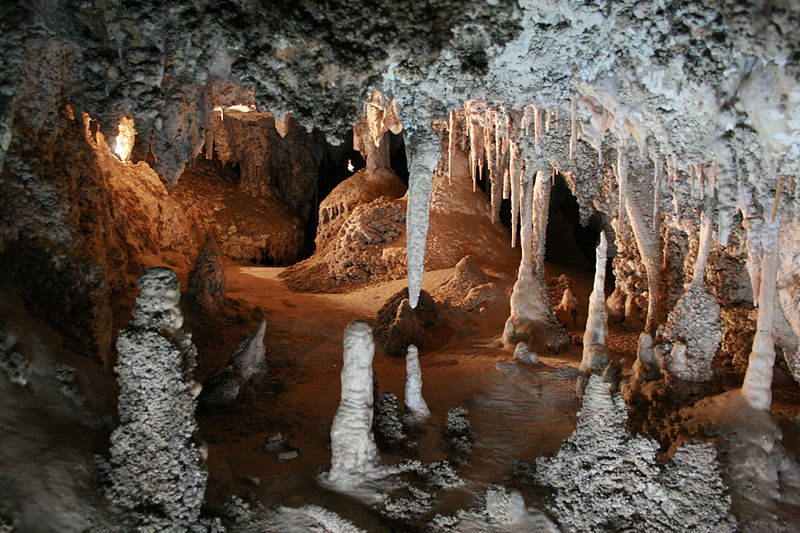
The amazing natural attraction of eastern Australia, the Jenolan Caves, are located in the reserve of the same name near the Blue Mountains. The extensive network of mountain crossings covers more than 40 kilometers, but only 10 caves are open to tourists, however, this is enough to appreciate the power and beauty of the natural creation.
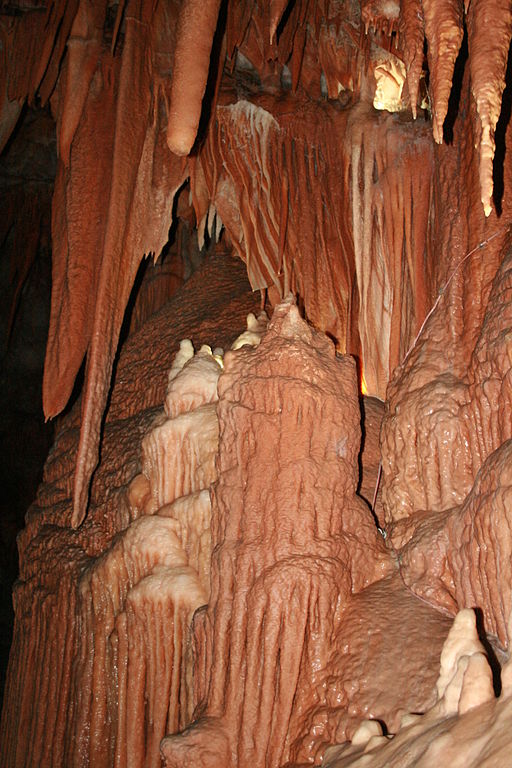
The age of the cave complex is estimated at 340 million years. For a long time, the locals considered them the habitat of the sacred giant eel, so there were no people willing to explore the real underground city. Interest in the mining complex was fully manifested only in the 1940s, when the Walan brothers pursued a thief who stole their clothes and tools, and quite unexpectedly discovered the entrance to the dungeon. It is believed that the role of the discoverer belongs to James Whallan, who reported the discovery to Charles, who began studying the underground passages. The third brother, Jeremiah, was appointed the first Caretaker of the caves. However, this happened only in 1867.
By that time, the Jenolan caves were already fully open for inspection, so the interior of the mountain had already been severely damaged by the influx of tourists ruthlessly breaking stalactites for souvenirs. The law prohibiting the collection of natural materials and the painting of walls came into force only in 1872. The Jenolan Cave complex, which was open for inspection, required constant maintenance, so the Jenolan Cave House was built next to the main entrance, designed for the caretakers. Currently, the 1898 building has turned into a guest house where anyone can spend the night.
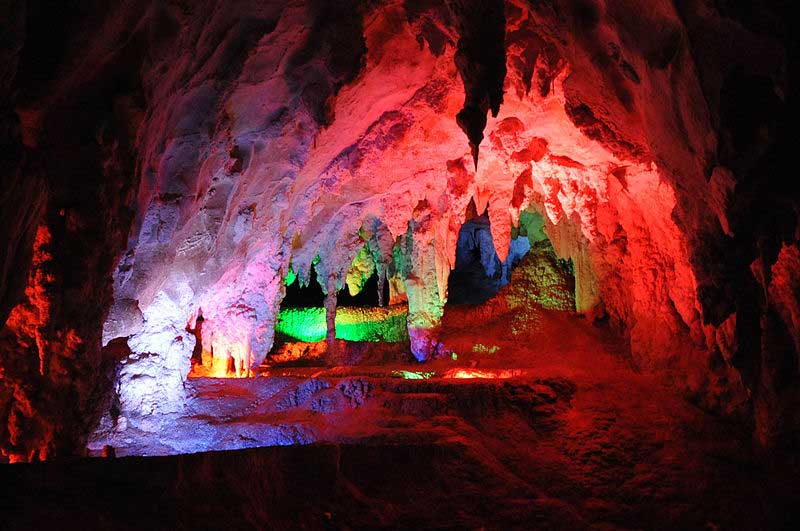
Today, speleologists continue to explore the underground complex, and only a small section of the studied passages, represented by caves, is open to tourists.:
- Lucas, named after John Lucas, who was able to protect the cave complex from destruction immediately after its opening. Due to the excellent acoustics and majestic atmosphere, performances by artists and expensive wedding registrations are held here.
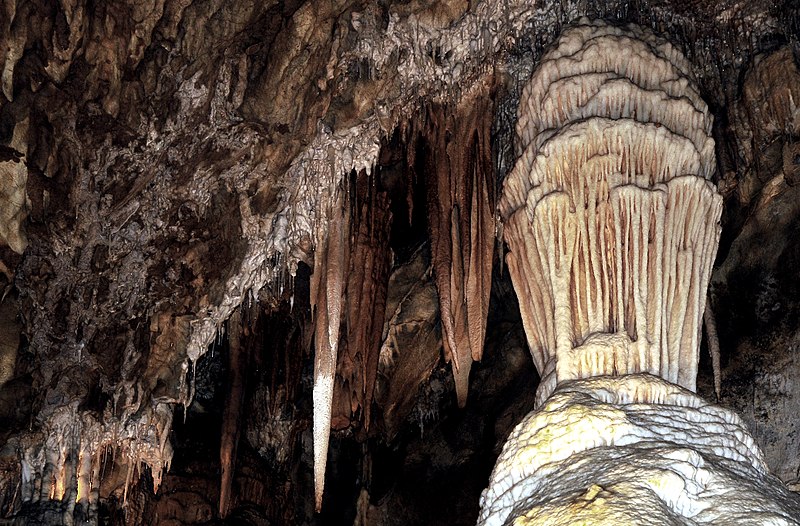
- A river named after a stream of water flowing here. There are also unusual rock formations "Minaret", "Queen's Canopy", "Great Column".
- Chifley became the first cave to receive electricity. Today, the majestic hall is used as an unusual venue for various shows.
- Imperial, famous for the fossils and bones of the ancient inhabitants of the Earth.
- A tape whose name fully justifies itself. The trail most of all resembles a ribbon, intricately laid on the ground.
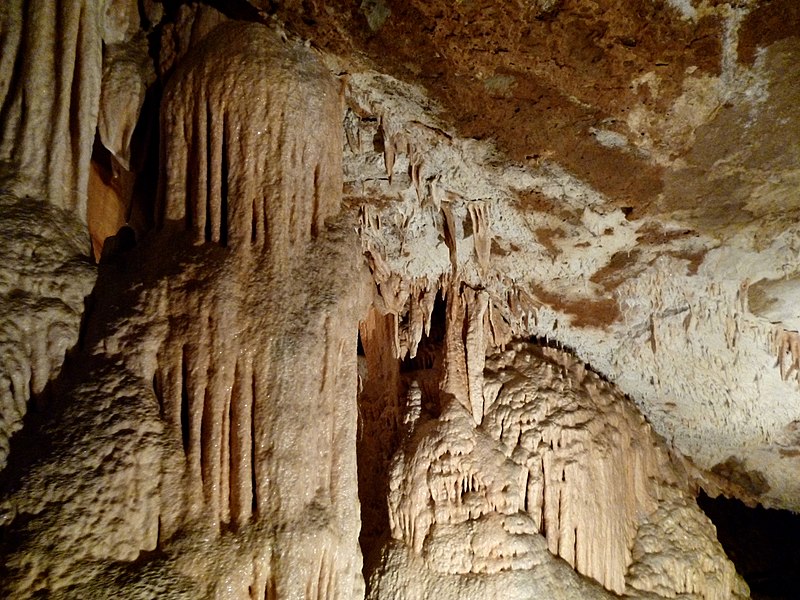
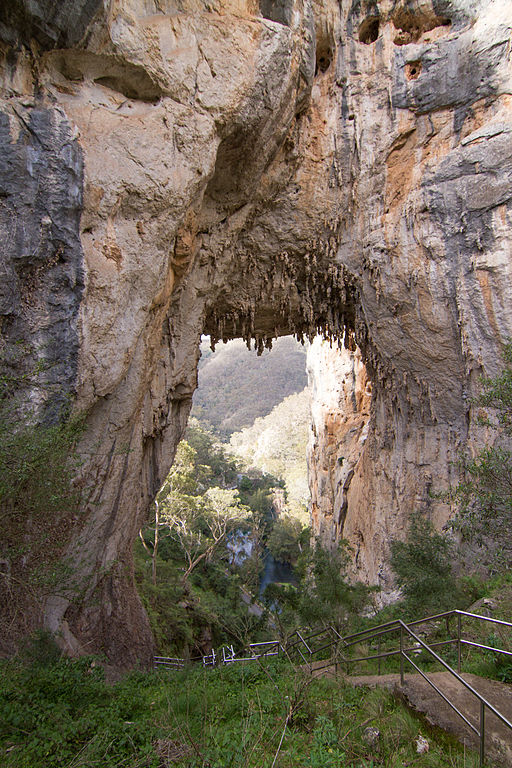
- Orient, which provides tourists with the opportunity to see the largest stalagmite formation. For a long time, it was possible to get to this part of the complex only with the help of a boat plying the river, today you can enter it through a gap in the mountain.
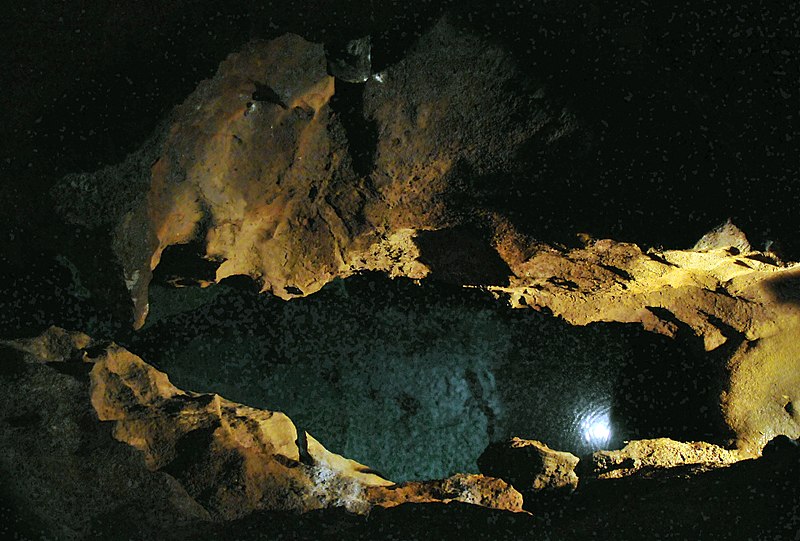
- The Cerberus basin, washed away by the current of the underground Styx. There is a "Venus Bathhouse" in the cave, and the walls are decorated with lovely white snowflakes of aragonites.
- Jubilee, characterized by the largest sizes. However, tourists rarely get there: the cave is located quite far from the usual route.
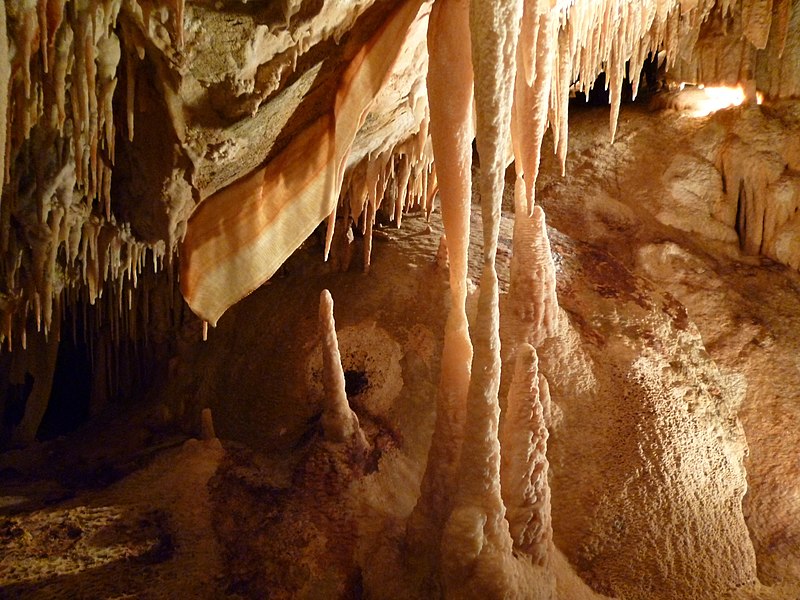
- The Temple of Baal, notable for the "Angel's Wing": a 9-meter snow-white shawl covering one of the walls of the room.
- Nettle, which got its name because of the large amount of burning grass that covers the entrance to the cave. Currently, the path has been slightly raised so that the burns of the plants do not bother tourists too much. Unfortunately, the entrance to the cave is often closed due to rockfalls, so you can view the interior of the cave by descending the stone steps from the parking lot. The cave boasts a Palace and a Devil's Carriage, a large arch.
You can get to the Jenolan Caves as part of one-day tours organized from Sydney, Katoomba, Canberra.