Blue Mountains National Park is one of the best-known natural attractions in New South Wales, Australia. Located west of Sydney, it is famous for vast eucalyptus forests, deep valleys, sandstone cliffs and waterfalls. Visitors can admire the Three Sisters rock formation, explore walking tracks and enjoy sweeping views across forested mountain landscapes.
Location and World Heritage
Katoomba is a major visitor centre, home to Echo Point lookout and the Three Sisters. Other popular areas include Wentworth Falls, Leura and Blackheath. In 2000, the wider Greater Blue Mountains Area was added to the UNESCO World Heritage List. This larger property includes eight national parks and reserves and extends beyond the boundaries of Blue Mountains National Park itself.
The Three Sisters
The Three Sisters are the region’s most recognisable landmark. These three sandstone pinnacles rise above Jamison Valley near Katoomba. Wind and water have shaped their distinctive forms over millions of years. Echo Point provides the classic panoramic view. The Three Sisters Walk is about 800 metres return and usually takes 25–45 minutes.
The rock formation is connected with Aboriginal cultural traditions and stories. It holds special cultural significance for local First Nations peoples, and visitors should treat the area and its heritage with respect.
Waterfalls and Lookouts
Wentworth Falls is one of the park’s best-known waterfalls, dropping over a sandstone escarpment into a forested valley. Nearby tracks range from short walks to more demanding routes with steep stairs. Govetts Leap Lookout near Blackheath offers broad views across the Grose Valley, while Leura Cascades is another scenic stop.
Eucalyptus Forests and Wildlife
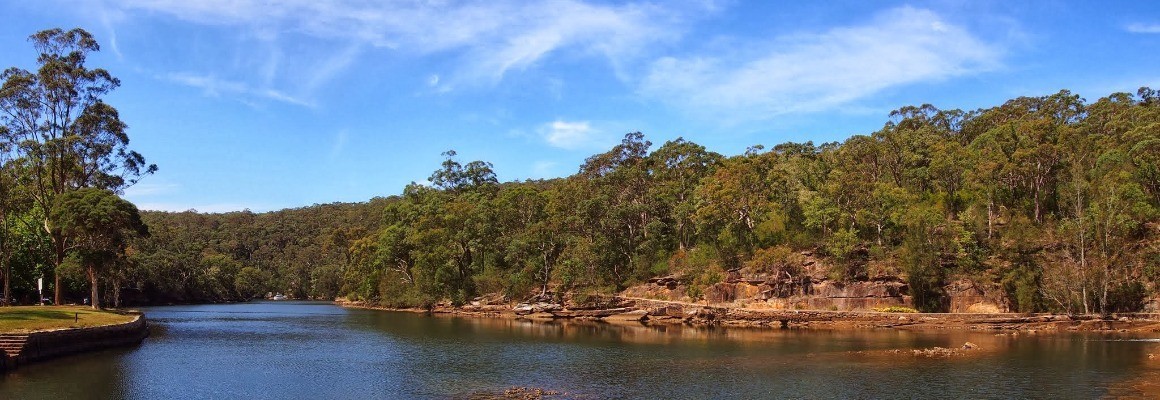
Eucalyptus woodland covers much of the landscape, alongside ferns, mosses, shrubs and patches of moist forest. Plant communities change with elevation, soil and rainfall. The wider region is important for understanding the evolution of Australia’s distinctive flora and includes rare plants such as the Wollemi pine.
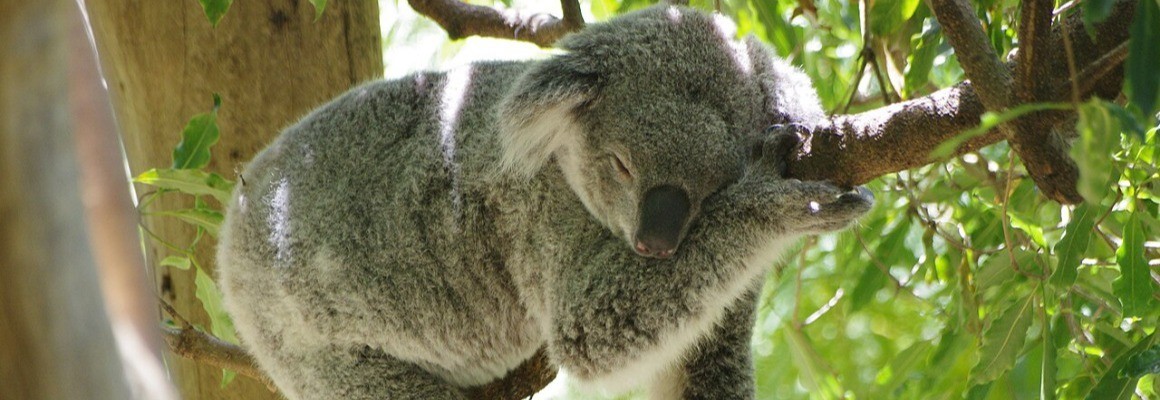
Birds include cockatoos, parrots and kookaburras, while reptiles and various marsupials also inhabit the park. Wildlife can be elusive. Do not feed animals or leave rubbish, and observe wildlife from a respectful distance.
Canyons and Walking Trails
The sandstone plateau is cut by deep canyons and narrow valleys. The Grand Canyon track near Blackheath passes through lush vegetation, beside rock walls and small waterfalls. Experienced walkers can choose longer routes, including the Grand Cliff Top Walk linking the Wentworth Falls, Leura and Katoomba areas. Mountain biking and guided adventure activities are also available in designated locations.
Best Time to Visit
Spring often brings comfortable walking weather, while summer offers longer days but can bring heat and bushfire-related track closures. Autumn is generally pleasant for exploring. Winter is colder than Sydney and may bring frost or occasional snow at higher elevations. Rain, fog and strong winds can affect visibility at any time of year.
How to Get There
Trains run from Sydney to Katoomba, from where visitors can use local transport or walk to nearby attractions. A car offers more flexibility for reaching distant waterfalls and lookouts. Before setting out, check transport schedules, weather forecasts and current track closures.
Blue Mountains National Park combines dramatic cliffs, eucalyptus forests, waterfalls and Aboriginal cultural heritage. It is an excellent choice for a day trip from Sydney or a longer stay focused on walking and nature.
Gallery