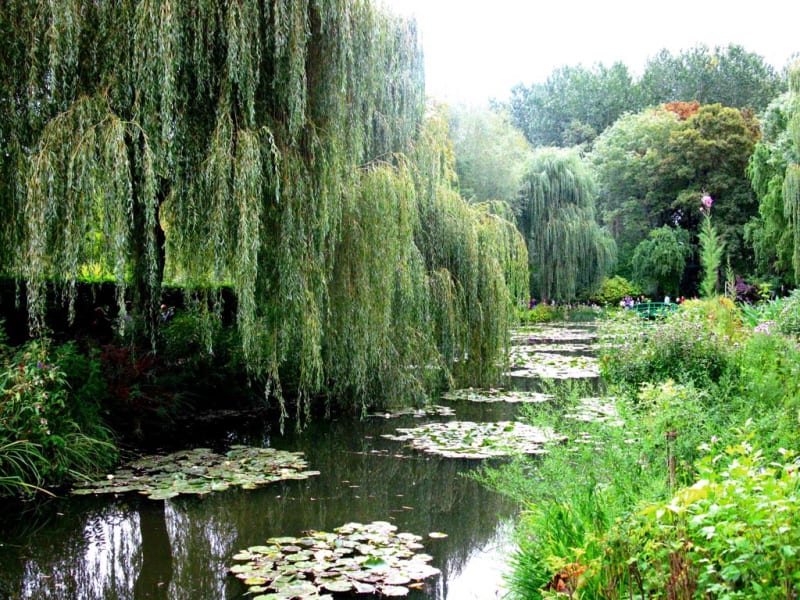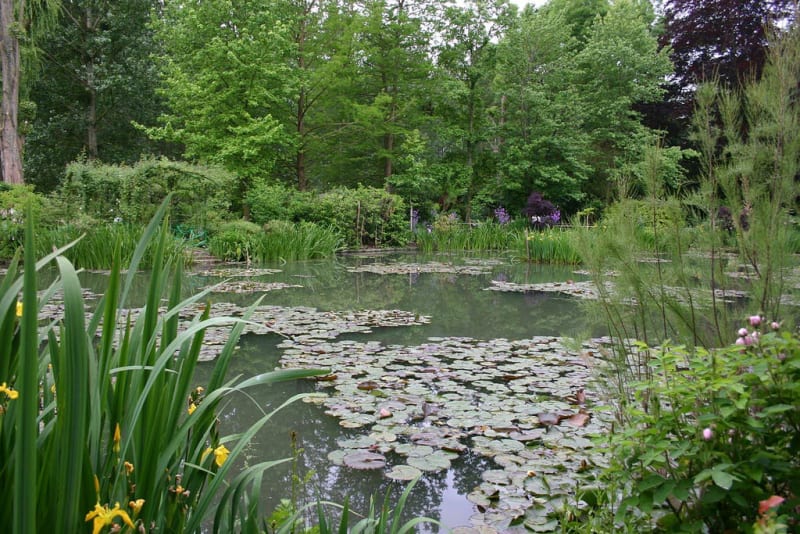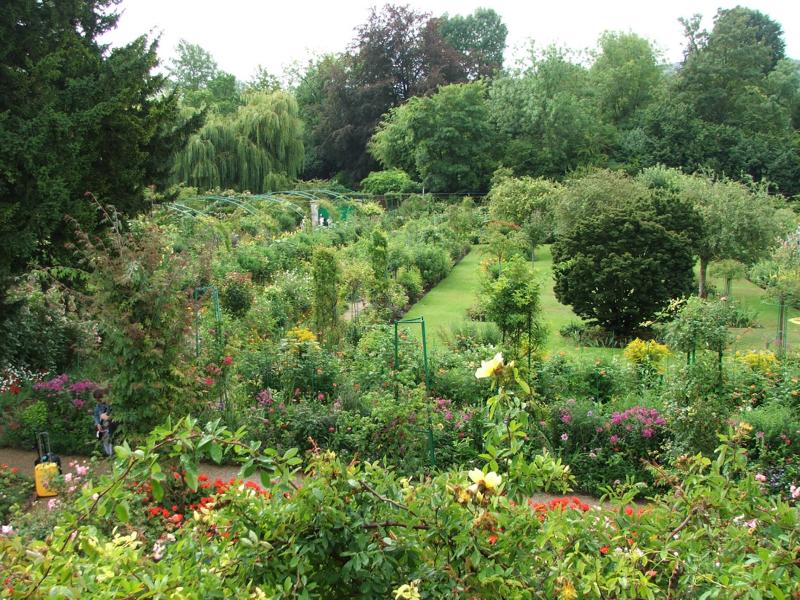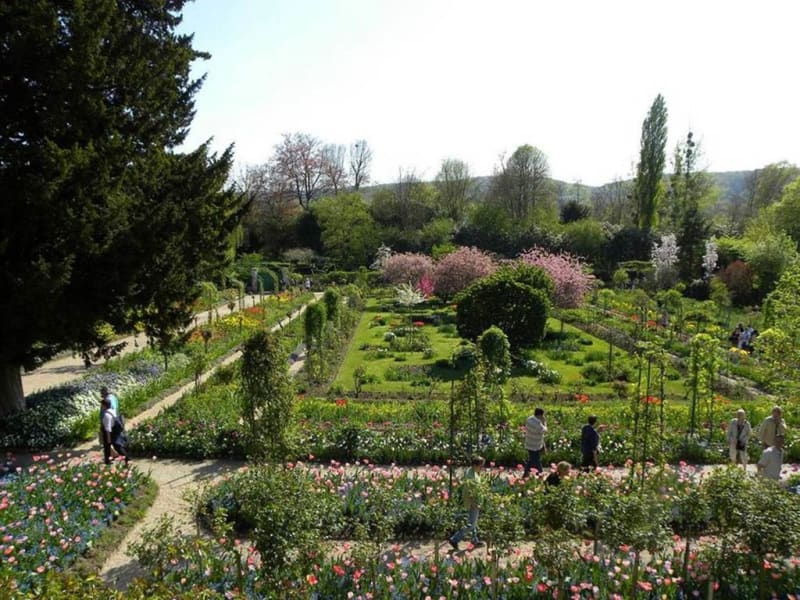
The gardens of Claude Monet have found their place not far from Paris, namely 80 km away, among the wonderful village of Giverny. It was here that the famous artist Claude Monet worked tirelessly.
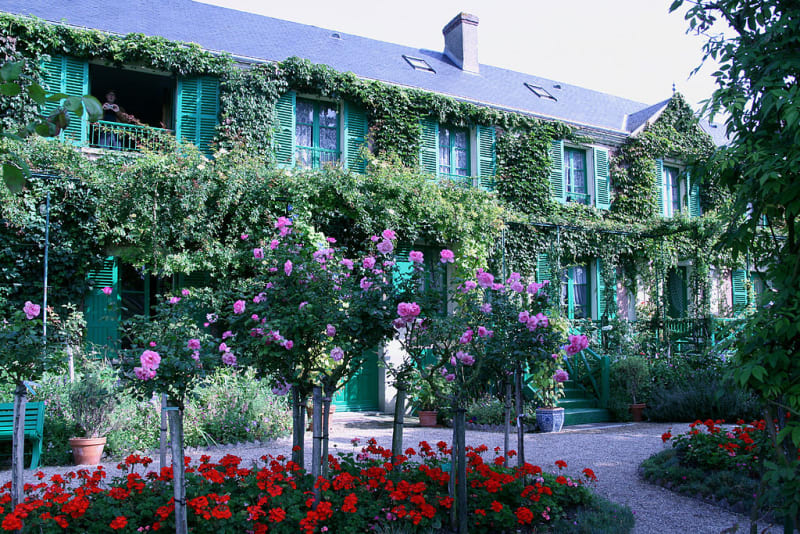
The history of the gardens began in 1883, when the artist acquired a small house with an adjacent plot of land and settled there with his family. Since childhood, Monet had an attachment to nature, he simply worshipped it. Having mastered a small territory, he immediately began to refine it, buying specific literature.
With the help of his natural talent, as well as perseverance and hard work, the master turned a small vegetable garden near the house into a magnificent blooming plot. Adhering to technology, he planted a wide variety of plants here, including charming flowers. Nowadays, tourists from all over the world know this beautiful area and are in a hurry to taste it. The talented artist Claude Monet kept in touch with famous gardeners and actively exchanged experiences with them.
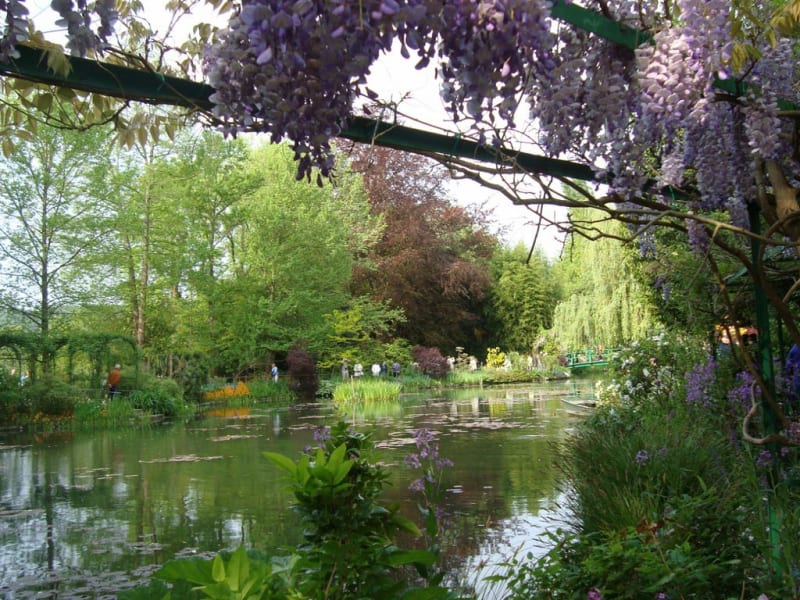
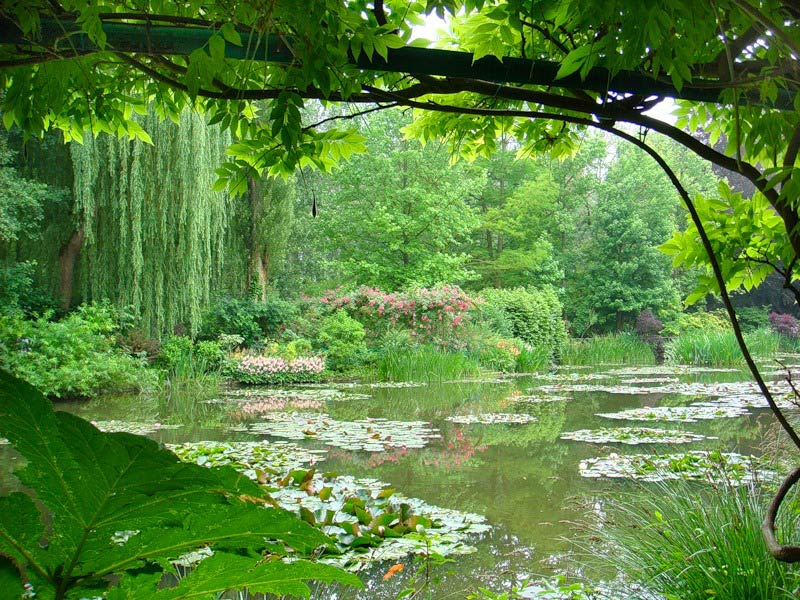
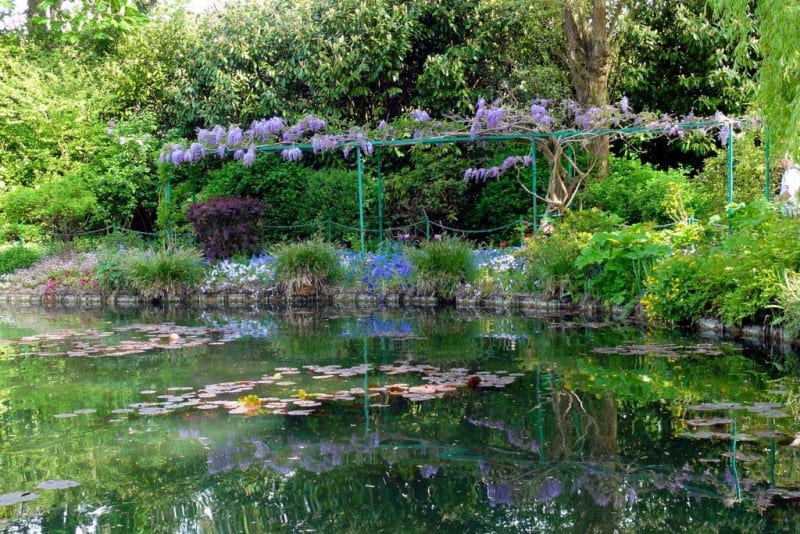
Over time, Monet turned the entire garden area into a wonderful park area, where artificial streams ran, magnificent channels were dug, for which the water of the local river Ept was used. The coastal area was decorated with amazing plants, including cherry blossoms, peonies, anemones, and raspberries.
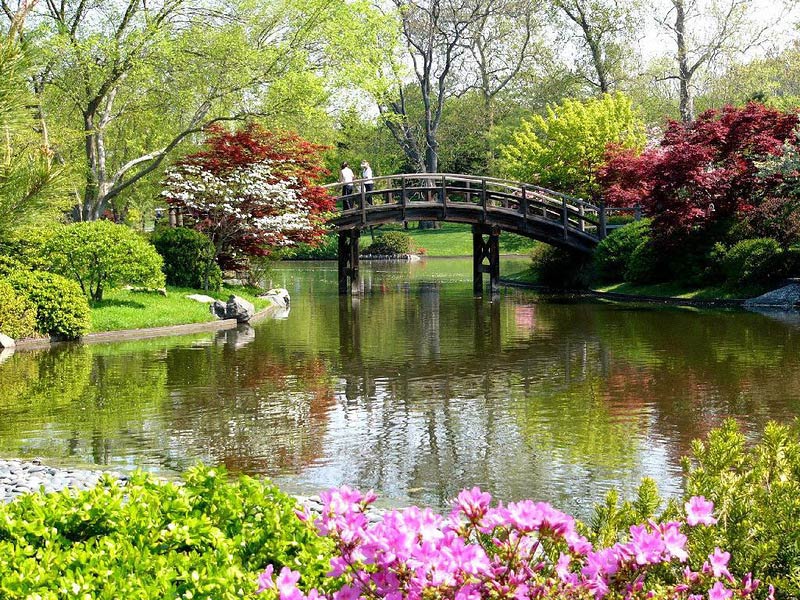
Among the main attractions of the entire Claude Monet Garden is a Japanese-style bridge. The owner of the garden received specially from Japan the seeds of nymphs that adorn the surface of the entire pond.
Initially, the house itself and the surrounding area occupied two hectares of land. But, about 10 years later, the gardener, carried away by his favorite business, decided to expand the territory and bought another piece of a neighbor's allotment. The acquired land contained a small natural stream, which was a tributary of the river. Monet immediately decided to use it as a source for a wonderful pond, which was dug here thanks to the support of the local government. Thus, the garden has acquired a modern look, filled with water streams that have an irregular, asymmetrical shape.
In this cozy place, the artist found inspiration for his magnificent paintings for twenty years in a row.
After the artist died, Claude Monet's gardens were inherited by his son. But the heir did not live here, and the stepdaughter of the late master took care of the entire estate. The artist's house, as well as the entire beautiful garden, fell into disrepair due to the Second World War. In 1966, Claude Monet's son ordered the transfer of all the inherited property, which his father had been working on for many years, to the Academy of Arts. It took about ten years to fully restore the house and the entire water garden. Both the local authorities and many of Monet's descendants had to work hard to restore the garden to its former appearance. Ponds were dug up again in the garden, trees and flowers were planted. All the furniture has been successfully restored, as well as Japanese prints. After a while, the garden was opened to visitors who admired the amazing landscapes of the area. To date, the Claude Monet Garden and its restored house museum have gained worldwide fame, with nearly half a million people visiting it every year.
Gallery