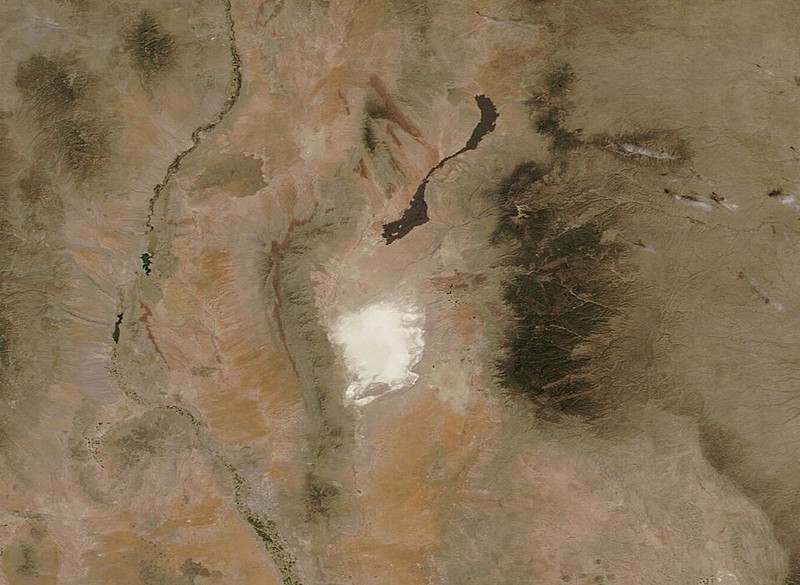
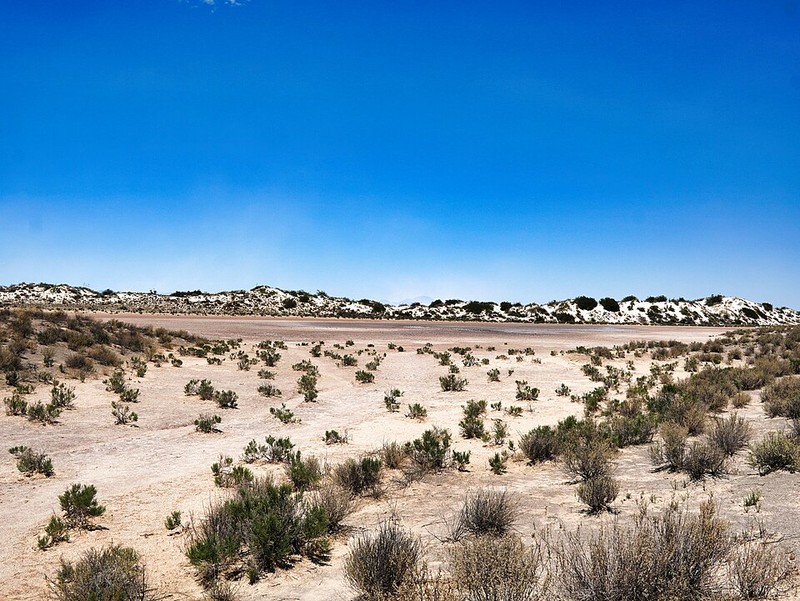
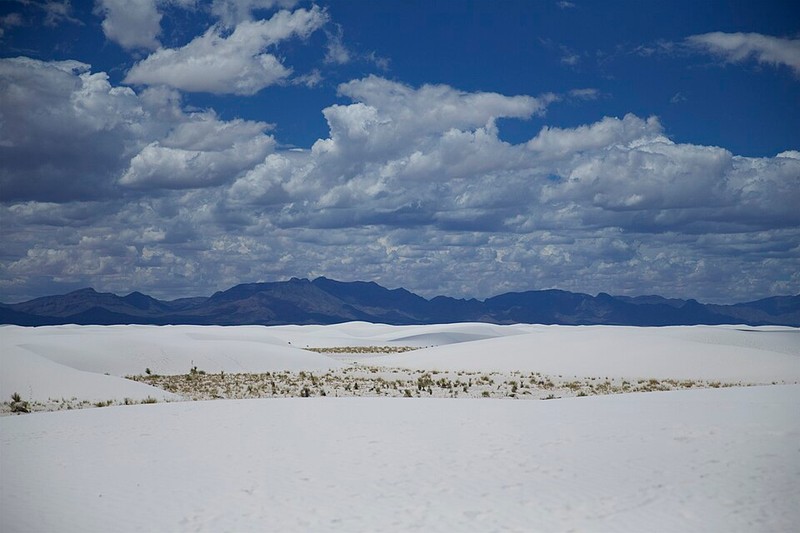
White Sands National Park lies in southern New Mexico, United States, amid the dry landscapes of the Tularosa Basin. Its defining feature is an immense field of brilliant white gypsum dunes that resembles a snowy desert. Unlike ordinary sand fields, the dunes here are made primarily of gypsum, a mineral rarely found in such extensive dune formations.
The national park protects a substantial part of the world's largest gypsum dune field. Wind gradually reshapes the white hills, while patches of desert vegetation grow between them. This unusual landscape attracts photographers, nature lovers, and travelers eager to see one of North America's most distinctive natural environments.
How the White Dunes Formed
The story of this landscape began millions of years ago, when an ancient sea covered what is now New Mexico. As the sea retreated, minerals including gypsum remained in sedimentary rocks. Later geological changes, erosion, and climatic processes helped create the gypsum deposits.
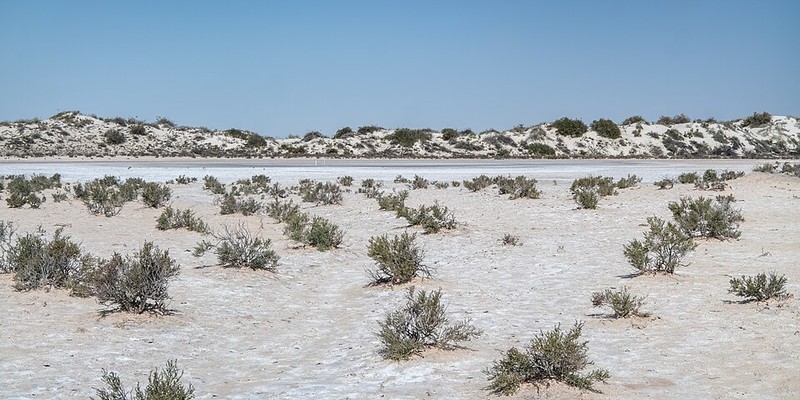
In the Tularosa Basin, water dissolves gypsum from surrounding rocks and carries it toward temporary lakes and low-lying areas. When the water evaporates, the mineral crystallizes. The crystals gradually break down into tiny grains that wind transports and accumulates into dunes. This natural cycle continues today, so the sandy landscape is constantly changing.
Gypsum sand differs from quartz sand. It reflects sunlight, making the dunes appear almost white even in bright sunshine. Gypsum also has different thermal properties from many common sands, but visitors should still prepare for high air temperatures and intense sun during hot weather.
What to See in the Park
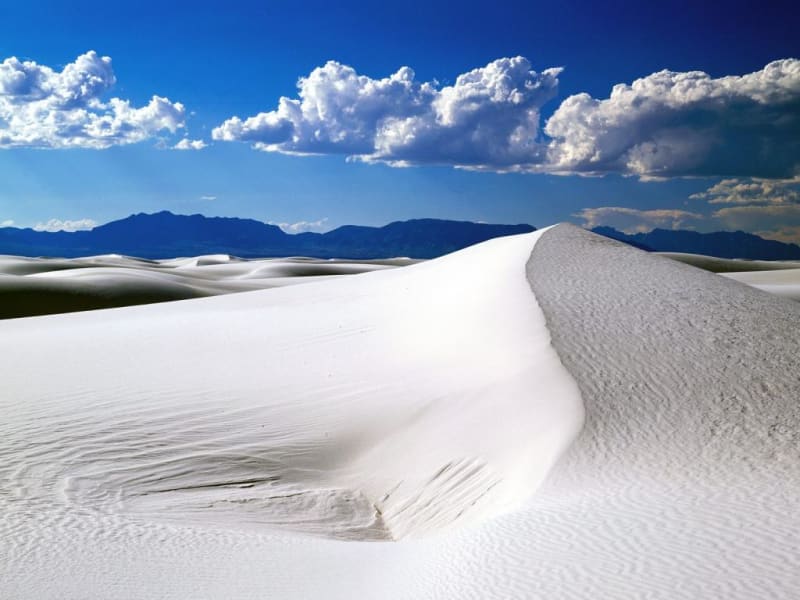
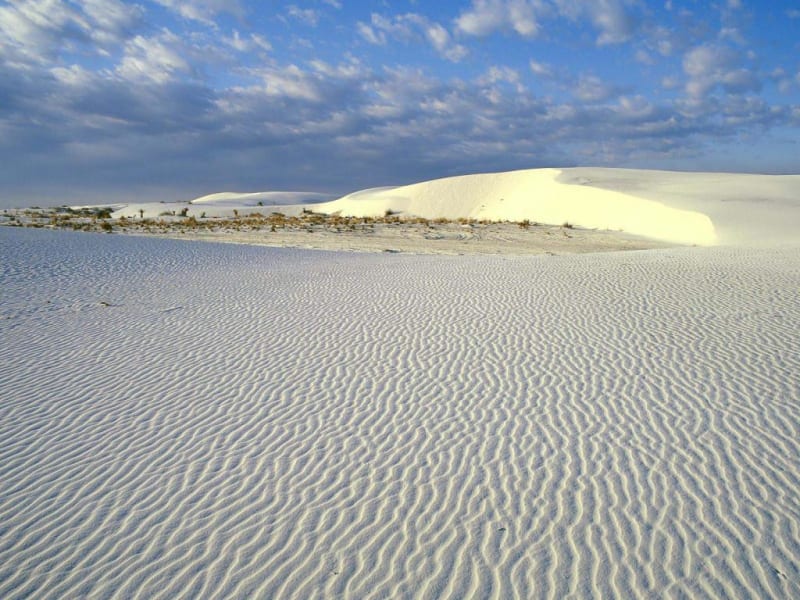
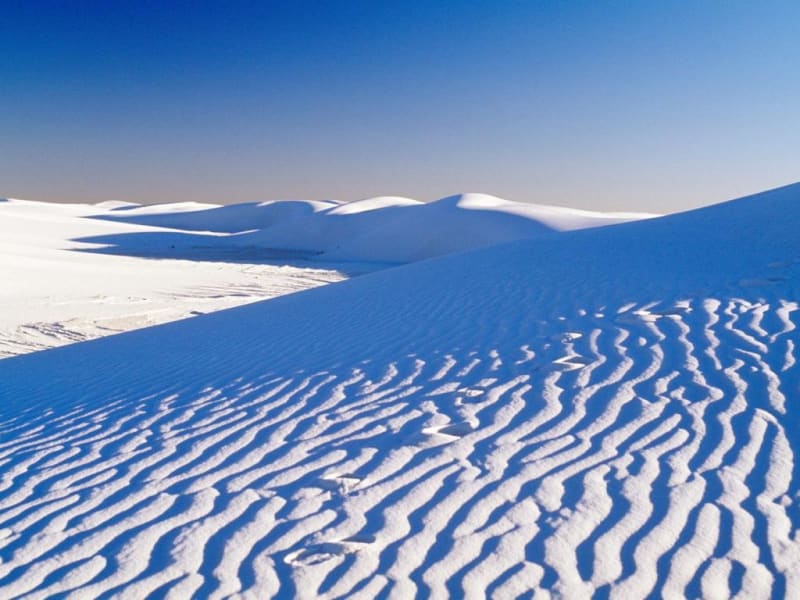
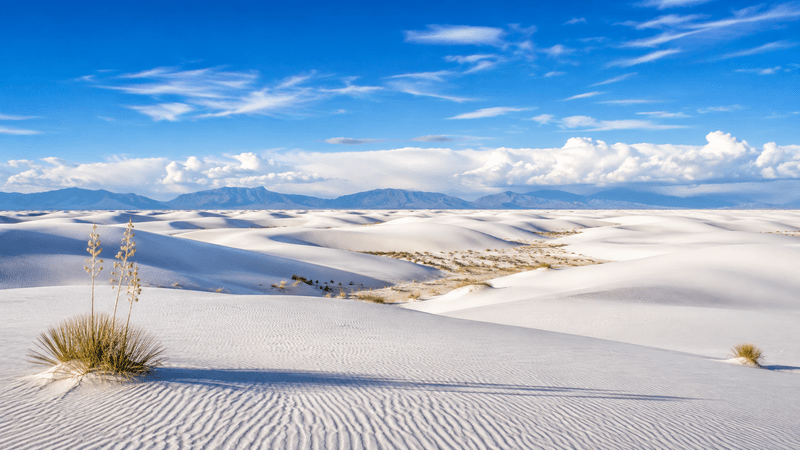
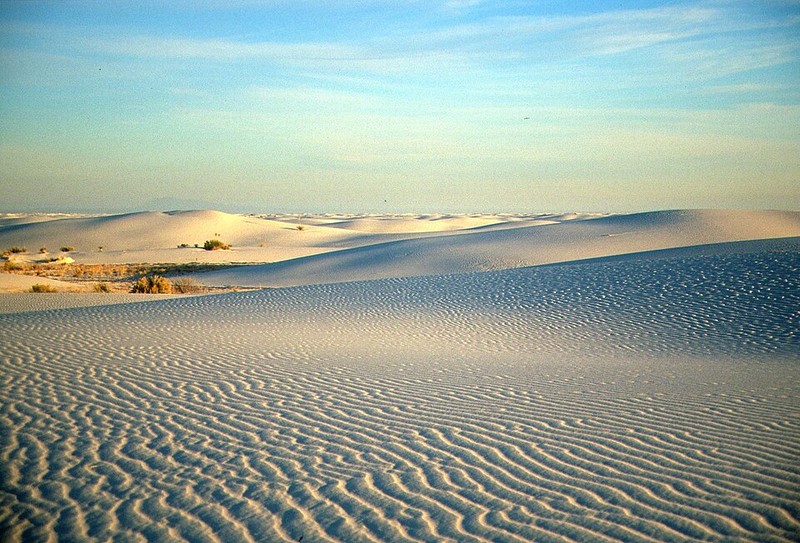
The main impression is one of sweeping white dunes stretching toward the horizon, with mountains in the background. Their curves and rippled lines are especially visible in the morning and late afternoon, when low sunlight emphasizes the contours. Depending on the weather and light, the sand can look pure white, cream-colored, or faintly blue.
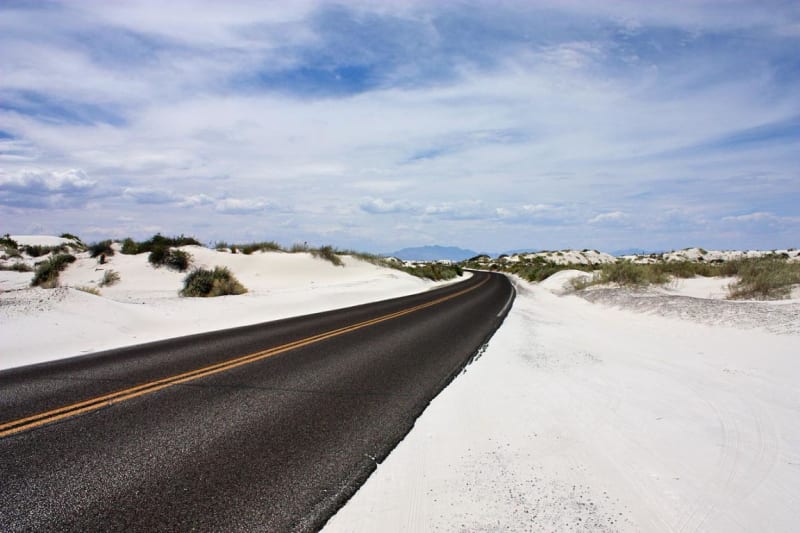
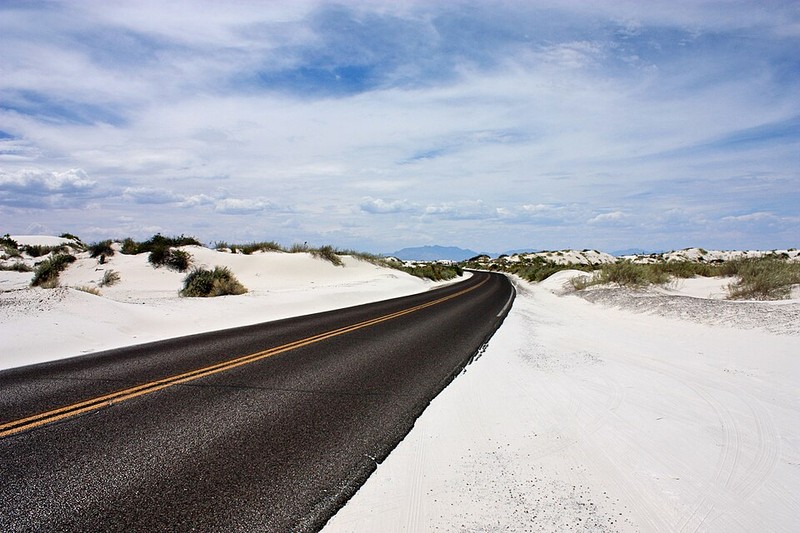
Dunes Drive is a convenient road for exploring the area. It crosses the dune field and provides places to stop, walk, and picnic. Visitors can leave their vehicles and walk across the sand, looking for animal tracks, plants, and patterns made by the wind. Check the current route map and access conditions before setting out.
The park has hiking trails of different lengths. Some follow relatively level terrain, while others involve climbing and descending soft sand. Open dunes may look easy to cross, but walking through them can be tiring, particularly in hot weather. Choose a route according to the forecast, your fitness, and the amount of water you carry.
Sledding and Outdoor Recreation
One of the park's most popular activities is sliding down sandy slopes on specially designed sleds or plastic saucers. The gypsum dunes look remarkably like snowdrifts, making sledding a signature White Sands experience. Use permitted areas, stay away from roads and vegetation, and make sure the slope is clear of obstacles.
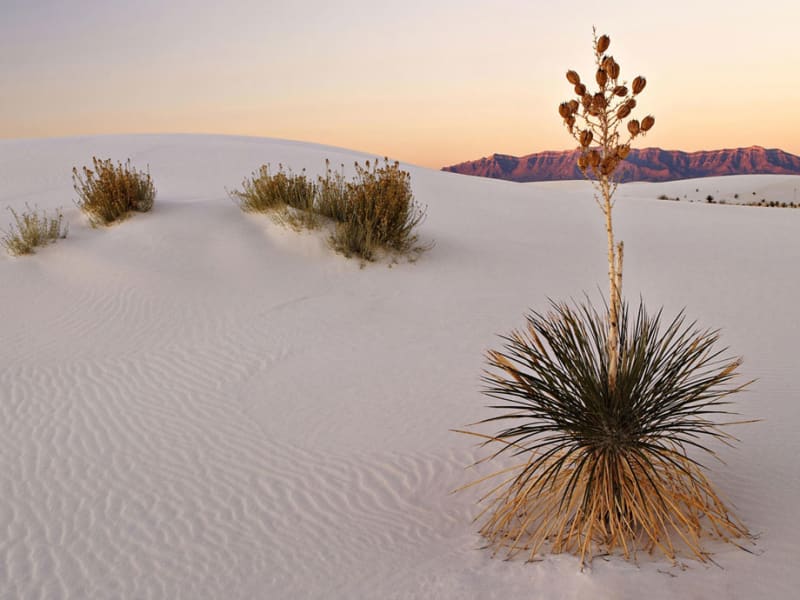
Designated areas provide places to picnic and rest while enjoying the unusual scenery. Many visitors arrive for sunset, when the white dunes gradually take on golden and pink tones as the sun drops behind the mountains. Sunglasses are useful for photography and walking because the bright sand reflects a great deal of light.
Plants and Wildlife
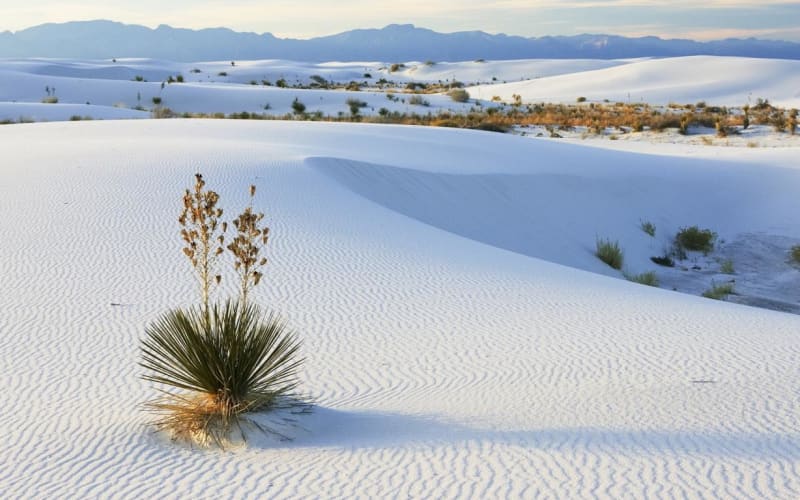
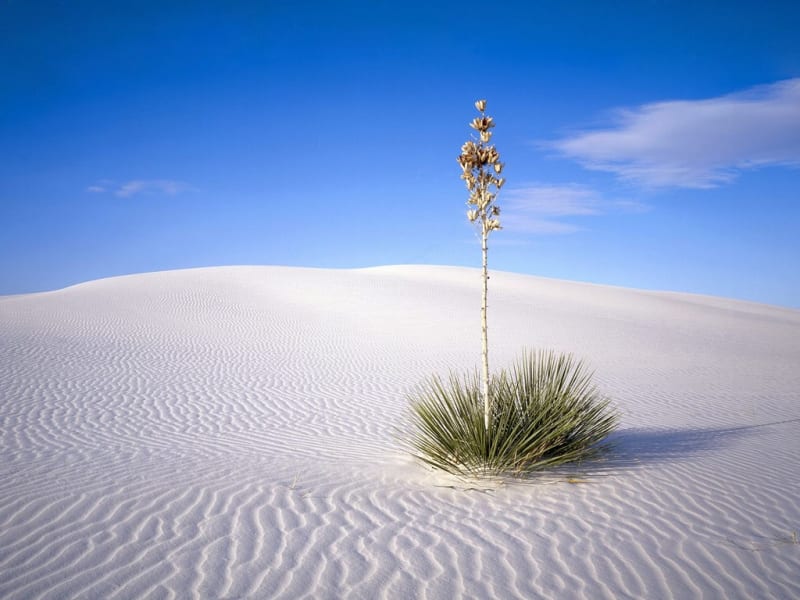
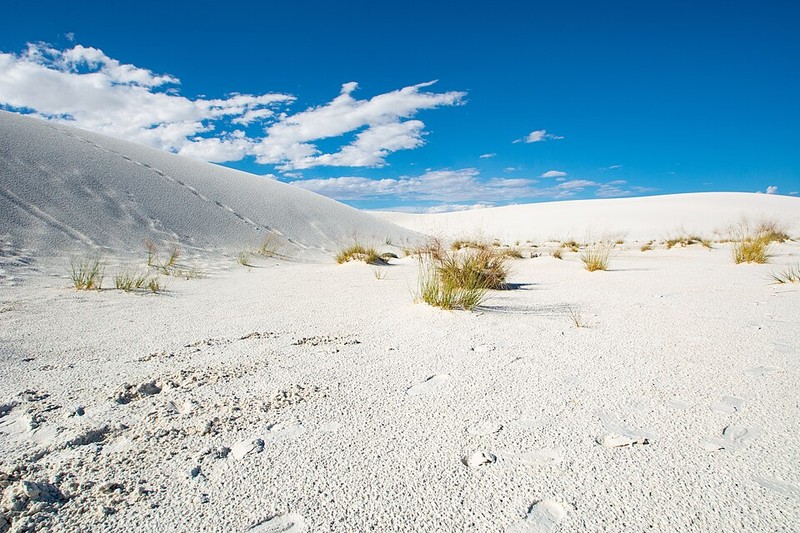
Despite the harsh conditions, the park supports a varied ecosystem. Plants have adapted to drought, shifting ground, and limited nutrients. Some use their roots to stabilize the sand and continue growing upward as dunes accumulate around them.
Insects, lizards, rodents, and other animals live here. Many are elusive or most active during cooler hours. Some local species have evolved lighter coloring that helps them blend into the pale landscape. Observe wildlife quietly from a distance, without touching animals or disturbing their habitat.
History and Scientific Importance
People lived in the Tularosa Basin long before the national park was established. Archaeological discoveries reveal a long history of human presence in the region. Particularly significant are ancient human and animal footprints preserved in sediments associated with former Lake Otero. They help researchers investigate past environments and life during the Pleistocene.
The area became a national monument in 1933 and was designated a United States national park on December 20, 2019. Today, White Sands is important not only as a natural attraction but also as a site for geological, biological, archaeological, and paleontological research.
When to Visit
The park can be visited in different seasons, although conditions vary considerably. Spring and autumn often bring more comfortable daytime weather for walking. Summer can be extremely hot, while winter temperatures may drop substantially, especially after sunset. Check the forecast and official park notices before traveling.
Sunset is a popular time for photography, but visitors should plan around operating hours and possible access restrictions. The park may temporarily close because of testing at the nearby military range. Check the official National Park Service website for current opening information before your visit.
Getting There and Practical Tips
White Sands National Park is located near the city of Alamogordo. The easiest way to reach it is by car via US-70. The visitor center stands near the park entrance and provides information about trails and visiting rules. Make sure your navigation system is set to White Sands National Park, as a nearby missile range has a similar name.
Bring plenty of drinking water, a hat, sunscreen, and comfortable footwear. The open white dunes can make distances difficult to judge, and familiar landmarks may be scarce. Stay out of hazardous or closed areas, supervise children, and take all rubbish with you. Sand, plants, fossils, and other natural or archaeological resources must not be removed from the park.
White Sands National Park is a remarkable place where the desert resembles a snow-covered plain. Visitors can walk among white dunes, slide down the slopes, observe wildlife, and see how wind and water continue to shape the landscape. It is one of the most memorable natural destinations in the southwestern United States.
Gallery