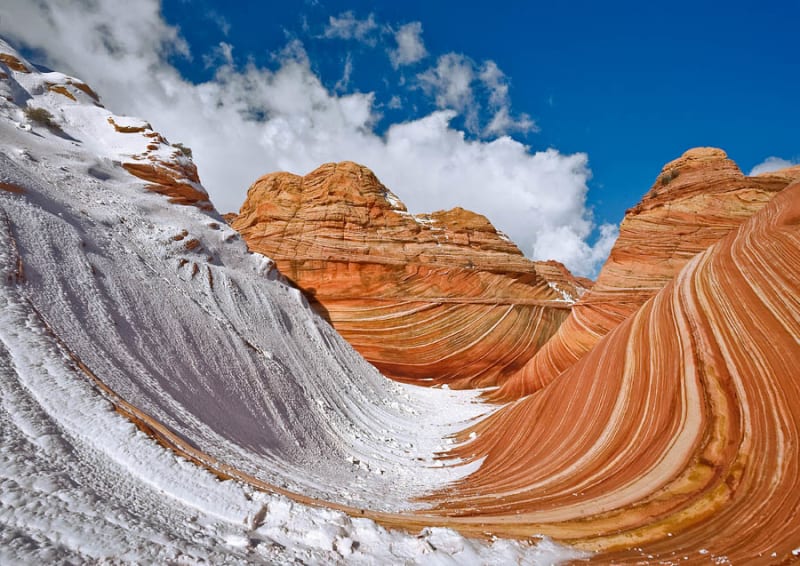
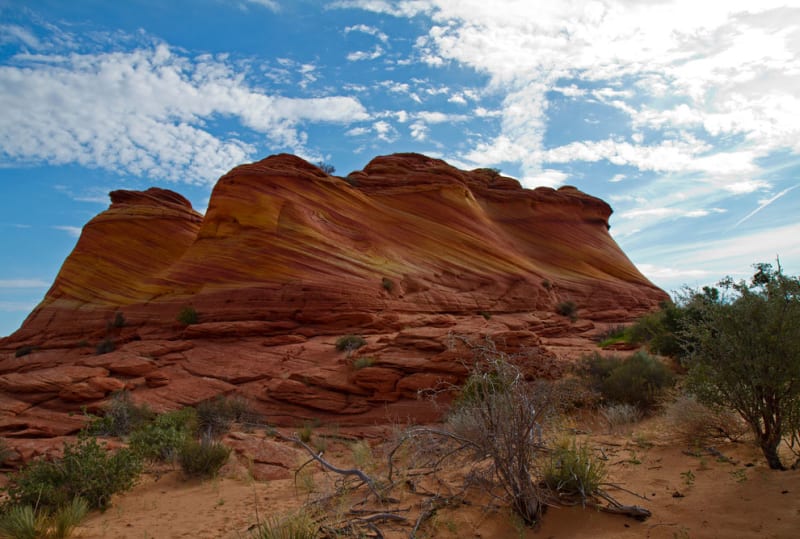
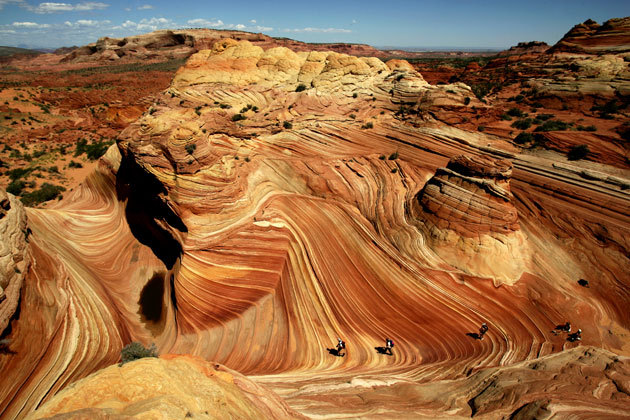
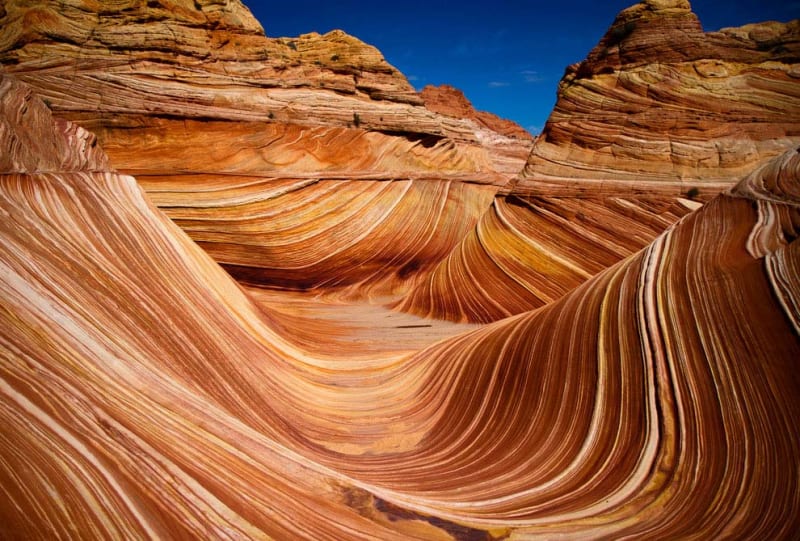
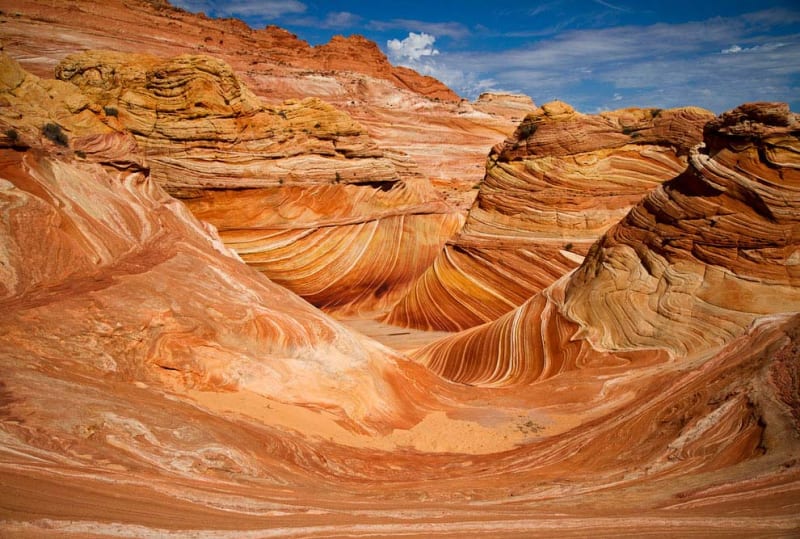
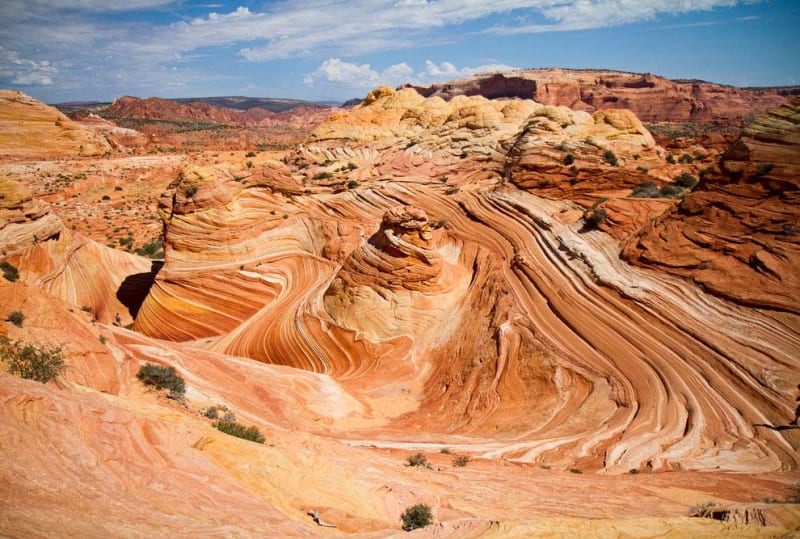
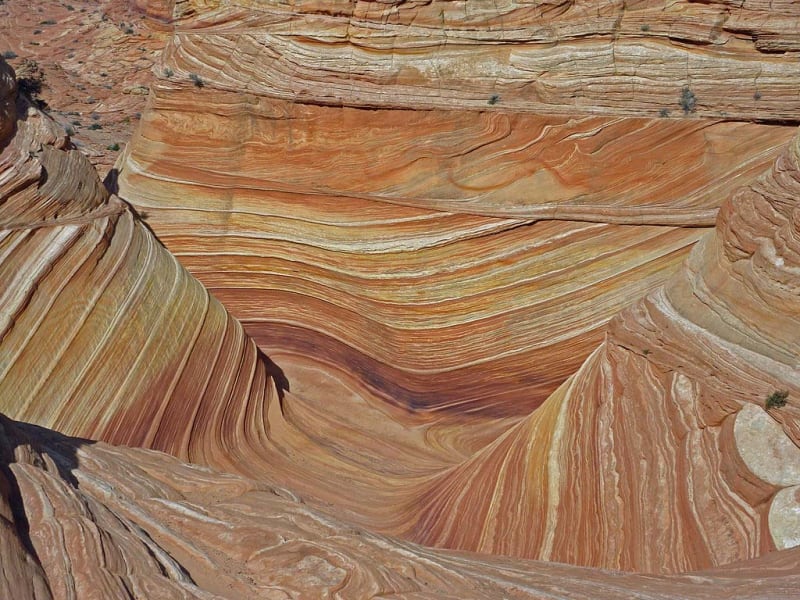
The Wave is an extraordinary sandstone formation on the Colorado Plateau in northern Arizona, United States. It is famous for its undulating rock layers, which resemble frozen waves of red, orange and yellow stone. Curving lines and gradual color transitions create an almost otherworldly landscape that attracts photographers and nature enthusiasts.
How the formation developed
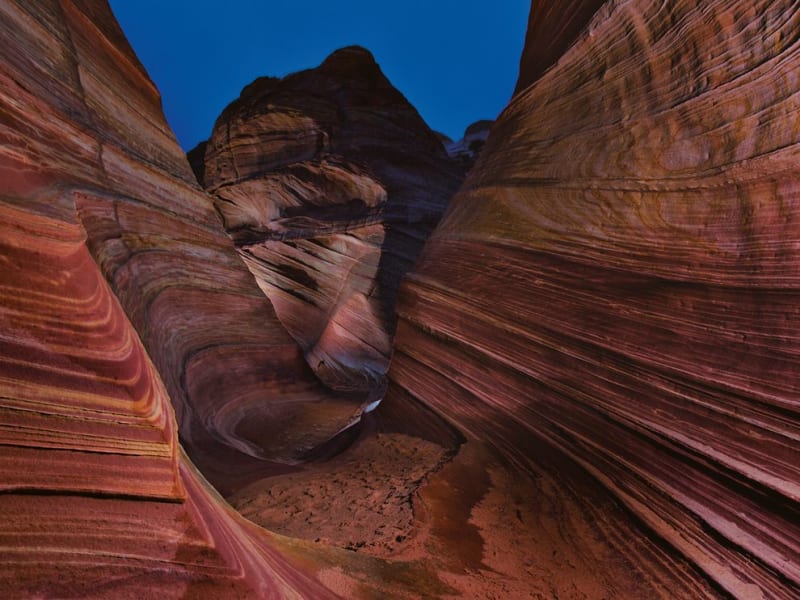
The Wave was formed from sandstone deposited millions of years ago. Over time, wind, water and other weathering processes reshaped the rock, creating smooth grooves, sweeping curves and colorful bands. The alternating mineral layers give the formation its distinctive pattern, reminiscent of moving waves.
A remarkable landscape
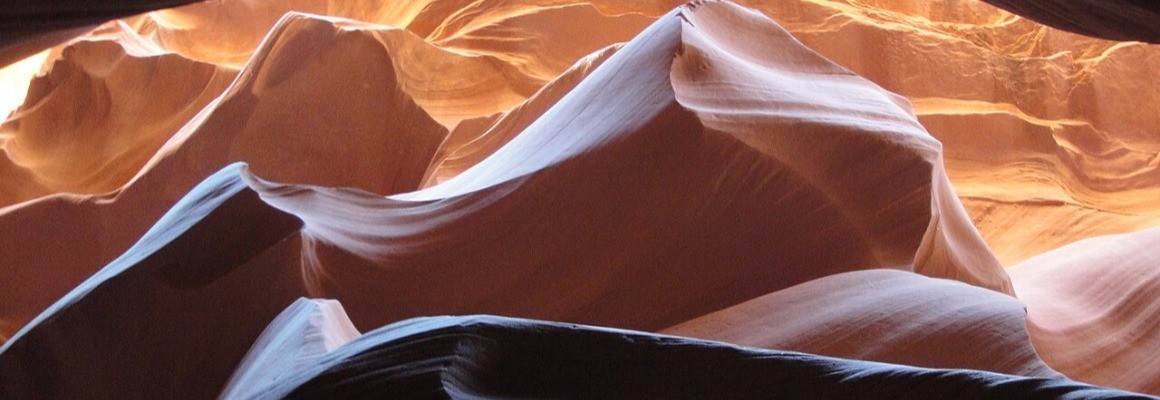
The most striking feature is the network of winding lines that crosses the rock surfaces and changes direction with every curve. Red, golden, cream and pinkish tones are especially vivid in angled sunlight. After rain, the color contrasts may become more pronounced, although wet sandstone can be slippery.
Where The Wave is located
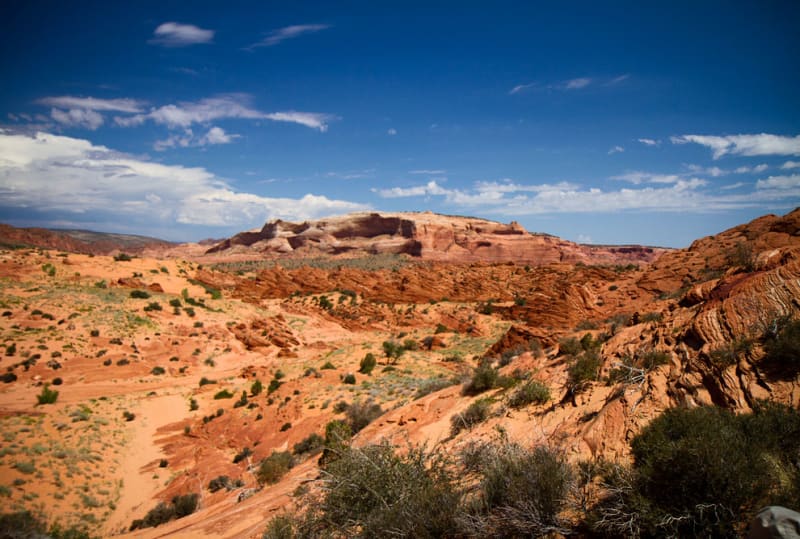
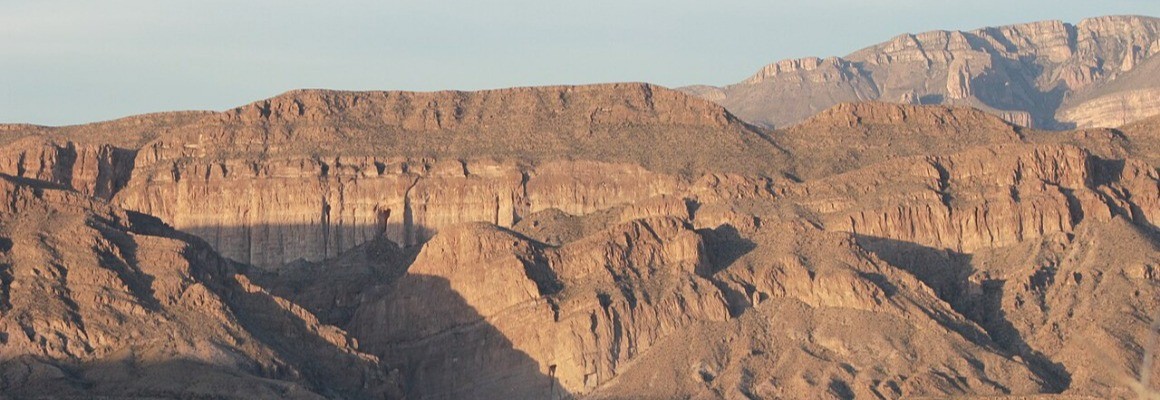
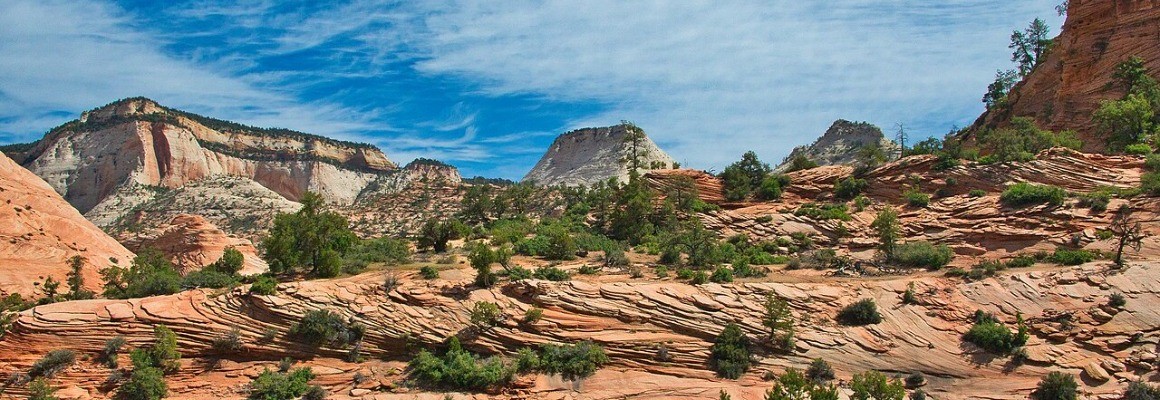
The formation lies in the Coyote Buttes North area, within the Paria Canyon–Vermilion Cliffs Wilderness near the Arizona–Utah border. Page, Arizona, and Kanab, Utah, are common starting points for visitors. The surrounding region features desert plateaus, sandy slopes and other striking rock formations.
How to visit
Access to The Wave is restricted by a permit system because the sandstone formations are fragile and the area requires protection. Visitor numbers are strictly limited, and permits must be obtained through the official lottery system. Traveling to the region does not guarantee entry. Check the current rules and application procedures provided by the US Bureau of Land Management before planning your trip.
The hiking route
The route to The Wave crosses desert terrain without a conventional developed hiking trail. The round trip is approximately 10 km, although the actual distance depends on the route taken. Shade is scarce, and summer temperatures can be extreme. Bring reliable navigation, plenty of water, sun protection and footwear suitable for sand and rock.
Best time to visit
Spring and autumn are often the most comfortable seasons for hiking because temperatures tend to be milder. Summer desert heat can make the walk dangerous, while winter may bring cold weather, snow and difficult road conditions. For photography, the time of day matters as much as the season: soft morning and evening light emphasizes the sandstone's contours and colors.
Protecting the landscape
The sandstone that forms The Wave is easily damaged, so visitors must stay on the permitted route and take all rubbish away. Do not write on the rocks, remove pieces of stone or trample fragile vegetation. A visit requires careful preparation, attention to weather conditions and compliance with all permit requirements.
Gallery